Alright, alright, alright!

From Southern drawl to Yooper: 12 All-American regional accents explained


Published on February 21, 2026
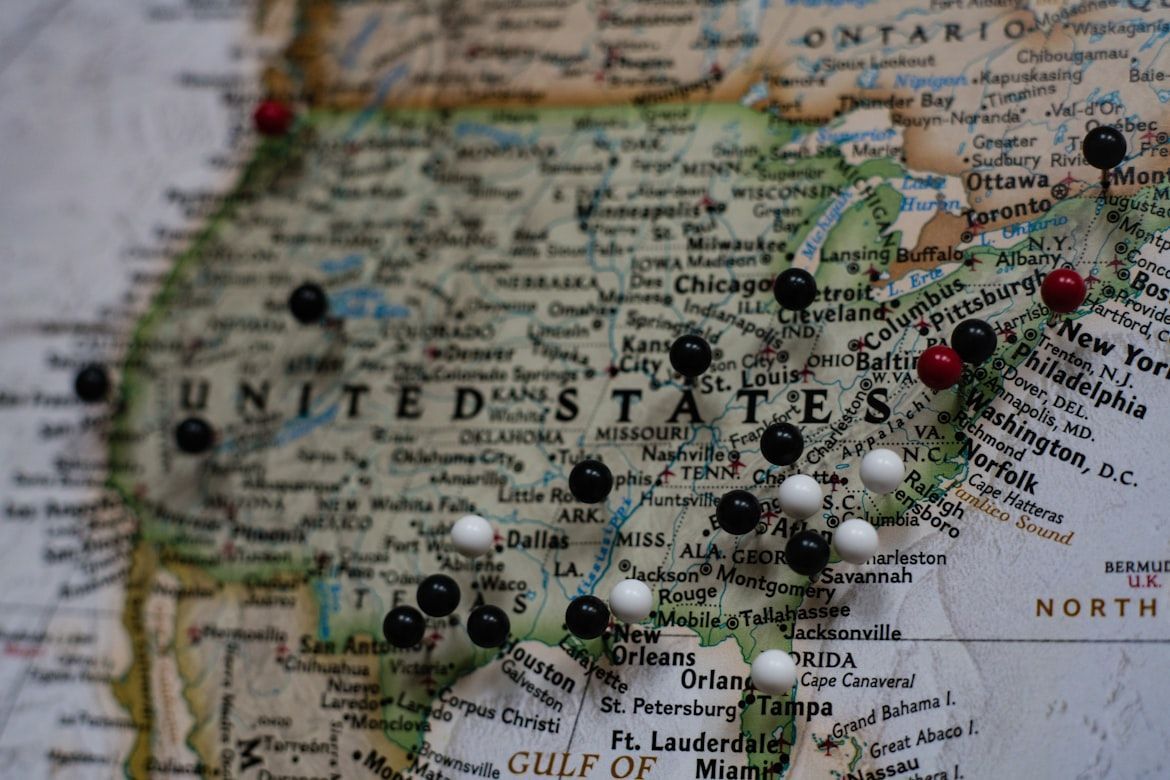

Image: Joey Csunyo

The U.S. is a collection of regional accents, each with its own unique story. From coastal cities to rural towns, these speech patterns didn’t just happen—they evolved from waves of immigration, geography, and history. Let’s take a look at how some of the most recognizable American accents came to be. Is yours on the list?

1

California

Image: Maarten van den Heuvel

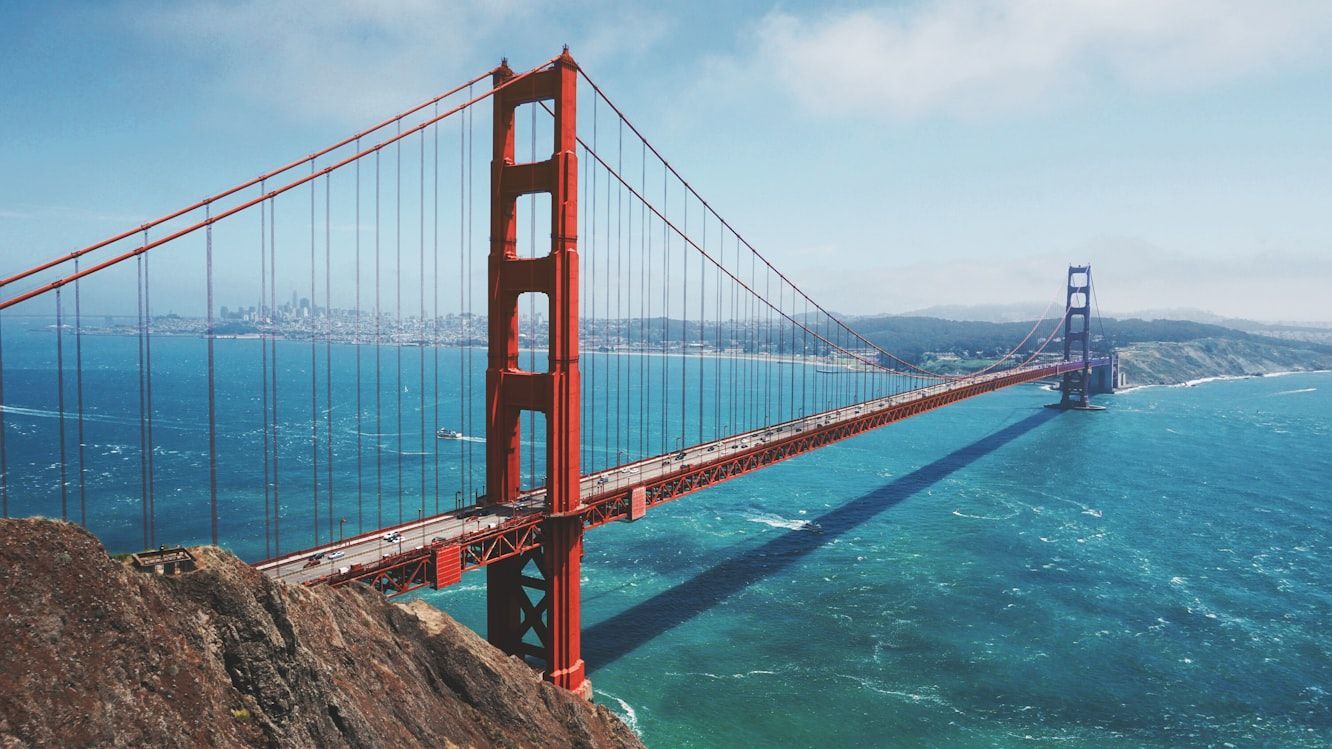
California accents may seem subtle, but they’re deeply rooted in the state’s layered history. Spanish was the dominant language before the Gold Rush brought English speakers and immigrants from Mexico, China, and other parts of the world. These waves of settlement shaped the way Californians speak today.

The Dust Bowl brought Southern dialects to the Central Valley, still heard in local speech. One major trend is the California vowel shift, which changes sounds in words like "kit" to "ket".

2

Appalachia

Image: Wes Hicks

Appalachia is a cultural region stretching from New York to Alabama, rooted in Cherokee lands and later settled by immigrants from Europe and beyond. Its rugged geography led to the development of Appalachian English, a dialect shaped by isolation and unique speech patterns like "ghostes" or "holler" for "hollow."

The Scots-Irish had a strong influence, bringing words like "britches" for pants and calling valleys "bottoms."

3

New Orleans

Image: Mitch Hodiono

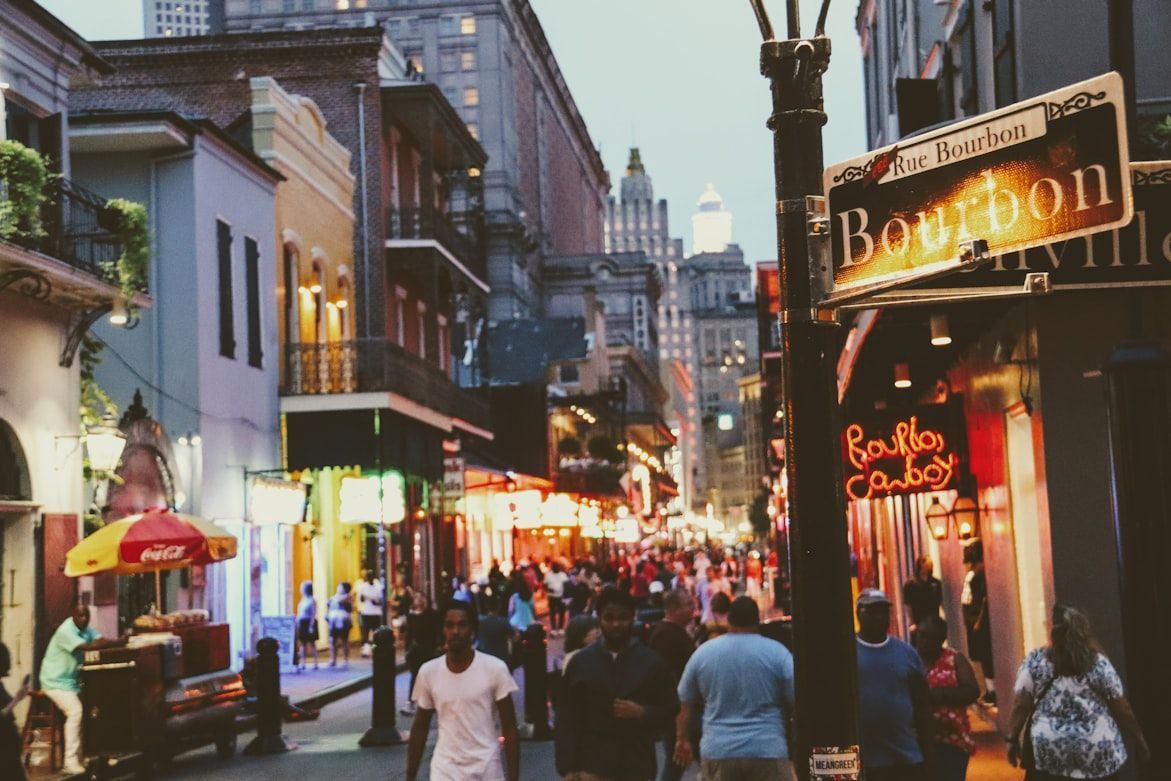
New Orleans, founded by the French, became a melting pot of cultures. Haitian, Irish, German, Jewish, Chinese, and Sicilian immigrants all left their mark on the city’s language and neighborhoods.

These influences shaped many local dialects, including Cajun and Yat. Yat, spoken in areas like the Ninth Ward, shares features with Brooklynese, thanks to shared Irish and Italian roots, including accents like "watah" for "water."

4

Southern accent

Image: Taylor Brandon

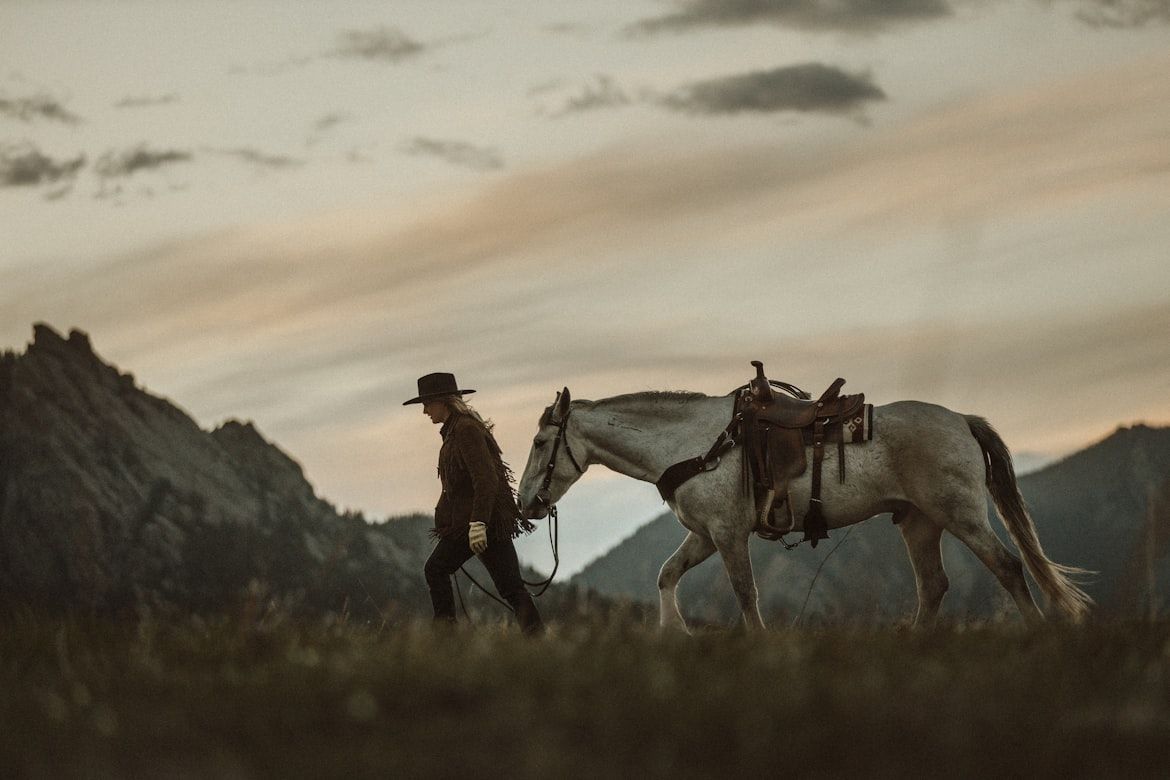
Probably one of the, if not the most famous, accents on the list, the Southern accent is widely recognized—think drawls and "y’all"—but it's often misrepresented by media and stereotypes.

Not everyone in the South talks the same, and terms like "Southern American English" might be more accurate than old Civil War associations.

5

Boston

Image: todd kent

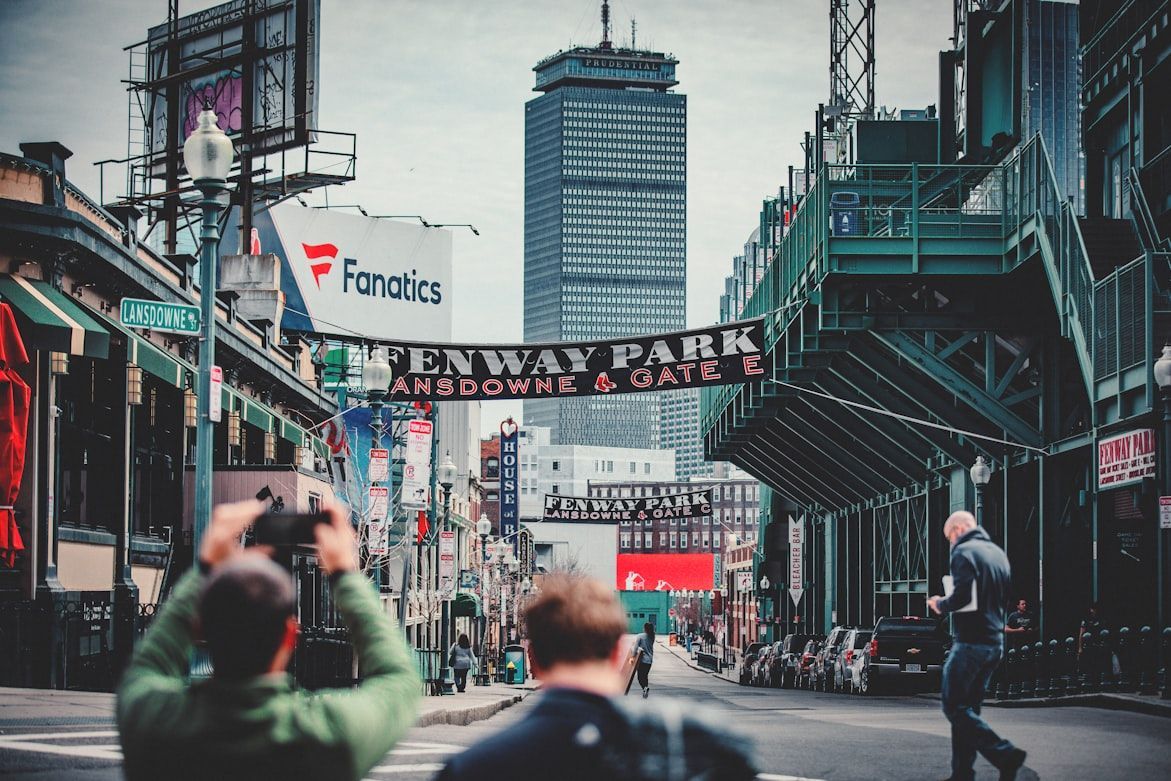
The Boston accent is more than just dropped R’s—it reflects centuries of New England history. Brought over by British colonists, this "R-less" way of speaking evolved as settlers spread through the region.

Beyond pronunciation, locals use unique words like "wicked" and "jimmies." Vowel sounds also stand out, with distinctions in "Mary," "merry," and "marry," and broad A’s in words like "bath".

6

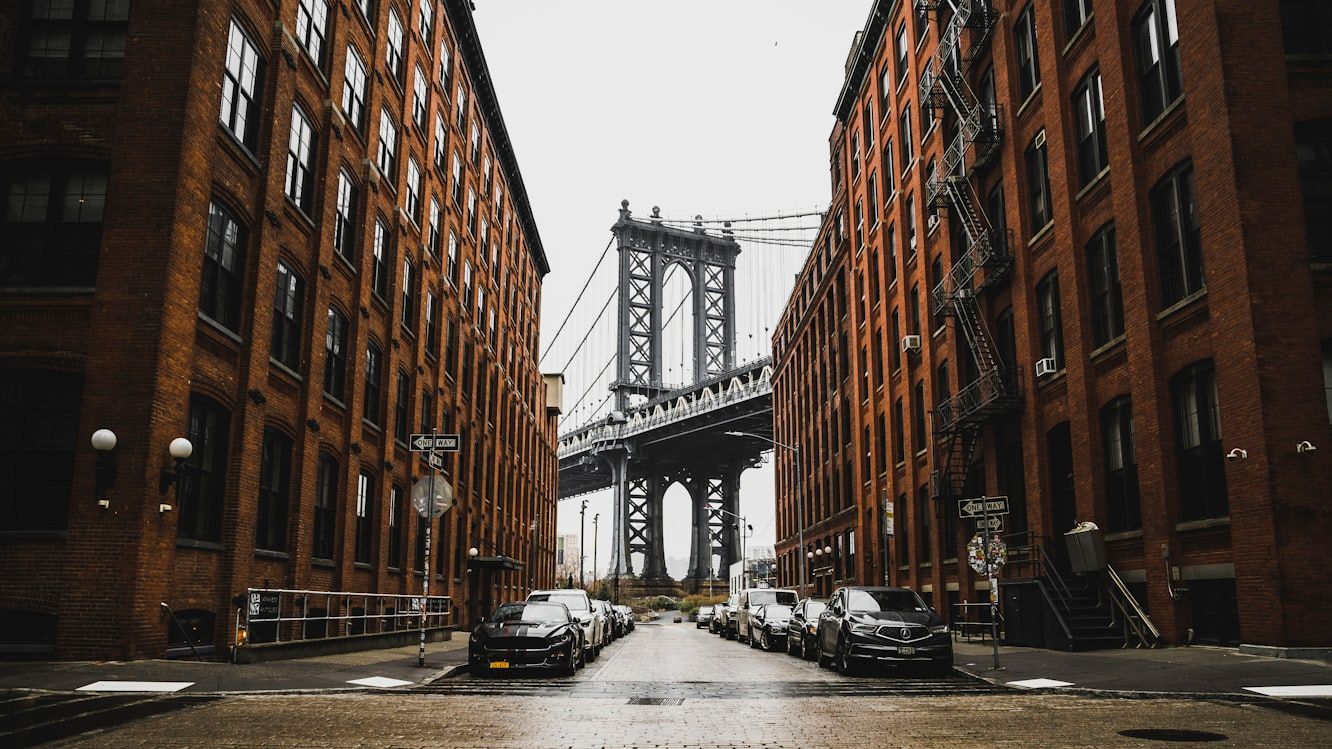
New York

Image: Redd Francisco

Sharing some similarities with the Boston accent, the New York accent reflects the city's rich history and immigrant roots. It began with Dutch settlers, followed by London English influences, and was shaped further by Irish, Italian, and Eastern European immigrants.

Key features include dropped "r" sounds and distinct vowel pronunciations. These traits, combined with the city's diversity, helped form an accent tied closely to New York's working-class identity and cultural pride.

7

Midwest

Image: Ryan De Hamer

The Midwestern accent, especially in the Great Lakes region, developed from New England, New York, German, and Scandinavian settlers. The Erie Canal helped spread these influences, creating a distinct way of speaking shaped by both geography and immigration.

Key traits include the Northern Cities Vowel Shift, where vowel sounds change noticeably, and regional slang like "ope," "you betcha," and "pop." These features help define the accent and identity of the Midwest.

8

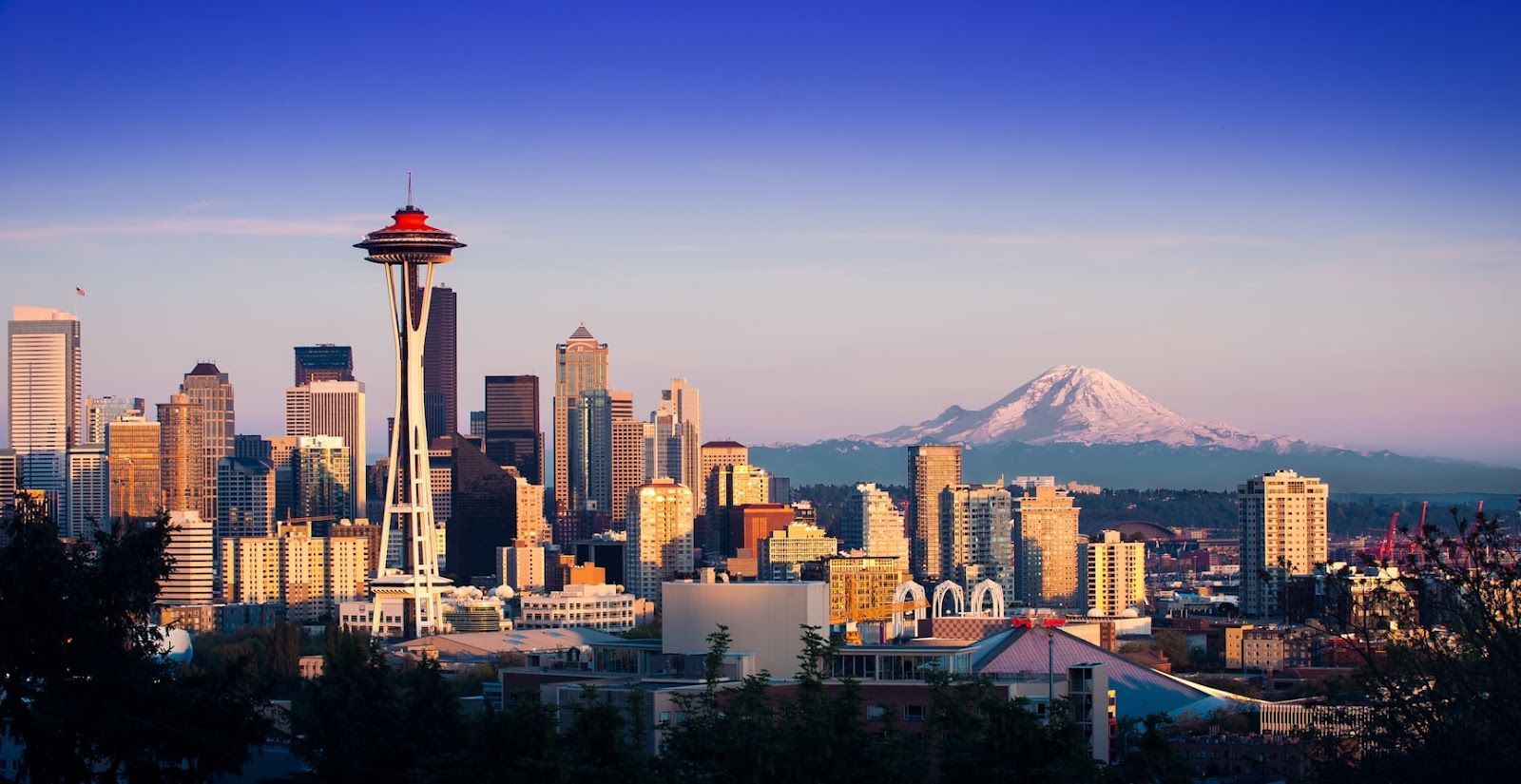
Pacific Northwest

Image: Thom Milkovic

The Pacific Northwest has its own speech quirks that set it apart from the broader West Coast dialect and the previously mentioned California accent. Locals often merge the vowels in "cot" and "caught," add an "r" to words like "Washington," and say "coast" instead of "beach."

Even highway talk can give away your roots. Saying "I-5" without "the" is typical of PNW natives, while adding "the" (as in "the I-5") is more common among Californians and other outsiders.

9

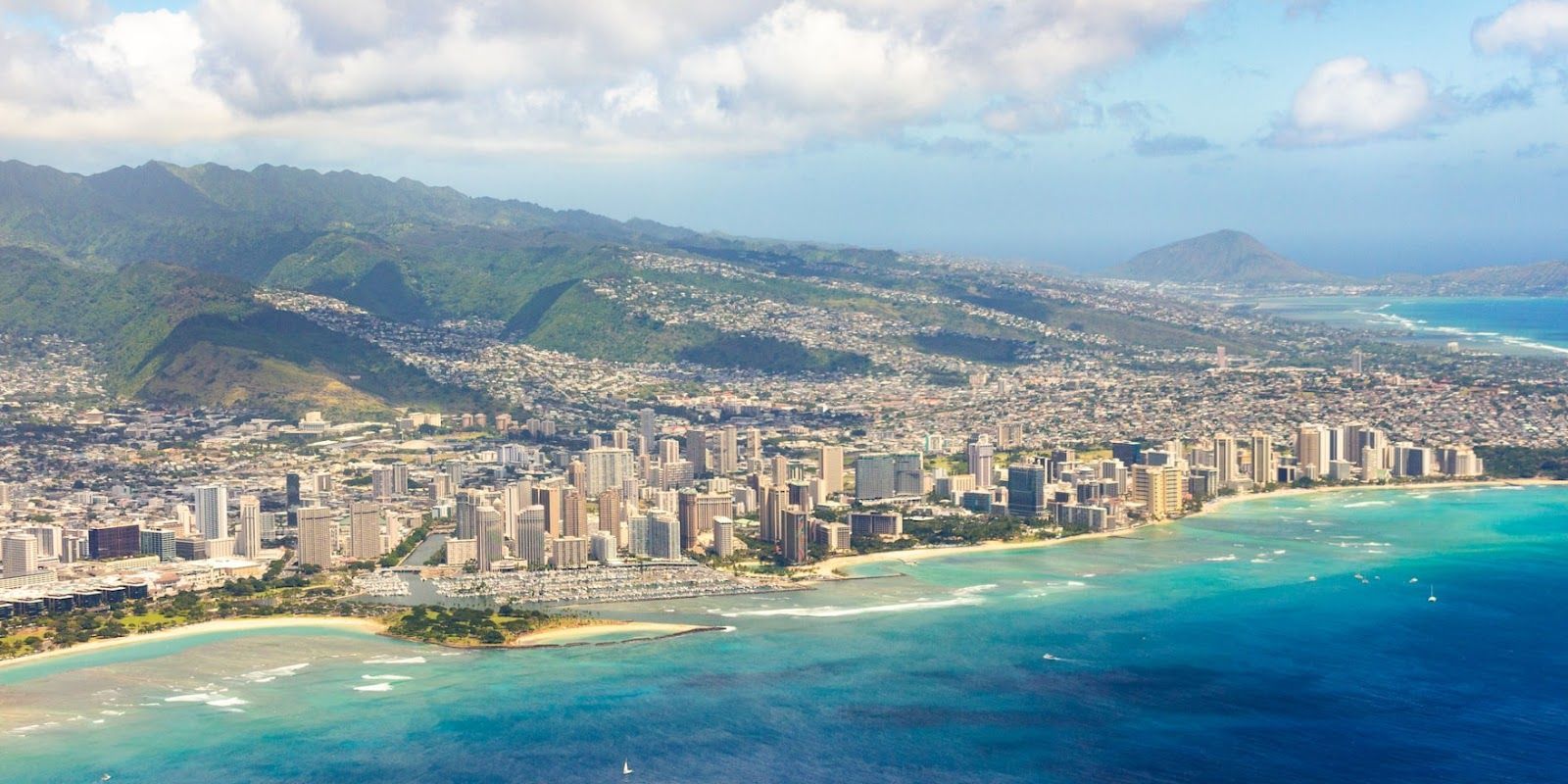
Hawaii

Image: Jakob Kim

Hawaii’s unique accent is shaped by its isolation and multicultural roots. Hawaiian Pidgin developed from plantation workers speaking Cantonese, Portuguese, Japanese, and Filipino, blending with Hawaiian to ease communication.

The dialect features dropped "r" sounds and changes like "th" to "d," with words like "three" pronounced "tree." Pidgin also reflects Hawaiian pronunciation, such as saying "hah-WAH-ee" for Hawaii and simplifying consonant clusters in everyday speech.

10

Philadelphia

Image: Heidi Kaden

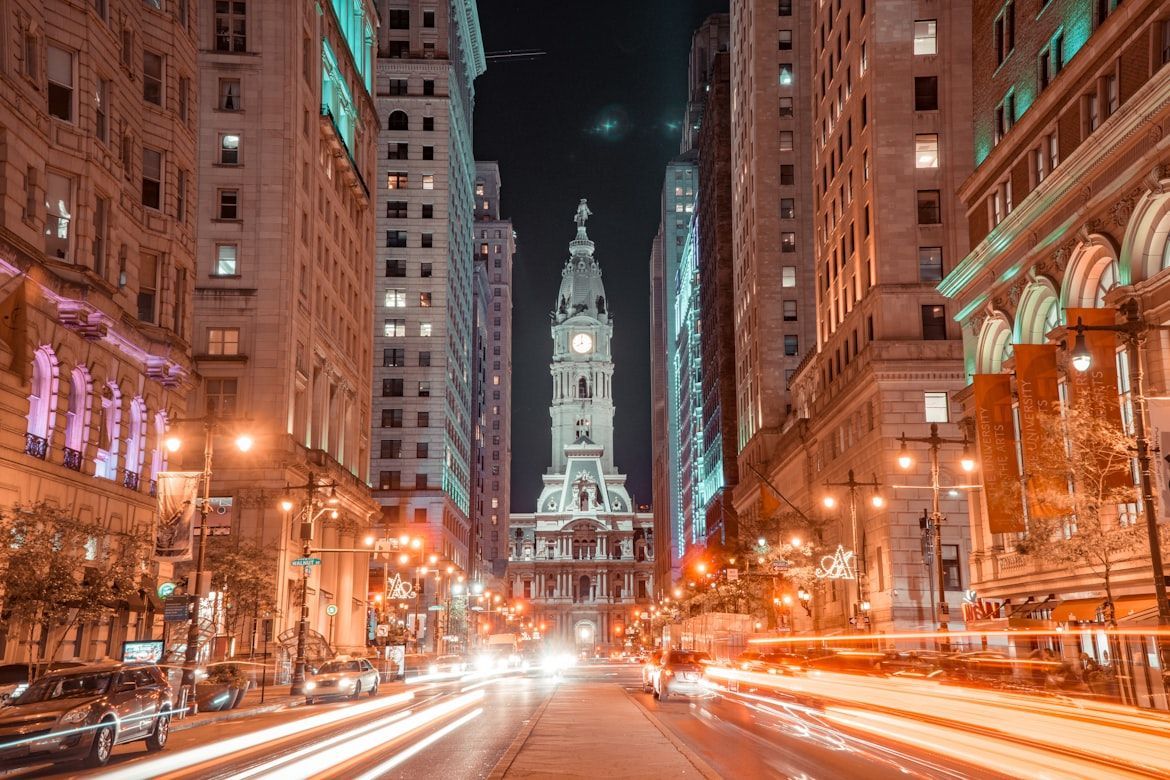
The Philadelphia accent, known for turning "fight" into "foit" and "very" into "vurry," is one of the world’s most unique. It developed from English, Scottish, and Irish settlers in the 1600s and grew apart from nearby accents like New York’s.

Unlike some Northern accents, Philly speech keeps the "r" sound. While regional differences exist, the accent continues to evolve. Some traits fade, but others, like "wooder" for "water," remain.

11

Miami

Image: aurora.kreativ

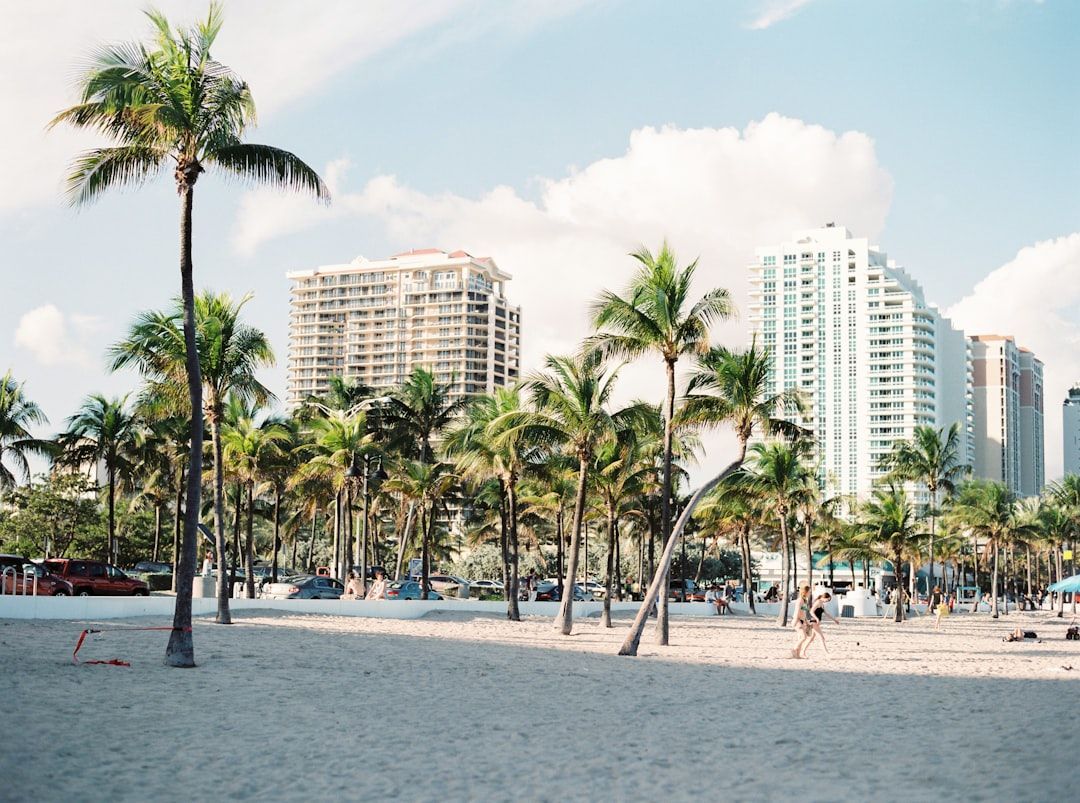
The Miami accent is a young dialect shaped by Spanish and Cuban influence after 1959. It features a rhythmic tone, unique pronunciations like "sall-mon" for salmon, and Spanish-inspired phrasing.

Common traits include calques (direct translations like "make a party") and vowel sounds influenced by Spanish. Though often mistaken for Spanglish, it’s a distinct dialect and a marker of Miami’s culture.

12

Yooper

Image: Brad Switzer

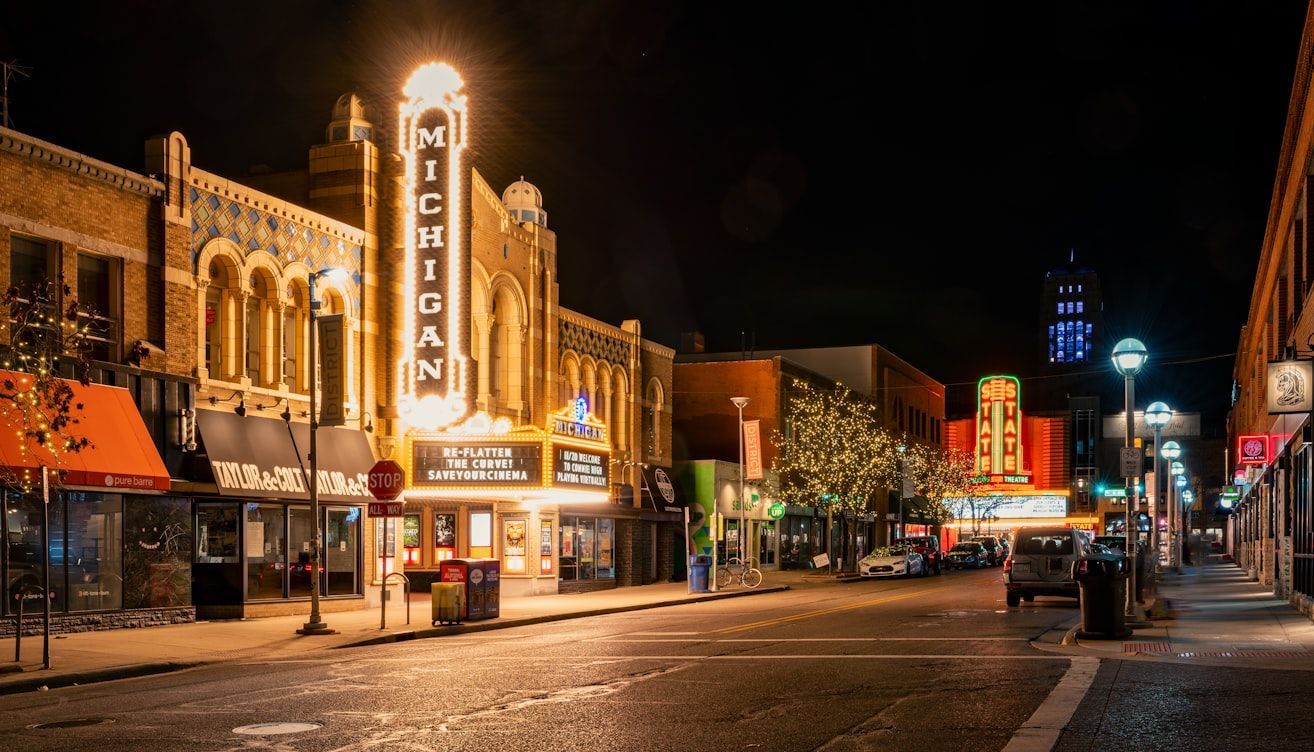
The Yooper accent, heard in Michigan’s Upper Peninsula, blends Finnish, Swedish, French Canadian, and Cornish influences. It developed through mining-era immigration and stayed distinct due to the region’s isolation.

Locals say "yah" for yes, use "d" for "th" ("dat" for "that"), and often add "eh" at the end of sentences. "Yooper," which is short for "U.P.er," became the popular nickname for residents in the 1970s.

What’s in a name?

Can you guess these 6 words named after places? Join our toponymic game!


Published on February 21, 2026


Image: Pixabay

It is not surprising that some things we use or see every day are named after the place where they originated. And, over time, the place name becomes the name for the object. Words named after places or geographically grouped peoples are called toponymic words. There are more toponymic words than you can imagine, but you probably never gave them a second thought. So, we've come up with a game: We have left some clues for you to discover 6 words that derive from their place of origin. At the end of the article, you will find the correct answers. Are you up for the challenge?

1

Toponymic word #1: Shorts = Caribbean Island

Image: Schäferle

Our first toponymic word refers to a variety of knee-length, wide-legged shorts named after a British overseas territory located in a Caribbean archipelago in the North Atlantic Ocean, off the east coast of the United States.

Still haven't figured it out? Here's a hint: According to legend, there is a "triangle" in this area where numerous ships and planes have disappeared in mysterious circumstances.

2

Toponymic word #2: A gold coin = West African region

Image: James Wiseman

To guess this word, you have to think of a type of British coin that took its name from a region of West Africa known for its naturally moist tropical forest and savanna.

This particular gold coin was minted from 1663 to 1814 and represented a value of 20 shillings in sterling species, equal to one pound. Any ideas?

3

Toponymic word #3: Slang for coffee = Indonesian Island

Image: Yosi Azwan

There are many ways to refer to coffee: espresso, brew, Joe, black gold, and morning elixir, among many others. But on this occasion, we are going to focus on a toponymic word that derives from the name of a specific Indonesian island.

Coffee took this nickname when the islands were colonized by the Dutch in the 19th century. During this time, as the beverage became more and more popular, the main source of the world's coffee was this Indonesian island. Sound familiar?

4

Toponymic word #4: A type of shoe = A British town

Image: Pixabay

What do a formal shoe and a British city have in common? Their name! This word has its origin in an English cathedral city founded in the 8th century. The shoe in question is typically made of leather and tied with laces.

You still don't know the answer? Here's a clue: This town is home to the oldest university in the English-speaking world, where great names in world history such as Adam Smith, Oscar Wilde, Stephen Hawking, and Bill Clinton, among many others, studied.

5

Toponymic word #5: A group of artists = A region in the Czech Republic

Image: Rafael Ishkhanyan

The fifth word in our toponymic game refers to the practice of an unconventional lifestyle generally associated with musicians, authors, painters, actors, and intellectuals. The term derives from the name of one of the three historical regions that make up the Czech Republic.

No idea what we're talking about? What if we told you that you can find the word in the title of a famous song by the British band Queen? If you are still feeling lost, scroll down and you'll find the answer!

6

Toponymic word #6: A type of wool = A region in North India

Image: Isa Macouzet

A type of wool made from the hair of a certain goat species shares its name with a region in North India located at the foot of the Himalayas. Although they are not spelled exactly the same, they are pronounced identically and have a historical connection.

Need a hint? The fabric made from this wool is one of the finest, softest, and warmest in the world. And yes, it is one of the most expensive too!

7

Toponymic word #1: Bermudas

Image: stokpic

Bermuda shorts are a type of short pants, worn mainly on informal occasions. The origin of this garment dates back to the early 20th century, when the British military was stationed in Bermuda. The English officers were not used to the sweltering heat of the Caribbean, so they decided to cut off their pants to alleviate the effects of the high temperatures.

The idea was a total success. The new garment began spreading to local civilians, causing the island's tailors to start selling their suits with shorts instead of long pants. Over time, tourists also adopted the local style, and bermudas gradually made their way to other parts of the world. Nowadays, bermuda shorts are the quintessential summer garment, favored for their style and versatility.

8

Toponymic word #2: Guinea

Image: Siora Photography

The first guineas were minted in 1663, authorized by the British Crown "for the use and on behalf of the Company of Royal Adventurers trading with Africa". The coin received this name because the gold used to produce the first series was imported from the Guinea Coast, in West Africa.

The etymology of the word guinea is a bit tricky. It is believed that the English term Guinea comes from the Portuguese Guiné, a word from the mid-15th century used to refer to the lands inhabited by the Guineus. Guineus is what the Portuguese called the "black" African peoples living south of the Senegal River.

9

Toponymic word #3: Java

Image: Nathan Dumlao

Although it is not the most common nickname, many people call coffee Java. But why? Java was a very developed island in the Dutch East Indies era. In the 17th century, the Dutch introduced coffee to Southeast Asia, including places like Sumatra, Bali, and Java. In the 19th and early 20th century, Javanese coffee gained global popularity.

In 1863, a New York coffee merchant named Lewis A. Osborn launched the first packaged coffee in the United States. It was called "Osborn's Celebrated Prepared Java Coffee", a testament to the fact that the name Java was a synonym for quality coffee since it started to be massively consumed in our country.

10

Toponymic word #4: Oxford

Image: Noah Smith

Did you guess it? We bet you did! Even if you didn't know the origin of the word, you probably have at least a pair of Oxford shoes in your closet. Oxford shoes are a classic and versatile style that can be worn for weddings as well as job interviews. But what is their connection with the famous English city?

There are many theories about the origin of Oxford shoes. The most accepted one is that their name derives from a type of boot known as the Oxonian that was very popular among students at Oxford University in the early 19th century. In turn, these shoes have roots in the Balmoral boot, named after Balmoral Castle in Scotland.

11

Toponymic word #5: Bohemia

Image: cottonbro studio

The Oxford Dictionary defines the word bohemia as "Socially unconventional, artistic people viewed collectively or as a community". The word was borrowed from the French La bohème and was used to describe artists’ non-traditional lifestyles in large European cities.

The term appeared in the early 19th century and derived from the similarities the French found between urban bohemians and the Romani. La bohème was a common name for the Gypsy people of France, who were mistakenly believed to have arrived in the 15th century from Bohemia, the western part of what is now known as the Czech Republic.

12

Toponymic word #6: Cashmere

Image: Camera-man

Cashmere is a natural fiber highly valued for its softness and warmth. It is obtained from the wool of the long-haired cashmere goat, native to the Kashmir region in northern India. Nowadays, these goats are also raised in other countries such as China, Mongolia, Iran, Afghanistan, and Pakistan.

The term cashmere is an anglicization of the name Kashmir and was used to describe shawls made by Kashmiri craftsmen that were traded via the Silk Road. However, it is said that the one responsible for its massive introduction to the Western world was Napoleon Bonaparte in the 19th century.

Looking for an extra scoop of literary fun?

Learn more with our Word of the day

attached

/əˈtætʃt/