Missed chronicles
Was the Kraken real? Scientists prove it was!
Published on July 10, 2026

Between political updates, economic shifts, and the relentless speed of the modern news cycle, it’s incredibly easy for fascinating breakthroughs and heartwarming stories to slip through the cracks. While the world was looking elsewhere, scientists were rewriting history, and everyday heroes were quietly accomplishing the extraordinary. If you need a break from the usual headlines, here are 10 amazing, recent news stories that you probably missed.
The Kraken was real: A 62-foot giant octopus discovered
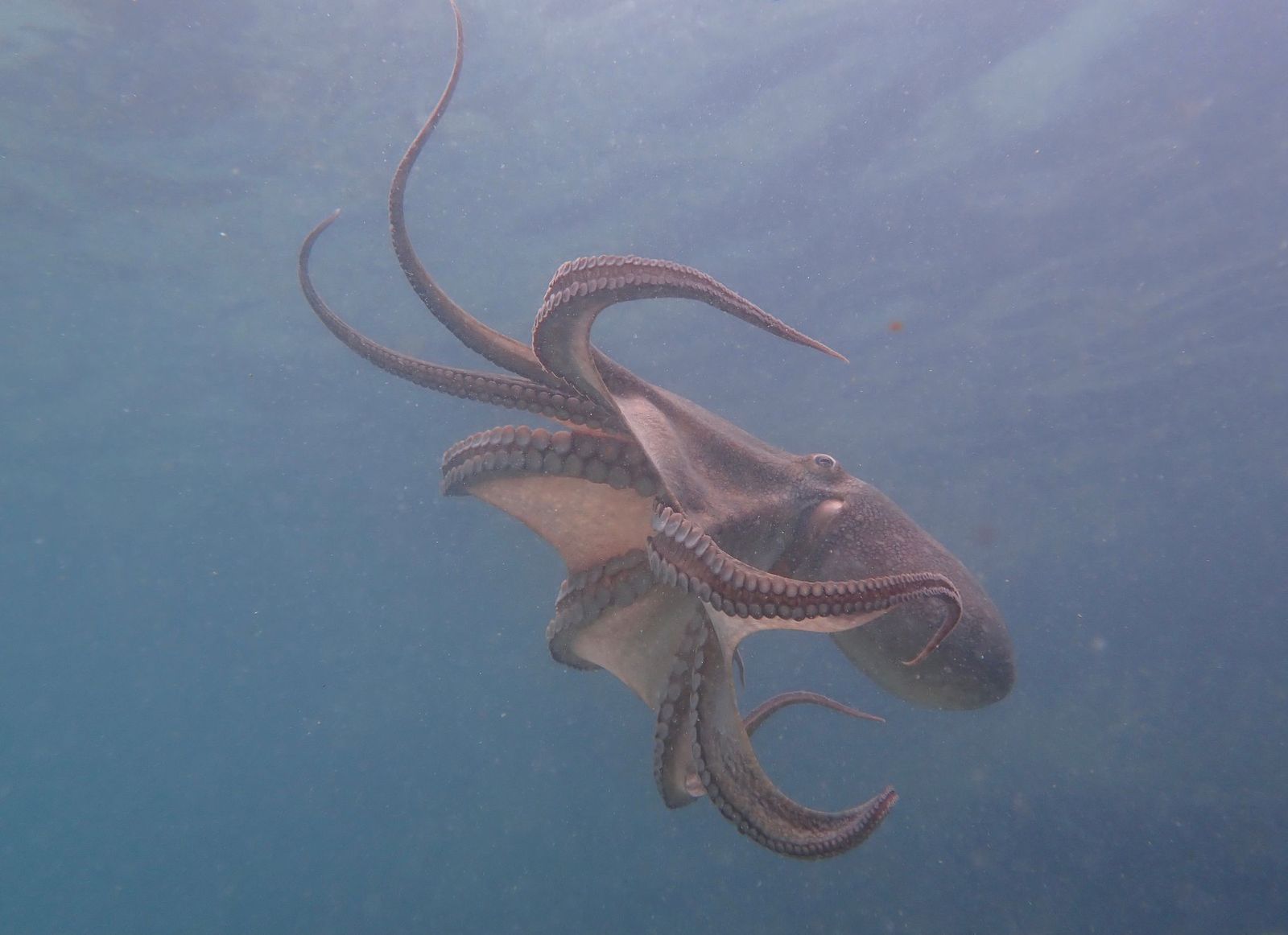
For centuries, the Kraken was a terrifying myth spread by sailors. However, a groundbreaking paleontological study published by scientists at Hokkaido University in Japan changed everything. By analyzing well-preserved fossilized jaws from Late Cretaceous sediments, researchers identified a colossal, prehistoric finned octopus species named Nanaimoteuthis haggarti. Scientists estimate this ancient cephalopod reached a staggering length of up to 62 feet, making it the largest invertebrate ever discovered.
A humanoid robot broke a half-marathon record

Robots are no longer those chunky machines we used to watch in films and TV shows. At the Beijing E-Town Half Marathon, a humanoid robot named "Lightning" shocked sports and tech enthusiasts alike. Competing autonomously alongside 12,000 human runners, Lightning completed the 13.1-mile race in 50 minutes and 26 seconds. Not only did it win its category, but it also ran faster than the official human men's half-marathon world record of 57:31. The event was designed to test advanced robotic cooling systems and structural endurance under real-world conditions.
Scientists uploaded a fly’s brain into a virtual body
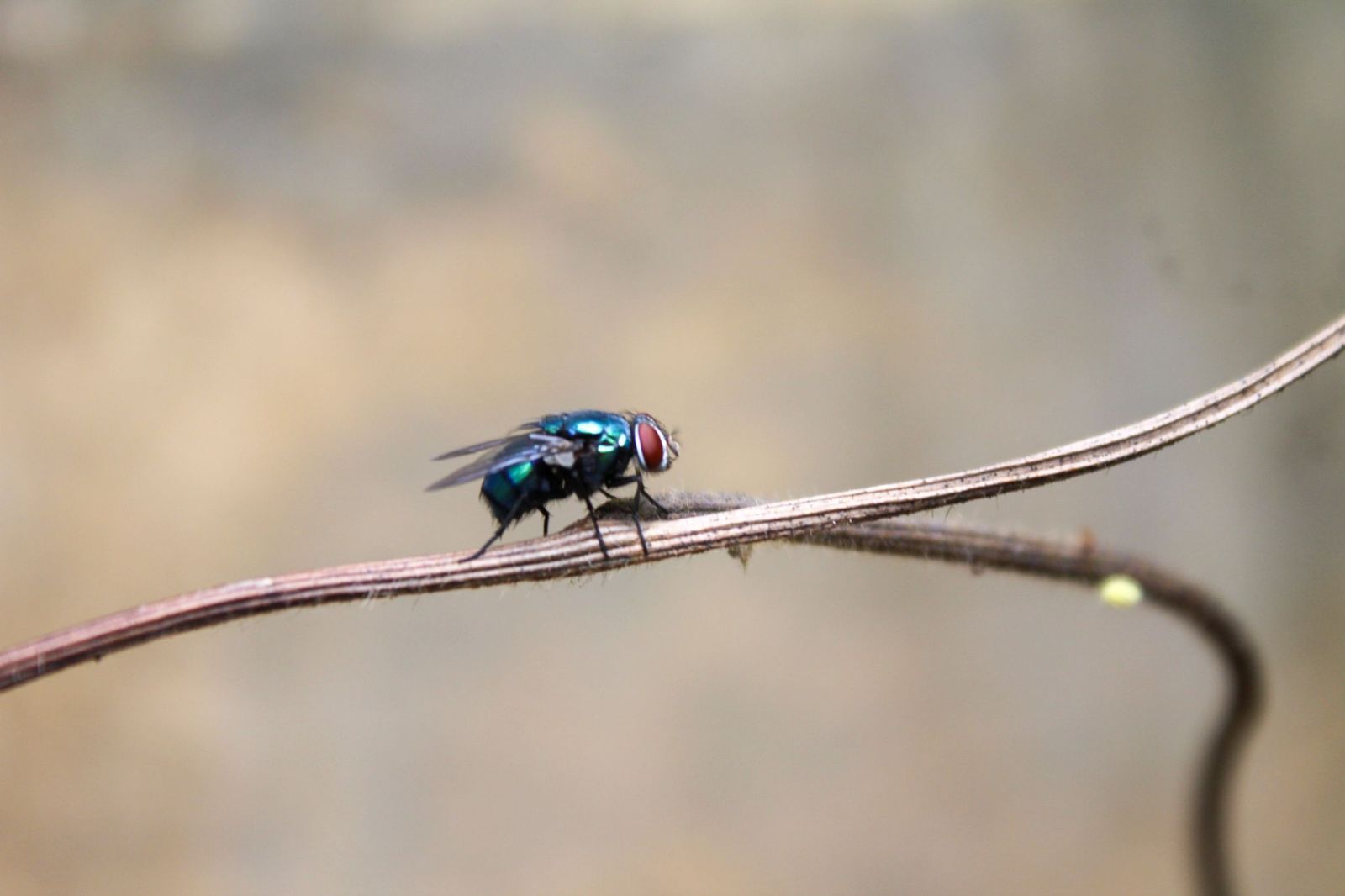
In a huge leap for neuroscience, researchers at Eon Systems—a San Francisco-based neurotechnology startup—successfully built a digital brain emulation of an adult fruit fly. Scientists uploaded this computational brain into a simulated environment called NeuroMechFly v2, thanks to the "FlyWire" project, a Princeton-led connectome that mapped all 140,000 neurons and 50 million synaptic connections of the insect.
The result? The digital fly began moving its virtual body, grooming itself, and seeking out food. This marks the world's first embodiment of a brain emulation producing multi-behavioral actions without direct programming.
Curiosity discovered DNA precursors on Mars
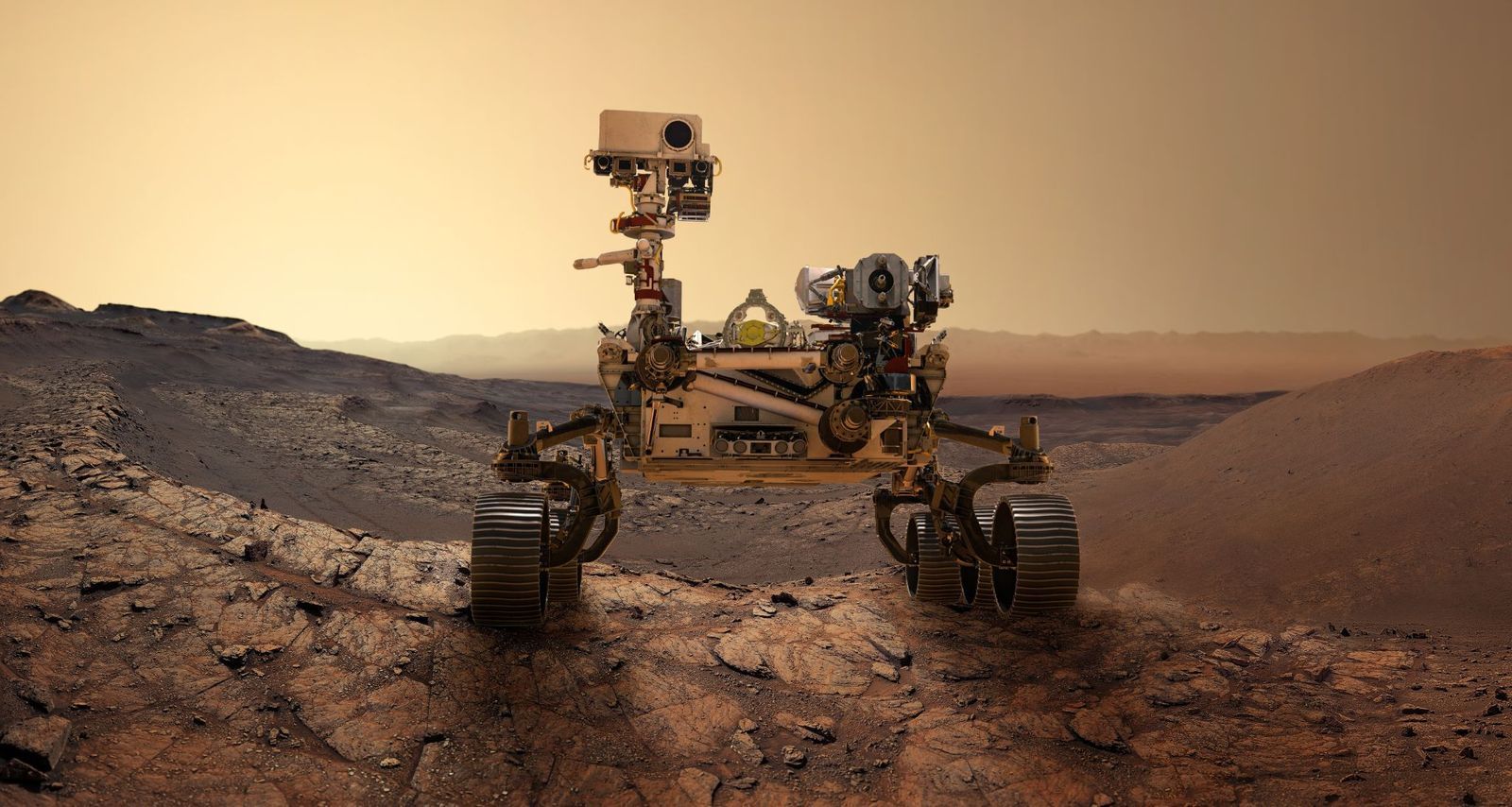
NASA’s Curiosity rover has been roaming Gale Crater since 2012, but it just pulled off one of its most historic achievements. Using an onboard chemical asset known as TMAH, the rover conducted an unprecedented experiment on Martian clay.
The analysis uncovered more than 20 organic compounds. Most notably, Curiosity detected a nitrogen-bearing molecule with a chemical architecture similar to the precursors of Earthly DNA. While scientists cannot yet confirm if these molecules stem from ancient alien life or unique geological processes, it proves Mars has the fundamental building blocks of life.
How you age depends on your partner

If you are looking for the fountain of youth, you might want to look across the dinner table. A study using data from the National Health and Nutrition Examination Survey (NHANES) analyzed biological age acceleration using "epigenetic clocks".
The study revealed a fascinating link between marital status and aging. It found that never-married males exhibited significantly accelerated biological aging compared to their married peers. The data for females showed that experiencing a stressor, like widowhood, drastically accelerated biological age markers due to chronic inflammation and oxidative stress.
A Mexican student built an AI to find missing persons
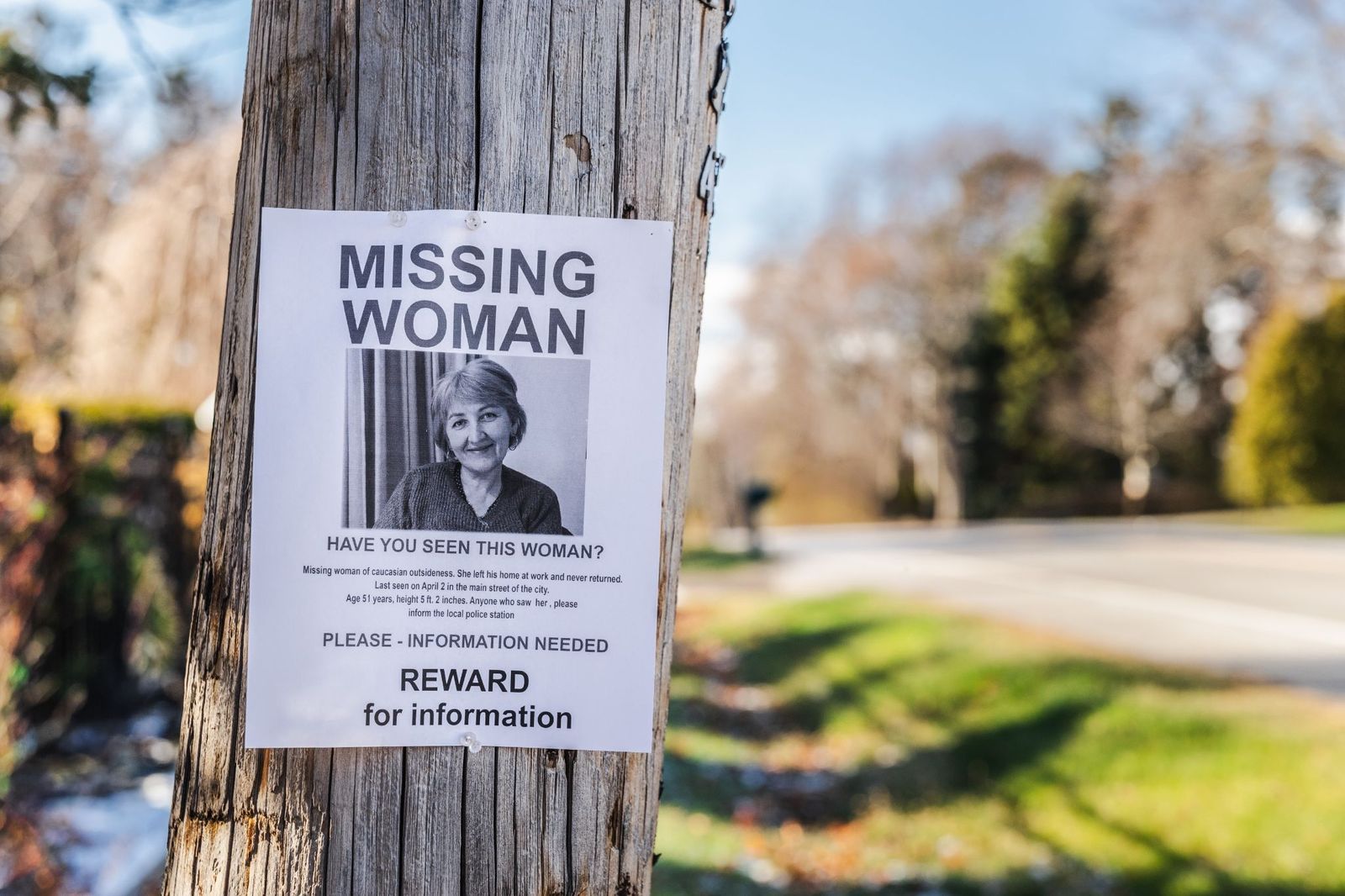
Frustrated by bureaucratic delays after a close friend went missing, an 18-year-old high school student from Oaxaca, Mexico, took matters into his own hands. Jesús Alejandro Jiménez López developed a facial recognition prototype called Encuéntrame 72 (Find Me 72).
The AI maps unique facial markers and scans real-time security feeds and databases to generate instant alerts. The technology is optimized to exploit the critical first 72 hours of a disappearance. The project recently won first place in a prestigious international engineering competition in Peru.
A Polish man passed his driving test on the 139th attempt

In the southern city of Tarnów, Poland, a 50-year-old resident finally passed the written theory portion of his driver's license exam on his 139th attempt. The man had been stubbornly taking the test since 2017, spending roughly €1,800 in exam fees over nine years.
Testing center officials eventually discovered the reason behind his historic losing streak: the man had been studying using a limited demo version of the practice software. Once he finally switched to the full version covering all the questions, his scores skyrocketed.
Dogs were domesticated earlier than you thought

We have always known that dogs are man’s best friend, but an international genetic investigation led by the Universities of Oxford and Liverpool proved the bond goes back much further than we believed.
By analyzing ancient DNA and 3D scans of over 600 canid skulls spanning 50,000 years, scientists established clear genetic and structural evidence of domestication dating back 14,000 to 16,000 years ago. This places the origin of domestic dogs in the last Ice Age, thousands of years before human societies transitioned into agriculture.
Tokyo has a Lost and Found police department

In most major cities, losing your wallet or smartphone on a subway means it’s gone forever. Not in Tokyo. The Tokyo Metropolitan Police Department operates a specialized Lost and Found Center in Bunkyo City to manage the millions of items turned in by honest citizens every year.
Driven by deeply ingrained cultural values of civic duty and integrity, the center processes everything from umbrellas to wallets full of cash. Thanks to an incredibly organized database, the return rate for high-value items like electronics and official documents is around 80% to 90%.
A farmer planted a guitar-shaped forest to honor his late wife

In the vast agricultural plains of the Argentine Pampas, a spectacular aerial image can be seen from space: a perfectly manicured, third-of-a-mile-long forest in the precise shape of an acoustic guitar.
The living masterpiece was created by a local farmer named Pedro Martin Ureta. In 1977, his 25-year-old wife, Graciela, tragically passed away from a sudden brain aneurysm. Years before, she had mentioned wanting to design their ranch into her favorite musical instrument. To fulfill her wish, Pedro and his four children spent years planting over 7,000 trees: dark cypresses to outline the body and soundhole, and vibrant eucalyptus trees to represent the strings.


