Crazy careers

Food testers had it worse than you think, and more odd jobs from the past


Published on April 12, 2026

Image: Clem Onojeghuo

From medieval Europe to early industrial America, people have taken on some truly bizarre professions. Many of these jobs existed out of necessity, cultural tradition, or lack of technology. Others were born of superstition or unusual demands of society’s elite. From leech collectors to sin-eaters, here are 10 real jobs from history that may sound absurd today but were once legitimate ways to earn a living.

1

Leech collector

Image: David Trinks

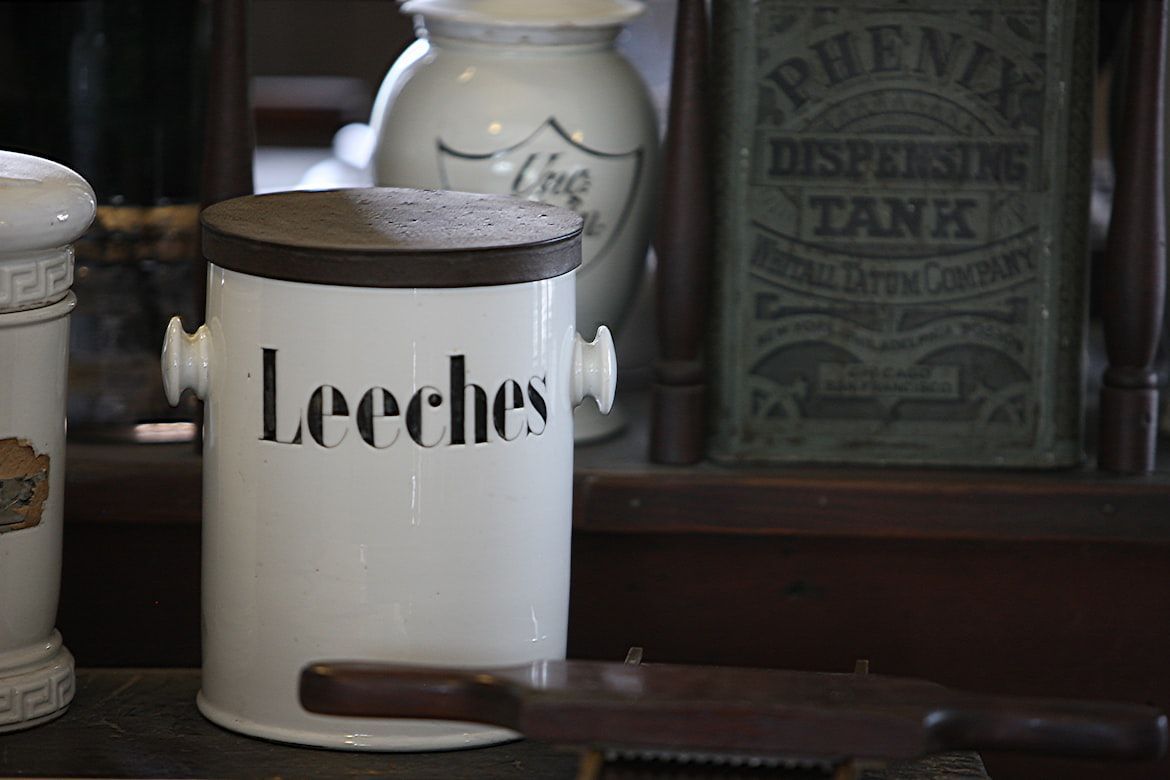
Doctors in medieval Europe and well into the 19th century used leeches for bloodletting. To obtain the large numbers required, collectors waded into marshes and let the creatures attach themselves to their legs.

The demand was so high that wetlands across Europe were nearly stripped of leeches. Despite the grisly nature of the work, it was a stable source of income for poor laborers.

2

Ale taster

Image: Josh Olalde

In medieval England, ale tasters checked the quality and fairness of beer sold in taverns. They ensured proper strength, taste, and pricing for consumers.

While the role sounds more fun than work, it involved serious regulation. Some tasters also inspected bread, showing how essential beer was to medieval diets.

3

Rat catcher

Image: Daniil Komov

While this job doesn’t sound so strange—we have modern equivalents of this after all—the comparison doesn’t fully capture how essential their work was to 19th-century cities plagued by poor sanitation and overcrowded streets.

In Paris and London, rat catchers became semi-celebrities of street life. Their work helped reduce disease risks, though they themselves faced high exposure to bites and plague.

4

Gong farmer

Image: Boudewijn Huysmans

In Tudor England, "gong farmers" cleaned cesspits and privies. The word "gong" had nothing to do with the Asian percussion instrument; rather, it derived from an Old English term referring to a privy and its contents.

They worked at night to avoid public disgust, carrying waste in buckets outside city walls. The job was dangerous due to toxic fumes, but surprisingly lucrative. Workers often earned more than many skilled tradespeople, though at the cost of extreme social shunning.

5

Whipping boy

Image: Jessica Kantak Bailey

In Tudor and Stuart England, princes weren’t punished directly. Instead, their "whipping boy" was flogged whenever they misbehaved—a form of indirect punishment meant to instill guilt in the young prince.

The practice only worked with boys close to the prince, ensuring emotional impact. One of the most cruel practices of the era, whipping boys often gained favor and lifelong connections at court.

6

Resurrectionist

Image: Griffin Quinn

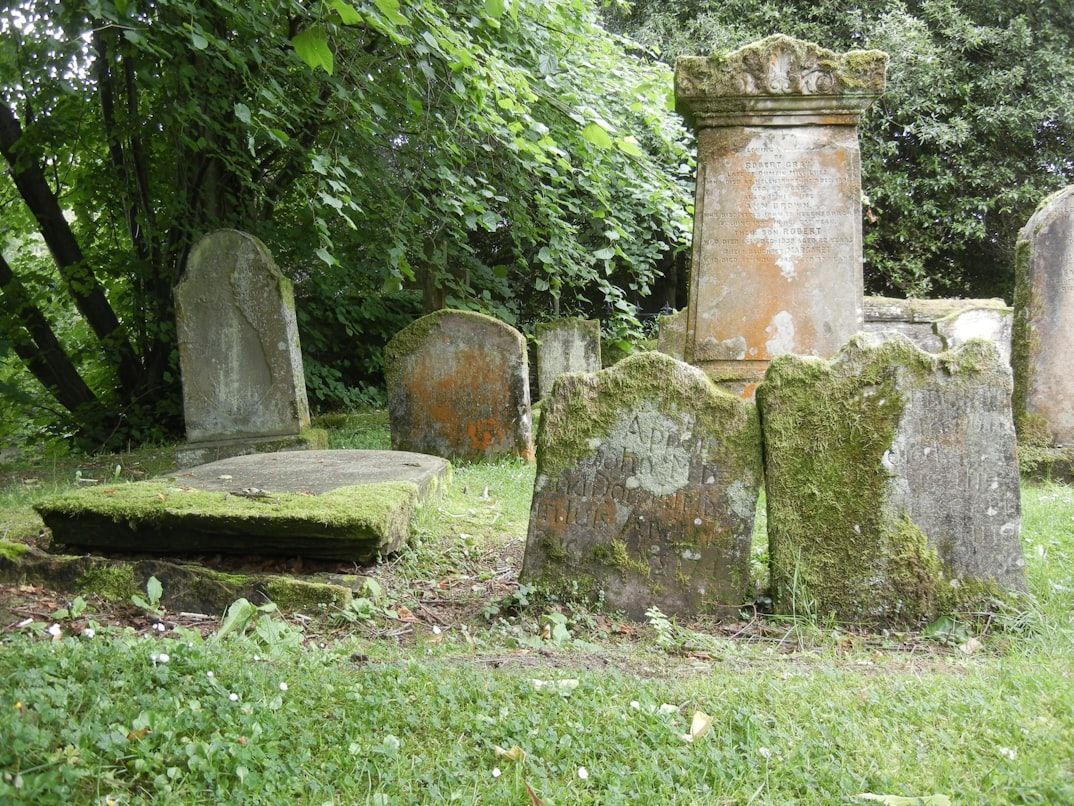
A colorful euphemism for "grave robber," this profession flourished in the 18th and 19th centuries, as demand for cadavers by medical schools reached an all-time high while legal supply remained scarce.

Despite being illegal and widely despised, it was a lucrative career. The trade also created related jobs, as concerned families hired cemetery watchmen and private grave guards. In some infamous cases, "resurrectionists" even escalated to murder to meet demand.

7

Powder tester

Image: Stephen Radford

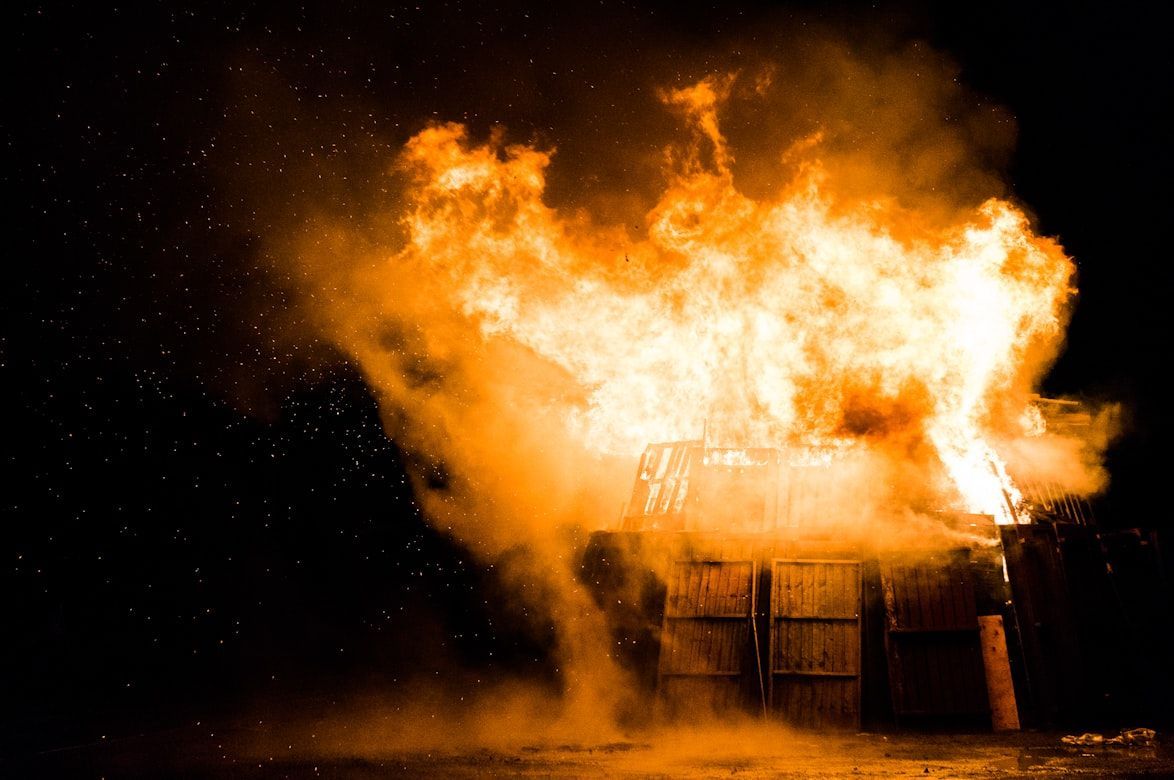
In gunpowder factories, specialized workers tested batches by igniting small amounts to check burn quality. How each batch responded to ignition determined the safety and effectiveness of the product.

The work was inherently perilous—accidents were frequent, and uncontrolled explosions could have devastating consequences for both workers and factories. Yet, gunpowder was so essential to empires that testing remained a permanent job.

8

Treadmill walker

Image: Gold's Gym Nepal

Did you know treadmills were originally designed for prisoners? Keep that in mind on your next visit to the gym. In 19th-century Britain, prisoners powered massive treadmills that ground grain or pumped water.

The devices also served as punishment through hard, monotonous labor. The so-called "everlasting staircase" could last for hours, leaving inmates utterly exhausted. Perhaps this also explains how prisoners could later easily outrun guards—talk about a double-edged sword.

9

Food taster

Image: Amy-Leigh Barnard

Food tasters were employed at royal and imperial courts to sample dishes before rulers ate, ensuring safety from any poisoning attempts. The role existed in ancient Rome, medieval Europe, and even into modern times.

While certainly not the worst job a commoner could hold among royalty (whipping boys and grooms-of-the-stool arguably had it worse), and though some tasters lived comfortably at court, their job was literally a matter of life and death.

10

Sin-eater

Image: engin akyurt

In 17th- and 18th-century Britain, some families hired "sin-eaters" to consume bread and beer placed on a corpse. The ritual symbolized absorbing the deceased’s sins.

Despite their spiritual services, sin-eaters were social outcasts. Typically paid in food or a few coins, they carried a heavy stigma, as they were believed to take on the spiritual burden of the dead they served.

Yee-haw!

Travel to the Wild West with these 10 fictional cowboys!


Published on April 12, 2026


Image: Lee Pigott

Chances are, you once played cowboy when you were a kid. Did you, like us, ride around your house on your trusty stallion—a broomstick or a horse-shaped stick? Did you don any hat you could find and pretend you were the toughest, bravest sheriff around? Cowboys have been an integral part of many of our childhoods, providing countless hours of joy and laughter. That said, cowboys are also fascinating characters in their own right, and they’ve been splendidly portrayed in many films and shows aimed at more mature audiences. In any case, we've decided to pay tribute to 10 of the most iconic cowboys, gunslingers, and outlaws with this article. All that’s left to say is: we hope you enjoy it, partner!

1

The Lone Ranger

Image: Taylor Brandon

Let’s start with one of the oldest fictional cowboys in history. In 1933, listeners of Detroit’s WXYZ radio station were treated to the first appearance of the Lone Ranger—a charismatic and brave cowboy who fights for justice in the American Wild West. Originally known as John Reid, the Ranger was saved from the brink of death by his trusted companion Tonto, who aids him in his quest to find the criminal responsible for his brother’s death.

Over 90 years have passed since that first radio episode, and the Lone Ranger has appeared in countless shows, films, and comic books. Although his story has evolved over the years, every version of the Ranger portrays him as an expert marksman, fighter, and rider.

2

Woody - Toy Story

Image: William Warby

Like we mentioned before, cowboys can be a kid’s best friend. In that sense, the 1995 animated classic Toy Story introduced the world to one of the friendliest and most lovable cowboys in history: Woody, the toy sheriff, wonderfully voiced by Tom Hanks.

Toy Story tells the story of Woody, the favorite toy of a boy named Andy, who suddenly finds himself displaced by a new toy: a plastic astronaut named Buzz Lightyear. Throughout the film, Woody not only showcases a cowboy’s bravery when he ventures into the outside world to rescue his rival, but he also proves himself to be a loyal and caring friend to both Andy and Buzz.

3

The Man with No Name

Image: Luis Domenech

Cowboys have an air of mystery that follows them wherever they go. It’s not unusual to see a film cowboy wandering the Wild West, drifting from town to town and helping those in need. In that regard, Clint Eastwood’s performance as the mysterious "Man with No Name" is one of the most outstanding examples of this trope.

While the character first appeared in Sergio Leone’s 1964 film A Fistful of Dollars, critics and fans alike believe that his best portrayal comes from the 1966 classic The Good, the Bad and the Ugly. Here, Eastwood’s iconic cowboy not only demonstrates his skill and composure but also reveals a personal sense of morality and justice.

4

Ethan Edwards - The Searchers

Image: Tobias Keller

It should come as no surprise that Hollywood legend John Wayne appears on this list more than once. After all, his extensive filmography helped build the Western genre into the beloved American staple it is today. In that sense, many believe that Wayne’s finest performance (and that’s saying something) comes from the 1956 classic The Searchers, still considered one of the greatest films in cinematic history.

In this film, "The Duke" plays Ethan Edwards, a former Civil War soldier who embarks on a years-long quest to rescue his kidnapped niece. This role definitively cemented Wayne as the go-to actor for Westerns. Ethan is portrayed as a strong, determined character, flawed but unwavering in his mission.

5

Rooster Cogburn - True Grit

Image: Priscilla Du Preez 🇨🇦

The Western genre is known for tales of revenge, but True Grit proves that justice isn’t reserved only for strong, stoic gunslingers. This legendary 1969 film tells the story of Mattie Ross, a determined young girl whose father is murdered by the outlaw Tom Chaney. Driven by her desire for justice, Mattie hires U.S. Marshal "Rooster" Cogburn, played by none other than John Wayne himself.

What’s perhaps most compelling about this film is how it subverts the traditional roles found in classic Westerns: Mattie is no damsel in distress, and even outlaw Lucky Ned Pepper, portrayed by Robert Duvall, is intelligent and articulate. Wayne’s Oscar-winning portrayal of the aging, hard-drinking Cogburn proves that heroes can come in all shapes and forms.

6

Lucky Luke

Image: Markus Spiske

Lucky Luke is the only comic book cowboy on this list, but that doesn’t make him any less brave than his film and TV counterparts. This laid-back and easygoing cowboy might seem like an easy target, but evildoers beware: he’s as dangerous as he is good-hearted.

Created by Belgian artist Morris, Luke’s adventures are both a love letter to and a parody of the Western genre. From his astounding shooting skills—so fast he can outdraw his own shadow—to his cast of colorful villains, Lucky Luke’s comics are guaranteed to make you laugh.

7

The Lady - The Quick and the Dead

Image: Taylor Brandon

Sam Raimi’s 1995 film The Quick and the Dead proves that gunslingers aren’t always men. Portrayed by Sharon Stone, "The Lady" is the unnamed and deadly protagonist of this Western. Her backstory might sound familiar: she’s a gunslinger hellbent on avenging the death of her father at the hands of a powerful and notorious outlaw.

What’s interesting about this film is that it introduces a competitive twist to the genre. In order to confront and kill John Herod (played by Gene Hackman), "The Lady" must enter a high-stakes shooting tournament, where she faces several dangerous and skilled marksmen.

8

Yosemite Sam

Image: Sekinei Sekineiが撮影, CC BY 3.0

Here comes one of Bugs Bunny’s most dangerous—and funniest—nemeses. Like Lucky Luke, Yosemite Sam is definitely a parody of cowboy culture: from his humongous hat, baffling facial hair, and gunslinging ways, this cartoon character has given us countless priceless moments in front of the TV screen.

Yosemite Sam’s name comes straight from one of America’s most treasured natural wonders: Yosemite National Park, located in California. In all of his Looney Tunes appearances, he is portrayed as greedy, short-tempered, and full of hatred for a certain wisecracking rabbit.

9

Harmonica - Once Upon a Time in the West

Image: Blind Rhino Media

We’ve already seen that cowboys don’t always need a name—case in point: this iconic gunslinger is known simply by his favorite musical instrument. The 1968 Spaghetti Western Once Upon a Time in the West introduced the world to Charles Bronson’s "Harmonica," a stoic gunslinger determined to avenge the death of his older brother at the hands of a ruthless outlaw portrayed by Henry Fonda.

We won’t spoil the reason behind Harmonica’s nickname—after all, a cowboy’s name isn’t what truly matters. This fast-paced and unforgettable Western should definitely be on your must-watch list.

10

Django

Image: Gerhard Lipold

We’ll end this article with the only entry that refers to two entirely different characters, but we couldn’t mention one without including the other. The gunslinger known as Django is truly a Wild West legend. First portrayed by Franco Nero in the 1966 film Django, this tough and brave cowboy travels through various frontier towns, dispensing his own brand of justice.

In 2012, 46 years after the original, Quentin Tarantino directed his own take on the iconic character in Django Unchained. This time, Django—portrayed by Jamie Foxx—is a former slave determined to rescue the woman he loves. Tarantino’s admiration for the Django legacy shines through in the film; in one memorable scene, both Nero’s and Foxx’s versions of Django appear together in a symbolic greeting.

Looking for an extra scoop of literary fun?

Learn more with our Word of the day

minute

/maɪˈnut/