Extraterrestrial forecasts

Ever wished it rained diamonds? On Neptune and Uranus, it’s no joke!


Published on November 29, 2025


Image: Viktor Mindt

Weather on Earth might be wild, but compared to other planets, it’s downright boring. Across our solar system—and beyond—insane storms, metallic rain, and atmosphere-shredding winds violently shape alien worlds. Here are 10 of the weirdest and most extreme weather events ever observed in space.

1

Diamond Rain

Image: Bas van den Eijkhof

Location: Neptune & Uranus

In the atmospheres of these ice giants, intense pressure crushes methane into solid carbon, forming diamonds that fall like hail.

Estimates suggest that billions of carats worth of diamonds may exist in the deep interiors of these planets, possibly forming layered structures similar to geological strata.

2

Supersonic Winds

Image: NASA Hubble Space Telescope

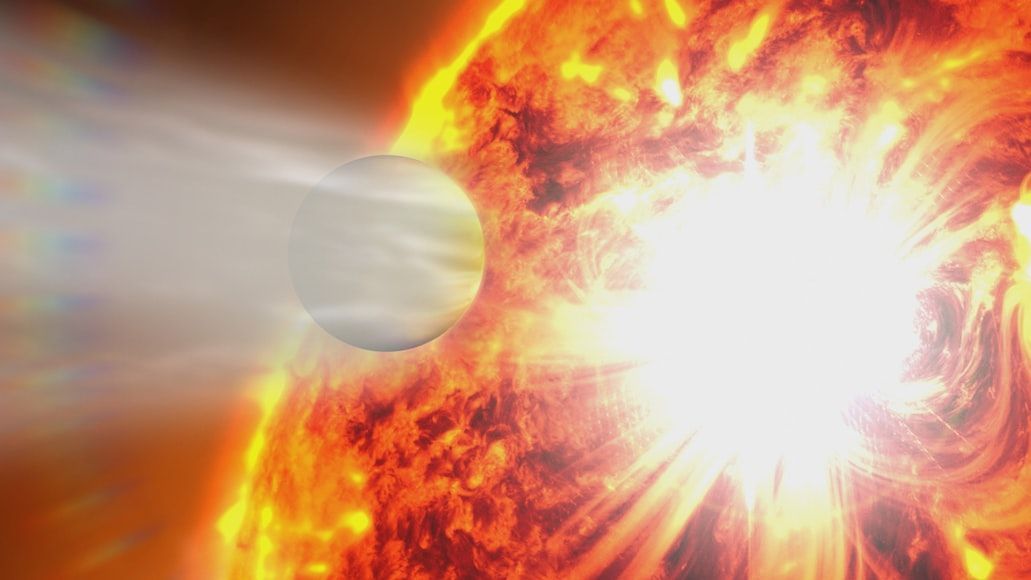
Location: HD 189733b

This exoplanet is bombarded by winds blowing at over 5,400 mph—about seven times faster than the speed of sound.

Fortunately, all of this is happening far from Earth—HD 189733b is a 'hot Jupiter' located 63 light-years away. Its atmosphere endures extreme heat on one side and frigid cold on the other, fueling violent winds that circle the planet.

3

Sulfuric Acid Rain

Image: Planet Volumes

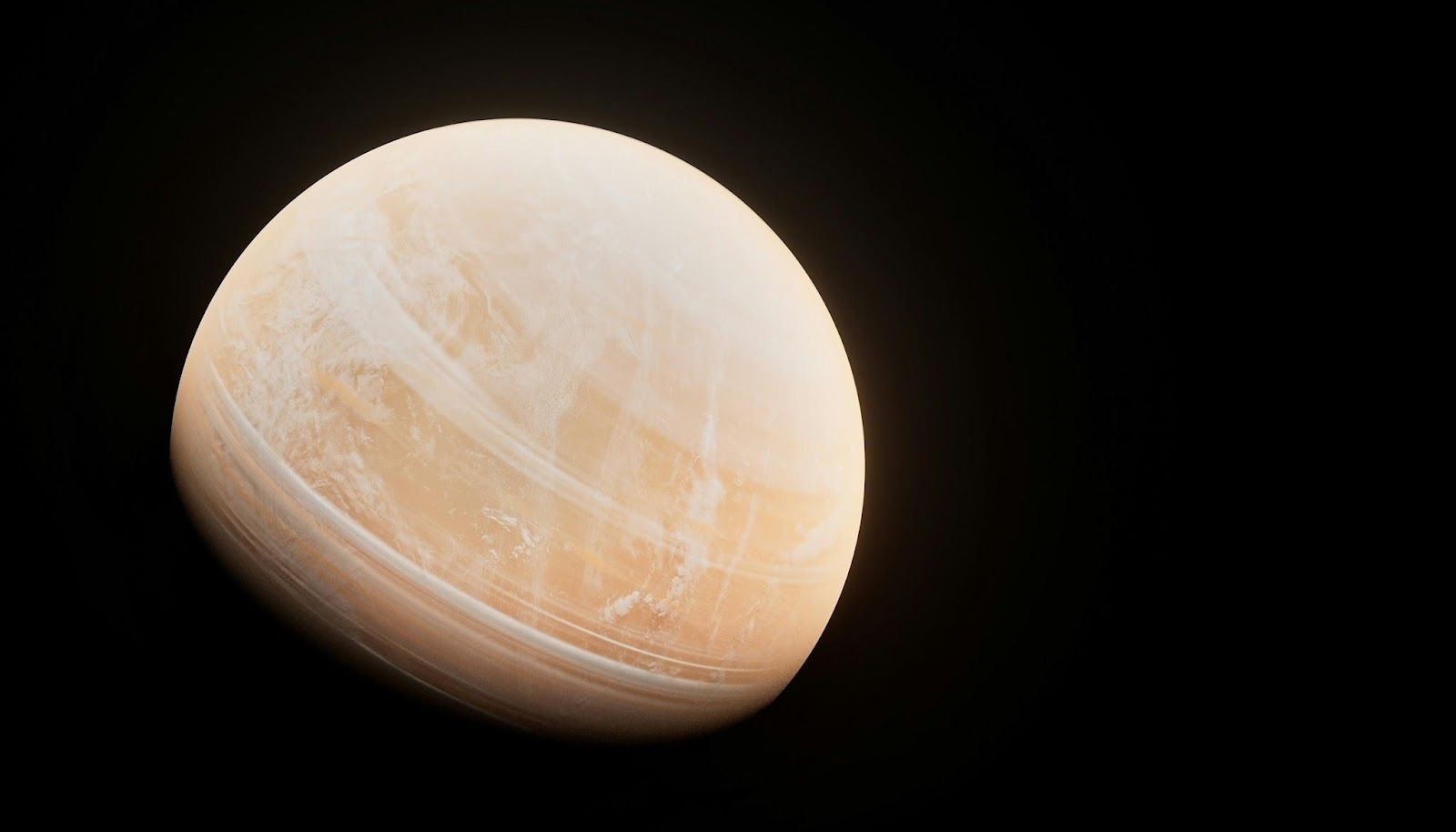
Location: Venus

Venus has clouds of sulfuric acid that rain—but the droplets evaporate before they hit the surface.

Temperatures on Venus reach 870°F, hot enough to melt lead. Acid droplets form high in the atmosphere but vaporize at lower altitudes, creating a corrosive "rain cycle."

4

Endless Storm

Image: NASA Hubble Space Telescope

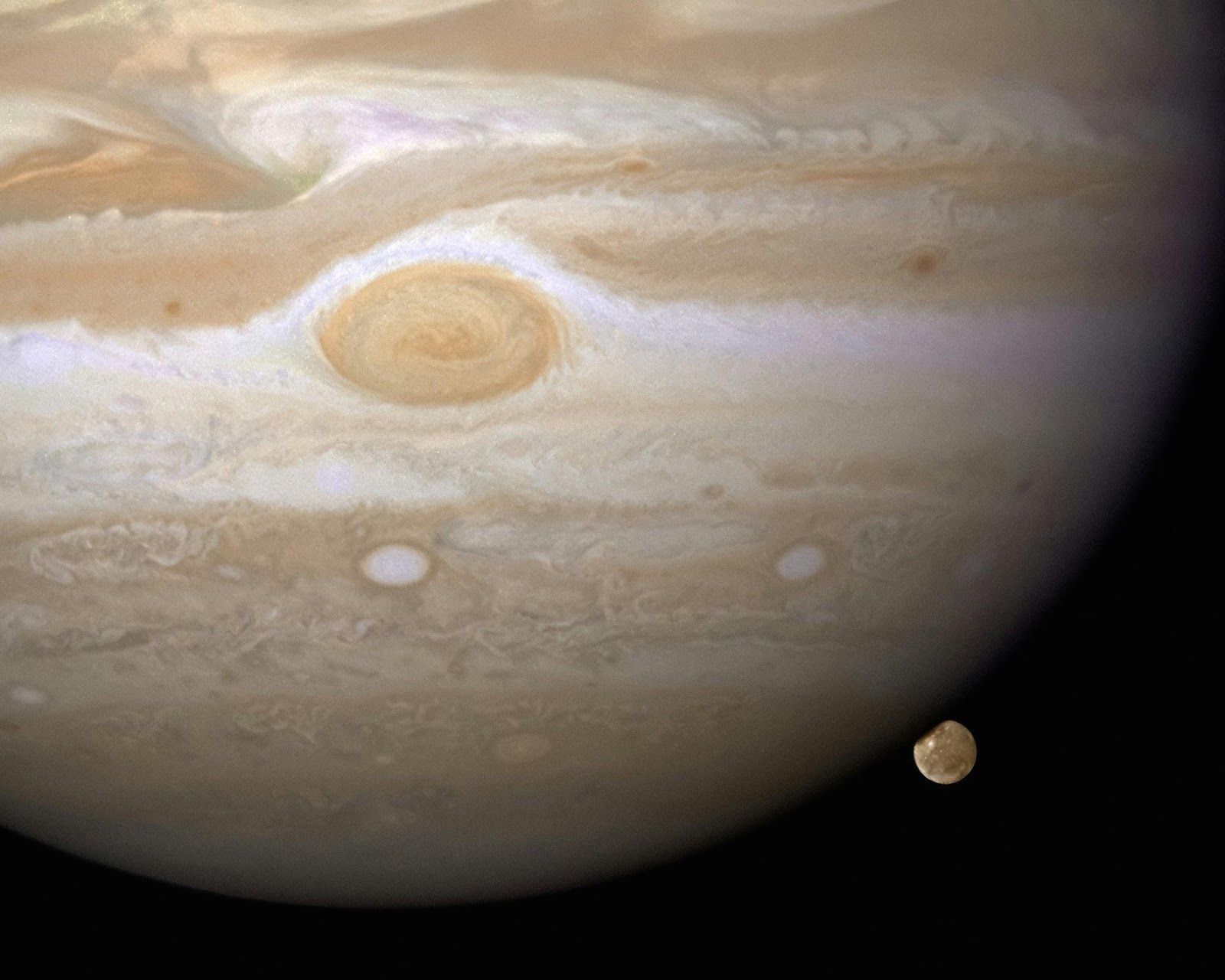
Location: Jupiter

A storm larger than Earth has been raging on Jupiter for over 350 years.

First observed in the 1600s, the Great Red Spot is a massive anticyclone with wind speeds exceeding 400 mph. It’s so large that it could easily swallow our planet whole.

5

Polar Hexagon

Image: Planet Volumes

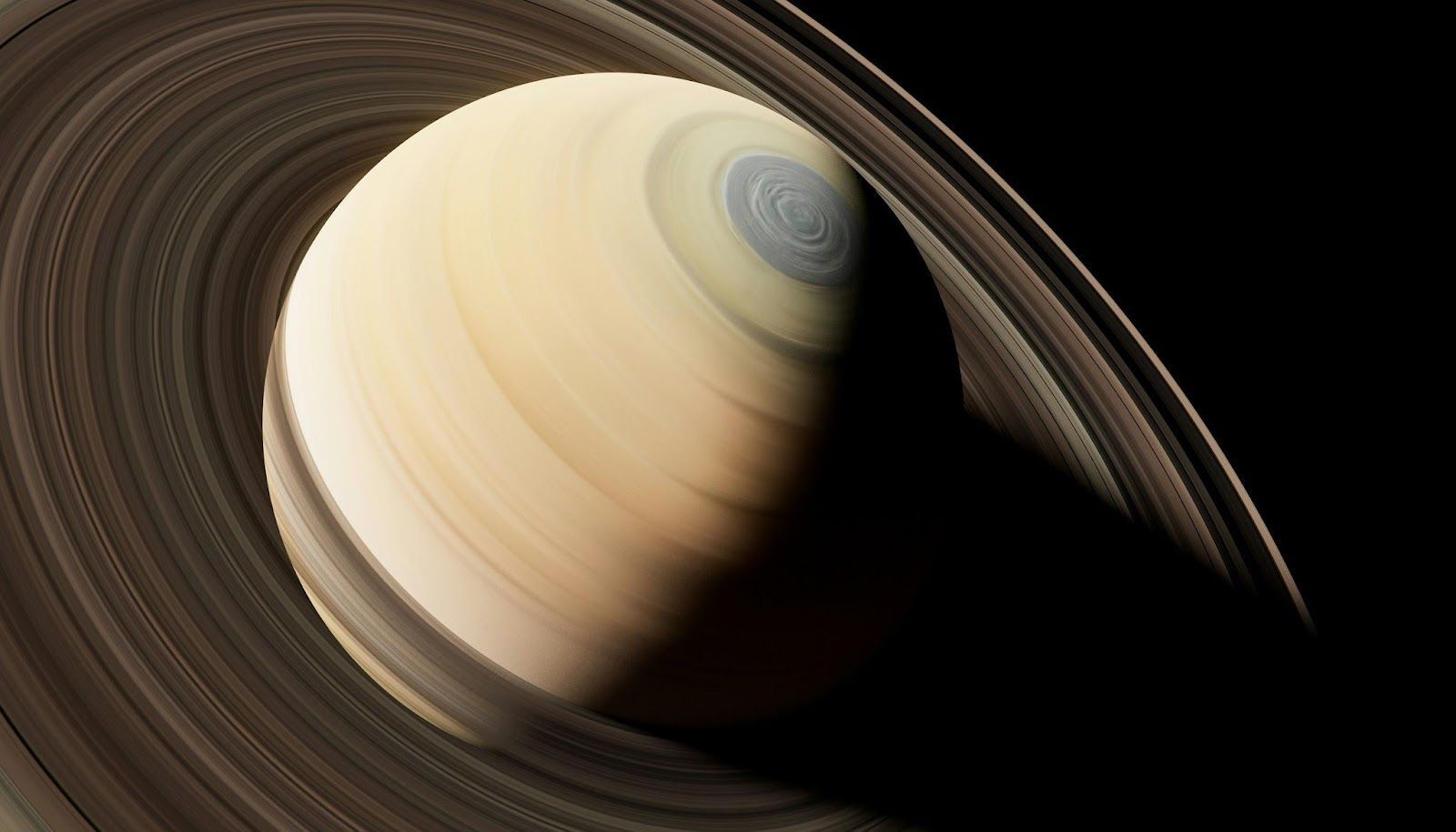
Location: Saturn

A massive six-sided jet stream spins around Saturn’s north pole. NASA’s Cassini mission captured this bizarre atmospheric pattern, which spans nearly 20,000 miles.

Surprisingly, it's a persistent weather feature—not a surface structure.

6

Planet-Sized Dust Storms

Image: Daniele Colucci

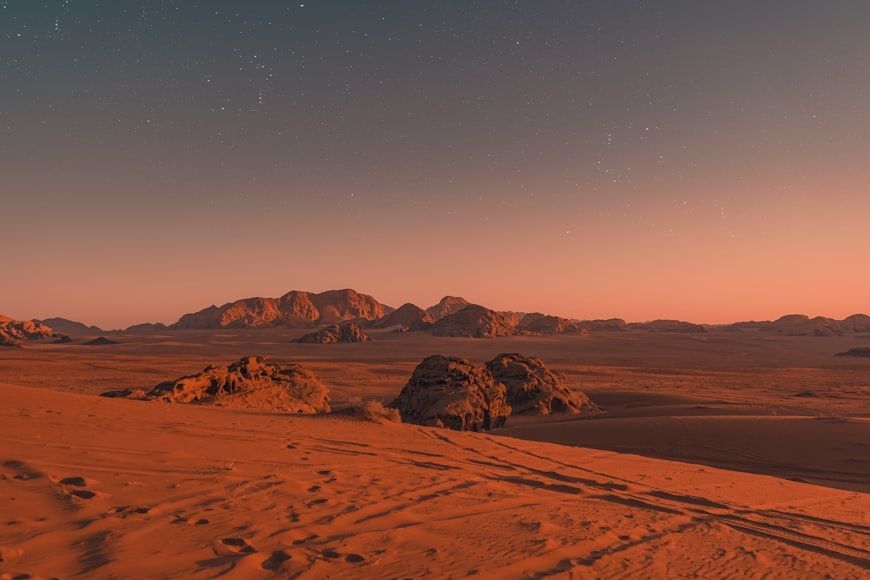
Location: Mars

Mars is famous for its massive, planet-wide dust storms. These weather events can last for weeks and obscure the entire planet from view.

NASA’s Opportunity rover went silent during one of these dust storms in 2018 and never recovered. The catch? Mars doesn’t have enough atmosphere for the winds to be truly dangerous—sorry, The Martian.

7

Coldest Spot

Image: Andy Holmes

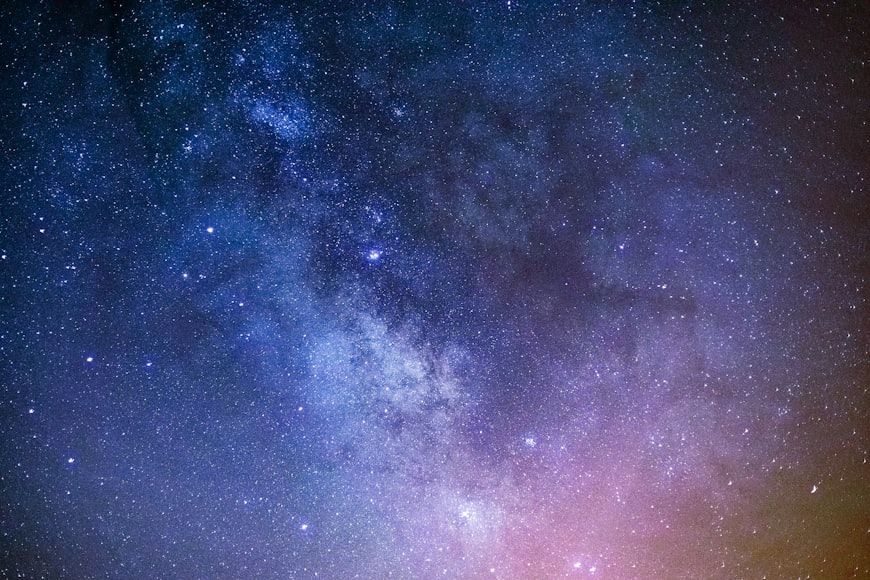
Location: Boomerang Nebula

The coldest known natural place in the universe is the outer cloud of a dying star. The Boomerang Nebula, located 5,000 light-years away, reaches temperatures near 1 Kelvin—colder than the cosmic background.

This happens because the star’s gas expands so rapidly that it chills below the temperature of empty space itself.

8

Iron Rain

Image: Morteza Mohammadi

Location: WASP-76b

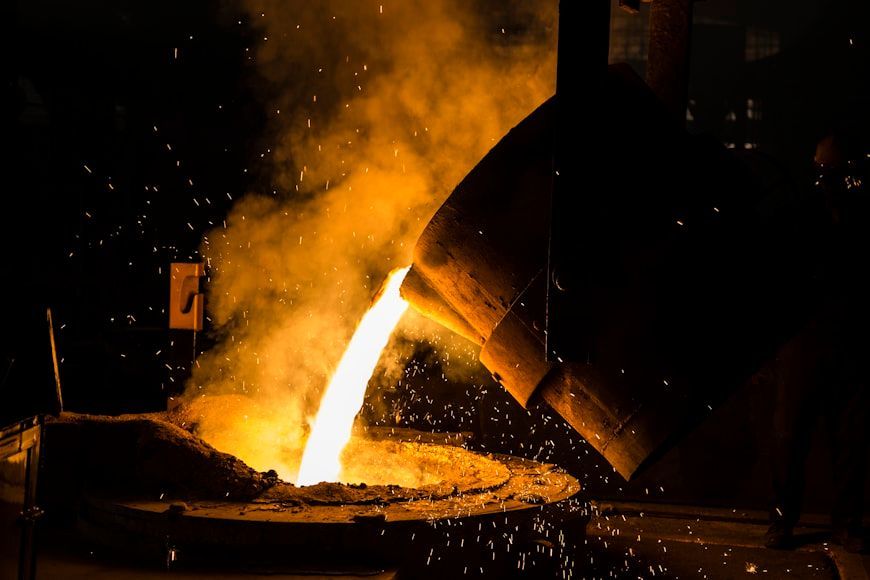
On this ultra-hot exoplanet, iron vaporizes on the dayside and rains down as molten metal on the nightside.

These extreme temperatures are reached because WASP-76b is tidally locked, with day-side temperatures over 4,000°F.

9

Molecular Tornadoes

Image: Javid Naderi

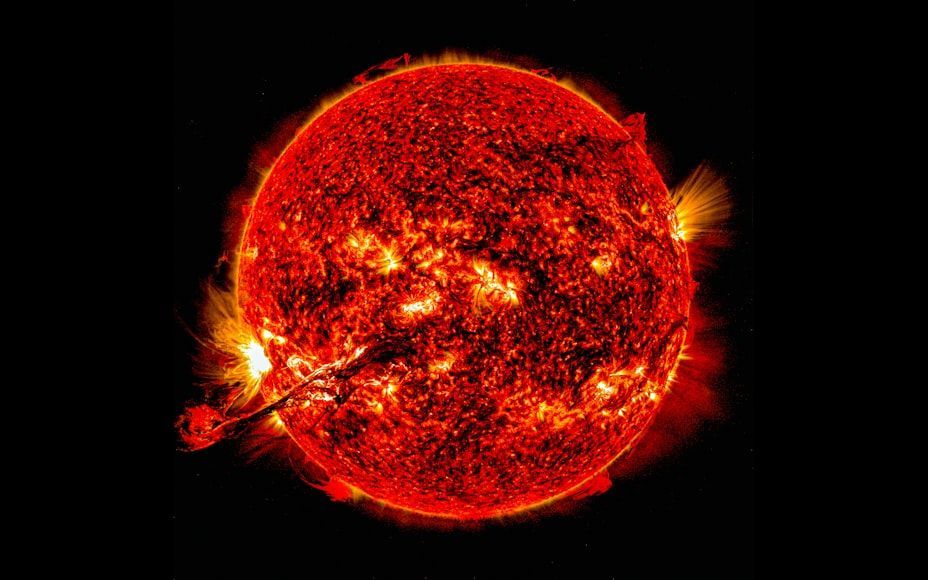
Location: The Sun

The Sun hosts giant tornadoes made of superheated plasma. These solar events can be up to 10,000 miles tall and spin at thousands of miles per hour.

They’re driven by magnetic fields and can feed into solar flares and coronal mass ejections—fiery explosions that can even impact Earth.

10

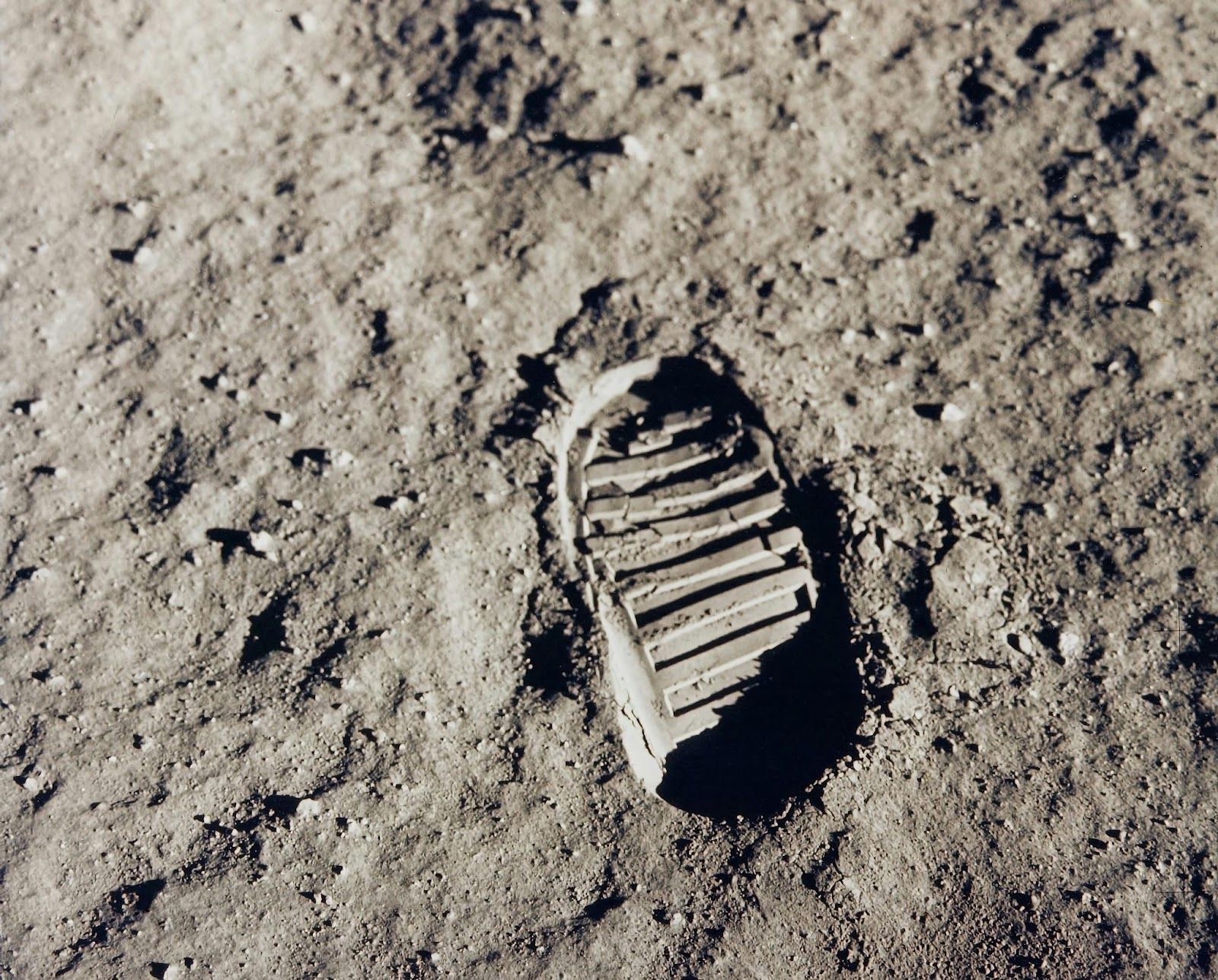
Electric Snow

Image: NASA

Location: The Moon

The Moon may experience electrostatic dust storms during lunar dawn and dusk. When the Sun hits the lunar surface, it creates an electric field that lifts tiny dust particles off the ground.

This phenomenon was first suspected during the Apollo missions and has been confirmed through recent satellite observations.


TALKIN' THE TALK

From The 1930s To Today: 10 Slang Words That Defined The Decades


Published on November 29, 2025


Image: Aleksandr Popov

Fashions are always changing, and everyday language is no exception to this rule. Have you listened to teenagers talk lately? Their vocabulary is full of words we don't quite understand. But come on, we did it too: every decade has had its own set of slang words and expressions. Have you ever said "Bread," "Radical," or "Talk to the hand"? Today, we'll look back at 10 slang words and expressions that have defined each decade from the 1930s to today! Let's "chillax" and read!

1

1930s- I'll be a monkey's uncle

Image: Nathan Bingle

This phrase originated in the early 20th century but reached its peak popularity in the 1930s. What does a monkey have to do with your uncle or with being surprised? Well, those are some of the questions that have come to mind because "I'll be a monkey's uncle" was used to express great surprise, as if to say, "I can't believe this!"

And wait until you hear its origin. The expression is believed to have arisen in response to Charles Darwin's theory of human evolution! Someone very shocked-and probably not understanding Darwin's proposal- might have said, "Well, if humans and apes are related, then I'll be a monkey's uncle!"

2

1940s- Smooch

Image: Tim Mossholder

Fortunately, we have thousands of ways to express affection to those we love, and giving a "smooch" is one of them.

The origins of the slang "smooch" are disputed, but it is believed to have emerged sometime before the 1940s in America, appearing as an onomatopoeic imitation of the sound an affectionate kiss makes. Other sources suggest that the term arises from an adaptation of the British English dialectal verb "to smouch," meaning to kiss.

In general, this slang expresses much love and care. So, have you "smooched" today?

3

1950s- Ankle biter

Image: Alexander Dummer

While this expression may seem like the title of a horror movie or the name of some strange insect that lives in the jungle, its actual meaning is much cuter than that.

"Ankle bitter" rose to popularity in the 1950s to refer to toddlers. It makes sense: they are just starting to walk, and they're still tiny, very close to the floor, and, well, also close to our ankles.

As time went by, the expression also began to be used to refer to another type of creature that can get close to - and literally bite - our ankles: that's right, puppies!

4

1960s- Bread

Image: Pepi Stojanovski

Have you ever been ready to pay for something and suddenly realized you didn't have any "bread"? What? Wait, let us explain.

While it appeared for the first time many years earlier, the term "bread" became popular in the 1960s, particularly among young people, to refer to cash or money in general.

Many sources suggest that the term originated from an association between money as a primary means of subsistence and bread as the basic food. While it's still used, it's not as widespread as it once was.

5

1970s- Jive Turkey

Image: Edilson Borges

If someone tells you a story that is too good to be true, you've probably encountered a "jive turkey."

Originated in African-American Vernacular English and popularized in the 1970s, this expression is used to describe someone who is not entirely honest, cheats to get what they want, makes empty promises, or someone who just says things that aren't totally true.

The term "jive" had already been slang in its own right for a few decades and was used to describe people who were frivolous or simply deceitful. The 1970s came along to give some more charm and humor to the expression. Thus, the word "turkey" was added. Does any jive turkey come to mind?

6

1980s- Radical

Image: Isai Ramos

Besides spandex, big hairstyles, and neon colors, the 80s had a good variety of slang terms, many of which survive to this day.

One of the most popular slang words of those years was "radical." The term initially gained popularity among surfers and skateboarders in the California area, who used it to describe something too cool, awesome, or impressive, like a "radical wave."

Over time, the expression transcended the sport and started popping up everywhere.

7

1990s- Talk to the hand

Image: Zan Lazarevic

If there is something more nineties than grunge and low-rise pants, it is this slang phrase.

"Talk to the hand" was a popular saying among 90s youth, particularly associated with the stereotypical "cheerleader girl" style. However, with the term appearing in many popular movies and sitcoms of the time, it gained ground in popular culture.

When someone responded, "Talk to the hand," it basically meant they didn't care what you had to say or that they weren't going to listen. If you plan to use this expression, remember the most important part: you must accompany it with the classic raised hand gesture.

8

2000s- Bling

Image: Brian Lundquist

But it's not only movies and TV that influence the way we talk; music does, too. So it was back in the late 1990s and early 2000s when hip-hop culture gave birth to the term "bling," remember?

"Bling" (or "bling-bling" if you were really cool) was slang for jewelry. But not just any jewelry; the term specifically referred to the big, shiny pieces typical among popular rappers and hip-hop artists of the time. In fact, the expression is also found in the titles and lyrics of many of their songs.

As time went by -and as it usually happens- the word expanded its meaning to refer to an ostentatious or luxurious lifestyle. The fame of "bling" was such that it was eventually added to many dictionaries.

9

2010s- Bae

Image: Oziel Gómez

For several years now, another significant factor has been shaping our lexicon: social media. If you were online in the 2010s, you definitely read or heard the term "bae."

This slang expression has two theories about its origins: the first claims that the word arises as a short form of "babe" or "baby." The second holds that "bae" means "before anyone else." As you might guess, the expression refers to a significant other, such as a boyfriend or girlfriend.

The term is believed to have originated specifically on Twitter (now "X"), following a viral tweet that used it.

10

2020s- No cap

Image: Kilyan Sockalingum

This term has gained a lot of popularity in recent years, being present in music, Instagram, and TikTok.

When someone says something like "I'm serious, no cap," it means they're stating the truth or being honest. On the other hand, when the expression is just "cap," it implies the opposite, a lie or exaggeration, such as "They say he's the greatest quarterback ever, but that's cap."

Some theories propose the term originates from the gesture of removing your hat or cap as a sign of respect and authenticity. Would you use it?

Looking for an extra scoop of literary fun?

Learn more with our Word of the day

humanity

/hjuˈmænədi/