Have you spotted our second Moon? Find out more in this article!


Published on May 19, 2025


Image: elizabeth lies

Our planet is full of strange phenomena that continue to intrigue and puzzle scientists and curious minds alike. From bizarre weather patterns to unique geological structures, Earth’s quirks often defy explanation, and some of these mysteries are downright mind-blowing. Let’s dive into some of the most unexpected and fascinating facts about our world that might just make you see Earth in a whole new way!

1

Shifting Continents

Image: Craig Chilton

The continents are constantly moving, drifting at an average rate of about 1 inch per year. Over millions of years, they slowly shift apart or toward each other due to plate tectonics.

This movement causes earthquakes and leads to the formation of mountain ranges, such as the Himalayas. Earth’s continents are not static but dynamic, continually reshaping the planet’s geography.

2

Lake Vostok's Subsurface World

Image: Cassie Matias

Lake Vostok in Antarctica lies buried beneath 2.5 miles of ice, creating an isolated ecosystem.

This subglacial lake has been sealed off from the outside world for millions of years, making it a prime location for studying microbial life in extreme conditions. Scientists believe it may harbor unique, previously undiscovered life forms, despite being entirely isolated.

3

Bioluminescent Waves

Image: David Clode

Some oceans glow in the dark thanks to bioluminescent organisms.

This phenomenon occurs when certain types of plankton and algae, such as dinoflagellates, emit light when disturbed. The natural glow is often visible in various coastal areas, particularly during the warmer months. It’s a stunning display of nature’s ability to create light from living organisms.

4

A Day Isn’t Exactly 24 Hours

Image: Renel Wackett

A full rotation of Earth takes approximately 23 hours, 56 minutes, and 4 seconds.

While we use a 24-hour day for convenience, the actual time it takes Earth to complete one full rotation is slightly less than that. This discrepancy arises from Earth’s orbit around the Sun, which causes a full solar day to be slightly longer than a sidereal day.

5

The Earth’s Inner Core Is Hotter Than the Sun

Image: Philip Graves

The temperature at Earth’s inner core exceeds 10,300°F, making it hotter than the surface of the Sun.

Composed primarily of iron and nickel, the inner core remains solid due to immense pressure. Despite its solid state, it is still hotter than the Sun’s surface, which reaches only about 5,500°C (9,932°F). This extreme heat plays a key role in generating Earth’s magnetic field and driving internal convection currents.

6

Earth’s Magnetic Field Reverses

Image: Jametlene Reskp

Earth’s magnetic poles flip every several hundred thousand years.

This process, known as geomagnetic reversal, causes the North and South Magnetic Poles to switch places. Although the reversal unfolds over thousands of years and lacks a definitive explanation, evidence from rocks and minerals reveals a long history of these shifts.

7

Earth Has a Second Moon

Image: NASA Hubble Space Telescope

Earth occasionally has a temporary second moon, known as a "quasi-satellite."

This phenomenon involves small asteroids caught in Earth's gravitational pull, orbiting the planet for a period before drifting away. One such object, 2020 CD3, was temporarily captured in Earth’s orbit for about three years before being ejected back into space.

8

Antarctica Is the Largest Desert

Image: NOAA

While deserts are typically associated with heat, Antarctica is actually the largest desert on Earth.

Deserts are defined by their low precipitation, not just temperature. With its extremely cold climate and minimal rainfall, Antarctica qualifies as the largest desert on the planet, spanning roughly 5.4 million square miles.

9

A Massive Underground Ocean

Image: Alfonso Betancourt

Deep beneath the Earth’s surface lies a massive reservoir of water.

This water, trapped in minerals, is located about 400 miles below the Earth’s crust. Scientists believe this subterranean ocean could contain more water than all of Earth’s surface oceans combined. This discovery could have significant implications for our understanding of Earth’s water cycle.

10

Earth’s Atmosphere Is 78% Nitrogen

Image: Miguel A Amutio

Earth’s atmosphere is primarily composed of nitrogen, a gas that is inert and does not support life.

Oxygen, essential for life, makes up about 21% of the atmosphere. While nitrogen constitutes the vast majority of Earth's atmosphere, it plays a crucial role in maintaining atmospheric pressure, even though it does not directly interact with most living organisms.

Incredible speeches that changed the history of the world


Published on May 19, 2025


Image: Godlikeart

History has been made through iconic speeches that changed the world: From ‘I Have a Dream ’, ‘Are Women Persons?’ to ‘The Only Thing We Have to Fear Is Fear Itself ’, tectonic shifts have occurred after these words were spoken. All written and delivered by masters of ideas and expression, discover the ultimate 10 manifestos that modified how people felt, thought, and acted.

1

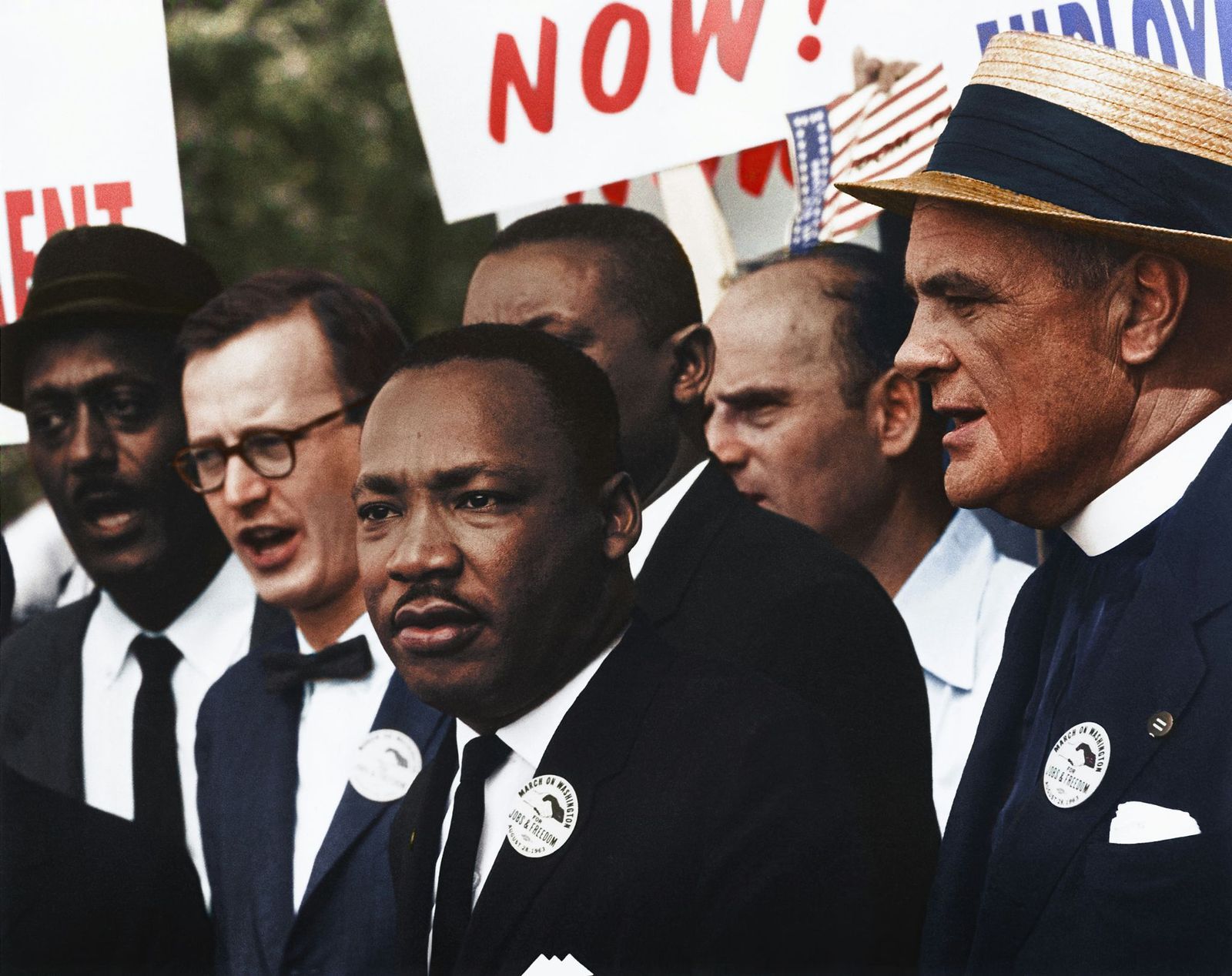
I Have a Dream - Dr Martin Luther King

Image: Unseen Histories

On the 28th of August 1963, at the Lincoln Memorial in Washington, D.C., Dr Martin Luther King delivered his famous speech I Have a Dream, which was one of the most defining moments in history. This incredible speech was the climax of the March on Washington for Jobs and Freedom, which drew over 250,000 supporters to the city. Through his words, King galvanized the American Civil Rights movement, calling for racial equality and an end to legalized discrimination.

Through the reiteration of the title phrase, he managed to express hope powerfully, stating his wishes for the nation as a whole, in a relatable and inspiring way for all: "I have a dream that my four little children will one day live in a nation where they will not be judged by the color of their skin but by the content of their character".

2

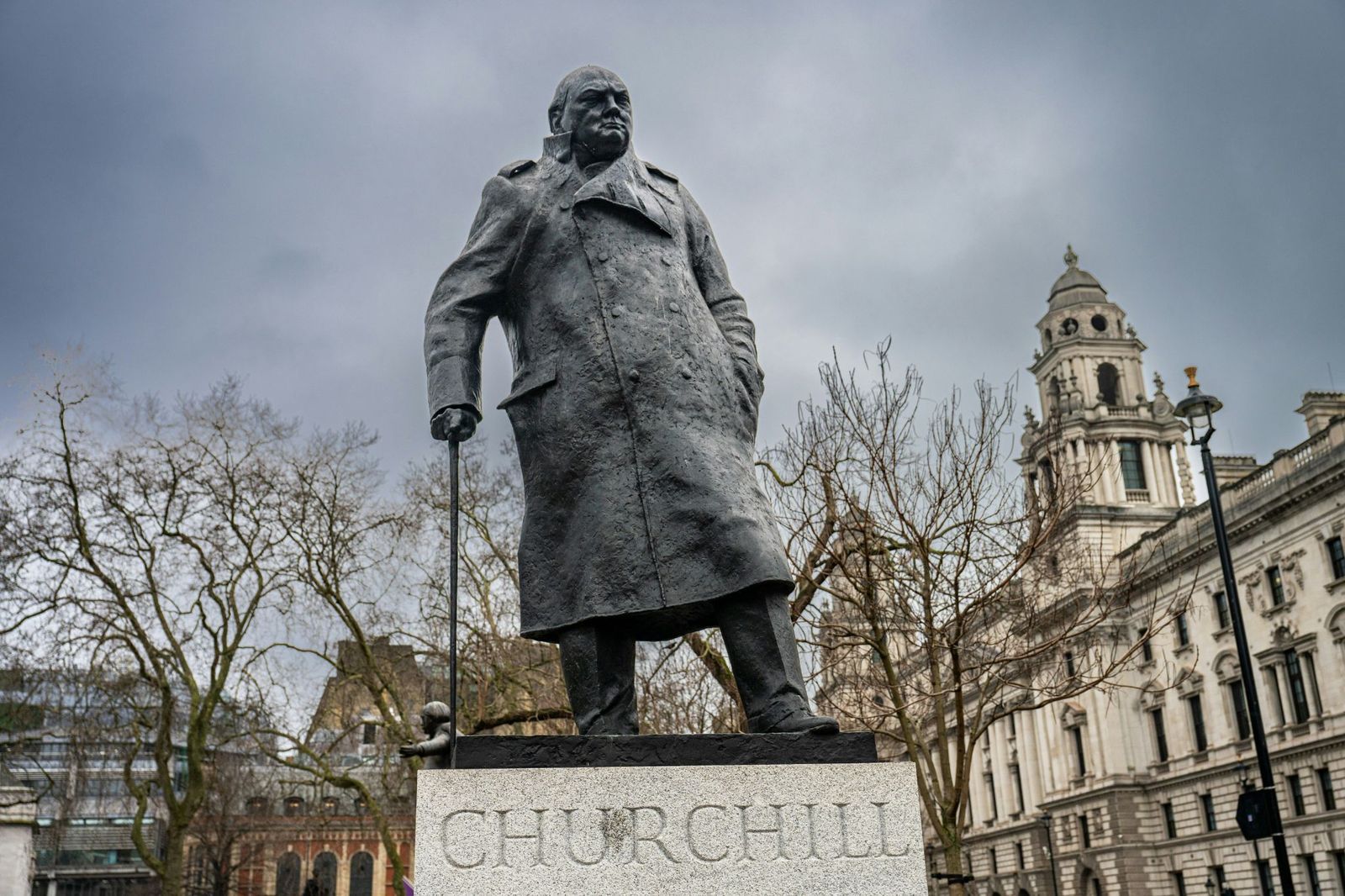
We Shall Fight on the Beaches - Winston Churchill

Image: Toby Dagenhart

This iconic speech was delivered by Winston Churchill on June 4th, 1940, in the House of Commons, while he was Prime Minister of the United Kingdom. It was the second of a three-speech series given by Churchill around the time of the Battle of France, where tough things had to be said, without losing all hope.

The objective of this delivery was quite complex: to warn the British public of a possible invasion attempt by the Nazi regime, without casting doubt about their eventual victory: "...we shall prove ourselves once again able to defend our island home, to ride out the storm of war, and to outlive the menace of tyranny, if necessary for years, if necessary alone".

3

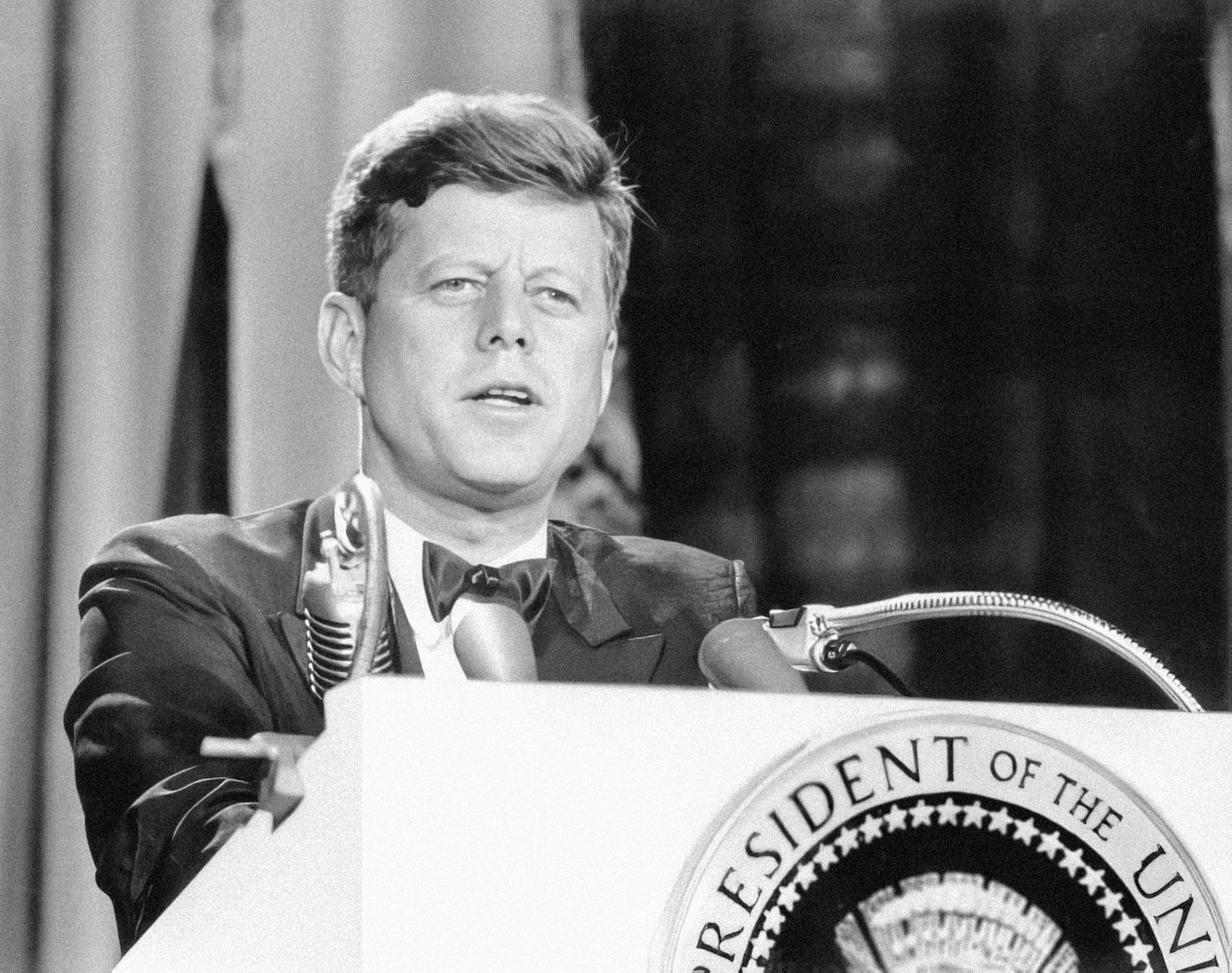
Ask Not What Your Country Can Do for You - John F. Kennedy

Image: Florida Memory

During John F. Kennedy's Inaugural Address on January 20th, 1961, he had a climactic moment which has been remembered throughout history: "Ask not what your country can do for you—ask what you can do for your country."

His goal was for it to be a call to civic action, urging ordinary citizens to prioritize public service, community sacrifice, and the greater good over individual self-interest.

4

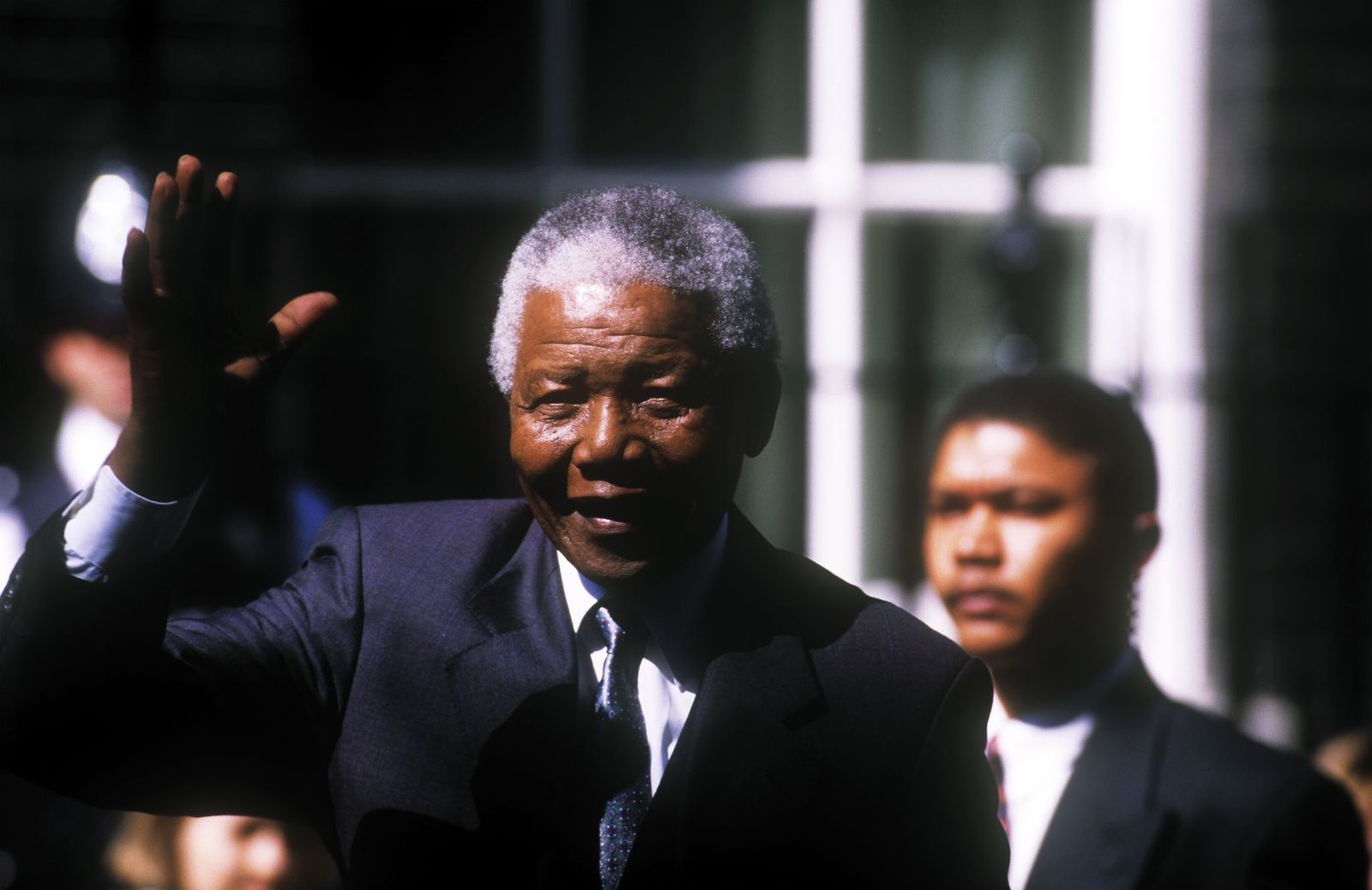
An Ideal for Which I Am Prepared to Die - Nelson Mandela

Image: Sean Aidan Calderbank

It was on April 20th, 1964, when the future leader of South Africa, Nelson Mandela, the eldest son of a Xhosa-speaking Tembu chief, had a difficult time ahead of him: He faced the death penalty for alleged sabotage and treason against the white-minority-ruled state and its segregationist policies during what was known as the Apartheid regime.

Mandela, also known as Madiba, used the trial in Pretoria to outline the ideals of the African National Congress (ANC). His closing statement, which became a defining document for the global struggle for human rights, shocked the courtroom: "I have cherished the ideal of a democratic and free society in which all persons will live together in harmony and with equal opportunities. It is an ideal for which I hope to live for and to see realised. But, my Lord, if it needs be, it is an ideal for which I am prepared to die."

5

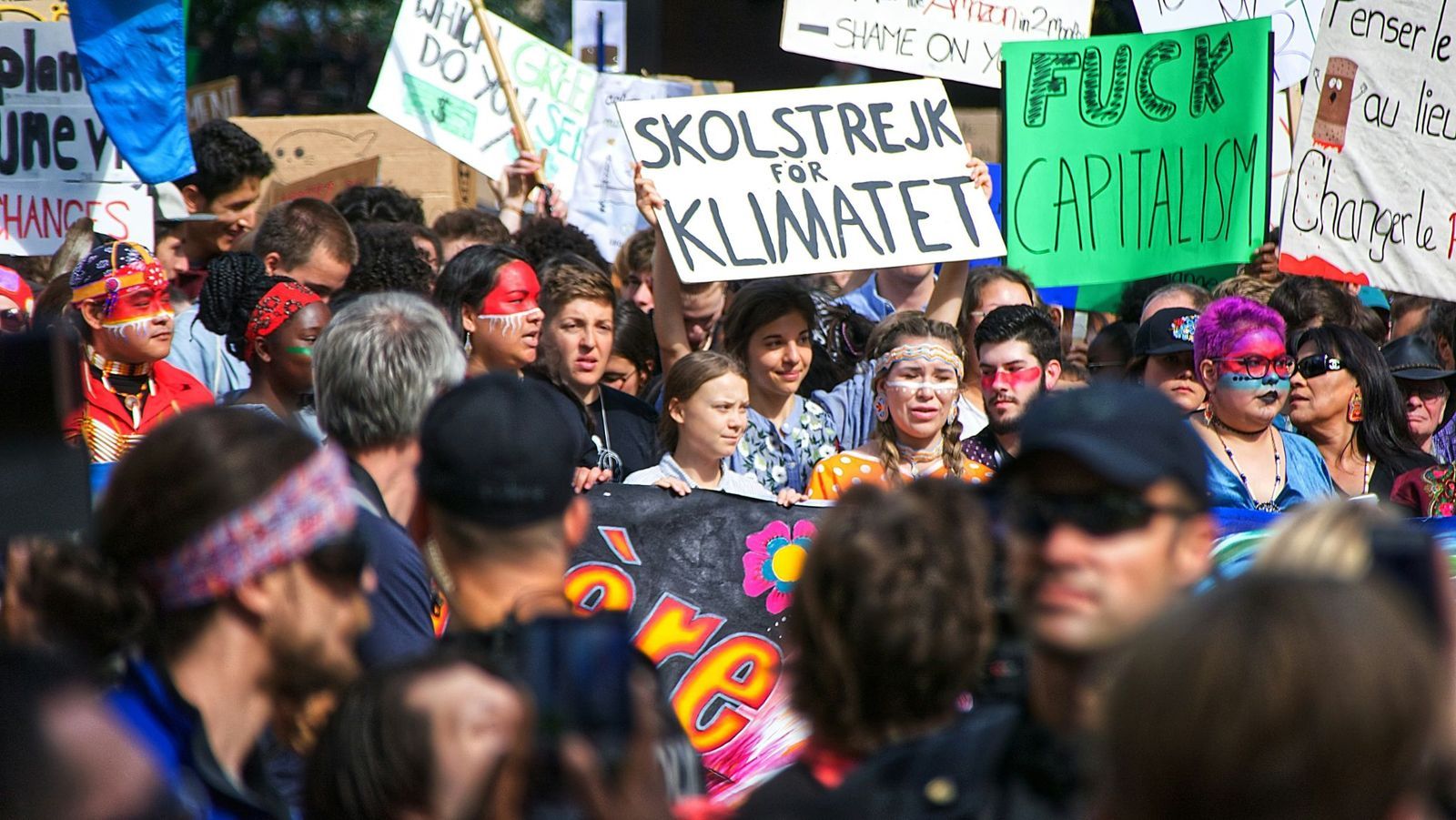
How Dare You? - Greta Thunberg

Image: Pascal Bernardon

On the 23rd of September of 2019, during the United Nations Climate Action Summit in New York, Greta Thunberg delivered a speech titled: "How Dare You?" Just like Malala Yousafzai, she was 16 years old at the time, but she confronted world leaders on their inaction on climate change in a way that had rarely been seen before.

She demanded urgent measures to be taken to save the planet, urged them to stop ignoring scientific warnings, and accused those present of stealing her generation's future with empty promises: "We are at the beginning of a mass extinction, and all you can talk about is money and fairy tales of eternal economic growth. How dare you!"

6

The Only Thing We Have to Fear Is Fear Itself - Franklin D. Roosevelt

Image: Rawpixel.com

During his First Inaugural Address on March 4th, 1933, Franklin D. Roosevelt delivered this pivotal speech while facing the depths of the Great Depression. His intention was to assure the American public that, instead of the economic crisis itself, despair, inaction, and hopelessness were their biggest enemies.

The full historic passage reads: "So, first of all, let me assert my firm belief that the only thing we have to fear is fear itself—nameless, unreasoning, unjustified terror which paralyzes needed efforts to convert retreat into advance."

7

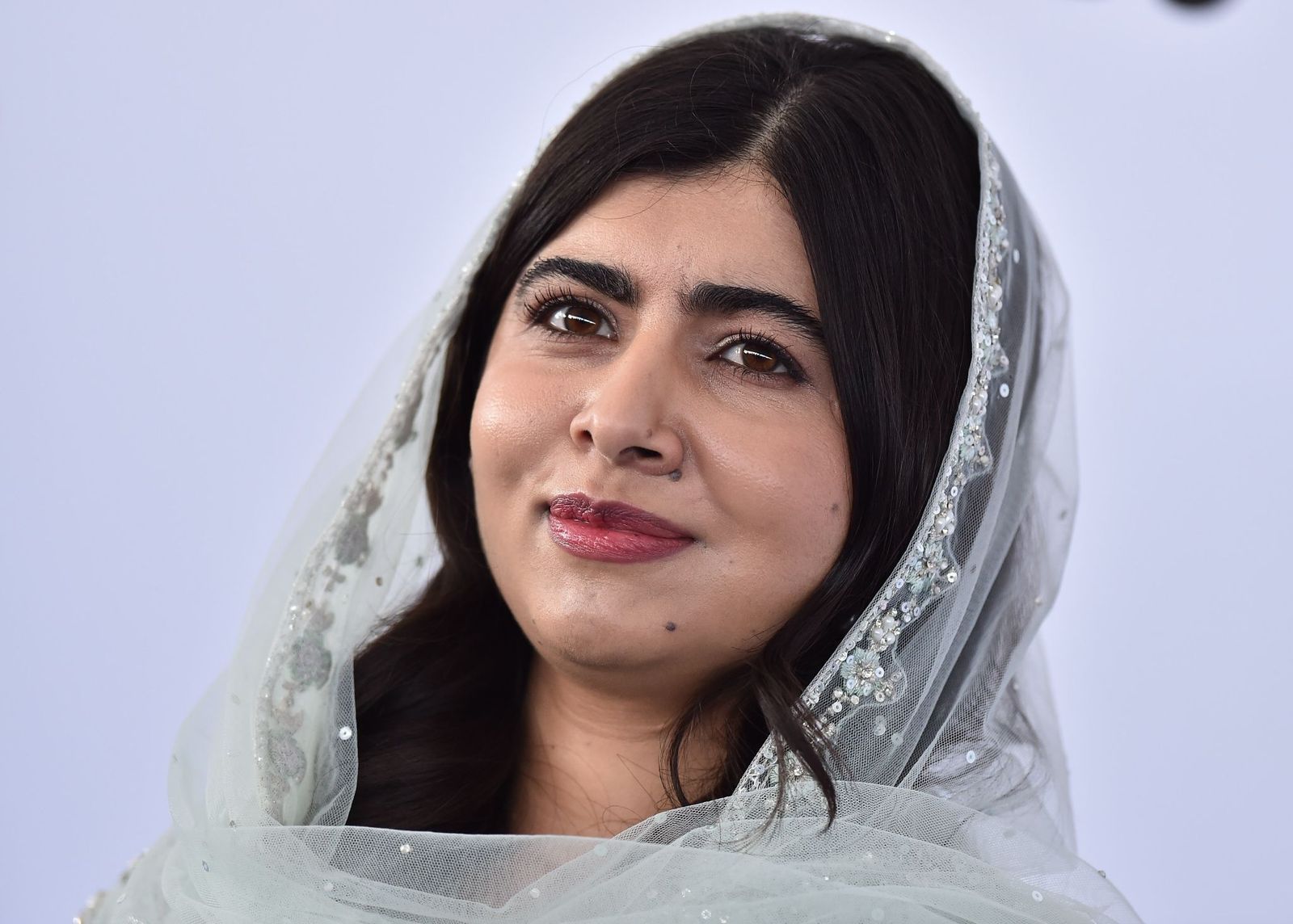
One Book and One Pen Can Change the World - Malala Yousafzai

Image: DFree

On her 16th birthday, on July 12th, 2013, Malala Yousafzai, the Nobel Peace Prize laureate, delivered her historic speech at the United Nations Assembly in New York to urge leaders around the globe to provide free and compulsory education for every child.

Incredibly, this took place just nine months after Malala survived an assassination attempt on her life by the Taliban for advocating for girls' education. In her address, she declared that the extremists were "afraid of books and pens" and that the power of education frightened them.

8

Are Women Persons?- Susan B. Anthony

Image: Tamer A Soliman

Following her arrest for illegally voting in the 1872 presidential election, Susan B. Anthony posed a powerful question in her groundbreaking speech of 1873: "Is it a crime for a United States citizen to vote?", where she passionately argued that the United States Constitution guaranteed women’s rights. Anthony famously stated, "The only question left to be settled now is: Are women persons? And I hardly believe any of our opponents will have the hardihood to say they are not."

Since women are persons, she argued they are inherently citizens, pointing out that the Preamble of the Constitution begins with "We, the people," and does not say "white male citizens," or "male citizens," concluding that any state law denying women the right to vote was unconstitutional, null, and void.

9

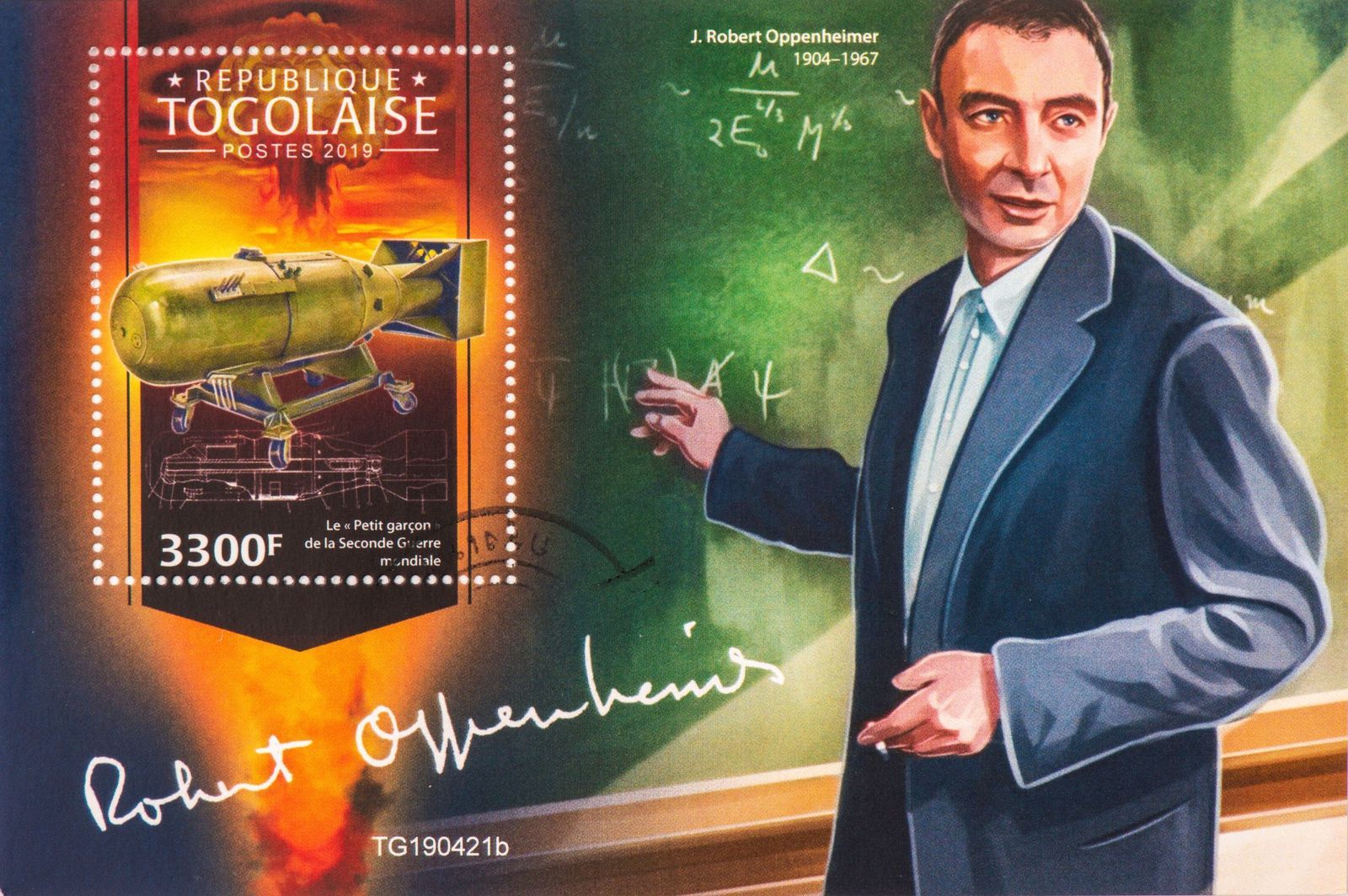
We Are Not Only Scientists; We Are Men Too - J. Robert Oppenheimer

Image: Prachaya Roekdeethaweesab

In the Farewell Address given by J. Robert Oppenheimer to the Association of Los Alamos Scientists on November 2, 1945, he argued that scientific progress cannot be divorced from humanity, and that moral responsibility must guide the pursuit of knowledge.

"But there is another thing: we are not only scientists; we are men, too. We cannot forget our dependence on our fellow men. I mean not only our material dependence, without which no science would be possible, and without which we could not work; I mean also our deep moral dependence, in that the value of science must lie in the world of men, that all our roots lie there."

10

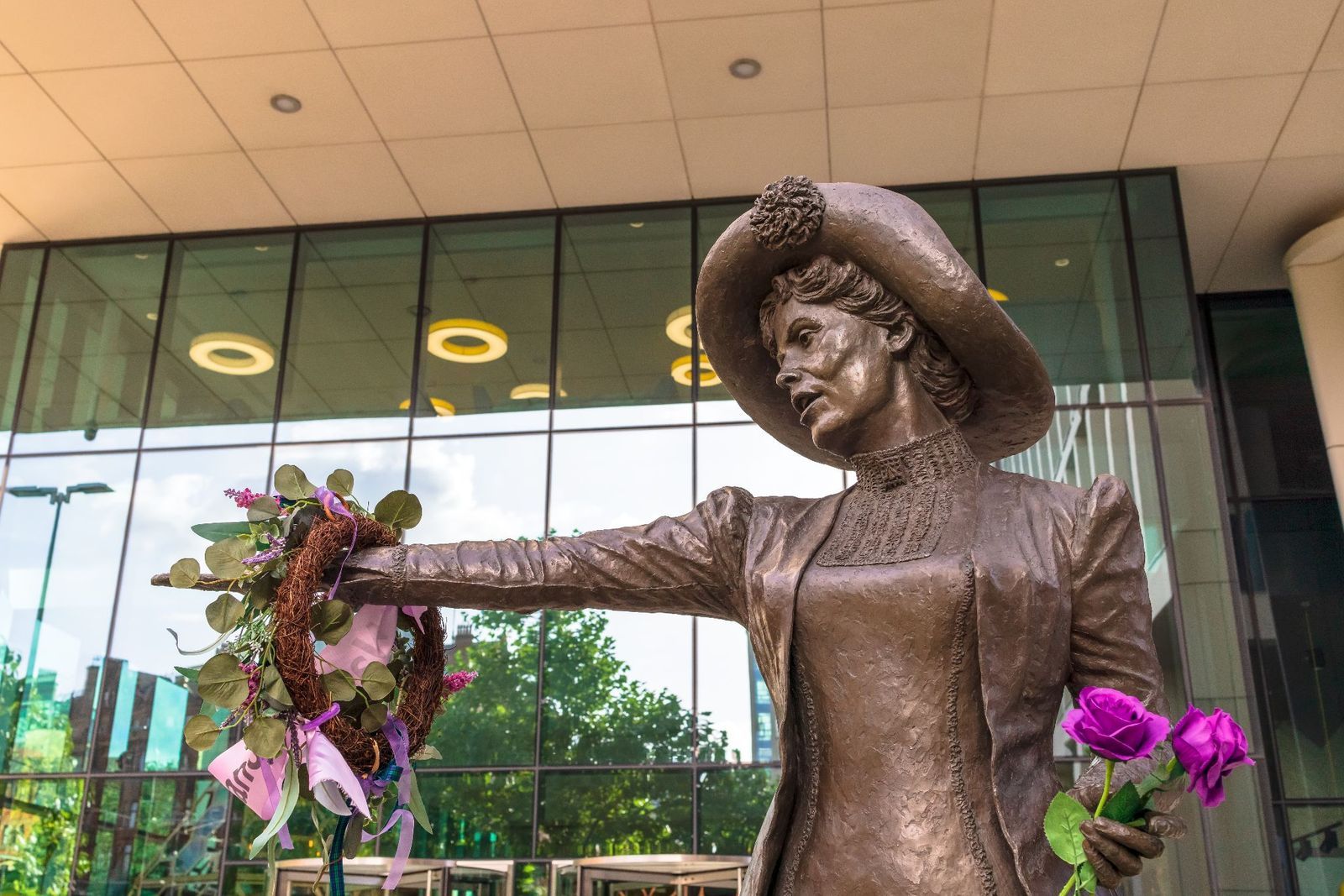
Freedom or Death - Emmeline Pankhurst

Image: Debu55y

The British suffragette Emmeline Pankhurst delivered her famous speech "Freedom or Death" on November 13, 1913, in Hartford, Connecticut, a speech that was a defining moment in the women's suffrage movement.

In the opening, she famously declared: "I am here as a soldier who has temporarily left the field of battle to explain—it seems strange that I should have to explain it—what civil war is like when women wage it."

Looking for an extra scoop of literary fun?

Learn more with our Word of the day

coherent

/koʊˈhɪrənt/