The day after us

Earth without humans: 11 things that happen when we’re gone


Published on August 27, 2025


Image: Peter Herrmann

What if every human vanished right now? For the sake of this thought experiment, let’s assume that there was no big war, no virus—just poof, gone. Nature wouldn’t hesitate to reclaim what we built. From silent cities to nuclear disasters, the world would start changing immediately. Here’s what would actually happen, and how fast, if people disappeared from Earth.

1

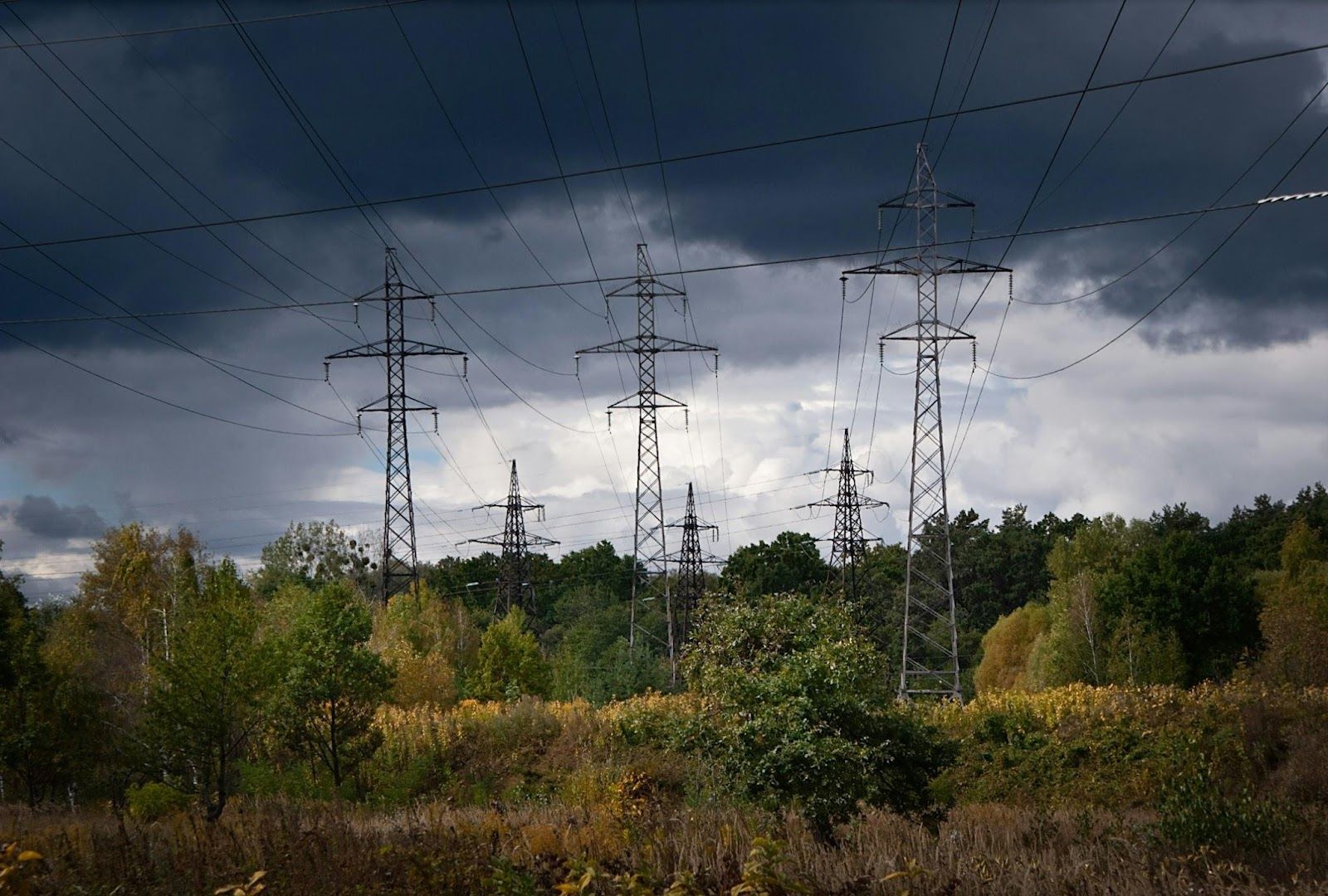
Power fails within hours

Image: Andriy Nestruiev

Power plants need constant maintenance. Without humans, fossil fuel stations would shut down within just a few hours. Backup generators at nuclear and hydro plants might last a couple more days, but without human oversight, even they’d fail.

Eventually, power grids would collapse worldwide, and complete darkness would fall on cities within a day or two.

2

Subways start flooding

Image: Nenad Spasojevic

Pumps in underground transit systems like NYC’s run nonstop to keep out water. Without maintenance (and more importantly, power), those pumps would stop working in just a couple of days.

By the end of the first week, tunnels would begin flooding, damaging infrastructure, and washing out entire underground networks.

3

Pets and livestock go feral

Image: Praswin Prakashan

Most domestic animals rely entirely on humans for food, water, and shelter. Dogs might form feral packs, but millions—especially indoor pets—would eventually die of starvation.

Livestock like cows and chickens would perish or become easy prey, disrupting rural food chains. However, within a few generations, some could revert to free-roaming behavior, similar to their wild ancestors.

4

Nuclear plants meltdown

Image: Lukáš Lehotský

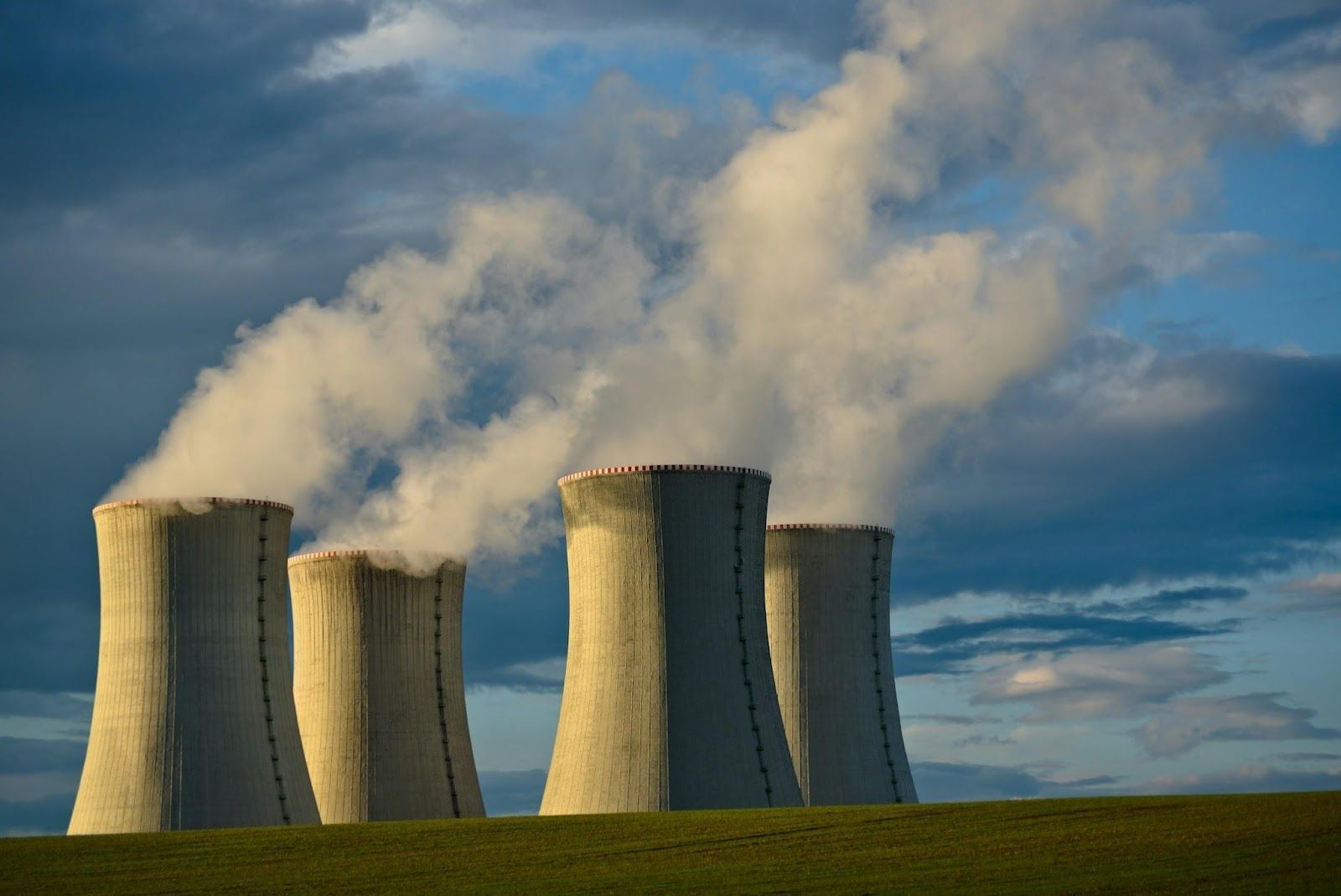
Without humans, nuclear power plants would quickly become major hazards to all surviving life. Most reactors would automatically enter into safe mode and shut down within hours, as automated systems detect the loss of the electrical grid.

However, cooling systems require active maintenance. Within a short time, without intervention, reactor cores would begin to overheat. Multiple Fukushima-style meltdowns could occur, releasing radioactive material into the air, soil, and water across entire regions.

5

Bridges rust and fall

Image: Juan Manuel Núñez Méndez

Salt, moisture, and wind would destroy most human-made bridges within decades. Without protective coatings, steel corrodes and load-bearing cables weaken over time.

Even iconic structures like the Golden Gate Bridge would likely collapse within 100 years. In contrast, ancient Roman structures and other archaeological remains that have already endured for millennia could survive for many centuries more, barring major seismic events or other natural disasters.

6

Wildlife rebounds

Image: Erik Mclean

Many animal populations would thrive without humans suppressing them. Species once hunted or crowded out would reclaim territory.

Wolves, bears, deer, and even predators like big cats could return to their former ranges, reshaping ecosystems quickly.

7

Roads disappear under greenery

Image: Miikka Luotio

Plants would break through pavement and reclaim roadways within a few years—something nature wastes no time doing, as we can see in any abandoned roads or areas today.

Tree roots and erosion would be the first to crack and crumble concrete and asphalt. And without vehicles to maintain wear patterns, roads would soon disappear under grasses, shrubs, and eventually forest.

8

Dams break down

Image: Tejj

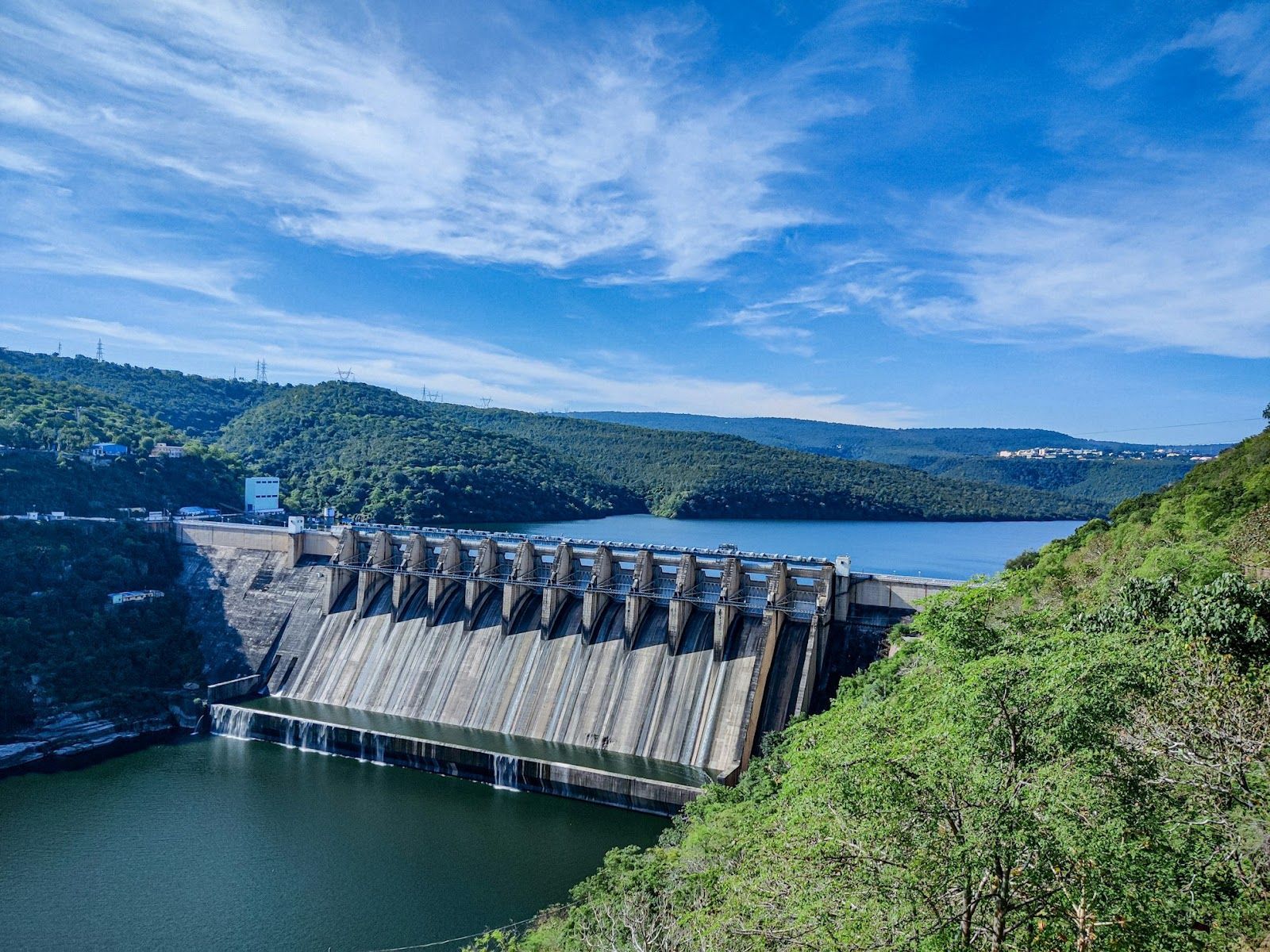
Like many human-made structures, dams require active monitoring to prevent erosion, cracking, and overflow. Within a few decades, silt buildup and unchecked water flow would cause many to breach or collapse.

The resulting floods would be catastrophic, reshaping river valleys and floodplains across entire continents.

9

Art and culture are forgotten

Image: Nik

What would happen to our cultural legacy? Without us, it won’t last long. Books, paintings, and digital media would begin to degrade quickly.

Even in semi-protected conditions, paper would yellow and crumble. Museums without climate control would suffer from mold and temperature damage. Hard drives and servers would corrode and become unreadable within decades.

10

Earth's climate stabilizes—slowly

Image: Cédric Dhaenens

Despite the chaos our disappearance would bring to most ecosystems, there’s a silver lining: greenhouse gases would decline over time, gradually cooling the planet. Oceans and plants would absorb the excess CO₂.

Within a few hundred years, global temperatures could return to pre-industrial levels, though damage like ice sheet loss would take millennia to undo.

11

Traces fade in millennia

Image: jean wimmerlin

Most recognizable evidence of human civilization would vanish over a few thousand years. Materials like plastic, glass, and some metals might persist for over 500,000 years, but nature would slowly break them down.

Concrete crumbles, buildings collapse, and corrosion eats metal. After 10,000 years, only massive stone structures like Mount Rushmore or the Pyramids might remain—weathered and barely recognizable. Even our radio signals would eventually fade into cosmic background noise.


DECODING DOCTORS

Check Out These 10 Medical Terms Explained!


Published on August 27, 2025


Image: Hush Naidoo Jade Photography

Have you ever had a doctor explain that you "suffer from otitis" to simply mean you have an ear inflammation? The terminology used by doctors can be very confusing to patients, as medical words are full of roots, prefixes, and suffixes that come from Greek or Latin. If you want to understand your doctor better during your next visit, or just show off your lexicon to your friends, read on! Today, we are reviewing and explaining what these 10 aspects of medical terminology mean.

1

Hypo-

Image: isens usa

"Hypo-" is a prefix that comes from Greek, meaning "under" or "below."

In medicine, this term is used to refer to low levels or deficient functioning.

For example, you may see this prefix in "Hypoglycemia" (low blood sugar) or "Hypotension" (low blood pressure). To refer to an organ or gland that is below its normal function, we have the word "Hypothyroidism" as an example, which indicates an underactive thyroid gland.

2

Hyper-

Image: Mockup Graphics

"Hyper-" is the opposite of the previous prefix. Hyper- also comes from Greek, meaning "excessive" or "above normal."

This prefix is used when levels, functioning, or certain conditions are elevated or above values considered normal. For example, "Hyperthermia" refers to elevated body temperature. "Hypertension" is blood pressure that exceeds the values indicated as healthy. Finally, "Hyperthyroidism" is the overactivity of the thyroid gland, which leads to the overproduction of thyroid hormones.

3

-itis

Image: Kelly Sikkema

"-itis" is one of the best-known suffixes in medicine. Greek is again the language of origin here, this time meaning "inflammation."

Doctors often add this suffix to the scientific name of a body part to indicate it is swollen. As already mentioned, "Otitis" is the inflammation of the ear, as frequent as it is painful. "Appendicitis" indicates inflammation of the appendix, often resulting in surgery to remove it. Another example is "Bronchitis," which refers to inflammation of the bronchial tubes.

4

Gastro-

Image: julien Tromeur

"Gastro-" is a prefix that, rather than referring to a condition, injury, or disease, indicates a specific body part where all those things can occur.

Gastro- comes from Greek and means "stomach" or "tummy." Therefore, this term refers to conditions, procedures, or tests that affect or are performed on the stomach or gastrointestinal tract.

For example -using one of the suffixes already mentioned above- we have the term "Gastritis," the inflammation of the stomach, which causes so much pain. "Gastroenterology," on the other hand, is the general study of the stomach and gastrointestinal tract.

5

-osis

Image: Online Marketing

"-osis" is a suffix that comes to indicate that something is not working as it should or was affected in some way.

Coming from Greek, "-osis" can mean "condition," "disease," or "abnormal."

For example, we can cite "Fibrosis," the formation of excess fibrous connective tissue, which can occur in some scars. On the other hand, "Thrombosis" is a well-known term indicating the presence of a blood clot (thrombus) within a blood vessel.

6

Osteo-

Image: Mathew Schwartz

Like "Gastro-," "Osteo-" indicates a specific part or area of the human body.

This prefix comes from the Greek osteon meaning "bone." Thus, any medical term that includes this prefix indicates a condition, disease, procedure, or treatment that affects or is applied to the bones.

For example, "Osteoporosis" combines this prefix with the familiar "-osis" suffix, indicating a condition characterized by porous and fragile bones. On the other hand, "Osteotomy" refers to a surgical procedure on a bone.

7

-scopy

Image: Piron Guillaume

The Greek skopein, meaning "to look" or "to examine," gives rise to the medical suffix "-scopy."

Following its word of origin, the suffix "-scopy" doesn't refer to a disease or body part but to an examination or viewing of some organ or function.

To give some examples, we can mention the well-known "Endoscopy," a procedure through which an internal part of the body is examined using a flexible tube with a lamp and camera attached. "Bronchoscopy," on the other hand, indicates the examination of bronchi.

8

Hemat-

Image: Anton

Originating from the Greek haima, any medical word that includes the prefix "Hemat-" refers to something related to blood.

"Hematology," for example, is the science that studies the blood, its functions, its elements, and the conditions or diseases that can affect it. "Hematoma" is a bit of blood that collects in a certain spot because it has escaped from blood vessels, commonly known as a bruise. "Hematopoiesis," on its part, refers to the process by which new blood cells are formed.

9

-ology

Image: Look Studio

We have to admit we've left a few spoilers, as the suffix "-ology" was mentioned before. But let's take a better look at it.

Coming from the Greek logos ("study" or "reason"), "-ology" applies to different medical fields dedicated to studying specific parts or functions of our body.

One of the best known, "Cardiology," is the study and care of the heart and related conditions. Another example is the word "Dermatology," the area of medicine that studies and treats the skin.

10

-ectomy

Image: Martha Dominguez de Gouveia

The suffix "-ectomy" indicates a surgical procedure. Coming from the Greek ektomē, meaning "a cutting out" or "excision," practices ending with this suffix are performed to remove a specific body part.

While that sounds a bit strong, these types of surgeries are actually very common, and many of them are performed quickly. "Appendectomy," for example, involves the surgical removal of an infected appendix. There are other examples, such as "Mastectomy," which is the surgical removal of breast tissue.

Looking for an extra scoop of literary fun?

Learn more with our Word of the day

attached

/əˈtætʃt/