Bookworms only
Dreamers and rebels: 10 literary characters that define their own genres
Published on May 5, 2026

Literature has given us characters that transcend the page, capturing imaginations and defining genres. From heroic adventurers to beloved childhood icons and cunning antiheroes, these 10 figures have left an indelible mark on readers worldwide. Each has a unique story and a lasting legacy that continues to shape culture and fiction.
Sherlock Holmes
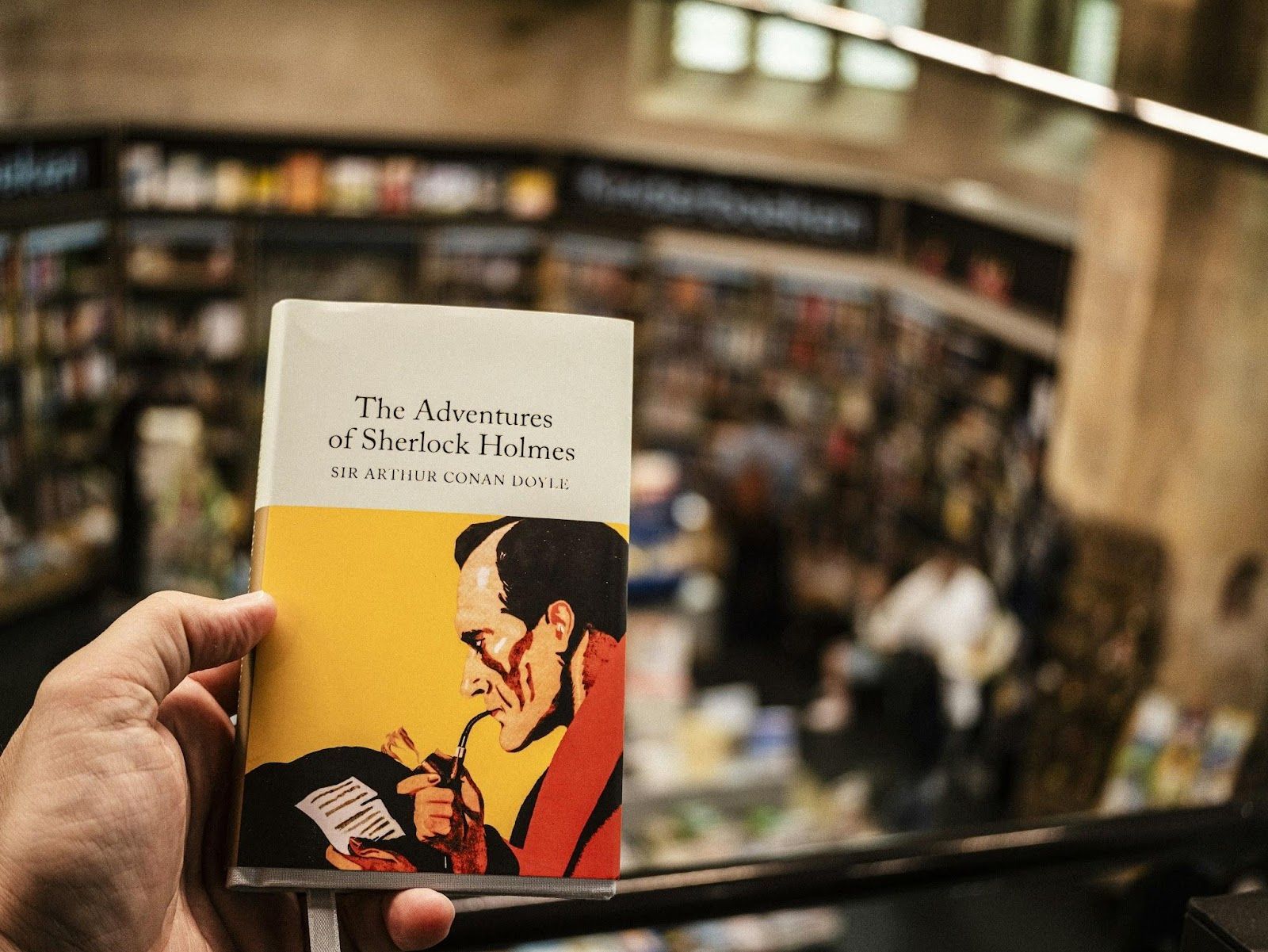
Created by Sir Arthur Conan Doyle in 1887, Sherlock Holmes is a consulting detective known for his astute logical reasoning, use of forensic science, and keen observation skills.
Holmes first appeared in A Study in Scarlet, setting the gold standard for detective fiction. His iconic deerstalker hat, pipe, and razor-sharp mind have made him a lasting symbol of intellectual prowess in literature and media.
Elizabeth Bennet

From Jane Austen’s Pride and Prejudice (1813), the beloved Elizabeth Bennet navigates the complex social expectations and romantic entanglements of Regency-era England in her pursuit of love and self-discovery.
Austen’s sharp observations challenged the societal norms of early 19th-century England, and her brilliantly crafted heroines remain enduring models of wit, independence, and strength.
Atticus Finch
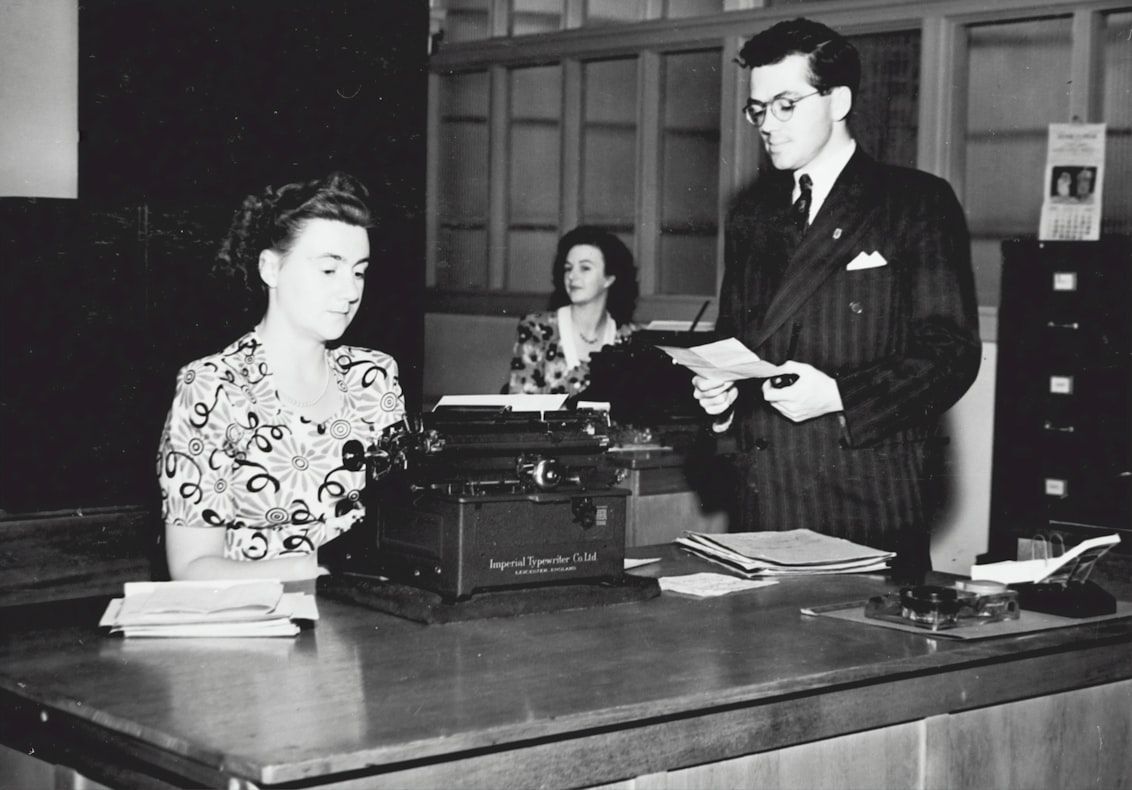
From Harper Lee’s To Kill a Mockingbird (1960), Atticus Finch stands as one of literature’s most enduring symbols of integrity and justice. As a small-town lawyer in 1930s Alabama, he defends a Black man wrongly accused of assaulting a white woman, facing social backlash for upholding equality before the law.
Finch was inspired in part by Lee’s own father, Amasa Coleman Lee, a lawyer who once defended two Black men in a similar case.
Jay Gatsby

From F. Scott Fitzgerald’s The Great Gatsby (1925), Jay Gatsby embodies the allure and tragedy of the American Dream. A self-made millionaire who rises from poverty, Gatsby devotes his life to winning back his lost love, Daisy Buchanan, through wealth, charm, and lavish parties on Long Island.
Fitzgerald based Gatsby’s world on the excesses of the Jazz Age, drawing inspiration from real figures of the Roaring Twenties.
Huckleberry Finn

First appearing in Mark Twain’s The Adventures of Tom Sawyer (1876) and later starring in The Adventures of Huckleberry Finn (1884), Huck became an icon of youthful independence and moral awakening.
Rejecting the constraints of "civilized" society, he embarks on a journey down the Mississippi River with the runaway slave Jim. Often called the first true American novel, Huckleberry Finn broke literary conventions and helped shape modern realism in fiction.
Holden Caulfield

From J.D. Salinger’s The Catcher in the Rye (1951), Holden Caulfield became the voice of postwar teenage alienation. Disillusioned by the "phoniness" of the adult world, he wanders New York City after being expelled from prep school, searching for meaning and authenticity in a world that to him feels hollow.
Salinger’s use of colloquial language and raw introspection was groundbreaking, influencing generations of writers and readers to this day.
Jane Eyre
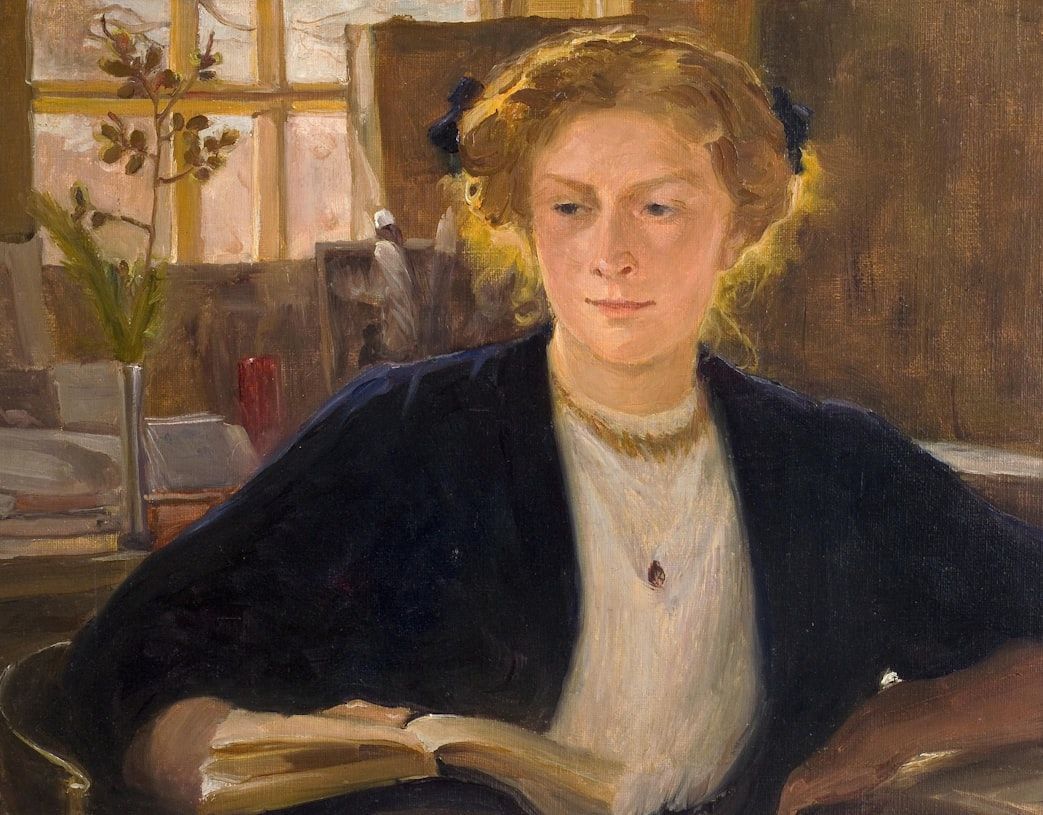
Charlotte Brontë’s Jane Eyre (1847) introduced one of literature’s first truly modern heroines. Orphaned and mistreated, Jane rises through hardship to become a governess and falls in love with the mysterious Mr. Rochester, but refuses to sacrifice her integrity or independence even for love.
Brontë’s portrayal of a woman asserting both moral and emotional autonomy was groundbreaking for its time and helped redefine the role of the heroine in English literature.
Dracula

Bram Stoker’s Dracula (1897) introduced the world’s most famous vampire—a sophisticated aristocrat who conceals a monstrous thirst for blood.
Inspired by Eastern European folklore and possibly the real-life Vlad the Impaler, Stoker’s creation redefined the vampire myth. Count Dracula became a lasting symbol of fear, desire, and immortality, influencing countless adaptations and shaping an entire genre of horror.
Frodo Baggins

From J.R.R. Tolkien’s The Lord of the Rings trilogy (1954–1955), Frodo Baggins embodies the quiet courage of the ordinary person thrust into extraordinary circumstances. Tasked with destroying the One Ring, he journeys from the peaceful Shire into the heart of darkness to save Middle-earth.
Unlike traditional epic heroes, Frodo’s power lies in humility and persistence, making him a timeless symbol of inner strength and the cost of doing what’s right.
Odysseus
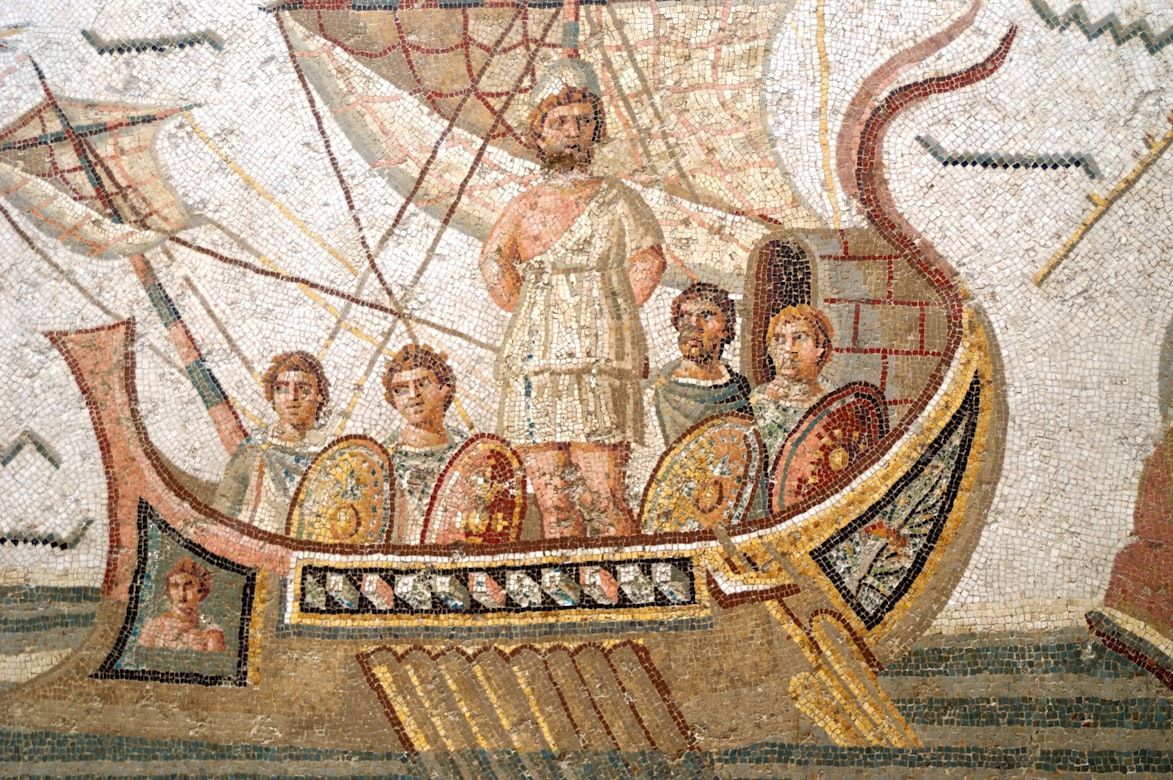
Homer’s Odyssey, composed around the 8th century BCE, presents Odysseus as the archetype of the clever hero. After the fall of Troy, his ten-year journey home to Ithaca becomes a test of endurance, intellect, and will as he faces gods, monsters, and temptation.
Renowned for his wit and adaptability, Odysseus embodies the Greek ideal of metis—strategic intelligence. His story also helped define the hero’s journey narrative that shaped Western literature, influencing countless tales of adventure and human struggle against fate.