Watch your words!

Don't call it a milkshake! 12 regional words worth knowing


Published on November 26, 2026

Image: Lanista

Americans may speak the same language, sure, but crossing a state line can sometimes feel like entering a different linguistic universe. Order a milkshake in one state, and you'll get exactly what you expect. Drive a few miles farther, and suddenly you're supposed to ask for a cabinet. Check out these 12 everyday words and phrases that might leave visitors scratching their heads.

1

Michigan's "pop" vs. New York's "soda"
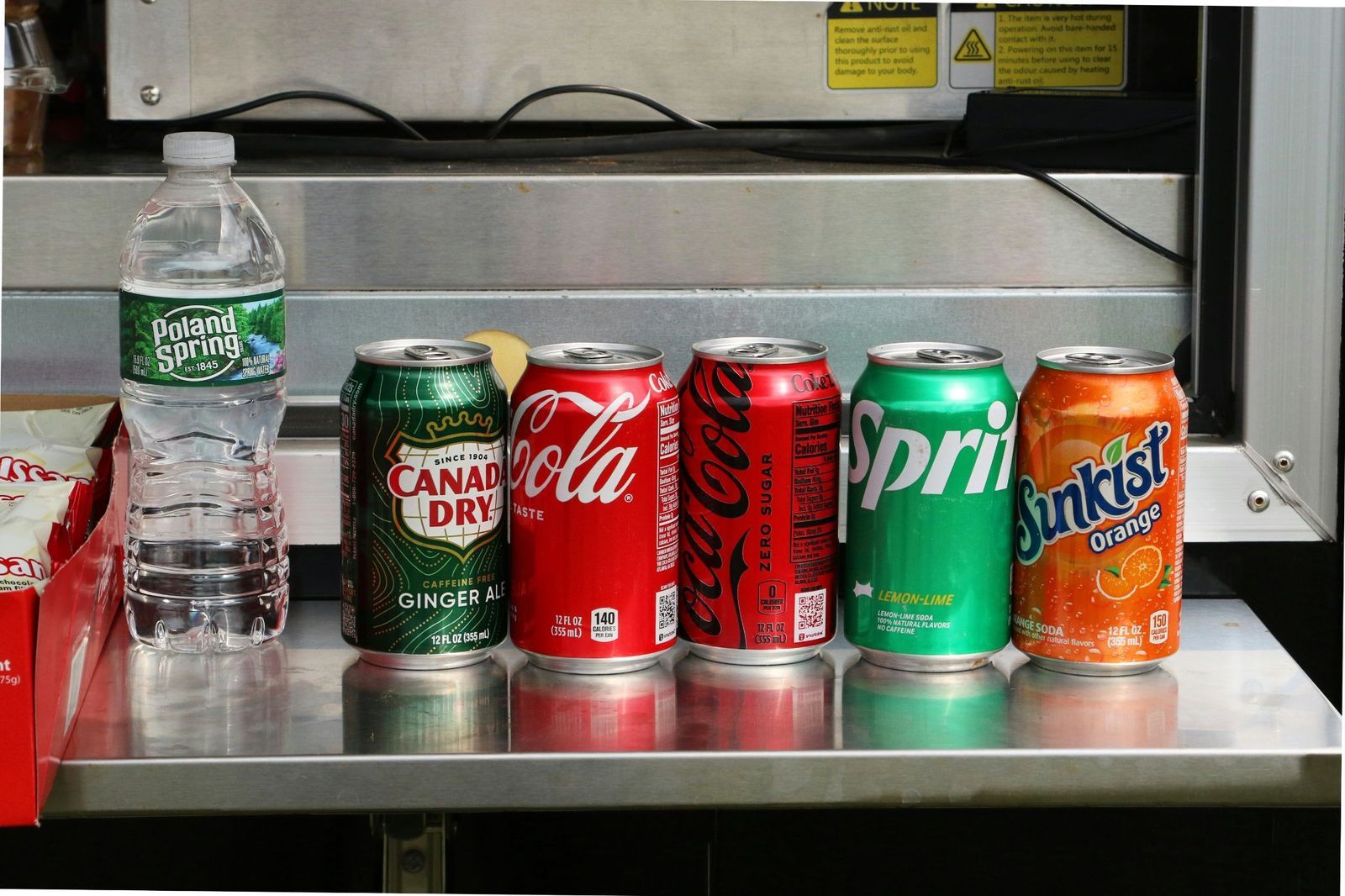
Image: David Trinks

Walk into a Michigan diner and ask for a pop, and nobody will blink. That's what many Midwesterners call a carbonated soft drink. Travel to New York, however, and you're more likely to hear soda. Both words describe the same fizzy refreshment.

Head farther south, particularly into parts of Georgia, and things get even stranger. Some Southerners traditionally use Coke as a general term for soft drinks, regardless of brand. You might hear someone ask what kind of Coke you want, with Sprite or Dr Pepper among the possible answers.

2

Philadelphia's "hoagie" vs. New York's "hero"
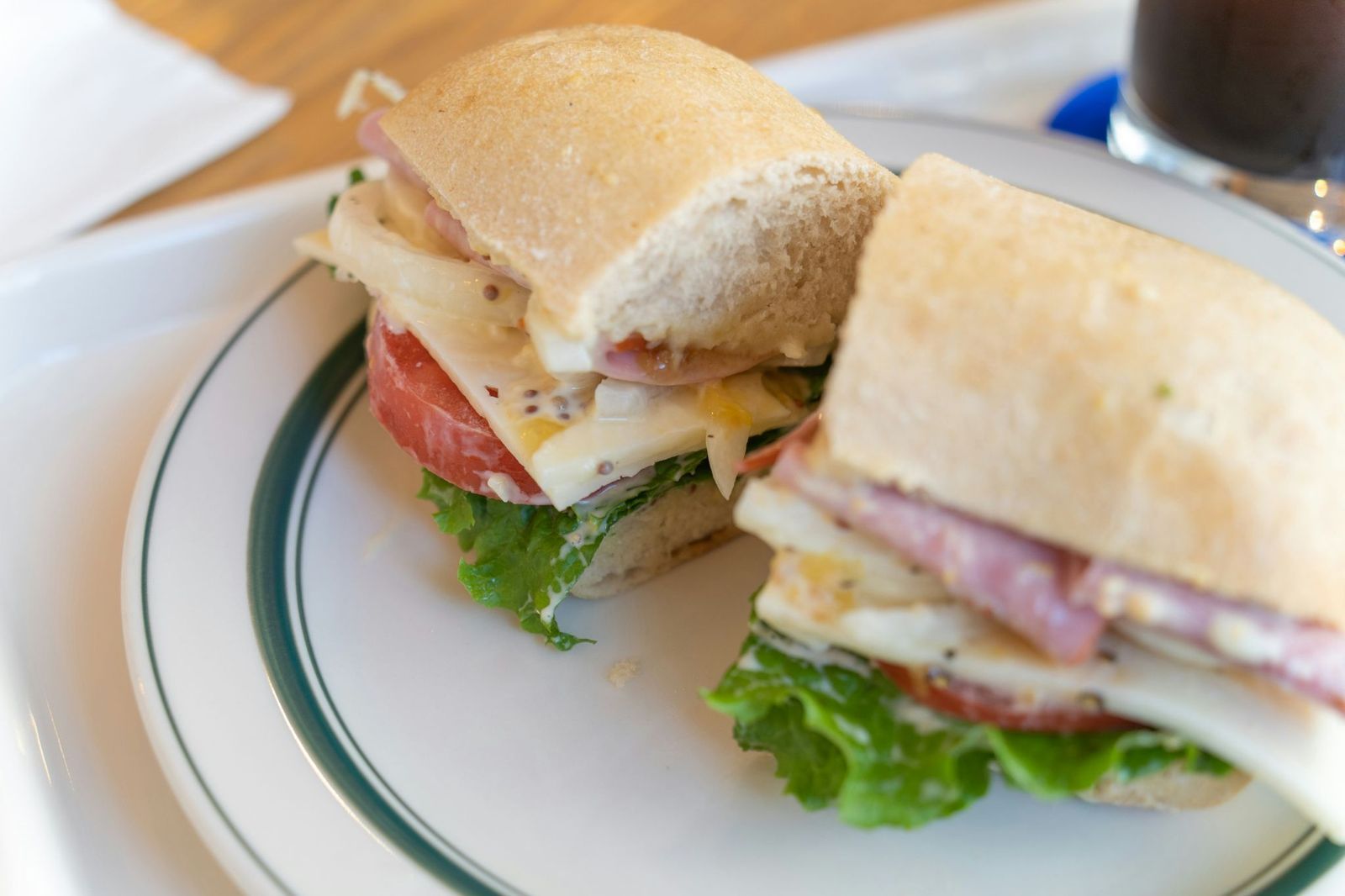
Image: sq lim

In Philadelphia, a long roll stuffed with cold cuts, cheese, lettuce, and other toppings is famously called a hoagie. Order one at a neighborhood sandwich shop, and you'll be speaking the local language. But that name changes as you travel.

In New York City, a similar sandwich is commonly called a hero, while Rhode Islanders may call it a grinder. The fillings and preparation can differ, especially when hot sandwiches enter the picture, but the basic idea remains familiar.

3

Vermont's "creemee" vs. New York's "soft serve"
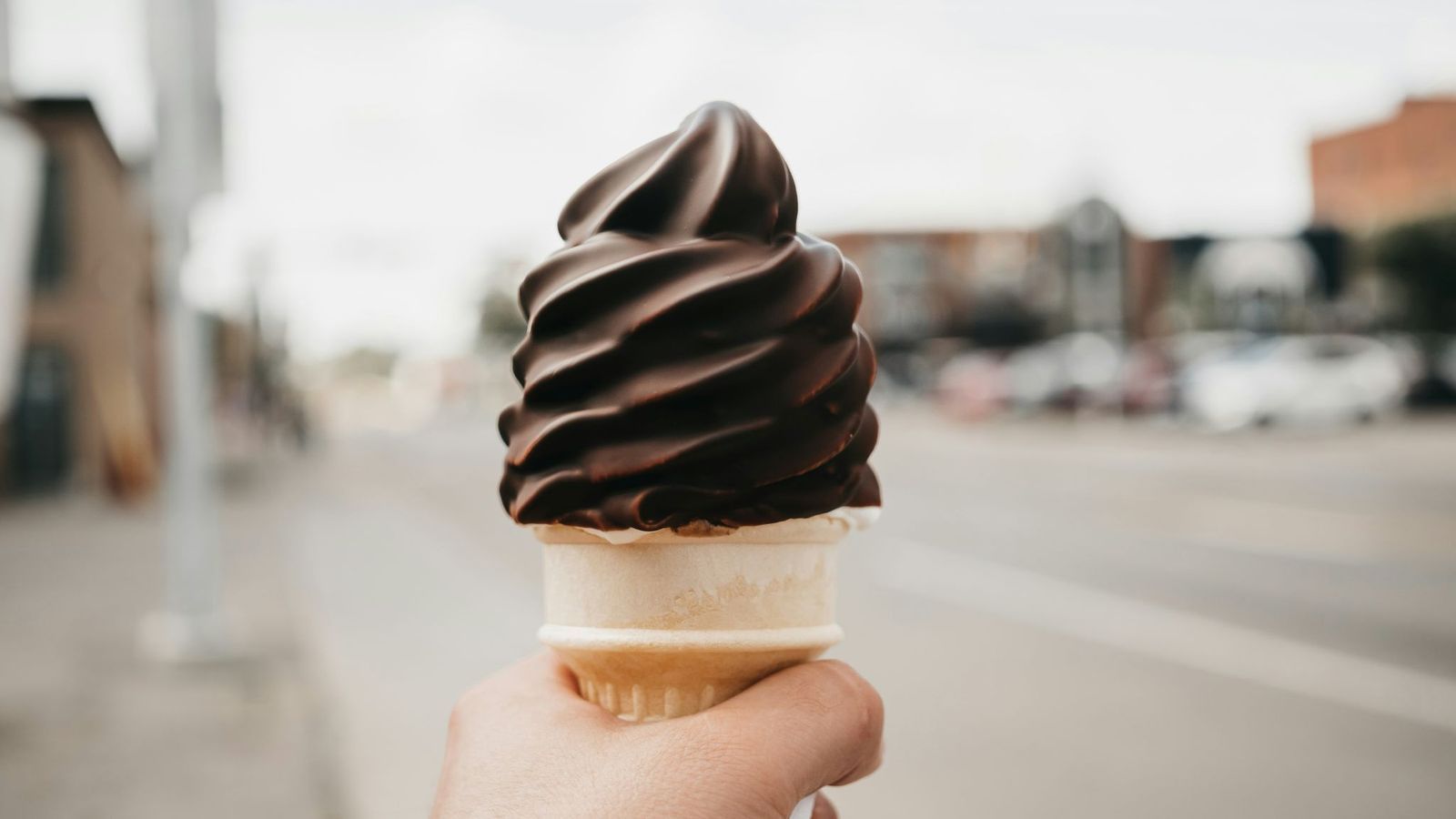
Image: Dylan Ferreira

Visit Vermont during summer, and you'll probably encounter signs advertising creemees. Despite the unusual spelling, these are essentially soft-serve frozen treats, often sold in cones at roadside stands and dairy shops. Maple creemees are especially beloved.

Across the border in New York, customers generally ask for soft serve instead. Vermont's distinctive term has become part of the state's food identity, particularly during warm-weather outings.

4

Rhode Island's "cabinet" vs. Massachusetts' "frappe"
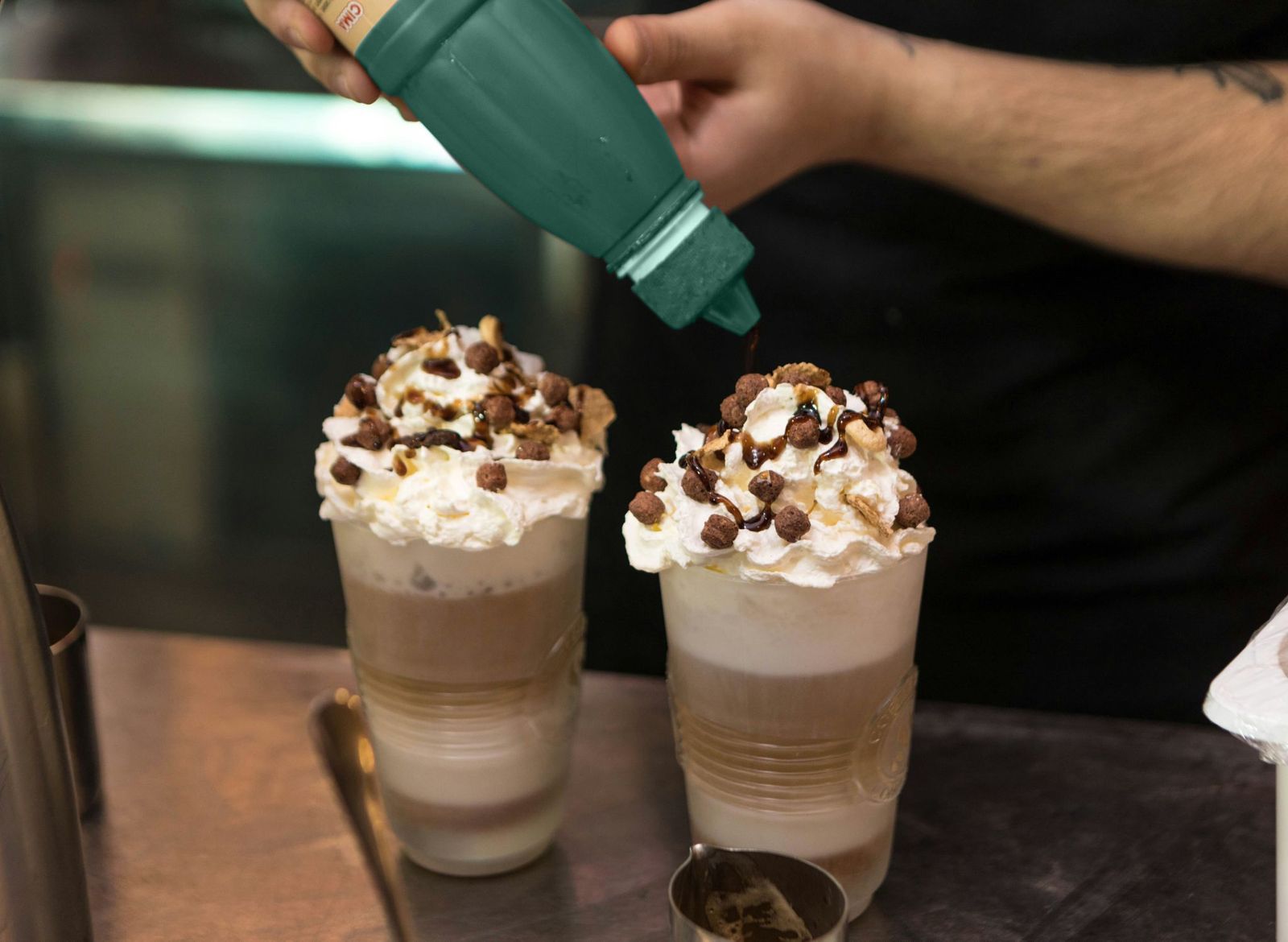
Image: Farhad Ibrahimzade

Ask for a cabinet in Rhode Island, and nobody will direct you toward the kitchen furniture. In parts of the state, a cabinet is a thick drink blended with ice cream and milk, often flavored with coffee syrup. It's a cherished local specialty.

Cross into Massachusetts, and that same kind of treat is commonly called a frappe. Elsewhere, including California, most customers would simply order a milkshake. Historically, some New England shops distinguished milkshakes from frappes because the former contained no ice cream. That distinction still survives in certain establishments.

5

Wisconsin's "bubbler" vs. New York's "water fountain"
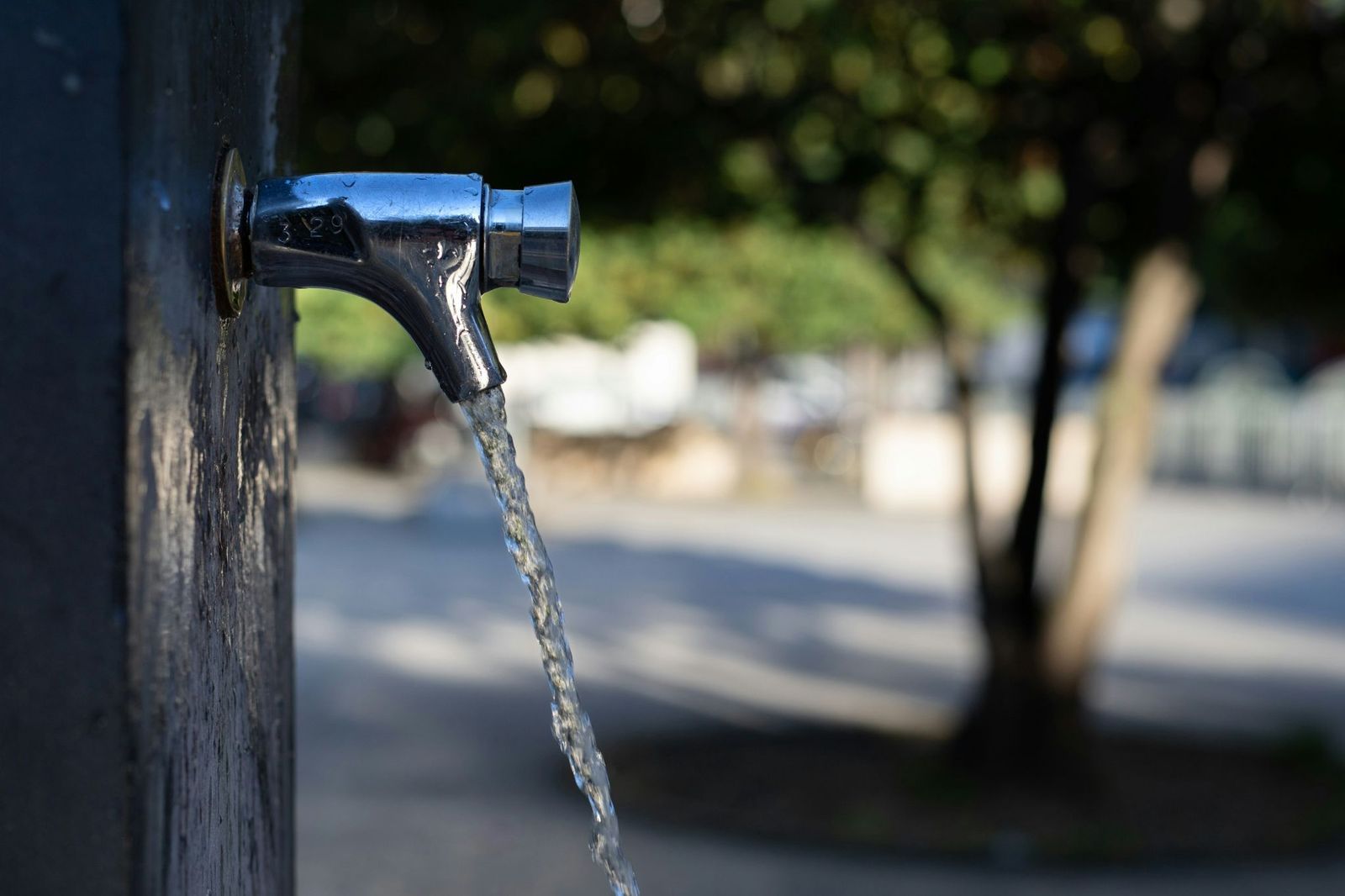
Image: Nicolas COMTE

If someone in Wisconsin tells you there's a bubbler down the hallway, they're probably directing you toward drinking water. The term is especially associated with Wisconsin, where it has long been used for a public drinking fountain.

In New York, you're more likely to hear water fountain or drinking fountain. The word bubbler also appears in parts of New England, so it isn't exclusively Wisconsin's invention.

6

Connecticut's "tag sale" vs. California's "garage sale"

Image: Bruno BD

In Connecticut, signs advertising tag sales are a familiar sight, particularly when residents clear out their attics, closets, and basements. The name reflects the price tags attached to secondhand items waiting for new owners.

Travel to California, and you're more likely to see signs for garage sales. Elsewhere, including parts of Texas, yard sale is another common choice. All three generally describe the same neighborhood treasure hunt.

7

Pittsburgh's "nebby" vs. New York's "nosy"

Image: Andrii Iemelianenko

In Pittsburgh, someone who asks too many personal questions might be called nebby. The word describes a nosy or meddlesome person, especially someone who seems excessively interested in the neighbors' business.

In New York and much of the country, nosy would be the more familiar expression. Nebby belongs to the distinctive vocabulary often called Pittsburghese, which preserves influences from early Scots-Irish settlers. Other local expressions include slippy for slippery and redd up for tidying a room. It's a fascinating reminder that American dialects preserve centuries of history.

8

New York City's "on line" vs. Illinois' "in line"

Image: Nils Huenerfuerst

Imagine visiting New York City and hearing someone say they're standing on line for theater tickets. Don't look for an internet connection! In local speech, on line often means waiting in a queue of people.

In Illinois and most other states, people generally say they're standing in line. The difference is just one little preposition, but it can immediately reveal someone's linguistic background.

9

Wisconsin's "brat" vs. California's "bratwurst"
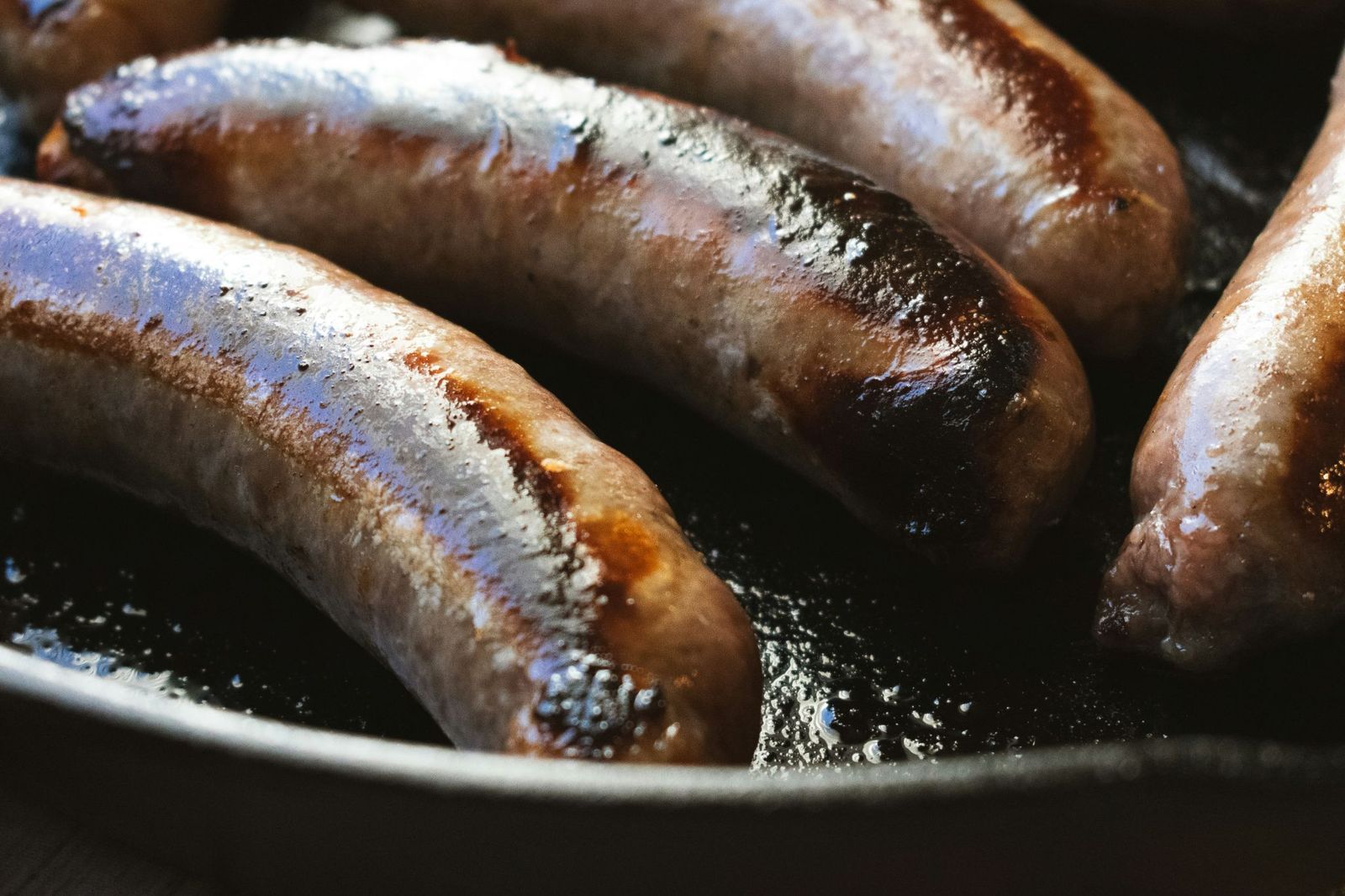
Image: Kelsey Todd

In Wisconsin, ordering a brat at a cookout is completely normal. Locals will understand that you're asking for a bratwurst, the German-style sausage that has become a beloved part of the state's food culture.

In California and elsewhere, bratwurst is a more explicit way to request the same sausage, although brat is widely understood beyond Wisconsin. The shortened name feels especially at home at Wisconsin tailgates, festivals, and backyard grills.

10

Madison's "terrace" vs. Ohio's "tree lawn"

Image: Unai Huizi Photography

In Madison, Wisconsin, the word terrace can refer to the narrow strip of land between the sidewalk and the street. The city even uses this terminology in official descriptions of public spaces and maintenance responsibilities.

In parts of Ohio, particularly around Cleveland, that same strip is called a tree lawn. Elsewhere, residents might say parkway or simply describe it as the grassy strip by the curb. These names can confuse visitors because terrace and parkway have entirely different meanings in other contexts.

11

Massachusetts' "elastic" vs. California's "rubber band"

Image: Andres Siimon

Ask someone in Massachusetts for an elastic, and they may hand you the stretchy loop used to hold papers, cards, or other small objects together. The expression reflects a regional preference that can sound unusual to visitors.

In California and much of the country, rubber band is the more familiar name. Pittsburgh adds another twist with gumband, a well-documented local expression.

12

Massachusetts' "jimmies" vs. California's "sprinkles"

Image: James Trenda

At an ice cream stand in Massachusetts, ordering chocolate jimmies will usually get you the tiny chocolate-flavored decorations scattered over a sundae or cone. The expression has deep roots in New England's ice cream culture.

In California, customers are more likely to ask for chocolate sprinkles. Even within New England, usage varies: some people reserve jimmies for chocolate varieties and call the colorful ones sprinkles, while others use the words more freely.


Cool your vocab

What is a "Moonglade"? 10 uncommon summer words to impress your friends


Published on November 26, 2026


Image: Raphaël Biscaldi

Although summer is coming to an end, we are not quite ready to let go yet. There are some pretty English words that, while part of our dictionary, are little known and rarely make their way into everyday conversations. You might have felt the cool touch of "spoondrift," enjoyed watching the "alpenglow," or felt a little "languorous," but you probably have never heard these terms. If you want to discover these and other unfamiliar summer-related words, read on!

1

Aestival

Image: Jeremy Bishop

Let's start with a term that covers everything summer: "aestival." This word is an adjective that describes anything related to the summer season, whether it's activities, sensations, processes, or more.

This term comes from Latin. Aestas is the Latin word for "summer," and aestivus means "of summer" or "pertaining to summer." In the 16th century, this word passed into English as "aestival" and is still used today, specifically in scientific contexts, such as biology research.

A clear example of the use of this word would be "The biologist noted the aestival patterns of the migratory birds, which returned to the region during the summer months." Or, more informally, we could just say this is an aestival article.

2

Verdant

Image: Stacey Hayden

One of the joys of summer is the scenery: the rich colors of flowers that have blossomed from spring and the rich, bright green of the summer grass and foliage. If you want to wow everyone by elegantly describing the backyard of your summer home, English dictionaries have an adjective that will come in handy.

"Verdant" is used to describe the lush, green vegetation or the vibrant freshness of plants. It comes from the Latin viridis, which means "green" or "fresh." The word entered English around the 16th century, and today, it still retains the meaning associated with the freshness of the color green. Over time, it has also taken on metaphorical meanings, describing someone who is inexperienced.

3

Spoondrift

Image: John Hernandez

While this is a word with a very, very specific meaning, it's perfect for describing moments at the beach. So, if you find yourself by the ocean, you might get the chance to use it!

Have you ever heard of "spoondrift"? Even if you haven't heard the word before, you're probably familiar with what it describes. "Spoondrift" is a noun for the spray or fine mist of seawater that's blown off the tops of waves by the wind. Beautiful, isn't it?

The word was coined in English in the 19th century, and while it's not part of many Americans' everyday conversations, it's a nice term to incorporate into your summer vocabulary, don't you think?

4

Petrichor

Image: Thanun Buranapong

While, in recent years, this word has made a comeback, the truth is many people still aren't familiar with the meaning of this term.

"Petrichor" not only has a beautiful sound but also describes a lovely scent you've probably experienced. We're talking about that fresh, earthy aroma that rises after a summer rain.

The term was coined relatively recently, in the 1960s, by combining the Greek words petra, meaning "stone," and ichor, the mythical fluid that flows in the veins of the gods in Greek mythology.

This aroma specifically occurs when rain falls on dry soil or after a period of warm, dry weather. It's produced by a mix of oils and soil compounds that evaporate into the air.

5

Languorous

Image: Vladislav Muslakov

This is the perfect adjective for summer days. When you're on vacation and the heat is just too much, it's the perfect time to relax, whether chilling in bed with the air conditioning cranked up or drifting on an inflatable raft in the pool.

"Languorous" describes that state of relaxation, typical of those lazy, hot days when doing anything feels like too much effort. It can also be associated with the lack of energy produced by the oppressive heat.

Languorous comes from the Latin languere, meaning "to be weak" or "to be languid," and entered English around the 18th century.

6

Effulgent

Image: Elizeu Dias

Just say this word out loud, and you'll want to use it in all your conversations.

"Effulgent" is a lovely adjective that describes something radiant, something that shines brightly, whether in a literal sense or metaphorically. This term is perfect to describe the bright blue of a summer sky, the sunshine sparkle on the water, or the glowing smile of someone enjoying the season.

"Effulgent" comes from the Latin effulgere, which means "to shine forth," and entered English between the 15th and 16th centuries, retaining most of its meaning.

7

Alpenglow

Image: Mushegh Hakobyan

This is one of those words with a very specific meaning, but it can be incredibly useful at the right moment (and it's undeniably beautiful).

Picture a warm summer evening at a hotel with a perfect view of the mountains, where you can watch the sunset right from your room. Poetic, right? That's the moment when the word "alpenglow" fits perfectly. This noun refers to that reddish light that glows over the mountainsides during sunrise or sunset. We can't help but envy anyone lucky enough to witness such a stunning scene!

This word is different from the rest on this list; it doesn't come from Latin or Greek but from the German word Alpenglühen, a combination of Alpen (referring to the Alps or mountains in general) and glühen ("to glow").

8

Moonglade

Image: Federico Di Dio photography

When it comes to lovely summer scenery, the next word is perfect for describing the beauty of those spectacular moments.

It's late, the sunset has faded, and the reddish and pink hues have left the sky, making way for the protagonist of the night: the moon. Admired by poets and painters, the moon has fascinated humans for centuries, and the word "moonglade" may come in handy to describe our gorgeous natural satellite.

"Moonglade" emerged in the 19th century and refers specifically to the reflection of the moon's glow drawn on a water surface, whether it's a pool, a lake, or the ocean.

9

Cerulean

Image: Hoyoun Lee

Sky and sea are a perfect summer combination, right? Especially when their colors perfectly match.

The clear, bright blue of the sky has a name: cerulean. This term describes that special shade of blue, often seen in the cloudless summer skies over the beach.

"Cerulean" comes from the Latin caeruleus, which means exactly "sky blue." While the Latin term is quite old, it only entered English around the 19th century and has its most frequent uses in the artistic field. Will you use it the next time you contemplate the sky?

10

Zephyr

Image: Joshua Fuller

Now, let's talk about one of summer's most pleasant experiences: that gentle breeze that provides a refreshing break on those hot days. And yes, we have a special word for it.

"Zephyr" is the noun that refers specifically to that soft, gentle breeze, and it has a very interesting origin. The term comes from the Greek Zephyros, the name of the god of the west wind, known as the most favorable wind and associated with the breezes of spring and early summer.

The term entered English through Latin in the 14th century, and from the start, it was associated with its current meaning.

Looking for an extra scoop of literary fun?

Learn more with our Word of the day

diegetic

/ˌdaɪəˈdʒɛdɪk/