Born from nature

Don’t back the wrong horse: The origins of common idioms explained


Published on December 24, 2025

Image: Florian van Duyn

Nature gives us so much, even some words and phrases we use to express ourselves. Many sayings and idioms we use every day are inspired by landscapes, plants, animals, oceans, and more. But what do they really mean, and where did they come from? Discover all this and more in our article on 10 nature-related idioms!

1

Between the devil and the deep blue sea

Image: Gala Iv

He was between the devil and the deep blue sea: either tell the truth and risk the consequences, or lie and face guilt.

Sometimes life puts you in tough situations where no choice seems easy, satisfying, or pleasant. Choosing between two chores you don’t want to do, or two dishes you don’t want to eat, is like being "between the devil and the deep blue sea." The phrase comes from the world of sailors: the ‘devil’ was a rope on the ship’s deck that was hard to reach, leaving sailors caught between it and the dangerous, stormy sea.

2

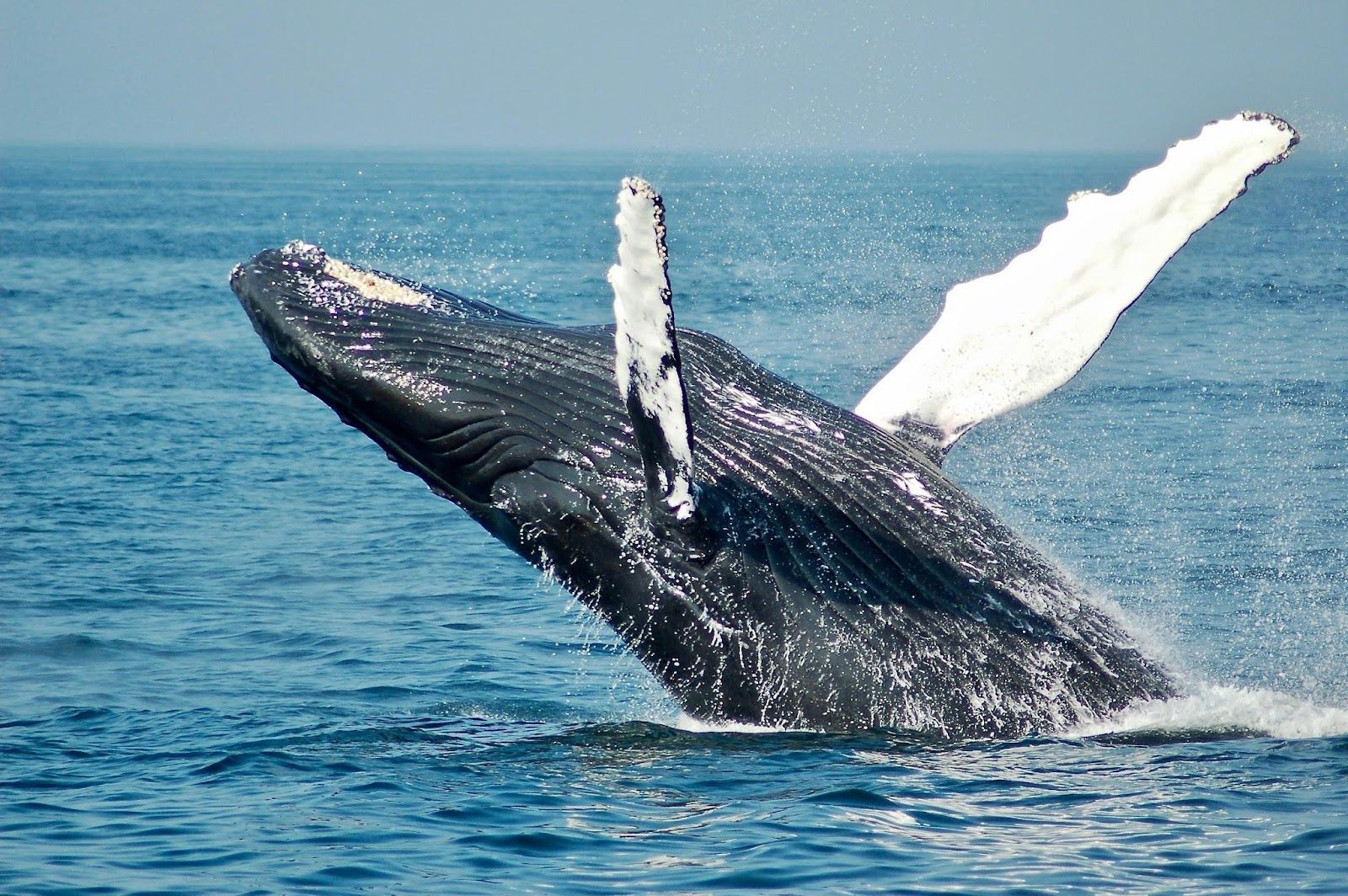
A whale of a time

Image: Todd Cravens

She had a whale of a time at her birthday party with all her friends.

We may not all be whale experts, but one thing is clear: they are huge creatures. That’s likely why the word "whale" was used as slang for something enormous back in the 19th century. Over time, the meaning evolved to describe something grand or extraordinary, giving rise to the idiom "a whale of a time," used to refer to incredibly fun, enjoyable, or memorable moments and experiences.

3

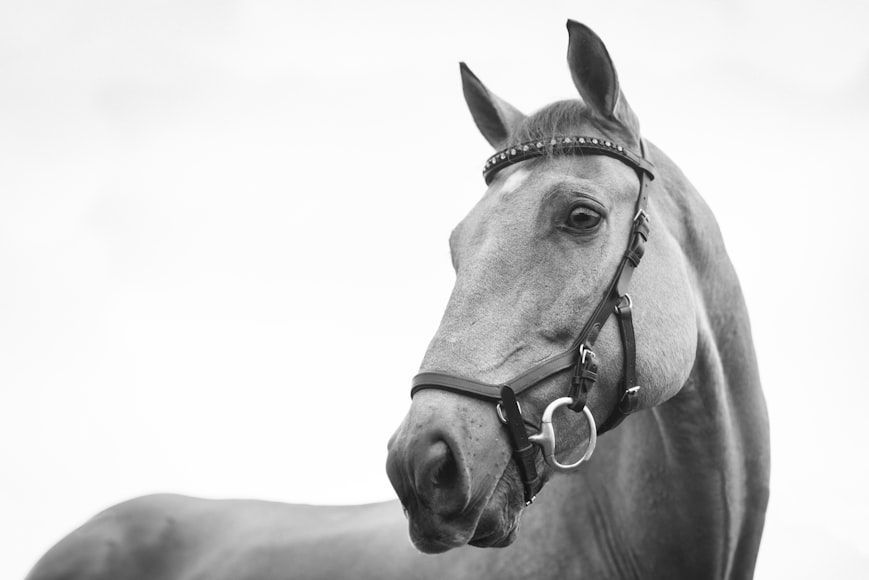
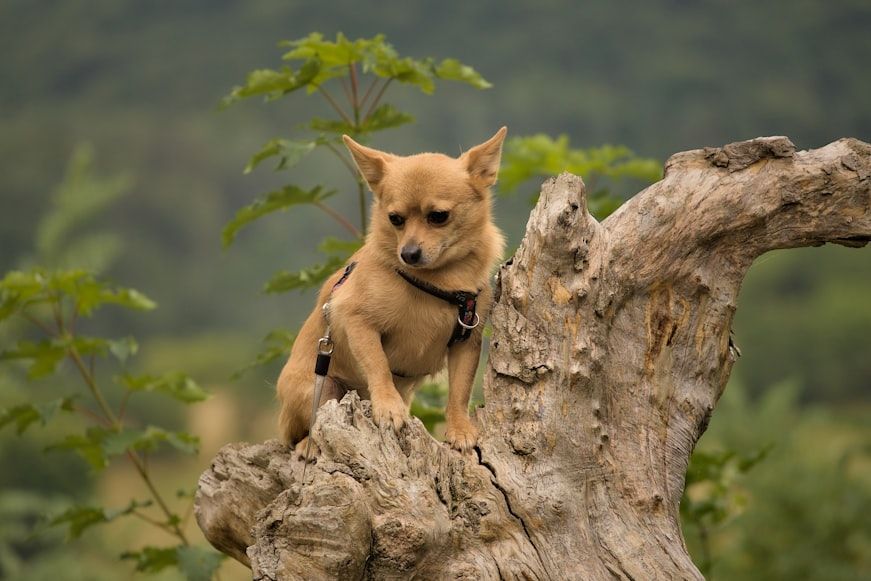
To back the wrong horse

Image: Kirsten LaChance

I think you’ve backed the wrong horse by supporting that candidate in the election.

"Backing the wrong horse" can be frustrating and discouraging. Originating in the world of horse racing, this idiom is used when you support something that doesn’t work out or trust someone or something that ends up letting you down. Whether it’s a personal choice, financial decision, or political issue, the phrase can be applied to all sorts of situations in life.

4

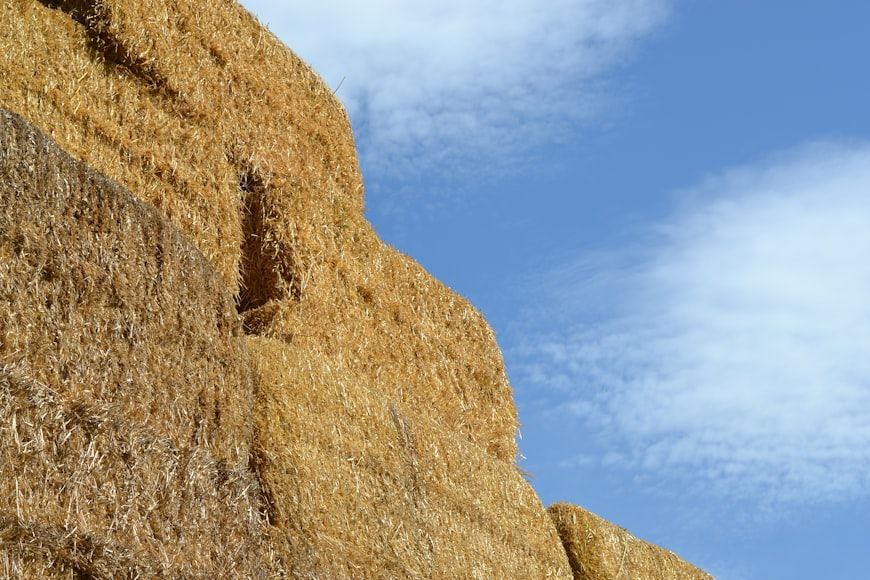
The last straw

Image: Csaba Gyulavári

When he forgot our anniversary after months of neglect, that was the last straw.

Some days just don’t go right: your alarm doesn’t go off, you step in some water with your socks on, and you miss your morning coffee. At the office, it turns out the coffee machine is broken, so you grab a cup at a café. And just when you think the bad luck is over, someone bumps into you and spills the warm infusion on your clothes. No wonder you lose your temper; this was "the last straw." The phrase comes from an old proverb: "Is it the last straw that breaks the camel’s back," meaning a small event can push a situation over the edge.

5

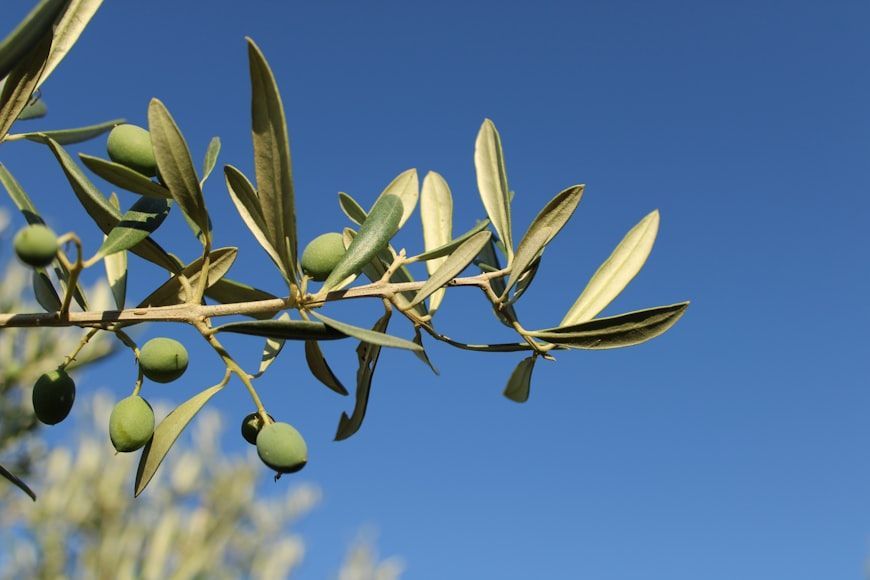
To offer an olive branch

Image: Susana Bartolome

After their argument, she offered an olive branch by inviting him to lunch.

Have you ever sent or received flowers after an argument? Classic, right? Offering or extending "an olive branch" is a gesture of peace, a request for a truce, or a show of goodwill. As you might guess, this idiom dates back to ancient times, when olive branches symbolized peace, harmony, and even victory.

6

Beating around the bush

Image: Kevin Albrich

Stop beating around the bush and tell me what really happened at the meeting.

If you ask your family whether they ate the dessert you left in the fridge, and they start avoiding the question or changing the topic, you can say they’re "beating around the bush." The idiom comes from medieval English hunting, where hunters would beat bushes to flush out birds or small animals, rather than going straight for them. Today, it’s used to describe someone who avoids the main point and speaks indirectly.

7

Barking up the wrong tree

Image: Anton Atanasov

If you think I’m the one who broke the plate, you’re barking up the wrong tree.

What if, after getting upset with your family, you find out it was the dog who ate your dessert? In that case, you could say you were "barking up the wrong tree." This common idiom is used when you blame the wrong person or make a wrong assumption. Like the previous one, it comes from hunting: in 19th-century America, raccoon hunters used dogs to track their prey, but sometimes the dogs would simply bark at the wrong tree.

8

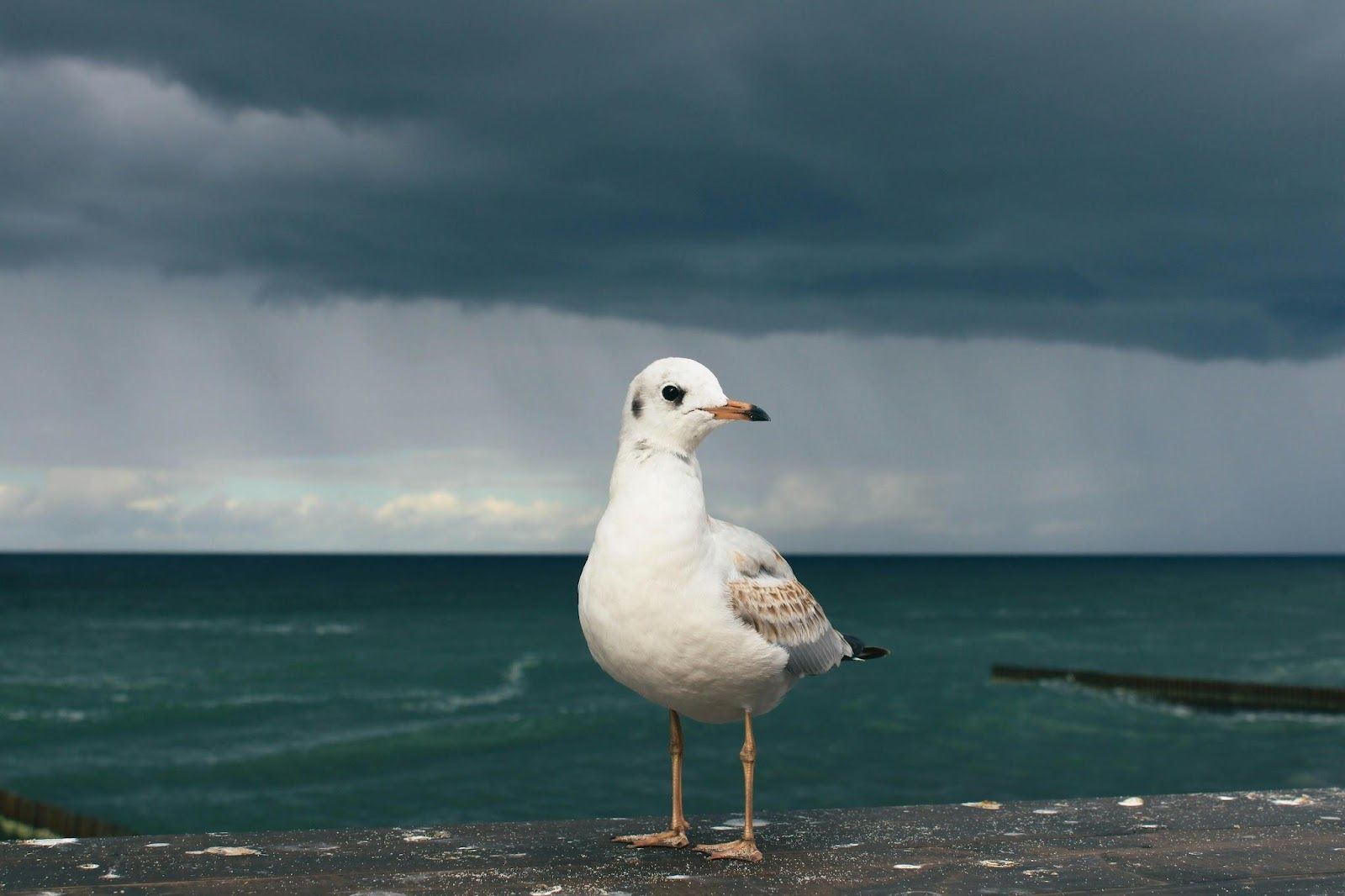
Calm before the storm

Image: Polina Zimenkova

The weekend started off peacefully, but it was just the calm before the storm of holiday traffic.

Ask a meteorologist what usually comes before a storm, and the answer is simple: calm. Everything seems quiet and peaceful, but trouble is on the way. This pattern in nature inspired the widely used idiom "calm before the storm," which warns that periods of tranquility can be followed by sudden chaos.

9

A storm in a teacup

Image: Kellice Chua

Their argument about who would do the dishes was really just a storm in a teacup.

Do you remember the last time you got really upset over something that wasn’t all that important? Chances are you were making "a storm in a teacup." You don’t have to be English to know that teacups are usually small, so how could a storm possibly break out inside one? It’s this very irony that gives the idiom its meaning.

10

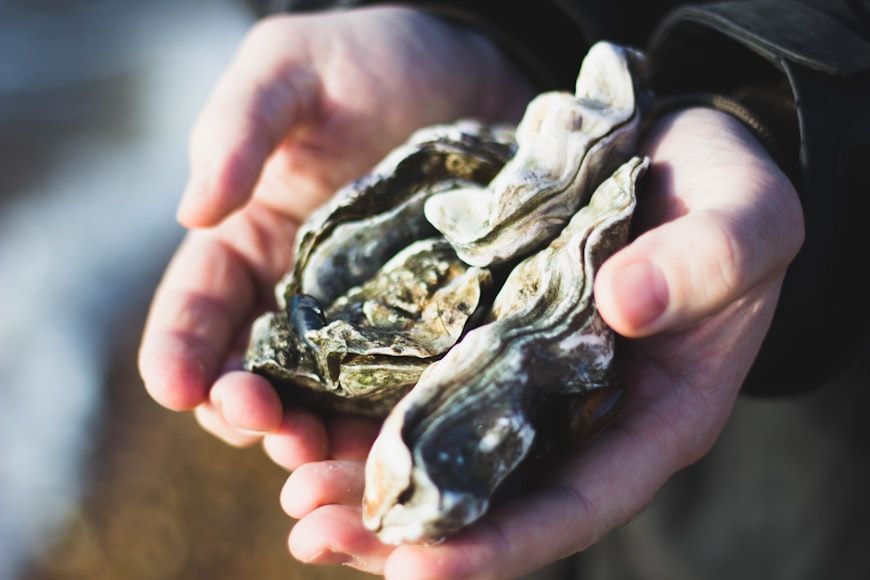
The world is your oyster

Image: Charlotte Coneybeer

With your talent and dedication, the world is your oyster.

When opportunities are endless, when the best is yet to come, or when you have the power to achieve your goals, you can say that "the world is your oyster." This widely used idiom comes from Shakespeare’s The Merry Wives of Windsor (1602), where the line reads, "Why then the world’s mine oyster, which I with sword will open." The oyster represents the world, and the pearl inside symbolizes the opportunities to discover.
12 ways to invent a name

Do you prefer "Sherlock" or "Sherringford"? Behind 12 fictional names


Published on December 24, 2025


Image: MJ S

Did you know that Sir Arthur Conan Doyle was torn between naming his famous detective "Sherringford" or "Sherlock"? Or that James Bond was actually named after an American ornithologist? We repeat names like "Moby Dick" or "Harry Potter" with such ease that we forget some writer, at some point, sat down and scribbled out a list of possibilities.

Let’s explore the stories behind the naming of 12 beloved characters!

1

James Bond

Image: Quang Viet Nguyen

If "James" sounds like a bland name for a top-notch spy, and "Bond" is a surname you’d probably forget after a first introduction, then Ian Fleming knew exactly what he was doing.

The point of the character’s name was to be unremarkable—even boring. A suave spy trying to blend in with his surroundings couldn’t very well walk around with a name like Sherlock or Indiana.

But Fleming didn’t invent the name: he borrowed it from a book about birds, written by American ornithologist James Bond.

2

Atticus Finch

Image: Jacques LE HENAFF

The solemn hero of To Kill a Mockingbird was meant to be linked with wisdom and justice. Harper Lee chose the name, which means "from Attica," for its association with Greek and Roman philosophers. It was a name that evoked rationality and moral clarity.

She countered it with "Finch," soft and grounded—and another bird. The contrast in those names perfectly suits the man who defended Tom Robinson in court and read to his children by lamplight.

Interestingly, Atticus was based in part on Lee’s father, Amasa Coleman Lee, a lawyer who once defended two Black men accused of murder.

3

Homer Simpson

Image: Erik Mclean

What about Homer Simpson? He was also based on the creator’s dad—as were Marge, Lisa, and Maggie. They were all named after Matt Groening’s own family. When deciding names for his cartoon dysfunctional family, Groening had the funny idea of borrowing his relatives’ names.

He intentionally left himself out of it: for his role as the devilish only son in the family, he changed "Matt" to "Bart" (an anagram of "brat").

4

Sherlock Holmes

Image: Lucas Medeiros

Sherringford Hope was the name Sir Arthur Conan Doyle first gave his detective. The character was clear in his mind, but he took his time coming up with the defining name.

"Holmes" was an English name associated with London in many people’s minds, partly because of the popular book Holmes’s Great Metropolis. And "Sherlock" happened to be the surname of two inspectors solving crimes in England at the time, so Doyle likely picked it from the newspapers on purpose.

5

Peter Pan

Image: Ale Matei

J.M. Barrie’s "boy who wouldn’t grow up" had a carefully crafted name, too. Barrie had a close relationship with Sylvia Llewelyn Davies and her five sons, whom he entertained with imaginative stories about pirates and treasure.

He borrowed the name "Peter" from one of them, though the adventurous boy’s character was modeled after all of them. Meanwhile, "Pan" is the name of the Greek god of the wild who played pipes and lived outside the rules of civilization—just like the boy.

6

Hermione Granger

Image: Yuanpei Hua

Even years after the Harry Potter books became a cultural phenomenon, many people struggled to pronounce the name of the female sidekick, Hermione. J.K. Rowling didn’t clarify its pronunciation until the fourth book!

But she didn’t invent the name. In Shakespeare’s The Winter’s Tale, Queen Hermione is noble and wrongly accused, making this a subtle nod to the misunderstood girl power of the character.

Side note: "Harry" came from Rowling’s childhood crush on the name, and "Potter" was the surname of neighbors she liked as a kid.

7

Jean Valjean

Image: Frankie Lu

Victor Hugo wanted the name of the ex-convict at the heart of Les Misérables to carry a sense of ordinariness. He was meant to represent the everyman—hence "Jean" (the French equivalent of "John").

The surname "Valjean" implies that the name "Jean" had been carried in his family for generations—basically, as unremarkable as a name can get. Hugo once noted that Les Misérables was not about exceptional people, but about dignity in the lowest places.

8

Moby Dick

Image: svklimkin

The name of the white whale that haunted Captain Ahab’s dreams was borrowed from a real whale, with just a slight name tweak.

Mocha Dick was a real-life albino sperm whale known to 19th-century whalers. It earned a reputation for fighting back when attacked. The name came from the island of Mocha, southeast of Chile, near which it lived. It was first documented in an 1839 account by explorer Jeremiah Reynolds, whose tale Melville likely read.

9

Beetlejuice

Image: Bruno Guerrero

During the making of Tim Burton’s iconic Beetlejuice (1988), a studio executive wanted to call the movie "Scared Sheetless." Fortunately, they went with Beetlejuice, a playful twist on Betelgeuse, a red supergiant star in the Orion constellation.

The movie needed a name that sounded grand and imposing in its original form (Betelgeuse), but cheeky, silly, and very Burton-esque on the movie poster.

10

Truman Burbank

Image: Sam McGhee

Truman Burbank, the hero of The Truman Show, was always meant to be two things at once: an ordinary man and a massive metaphor. His first name is a not-so-subtle play on "True Man." Burbank may reference the California city, known for its ties to media and television production, adding a subtle layer to the metaphor.

It was the perfect label for a man who is the only authentic soul in a world built entirely on lies.

11

Darth Vader

Image: Tommy van Kessel

George Lucas wanted the Dark Lord’s name to carry symbolic weight, and it does: "Darth" was meant to signal rank, like a title (later extended to Darth Maul, Darth Sidious, etc.), but it also evokes "death."

The funny thing is that, even though "Vader" resembles the Dutch and German words for "father," it wasn’t originally planned by the creators to associate Darth Vader with, well… having a son. That storyline was only introduced in the sequel, The Empire Strikes Back.

12

Kramer

Image: Irene Strong

Cosmo Kramer, Seinfeld’s sliding-door wild card, was based on a real person: Kenny Kramer, a neighbor of co-creator Larry David. Kenny was quirky, opinionated, and eccentric enough to inspire one of TV’s most memorable sitcom characters.

David initially didn’t want to use the name "Kramer," fearing the real one would demand money or publicity (which, in hindsight, would have been perfectly in character). But "Kramer" just sounded right—and eventually, the real Kenny appreciated the nod.

Looking for an extra scoop of literary fun?

Learn more with our Word of the day

creative

/kriˈeɪdɪv/