Born from nature
Don’t back the wrong horse: The origins of common idioms explained
Published on December 24, 2025
 Image: Florian van Duyn
Nature gives us so much, even some words and phrases we use to express ourselves. Many sayings and idioms we use every day are inspired by landscapes, plants, animals, oceans, and more. But what do they really mean, and where did they come from? Discover all this and more in our article on 10 nature-related idioms!
Between the devil and the deep blue sea
 Image: Gala Iv
He was between the devil and the deep blue sea: either tell the truth and risk the consequences, or lie and face guilt.
Sometimes life puts you in tough situations where no choice seems easy, satisfying, or pleasant. Choosing between two chores you don’t want to do, or two dishes you don’t want to eat, is like being "between the devil and the deep blue sea." The phrase comes from the world of sailors: the ‘devil’ was a rope on the ship’s deck that was hard to reach, leaving sailors caught between it and the dangerous, stormy sea.
A whale of a time
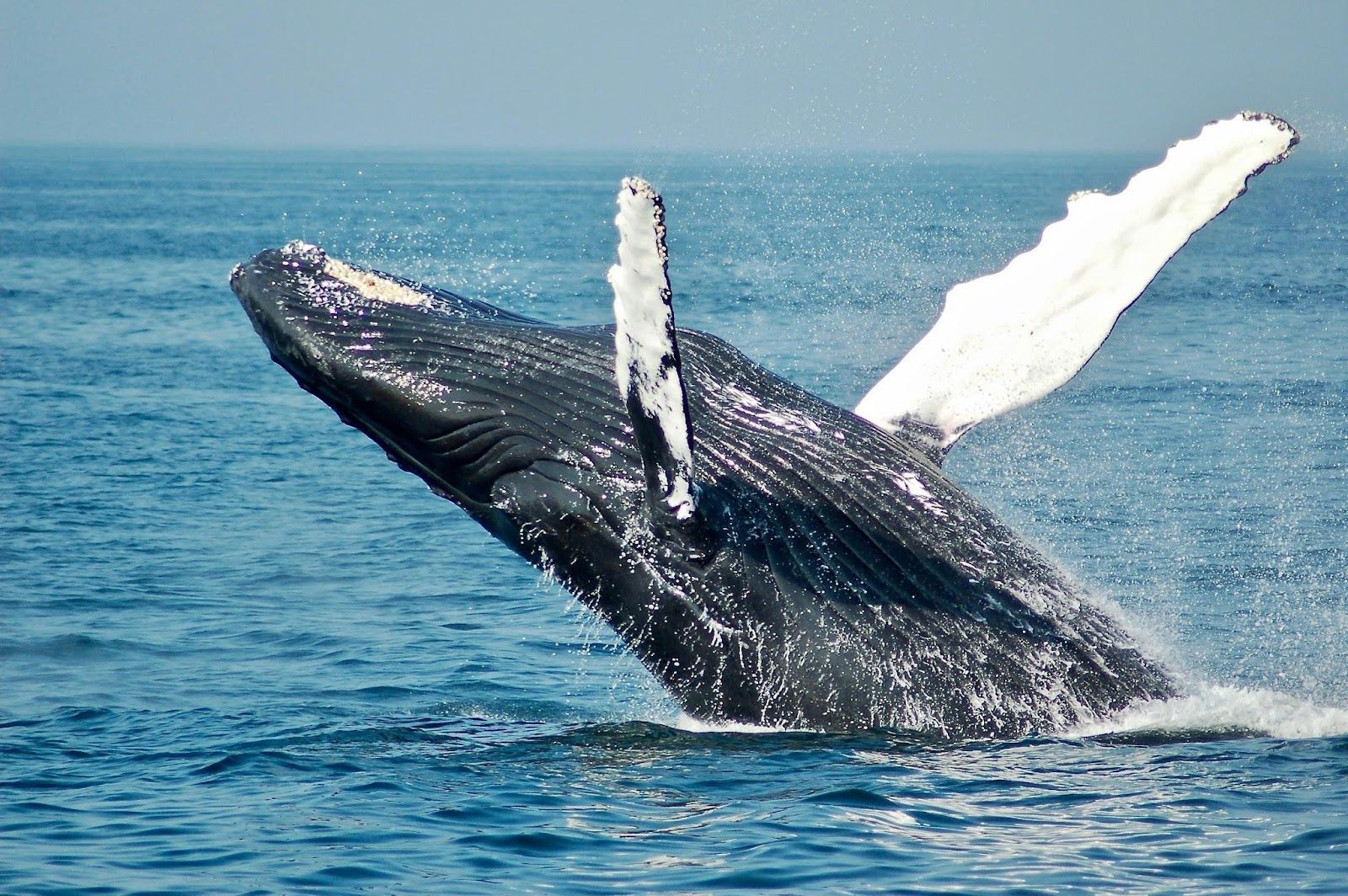 Image: Todd Cravens
She had a whale of a time at her birthday party with all her friends.
We may not all be whale experts, but one thing is clear: they are huge creatures. That’s likely why the word "whale" was used as slang for something enormous back in the 19th century. Over time, the meaning evolved to describe something grand or extraordinary, giving rise to the idiom "a whale of a time," used to refer to incredibly fun, enjoyable, or memorable moments and experiences.
To back the wrong horse
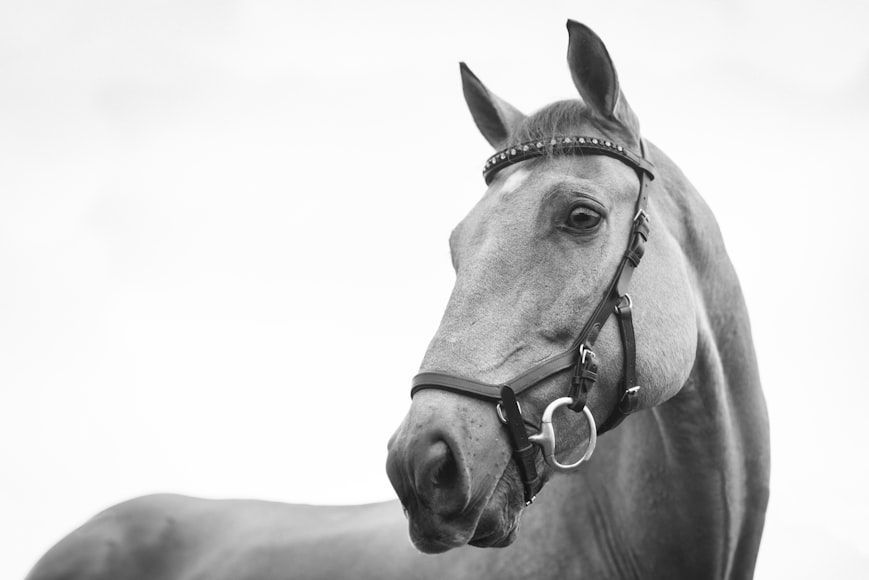 Image: Kirsten LaChance
I think you’ve backed the wrong horse by supporting that candidate in the election.
"Backing the wrong horse" can be frustrating and discouraging. Originating in the world of horse racing, this idiom is used when you support something that doesn’t work out or trust someone or something that ends up letting you down. Whether it’s a personal choice, financial decision, or political issue, the phrase can be applied to all sorts of situations in life.
The last straw
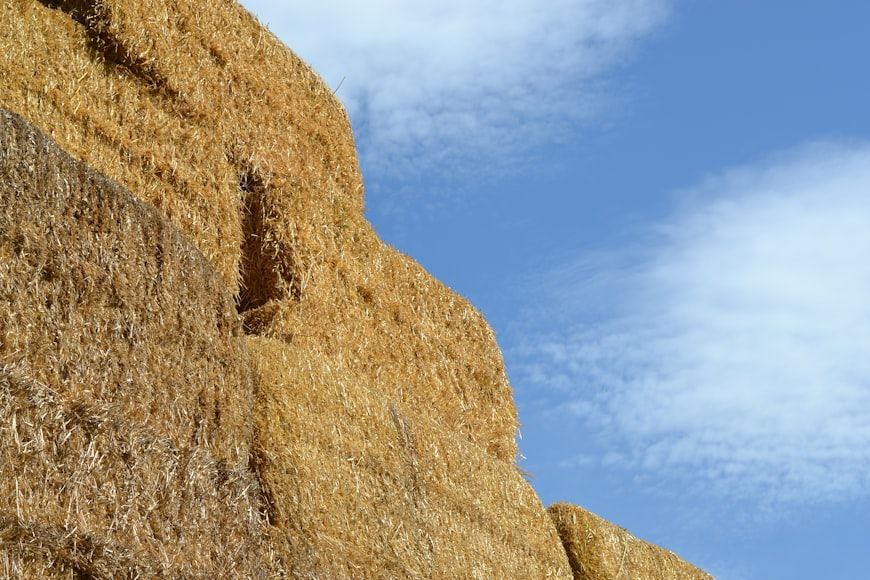 Image: Csaba Gyulavári
When he forgot our anniversary after months of neglect, that was the last straw.
Some days just don’t go right: your alarm doesn’t go off, you step in some water with your socks on, and you miss your morning coffee. At the office, it turns out the coffee machine is broken, so you grab a cup at a café. And just when you think the bad luck is over, someone bumps into you and spills the warm infusion on your clothes. No wonder you lose your temper; this was "the last straw." The phrase comes from an old proverb: "Is it the last straw that breaks the camel’s back," meaning a small event can push a situation over the edge.
To offer an olive branch
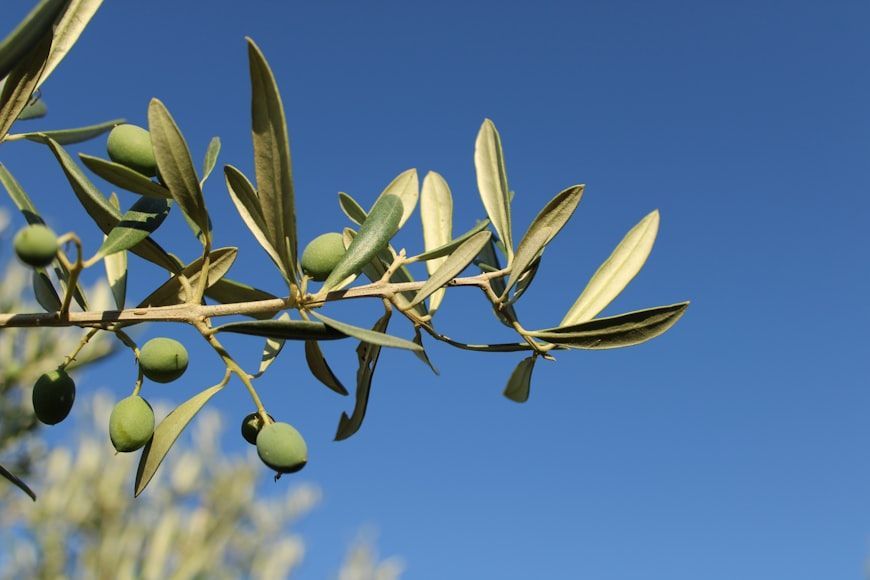 Image: Susana Bartolome
After their argument, she offered an olive branch by inviting him to lunch.
Have you ever sent or received flowers after an argument? Classic, right? Offering or extending "an olive branch" is a gesture of peace, a request for a truce, or a show of goodwill. As you might guess, this idiom dates back to ancient times, when olive branches symbolized peace, harmony, and even victory.
Beating around the bush
 Image: Kevin Albrich
Stop beating around the bush and tell me what really happened at the meeting.
If you ask your family whether they ate the dessert you left in the fridge, and they start avoiding the question or changing the topic, you can say they’re "beating around the bush." The idiom comes from medieval English hunting, where hunters would beat bushes to flush out birds or small animals, rather than going straight for them. Today, it’s used to describe someone who avoids the main point and speaks indirectly.
Barking up the wrong tree
 Image: Anton Atanasov
If you think I’m the one who broke the plate, you’re barking up the wrong tree.
What if, after getting upset with your family, you find out it was the dog who ate your dessert? In that case, you could say you were "barking up the wrong tree." This common idiom is used when you blame the wrong person or make a wrong assumption. Like the previous one, it comes from hunting: in 19th-century America, raccoon hunters used dogs to track their prey, but sometimes the dogs would simply bark at the wrong tree.
Calm before the storm
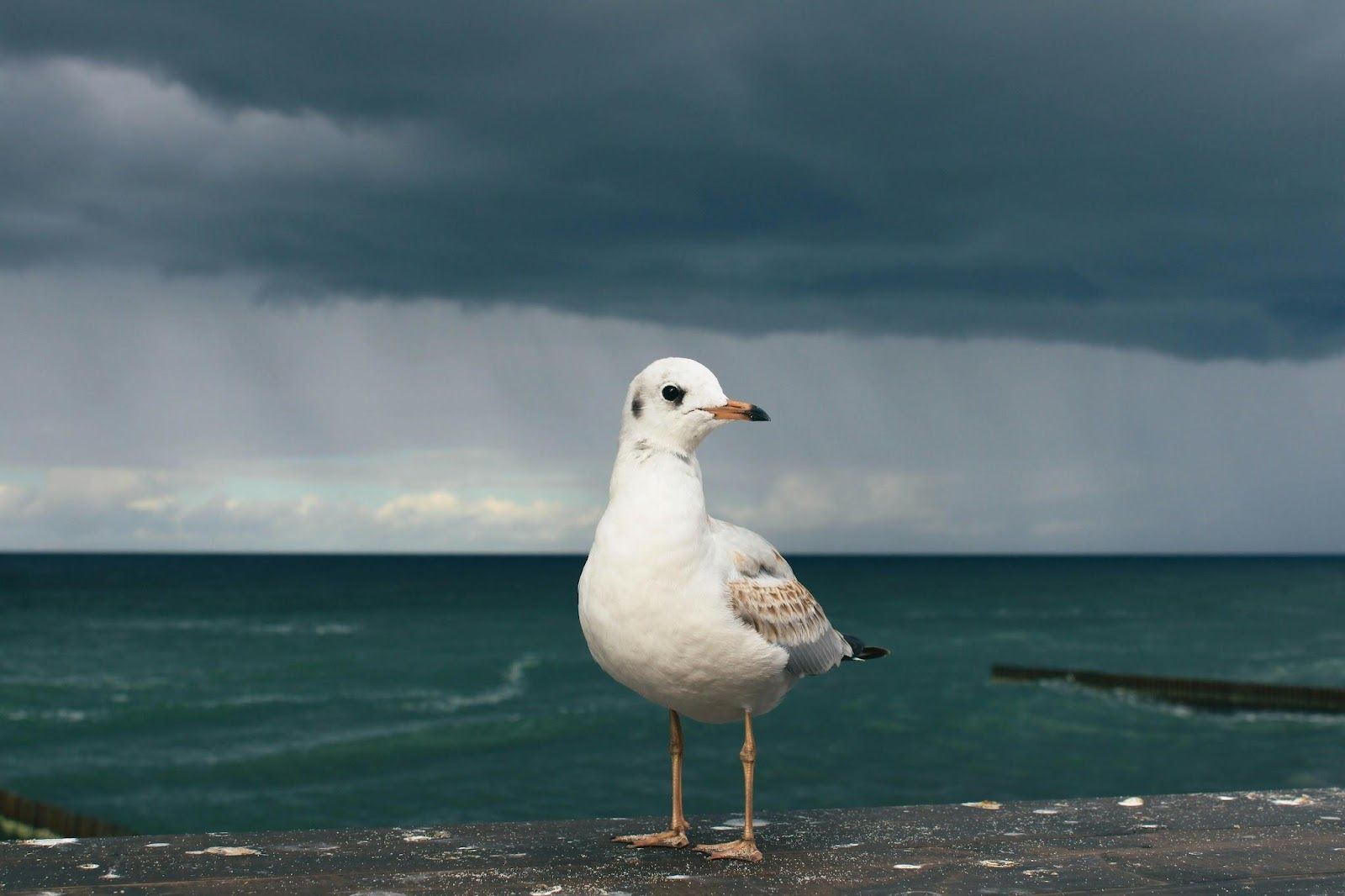 Image: Polina Zimenkova
The weekend started off peacefully, but it was just the calm before the storm of holiday traffic.
Ask a meteorologist what usually comes before a storm, and the answer is simple: calm. Everything seems quiet and peaceful, but trouble is on the way. This pattern in nature inspired the widely used idiom "calm before the storm," which warns that periods of tranquility can be followed by sudden chaos.
A storm in a teacup
 Image: Kellice Chua
Their argument about who would do the dishes was really just a storm in a teacup.
Do you remember the last time you got really upset over something that wasn’t all that important? Chances are you were making "a storm in a teacup." You don’t have to be English to know that teacups are usually small, so how could a storm possibly break out inside one? It’s this very irony that gives the idiom its meaning.
The world is your oyster
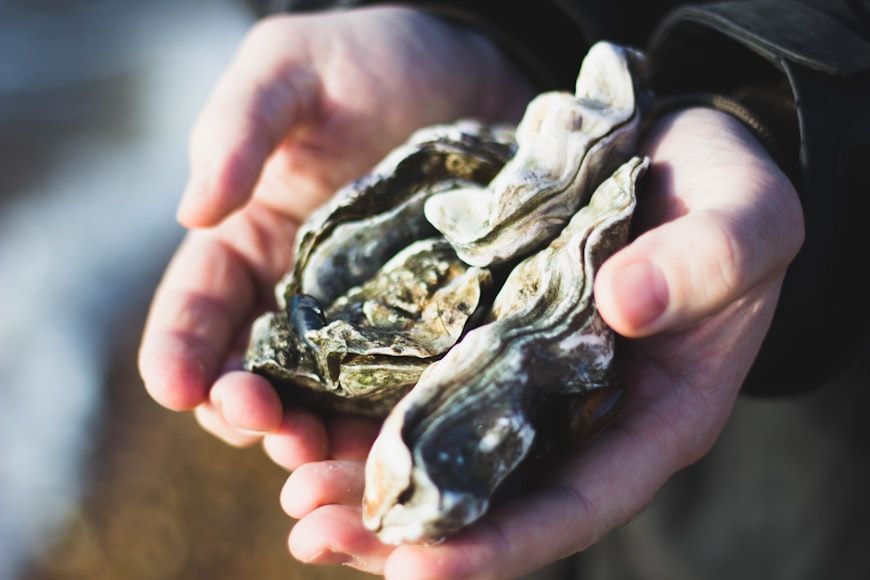 Image: Charlotte Coneybeer
With your talent and dedication, the world is your oyster.
When opportunities are endless, when the best is yet to come, or when you have the power to achieve your goals, you can say that "the world is your oyster." This widely used idiom comes from Shakespeare’s The Merry Wives of Windsor (1602), where the line reads, "Why then the world’s mine oyster, which I with sword will open." The oyster represents the world, and the pearl inside symbolizes the opportunities to discover.