The nose knows best

Dogs can smell diseases—here’s what else you didn’t know about scent


Published on October 25, 2025


Image: Lisette Harzing

Smell is one of our most underrated senses, yet it shapes memories, triggers emotions, and even affects behavior. While taste and vision often take center stage, scent works behind the scenes, influencing everything from who we’re attracted to, to what we remember most vividly. Here are 10 real, brainy, and sometimes bizarre facts about smell that reveal just how powerful your nose really is.

1

Humans can detect over 1 trillion scents

Image: Minh Ngọc

A 2014 study published in Science shattered the old myth that humans can only detect 10,000 odors. Using complex mixtures of odor molecules, researchers showed people can distinguish over 1 trillion unique scents.

2

Smell and memory share a brain region

Image: Declan Sun

The olfactory bulb is directly connected to the amygdala and hippocampus—areas tied to memory and emotion. That’s why scents can instantly bring back vivid memories or feelings.

3

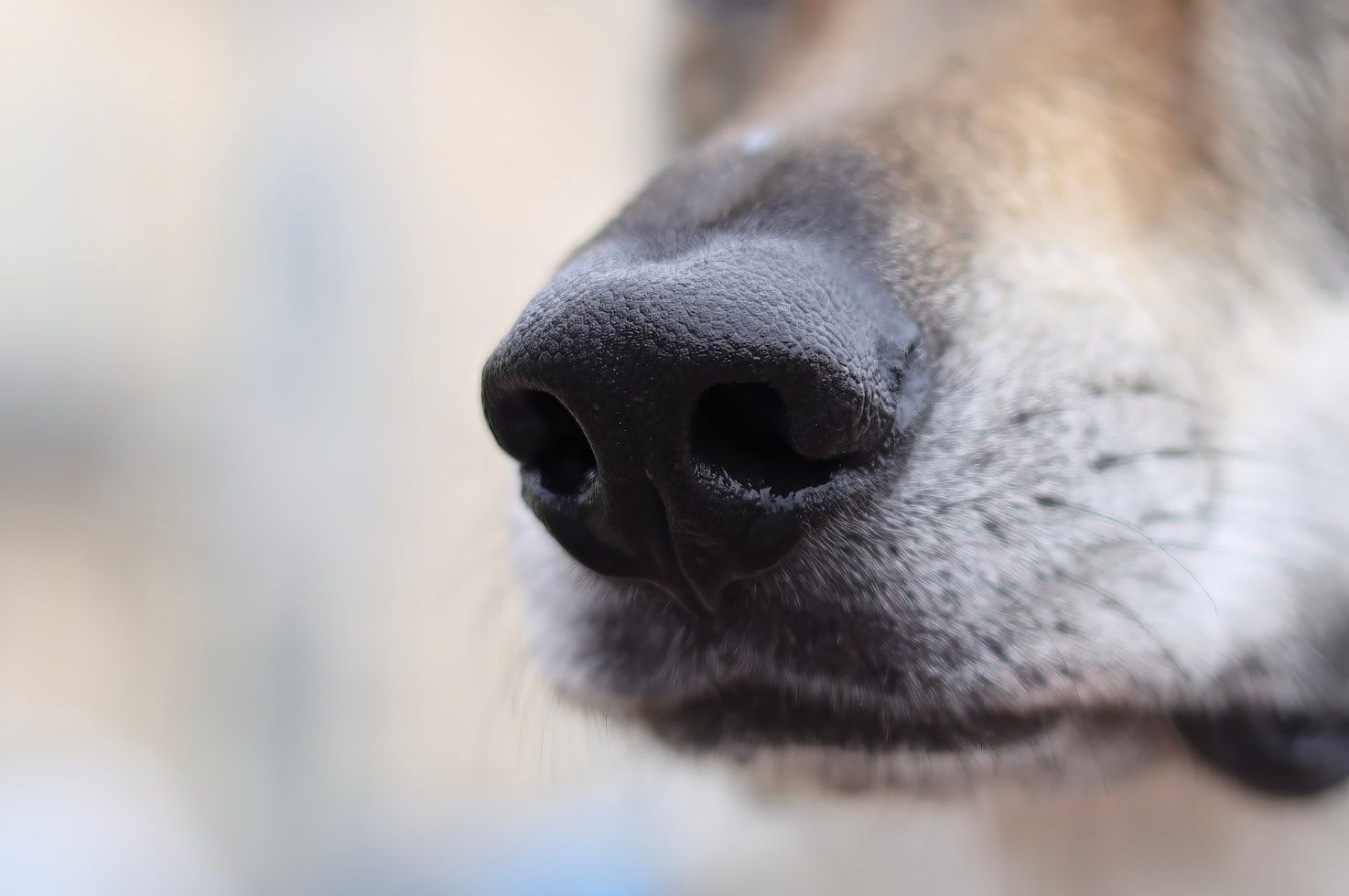
Dogs outsniff humans by a mile

Image: Anastassia Anufrieva

Dogs have up to 300 million olfactory receptors, compared to a human’s 5 to 6 million. Their olfactory bulb is also 40 times larger relative to brain size. This allows dogs to detect some odors in parts per trillion—like explosives, drugs, or even diseases such as cancer and diabetes.

4

Your nose can smell direction

Image: Ali Kazal

Humans can detect the direction of a scent using stereo olfaction—each nostril processes slightly different odor concentrations, helping you locate sources. It’s not as precise as in animals, but studies show people can track scents across open ground, especially with practice or training.

5

Newborns know mom by smell

Image: Vince Fleming

Babies can recognize their mother’s scent within days of birth. Breastfed infants prefer the smell of their mother’s milk over others. This olfactory recognition helps form early attachment and may guide newborns to the breast for feeding in the first hours of life.

6

Pheromones might affect attraction

Image: Nathan Dumlao

While human pheromones remain a controversial topic, studies show we can subconsciously respond to scent cues linked to immune system genes (known as MHC). People often prefer the natural scent of partners with different MHC profiles—potentially increasing offspring health through greater genetic diversity.

7

Scents can manipulate behavior

Image: The Nix Company

Retail stores often use "scent marketing" to influence customer behavior—like pumping out baked cookie smells to make shoppers linger. Studies show pleasant scents can increase time spent in stores, improve mood, and even boost how much people are willing to spend.

8

Some people smell in color

Image: Sean Sinclair

Synesthesia is a rare condition where stimulation of one sense involuntarily triggers another. Some synesthetes smell scents and see colors or shapes. The cause is likely cross-wiring in the brain.

9

Smelling peppermint boosts alertness

Image: Stefan Rodriguez

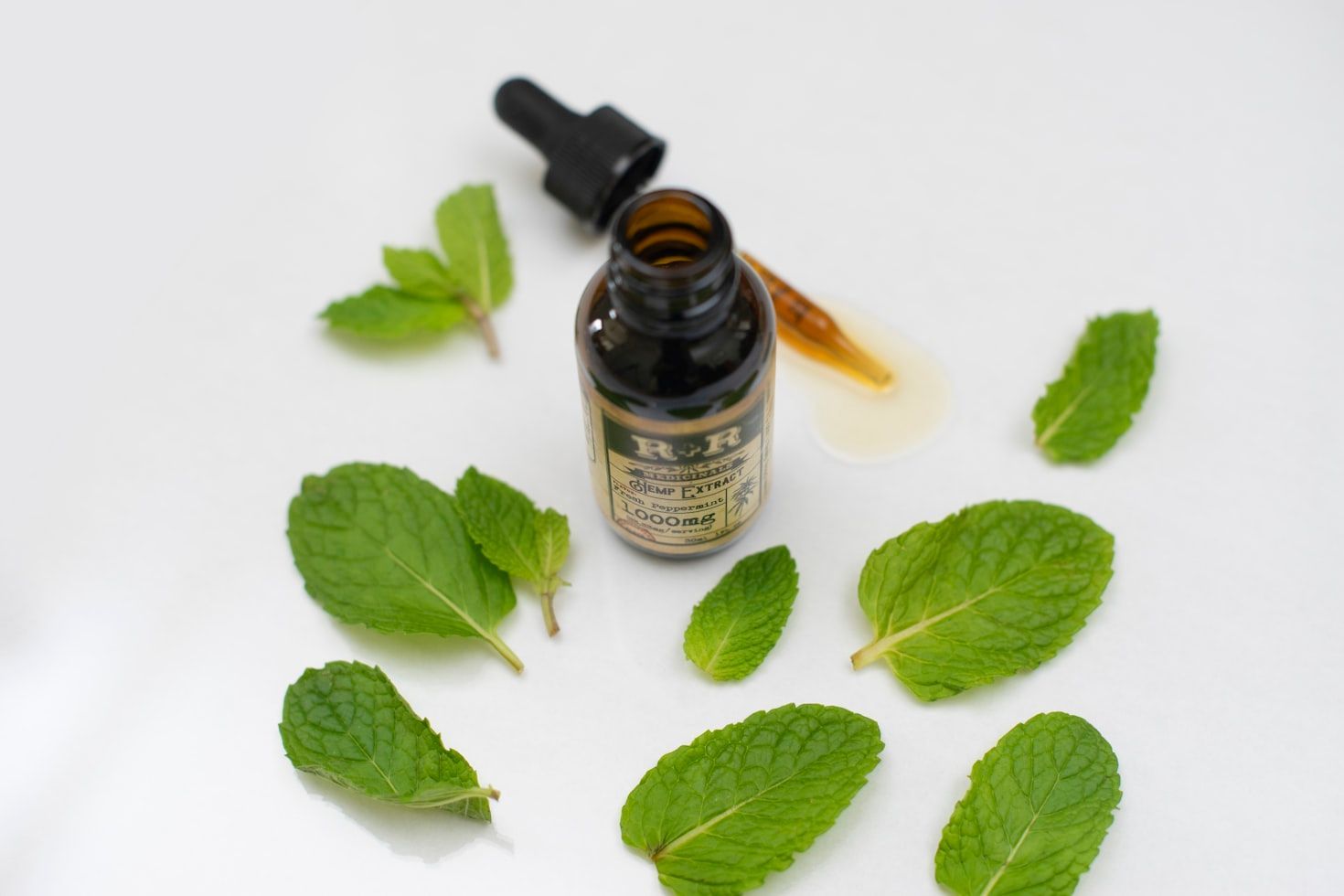
Studies show that the scent of peppermint can increase alertness, memory, and physical performance. It’s often used by athletes and students for focus. The menthol in peppermint stimulates the trigeminal nerve, giving a cooling sensation that makes the brain feel more awake and refreshed.

10

Sweat has no smell—until bacteria arrive

Image: HUUM

Human sweat is odorless. The smell comes from bacteria on your skin breaking down sweat molecules into smelly compounds. Different bacteria produce different odors—some people’s sweat smells like vinegar, others like onions or even cat pee, depending on their microbiome.


JUST BROWSING

8 Of The Most Looked-Up Definitions In The United States


Published on October 25, 2025


Image: James

Some of us still hold on to dusty old dictionaries and huge encyclopedia volumes, reveling in the act of browsing through an actual, physical book. However, it's impossible to deny the ease of access that search engines provide when it comes to checking up a quick fact or finding the definition of a particularly tricky word.

If you spend any amount of time on the internet, chances are that you've done just that once or twice. And guess what? You are not alone. Here, in no particular order, are 8 of the most looked-up definitions across the United States.

1

Pyrrhic

Image: Jaime Spaniol

A "pyrrhic victory" is one that comes at such a heavy cost that it's tantamount to defeat. In a sense, it's the polar opposite of the notion of living to fight another day.

This interesting phrase finds its roots in King Pyrrhus of Epirus, a Greek king who fought and won several battles against a growing early Rome. His victories, however, came at the expense of unacceptably heavy losses, and he is quoted as having said, "If we are victorious in one more battle with the Romans, we shall be utterly ruined."

2

Sustainability

Image: Yeon Choi

This word was one of the most searched by the residents of Washington, D.C., and for good reason. For a capital city, Washington D.C. is surprisingly green, and it recently refreshed its sustainability plan, setting goals and targets up to 2032.

This is good news, as concerns for long-term sustainability rise, and humanity as a whole strives for a more eco-friendly way of life.

3

Saleratus

Image: Taylor Grote

Saleratus searches, weirdly enough, reached an all-time high during the months of April and July of 2023. If you either live or have any friends or relatives in Texas or Vermont, maybe you'll be able to tell us what the spike in saleratus searches is all about. For the rest of you, if you'd like to know, saleratus is the Latin word for sodium bicarbonate–better known as baking soda.

4

Oligarchy

Image: Carlos Esteves

"Oligarchy" is a word with Greek roots that translates to "the rule of the few." It's used to describe a form of government in which a dominant elite controls all the power, as opposed to an ideal democracy, meaning "the rule of the people." In its modern use, it is often charged with connotations of selfishness and corruption.

5

Uncanny

Image: Annie Spratt

Uncanny things unsettle us. They are mysterious and frightening in a way that feels oddly familiar, yet out of place.

Early essays about the uncanny phenomenon focus on dolls and waxworks, and how unsettling their inanimate lifelikeness can often be. However, with the advent of AI-generated videos and images, the phrase "uncanny valley" has found renewed relevance in this day and age.

6

Canny

Image: Nathan Anderson

Strip "uncanny" of its negative prefix and you'll be left with "canny." While, in their modern sense, both words are not necessarily antonyms, they both stem from the early Scottish canny, "free from risk, prudent, or cautious." Today, "canny" is used to describe someone or something shrewd or clever.

7

Blasé

Image: Sander Sammy

A borrowed word from French, blasé is an adjective that describes someone who, through repeated exposition, has become bored and apathetic toward stimuli. It sometimes implies a degree of practical knowledge or wisdom and, in this sense, it could be applied to a seasoned adventurer who no longer fears the dangers of the road ahead. However, blasé is often used ironically to describe people who try to appear experienced by feigning apathy.

8

Metaphor

Image: Topich

Similes and metaphors are figures of speech that are used to compare one thing to another. When using similes, the comparison is made explicit by the use of words such as "like" or "as." "You are as bright as the sun" is a simile because it uses connectors to point out similarities.

"Life is a stage," on the other hand, is a metaphor. Metaphors are stronger comparisons that renounce connectors and directly equate one thing to another. The characteristics of one thing "carry over" –from the Greek meta, "across, over," and pherō, "to bear, to carry"– to the other one.

Looking for an extra scoop of literary fun?

Learn more with our Word of the day

contented

/kənˈtɛn(t)əd/