The nose knows best
Dogs can smell diseases—here’s what else you didn’t know about scent
Published on October 25, 2025
 Image: Lisette Harzing
Smell is one of our most underrated senses, yet it shapes memories, triggers emotions, and even affects behavior. While taste and vision often take center stage, scent works behind the scenes, influencing everything from who we’re attracted to, to what we remember most vividly. Here are 10 real, brainy, and sometimes bizarre facts about smell that reveal just how powerful your nose really is.
Humans can detect over 1 trillion scents
 Image: Minh Ngọc
A 2014 study published in Science shattered the old myth that humans can only detect 10,000 odors. Using complex mixtures of odor molecules, researchers showed people can distinguish over 1 trillion unique scents.
Smell and memory share a brain region
 Image: Declan Sun
The olfactory bulb is directly connected to the amygdala and hippocampus—areas tied to memory and emotion. That’s why scents can instantly bring back vivid memories or feelings.
Dogs outsniff humans by a mile
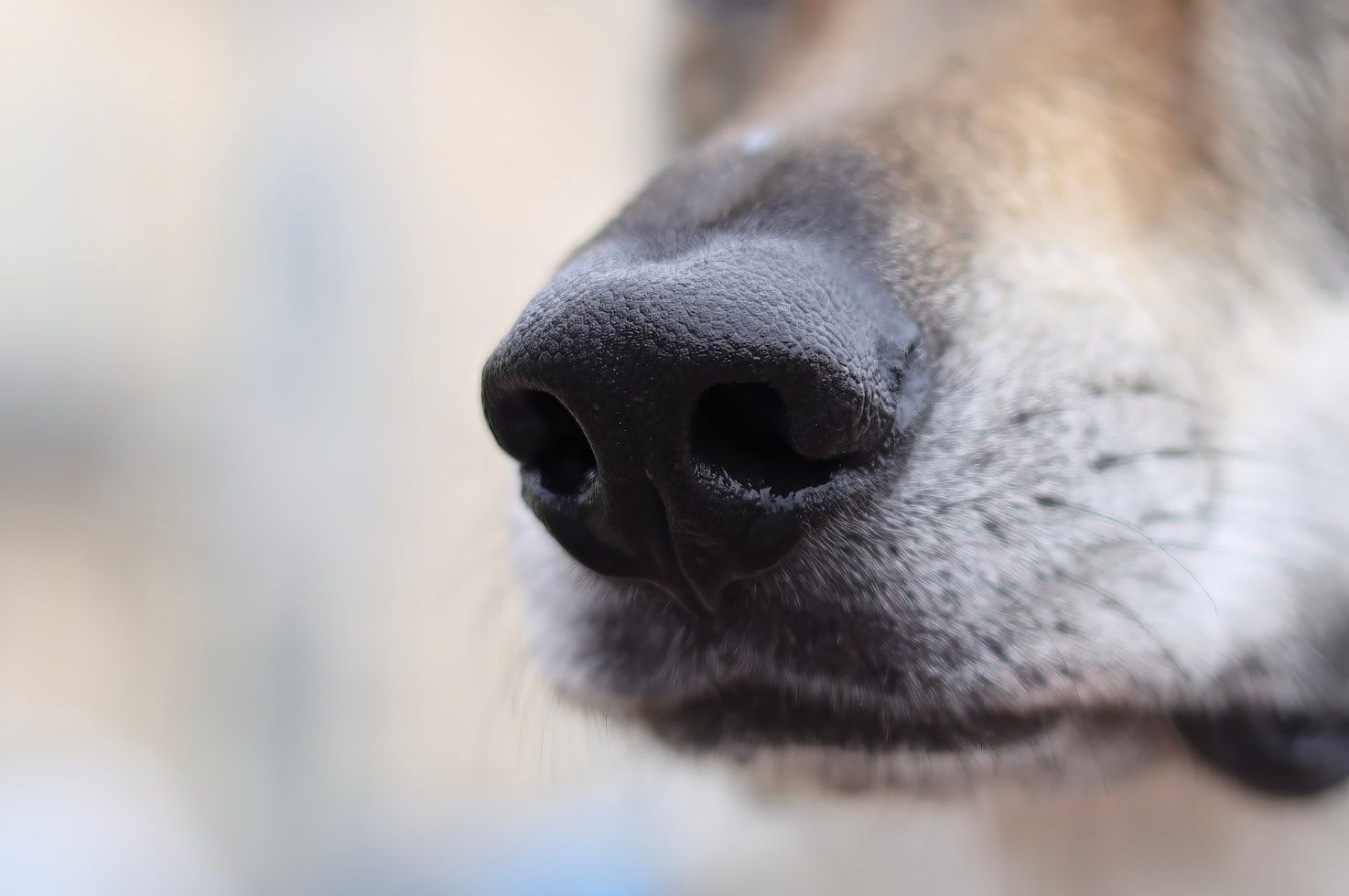 Image: Anastassia Anufrieva
Dogs have up to 300 million olfactory receptors, compared to a human’s 5 to 6 million. Their olfactory bulb is also 40 times larger relative to brain size. This allows dogs to detect some odors in parts per trillion—like explosives, drugs, or even diseases such as cancer and diabetes.
Your nose can smell direction
 Image: Ali Kazal
Humans can detect the direction of a scent using stereo olfaction—each nostril processes slightly different odor concentrations, helping you locate sources. It’s not as precise as in animals, but studies show people can track scents across open ground, especially with practice or training.
Newborns know mom by smell
 Image: Vince Fleming
Babies can recognize their mother’s scent within days of birth. Breastfed infants prefer the smell of their mother’s milk over others. This olfactory recognition helps form early attachment and may guide newborns to the breast for feeding in the first hours of life.
Pheromones might affect attraction
 Image: Nathan Dumlao
While human pheromones remain a controversial topic, studies show we can subconsciously respond to scent cues linked to immune system genes (known as MHC). People often prefer the natural scent of partners with different MHC profiles—potentially increasing offspring health through greater genetic diversity.
Scents can manipulate behavior
 Image: The Nix Company
Retail stores often use "scent marketing" to influence customer behavior—like pumping out baked cookie smells to make shoppers linger. Studies show pleasant scents can increase time spent in stores, improve mood, and even boost how much people are willing to spend.
Some people smell in color
 Image: Sean Sinclair
Synesthesia is a rare condition where stimulation of one sense involuntarily triggers another. Some synesthetes smell scents and see colors or shapes. The cause is likely cross-wiring in the brain.
Smelling peppermint boosts alertness
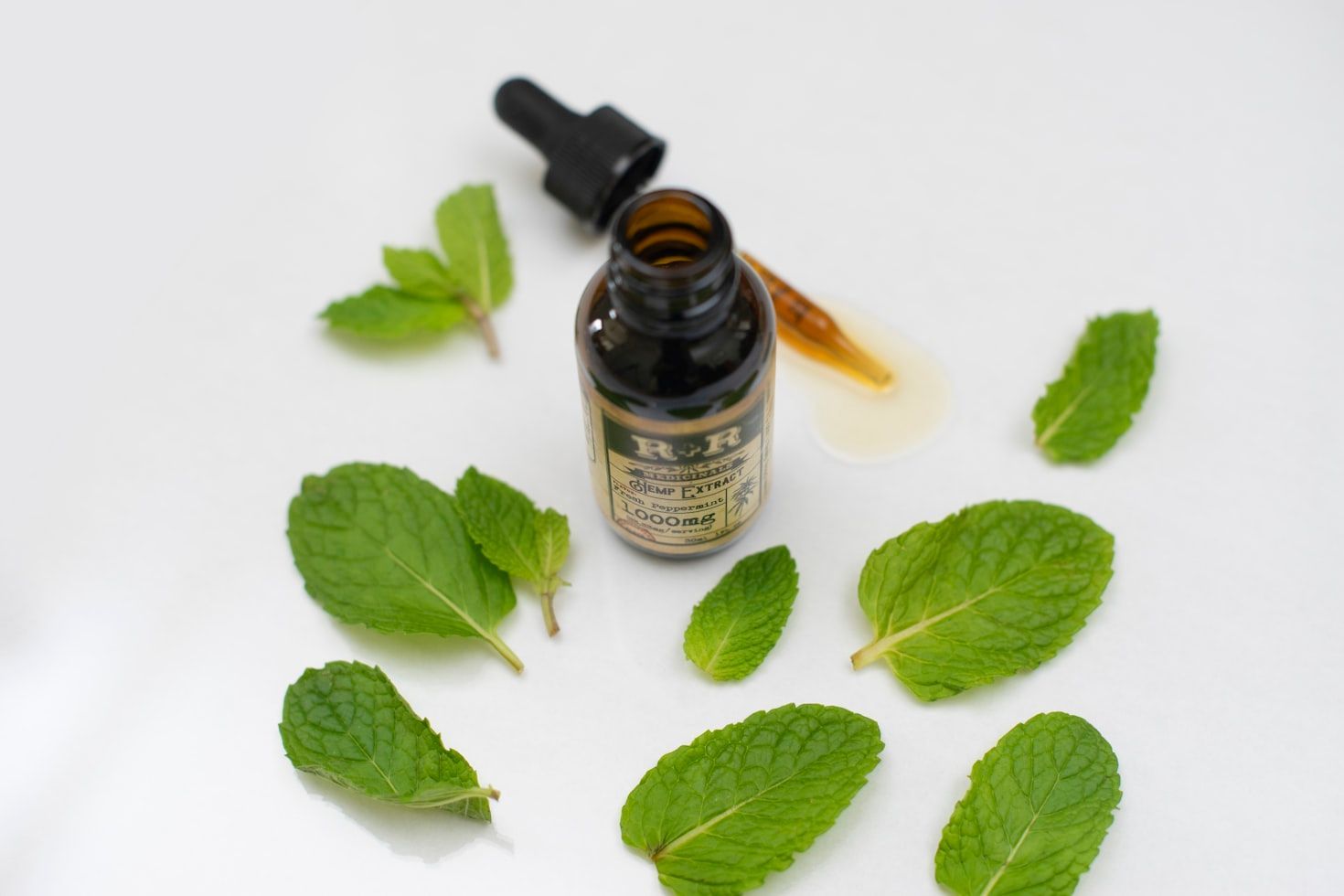 Image: Stefan Rodriguez
Studies show that the scent of peppermint can increase alertness, memory, and physical performance. It’s often used by athletes and students for focus. The menthol in peppermint stimulates the trigeminal nerve, giving a cooling sensation that makes the brain feel more awake and refreshed.
Sweat has no smell—until bacteria arrive
 Image: HUUM
Human sweat is odorless. The smell comes from bacteria on your skin breaking down sweat molecules into smelly compounds. Different bacteria produce different odors—some people’s sweat smells like vinegar, others like onions or even cat pee, depending on their microbiome.


