It’s game time!

Do you speak “food Latin”? Let’s see if you guess these kitchen classics!


Published on November 22, 2025


Image: Hobi industri

Think you know your fruits and veggies better than the back of your hand? Let’s put that to the test. Scientists love fancy names, but behind all that Latin, you’ll find foods you probably have in your kitchen right now. Here’s a little guessing game: We’ll give you some clues about the origins, uses, or traditions tied to a food. Then we’ll reveal the answer. Let’s see how many you can get right!

1

Scientific name #1: Allium sativum

Image: Dominic Kurniawan Suryaputra

This little bulb has been keeping kitchens fragrant for thousands of years. Ancient Egyptians swore by it for strength, while Italians turned it into a must-have for sauces. Love it or hate it, its smell lingers long after dinner. Any guesses in the room?

2

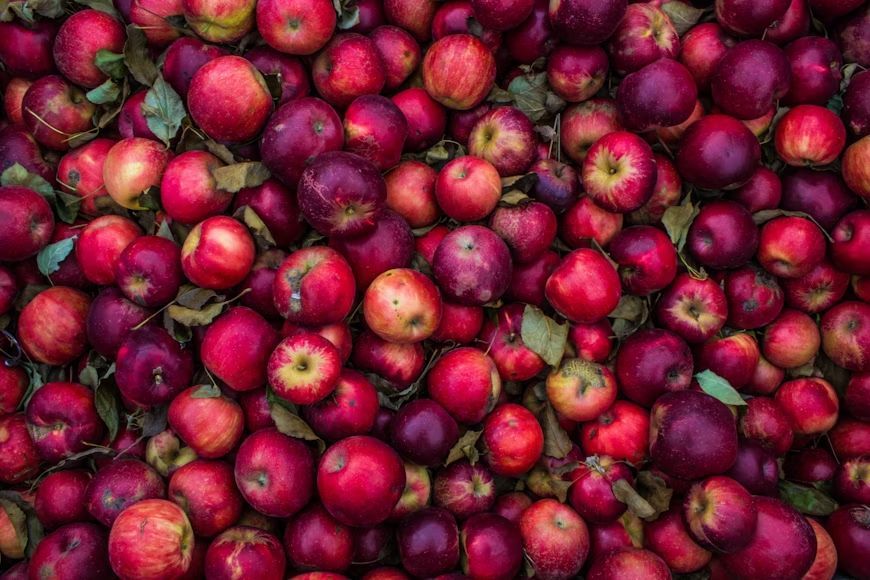
Scientific name #2: Malus domestica

Image: Markus Winkler

This fruit has been part of human history since biblical times. It’s been baked into more pies than anyone can count. Just one bite every day, and you won’t be making any more doctor’s appointments. A crisp bite in autumn just can’t be beaten.

3

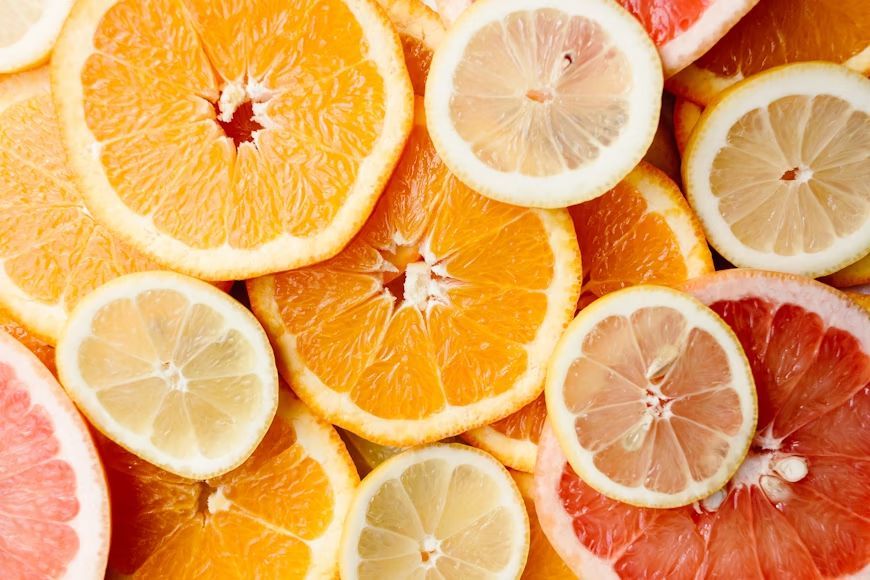
Scientific name #3: Citrus paradisi

Image: airci K

This tart beauty first appeared in the Caribbean, but today it’s a breakfast table regular. Its zingy flavor divides people: some swear by it with a sprinkle of sugar, others can’t stand the bitterness. What do you think this is?

4

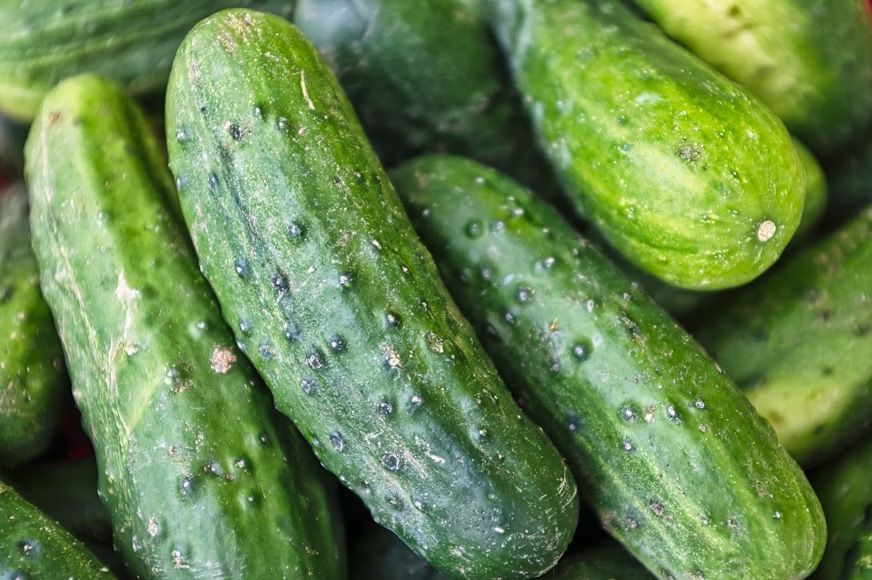
Scientific name #4: Cucumis sativus

Image: Ashley Winkler

Cool, crunchy, and packed with water, this veggie is a summer favorite. It sneaks into sandwiches, salads, and pickling jars across the globe. Ancient civilizations grew it thousands of years ago, and it hasn’t lost its charm. Wanna find the answer? Keep scrolling!

5

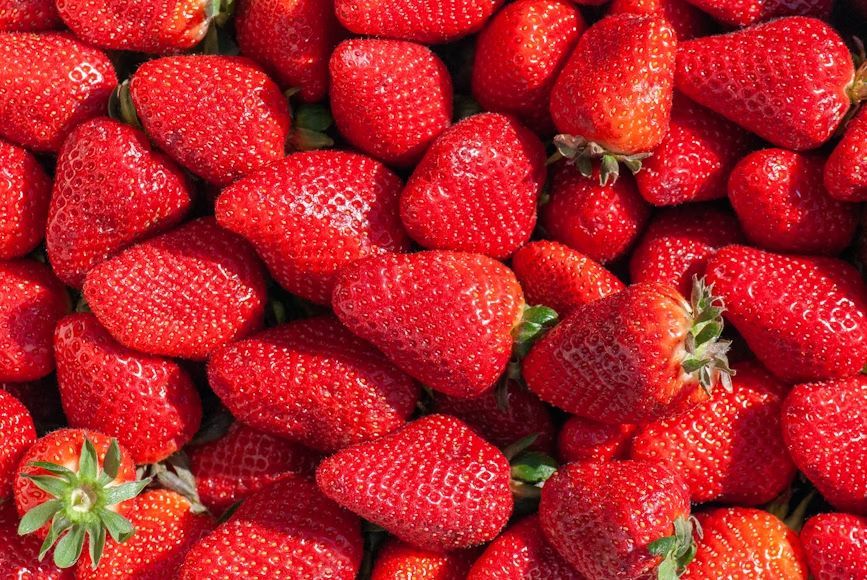
Scientific name #5: Fragaria ananassa/vesca

Image: Daniel von Appen

Sweet, red, and heart-shaped, this fruit screams summertime. Wimbledon even made it a tradition, serving it with cream for over a century. You’ll see it on shortcakes, jams, and plenty of cereal boxes, too. You know it by now, don’t you?

6

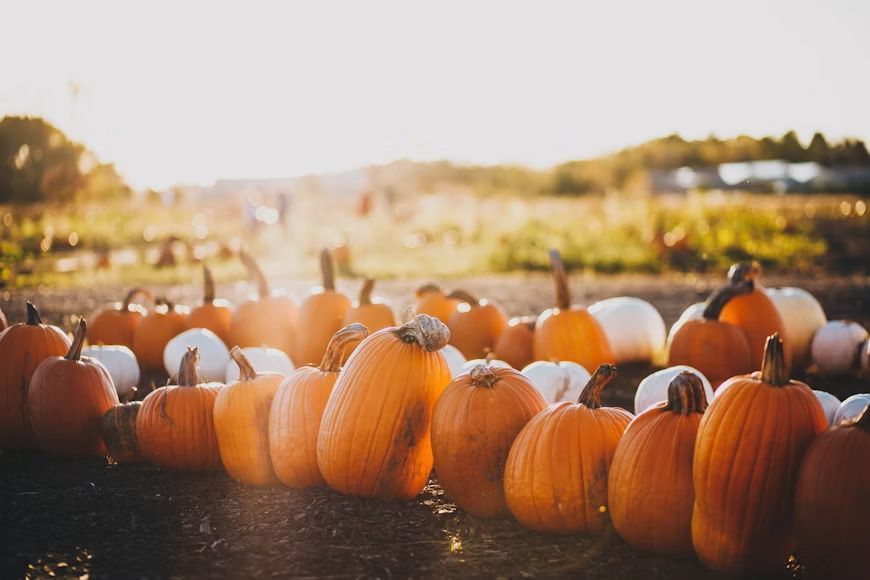
Scientific name #6: Cucurbita pepo

Image: Henrique Sosa

Farm stands overflow with this one in the fall. You’ll see kids carving it, bakers turning it into pies, and health nuts roasting its seeds. Native to the Americas, it’s been part of diets for thousands of years.

Below, you’ll find all the answers. Let’s see how many you got right!

7

Food #1: Garlic

Image: team voyas

Did you guess this one? Allium sativum is garlic. Packed with flavor and believed to boost heart health, garlic is grown worldwide, but China leads the harvest. Whether roasted, minced, or sliced, it’s the soul of countless dishes. Are you team garlic or not?

8

Food #2: Apple

Image: sydney Rae

Malus domestica is none other than the apple. Did the "doctor’s appointment" reference give it away too soon? The United States, especially Washington State, is a top grower. From cider to applesauce, it’s hard to imagine an American table without it, right?

9

Food #3: Grapefruit

Image: freestocks

Citrus paradisi is grapefruit! Florida is famous for its juicy varieties, loved for their vitamin C punch. Grapefruit even got its name because the fruits grow in clusters that look a lot like grapes. Now the debate stands: Sugar or no sugar?

10

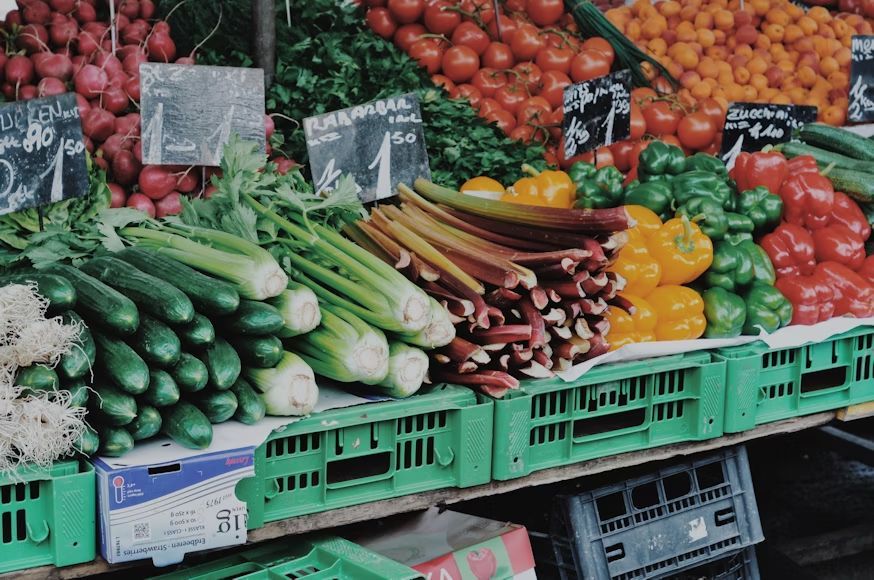
Food #4: Cucumber

Image: Eric Prouzet

Cucumis sativus is a cucumber. India is its original home, though now you’ll find it growing just about everywhere. Whether sliced fresh or turned into pickles, it’s the definition of refreshing. And it also

11

Food #5: Strawberry

Image: Natasha Skov

Red, heart-shaped… This one is the strawberry, of course! The United States, especially California, grows tons of them every year. Fun fact: strawberries aren’t true berries botanically, but don’t let science spoil dessert.

12

Food #6: Pumpkin

Image: Maddy Baker

That’s Cucurbita pepo, the pumpkin. From lattes in October to jack-o’-lanterns on Halloween, it’s an American seasonal icon. And yes, the seeds, called pepitas, are as nutritious as they are tasty.


FRUITFUL CHANGES

10 Common Fruits That Used To Be Completely Different


Published on November 22, 2025


Image: Jacopo Maia

As humanity's agricultural practices evolved, crops changed shape, taste, and even color. And although we like to think of the fruits we know and love as timeless creations of nature, the truth is that they have also transformed over time—and a lot!

Here are 10 intriguing examples of fruits that underwent significant changes before becoming the fruits we know today.

1

Bananas

Image: Anastasia Eremina

Bananas have an interesting (and complex) story. Initially, they weren’t the fleshy, tasty treats we know today, but were almost inedible and had enormous seeds in them. Through selective breeding over dozens of generations, humans transformed bananas into the sweet, seedless fruit we know today. But the changes didn’t stop there: in the first half of the twentieth century, the main banana cultivar in the world was victim to a mysterious disease that almost wiped out bananas completely, and they had to be replaced with a more resistant variety.

2

Apples

Image: Shelley Pauls

Wild apples were small, sour, and varied greatly in flavor and not necessarily for good. Over many centuries, humans chose to grow and eat the ones that were larger and more palatable, leading to sweeter fruits with a more consistent flavor. Our ancestors brought these "elite" seeds around with them while they traveled the world, giving rise to many of the cultivars we know today.

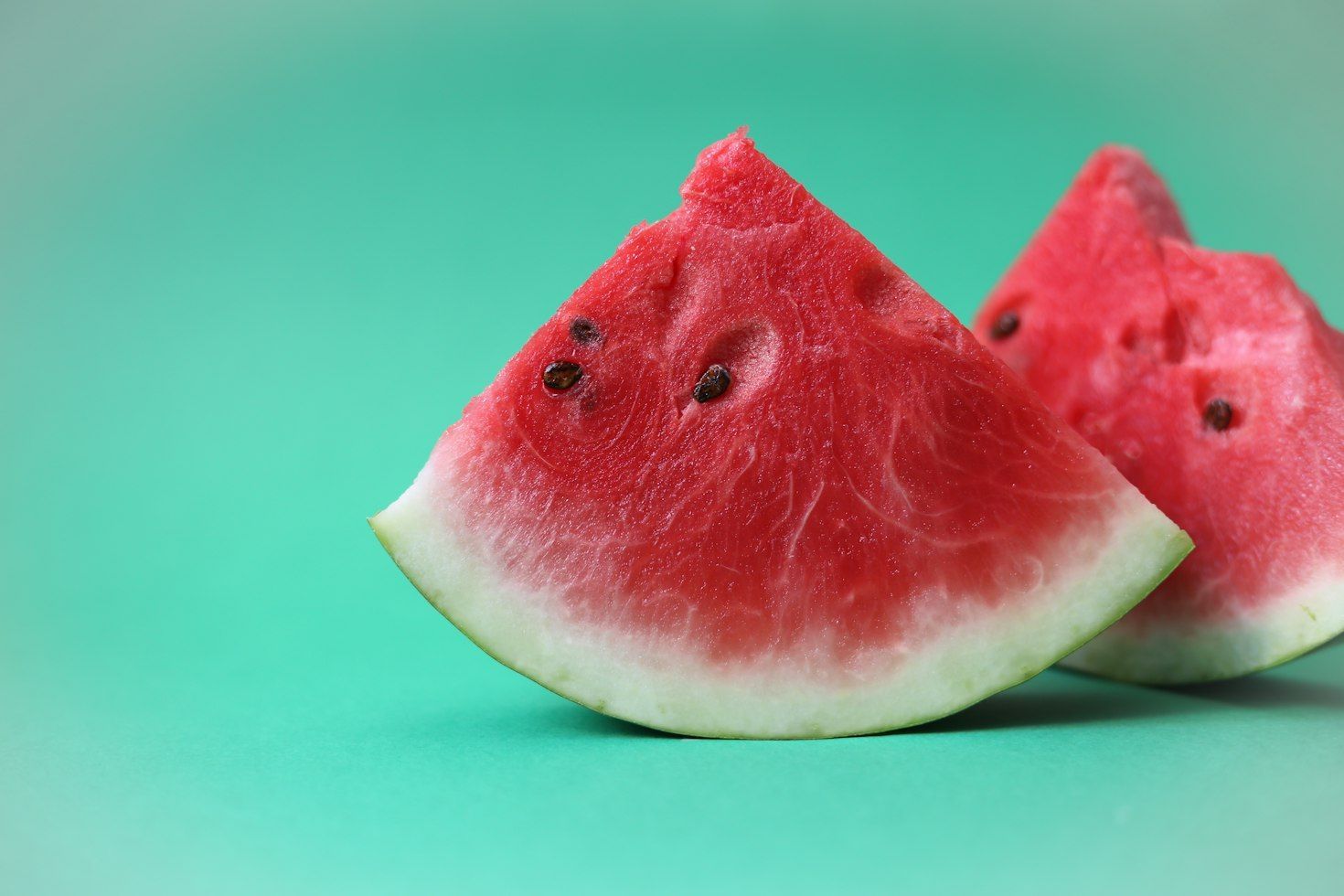
3

Watermelons

Image: Sahand Babali

Once, watermelons weren’t bigger than a peach. You might find that hard to believe, but most of what we now love about watermelons was selected for thousands of years. Unfortunately, this came at a cost. In the process, watermelons lost genetic diversity, and became more vulnerable to pests and diseases, making them harder to grow.

4

Grapes

Image: Maja Petric

One of the earliest domesticated fruit crops, grapes have been a part of human history for millennia. How early grapes exactly looked is kind of a mystery, but we can guess that they were smaller and not all that sweet (starting to see a pattern here?). Fortunately, our ancestors loved the fruit so much that they bred hundreds of varieties, some for winemaking and others to feed their families.

5

Strawberries

Image: Jacek Dylag

What we call a strawberry is not even a berry. And, to be fair, they are not even a "purebred" fruit, but rather a "hybrid" of two different related species. The hybridization was intentional and was part of the domestication of wild strawberries—that were initially tiny and packed with too many seeds. We can thank this intense selection process for the sweet, juicy treat they are today.

6

Peaches

Image: Ian Baldwin

Peaches originally appeared in China, and, according to botanical experts, they were way smaller than they are today and, allegedly, "tasted like a lentil." Yeah, we are as surprised as you. However, after nearly six thousand years of artificial selection, domesticated peaches grew to be 16 times larger, sweeter, and juicier than their wild counterparts, while also increasing the amount of nutrients essential to human survival.

7

Oranges

Image: Max

Not even the timeless orange is safe here. Yeah, you guessed it, they used to be nothing like what we now expect of a standard orange, being generally smaller and bitter than today’s sweet and juicy cultivars. Interestingly, they were also the result of hybridization between two varieties of citrus we are still familiar with: pomelo (Citrus maxima) and mandarin (Citrus reticulata).

8

Avocados

Image: Hitoshi Namura

Though avocados were only semi-domesticated, with early humans in the American continent choosing to grow wild varieties rather than keep specialized plantations, their evolutionary history is quite surprising. This fruit evolved at the beginning of the Cenozoic era, when the local megafauna (very large animals like the megatherium) ate it whole, helping its seeds begin their germination process within their stomachs. Relics of a long gone past, they were only saved from extinction by human intervention.

9

Mangoes

Image: Alexander Schimmeck

Similarly to avocados, the "king of fruits" is today considered an evolutionary anachronism, as its large seeds were once dispersed by now-extinct animals. However, as humans fell in love with the tasty fruit, mango species dispersed far from their original range, giving birth to hundreds of different varieties that resulted in an overall sweeter and less fibrous fruit.

10

Pineapples

Image: Juno Jo

Though little is known about its domestication, pineapples were already a staple crop of South American societies at least a millennia before Europeans arrived. The wild fruit had various uses, including making alcoholic beverages, medicines, and even crafting poison arrows. After contact, Europeans went bananas over this new exotic and strange-tasting fruit, but they were so expensive that most used them only as decoration and did not start to eat them until they began to rot.

Looking for an extra scoop of literary fun?

Learn more with our Word of the day

tame

/teɪm/