Weird wordplay

Do you regularly use these 10 baffling idioms?


Published on January 3, 2025


Image: Leeloo The First

We said it once and we’ll say it again: Idioms are definitively weird. And with how much the English language relies on these strange phrases, you’ll probably find yourself using idioms more often than you think, without taking the time to think how wishing someone to "break a leg" before a big show is not a not-so-veiled threat. In any case, let’s dive into the origins of some of the most baffling idioms out there, with the hope of trying to shed some light onto the inherent strangeness of these sayings. Enjoy!

1

Cute as a button

Image: engin akyurt

Let’s start with a strangely uplifting one. What do you think of whenever you try to picture something cute? Well, in small, round fastening knobs, of course! The idiom "cute as a button" does not make a lot of sense when first heard: After all, we mindlessly clip buttons on dress shirts, pants, and coats without giving a second thought to their adorability. However, a point should be made that, when you think about it, buttons tend to be shiny, small, and round, which in truth tends to check a lot of the boxes of what lots of people consider cute.

2

Eat crow

Image: Tyler Quiring

Crows are definitively remarkable birds: Their shiny, black plumage and imposing presence can only be surpassed by their outstanding intelligence. However, we hope that any crow reading this doesn’t take offense when we say that they don’t really stand out as particularly tasty birds. In that regard, the idiom "to eat crow" does make some sense: We use this idiom to describe those times in which we have to admit our wrongs, no matter how hard they are to swallow. However, we do believe that any number of non-edible objects can be used instead of these majestic birds.

3

Apple of my eye

Image: ABHISHEK VISHWAKARMA

Want to tell someone how important they are to you? Well, you might want to compare them to the fruit that keeps doctors away. But wait, it gets better: Why not compare them to a metaphorical apple stuck in your cornea? Who wouldn’t blush after hearing this?

We should clarify that there’s some reasoning behind the idiom "the apple of my eye": Historians believe that it comes from Old English, when the word "apple" was synonymous with the pupil of the eye, which most of us will agree is a rather precious body part.

4

Cuts the mustard

Image: Pedro Durigan

Being a boss or a manager is definitely not an easy task: It comes with the difficult responsibility of communicating with those you are in charge of that their work is sadly not up to scratch. In that sense, you might want to tell someone they don’t cut the mustard, although that might leave them utterly confused. No one is entirely sure where this idiom comes from, or when the idea of cutting this condiment became synonymous with excellence, but some believe that it comes from the expression "pass muster", which is a military phrase used when a soldier passes military inspection.

5

Take it with a pinch of salt

Image: Jason Tuinstra

This is one of the most fascinating idiom origins we could find. While at first glance the idiom "take it with a pinch of salt", which means to view something with skepticism, doesn’t seem to make a lot of sense, it actually comes from an ancient Latin text from Pliny the Elder. In his Naturalis Historia, Pliny describes a supposed antidote to poison that includes two dried walnuts, two figs, and, of course, a pinch of salt: According to Pliny, whoever takes this mixture would be invulnerable to poison all day. In that sense, this perfectly reflects the meaning of this idiom: Taking dubious information with a pinch of salt would metaphorically prevent these falsehoods from "poisoning" you.

6

Sweat like a pig

Image: Christopher Carson

Pigs definitively have it rough when it comes to idioms: "Eating like a pig" always makes us feel bad while something improbable will happen "whenever pigs fly". In that sense, "sweating like a pig" not only sounds awfully mean-spirited, but it is also factually inaccurate: Pigs famously don’t sweat and take luscious mud bads in order to cool themselves. So, next time you are thinking about using this phrase, please consider that you’ll only spread misinformation about one of the world’s favorite farm animals.

7

Raining cats and dogs

Image: Daniel Tuttle

This one is just downright baffling: When did the world’s most beloved pets become synonymous with bad weather? In case you didn’t know, the phrase "raining cats and dogs" is used to describe a particularly heavy rain, but linguists don’t really know where this idiom comes from. Some point to the Greek word Katadoupoi (which means "waterfall"), since it sounds vaguely familiar to the English idiom.

8

Dog days

Image: Tommy Bond

While we don’t really approve of dogs being associated with any negative idiom, the truth is that the origin of the phrase "dog days" is remarkably interesting. Here’s the thing, this saying is used to describe hot and stuffy summer days, which some consider to be some of the most uncomfortable days in the Northern Hemisphere. This peculiar expression comes from Ancient Greece since these hot days were signified by the rising of the Sirius star system, colloquially known as the "Dog Star".

9

Break a leg

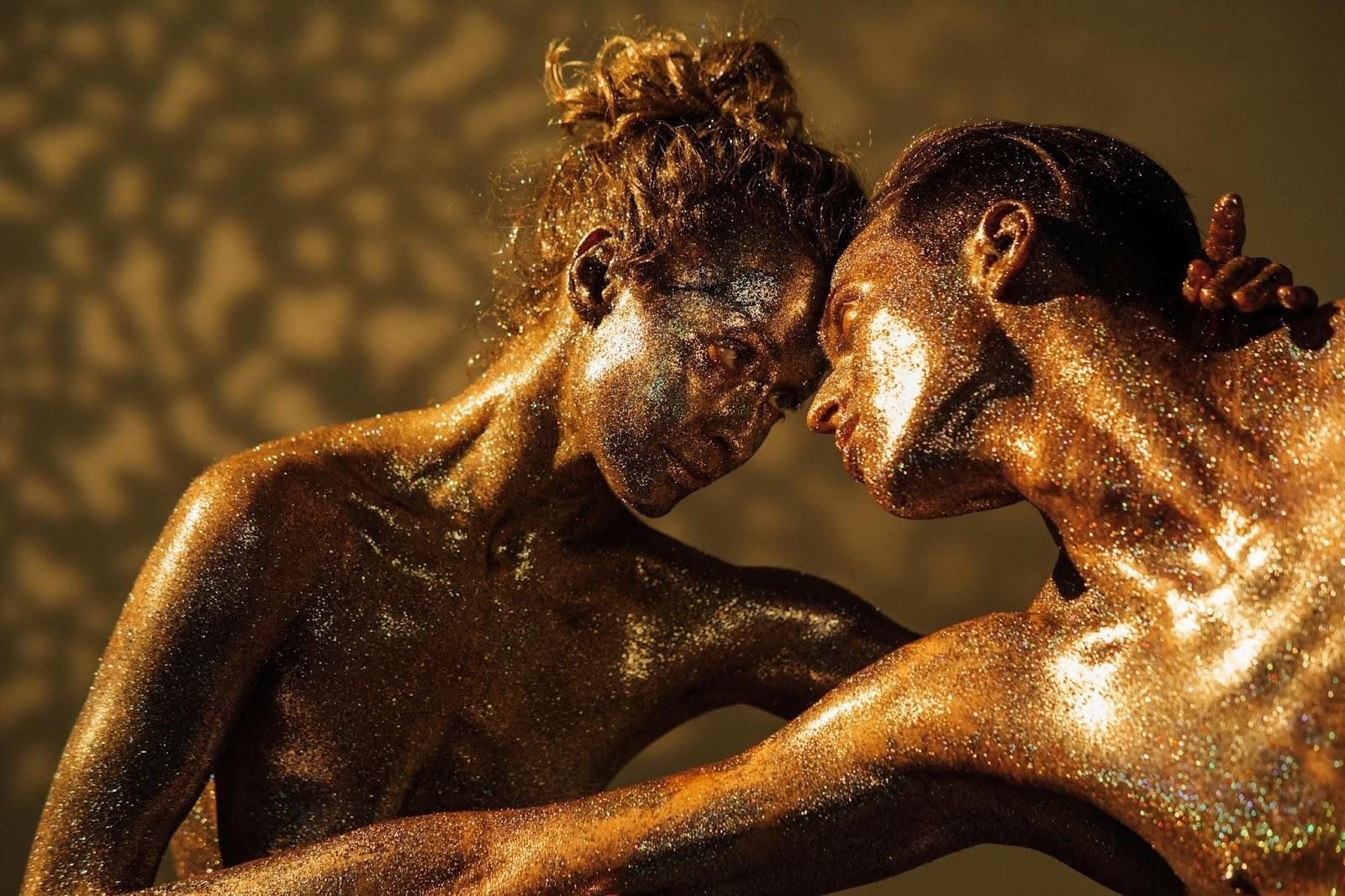
Image: Vika Glitter

You would think that the last thing that a theater friend of yours wants to hear before going on stage is a violent wish for broken bones, and yet, "break a leg" is one of the most commonly said phrases in the world of theater. While we can’t provide you with a definitive origin story of this idiom, many believe that it simply comes from a thespian superstition that states that one should say exactly the opposite of what they are wishing.

10

You can’t have your cake and eat it too

Image: Nick Stephenson

If we were to take this idiom at face value, no one would be able to have a slice of their own birthday cake. The idiom "You can't have your cake and eat it too" is used to describe a situation in which two or more favorable outcomes are impossible: In that sense, the titular cake cannot be owned and eaten at the same time. What feels particularly baffling about this idiom is that, when you think about it, having a cake won’t do you much good if you don’t eat it, so why would anyone choose the first option?
10 crazy wedding rituals that can challenge even the most devoted couples


Published on January 3, 2025


Image: Pedro Pulido

Love may be universal, but the ways people celebrate it couldn’t be more different. Some couples toast with champagne and dance under candlelight, while others begin their journey with leftovers, arrows, or even a month's worth of tears. Across the globe—from Chinese villages to remote Pacific islands—wedding rituals range from deeply symbolic to downright strange. Here are some of the wildest wedding traditions from around the world.

1

A month of joyful tears

Image: Hu bo

Imagine a wedding tradition where joy is measured not by laughter but by tears. In certain regions of China, brides from the Tujia ethnic group begin crying a full month before their big day. For one hour each evening, the bride weeps to express happiness and gratitude. Ten days in, her mother joins her, and by the final week, her grandmother, sisters, aunts, and cousins take part as well. The sound is said to resemble a "symphony of tears," as locals call it. It may seem dramatic to outsiders, but for the Tujia, this ritual is believed to wash away misfortune and welcome joy into the marriage, turning tears into a celebration of family and future.

2

A smile-free ceremony

Image: Asso Myron

In some parts of Africa, weddings are not always centered on laughter and dancing. In the Democratic Republic of the Congo, for example, certain traditional ceremonies are described as austere and solemn. The bride and groom are expected to remain serious from start to finish, not even a hint of a smile allowed. The reasoning is that marriage is a sacred commitment, too important for outward giggles or casual grins. To an outsider, the sight might look less like a celebration of love and more like the world’s most intense staring contest; for locals, it’s a symbol of respect, devotion, and gravity.

3

A mucky proof of love

Image: KoolShooters

Scotland’s version of pre-wedding "fun" isn’t for the faint of heart. Here, the couple’s closest friends gather before the ceremony to stage the blackening, a messy and mischievous ritual meant to test the pair’s endurance. The bride and groom are chased, caught, and covered in a vile mix of sticky leftovers, spoiled milk, fish guts, flour, and rotten eggs. Once properly coated, they’re paraded through town for everyone to admire. It’s smelly, chaotic, and a little cruel, but there’s meaning behind the madness: if two people can handle such public embarrassment together, they can probably handle anything marriage throws their way.

4

Kisses on standby

Image: Carlo Buttinoni

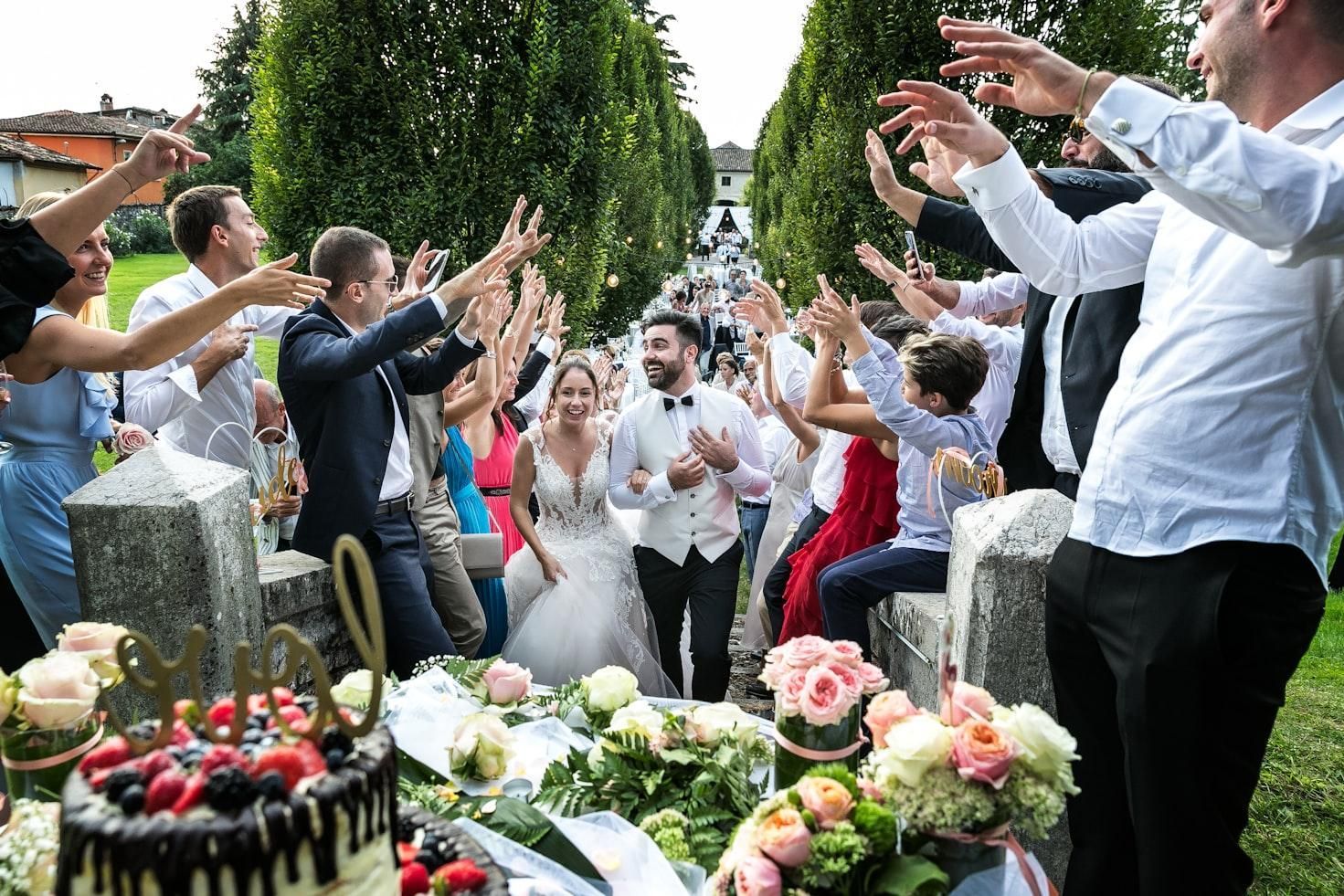
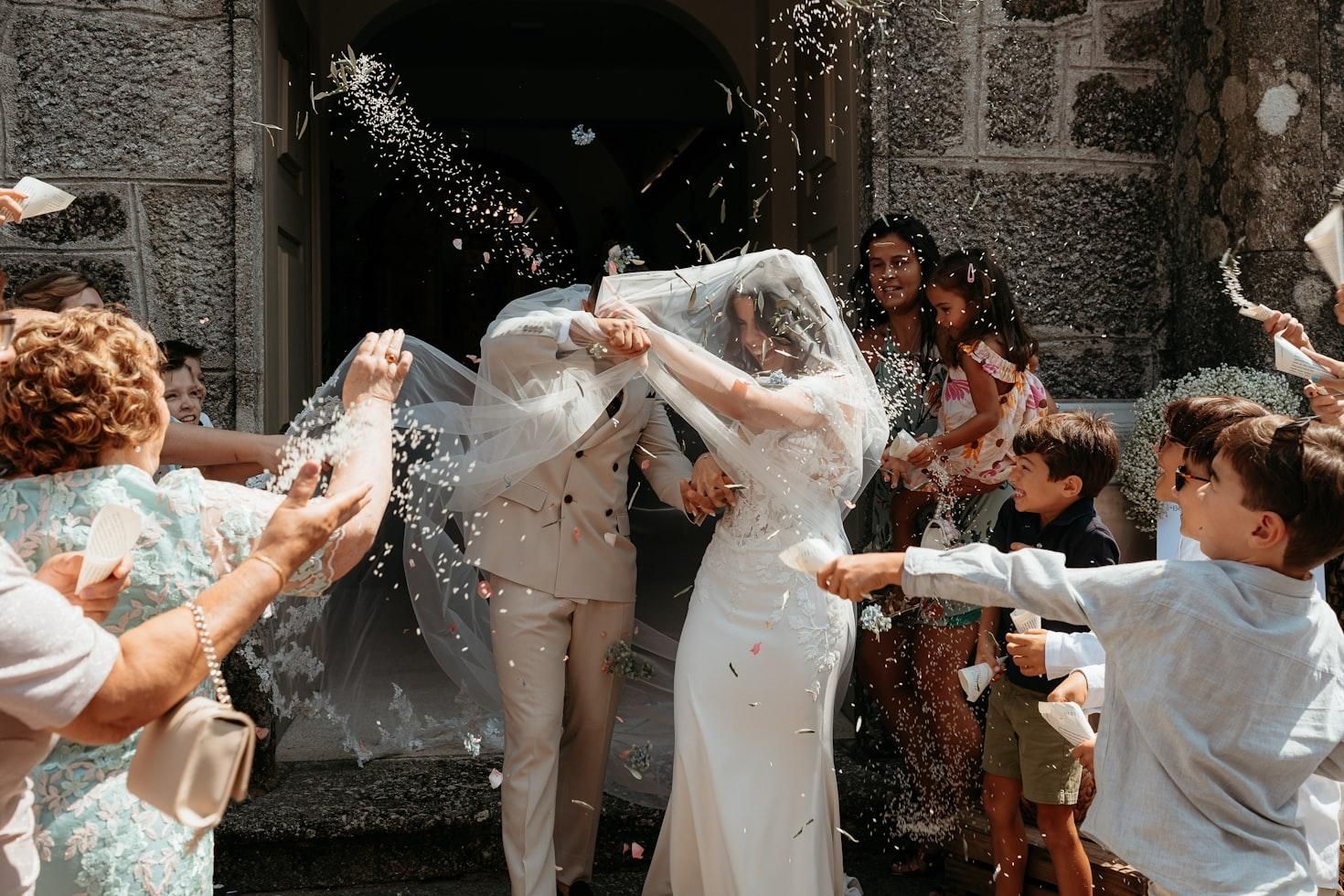
Would you let your new spouse kiss every guest on your wedding day? No, it’s not the plot of some surreal romantic comedy. As it happens, in Sweden it’s a lighthearted wedding tradition! Whenever the bride or groom leaves the room, the guests line up to give a kiss to the one who stays behind. It may sound a little too wild to some, but in Sweden it’s generally seen as a playful and harmless way to celebrate the newlyweds.

5

The human carpet

Image: Hakan Nural

In the remote Marquesas Islands of French Polynesia, love takes a surprisingly literal form. At the end of the ceremony, family members may lie down on the ground to form what is sometimes described as a "human carpet." The newlyweds then walk across their relatives’ backs on their way out, a gesture meant to honor the family’s blessing and symbolize unity between both sides. It works as a reminder that marriage rests, quite literally, on the support of loved ones. The only caution? It’s best if the bride leaves the high heels aside for this one.

6

Toilet dinner

Image: Bailey Alexander

France, known for elegant cuisine and candlelit dinners, once had a wedding custom that was far less glamorous. After the celebration ended, family and friends would gather the leftovers and serve them to the newlyweds in a toilet bowl or chamber pot. The concoction, commonly referred to as la soupe, was meant to "restore the couple’s strength" after their long day. In later versions of the tradition, guests substituted the original mixture with chocolate or champagne to make it more "festive." While it sounds more like a prank than a tradition, it symbolized good fortune and fertility. Thankfully, modern French couples now prefer to recover their energy with a croissant and café au lait instead of… whatever that was.

7

A wet blessing

Image: Tom Rumble

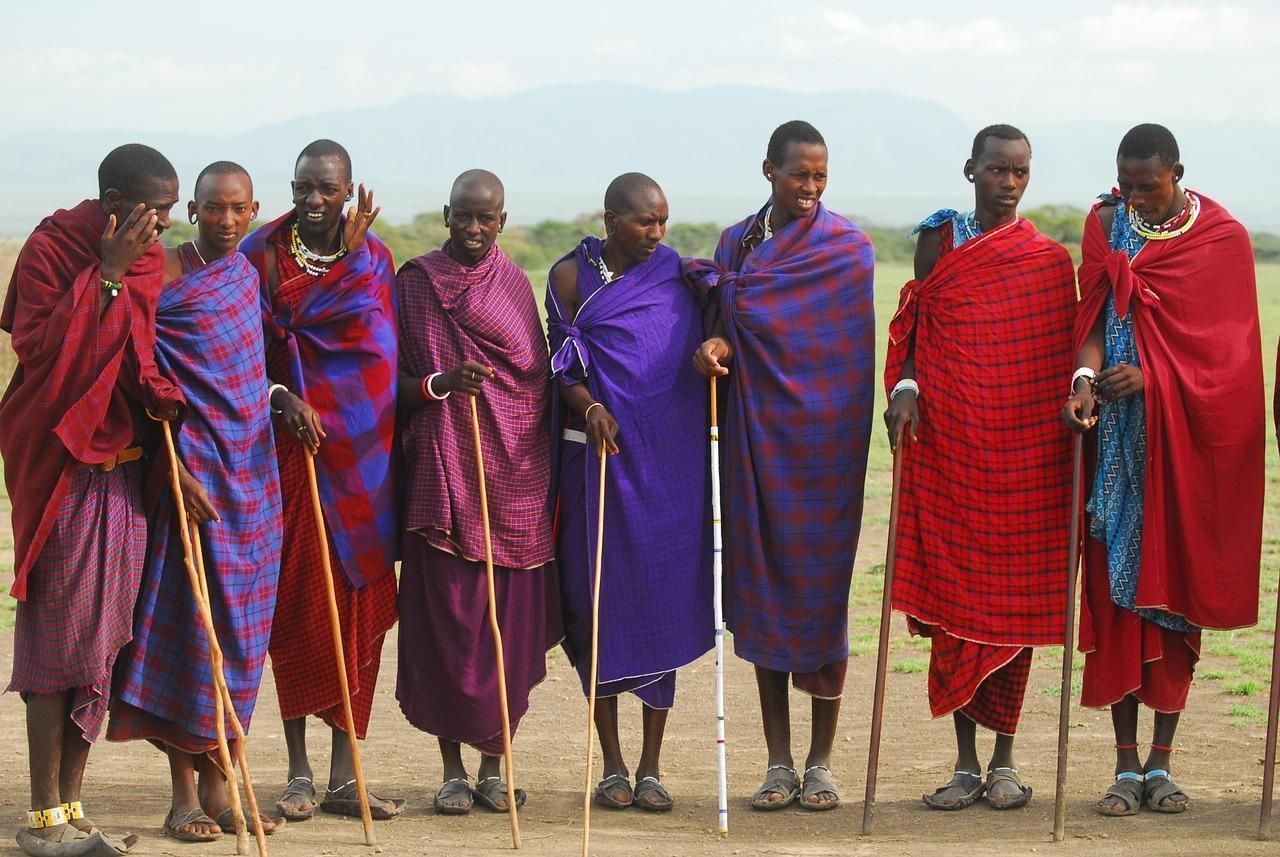
In Maasai culture in Kenya and northern Tanzania, blessings sometimes take an unexpected yet heartfelt form. Instead of a long speech or formal ceremony, a father offers his daughter good fortune with a simple gesture: he spits lightly on her head and chest before she leaves to begin her married life. It may sound disgusting, but among the Maasai, it’s a deeply respectful gesture. In a region where water is scarce and every drop is precious, even a small amount of saliva carries powerful symbolism. It represents life, protection, and the hope that the union will be strong and prosperous.

8

Feet of steel

Image: Samuel Chan

In South Korea, a groom’s path to the altar sometimes comes with one final challenge. Before the ceremony, his friends tie his ankles together, lift his feet, and playfully strike the soles with sticks or dried fish while firing off trivia questions. The custom, commonly known as bal dalli gi (literally "beating the feet"), is less about pain and more about proving the groom’s resilience and quick wit under pressure. The blows are meant to sting just enough to keep him alert, while the laughter from the crowd keeps the mood light. It’s a comical mix of endurance test and friendship ritual.

9

Love at first arrow

Image: Volodymyr Tokar

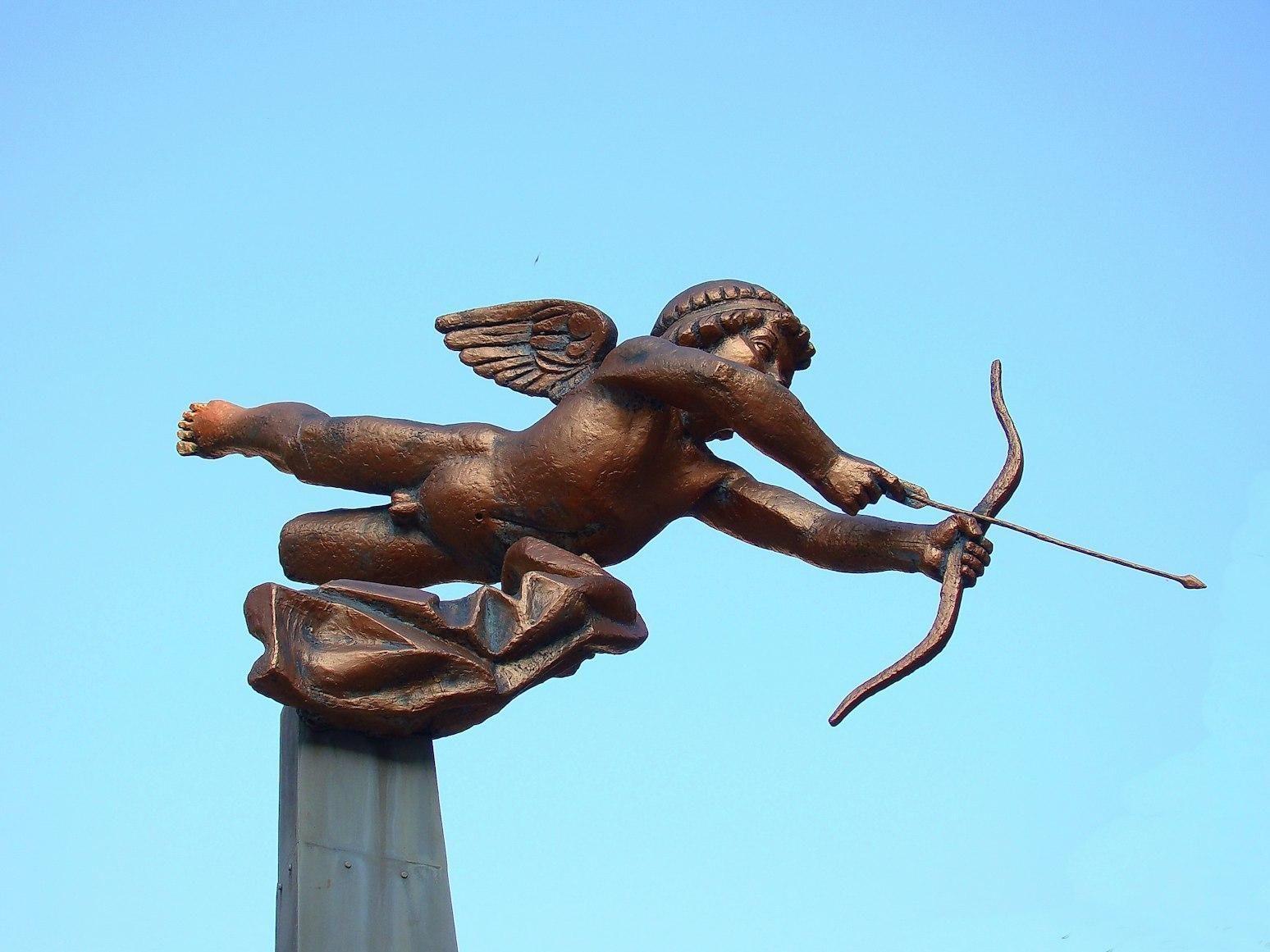
Among the Yugur (also known as the Yughur) people of northwestern China, love traditionally begins with a symbolic act of archery. In this centuries-old ritual, the groom takes a bow and fires three arrows directly at his bride. Don’t worry, the arrows are deliberately blunted or have their tips removed to ensure safety. Once the arrows have struck her dress, he retrieves them and breaks them in half, symbolizing that their bond can never be broken. All in all, the gesture represents both trust and eternal devotion, showing that true love doesn’t always come in diamond form.

10

The honeymoon lock-in

Image: cocoparisienne

On the misty island of Borneo, love begins with an endurance test worthy of a reality show. According to widely circulated accounts, among the Tidong people, newlyweds spend their honeymoon locked in a small room for three full days and nights—not even bathroom breaks allowed! Family members monitor the couple to ensure the rules are observed. The couple is given just enough food and water to get by, but the challenge is mostly symbolic: a test of patience, trust, and teamwork. If they can face three days in close quarters without escaping (or arguing), legend says their marriage will be long and unbreakable. It’s not exactly a tropical getaway, but it might just be the ultimate test of compatibility!

Looking for an extra scoop of literary fun?

Learn more with our Word of the day

debug

/ˌdiˈbəɡ/