Bats can see, you know
Do you, like most people, still believe these fallacies about animals?
Published on March 29, 2026
We all grow up learning "facts" about animals that sound perfectly reasonable. Bats are blind. Touch a baby bird, and its mother will never come back. The problem is, many of these ideas are simply wrong. Passed down through cartoons, sayings, and well-meaning adults, these myths stick around long after science has proved them wrong. Here are some of the most common animal misconceptions people still believe, and the surprisingly simple truths behind them!
Bats aren't blind
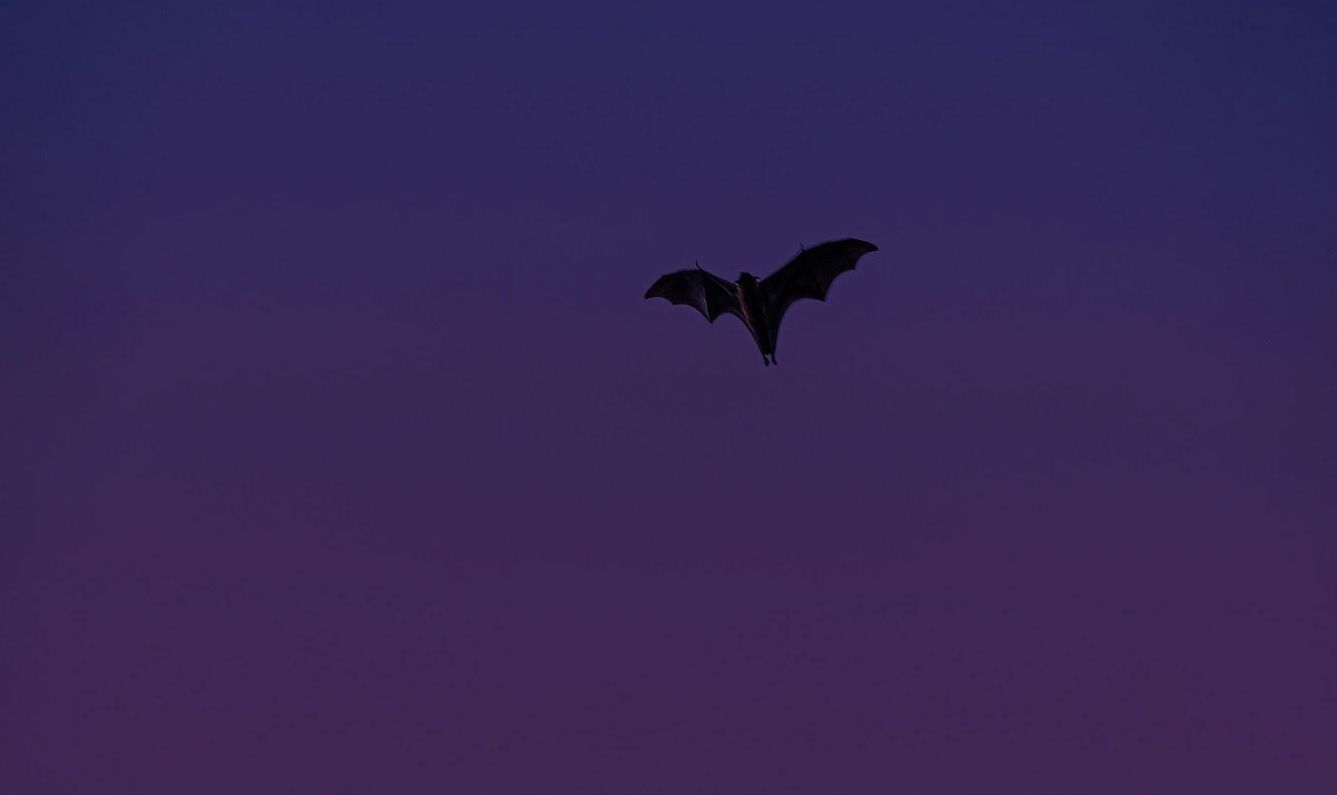
While bat vision isn't exactly human-grade color vision, their eyes do work, especially in low light. On top of that, most bats use echolocation, meaning high-frequency chirps that bounce off objects, to navigate and hunt in pitch darkness.
Ostriches do not bury their heads in the sand
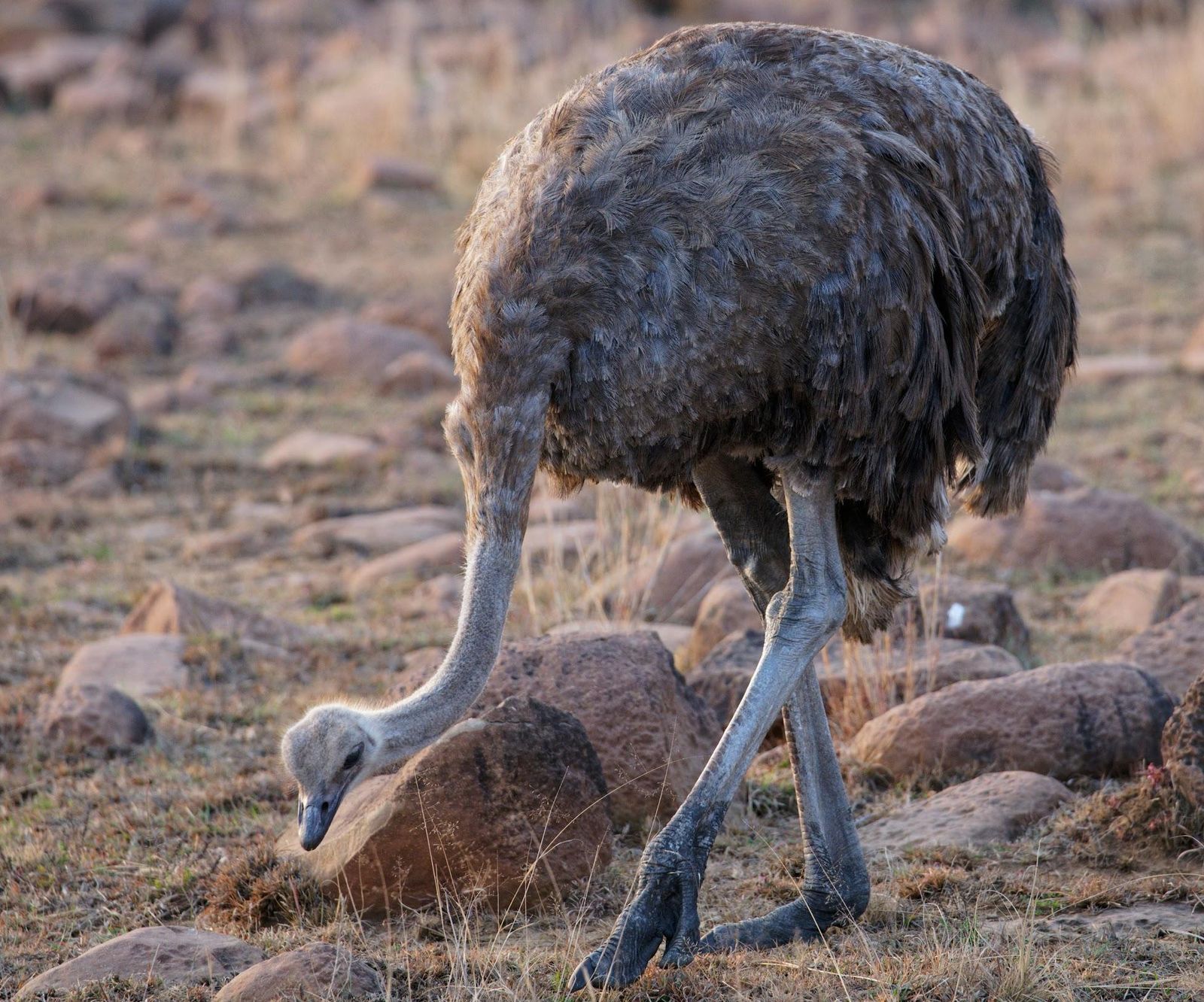
In truth, ostriches lower their heads to the ground when they are inspecting or turning their eggs in shallow dirt nests. But from a distance, the flat ground and sandy soil make it look like their tiny heads have disappeared. When they are scared, these birds don't hide their faces; they run, and fast.
Camels don't store water in their humps
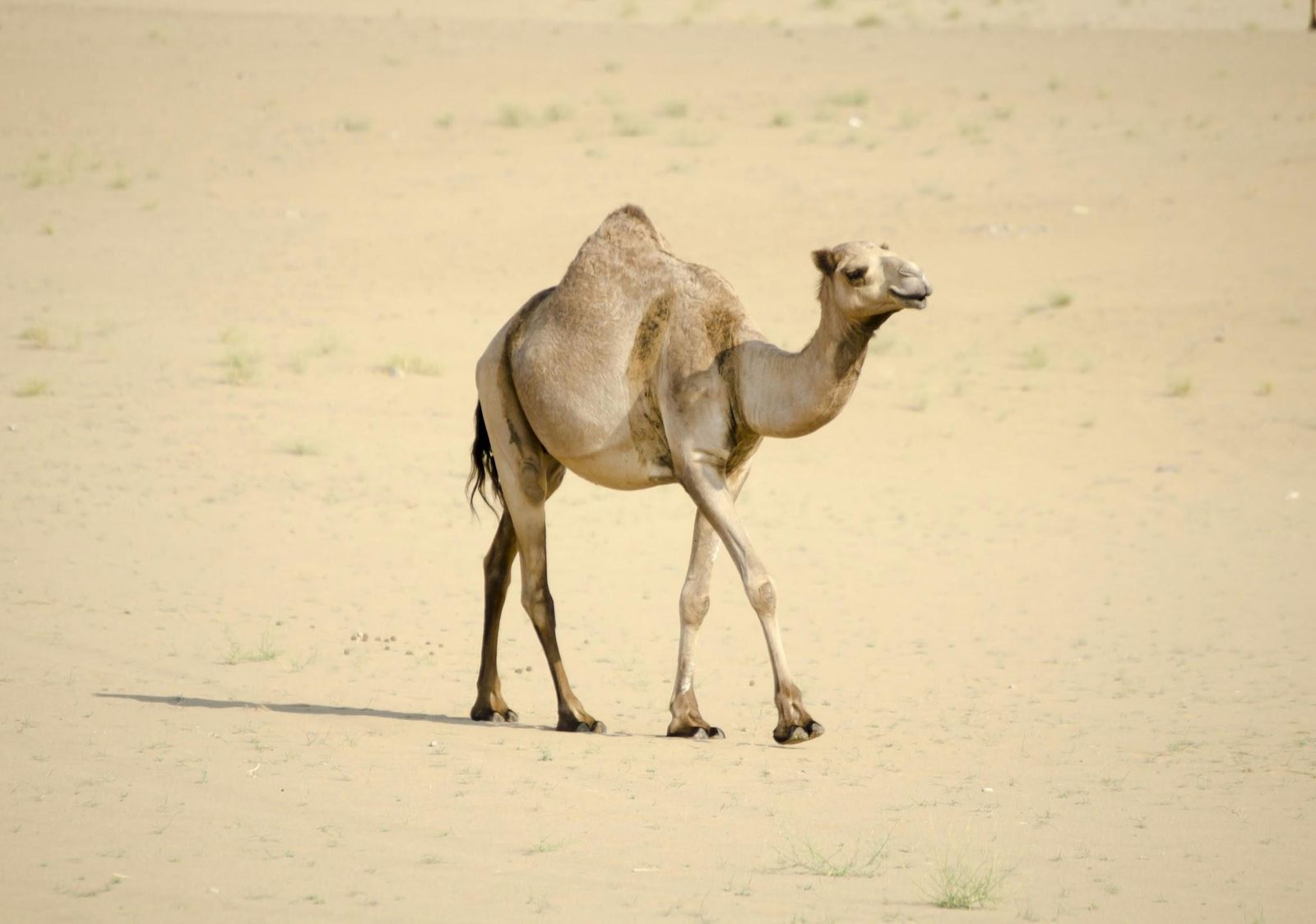
This myth refuses to die. But a camel's hump isn't a water storage unit; it's a fat reserve. That fat can be metabolized for energy when food is scarce. They do have a hydration superpower, though: camels can drink enormous amounts at once and lose very little water through sweat.
Dogs don't see only in black and white
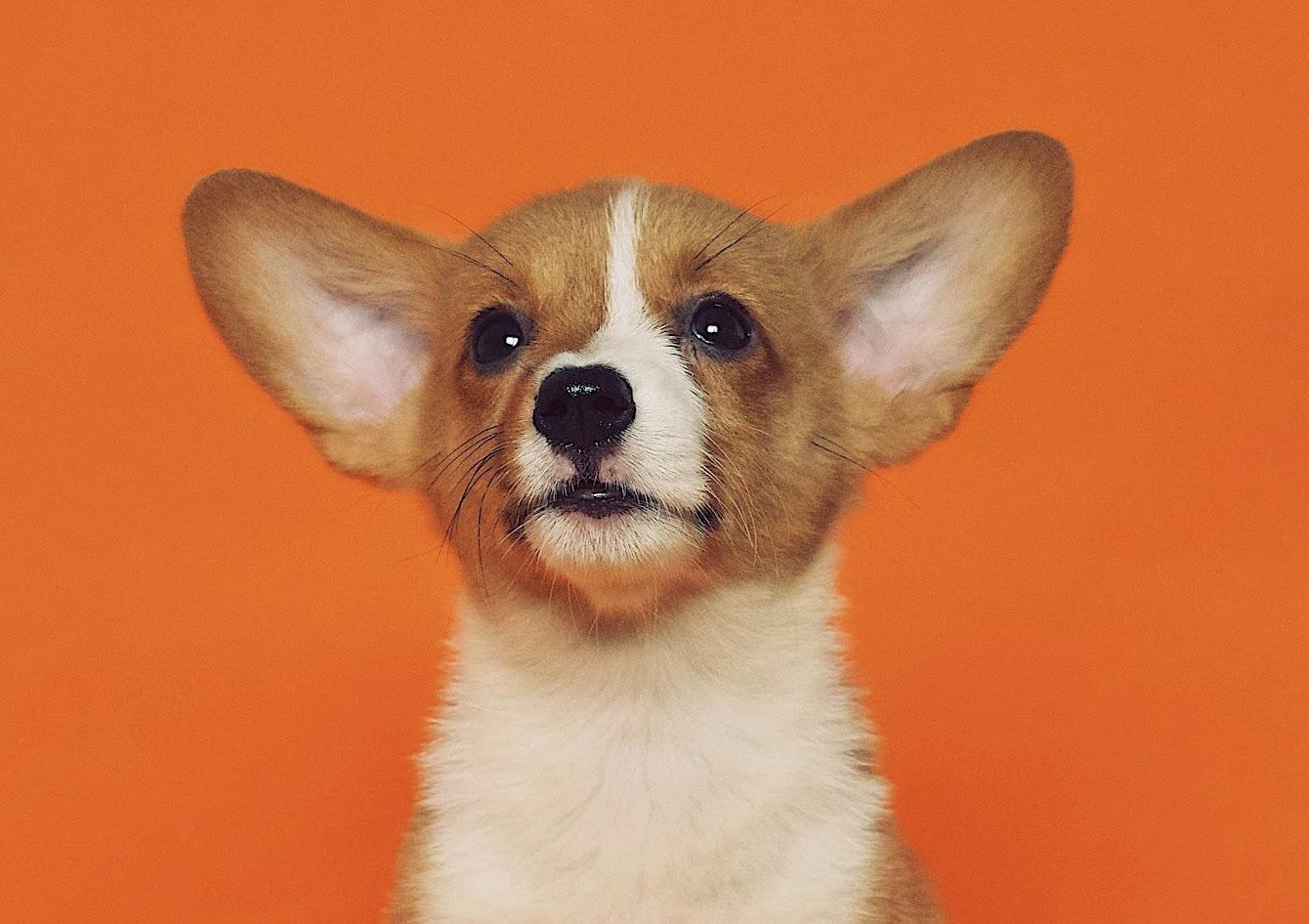
Our best friends don't see the world the way we do, but it's not a grayscale movie either. Their vision is dichromatic, meaning they mainly see blues and yellows. This actually suits their needs just fine, especially combined with excellent motion detection.
Touching baby birds doesn't make their mothers abandon them
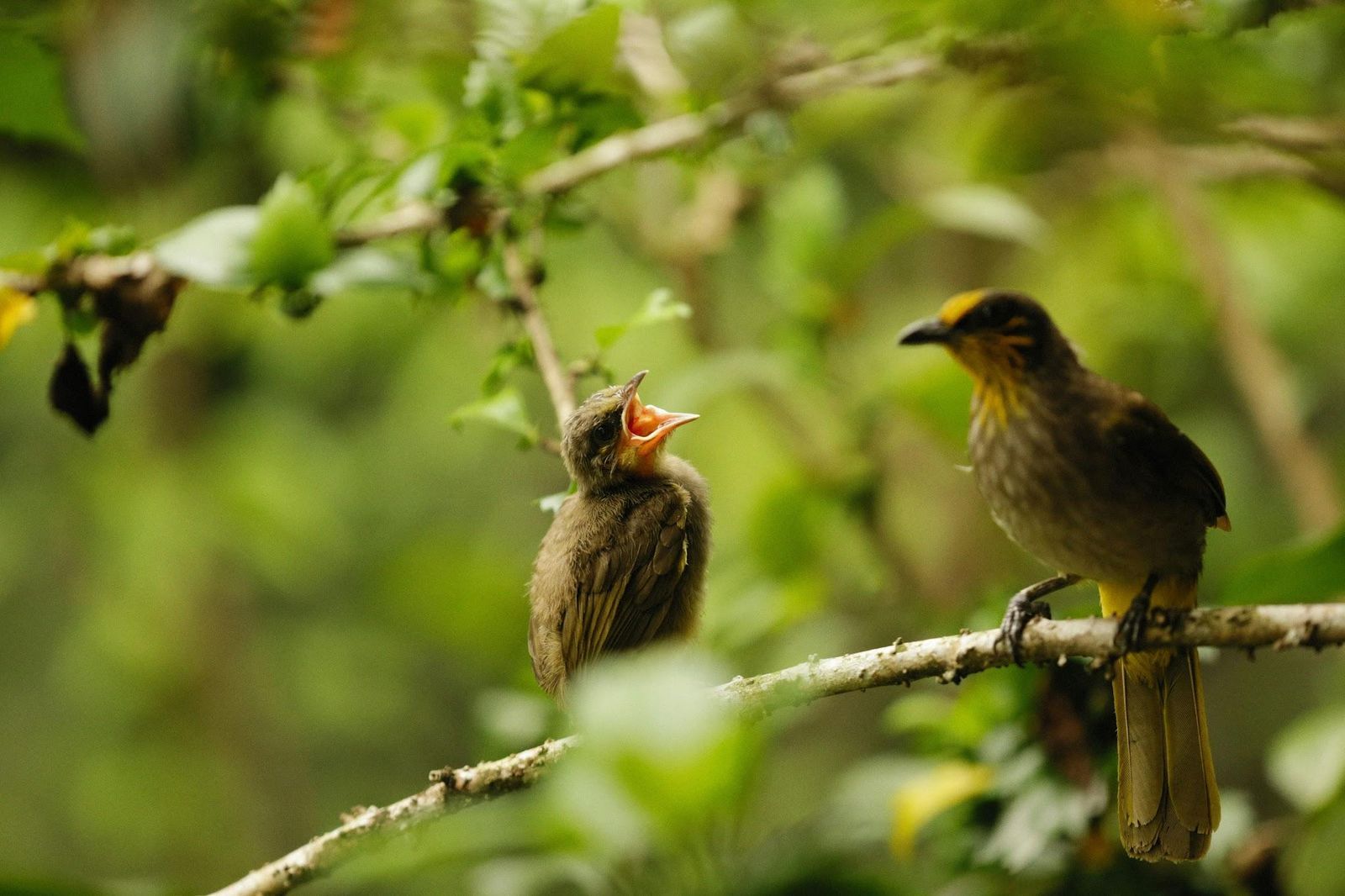
This warning has stopped generations of kids in their tracks, but it's largely untrue. Most birds have a very weak sense of smell, so it would be highly unlikely for them to detect human scent on their chicks!
What actually does cause trouble is too much disturbance near a nest, which can scare parents away temporarily.
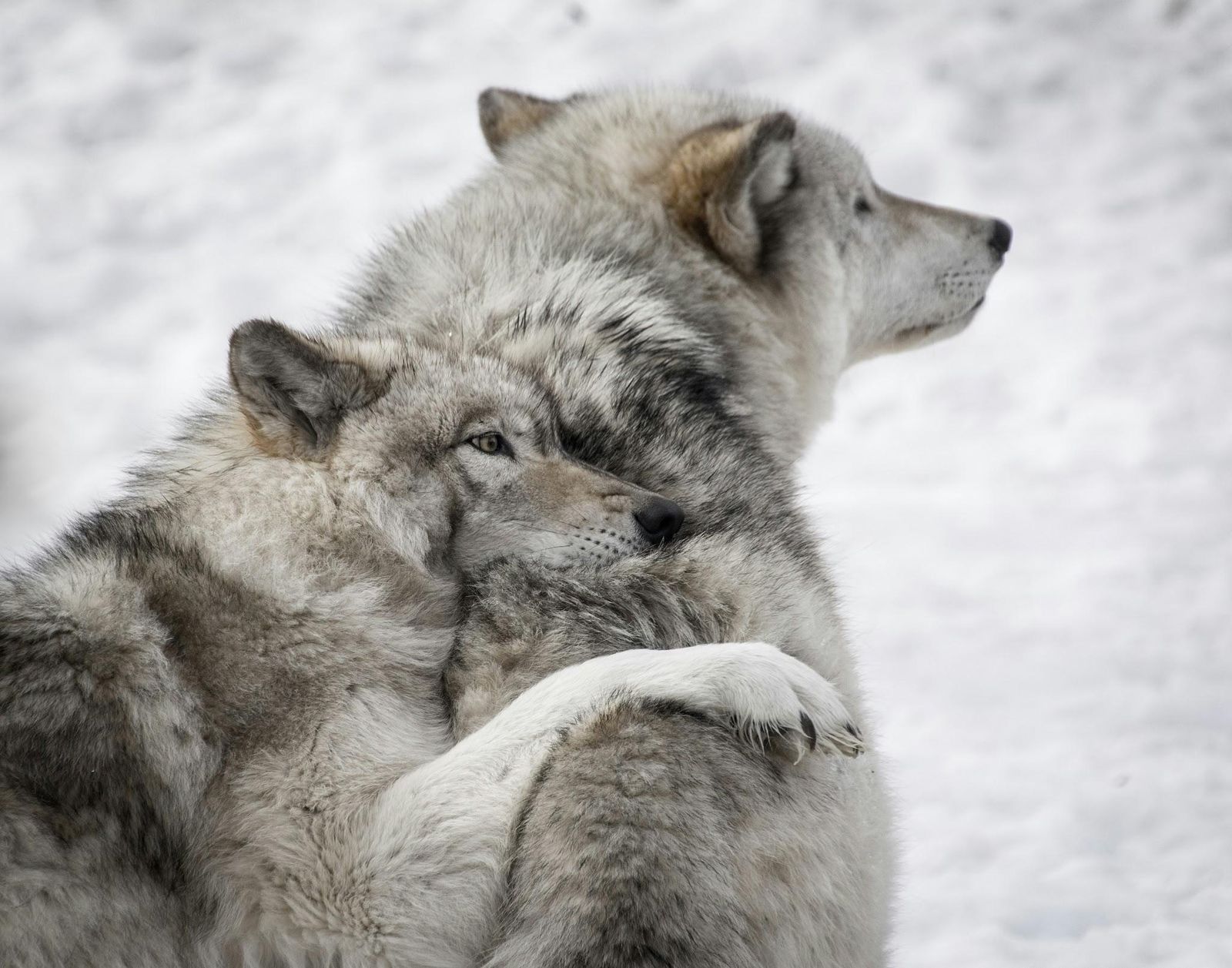
Wolves don't live by constant "alpha" battles
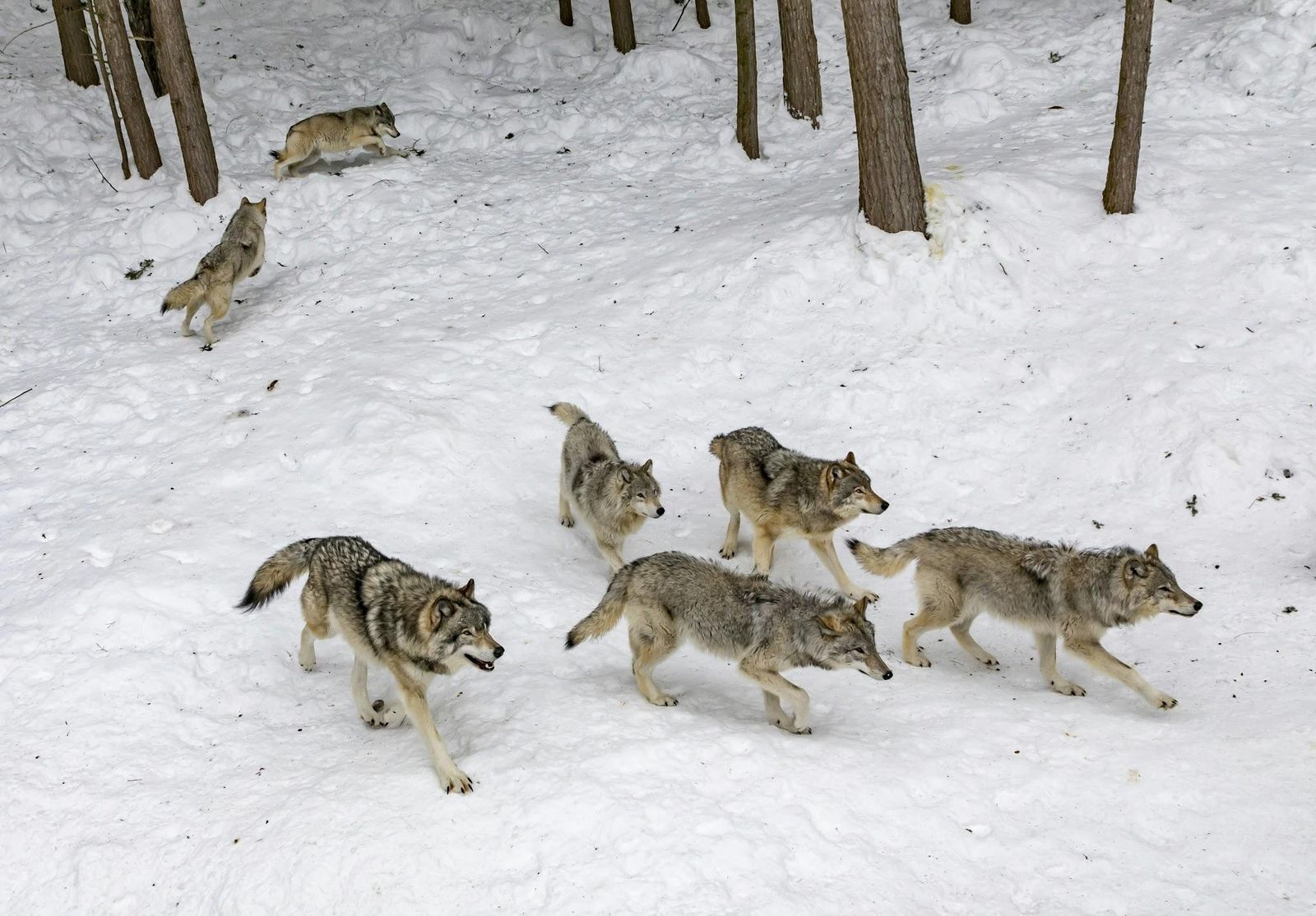
The idea of the ruthless alpha wolf fighting to stay on top sounds dramatic, and that may be why it stuck. But it turns out the theory came from studies of unrelated wolves kept in captivity.
In the wild, wolf packs are usually families: parents and their offspring, so leadership depends on age, and they rely on teamwork more than those experiments suggested.
Bulls don't hate the color red
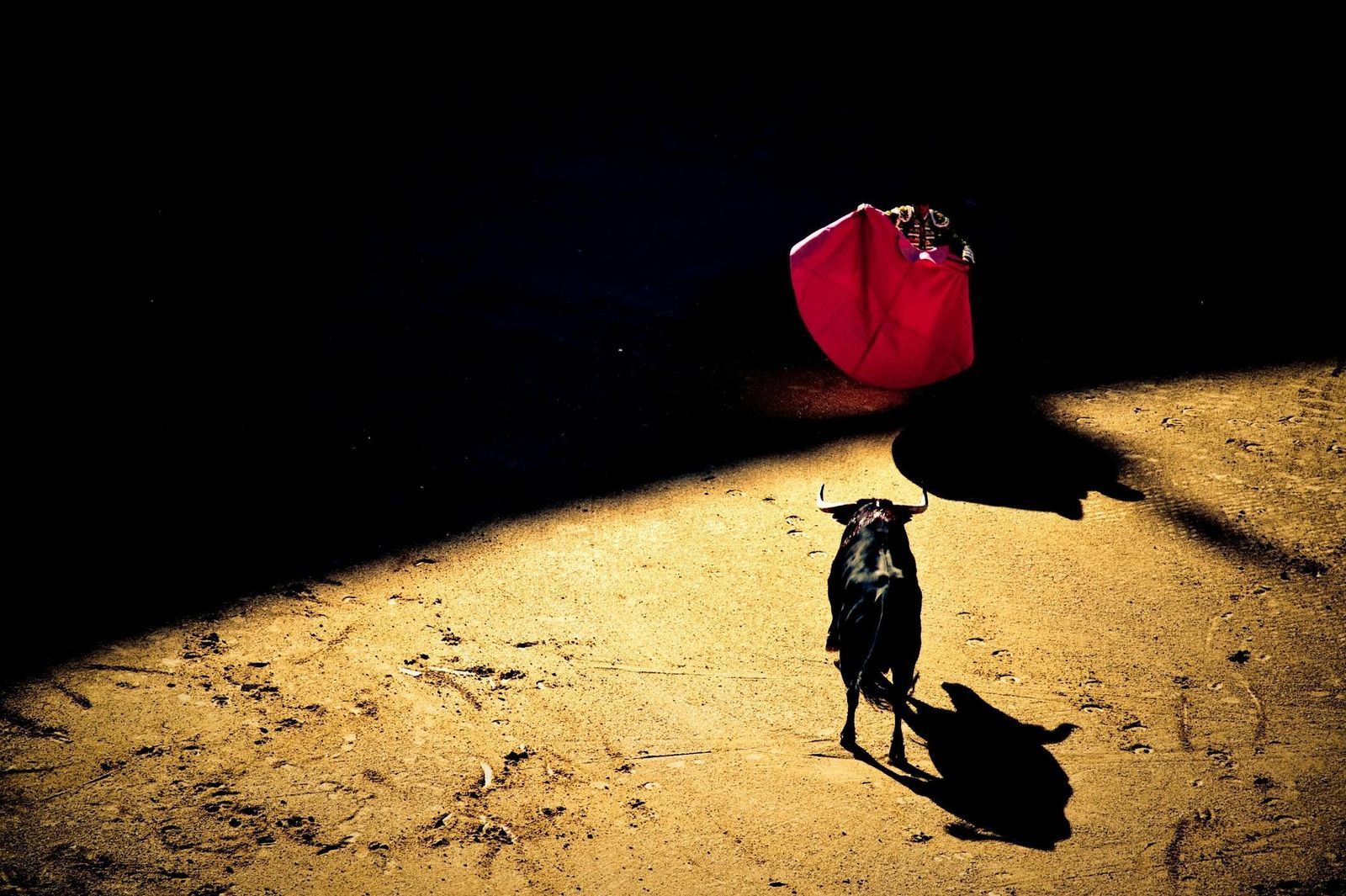
Despite what bullfighting suggests, bulls aren't enraged by red cloth. In fact, they can't even see red as a distinct color. What sets them off is movement, specifically the dramatic waving of the cape. The red color is mainly for tradition and to hide stains, not to provoke the animal.
Opossums don't "play dead" on purpose
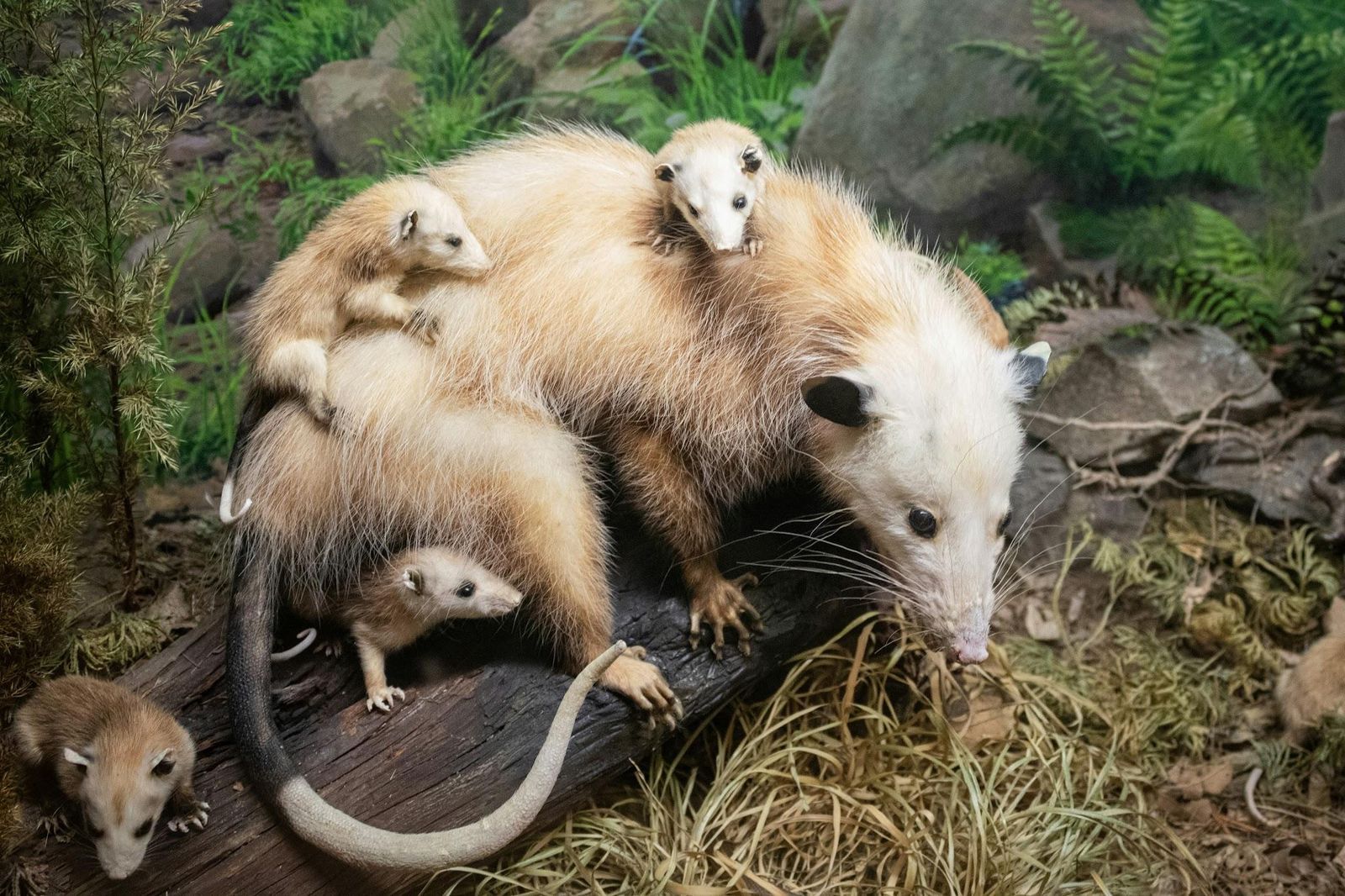
It's really more of a shutdown. When opossums are terrified, their bodies can enter an involuntary state that makes them stiff, unresponsive, and eerily lifeless. Their heart rate slows, their tongue may hang out, and they can even emit a foul smell.
Mice don't actually love cheese
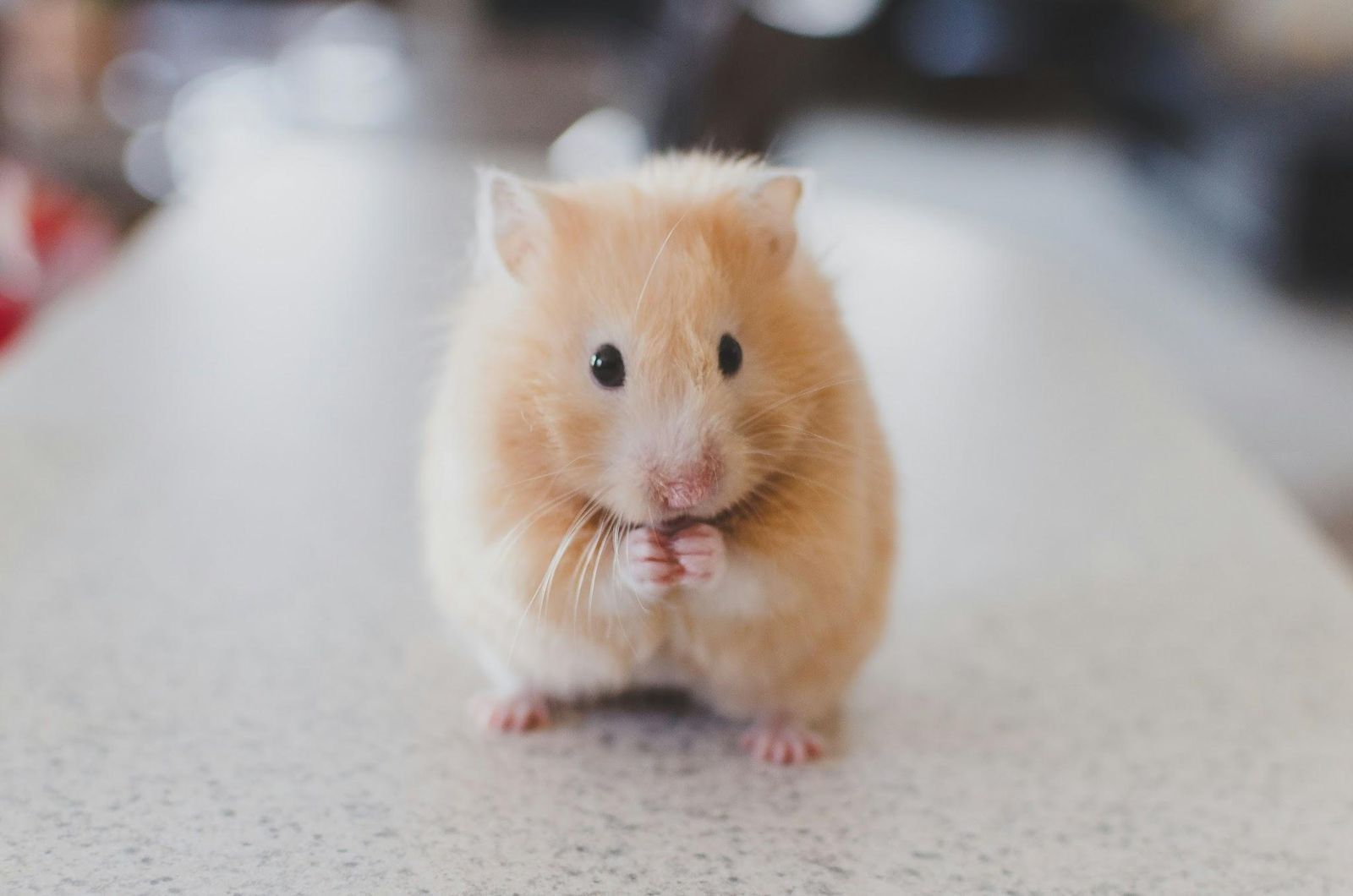
Cartoons did mice no favors here. While cheese makes a convenient visual gag, real mice tend to prefer foods like grains, seeds, fruits, and sweets. Cheese is often too strong-smelling and fatty to be their first choice.
Bears don't truly hibernate all winter
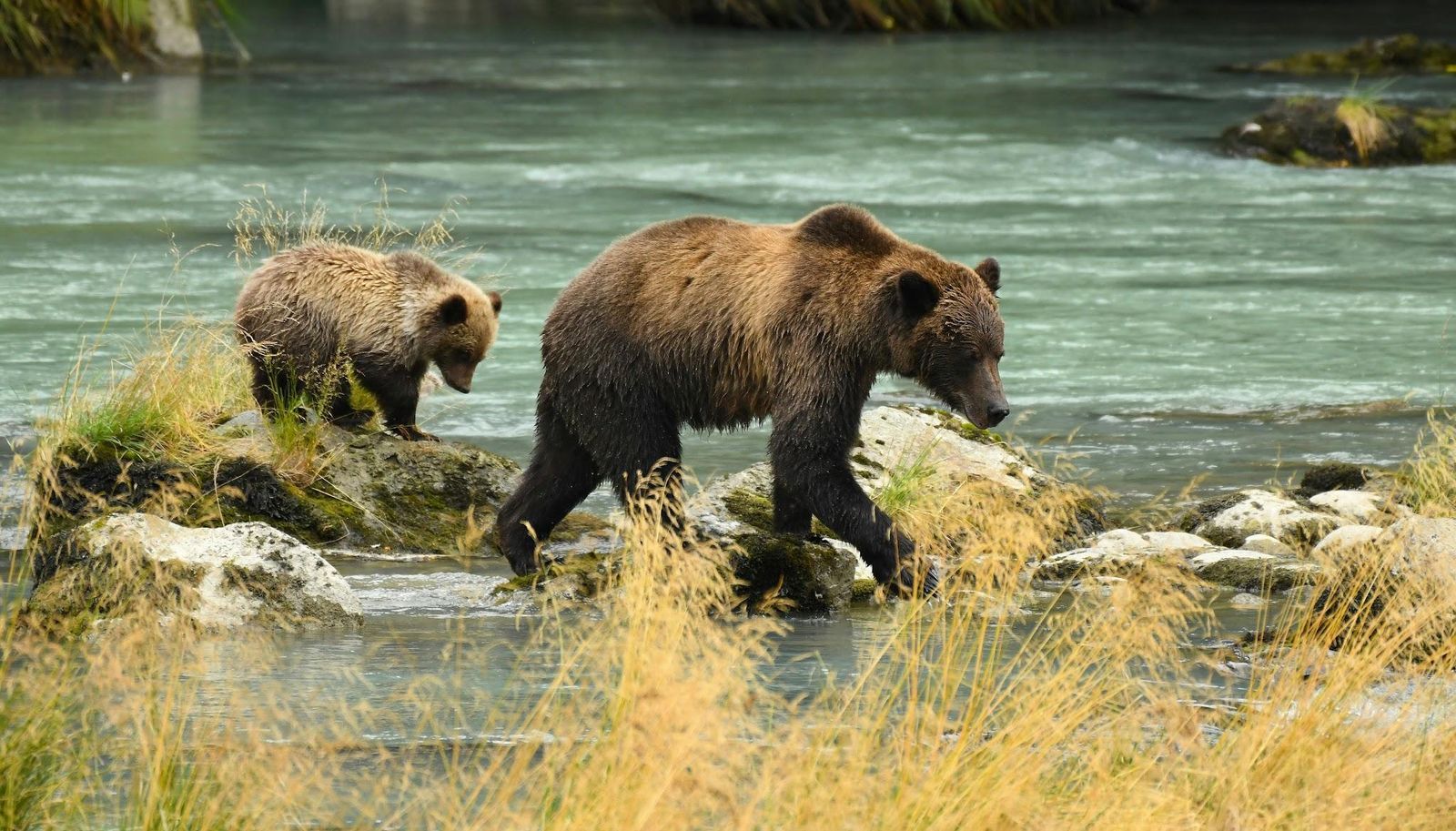
Bears are often described as sleeping straight through winter, but their version of hibernation is more flexible. They enter a state called torpor, where their metabolism slows, but their body temperature doesn't drop nearly as much as true hibernators like ground squirrels. That's why bears can wake up, move around, or even give birth during winter.
Pigs aren't filthy animals
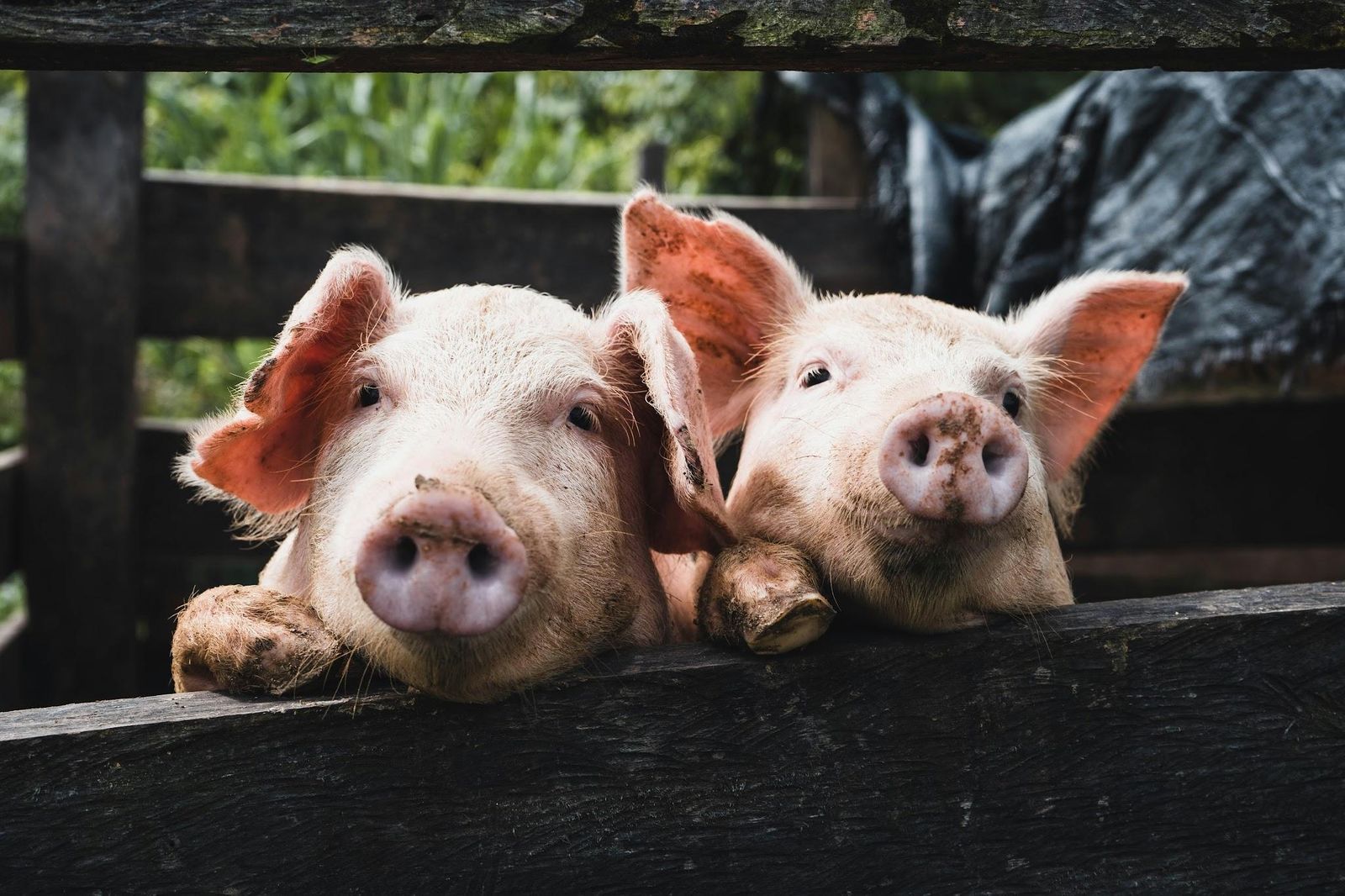
Calling someone a pig isn't fair to pigs. These animals are actually quite clean when given enough space. They roll in mud to cool down and protect their skin from sunburn, not because they enjoy being dirty. Left to their own devices, pigs separate sleeping, eating, and bathroom areas with surprising precision.
Camouflage doesn't make animals invisible
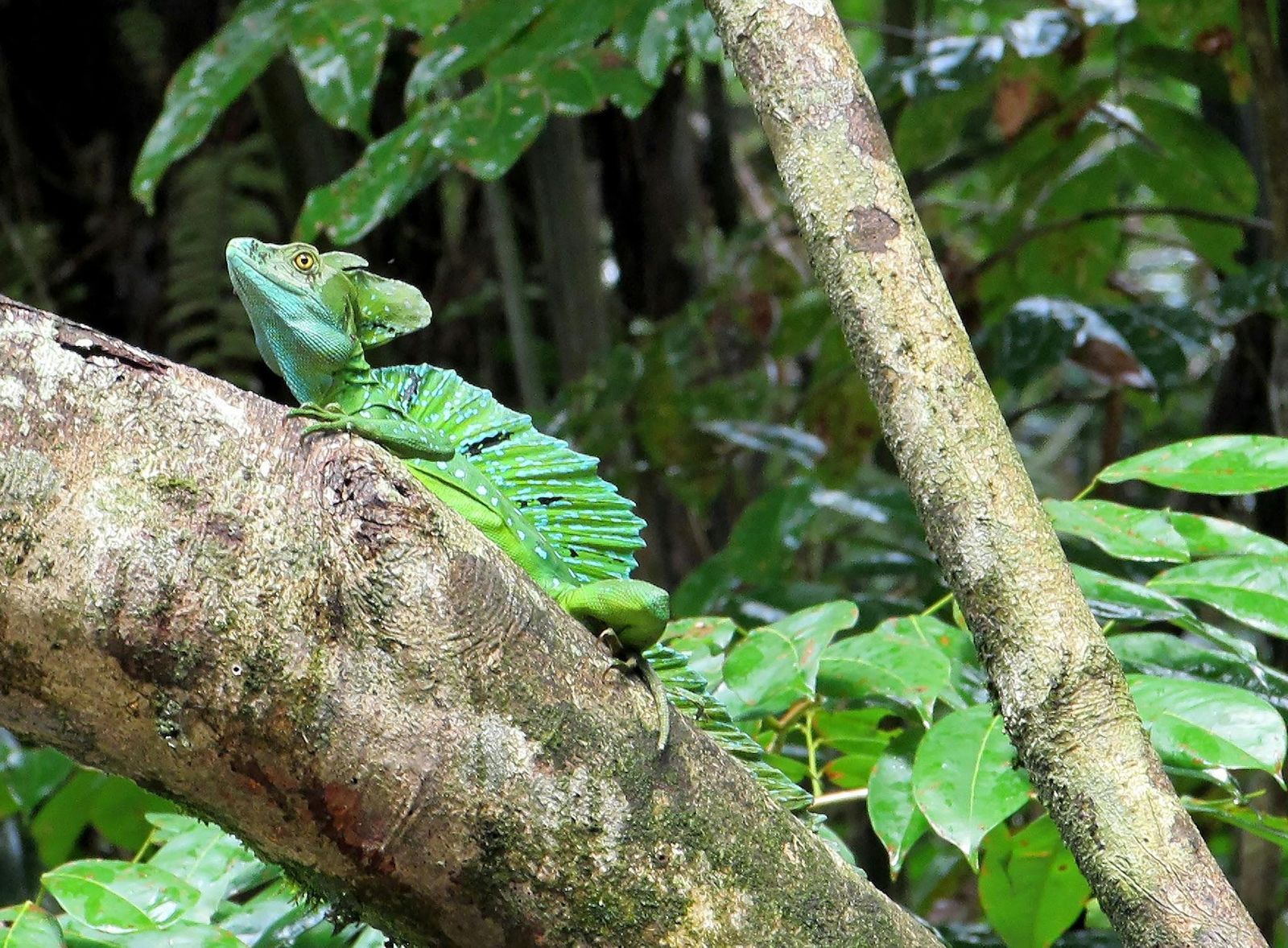
Animal patterns and colors help break up outlines and blend into environments, but they don't make creatures visibly disappear. Movement still gives them away, and predators and prey rely on sharp eyes to spot subtle changes.