Say it like locals

Do you know why "y'all" caught on outside the South?


Published on August 28, 2026
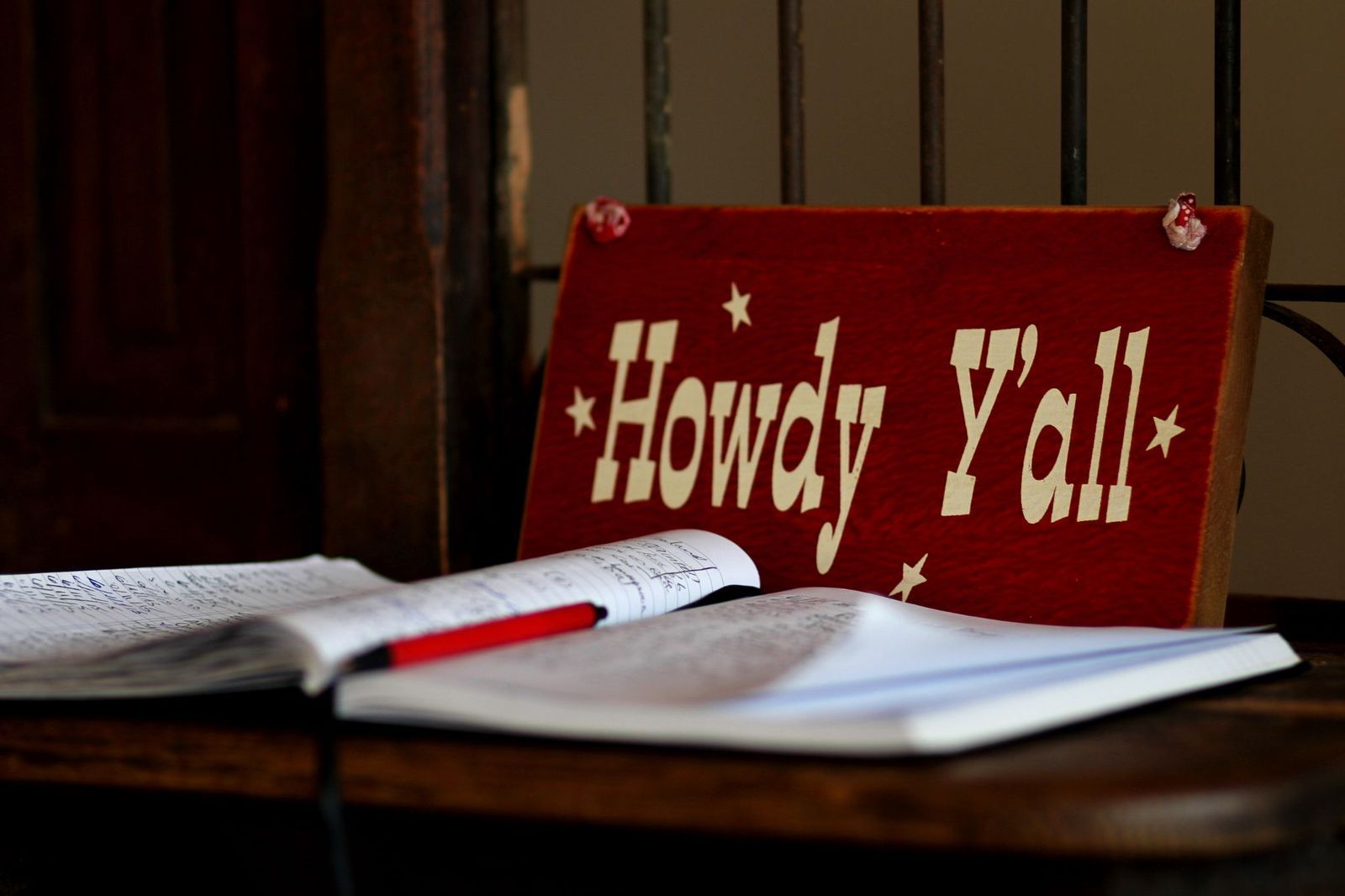

Image: Logan Bush

America's regional slang words are as interesting as they are funny. They say a lot about how folks in different corners of the country see the world, and what kind of culture took root there over the years. No accent or phrase is "better" than another; most are just practical, colorful, or a little window into what a community is like. Take "y'all," beloved down South, or "wicked," which New Englanders toss into sentences like seasoning. None of these are used only in the places we mention: they've just made themselves at home there.

1

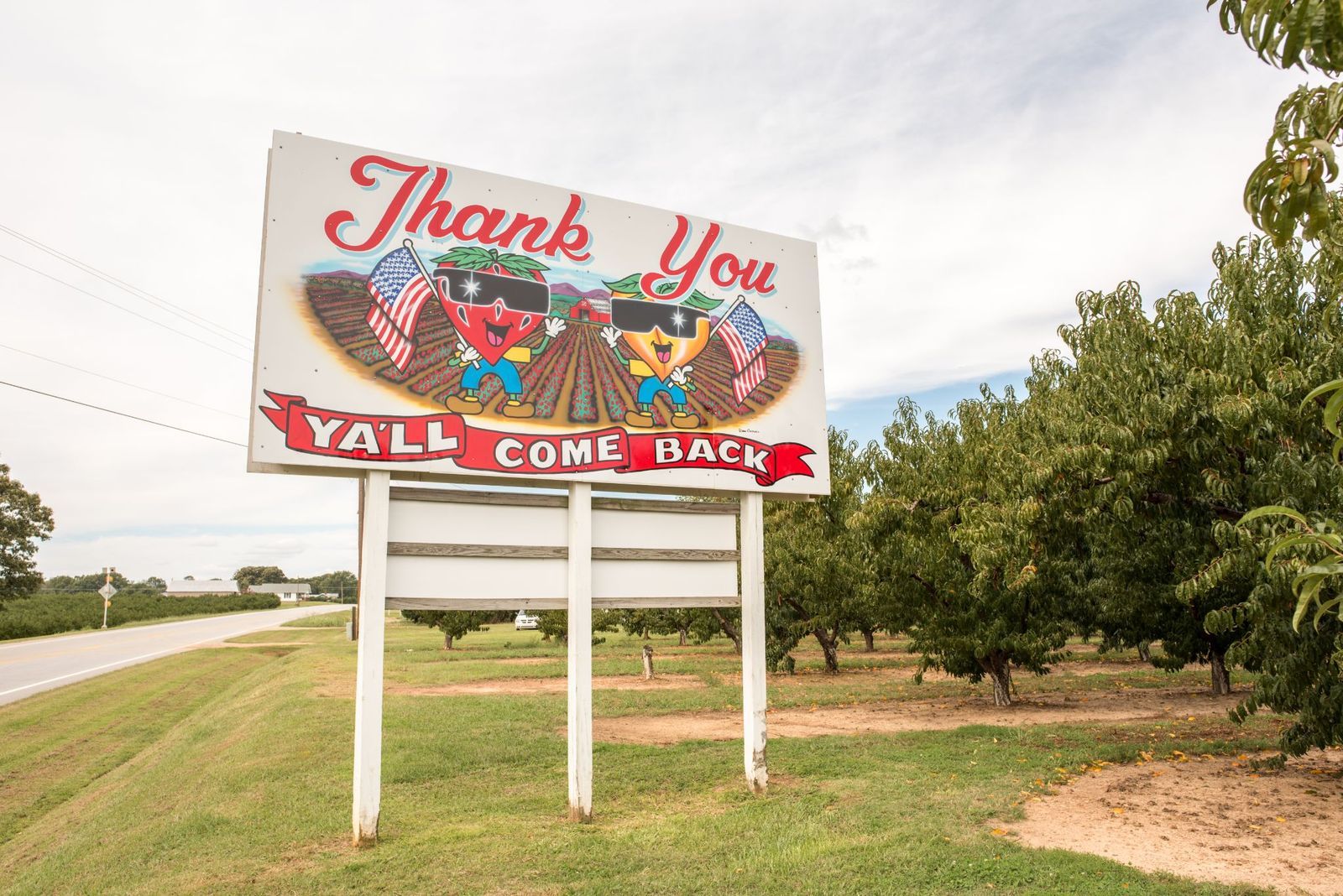
"Y'all" (the South)

Image: Page Light Studios

This one's everywhere below the Mason-Dixon line, and it's just useful: one word instead of "you guys" or "you all." Southerners use it constantly and unapologetically. Outsiders sometimes mock it as unsophisticated, then quietly start using it themselves within a year of moving South.

Even non-Southern celebrities get caught saying it on camera, then get roasted online, then keep saying it anyway.

2

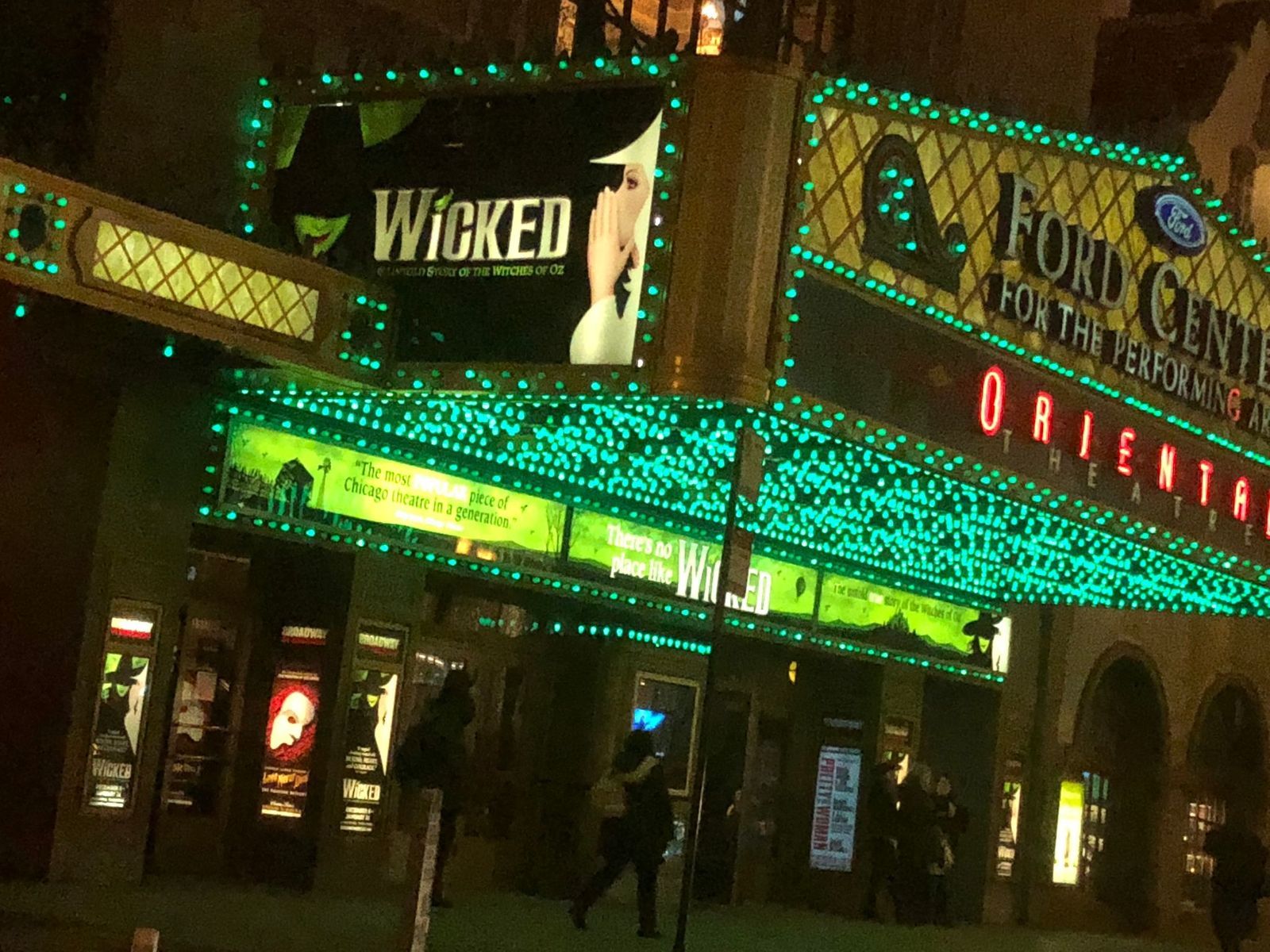
"Wicked" (New England)

Image: Kenz444

"That's wicked good" doesn't mean "evil"; it means "very". Bostonians and their neighbors use it as an all-purpose intensifier. Non-locals find it charming, sometimes exaggeratedly imitating it to poke fun at the accent.

Locals don't care; they'll say "wicked awesome" with total sincerity. It's practically a regional badge of honor, and attempts to phase it out over the decades have, wickedly, failed completely.

3

"Pop" vs. "soda" vs. "Coke" (regional map)
Image: banjongseal324SS

Order a "Coke" in Georgia, and you might get asked "what kind?" because down South, "Coke" means any soda. The Midwest says "pop," the coasts say "soda." This sparks genuine, good-natured arguments at family gatherings and road trip stops nationwide. Nobody's ever truly won this debate, and honestly, that's part of the fun.

4

Boston and New York accents

Image: AustralianCamera

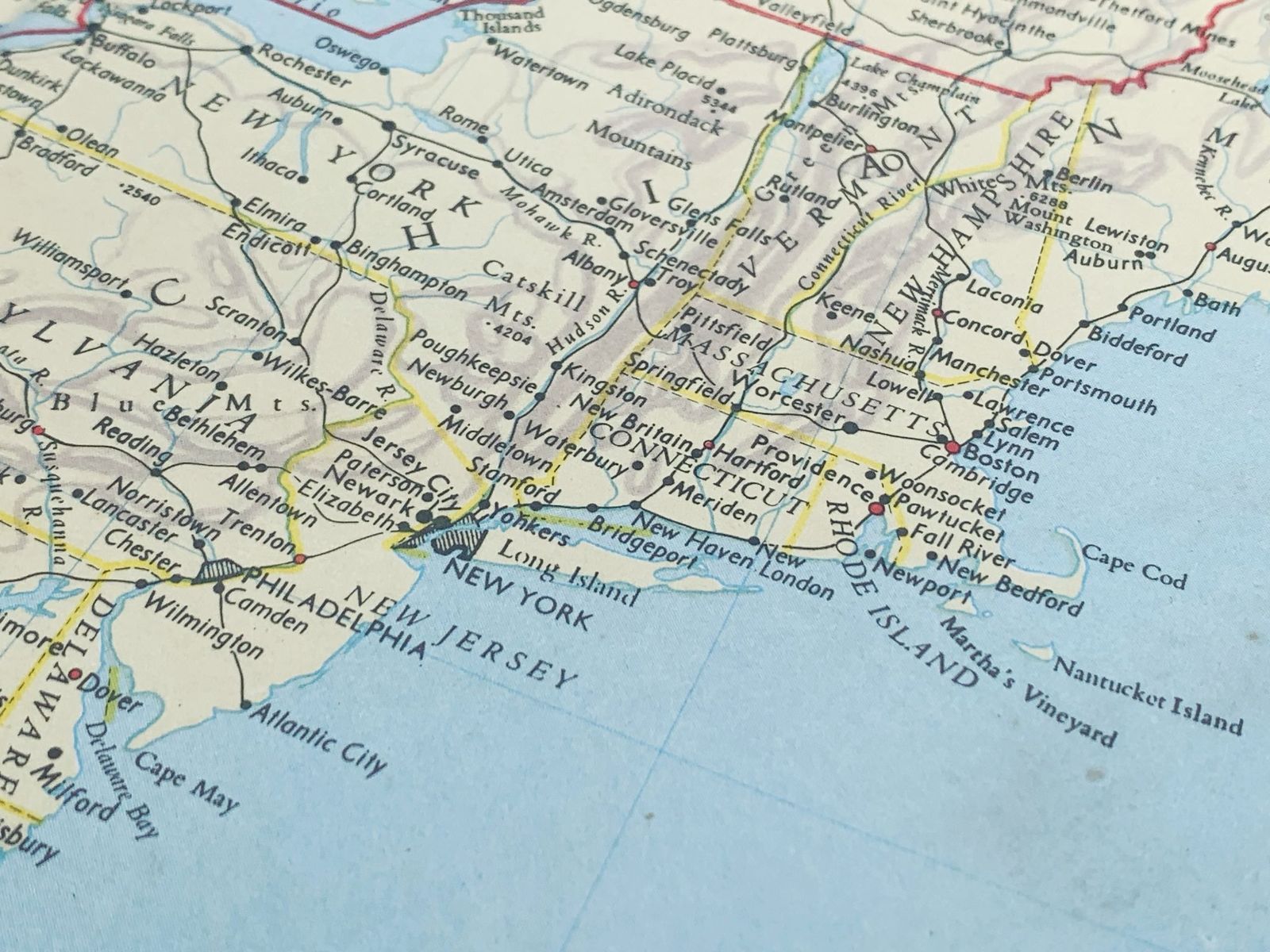
Both drop their R's, but they don't sound alike: ask any local, and they'll insist theirs is the "normal" one. Bostonians say "cah" for car; New Yorkers say "cawfee" for coffee. Outsiders often can't tell them apart, which mildly offends both sides.

TV and movies love exaggerating these accents, which locals alternately enjoy and find utterly ridiculous.

5

"Yooper" slang (Upper Michigan)

Image: Dennis MacDonald

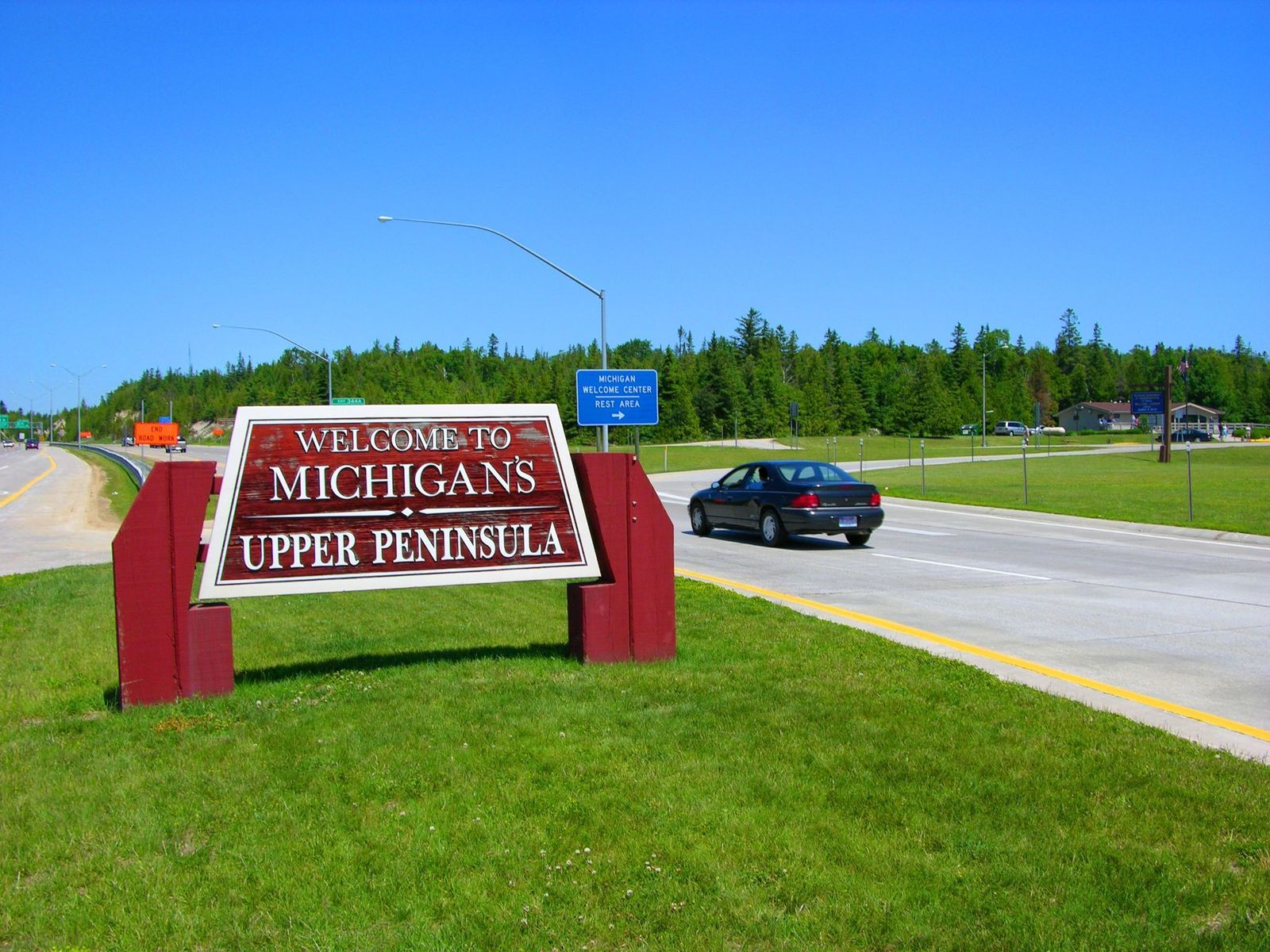
Life in Michigan's Upper Peninsula produced its own charming dialect, shaped by Finnish immigrants. Locals say "eh" often, eat "pasties" (savory meat pies), and call themselves "Yoopers" with pride.

Downstate Michiganders sometimes tease them as being from the middle of nowhere. Yoopers shrug it off; they've got snow, quiet, and a dialect nobody else can quite replicate.

6

Cajun and Creole expressions (Louisiana)
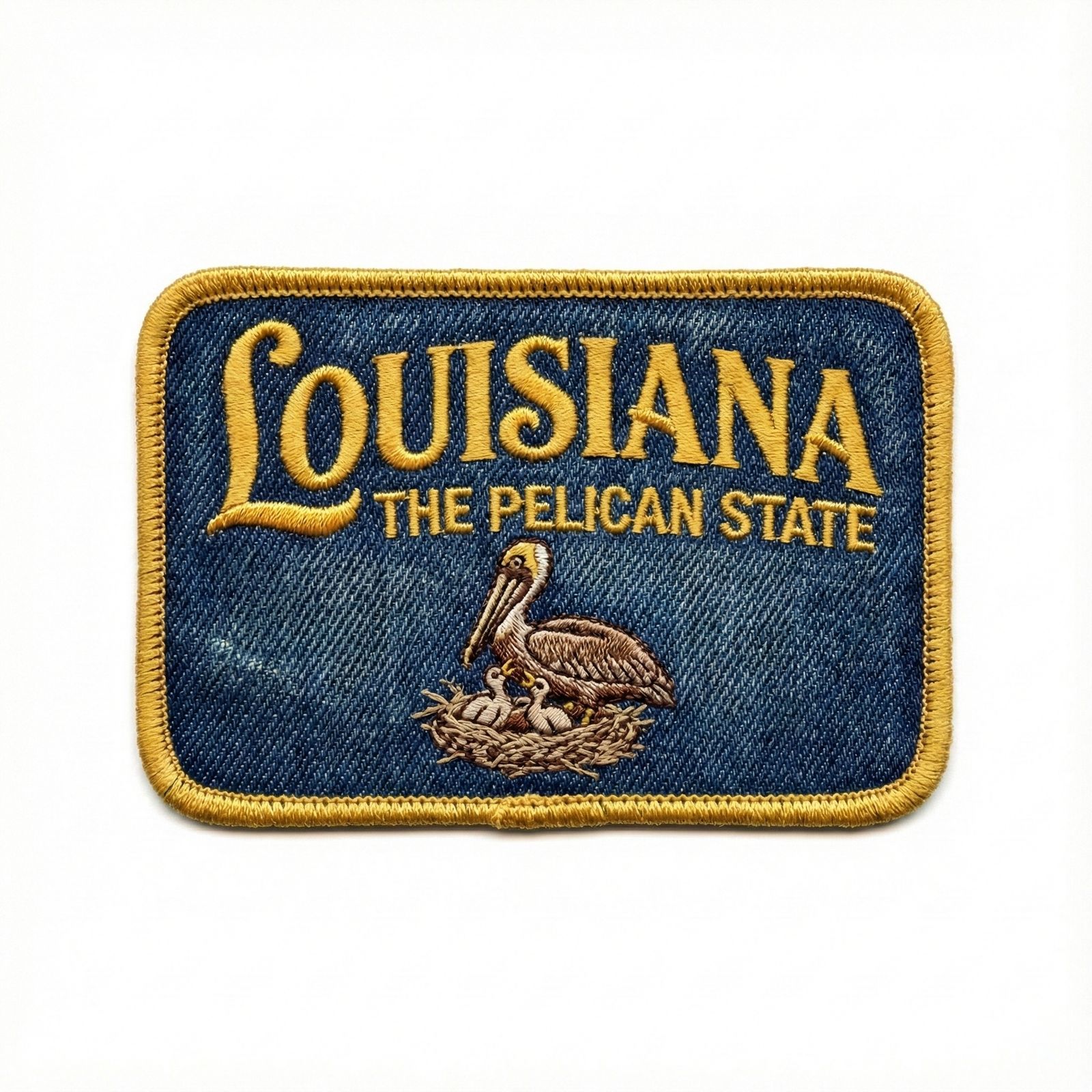
Image: RadikSunShine

South Louisiana blends French, Spanish, and African influences into phrases like "making groceries" (grocery shopping) or "lagniappe" (a little something extra). Visitors often find it delightfully musical and confusing in equal measure. Locals wear it proudly, treating their dialect as inseparable from their food, music, and heritage.

Try pronouncing "Natchitoches" correctly on your first attempt; it's a rite of passage.

7

Hawaiian Pidgin

Image: Pierre Leclerc

This is a genuine, full creole language, not just an accent, blending English, Hawaiian, Japanese, and more. Mainlanders visiting sometimes assume it's simply broken English, which locals find both amusing and mildly irritating.

Within Hawaii, pidgin is a point of deep identity and connection. Using it casually, even imperfectly, tends to earn warm smiles rather than criticism.

8

Texan expressions ("fixin' to," "all hat, no cattle")
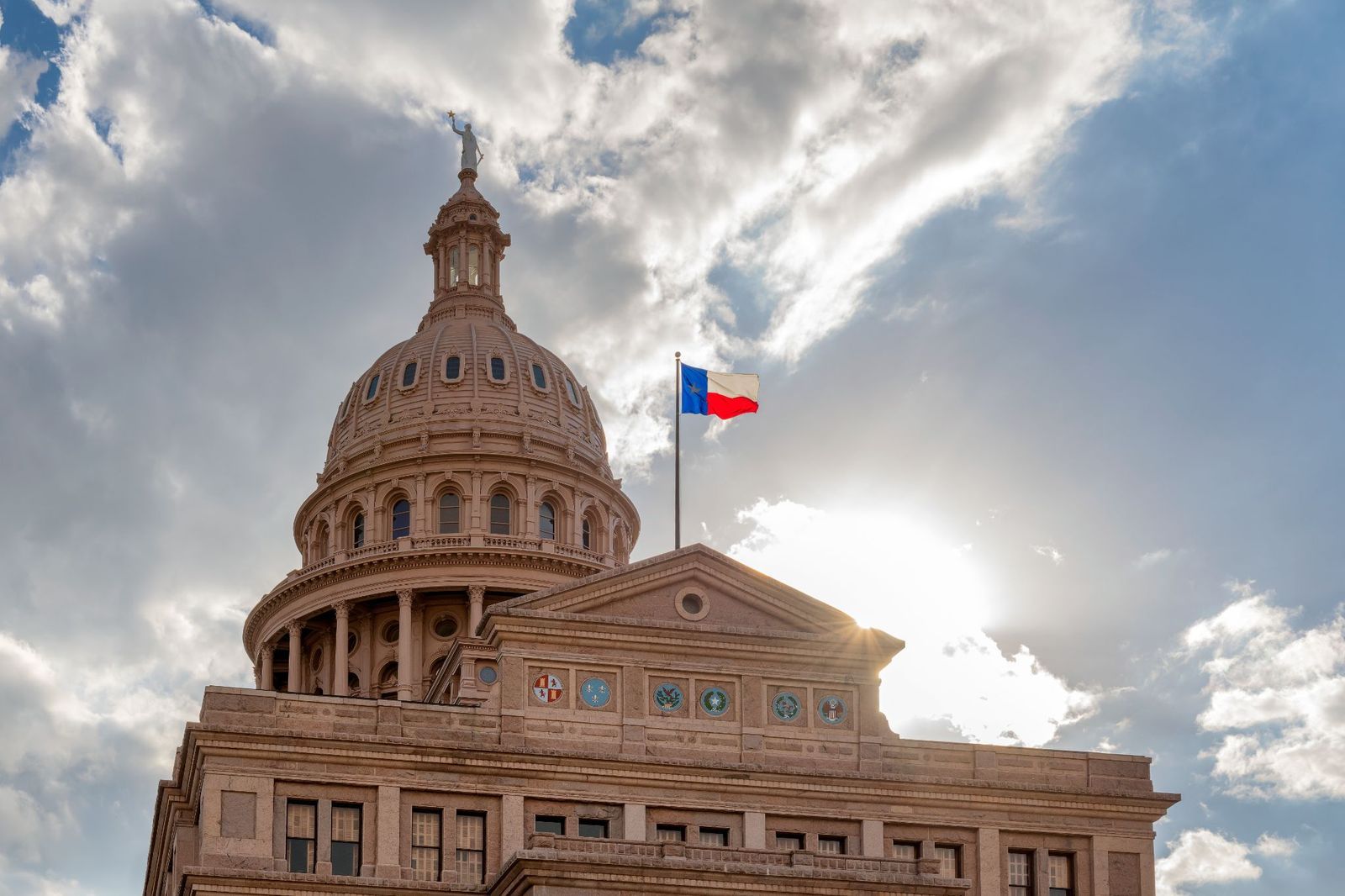
Image: Lucky-photographer

Texans have a phrase for everything, often laced with dry humor. "Fixin' to" means "about to," while "all hat, no cattle" politely calls someone a fraud. Non-Texans often find these expressions delightfully quotable and borrow them for fun. Texans, meanwhile, consider their vocabulary practically its own dialect, proudly distinct from the rest of the South.

9

California surfer slang

Image: Daria Voronchuk

Words like "gnarly," "stoked," and "hang ten" came straight off the beach and into mainstream American vocabulary decades ago. Non-surfers everywhere adopted them, often without knowing the origin. Actual surfers sometimes roll their eyes at overuse by tourists and marketers. Still, it remains one of the most exported regional vocabularies in the whole country.

10

Regional sandwich words (hoagie, sub, grinder, hero)
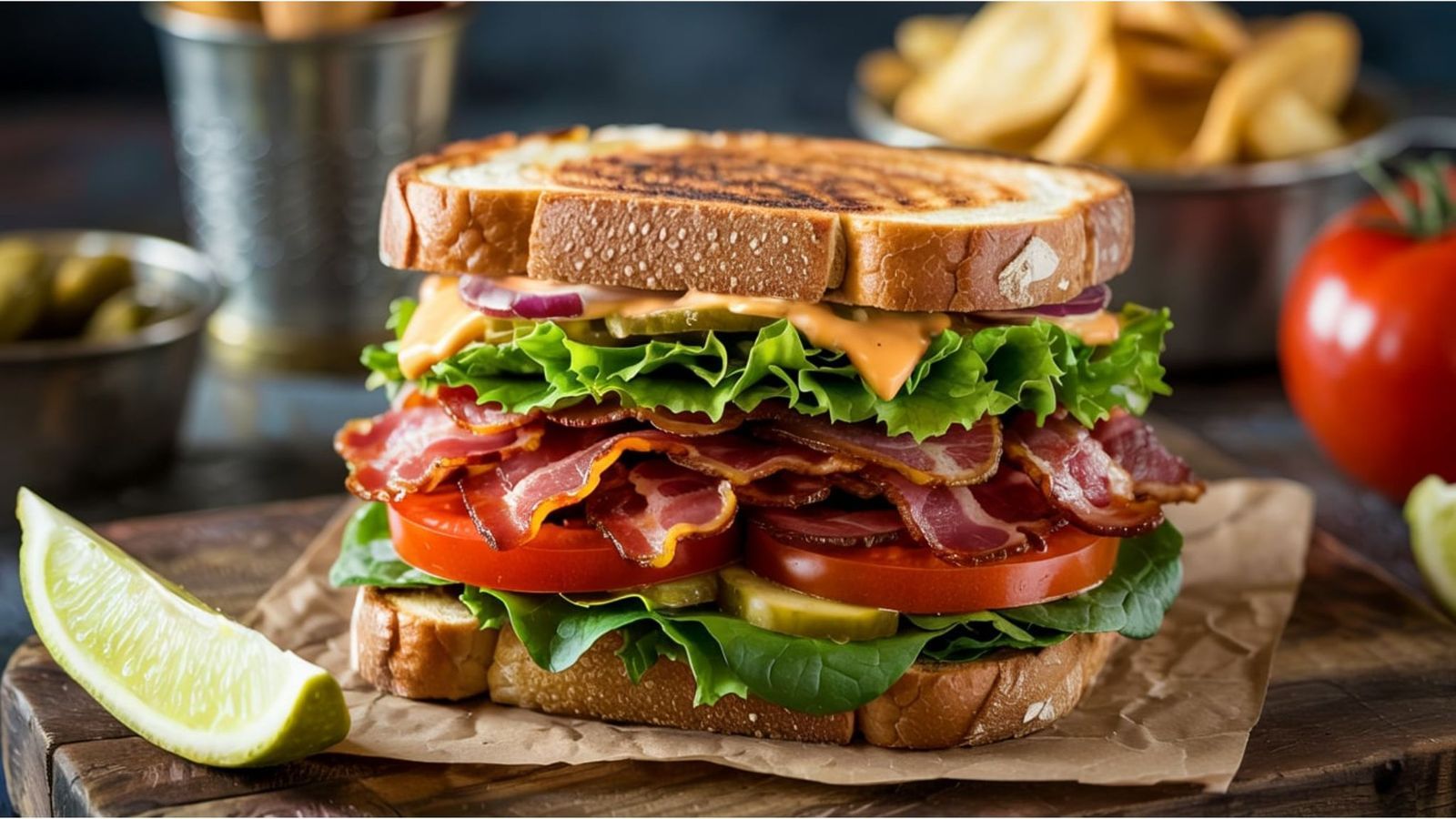
Image: Food is Love

Philadelphia says "hoagie," New York says "hero," New England says "grinder," and most everywhere else says "sub." Order one by the "wrong" name in the "wrong" city, and you may get a good-natured correction from the person behind the counter. It's a beloved, low-stakes debate—delicious regardless of what you call it.


Figments of the imagination

Abandon ship! 12 mysterious islands in fiction


Published on August 28, 2026


Image: Jad Limcaco

Whether idyllic or dangerous, mapped or mysterious, fictional islands make us want to get on a boat and become castaways. Cinema, television, and literature have allowed us to discover countless exotic lands that, despite being invented, are still fascinating. From Atlantis to Neverland, discover 12 fictional islands that, although they never existed, have earned a well-deserved place on the maps of world culture.

1

Atlantis

Image: ArtSpark

The legendary island of Atlantis is arguably the inspiration for many of the other islands listed in this article. It first appeared in Plato’s writings and was described as a naval empire that ruled all Western parts of the known world. Since then, Atlantis has become an allegory for lost civilizations and has been depicted in literature, films, and television shows many times.

Although nowadays everyone agrees on the story's fictional nature, there is still a debate on whether a real place influenced Plato. The search for it has attracted the attention of fictional heroes, but many real-life archaeologists and explorers have also devoted much time and effort to the quest.

2

Treasure Island

Image: Nadjib BR

A tale of pirates and treasures buried in the sand, Robert Louis Stevenson's novel laid the groundwork for the Caribbean island archetype —beautiful, exotic, and deeply wild— that other writers and screenwriters would later replicate for decades.

In addition to the numerous film and television adaptations, the characters, setting, and events of this novel have greatly influenced modern imagery of pirate fiction, including schooners, treasure maps marked with an "x," and one-legged sailors with parrots on their shoulders.

3

Isla Nublar & Isla Sorna

Image: Dave Harwood

Isla Nublar and Isla Sorna are two islands supposedly located west of Costa Rica in the Pacific Ocean that serve as the main setting in the novels and film adaptations of Jurassic Park. However, for the film version, Steven Spielberg used the Hawaiian island of Kauai as a stand-in for the fictional islands.

On Isla Nublar lies the zoo that houses the genetically engineered dinosaurs created by John Hammond and the InGen Corporation. On Sorna, on the other hand, the dinosaurs are on the loose. Fun fact: Isla Nublar is perhaps the only island people can actually visit —so to speak— since there’s a replica at Universal Islands of Adventure in Orlando, Florida.

4

Ithaca

Image: Michael

Odysseus visits countless islands during his great journey back home: the island of the nymph Calypso and the beautiful sorceress Circe, the island of the Lotophages, the island of the Cyclops, and the island of the gigantic Lestrygonians, among many others. However, the one that stands out the most in the work of the Greek poet Homer is Ithaca, home to his beloved Penelope and his son Telemachus.

Although there is an island of the same name in Greece, Homer's Ithaca is a figment of his imagination. The author describes it as a rocky island, unsuitable for horse breeding but rich in wheat, vineyards, and pastures.

5

Skull Island

Image: Hanson Lu

Skull Island is a fictional island lost in the Indian Ocean, somewhere off the coast of Sumatra. In the center of the island stands a huge rock that resembles the shape of a human skull, from which it gets its name.

Skull Island is the home of King Kong, several other prehistoric species of creatures, and a primitive human society. It's the main setting of three major films and a pseudo-documentary about the island's animal life.

6

Utopia

Image: JCK5D

This idyllic island lost in the middle of the ocean appears in the works of Thomas More. Utopia is an example of the perfect state where its inhabitants enjoy physical and moral well-being. Utopia literally translates as "no place", coming from the Greek οὐ ("not") and τόπος ("place").

Inspired by the fantastic narratives of the New World, More imagined an island created by the people, a crescent-shaped belt of land, housing 54 city-states all of equal size where religious freedom is celebrated and private property is condemned.

7

The island

Image: Olga Subach

"The Island" is the major setting of the popular six-season-long television show Lost. This particular fictional island is not only a remote and mysterious place, it also serves as a character.

The Island has mysterious powers that can go beyond its geographic location. It is difficult to find and can apparently "move" through an unknown process. This place is so incredible that it features time travel, slave ships, supernatural monsters, large deadly animals, hidden treasures, scary scientists, supervillains, references to antiquity, and more. In short, a combination of various aspects of the other islands on this list rolled into one.

8

Carnivorous Island

Image: Hoodh Ahmed

Deserted islands are often a metaphor for human isolation. This thesis is more than proven in Life of Pi, a best seller and famous film about a boy who must survive a journey back to civilization accompanied by a Bengal tiger.

The island in Life of Pi is hauntingly beautiful at first glance, with jungles, meerkats, food, and drink. However, it soon reveals itself to be carnivorous, feeding on its own inhabitants and reminding Pi that excessive comfort can also be dangerous.

9

Lincoln Island

Image: Snapwire

The book The Mysterious Island was a sequel to Jules Verne's famous Twenty Thousand Leagues Under the Sea and In Search of the Castaways. In this story, five men, Northern prisoners during the American Civil War, find a way to escape thanks to a hot air balloon. After several days suspended in the air due to a hurricane, they finally land on an island they name Lincoln, in honor of Abraham Lincoln.

While on the island, thanks to the protagonist's knowledge in the fields of physics, agriculture, and chemistry the group are able to sustain themselves. When they find a message in a bottle a whole host of adventures ensue.

10

Neverland

Image: Greg Rakozy

Neverland is a fictional island described in J. M. Barrie's fantasy play and novel Peter Pan. Remote and exotic, on this island children don’t grow up and live without rules or responsibilities, spending most of their time having fun and living adventures.

Neverland is home to the Lost Boys, fairies, fearsome pirates, Indians, mermaids, and other fantastic creatures that inhabit the jungles and deep waters. According to the legend, if you want to reach Neverland, you must fly to the top of the sky and turn to the second star on the right, flying until sunrise.

11

The island of Doctor Moreau

Image: Tom Winckels

While some islands offer sun, beaches, and a warm climate, not many can boast a community of wild human-beasts created by a mad scientist. The island of Doctor Moreau, or Noble Isle, as described in the original book by H.G. Wells, is an isolated piece of land populated by animal-human hybrids trying to find a balance between their social principles and their animal nature.

Multiple film adaptations of this story, and the whole notion of animal experimentation by a mad scientist, serve as a definite precursor to Jurassic Park, and probably a few of the storylines in Lost.

12

Fantasy Island

Image: Nenad Radojčić

Mr. Roarke, an enigmatic host at a luxury resort on a mysterious island somewhere in the Atlantic Ocean receives people who arrive by seaplane, upon payment of US$50,000, to make their most extravagant dreams and fantasies come true.

Although not fully described in the television series aired from 1977 to 1984, on this island some fantasies have to do with the real world and others have mythological elements. Whatever the case, there is always some mystery, illusion, and wizardry involved in the plots.

Looking for an extra scoop of literary fun?

Learn more with our Word of the day

debug

/ˌdiˈbəɡ/