Say it like locals
Do you know why "y'all" caught on outside the South?
Published on August 28, 2026
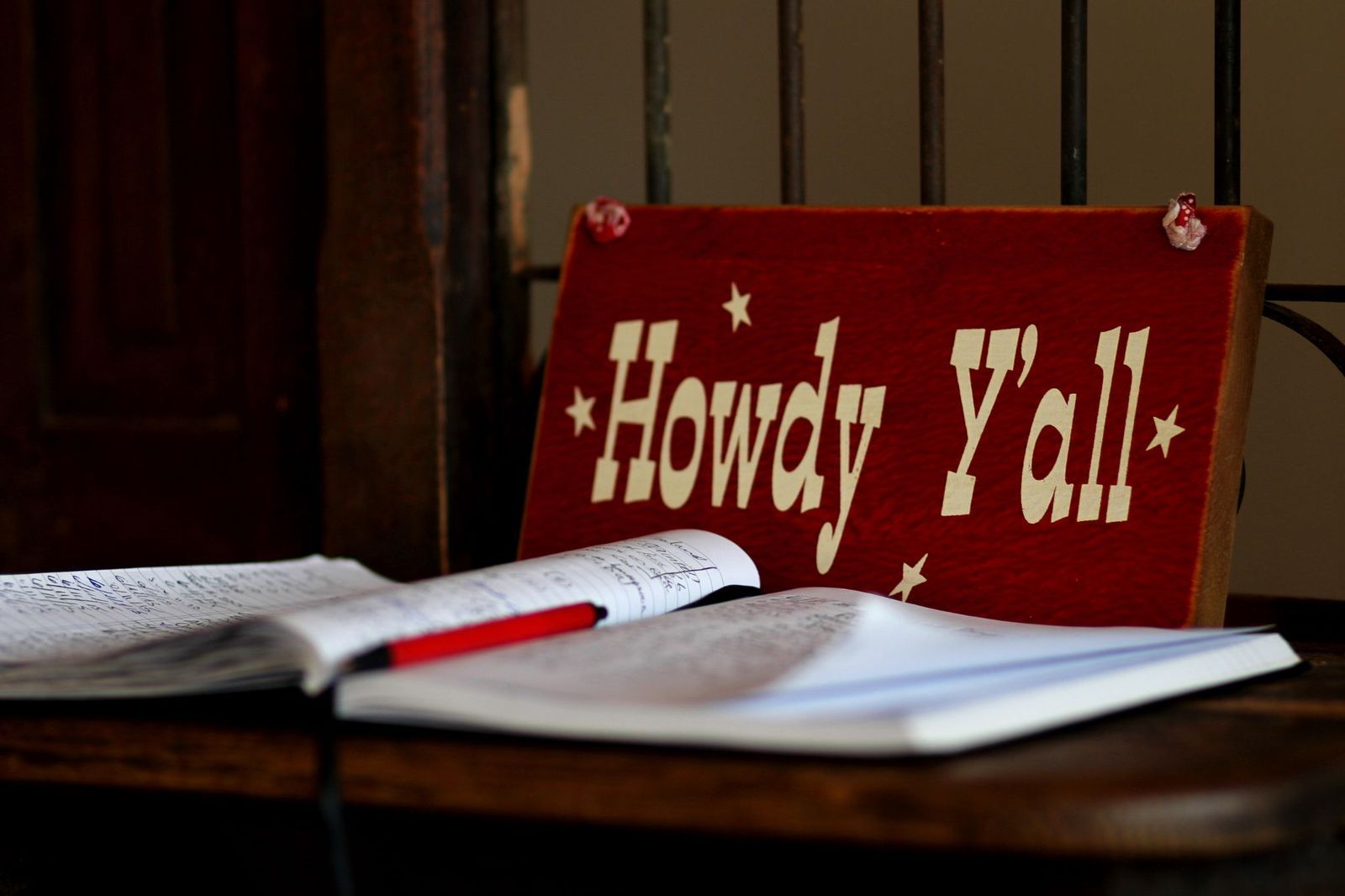
America's regional slang words are as interesting as they are funny. They say a lot about how folks in different corners of the country see the world, and what kind of culture took root there over the years. No accent or phrase is "better" than another; most are just practical, colorful, or a little window into what a community is like. Take "y'all," beloved down South, or "wicked," which New Englanders toss into sentences like seasoning. None of these are used only in the places we mention: they've just made themselves at home there.
"Y'all" (the South)
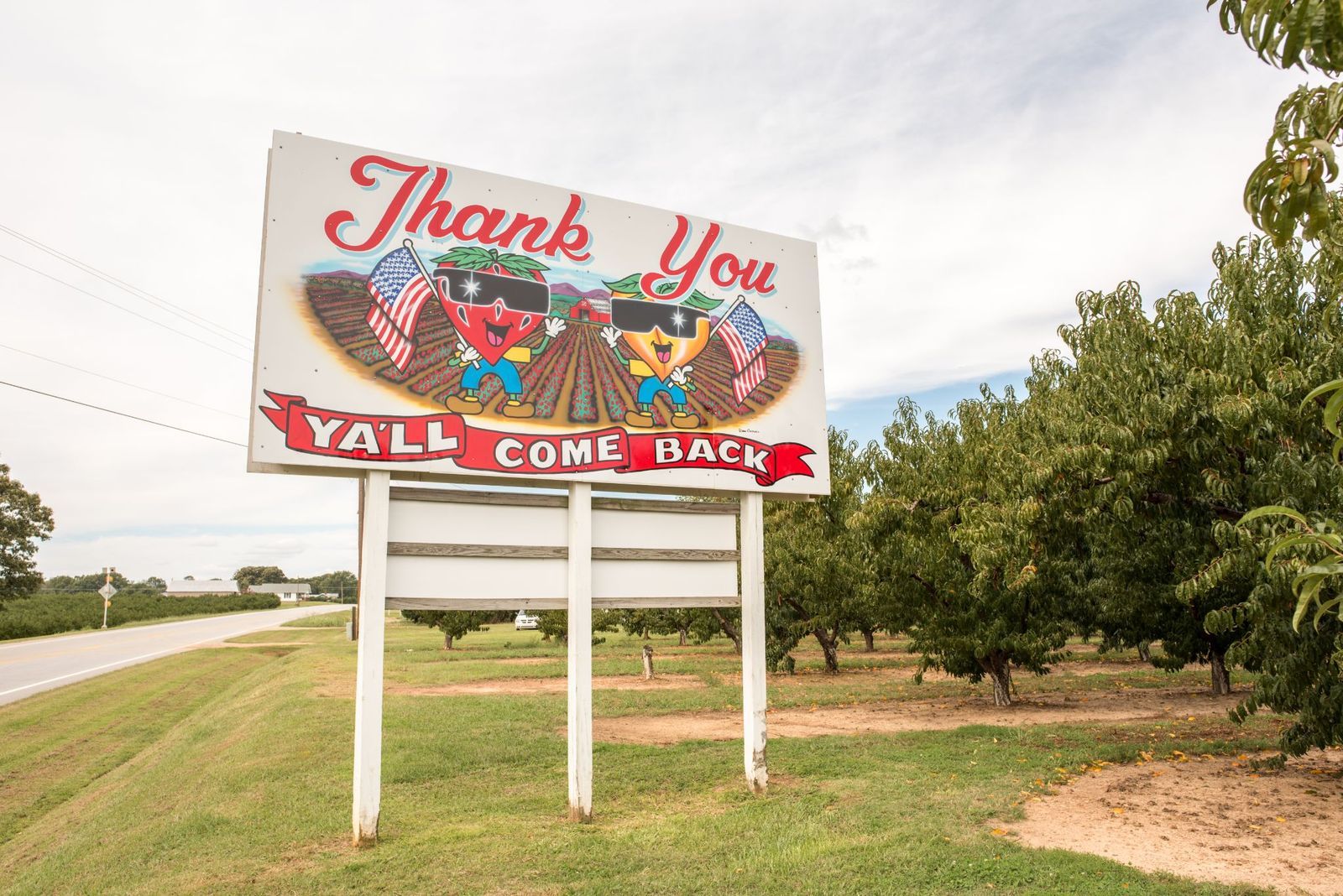
This one's everywhere below the Mason-Dixon line, and it's just useful: one word instead of "you guys" or "you all." Southerners use it constantly and unapologetically. Outsiders sometimes mock it as unsophisticated, then quietly start using it themselves within a year of moving South.
Even non-Southern celebrities get caught saying it on camera, then get roasted online, then keep saying it anyway.
"Wicked" (New England)
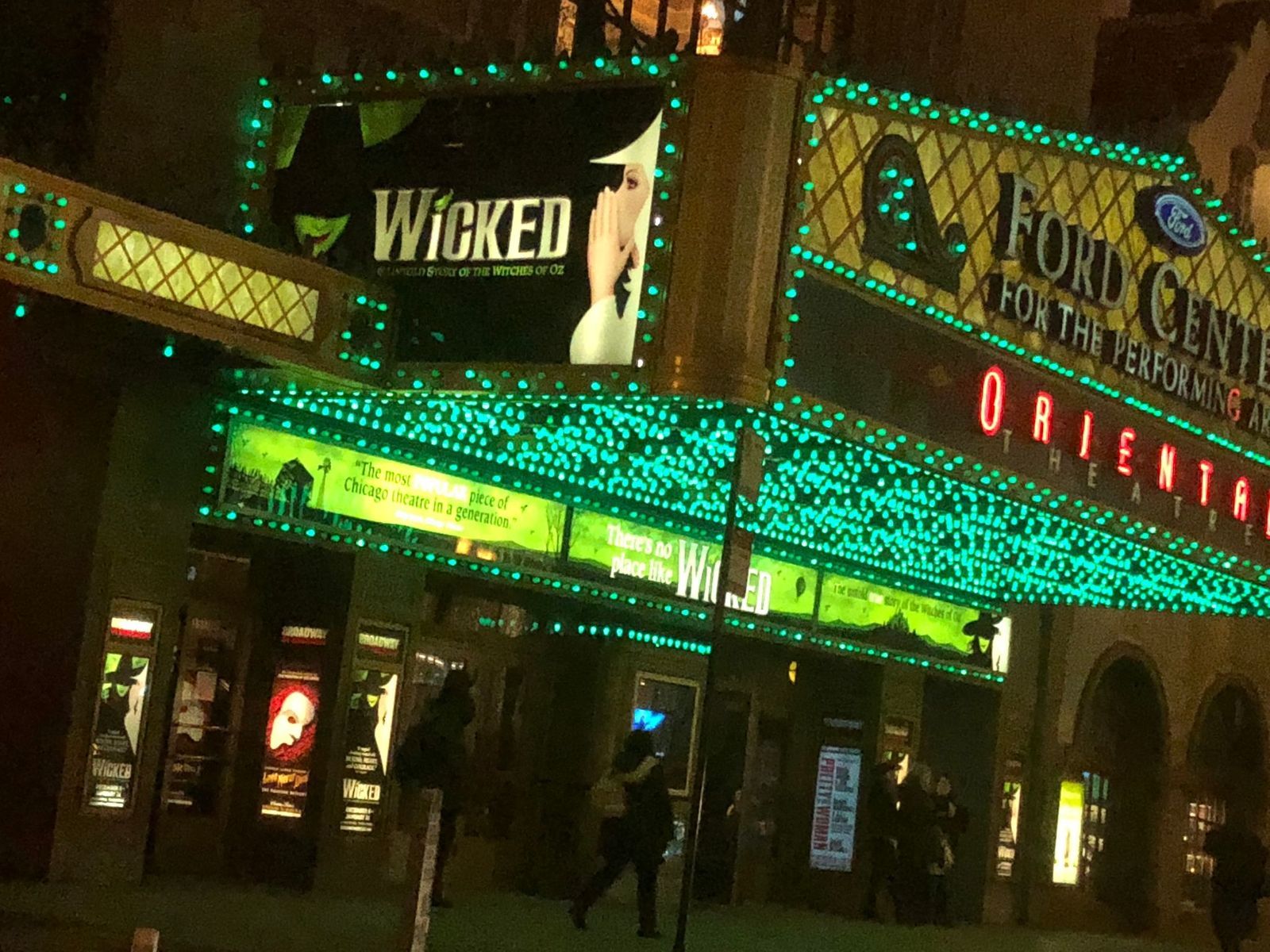
"That's wicked good" doesn't mean "evil"; it means "very". Bostonians and their neighbors use it as an all-purpose intensifier. Non-locals find it charming, sometimes exaggeratedly imitating it to poke fun at the accent.
Locals don't care; they'll say "wicked awesome" with total sincerity. It's practically a regional badge of honor, and attempts to phase it out over the decades have, wickedly, failed completely.
"Pop" vs. "soda" vs. "Coke" (regional map)
Order a "Coke" in Georgia, and you might get asked "what kind?" because down South, "Coke" means any soda. The Midwest says "pop," the coasts say "soda." This sparks genuine, good-natured arguments at family gatherings and road trip stops nationwide. Nobody's ever truly won this debate, and honestly, that's part of the fun.
Boston and New York accents
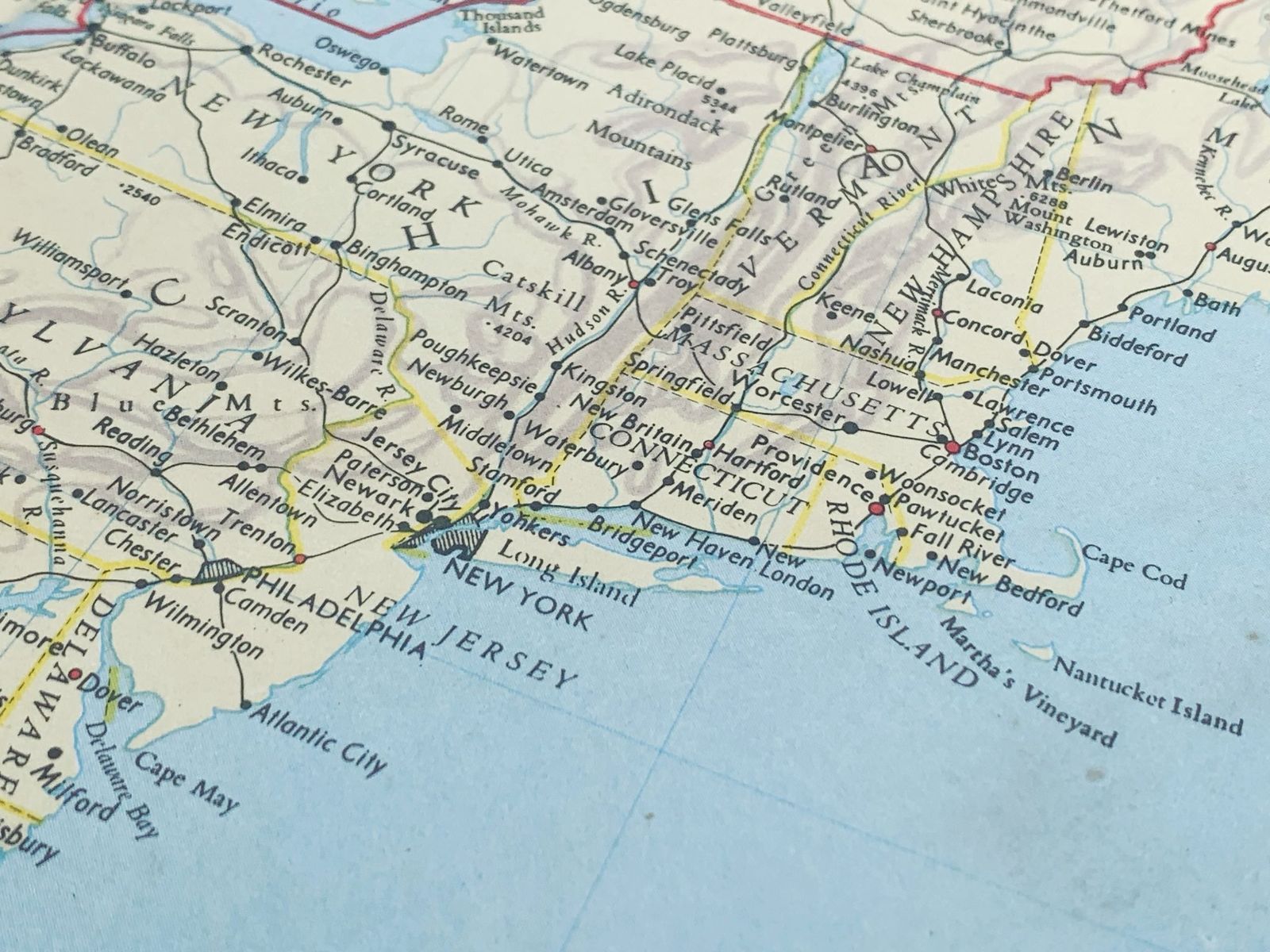
Both drop their R's, but they don't sound alike: ask any local, and they'll insist theirs is the "normal" one. Bostonians say "cah" for car; New Yorkers say "cawfee" for coffee. Outsiders often can't tell them apart, which mildly offends both sides.
TV and movies love exaggerating these accents, which locals alternately enjoy and find utterly ridiculous.
"Yooper" slang (Upper Michigan)
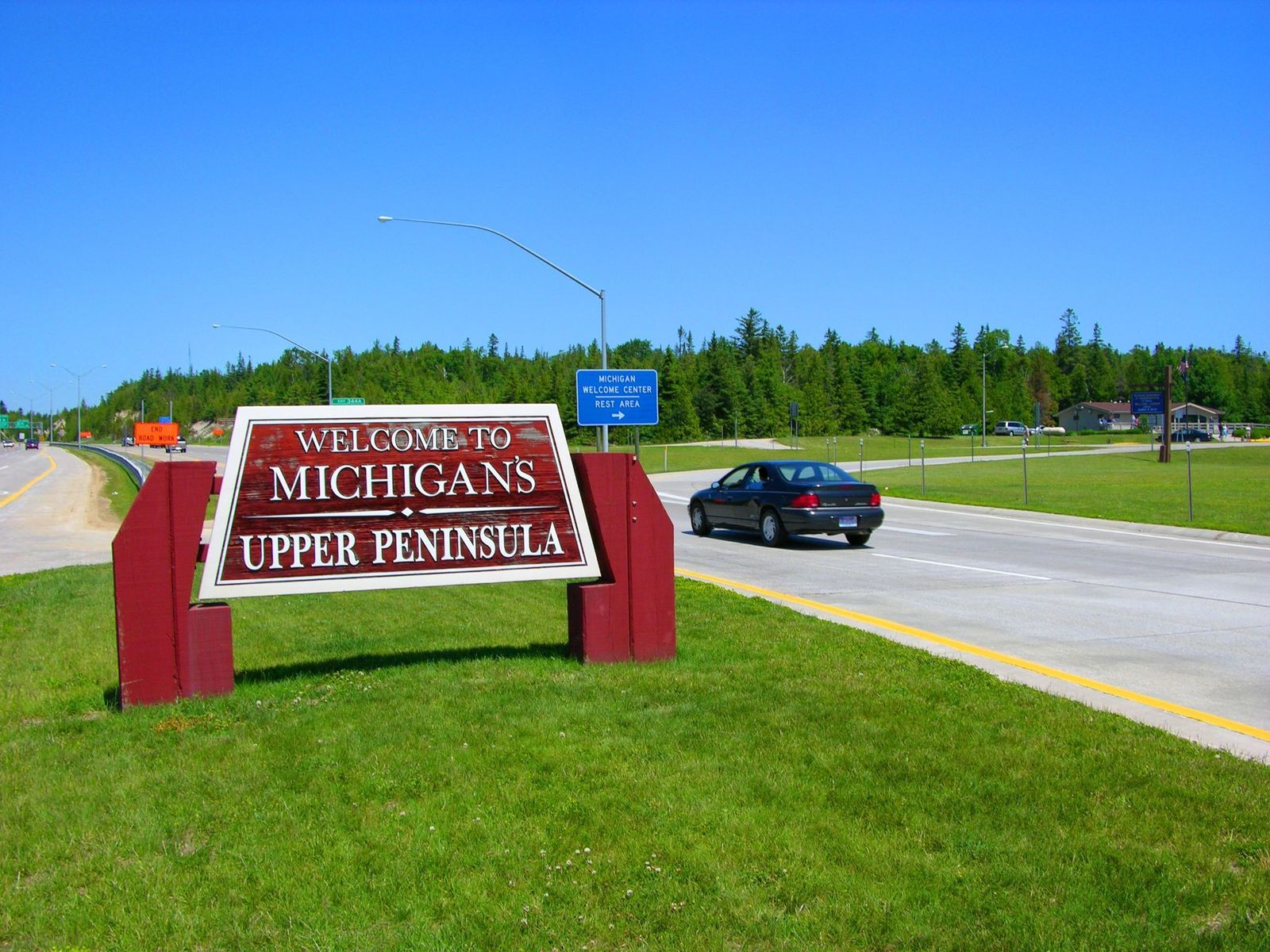
Life in Michigan's Upper Peninsula produced its own charming dialect, shaped by Finnish immigrants. Locals say "eh" often, eat "pasties" (savory meat pies), and call themselves "Yoopers" with pride.
Downstate Michiganders sometimes tease them as being from the middle of nowhere. Yoopers shrug it off; they've got snow, quiet, and a dialect nobody else can quite replicate.
Cajun and Creole expressions (Louisiana)
South Louisiana blends French, Spanish, and African influences into phrases like "making groceries" (grocery shopping) or "lagniappe" (a little something extra). Visitors often find it delightfully musical and confusing in equal measure. Locals wear it proudly, treating their dialect as inseparable from their food, music, and heritage.
Try pronouncing "Natchitoches" correctly on your first attempt; it's a rite of passage.
Hawaiian Pidgin

This is a genuine, full creole language, not just an accent, blending English, Hawaiian, Japanese, and more. Mainlanders visiting sometimes assume it's simply broken English, which locals find both amusing and mildly irritating.
Within Hawaii, pidgin is a point of deep identity and connection. Using it casually, even imperfectly, tends to earn warm smiles rather than criticism.
Texan expressions ("fixin' to," "all hat, no cattle")
Texans have a phrase for everything, often laced with dry humor. "Fixin' to" means "about to," while "all hat, no cattle" politely calls someone a fraud. Non-Texans often find these expressions delightfully quotable and borrow them for fun. Texans, meanwhile, consider their vocabulary practically its own dialect, proudly distinct from the rest of the South.
California surfer slang
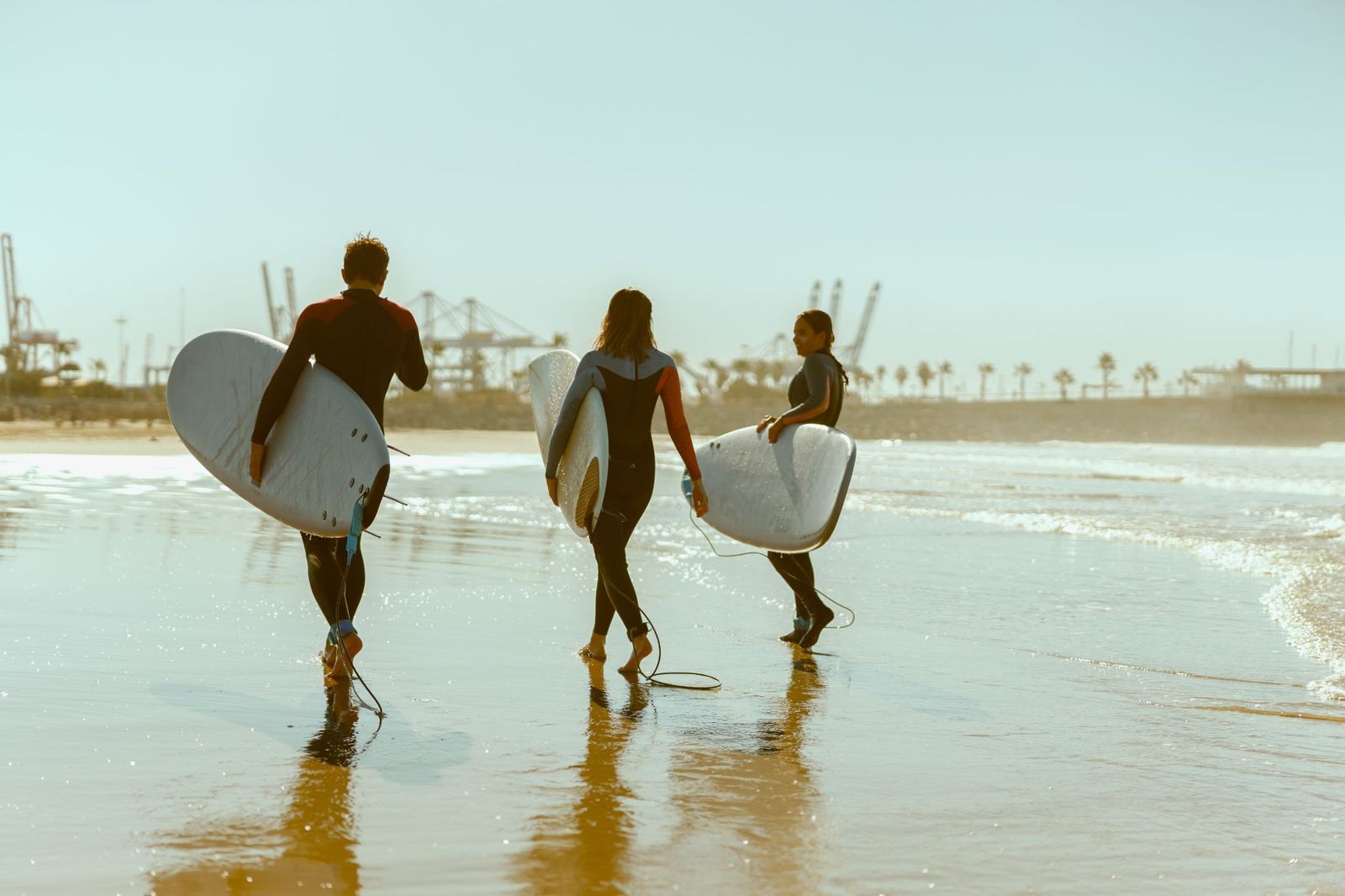
Words like "gnarly," "stoked," and "hang ten" came straight off the beach and into mainstream American vocabulary decades ago. Non-surfers everywhere adopted them, often without knowing the origin. Actual surfers sometimes roll their eyes at overuse by tourists and marketers. Still, it remains one of the most exported regional vocabularies in the whole country.
Regional sandwich words (hoagie, sub, grinder, hero)
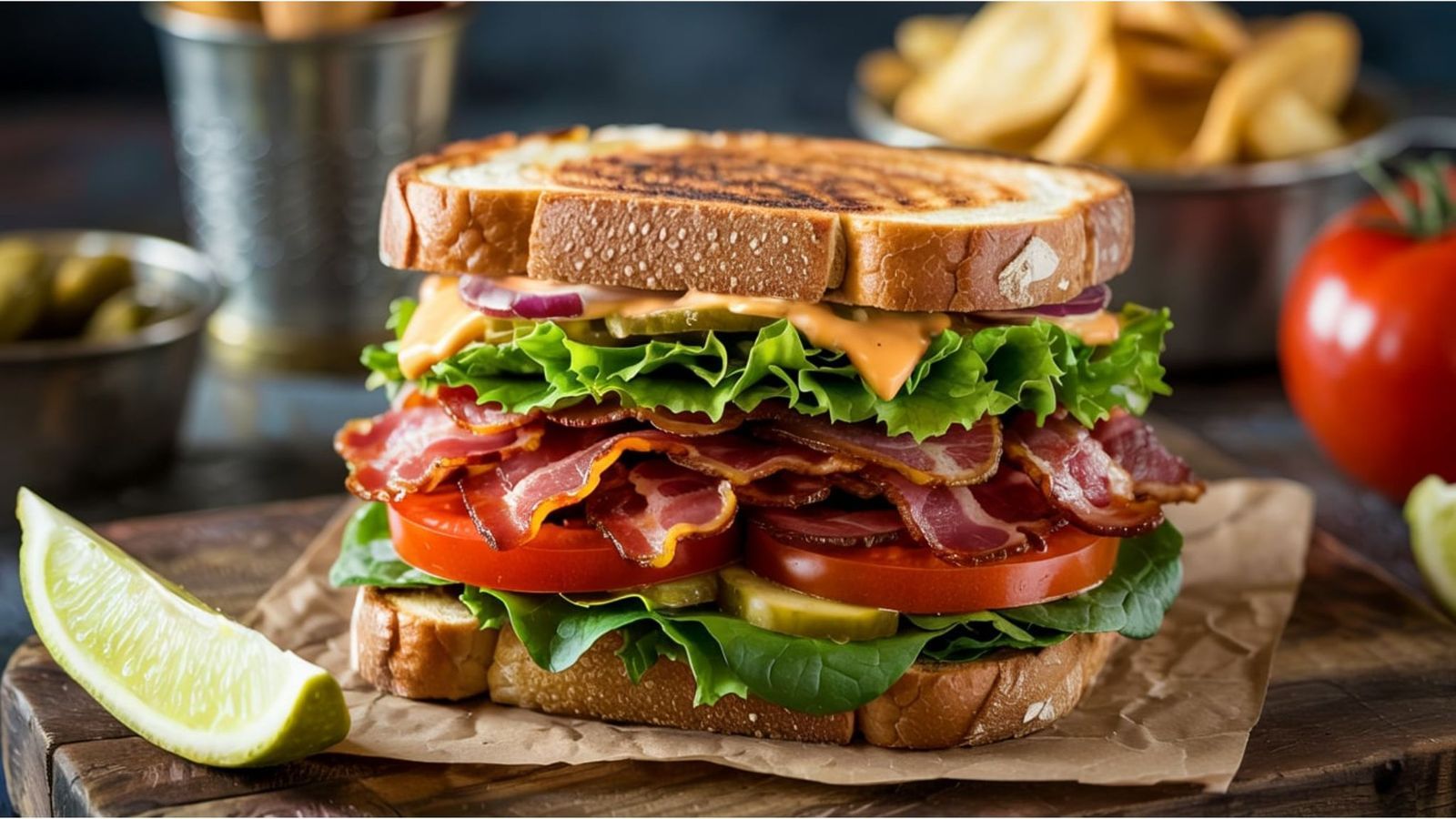
Philadelphia says "hoagie," New York says "hero," New England says "grinder," and most everywhere else says "sub." Order one by the "wrong" name in the "wrong" city, and you may get a good-natured correction from the person behind the counter. It's a beloved, low-stakes debate—delicious regardless of what you call it.


