Air talk
Do you know why airports use three-letter codes instead of names?
Published on November 29, 2026
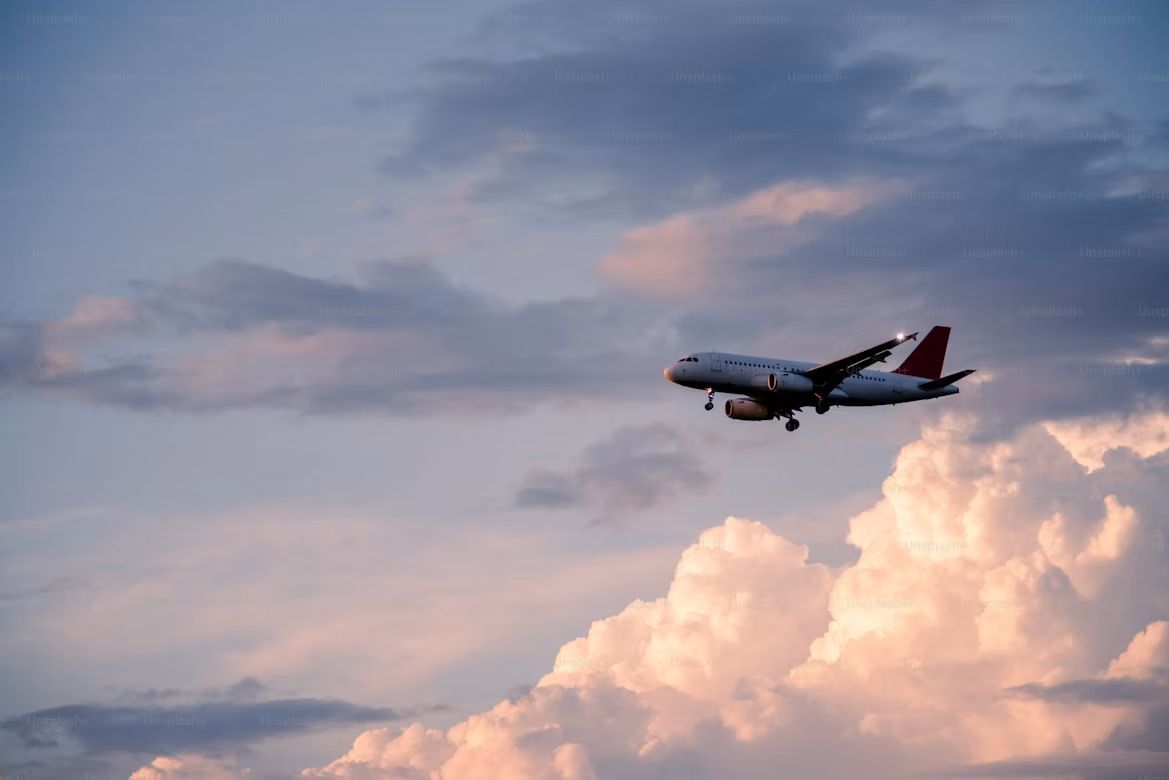
If you’ve ever looked at a boarding pass, listened to an airport announcement, or heard pilots talking over the radio, you’ve probably encountered words and codes that seem to belong to a language of their own. From Mayday and Pan-Pan to familiar airport codes like JFK and LAX, these expressions are more than aviation jargon and often have fascinating stories behind them. Here are some of the most recognizable words, phrases, and codes in aviation and what they really mean.
IATA airport codes: JFK, LAX, ORD, and more
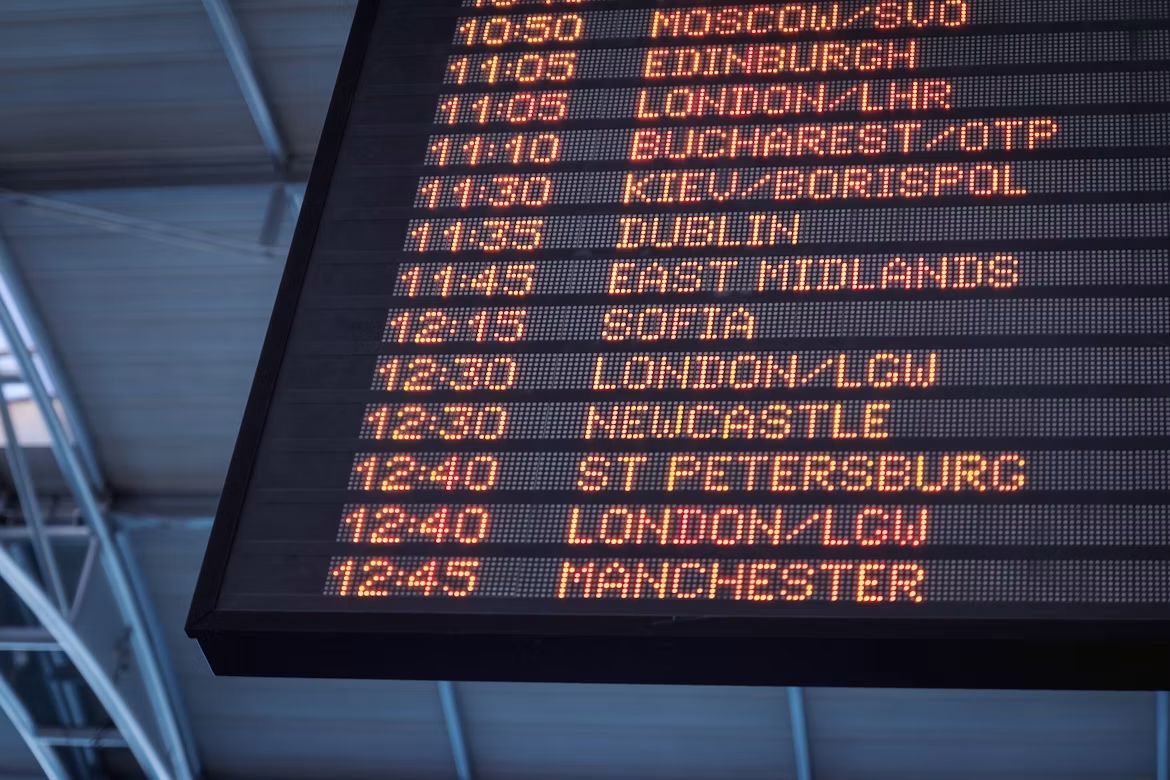
You’ve probably seen three-letter airport codes on your boarding pass, luggage tag, or flight information screen. But why three letters? These codes are assigned by the International Air Transport Association (IATA) to give airports a short, standardized identifier that airlines, airports, and travelers can easily recognize and use when booking, tracking, and handling flights and luggage.
Some codes are easy to figure out, while others have a story behind them. JFK, for example, is the code for New York’s John F. Kennedy International Airport. The airport was originally known as New York International Airport and was commonly called Idlewild, after the golf course that once occupied the site. In 1963, it was renamed to honor President John F. Kennedy, who had been assassinated the previous year, and the airport’s three-letter code became JFK. Other familiar codes include LAX for Los Angeles International Airport and ORD for Chicago O’Hare International Airport.
Mayday: A call for immediate help
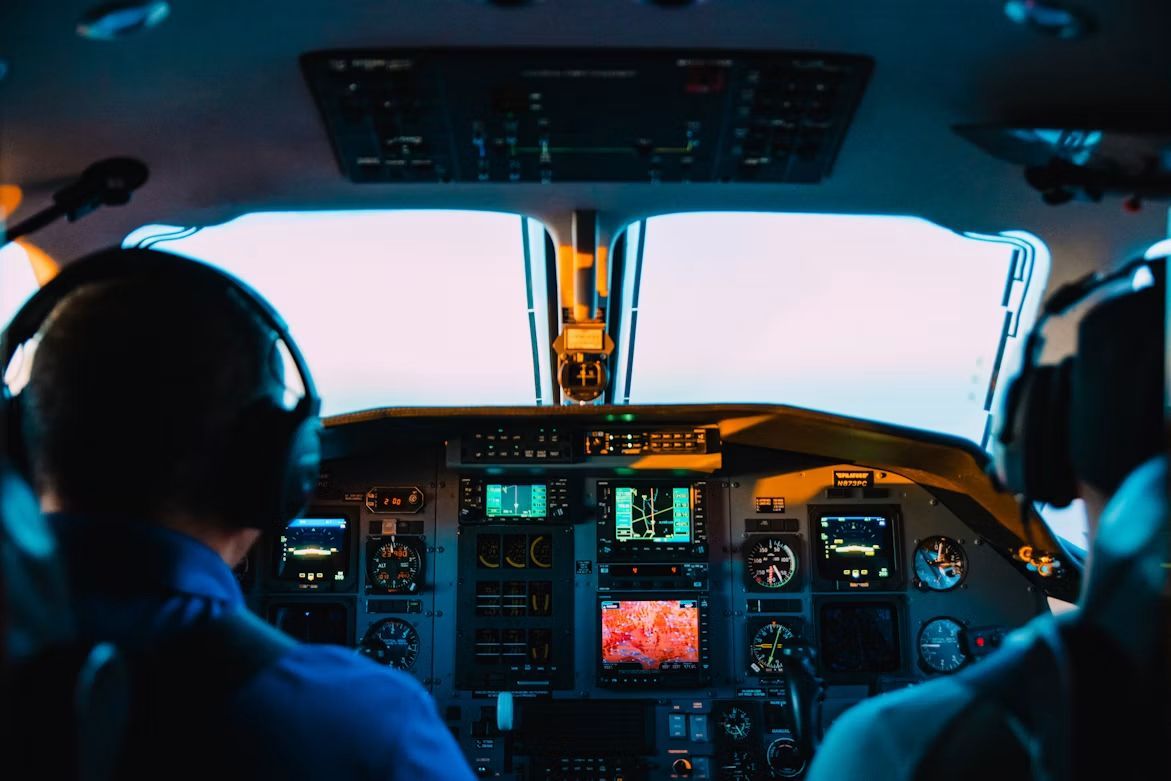
You may have heard "Mayday" in a movie or television show when a pilot needs immediate assistance. In aviation, Mayday is the international call used to indicate that an aircraft has a serious emergency and needs urgent help. It is a standardized way for pilots to quickly communicate the seriousness of a situation to air traffic controllers.
The word has an interesting history. It was adopted in the 1920s because it sounds similar to the French phrase "m’aidez," meaning "help me." Its clear, distinctive sound makes it easy to recognize over the radio, even when communication conditions are not ideal. Thankfully, hearing "Mayday" is an unusual occurrence for most travelers; it is simply one of the many safety procedures built into modern air travel.
Pan-Pan: Urgent, but not life-threatening
"Pan-Pan" may sound familiar if you’ve watched an aviation documentary or a film involving pilots. In aviation, Pan-Pan is used when a pilot needs to alert air traffic controllers to a situation that requires attention but does not involve immediate danger to people on board. It gives everyone involved a clear way to communicate that the flight may need some extra assistance or priority.
The term comes from the French word "panne," meaning a breakdown or problem. It was chosen because it is short, distinctive, and easy to recognize over the radio. Like other aviation communication terms, it is part of a set of procedures designed to help pilots and air traffic controllers communicate clearly and efficiently.
Roger: Message received
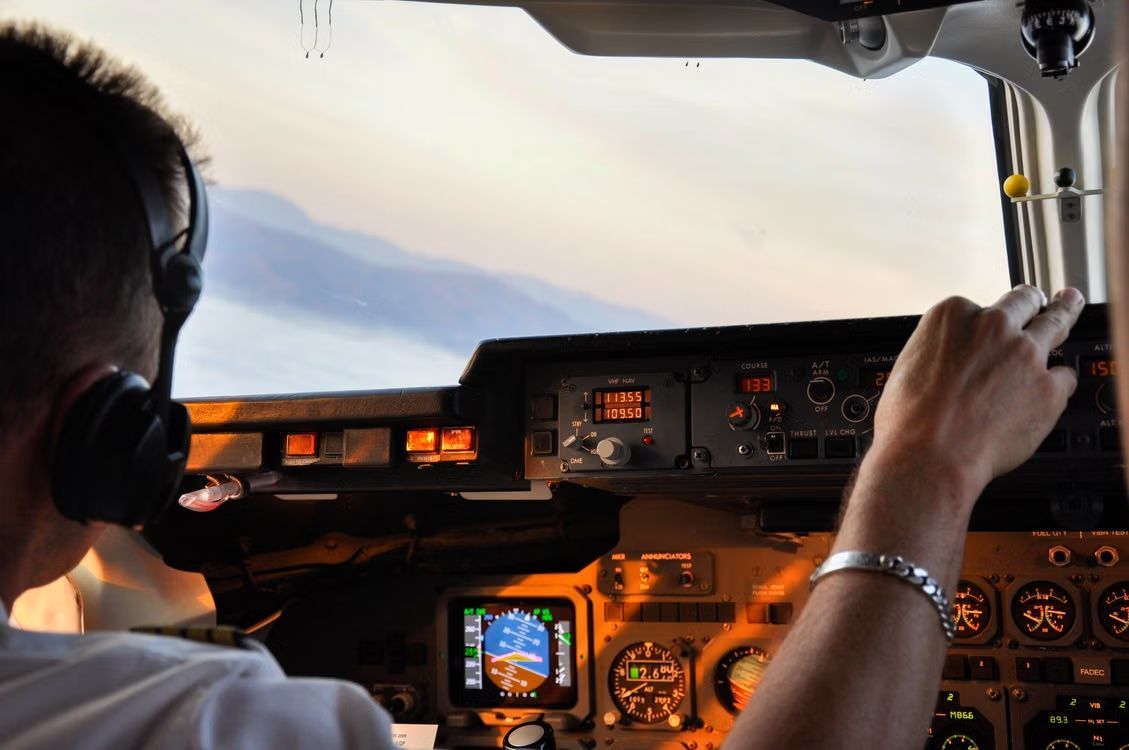
If you’ve seen an old movie featuring radio communication, you may have heard someone say "Roger." In aviation, the term means that a message has been received and understood.
The expression comes from an older phonetic alphabet, in which the letter R was represented by "Roger." Since R stood for "received," the word eventually became a convenient shorthand for confirming that the communication had been understood.
Wilco: I’ll follow the instruction
You may have come across "Wilco" in a movie or documentary involving pilots or radio communication. It is short for "will comply," meaning that the speaker has received an instruction and intends to follow it.
The word was created by combining the first part of "will" with the beginning of "comply." It gave people using radios a short way to communicate both that they had received an instruction and that they planned to carry it out.
The NATO phonetic alphabet: Alpha, Bravo, Charlie

If you’ve ever heard someone spell a name over the phone by saying "Alpha," "Bravo," or "Charlie," you’ve encountered the NATO Phonetic Alphabet. In aviation, pilots and air traffic controllers use these words to make individual letters easier to understand, especially when communicating by radio. Letters such as B, D, and P can sound very similar over a noisy connection, so using a distinct word for each letter helps prevent confusion.
Another advantage is that the same alphabet is used internationally, making communication easier between people from different countries and language backgrounds. A pilot from the United States and an air traffic controller in another country can use the same set of words to spell out information clearly, even if they do not speak the same first language.
Squawk: A code that identifies an aircraft
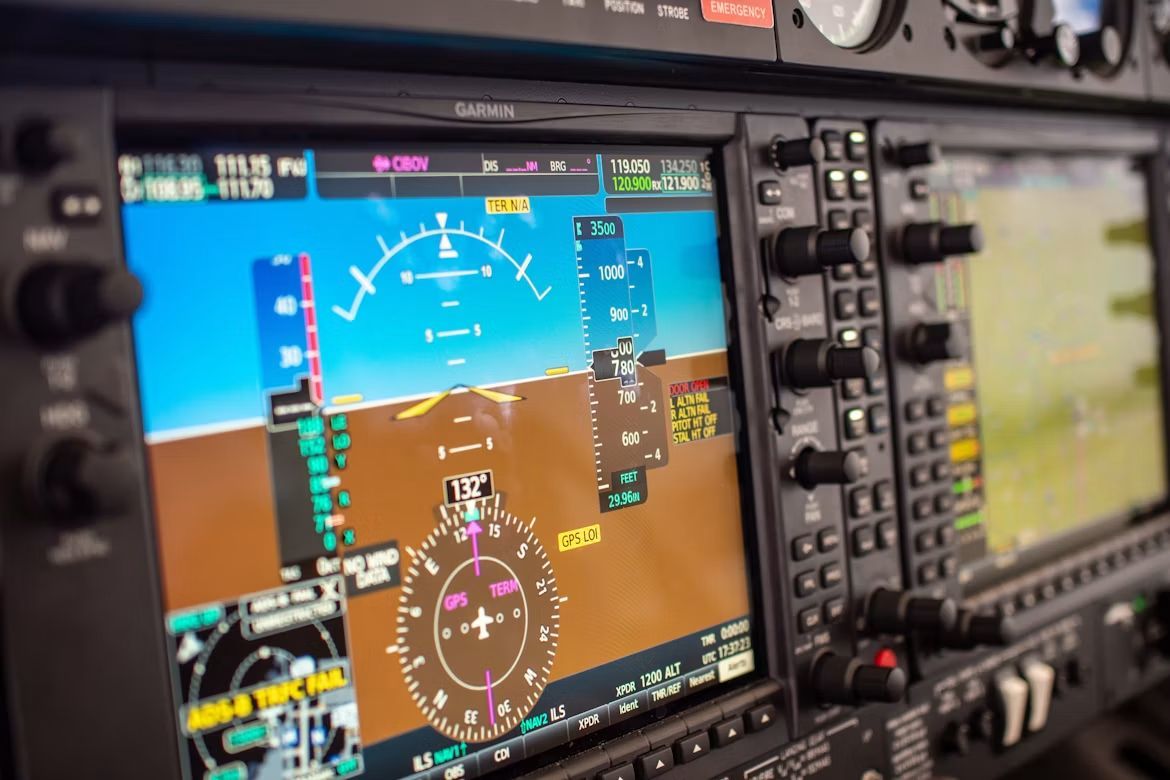
If you’ve watched an aviation documentary or listened to air traffic control, you may have heard someone tell a pilot to "squawk" a particular number. In aviation, it means entering a four-digit code into the aircraft’s transponder so air traffic controllers can identify the plane on their radar.
The unusual word comes from the early days of radar and transponder technology. "Squawk" was chosen as a playful reference to the sound a bird makes, suggesting that an aircraft was "speaking" or sending out its identifying signal. The term stuck and is still commonly used in aviation today. So when a controller tells a pilot to "squawk" a number, they’re essentially asking the aircraft to transmit its assigned identifying code.
ETA: Estimated time of arrival
You may have seen ETA on a flight information screen at an airport, in an airline app, or next to a flight’s arrival time. It stands for "estimated time of arrival" and tells passengers and airport staff when a flight is expected to reach its destination.
The abbreviation comes from the first letters of estimated, time, and arrival, creating a short, easy-to-recognize way to communicate an expected arrival time. Using three letters is especially practical in aviation, where information needs to be displayed clearly on flight boards, schedules, and other travel systems.
Runway numbers: A clue to direction
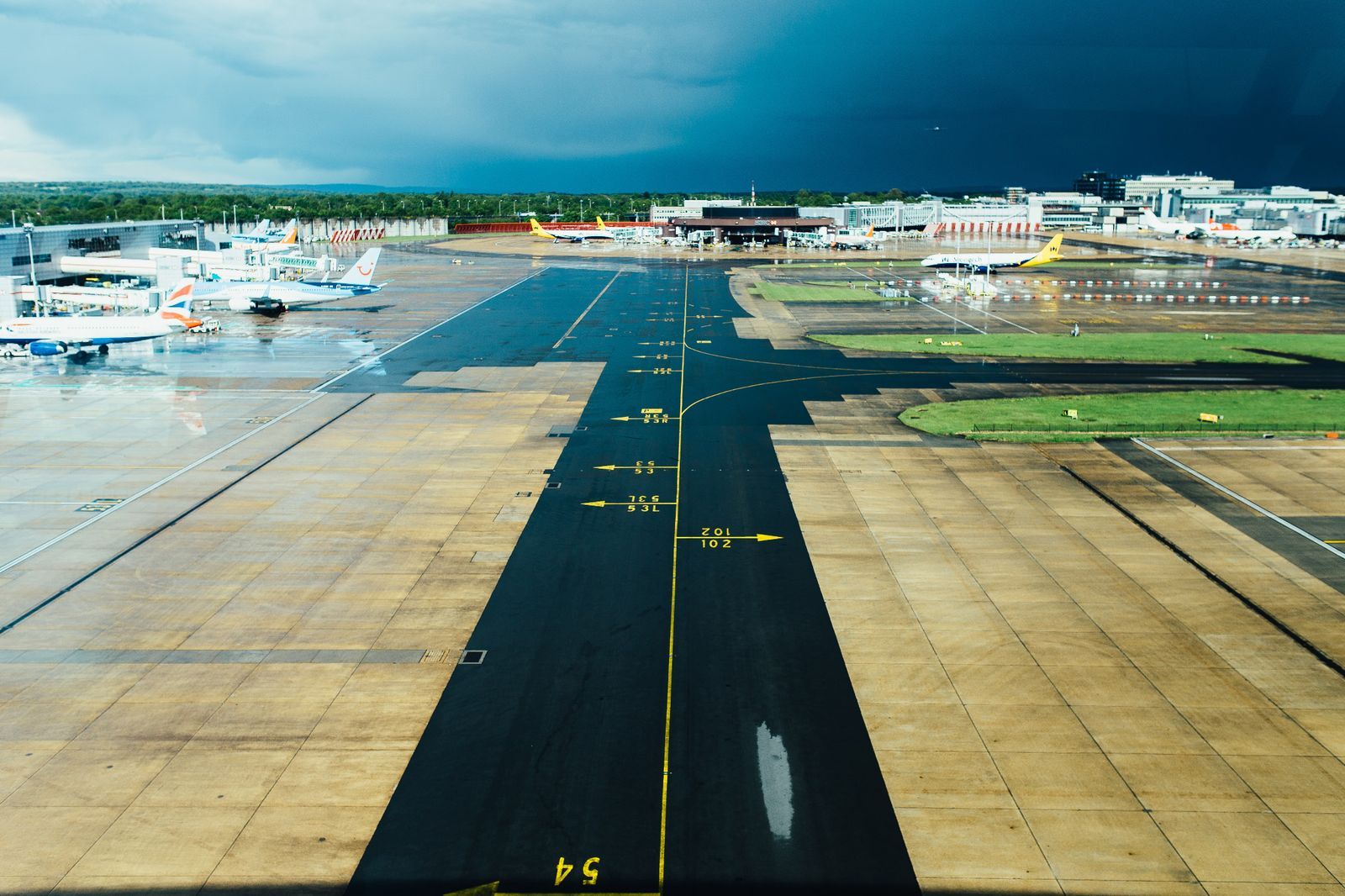
The next time you look out an airport window, take a look at the large numbers painted on the runway. These numbers help pilots identify which runway they are using and the direction it points.
The numbers are based on the runway’s compass direction, rounded to the nearest 10 degrees. For example, a runway pointing roughly south may be marked 18, because south corresponds to about 180 degrees. Using numbers based on direction gives pilots a simple and consistent way to identify a runway.
Flight Level: A standardized altitude
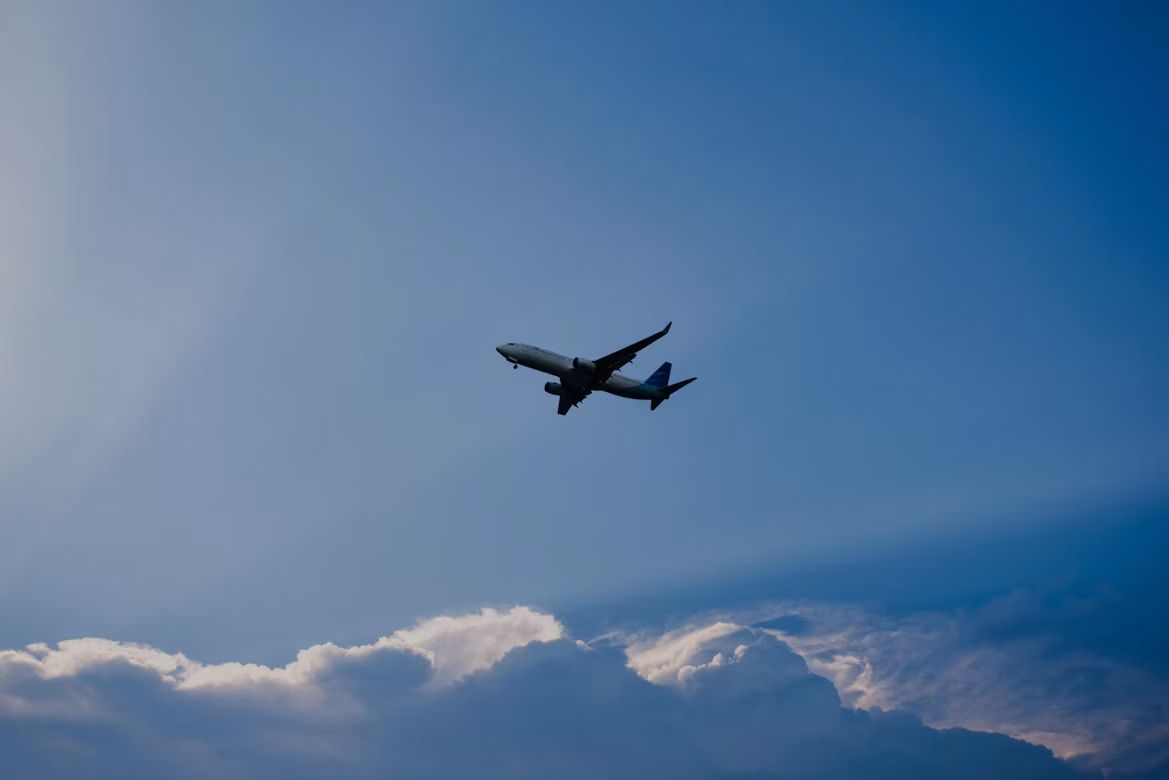
You may have heard a pilot or air traffic controller mention something like "Flight Level 350." It is simply a standardized way of describing how high an aircraft is flying, especially at higher altitudes.
The system helps pilots and air traffic controllers use the same reference when talking about altitude. Instead of relying on slightly different ways of measuring height, everyone can use standardized "flight levels" to help keep aircraft safely separated.
Tarmac: The familiar airport surface
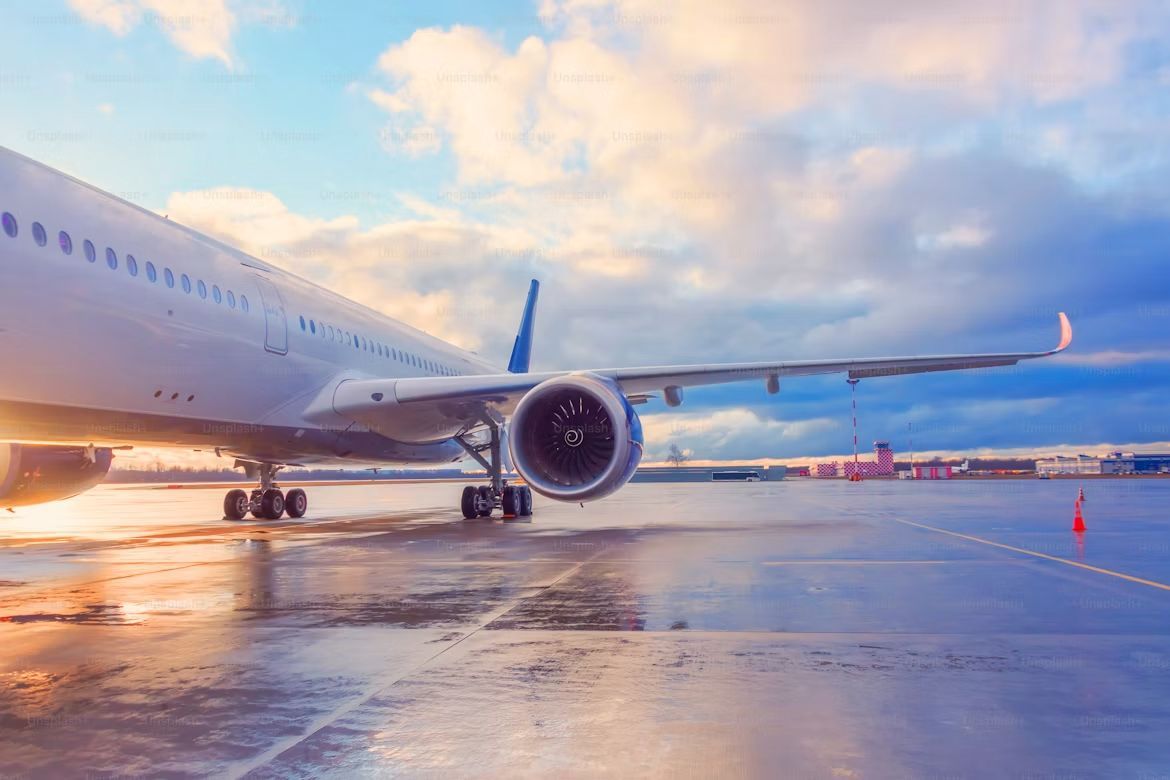
You’ve probably heard someone say that a plane is "sitting on the tarmac" while passengers wait to board or while a delayed flight remains on the ground. The word is commonly used for the paved areas around an airport where aircraft move or are parked.
"Tarmac" comes from tarmacadam, a type of road surface made using crushed stone and tar. The original term was eventually shortened in everyday speech, and "tarmac" became a familiar word for the paved areas people associate with airports.
Taxi: When a plane moves on the ground
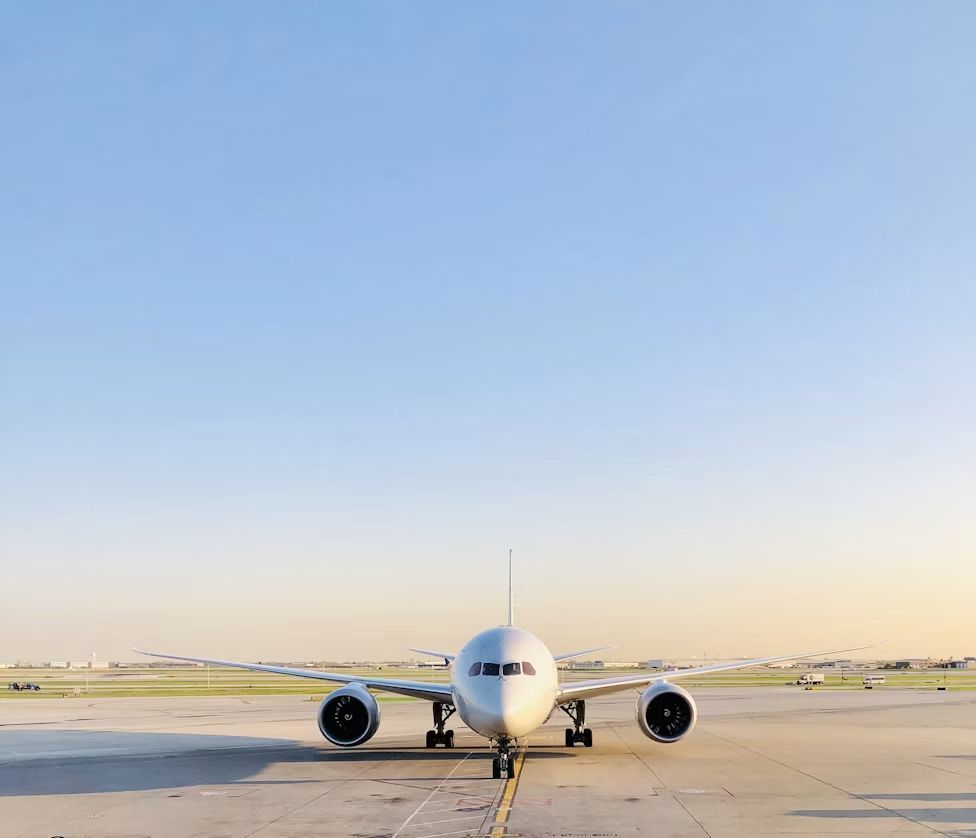
After your plane lands, you may notice that it continues moving for several minutes before reaching the gate; that’s when it’s taxiing. In aviation, "taxi" means an aircraft is moving along the ground before takeoff or after landing.
The word was borrowed from the familiar idea of a taxi carrying people from one place to another on the ground. Since an airplane also travels along the ground before it takes off and after it lands, "taxi" became the natural term for this part of a flight.
Red-eye: The overnight flight
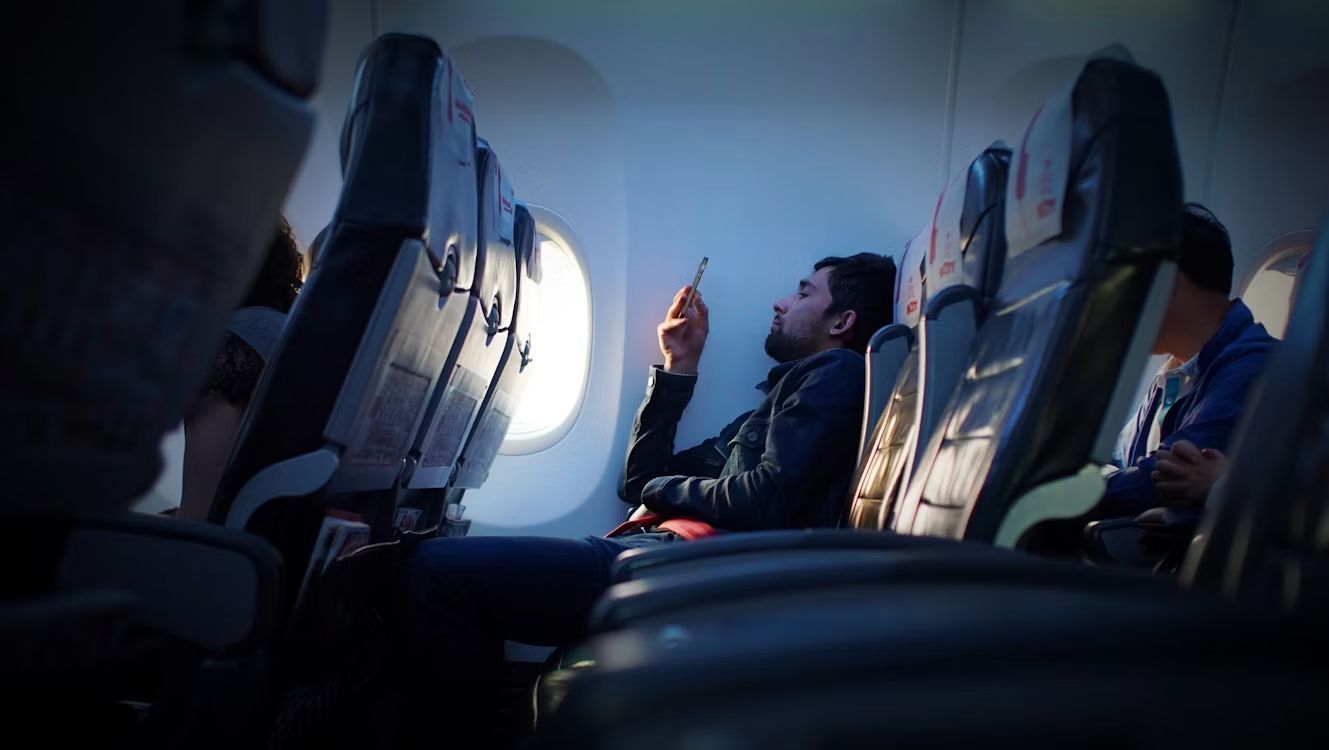
If you’ve ever taken a late-night flight that arrived the next morning, you’ve experienced what travelers call a "red-eye." The term is especially familiar among travelers taking overnight flights between different parts of the country.
The nickname comes from the tired, red eyes passengers may have after staying awake or sleeping poorly during an overnight journey. It’s a colorful everyday expression that captures one of the less glamorous parts of traveling through the night.
Black box: The recorder that isn't black
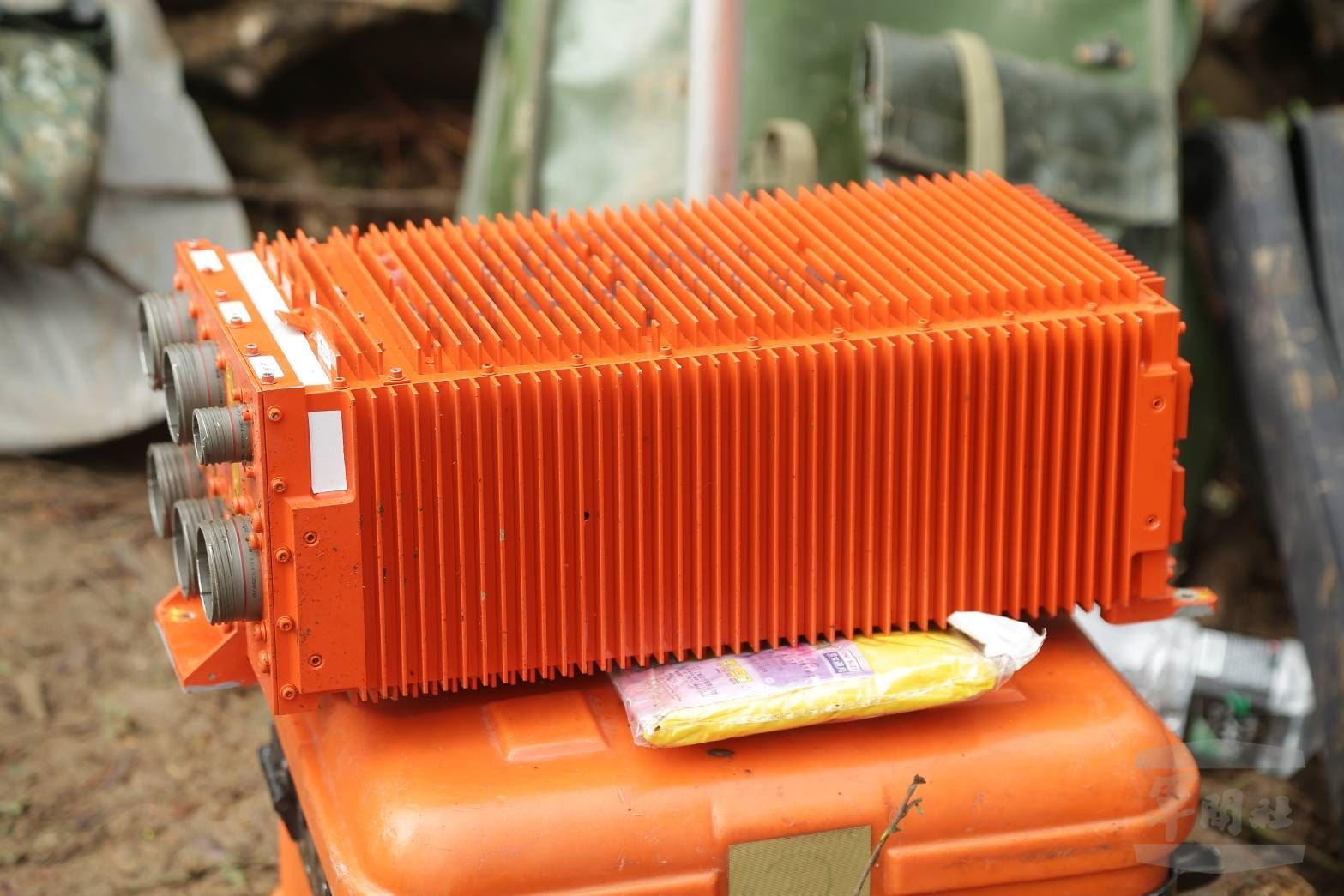
News reports about aviation accidents often mention a plane’s "black box." It refers to the flight recorders that preserve important information about what happened during a flight.
Despite the name, modern flight recorders are painted bright orange, not black, so they are easier to spot after an accident. So why are they called "black boxes"? The term was already being used for electronic devices whose inner workings were hidden from the people using them. When similar recording equipment was introduced for aircraft, the nickname carried over, and it stuck, even after the recorders became orange.


