The places on your plate

Do you know which real city gave the hamburger its name?


Published on September 16, 2026
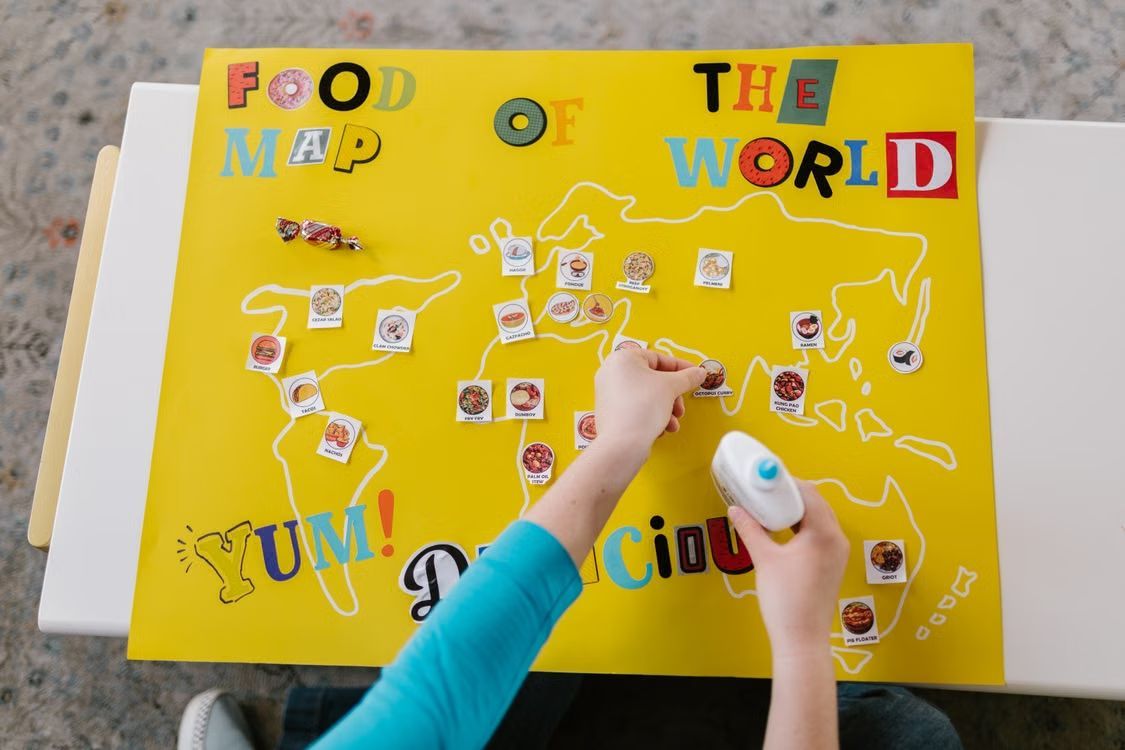

Image: RDNE Stock project

We often say the names of our favorite foods without giving them a second thought. But many of those names are little pieces of geography: they point to a city, a region, or even a country thousands of miles away. From a hamburger named for Hamburg to a cheese associated with the Dutch city of Gouda, these foods have traveled far beyond the places that inspired their names. And some of their stories are surprisingly different from what you might expect.

1

Hamburger: Hamburg, Germany

Image: Giorgi Iremadze

Long before Americans started ordering burgers at diners and drive-ins, Hamburg, Germany, was known for Hamburg steak. German immigrants brought this dish of seasoned ground beef to the United States during the 19th century, where it became popular in restaurants and among street vendors.

As the beef patty began to be served between bread, hamburger became the name for the sandwich. Over time, Americans shortened it to "burger," a word that eventually became so common that it could stand on its own. By the late 1800s, hamburger was already appearing in American menus and newspapers.

2

Gouda: Gouda, Netherlands

Image: Polina Tankilevitch

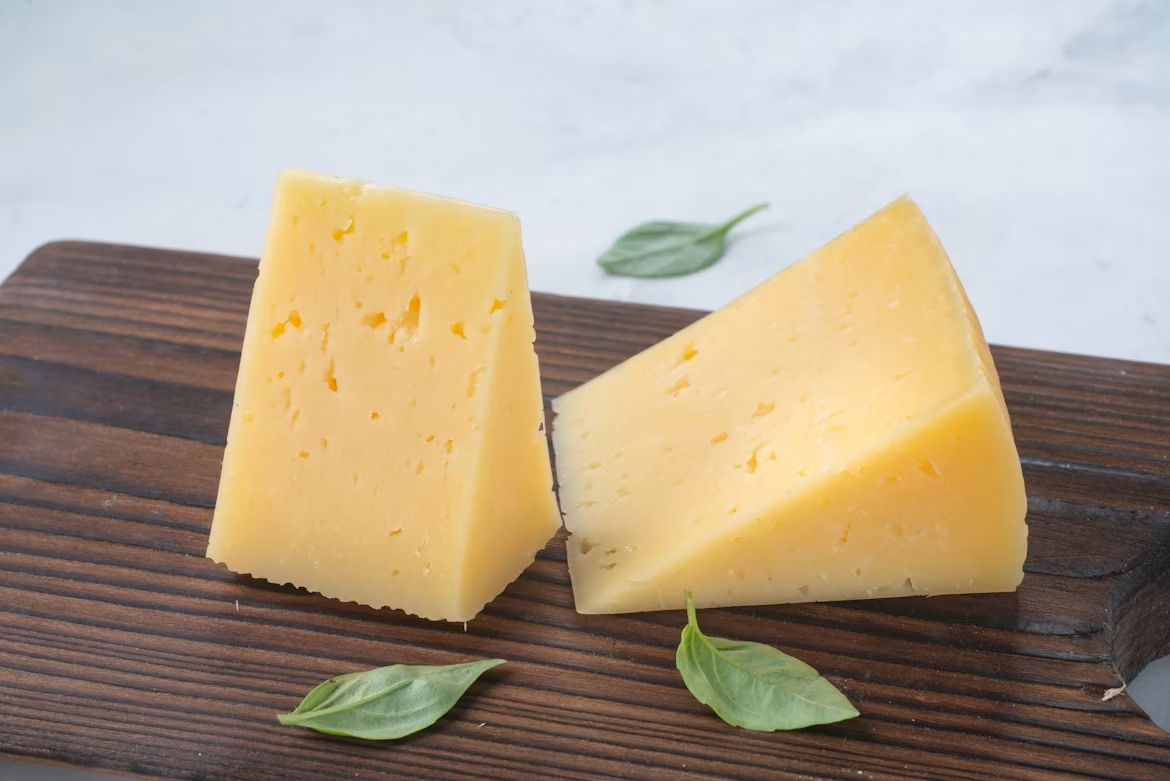
The city of Gouda didn't necessarily invent Gouda cheese, but it helped give it its name. During the Middle Ages, farmers from the surrounding Dutch countryside would bring their cheeses to Gouda to sell at the city's famous market.

In 1395, Gouda received the right to hold a cheese market, helping turn the city into an important center of the trade. Buyers came to associate the cheese with the place where they purchased it, and eventually the city's name became the name of the cheese itself.

3

Buffalo Wings: Buffalo, New York

Image: Snappr

In 1964, an inexpensive cut of chicken helped create one of America's most recognizable bar foods. At the Anchor Bar in Buffalo, New York, co-owner Teressa Bellissimo deep-fried chicken wings and coated them in a spicy sauce.

The wings had traditionally been used for stock or discarded rather than treated as the star of a dish. Bellissimo's preparation changed that, and the new snack quickly caught on. As it spread across the country, its Buffalo roots stayed right there in the name.

4

Cheddar: Cheddar, England

Image: RDNE Stock project

The story of cheddar begins in the English countryside around Cheddar, Somerset, where cheesemakers developed a firm, flavorful cheese that could be aged. The area's caves also offered naturally cool conditions that were useful for storing cheese.

By the 19th century, Joseph Harding, a Somerset dairy farmer, had helped improve and standardize the cheesemaking process. His methods contributed to cheddar's spread beyond the region. Today, the word describes a style of cheese produced all over the world and not just in the village that gave it its name.

5

Champagne: Champagne, France

Image: Mads Eneqvist

Few foods or drinks are as closely tied to a particular place as Champagne. The name belongs to the Champagne region of northeastern France, where the famous sparkling wine has been produced and refined over centuries.

Its creation wasn't the work of one inventor. Winemakers gradually learned how to control the second fermentation that produces the wine's bubbles, particularly during the 17th century. Today, only sparkling wine made in the Champagne region according to its strict rules can officially carry the name.

6

Dijon Mustard: Dijon, France

Image: Jaspreet Kalsi

The sharp yellow condiment on a sandwich has a distinctly French backstory. Dijon, the capital of Burgundy, had been associated with mustard-making for centuries before the version now known around the world was developed.

The key change came in 1856, when Dijon mustard maker Jean Naigeon substituted verjuice, the acidic juice of unripe grapes, for vinegar. The result was a smoother, sharper mustard that helped establish Dijon as a name synonymous with high-quality mustard.

7

Frankfurter: Frankfurt, Germany

Image: Mateusz Feliksik

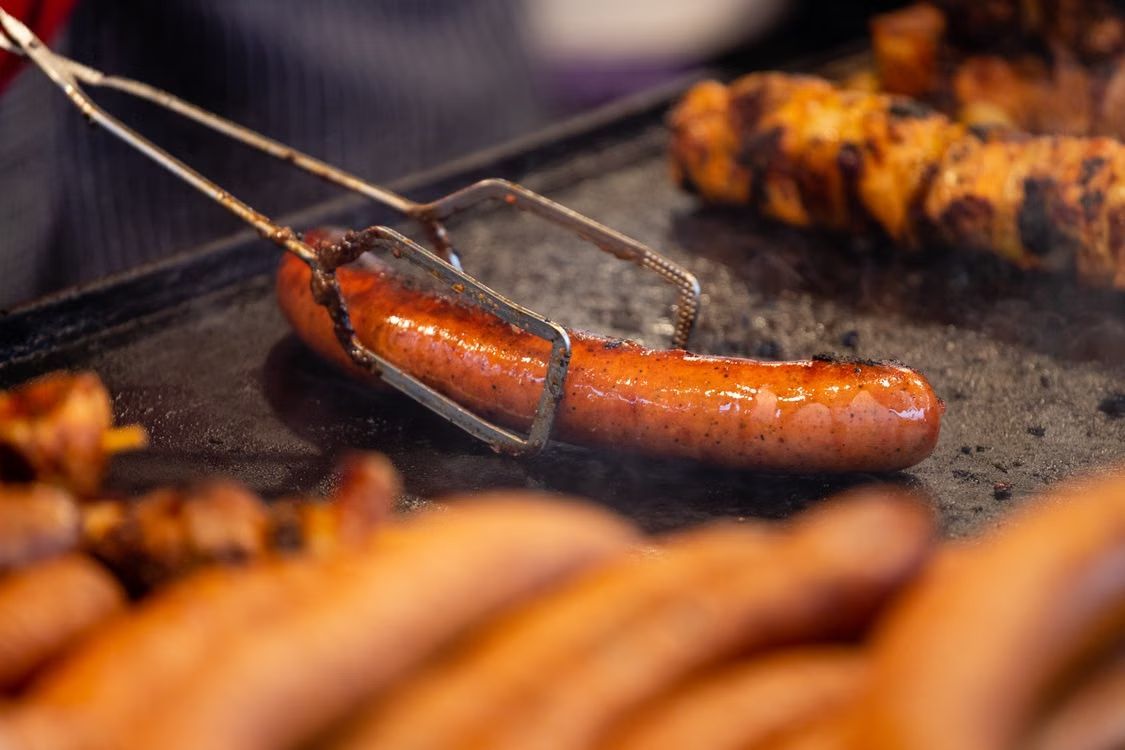
A trip to Frankfurt could once mean a taste of one of Germany's best-known sausages. Frankfurter Würstchen, a slender smoked pork sausage, has been associated with the city since at least the 16th century.

Its name eventually traveled with German immigrants and became familiar in America. The word frankfurter came to be used for the sausage itself, and eventually became closely associated with the hot dog.

8

Brussels Sprouts: Brussels, Belgium

Image: Keenan Loo

Their name offers a pretty good clue to their history. Brussels sprouts became associated with Brussels, Belgium, where growers cultivated the small cabbage-like vegetable. Their exact beginnings are uncertain, but they were being grown in the region by the 18th century.

From Belgium, the vegetable spread throughout Europe and eventually crossed the Atlantic. The name remained unchanged, giving American diners a direct geographic clue every time they see "Brussels" on a menu.

9

Swiss Cheese: Switzerland

Image: Rickie-Tom Schünemann

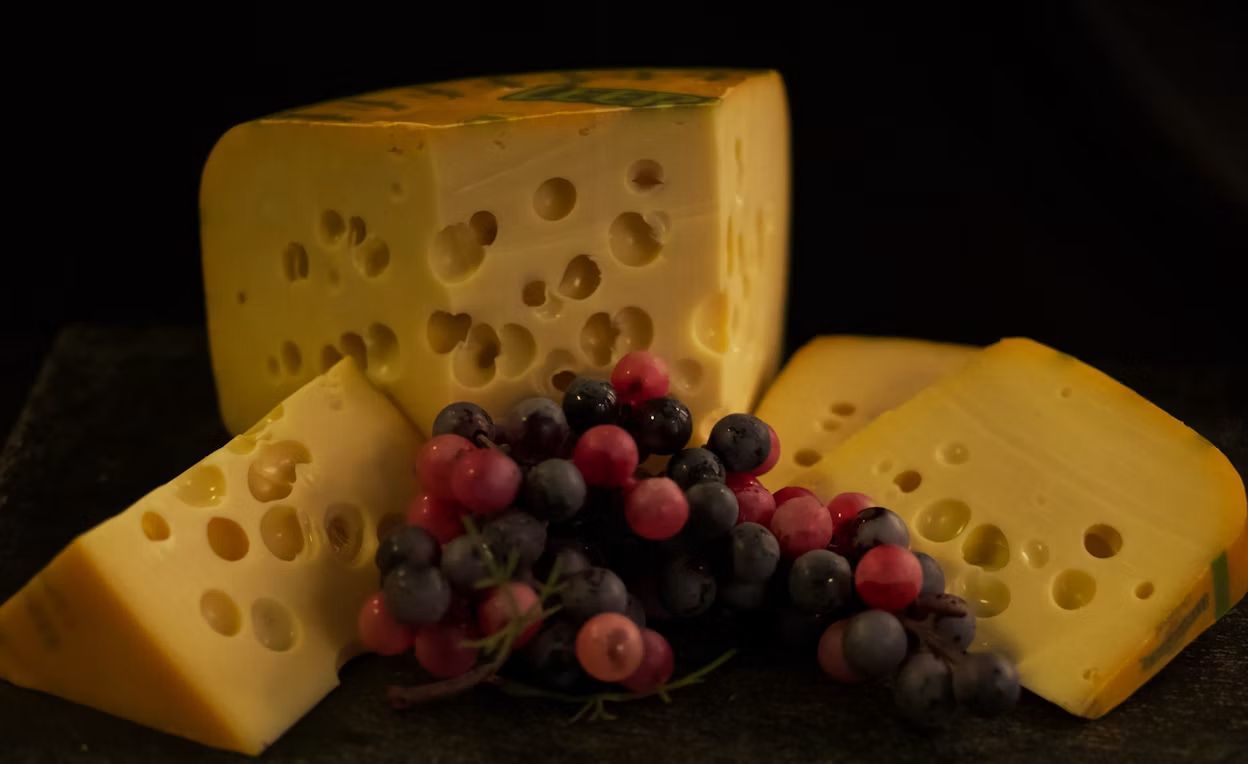
Those distinctive holes point back to Switzerland, particularly the Emmental region, where cheeses with this characteristic appearance have been made for centuries. Emmental, the best-known example, has documented roots going back to the 16th century.

In America, though, "Swiss cheese" doesn't necessarily mean cheese imported from Switzerland. American cheesemakers began producing their own versions of Swiss-style cheese, and the name became a general term for the familiar mild cheese with holes.

10

Parmesan: Parma, Italy

Image: David Foodphototasty

Think of Parma, Italy, and cheese is likely to come to mind. The region has been producing the hard, granular cheese known as Parmigiano Reggiano for centuries, with written evidence of similar cheese dating back to the Middle Ages.

There wasn't a single person who invented Parmesan. Instead, cheesemakers in the area gradually developed the product over generations. As it became popular outside Italy, Parmesan became the familiar English name, linking the cheese to its Italian home.

11

Bologna: Bologna, Italy

Image: Erik Mclean

The lunch meat Americans call bologna has a much more elegant Italian relative: mortadella Bologna. This large, finely ground pork sausage has been a specialty of Bologna, Italy, for centuries.

When the Italian sausage tradition reached the United States, the complicated name was simplified to bologna. American producers developed their own version, but the connection to Bologna remained in the name as a reminder of the Italian food that inspired it.
10 weird historical events that no one has been able to explain (yet)


Published on September 16, 2026


Image: Walters Art Museum, Public domain, via Wikimedia Commons

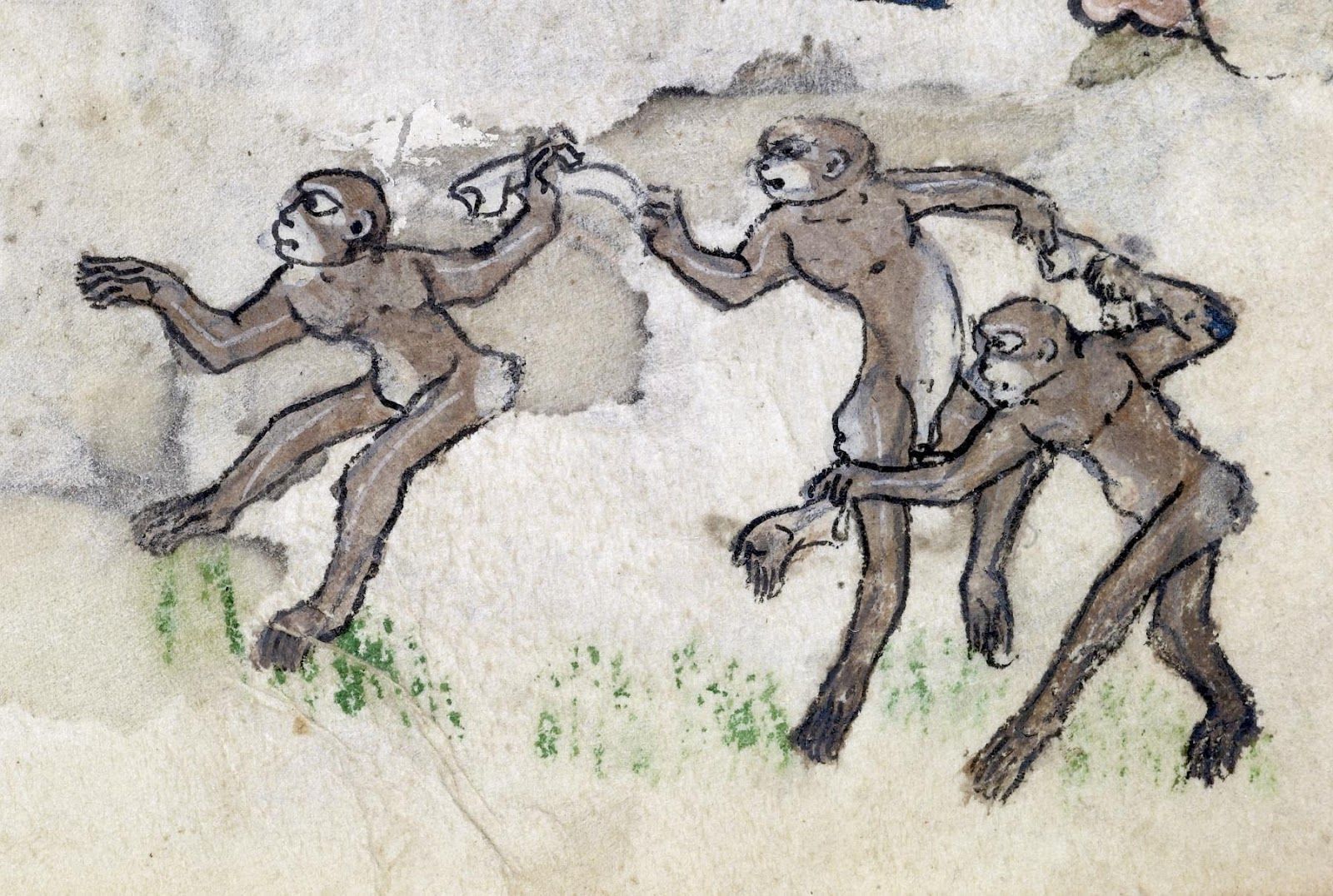
Who doesn't like a good mystery? And if the mystery isn’t a work of fiction but the result of a true story, even better! The great unsolved enigmas of history are absolutely fascinating. Some have been solved over time, but there are still many old secrets for which neither scientists nor historians have found an explanation—yet. Time-travel with us as we uncover 10 of the biggest historical mysteries that will probably never be cracked!

1

A ghost island

Image: Tanner, Henry S., Public domain, via Wikimedia Commons

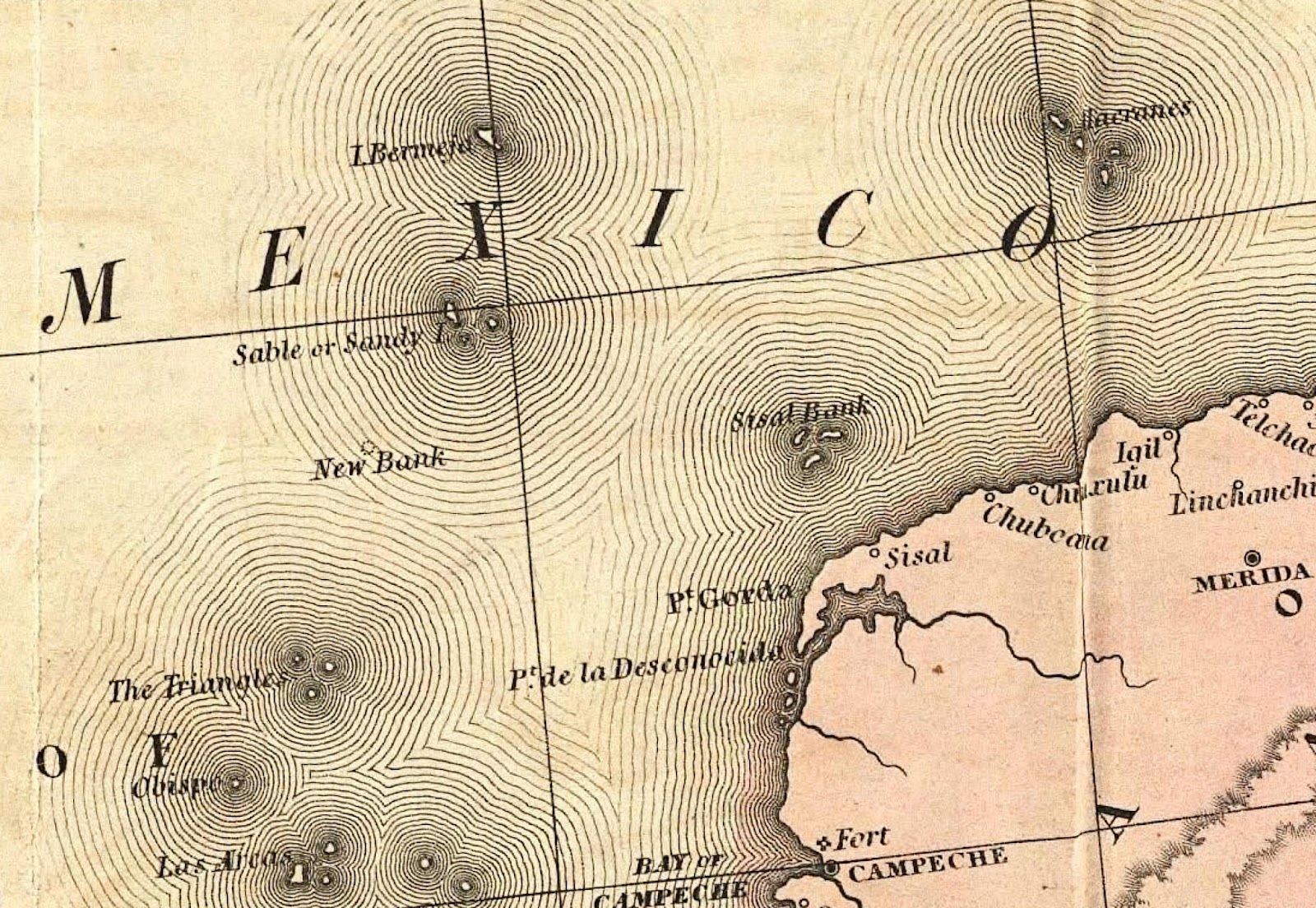
Bermeja Island is mentioned in navigation texts written by European travelers and appears in cartography from the 16th to 19th centuries. Old maps place it off the north coast of the Yucatán Peninsula; however, multiple searches over the years have yielded no concrete evidence of its existence.

So, what happened to Isla Bermeja? Was it a cartographic error? Did it sink due to a tidal wave? Because of its geopolitical significance, some have even suggested that it was blown up by the CIA! A 2009 study by the Autonomous University of Mexico concluded that Isla Bermeja does not exist today, nor were any traces found at its supposed coordinates. Yet, it will forever remain a mystery that will surely keep many entertained.

2

The longest alien signal ever

Image: Credit: Big Ear Radio Observatory and North American AstroPhysical Observatory (NAAPO)., Public domain, via Wikimedia Commons

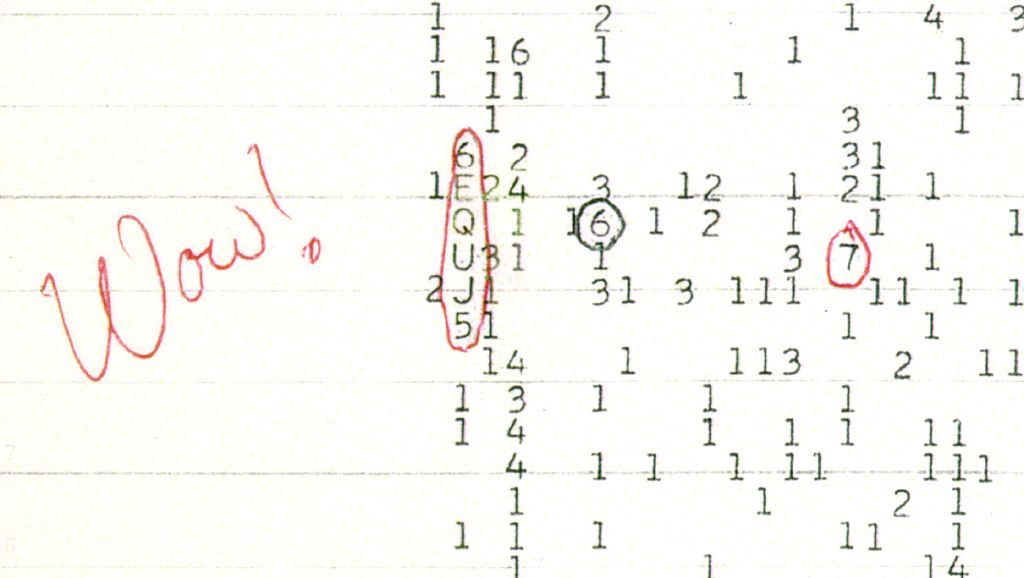
In 1977, Ohio State University’s Big Ear radio telescope, used in the search for extraterrestrial intelligence, detected a signal now known as the Wow! signal. While reviewing the data, astronomer Jerry R. Ehman noticed a sequence represented as "6EQUJ5." Baffled by the anomaly, he circled it and wrote "Wow!" in the margins.

The signal lasted 72 seconds and, unfortunately, has never been repeated. To this day, no one can fully explain the phenomenon, although some suggest it may have come from a man-made source. Still, the Wow! signal remains one of the strongest candidates for potential extraterrestrial contact ever detected.

3

The disappearance of an entire Inuit village

Image: Edward S. Curtis, Public domain, via Wikimedia Commons

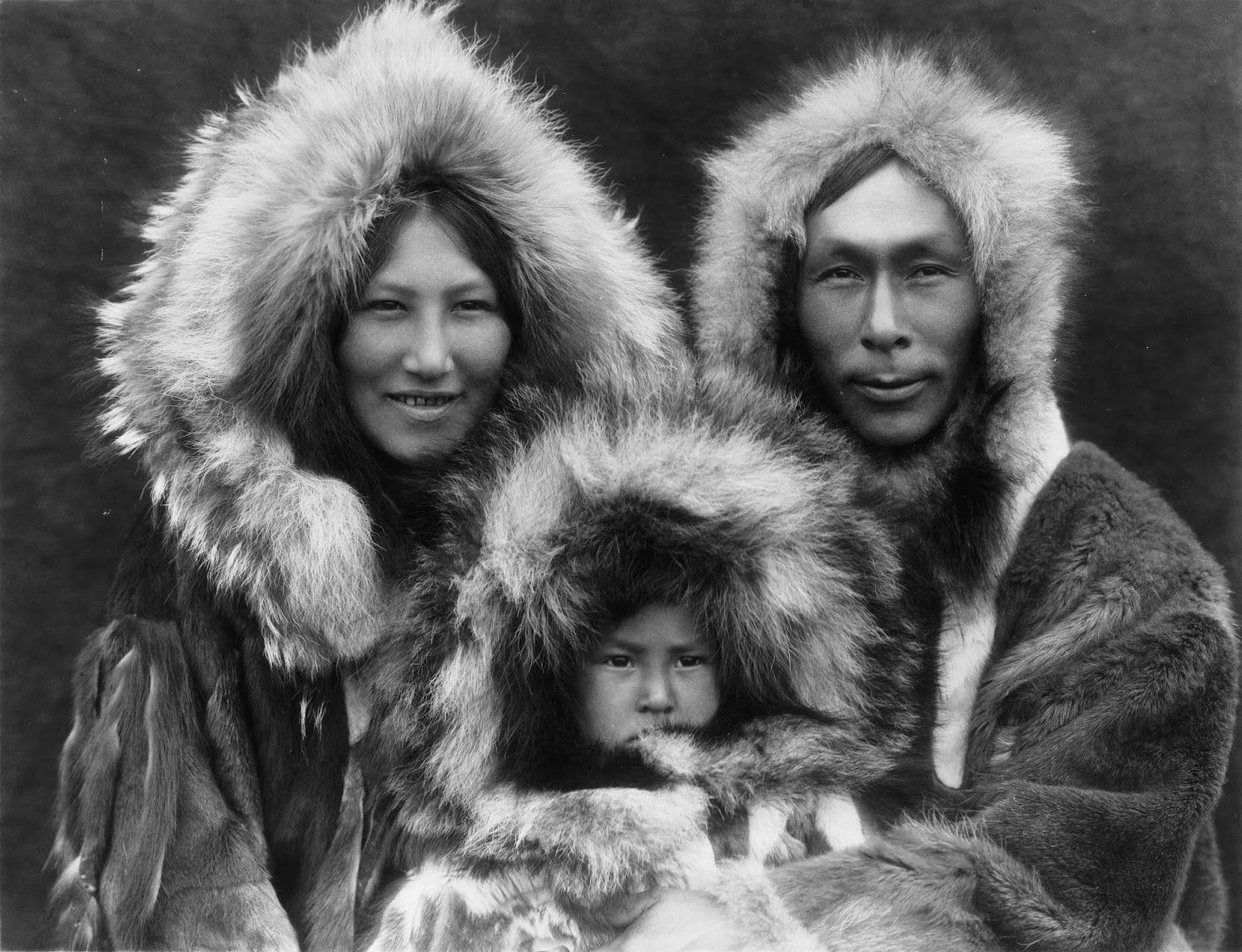
How is it possible for an entire village to vanish without a trace? Believe it or not, this is said to have happened nearly a century ago. According to lore, a small Inuit village in Canada was well known among fur trappers who visited regularly to trade. But in 1930, something very strange supposedly occurred.

A hunter named Joe Labelle claimed he visited the village one day and couldn’t find a single person. Reports said there were guns and food left behind, and even claims that the graves in the cemetery were empty. A thorough investigation, however, found no conclusive evidence of what happened to the villagers. Some witnesses from nearby towns even reported seeing a huge green light. Theories ranged from mass migration to extraterrestrial abductions. The Royal Canadian Mounted Police has since dismissed the case as an urban legend. Some still believe the story to be true.

4

The Joyita Mystery

Image: bbb

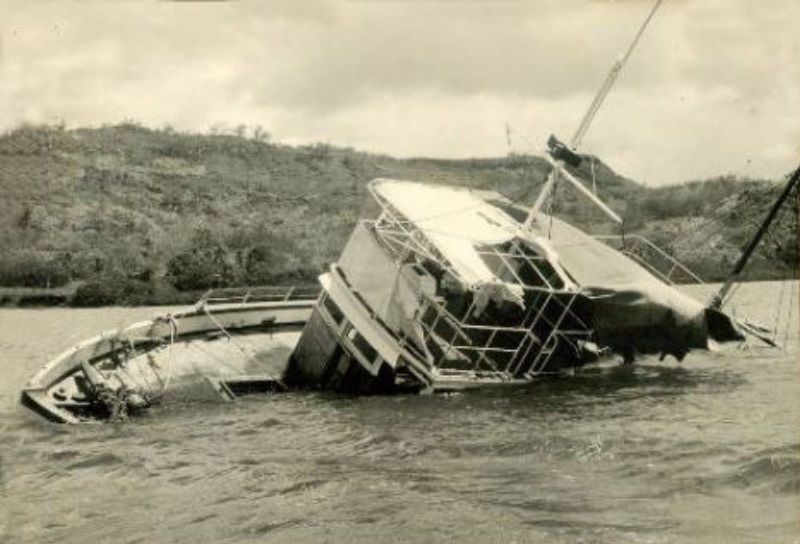
We know thousands of shipwreck stories, but this one is quite unique. The MV Joyita, designed to be nearly unsinkable, was found adrift in the South Pacific, practically unharmed, but the crew had disappeared completely.

In October 1955, the American merchant vessel left the port of Apia in Samoa with 16 crew members and 9 passengers bound for the Tokelau Islands. After days without news, a rescue mission was launched. Five weeks later, the Joyita was spotted more than 600 miles west of its intended route. The vessel was partially submerged, and there was no sign of the passengers or crew. Four tons of cargo and all three life rafts were missing. They were never seen again.

5

A mummy and a mysterious fluid

Image: Gary Todd from Xinzheng, China, CC0, via Wikimedia Commons

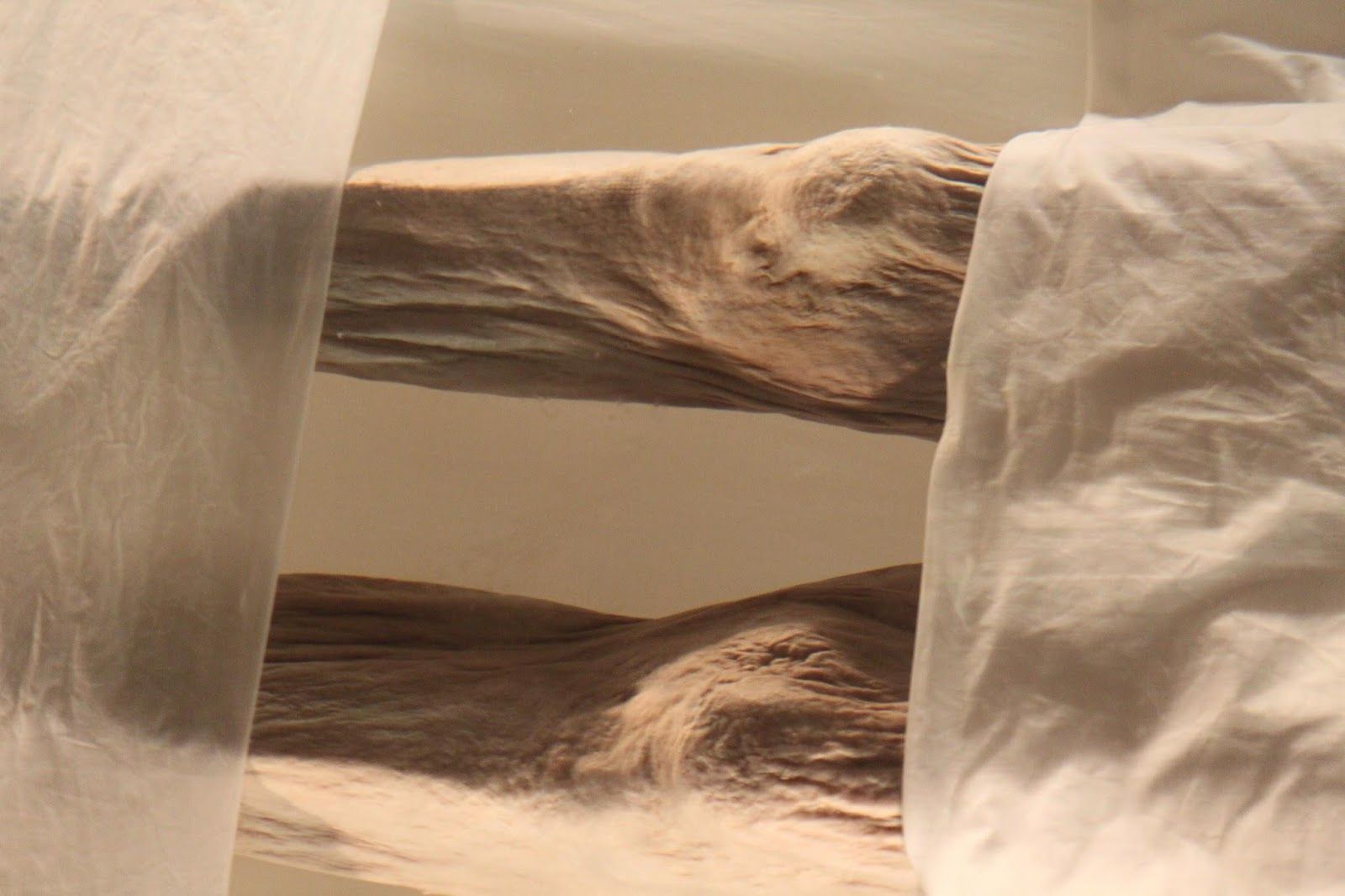
Do you know where one of the best-preserved mummies was found? Hint: not in Egypt. Xin Zhui, the Marquise of Dai during the Western Han Dynasty in China, was discovered in her tomb at Mawangdui 2,000 years after her death, along with hundreds of valuable documents and artifacts.

What makes this mummy so extraordinary is how well-preserved her body is. Her organs and veins remain intact, and she still has hair and even eyelashes. Scientists analyzed the fluid present in the coffin and discovered it was acidic and contained salt and magnesium. They believe this mysterious liquid may have been responsible for preserving Xin Zhui so well. What they don’t know is whether it was intentionally poured into the coffin or came from the body itself.

6

A missing prime minister

Image: Yoichi Okamoto, Public domain, via Wikimedia Commons

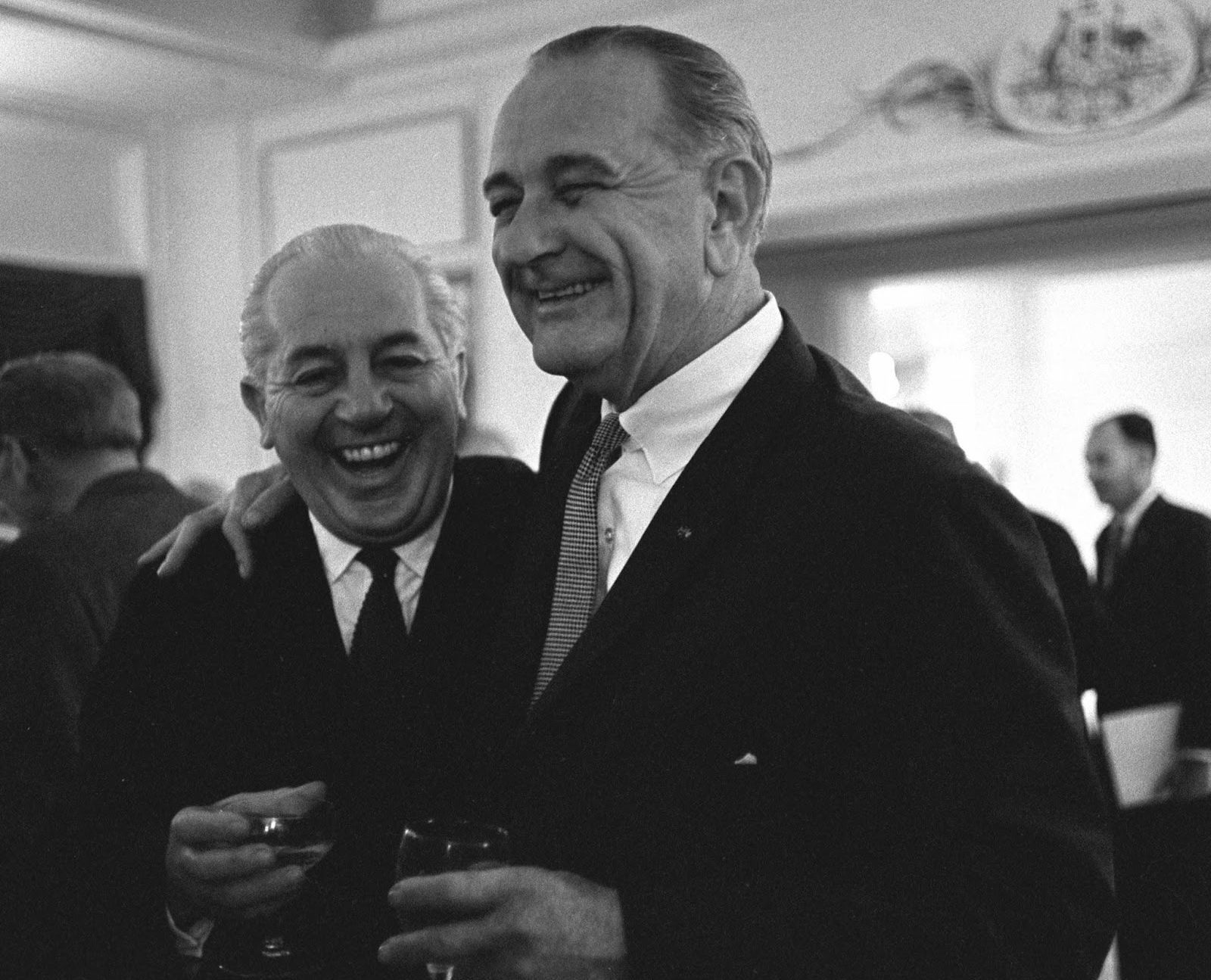
The United States has its fair share of presidents who died while in office, but none of our 45 presidents have ever disappeared without a trace. Did you know that this actually happened in The Land Down Under?

Harold Edward Holt was the Prime Minister of Australia from 1966 until his presumed death in 1967. He loved the ocean and spearfishing. During a weekend trip with friends, Holt visited the remote Cheviot Beach to take a swim. Rough sea conditions that day caused him to be swept away by the waves, and he never reappeared. Despite an intensive search, his body was never found, which has given rise to numerous conspiracy theories. Ironically, Australians built the Harold Holt Memorial Swimming Centre in Melbourne in his honor.

7

The anonymous hijacker

Image: FBI, Public domain, via Wikimedia Commons

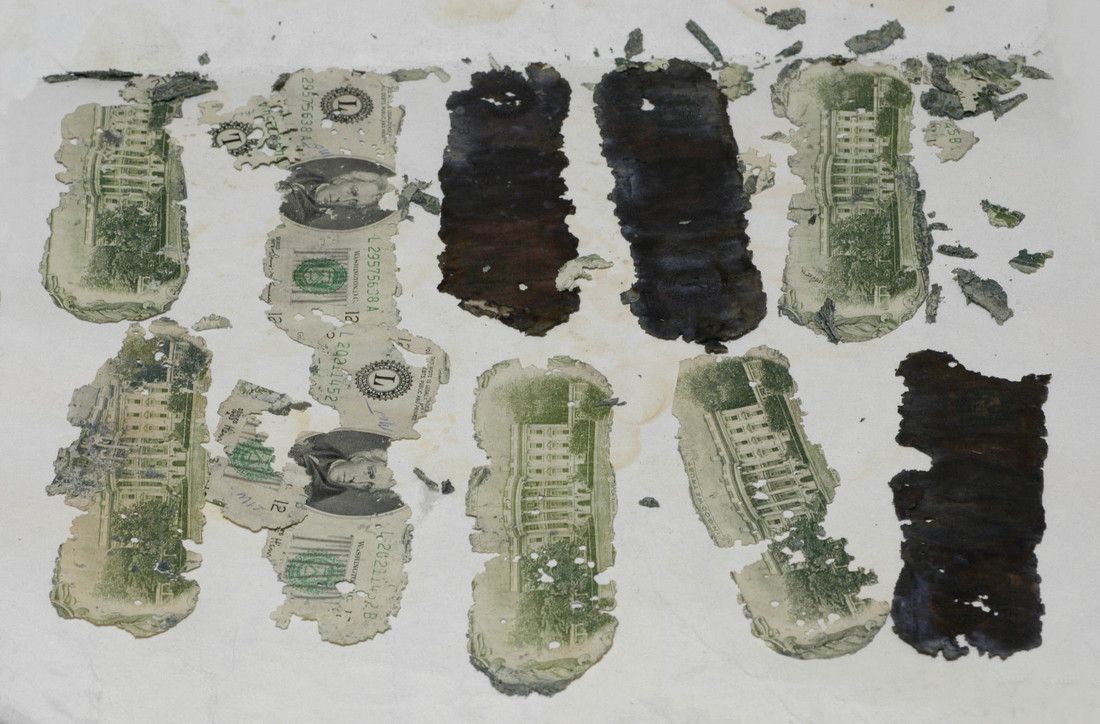
Many famous criminals have managed to remain unidentified for decades, but the D.B. Cooper case is something else entirely. In 1971, Cooper boarded a flight from Portland to Seattle. Shortly after takeoff, he showed a flight attendant a device he claimed was a bomb and demanded four parachutes and $200,000 in cash.

The crew landed to meet Cooper’s demands in exchange for the passengers and then took off again. As the plane flew over southwestern Washington, Cooper jumped into the cold, rainy night carrying his haul. His whereabouts and true identity were never discovered, although it is likely he didn’t survive the jump. In 1980, some of the ransom money was found near the Columbia River. Although the FBI officially closed the case in 2016, amateur sleuths continue to try to crack it.

8

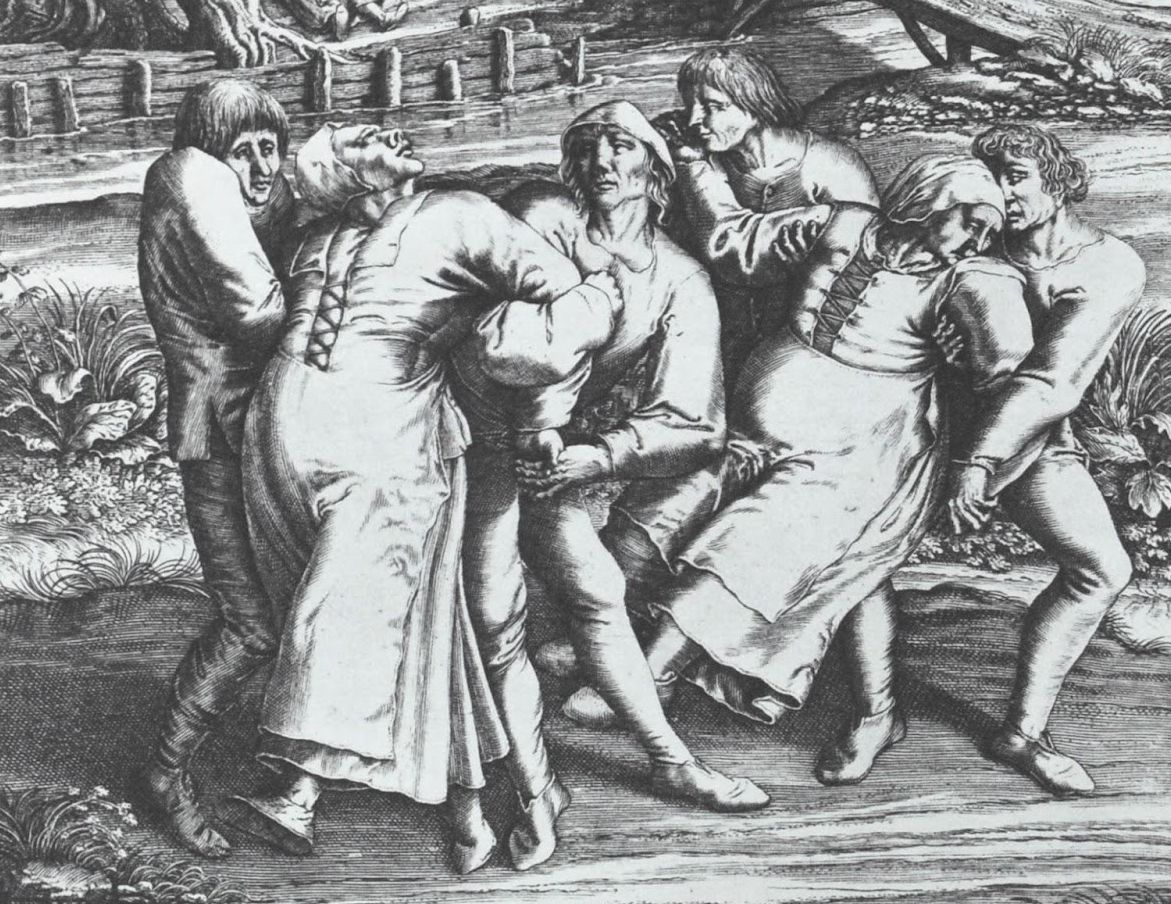
Dancing to death

Image: Pieter Brueghel the Elder, Public domain, via Wikimedia Commons

Can you imagine an epidemic where the main symptom is uncontrollable dancing? Sounds like science fiction, doesn’t it? Yet this really happened during the Middle Ages. In 1518, a dancing plague struck Strasbourg, Alsace, in what is now France. This strange condition affected up to 400 people, making them dance frantically for weeks. It is said that some even died of heart attacks, exhaustion, or strokes.

Doctors and authorities tried all kinds of measures to stop the spread. They even banned music for a while! To this day, scientists are not certain what caused this bizarre condition: it may have been food poisoning from toxins in the ergot fungus, or perhaps a case of stress-induced mass hysteria.

9

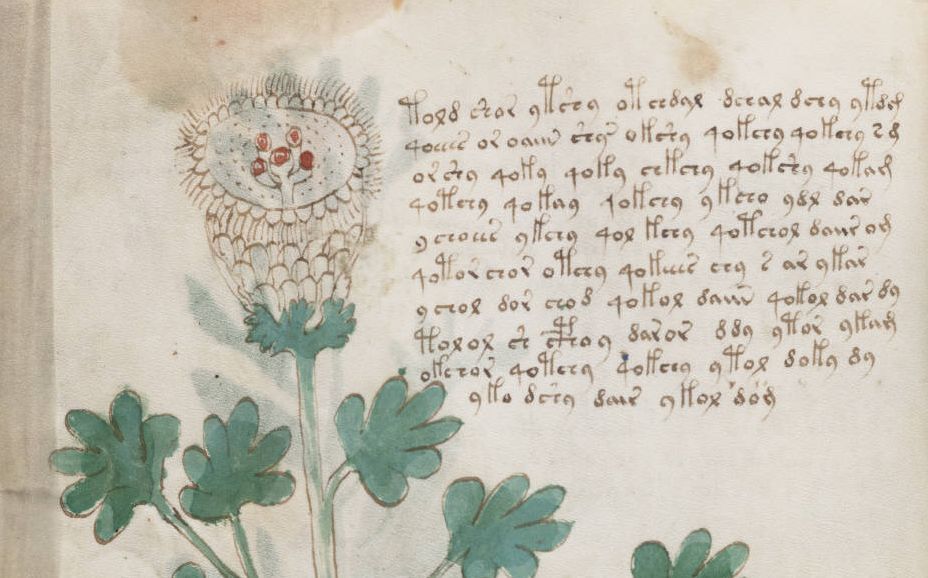
A manuscript no one understands

Image: Public domain, via Wikimedia Commons

The Voynich manuscript is a codex written roughly 500 years ago in an unknown language and writing system by an anonymous author. Known as Voynichese, the manuscript was named after Wilfrid Voynich, a Polish bibliophile and antiquarian who purchased it in 1912.

Radiocarbon testing has shown that it dates to the early 15th century. Many cryptographers and codebreakers have attempted to decipher its roughly 240 pages without success. The manuscript contains diagrams and illustrations of unknown plants and astrological symbols. Some believe it may be a made-up language, a secret code, a work of fiction, or even a hoax. If you think you can solve this mystery, the Voynich manuscript is available for viewing at Yale University’s Beinecke Rare Book and Manuscript Library.

10

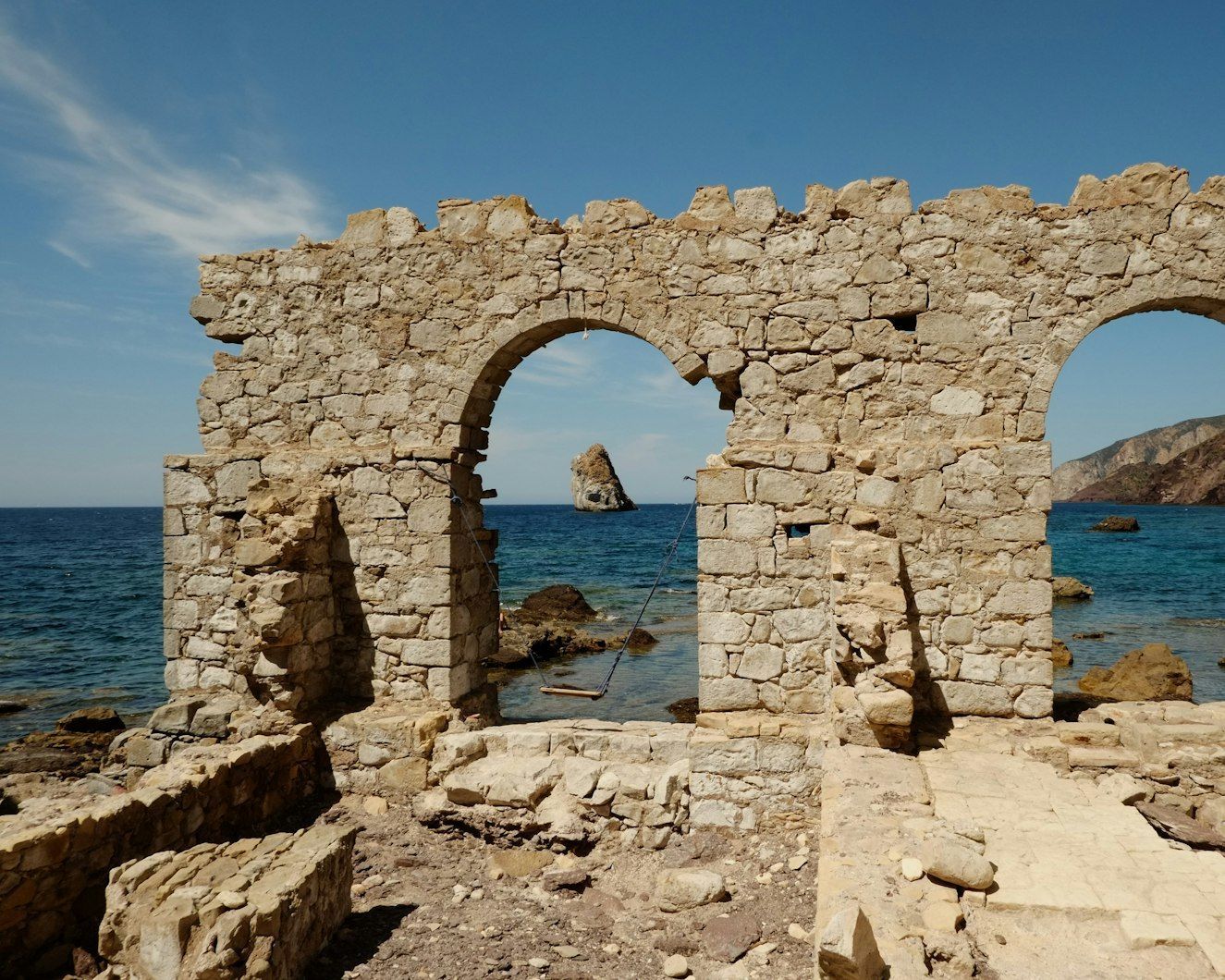
An ancestor of movable-type printing

Image: Bernhard

Similar to the Voynich manuscript, the Phaistos Disc is a fired clay disc believed to have been created during the Bronze Age. It was discovered by an Italian archaeologist in the basement of a palace in Crete, Greece, in 1908.

What makes this disc fascinating is that it contains a mysterious message. Stamped into the clay is a set of signs, forming a text that many scientists have tried to decipher—without success. It is considered an early attempt at printing, a technological innovation that would not become widespread for several centuries. While enthusiasts still hope the enigma can be solved, this is unlikely unless other documents are discovered to provide context.

Looking for an extra scoop of literary fun?

Learn more with our Word of the day

redemption

/rəˈdɛm(p)ʃən/