The places on your plate
Foods named after places around the world
Published on September 16, 2026
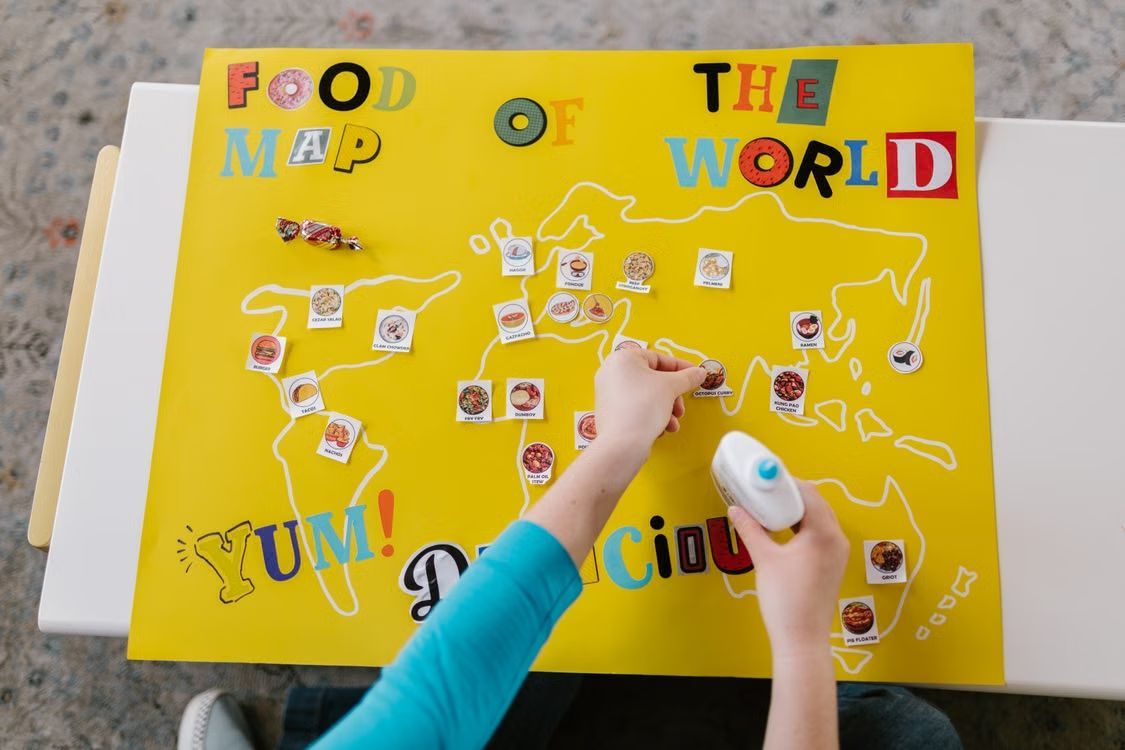
We often say the names of our favorite foods without giving them a second thought. But many of those names are little pieces of geography: they point to a city, a region, or even a country thousands of miles away. From a hamburger named for Hamburg to a cheese associated with the Dutch city of Gouda, these foods have traveled far beyond the places that inspired their names. And some of their stories are surprisingly different from what you might expect.
Hamburger: Hamburg, Germany

Long before Americans started ordering burgers at diners and drive-ins, Hamburg, Germany, was known for Hamburg steak. German immigrants brought this dish of seasoned ground beef to the United States during the 19th century, where it became popular in restaurants and among street vendors.
As the beef patty began to be served between bread, hamburger became the name for the sandwich. Over time, Americans shortened it to "burger," a word that eventually became so common that it could stand on its own. By the late 1800s, hamburger was already appearing in American menus and newspapers.
Gouda: Gouda, Netherlands
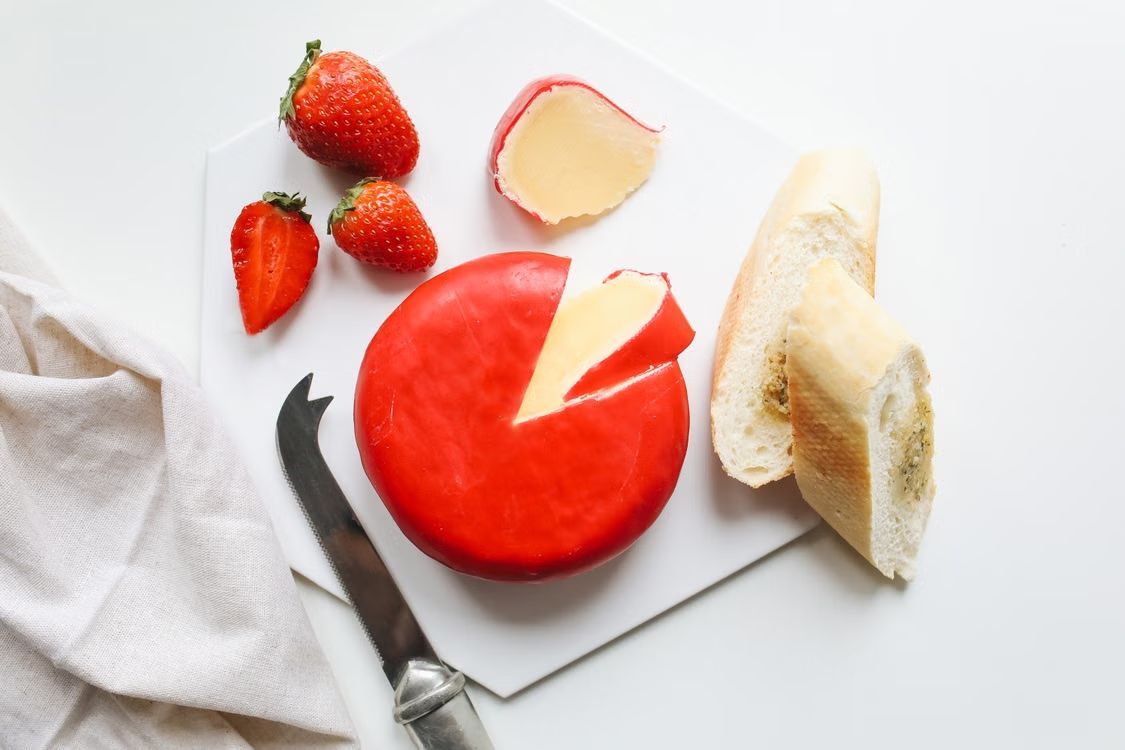
The city of Gouda didn't necessarily invent Gouda cheese, but it helped give it its name. During the Middle Ages, farmers from the surrounding Dutch countryside would bring their cheeses to Gouda to sell at the city's famous market.
In 1395, Gouda received the right to hold a cheese market, helping turn the city into an important center of the trade. Buyers came to associate the cheese with the place where they purchased it, and eventually the city's name became the name of the cheese itself.
Buffalo Wings: Buffalo, New York
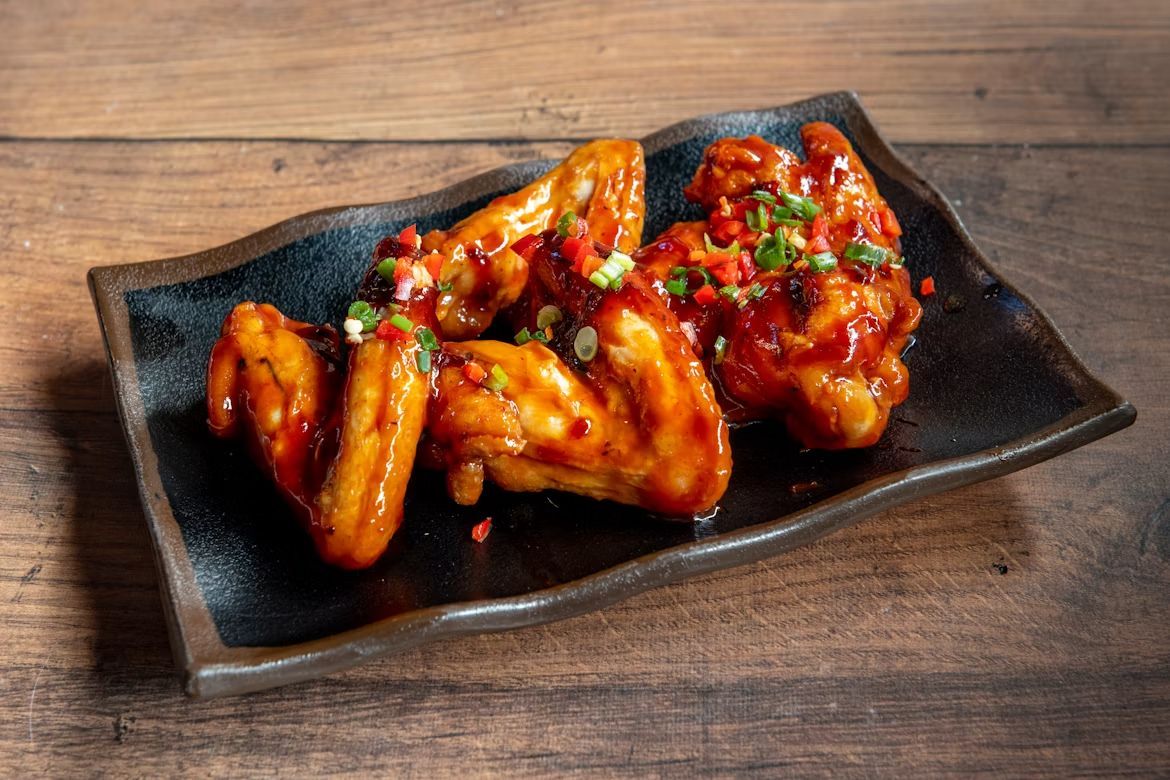
In 1964, an inexpensive cut of chicken helped create one of America's most recognizable bar foods. At the Anchor Bar in Buffalo, New York, co-owner Teressa Bellissimo deep-fried chicken wings and coated them in a spicy sauce.
The wings had traditionally been used for stock or discarded rather than treated as the star of a dish. Bellissimo's preparation changed that, and the new snack quickly caught on. As it spread across the country, its Buffalo roots stayed right there in the name.
Cheddar: Cheddar, England
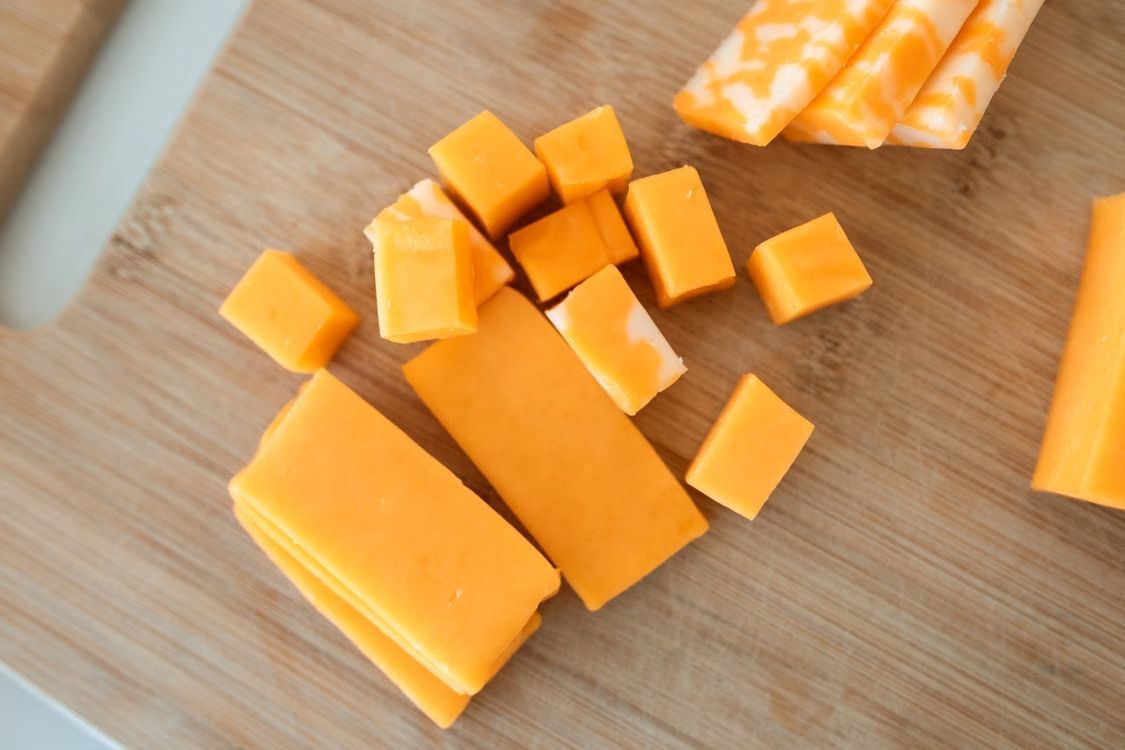
The story of cheddar begins in the English countryside around Cheddar, Somerset, where cheesemakers developed a firm, flavorful cheese that could be aged. The area's caves also offered naturally cool conditions that were useful for storing cheese.
By the 19th century, Joseph Harding, a Somerset dairy farmer, had helped improve and standardize the cheesemaking process. His methods contributed to cheddar's spread beyond the region. Today, the word describes a style of cheese produced all over the world and not just in the village that gave it its name.
Champagne: Champagne, France

Few foods or drinks are as closely tied to a particular place as Champagne. The name belongs to the Champagne region of northeastern France, where the famous sparkling wine has been produced and refined over centuries.
Its creation wasn't the work of one inventor. Winemakers gradually learned how to control the second fermentation that produces the wine's bubbles, particularly during the 17th century. Today, only sparkling wine made in the Champagne region according to its strict rules can officially carry the name.
Dijon Mustard: Dijon, France
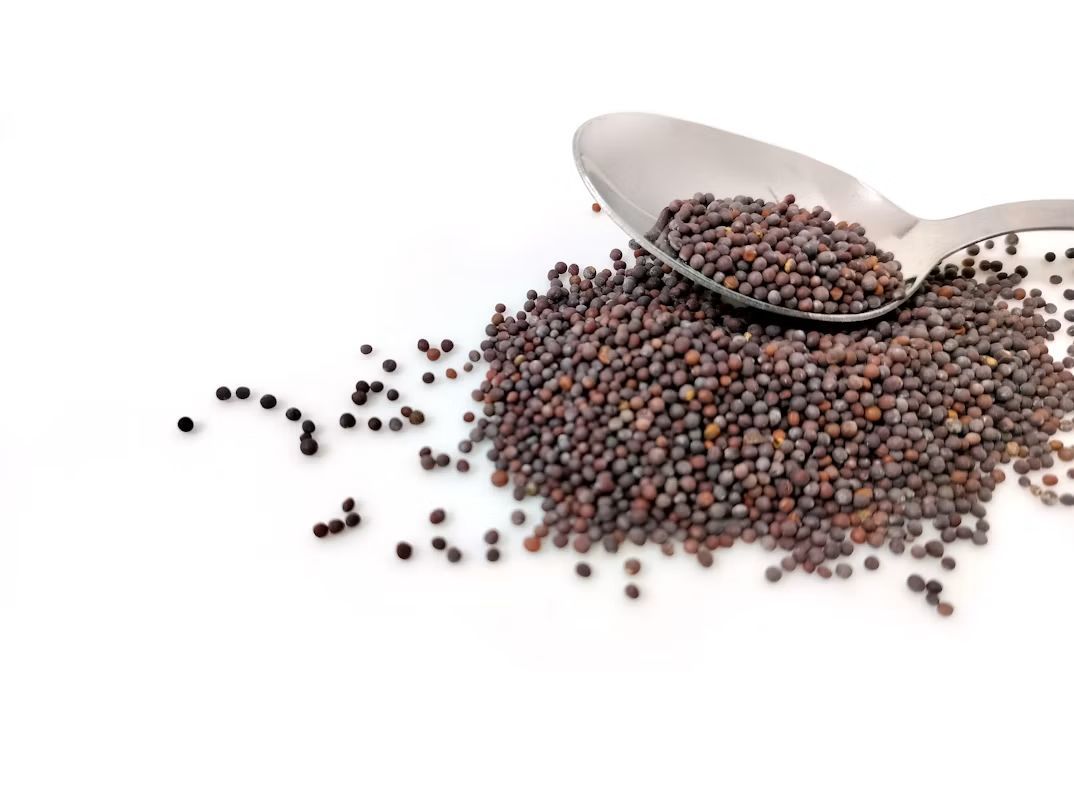
The sharp yellow condiment on a sandwich has a distinctly French backstory. Dijon, the capital of Burgundy, had been associated with mustard-making for centuries before the version now known around the world was developed.
The key change came in 1856, when Dijon mustard maker Jean Naigeon substituted verjuice, the acidic juice of unripe grapes, for vinegar. The result was a smoother, sharper mustard that helped establish Dijon as a name synonymous with high-quality mustard.
Frankfurter: Frankfurt, Germany
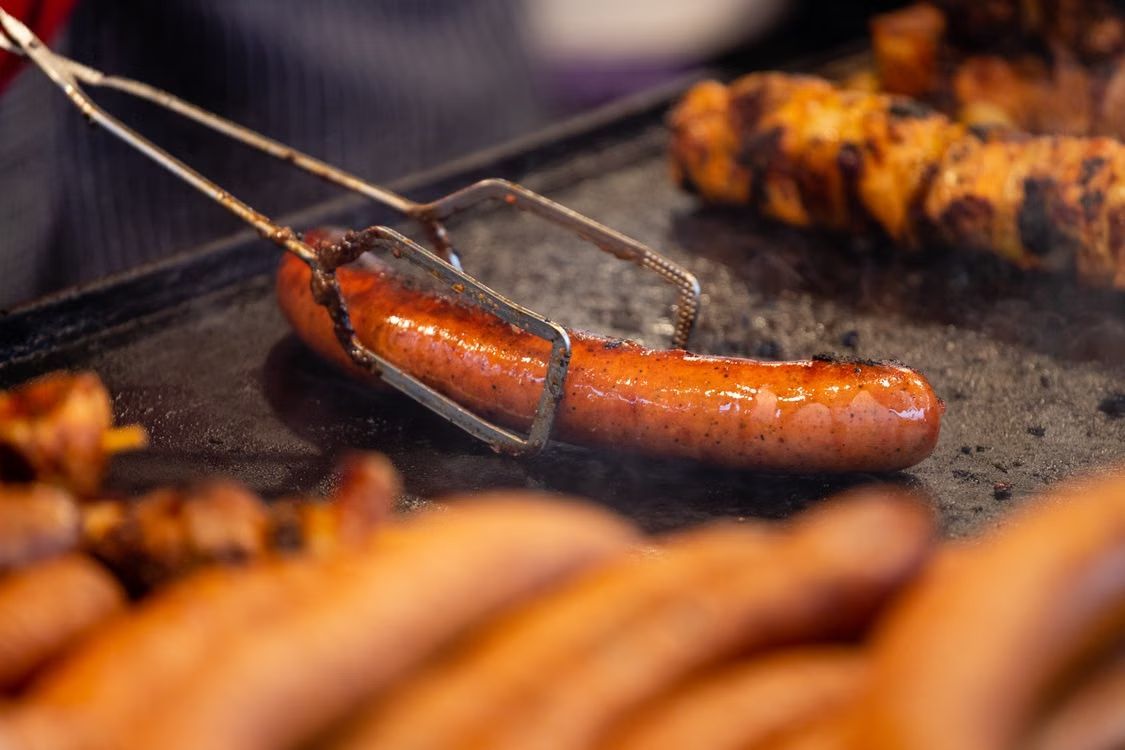
A trip to Frankfurt could once mean a taste of one of Germany's best-known sausages. Frankfurter Würstchen, a slender smoked pork sausage, has been associated with the city since at least the 16th century.
Its name eventually traveled with German immigrants and became familiar in America. The word frankfurter came to be used for the sausage itself, and eventually became closely associated with the hot dog.
Brussels Sprouts: Brussels, Belgium
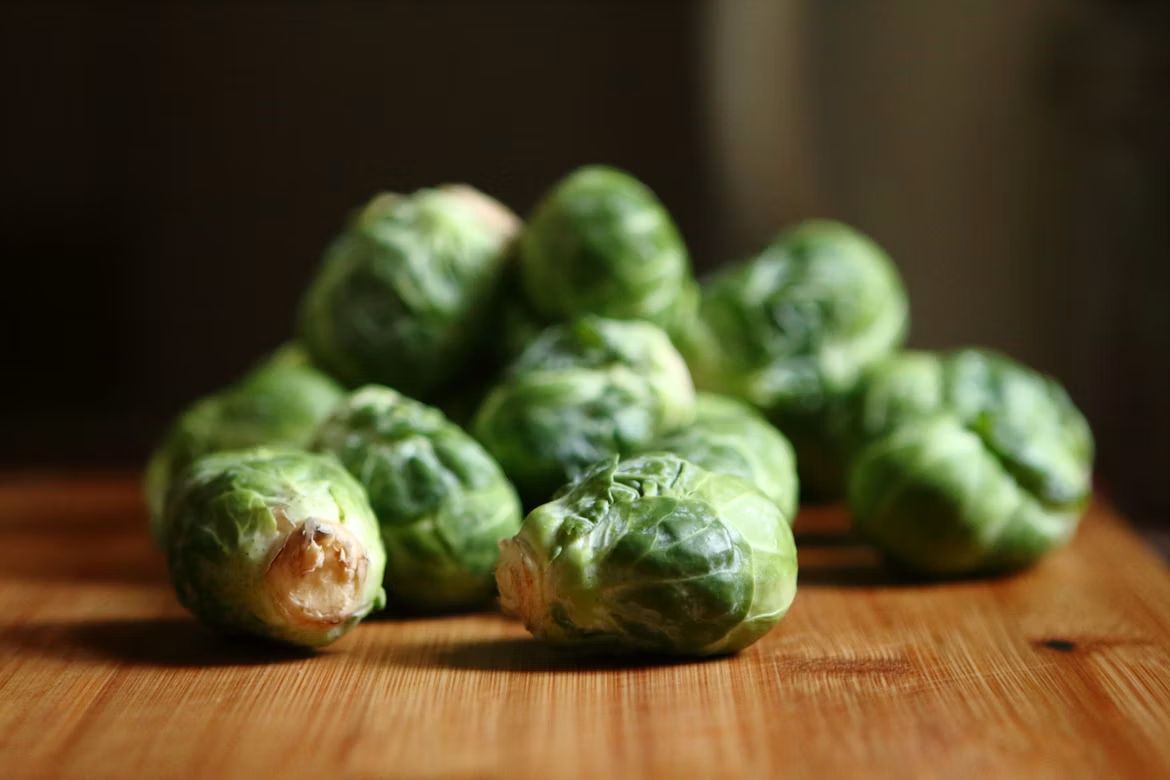
Their name offers a pretty good clue to their history. Brussels sprouts became associated with Brussels, Belgium, where growers cultivated the small cabbage-like vegetable. Their exact beginnings are uncertain, but they were being grown in the region by the 18th century.
From Belgium, the vegetable spread throughout Europe and eventually crossed the Atlantic. The name remained unchanged, giving American diners a direct geographic clue every time they see "Brussels" on a menu.
Swiss Cheese: Switzerland
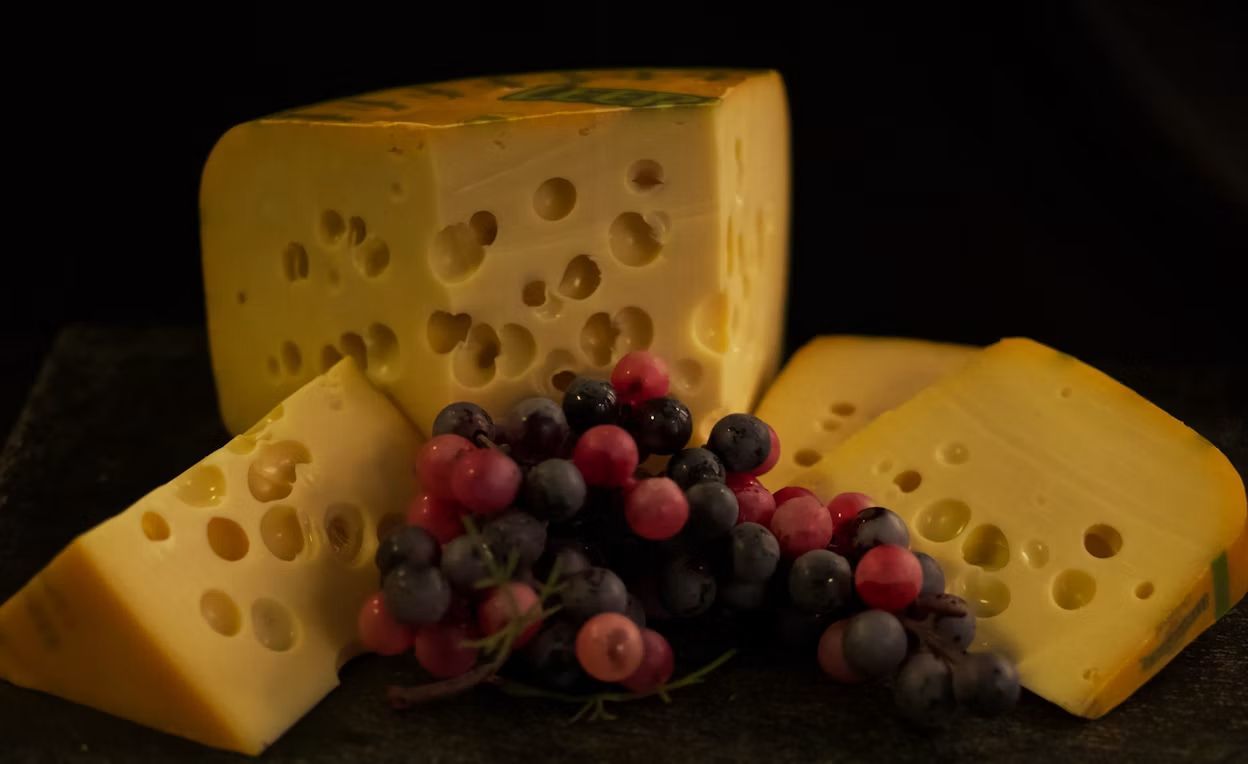
Those distinctive holes point back to Switzerland, particularly the Emmental region, where cheeses with this characteristic appearance have been made for centuries. Emmental, the best-known example, has documented roots going back to the 16th century.
In America, though, "Swiss cheese" doesn't necessarily mean cheese imported from Switzerland. American cheesemakers began producing their own versions of Swiss-style cheese, and the name became a general term for the familiar mild cheese with holes.
Parmesan: Parma, Italy
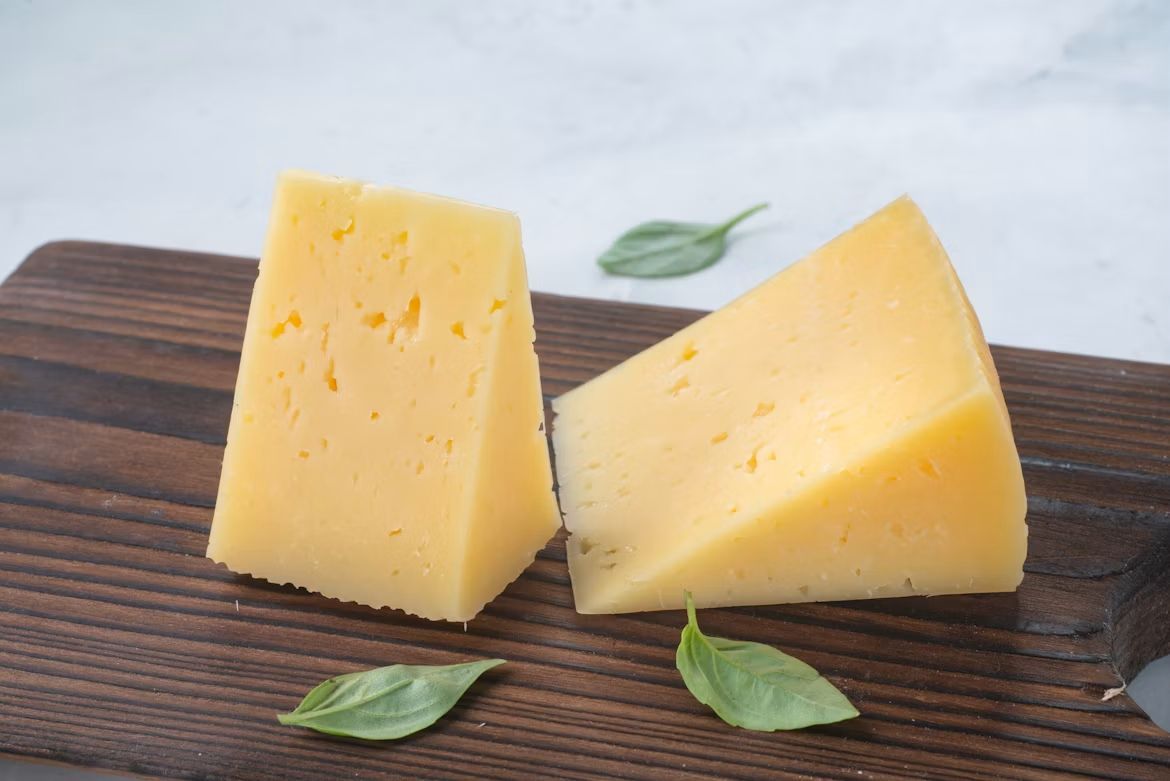
Think of Parma, Italy, and cheese is likely to come to mind. The region has been producing the hard, granular cheese known as Parmigiano Reggiano for centuries, with written evidence of similar cheese dating back to the Middle Ages.
There wasn't a single person who invented Parmesan. Instead, cheesemakers in the area gradually developed the product over generations. As it became popular outside Italy, Parmesan became the familiar English name, linking the cheese to its Italian home.
Bologna: Bologna, Italy

The lunch meat Americans call bologna has a much more elegant Italian relative: mortadella Bologna. This large, finely ground pork sausage has been a specialty of Bologna, Italy, for centuries.
When the Italian sausage tradition reached the United States, the complicated name was simplified to bologna. American producers developed their own version, but the connection to Bologna remained in the name as a reminder of the Italian food that inspired it.