The places on your plate

Do you know which real city gave the hamburger its name?


Published on September 16, 2026

Image: RDNE Stock project

We often say the names of our favorite foods without giving them a second thought. But many of those names are little pieces of geography: they point to a city, a region, or even a country thousands of miles away. From a hamburger named for Hamburg to a cheese associated with the Dutch city of Gouda, these foods have traveled far beyond the places that inspired their names. And some of their stories are surprisingly different from what you might expect.

1

Hamburger: Hamburg, Germany

Image: Giorgi Iremadze

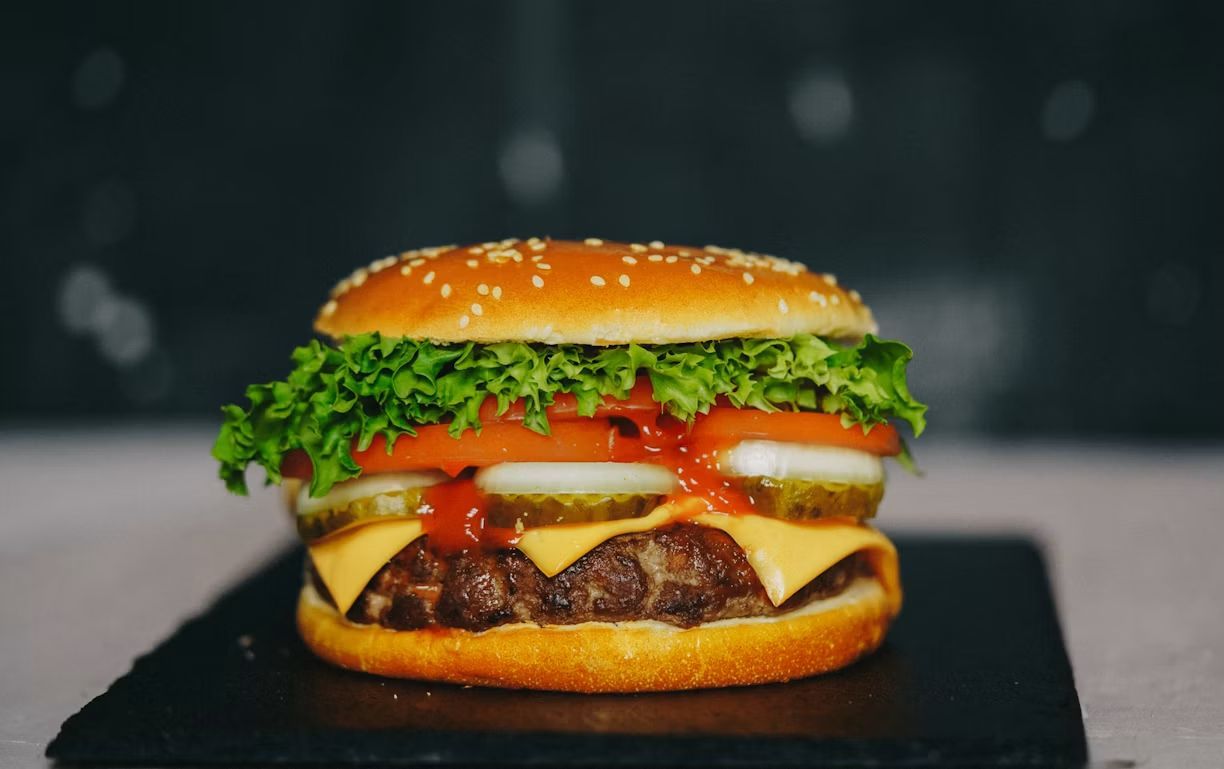
Long before Americans started ordering burgers at diners and drive-ins, Hamburg, Germany, was known for Hamburg steak. German immigrants brought this dish of seasoned ground beef to the United States during the 19th century, where it became popular in restaurants and among street vendors.

As the beef patty began to be served between bread, hamburger became the name for the sandwich. Over time, Americans shortened it to "burger," a word that eventually became so common that it could stand on its own. By the late 1800s, hamburger was already appearing in American menus and newspapers.

2

Gouda: Gouda, Netherlands

Image: Polina Tankilevitch

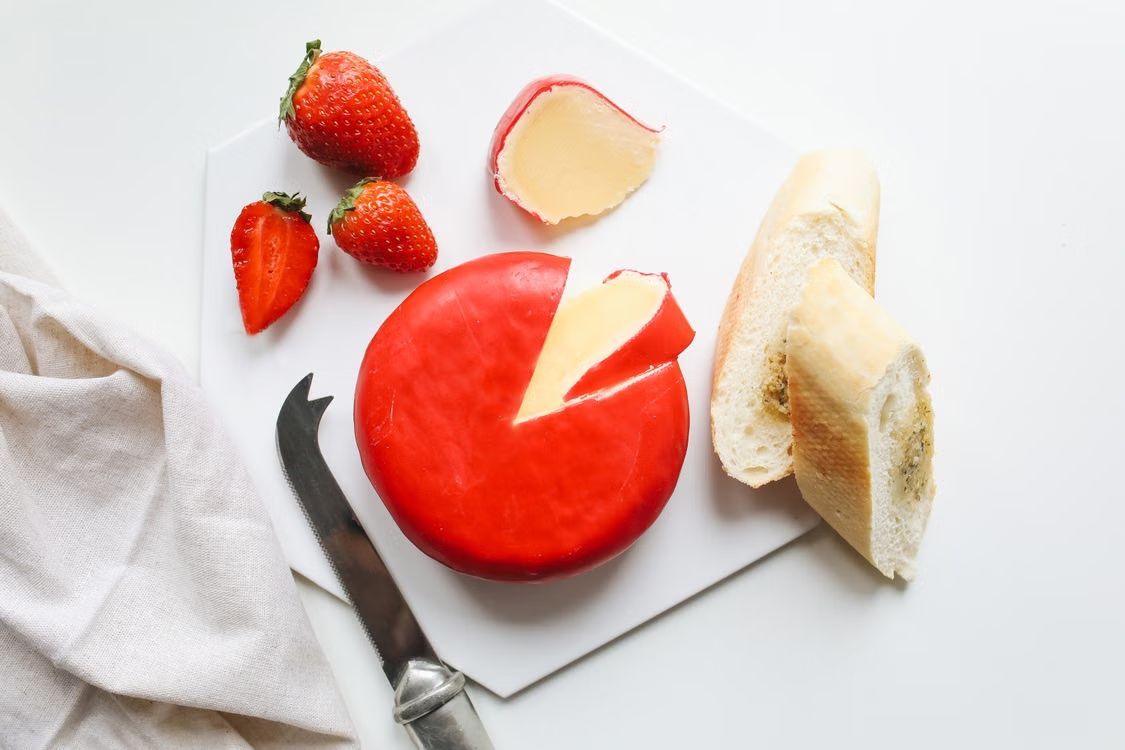
The city of Gouda didn't necessarily invent Gouda cheese, but it helped give it its name. During the Middle Ages, farmers from the surrounding Dutch countryside would bring their cheeses to Gouda to sell at the city's famous market.

In 1395, Gouda received the right to hold a cheese market, helping turn the city into an important center of the trade. Buyers came to associate the cheese with the place where they purchased it, and eventually the city's name became the name of the cheese itself.

3

Buffalo Wings: Buffalo, New York

Image: Snappr

In 1964, an inexpensive cut of chicken helped create one of America's most recognizable bar foods. At the Anchor Bar in Buffalo, New York, co-owner Teressa Bellissimo deep-fried chicken wings and coated them in a spicy sauce.

The wings had traditionally been used for stock or discarded rather than treated as the star of a dish. Bellissimo's preparation changed that, and the new snack quickly caught on. As it spread across the country, its Buffalo roots stayed right there in the name.

4

Cheddar: Cheddar, England

Image: RDNE Stock project

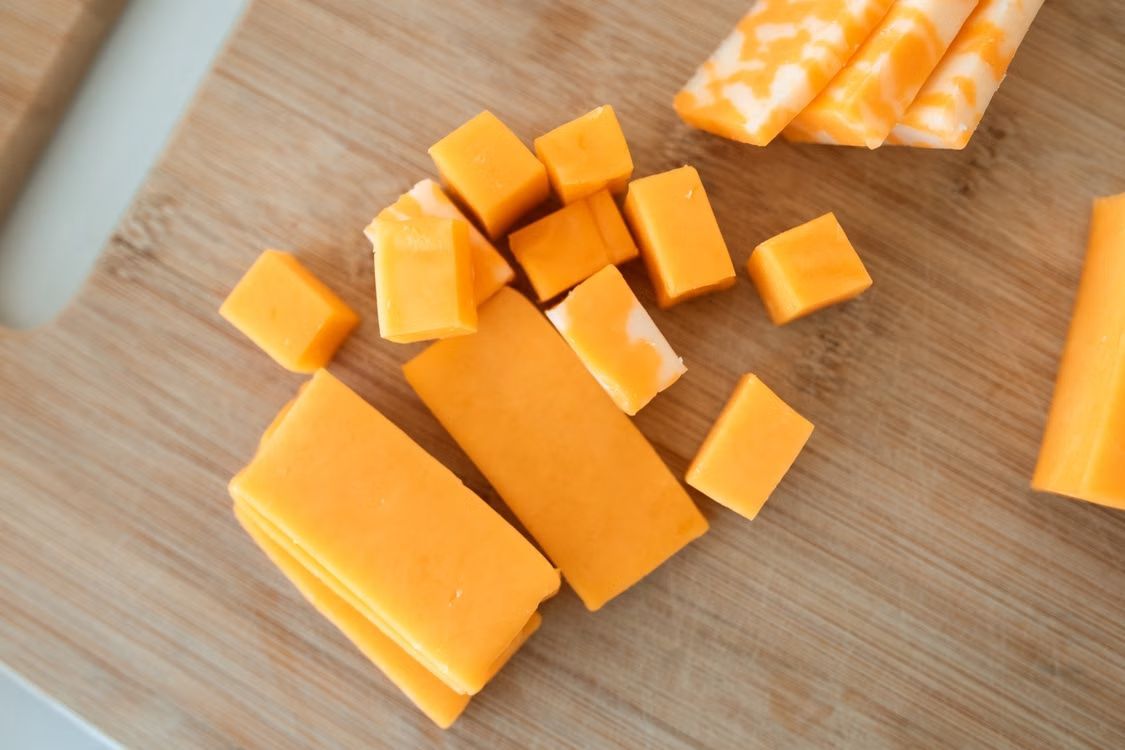
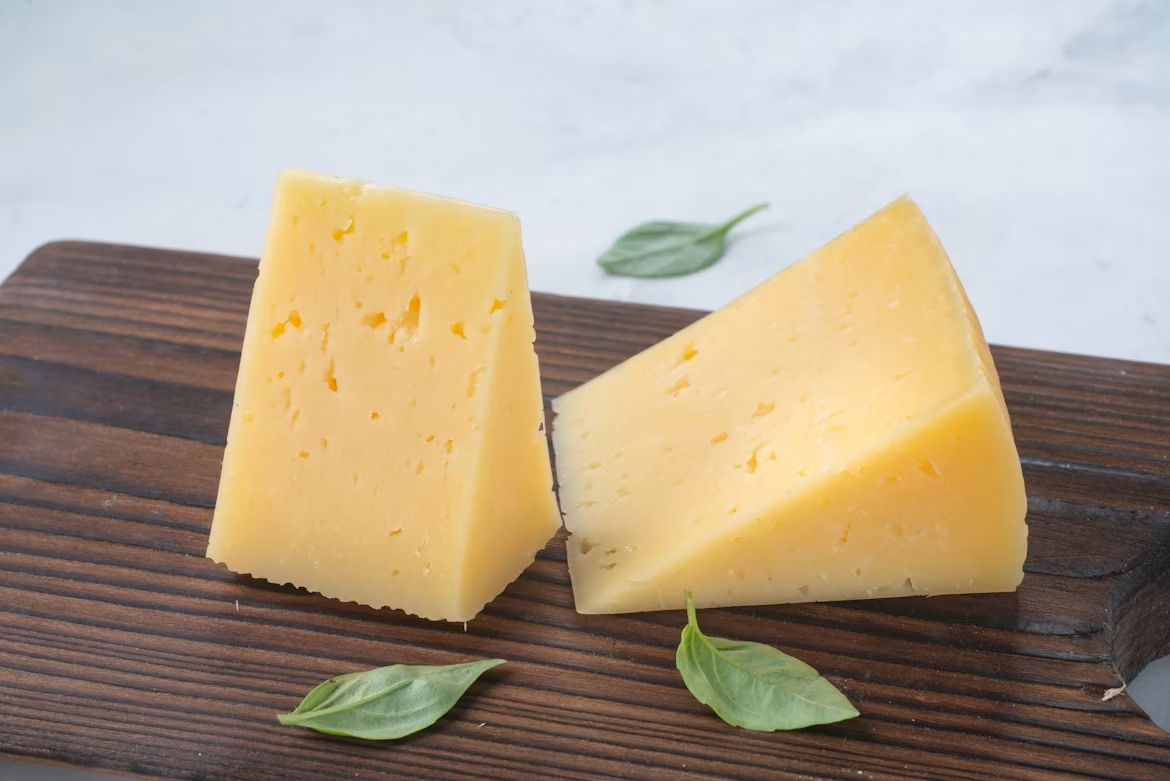
The story of cheddar begins in the English countryside around Cheddar, Somerset, where cheesemakers developed a firm, flavorful cheese that could be aged. The area's caves also offered naturally cool conditions that were useful for storing cheese.

By the 19th century, Joseph Harding, a Somerset dairy farmer, had helped improve and standardize the cheesemaking process. His methods contributed to cheddar's spread beyond the region. Today, the word describes a style of cheese produced all over the world and not just in the village that gave it its name.

5

Champagne: Champagne, France

Image: Mads Eneqvist

Few foods or drinks are as closely tied to a particular place as Champagne. The name belongs to the Champagne region of northeastern France, where the famous sparkling wine has been produced and refined over centuries.

Its creation wasn't the work of one inventor. Winemakers gradually learned how to control the second fermentation that produces the wine's bubbles, particularly during the 17th century. Today, only sparkling wine made in the Champagne region according to its strict rules can officially carry the name.

6

Dijon Mustard: Dijon, France

Image: Jaspreet Kalsi

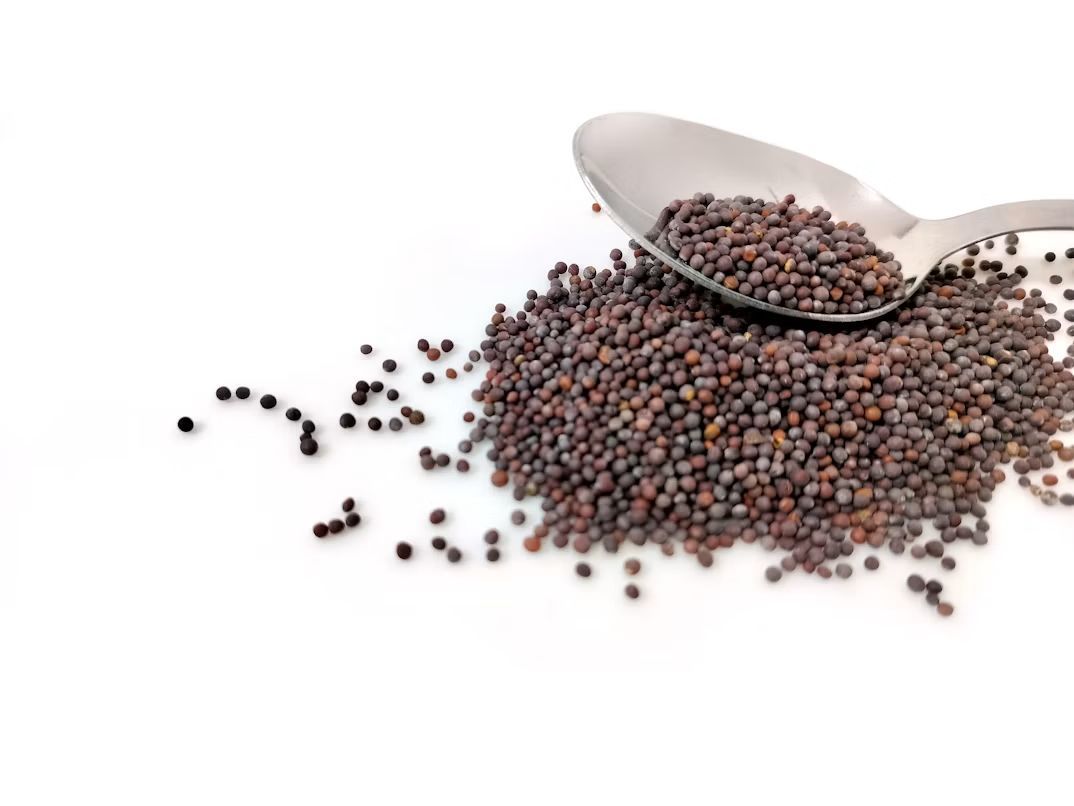
The sharp yellow condiment on a sandwich has a distinctly French backstory. Dijon, the capital of Burgundy, had been associated with mustard-making for centuries before the version now known around the world was developed.

The key change came in 1856, when Dijon mustard maker Jean Naigeon substituted verjuice, the acidic juice of unripe grapes, for vinegar. The result was a smoother, sharper mustard that helped establish Dijon as a name synonymous with high-quality mustard.

7

Frankfurter: Frankfurt, Germany

Image: Mateusz Feliksik

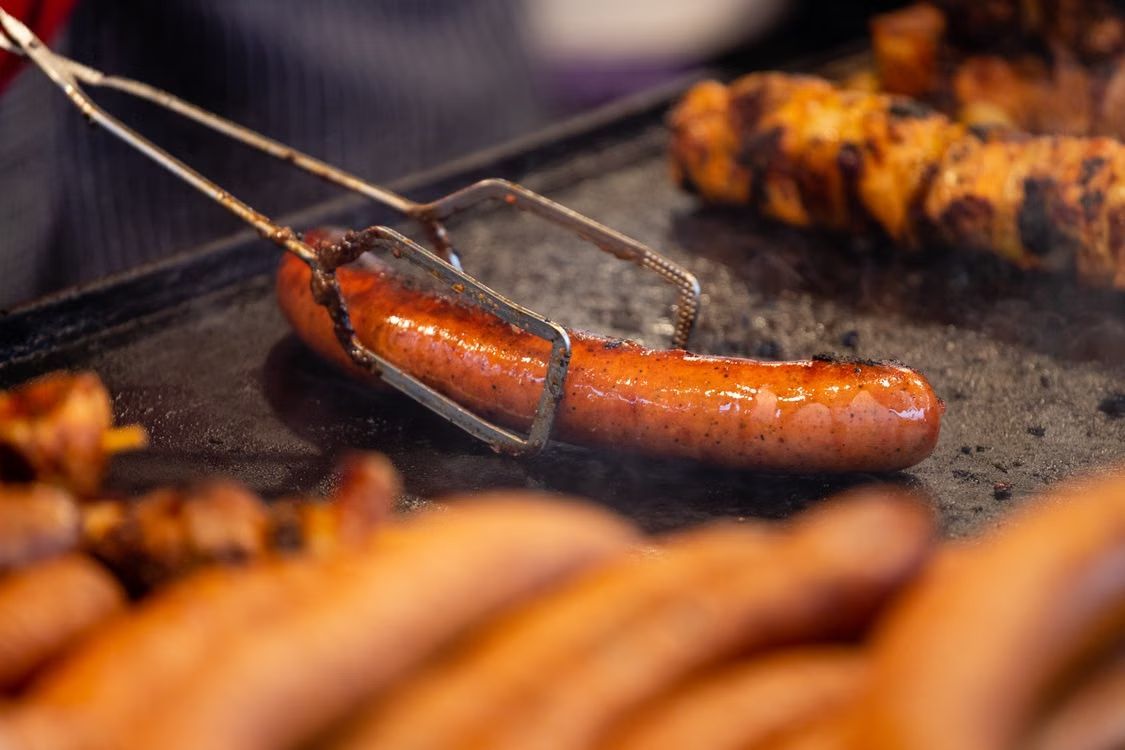
A trip to Frankfurt could once mean a taste of one of Germany's best-known sausages. Frankfurter Würstchen, a slender smoked pork sausage, has been associated with the city since at least the 16th century.

Its name eventually traveled with German immigrants and became familiar in America. The word frankfurter came to be used for the sausage itself, and eventually became closely associated with the hot dog.

8

Brussels Sprouts: Brussels, Belgium

Image: Keenan Loo

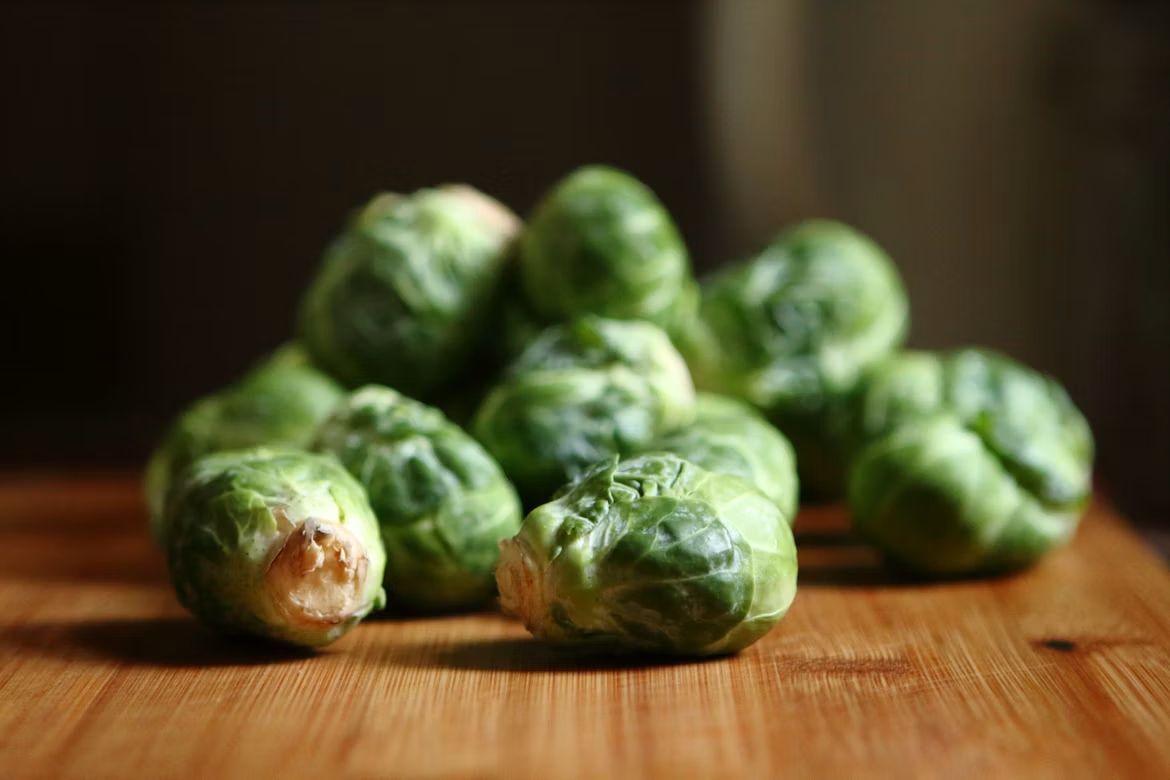
Their name offers a pretty good clue to their history. Brussels sprouts became associated with Brussels, Belgium, where growers cultivated the small cabbage-like vegetable. Their exact beginnings are uncertain, but they were being grown in the region by the 18th century.

From Belgium, the vegetable spread throughout Europe and eventually crossed the Atlantic. The name remained unchanged, giving American diners a direct geographic clue every time they see "Brussels" on a menu.

9

Swiss Cheese: Switzerland

Image: Rickie-Tom Schünemann

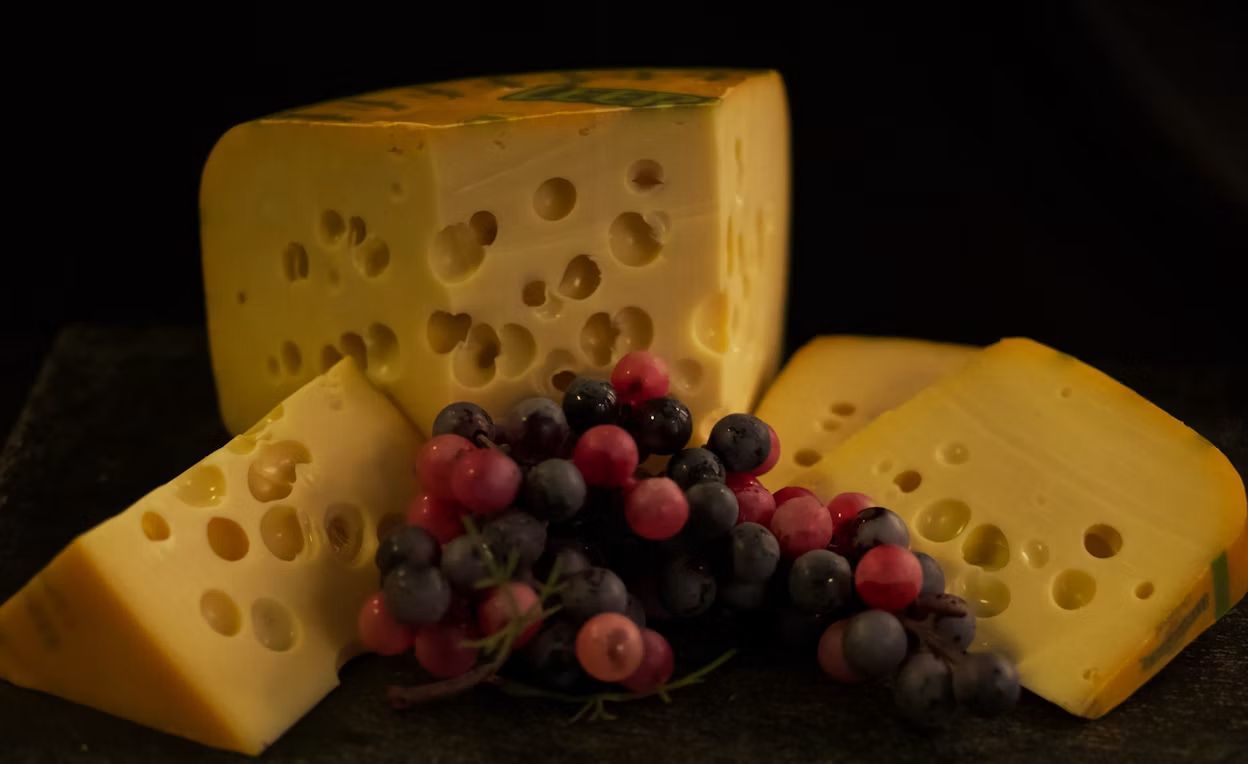
Those distinctive holes point back to Switzerland, particularly the Emmental region, where cheeses with this characteristic appearance have been made for centuries. Emmental, the best-known example, has documented roots going back to the 16th century.

In America, though, "Swiss cheese" doesn't necessarily mean cheese imported from Switzerland. American cheesemakers began producing their own versions of Swiss-style cheese, and the name became a general term for the familiar mild cheese with holes.

10

Parmesan: Parma, Italy

Image: David Foodphototasty

Think of Parma, Italy, and cheese is likely to come to mind. The region has been producing the hard, granular cheese known as Parmigiano Reggiano for centuries, with written evidence of similar cheese dating back to the Middle Ages.

There wasn't a single person who invented Parmesan. Instead, cheesemakers in the area gradually developed the product over generations. As it became popular outside Italy, Parmesan became the familiar English name, linking the cheese to its Italian home.

11

Bologna: Bologna, Italy

Image: Erik Mclean

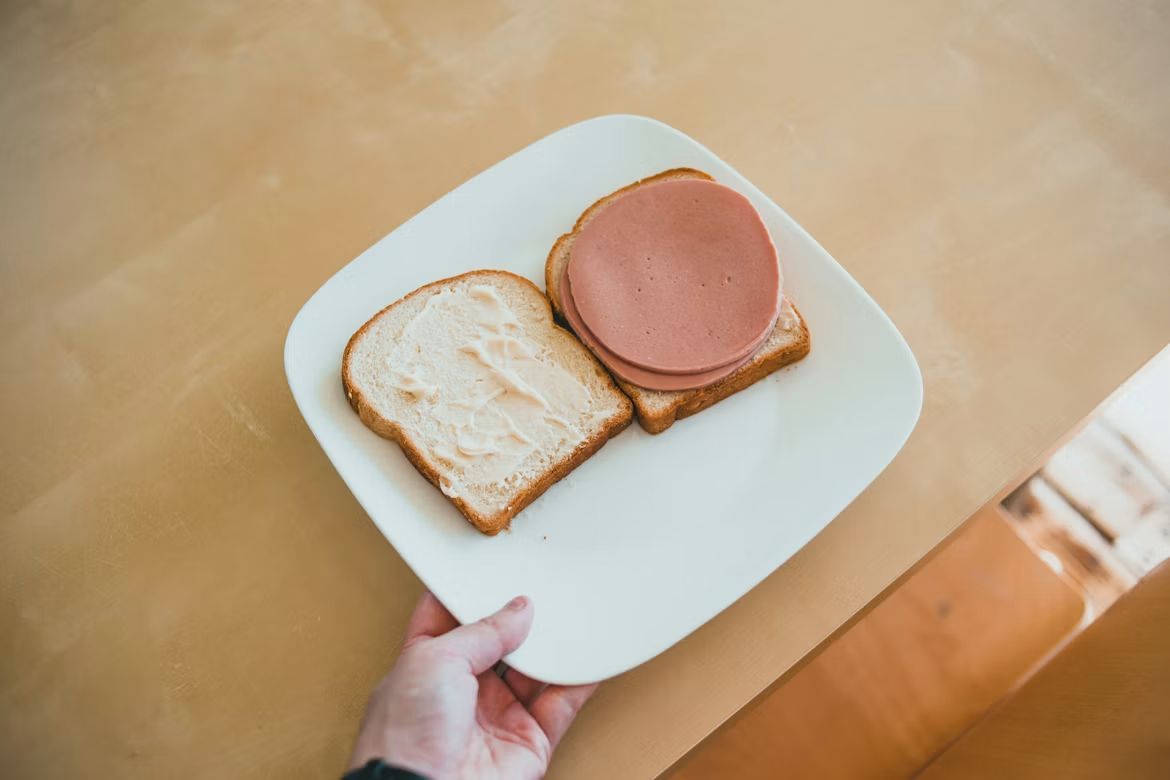
The lunch meat Americans call bologna has a much more elegant Italian relative: mortadella Bologna. This large, finely ground pork sausage has been a specialty of Bologna, Italy, for centuries.

When the Italian sausage tradition reached the United States, the complicated name was simplified to bologna. American producers developed their own version, but the connection to Bologna remained in the name as a reminder of the Italian food that inspired it.

Wild science

What if everything you know is wrong? 12 real theories say so


Published on September 16, 2026


Image: Raghav Modi

All great scientific breakthroughs begin as wild—albeit informed—guesses. While not all theories hold up against the evidence, many still offer fascinating insights into the strange nature of our world and the workings of science itself. From multiverses to simulations, there’s no shortage of weirdness in the scientific community. Before you shrug them off, consider this: these strange theories may sound outlandish, but many are supported by real data and serious research. For now, the jury’s still out—so why not explore them for yourself?

1

The Universe might be a hologram

Image: Daniele Levis Pelusi

Yes, that—but not the kind of hologram you're probably thinking of. It's actually much weirder. Some physicists, like Juan Maldacena and Leonard Susskind, propose that everything we experience—space, time, matter, even gravity—might just be a 3D projection of information stored on a distant 2D surface.

The idea comes from black hole physics. Scientists discovered that all the information about what falls into a black hole might be encoded on its outer surface, not within. This strange result led to a profound question: What if our entire universe works the same way? While we’re far from proving it, the holographic principle has become a powerful tool in theoretical physics.

2

Time does not exist

Image: Elijah Hiett

Some physicists argue that time might not be real—at least not in the way we typically experience it. In physics, especially in general relativity and quantum mechanics, time doesn’t behave like a universal ticking clock. Instead, it's often considered a human-constructed framework for organizing events. In fact, many fundamental equations that describe the universe don’t even include time as a necessary component.

3

Are we living in a multiverse?

Image: Kind and Curious

The multiverse theory suggests that our universe might be just one of many. In fact, there could be an infinite number of universes—each with different laws of physics, unique histories, or even alternate versions of you. This idea isn’t just science fiction; it’s taken seriously by many physicists, especially in fields like quantum mechanics and cosmology. While we can’t observe other universes (yet), the mathematics behind some of these theories remains consistent and compelling.

4

We might be living in a cosmic zoo

Image: Danie Franco

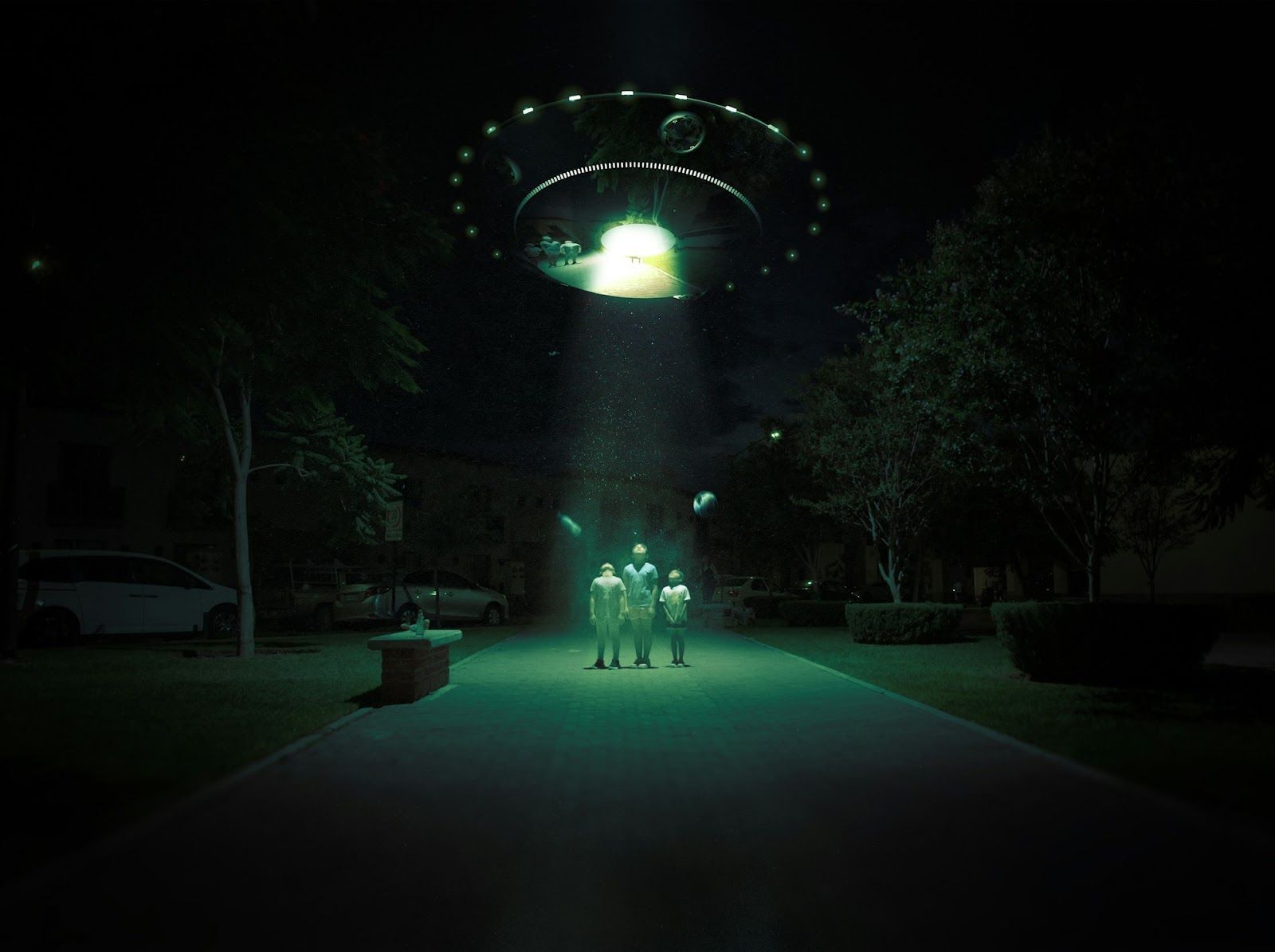
The Zoo Hypothesis is one of the many possible answers to the Fermi Paradox—if aliens exist, why haven’t we seen them? This theory suggests that intelligent extraterrestrial civilizations are out there, but they’re deliberately avoiding contact with us. Think of it as a cosmic version of a wildlife preserve or zoo: they might be observing us from a distance but choose not to interfere, allowing us to evolve naturally.

5

Reality is math

Image: Dan Cristian Pădureț

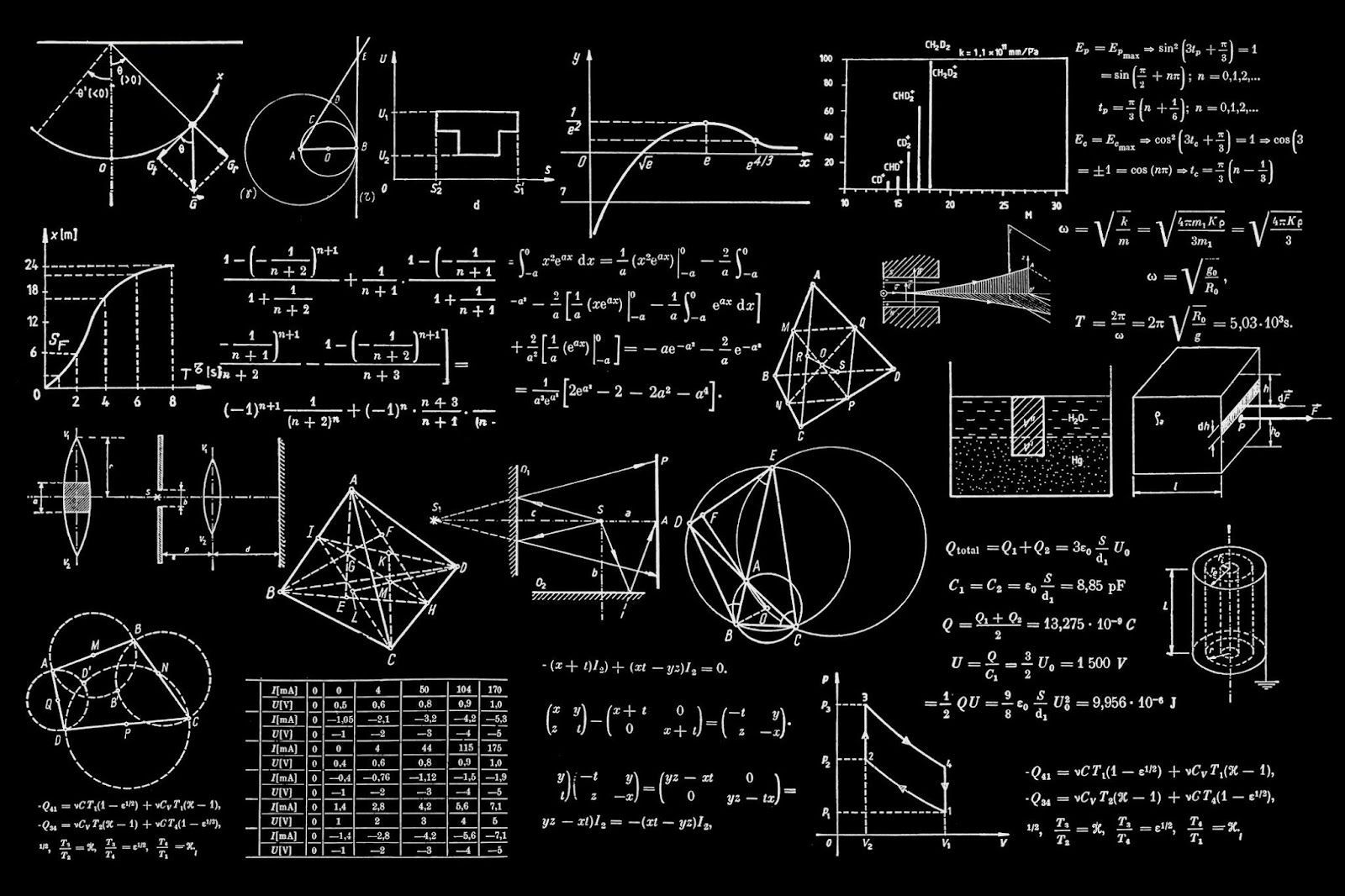
Some scientists argue the universe isn’t just described by math—it is math. Physicist Max Tegmark believes that everything we experience—matter, energy, space, even consciousness—is ultimately a mathematical structure. If he’s right, reality itself is made entirely of numbers and equations. Suddenly, paying attention in math class sounds like a survival skill.

6

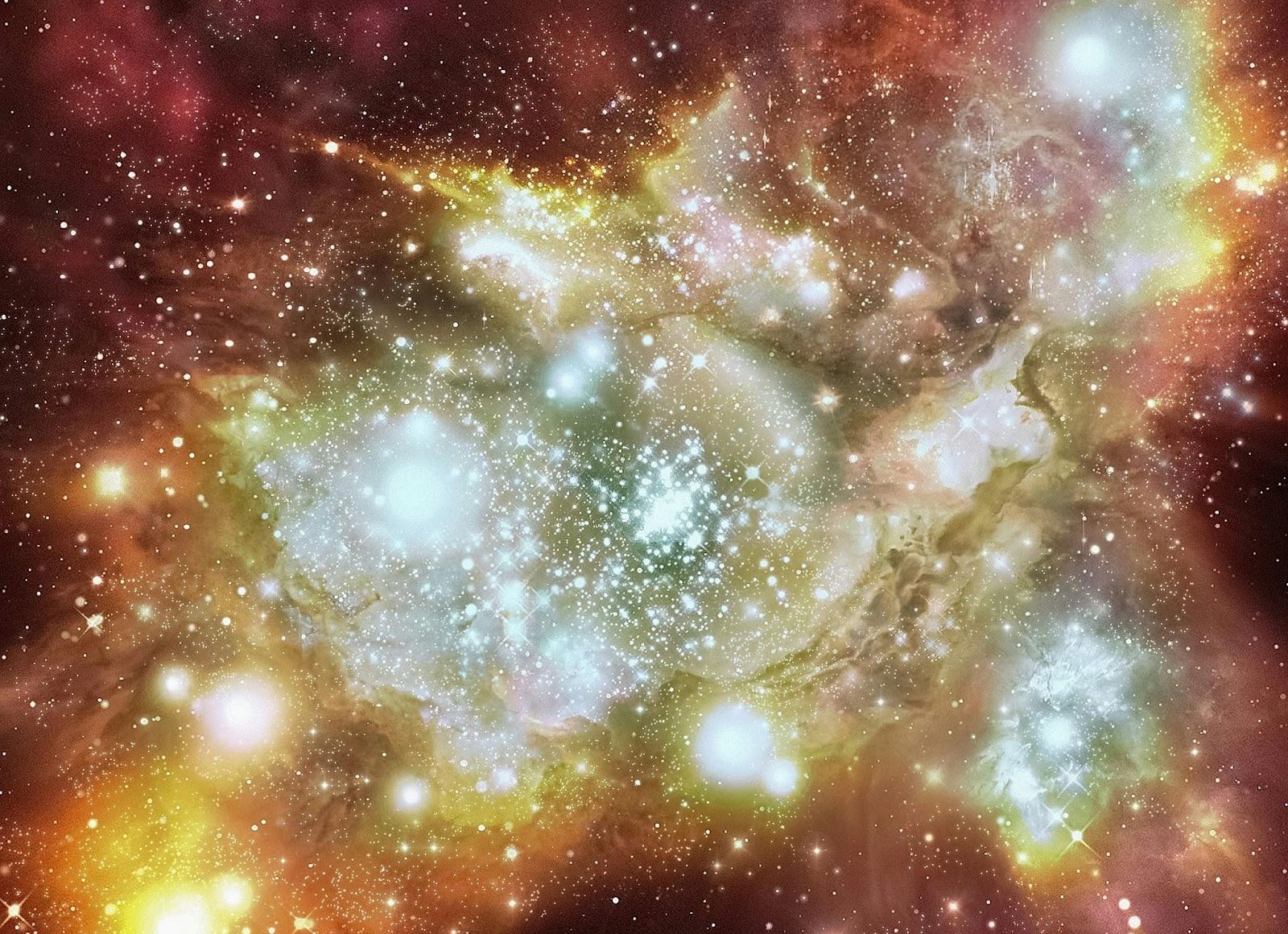
What if the Big Bang was a Big Bounce?

Image: NASA Hubble Space Telescope

The Big Bounce theory challenges the idea that the universe began with a single Big Bang. Instead, it suggests that the universe goes through endless cycles of expansion and contraction—like a cosmic heartbeat. In this view, the Big Bang wasn’t the beginning of everything, but just the latest in a series of "bounces." If true, our cosmos might be much older than we think—and part of an eternal rhythm.

7

Can consciousness alter reality?

Image: Dasha Yukhymyuk

While we barely understand what consciousness is—or how it came to be—modern physics hints that it might be able to influence the material world, at least on the tiniest scales (quantum scales). A key notion at the heart of quantum physics is that some particles behave differently when observed. Although the exact relationship between consciousness and these phenomena is hotly debated, many experiments strongly suggest that consciousness may not be the passive observer we’ve long assumed.

8

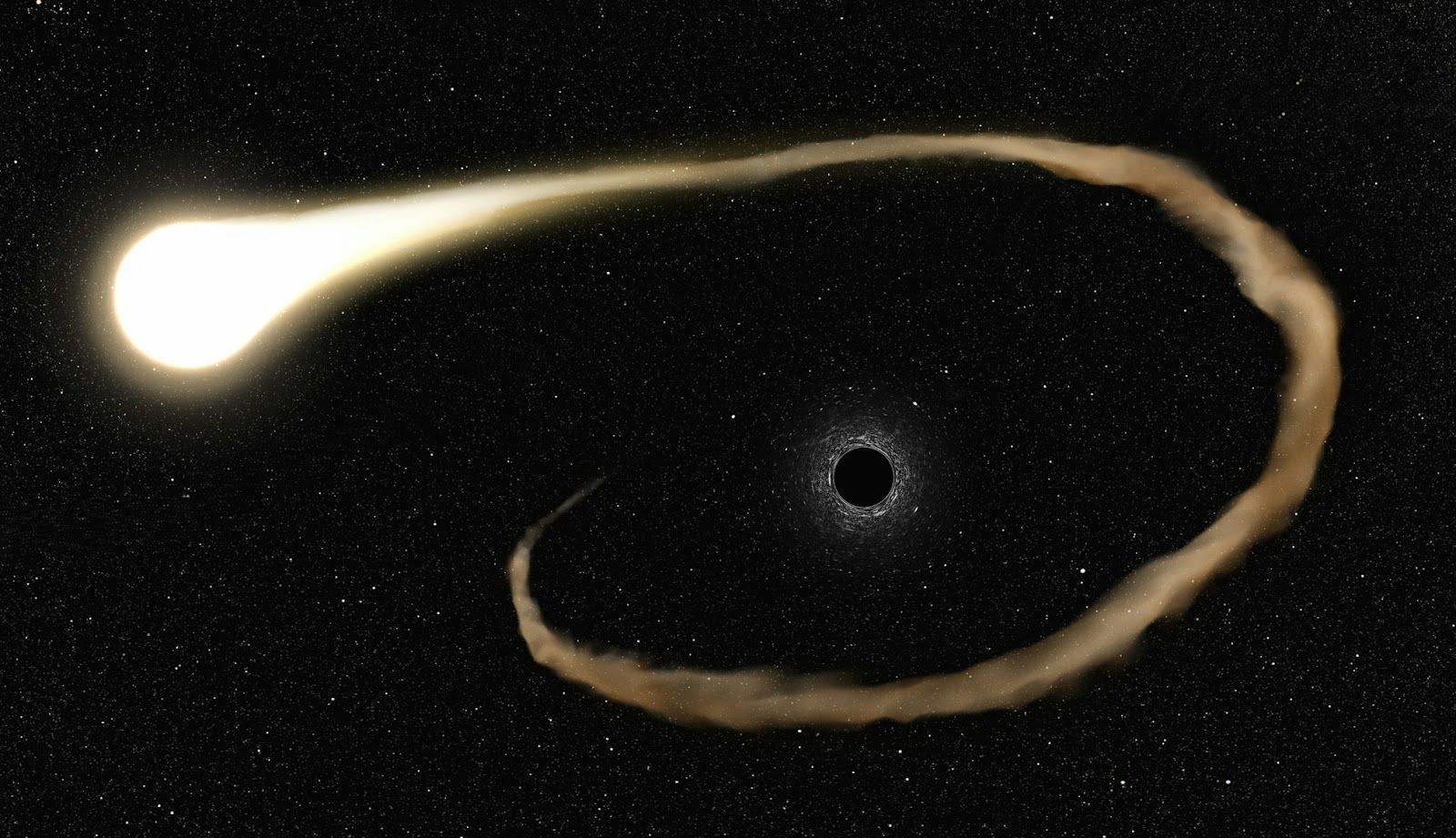
Black holes might be gateways

Image: NASA Hubble Space Telescope

Some scientists believe black holes might not just destroy—they could also lead somewhere else. According to general relativity, the intense gravity of a black hole warps space and time to an extreme degree. Some have proposed that this could create a tunnel—called a wormhole—linking distant parts of the universe, or even other universes entirely. No empirical evidence exists yet, but new telescopic imaging of black holes may one day reveal clues.

9

The Simulation Hypothesis

Image: N C

What if everything you experience is just...code? The Simulation Hypothesis suggests that our entire universe might be an artificial simulation, like a super-advanced video game, created by a higher intelligence. Supporters argue that if future civilizations can simulate consciousness, it's statistically more likely that we're living in one of those simulations than in the original "real" world. Some even point to oddities in physics, like pixel-like limits in space and energy, or quantum unpredictability, as possible clues.

10

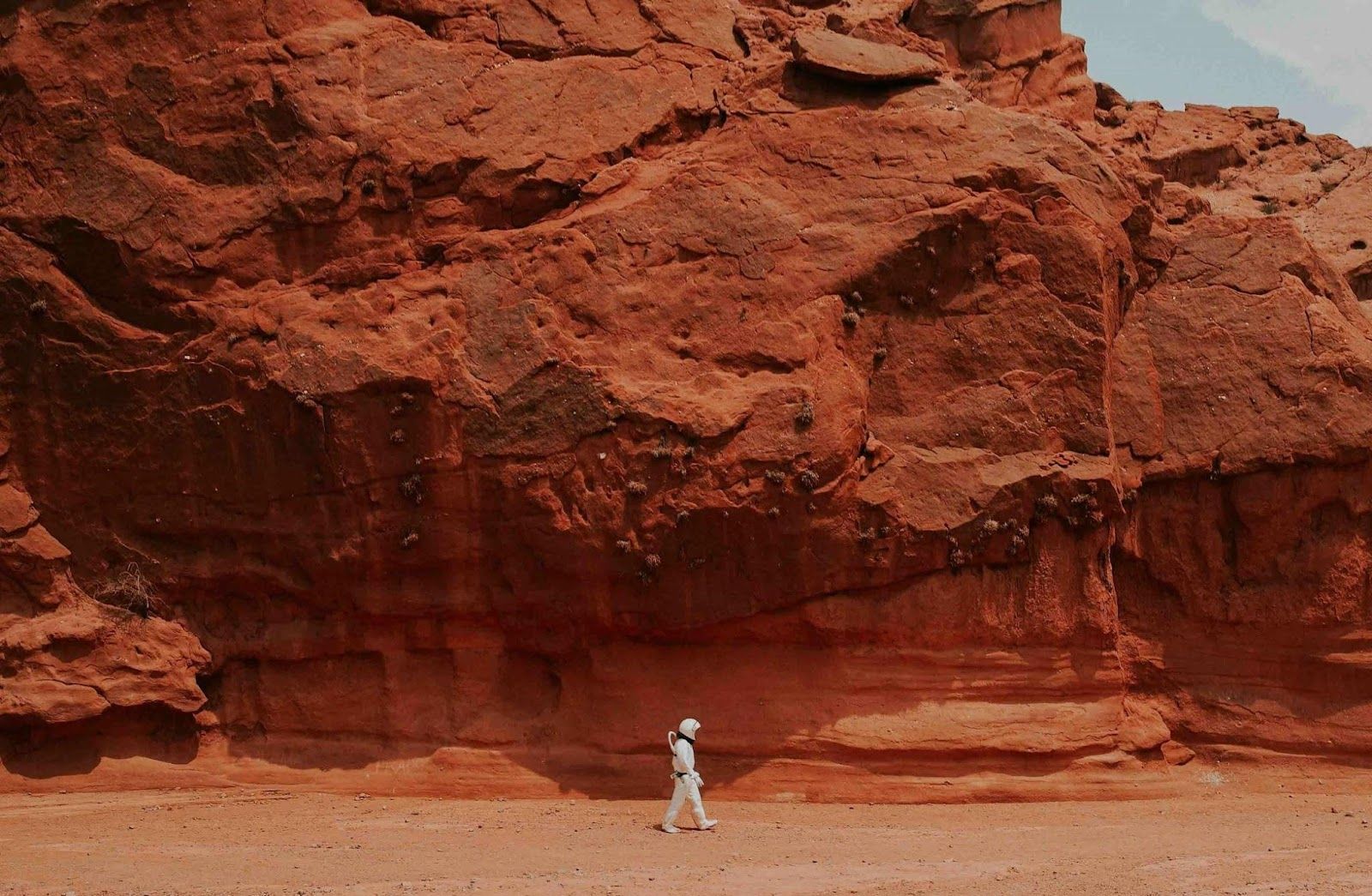
Life could have started on Mars

Image: Nicolas Lobos

Some scientists believe Earth might not be the birthplace of life—it could be Mars. This idea, related to panspermia, suggests that life may have first emerged on Mars when the planet was warmer and wetter, then hitched a ride to Earth via meteorites blasted off the Martian surface. Mars has the necessary ingredients for life, including water, organic molecules, and certain minerals that may have been more abundant there than on early Earth. While the theory remains unproven, it is taken seriously in the emerging field of astrobiology.

11

The future could influence the past

Image: Mizanur Rahman

It sounds impossible, but some physicists think future events might somehow influence past ones. Like many of the strangest ideas in science, this comes from certain interpretations of quantum mechanics. In some experiments, particles seem to "decide" how to behave based on measurements made after they’ve already taken action. While this doesn’t mean we can change the past at will, it challenges the idea that time only moves forward.

12

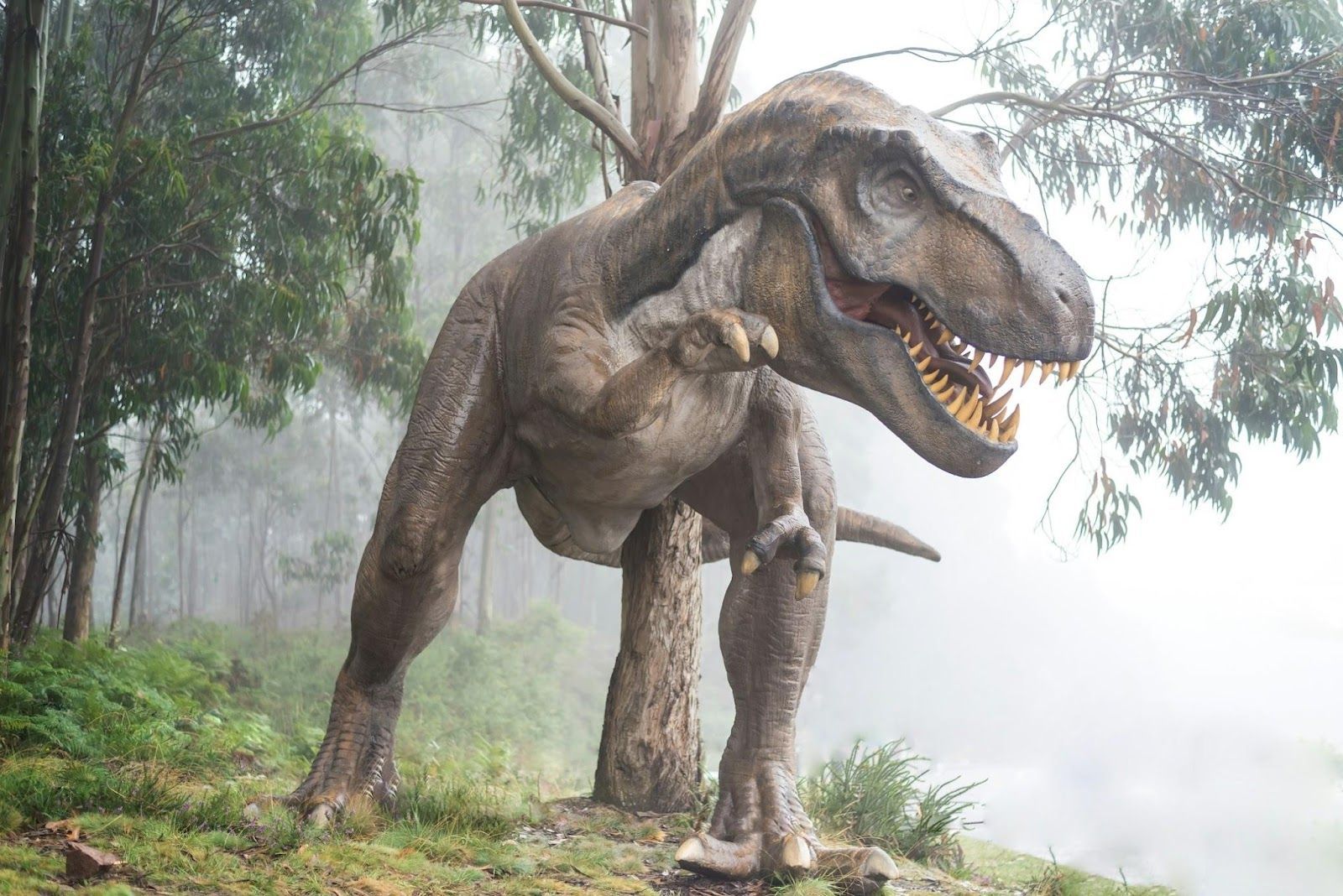
Smart dinosaurs

Image: Fausto García-Menéndez

What if some dinosaurs were on track to become intelligent beings? Paleontologist Dale Russell proposed that if the small, brainy Troodon hadn’t been wiped out by the asteroid, it could have evolved into a highly intelligent, human-like creature—something he called a "dinosauroid." This idea stems from the fact that the bird-like Troodon had one of the highest brain-to-body ratios among dinosaurs, suggesting it may have already possessed complex behaviors and problem-solving abilities.

Looking for an extra scoop of literary fun?

Learn more with our Word of the day

iterate

/ˈɪdəˌreɪt/