In the shadows

Do you know where “dark horse” and “black sheep” come from?


Published on December 17, 2025

Image: Jonatan Pie

The idea of "darkness" is used to describe mystery, risk, or even a little mischief. Have you ever noticed how many idioms there are for darkness? And what about where these sayings come from, or why have they stuck around for centuries? Today, we’ll take a tour through some of the darkest idioms tied to this concept, uncovering their roots and what they still mean in everyday life.

1

Dark horse

Image: Lindsey Bidwell

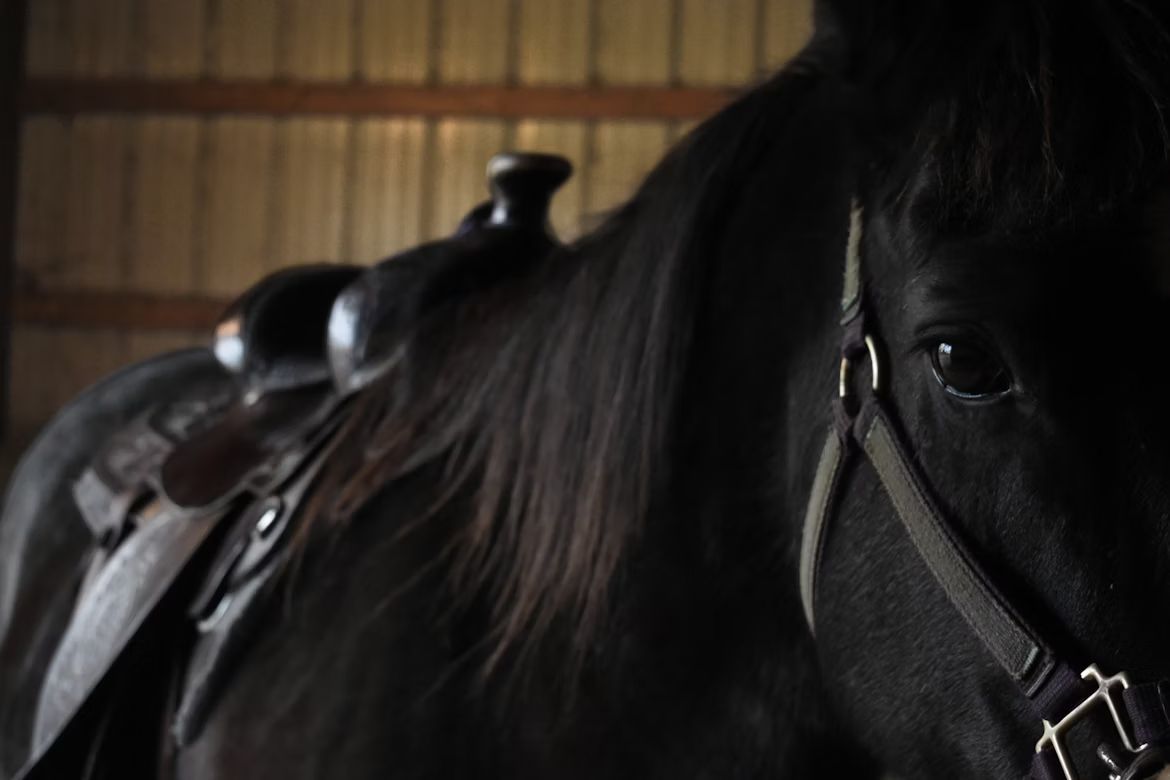
The phrase "dark horse" first appeared as slang in horse racing, where an unknown competitor could surprise the crowd by winning. Benjamin Disraeli, a British politician and novelist, popularized it in the 1830s. Today, we use it for people who come out of nowhere to impress, whether in politics, sports, or even at a family game night. Are you usually the dark horse?

2

Keep someone in the dark

Image: Paul Garaizar

This saying goes back to the days when darkness symbolized ignorance. To "keep someone in the dark" meant to deprive them of light and knowledge. It has roots in 17th-century English writing, and it stuck because the image is so simple: if you’re kept from the light, you can’t see the whole picture.

3

Cast a shadow

Image: Thomas Chan

The idea of something "casting a shadow" goes all the way back to ancient poetry, where shadows represented gloom, doubt, or even bad omens. Shakespeare often used shadow imagery to suggest suspicion or hidden truths. Today, we use this expression to refer to that negative impact, the shadow, that something else may have.

4

Leave in the lurch

Image: Sasha Freemind

This expression comes from a French board game called "lourche," popular in the 1500s. To be "left in the lurch" meant being stuck in a hopeless position in the game. English speakers borrowed the phrase, and it evolved to describe abandoning someone when they most needed help. Quite gloomy, don’t you think?

5

Dark side of the moon

Image: Andrew Hughes

For centuries, people believed one half of the moon was always hidden from view. That unseen hemisphere became a perfect metaphor for secrets or unknown territory. Even after space exploration revealed more about the moon, the phrase stuck around as a poetic way to describe the mysterious side of things.

6

Darken someone’s door

Image: Andrew Neel

This one has an old-fashioned ring to it. In earlier times, saying you didn’t want someone to "darken your door" meant you didn’t even want them standing at your doorway and blocking the light. But today, it means visiting someone, even if that’s unexpected or undesirable for the homeowner. Remember, text before you darken someone’s door!

7

The dark side of the street

Image: Yᴏꜱʜ ʜ. Qᴜɪɴᴢᴇʟ

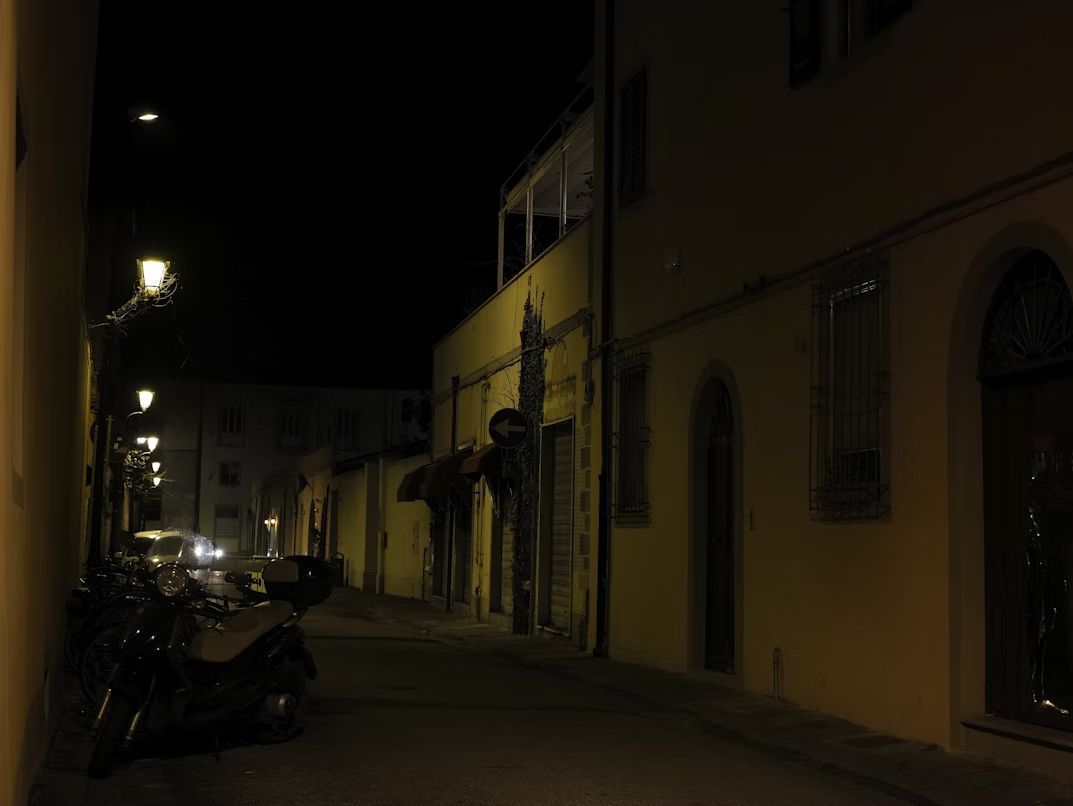
This phrase plays on the simple contrast between safety and danger. The sunny, well-lit side of the street feels safer, while the darker side symbolizes risk and shady dealings. It has been used both literally and metaphorically since the 1800s to refer to the less desirable path.

8

Black mark

Image: Sven Mieke

The idea of a "black mark" dates back to the 1600s, when a literal black mark might be written beside someone’s name to show disgrace. Over time, it grew into a figure of speech for any stain on reputation. Even now, one mistake can be called a "black mark" against an otherwise good record. This one you might want to get away from, right?

9

A black sheep

Image: Jonathan Greenaway

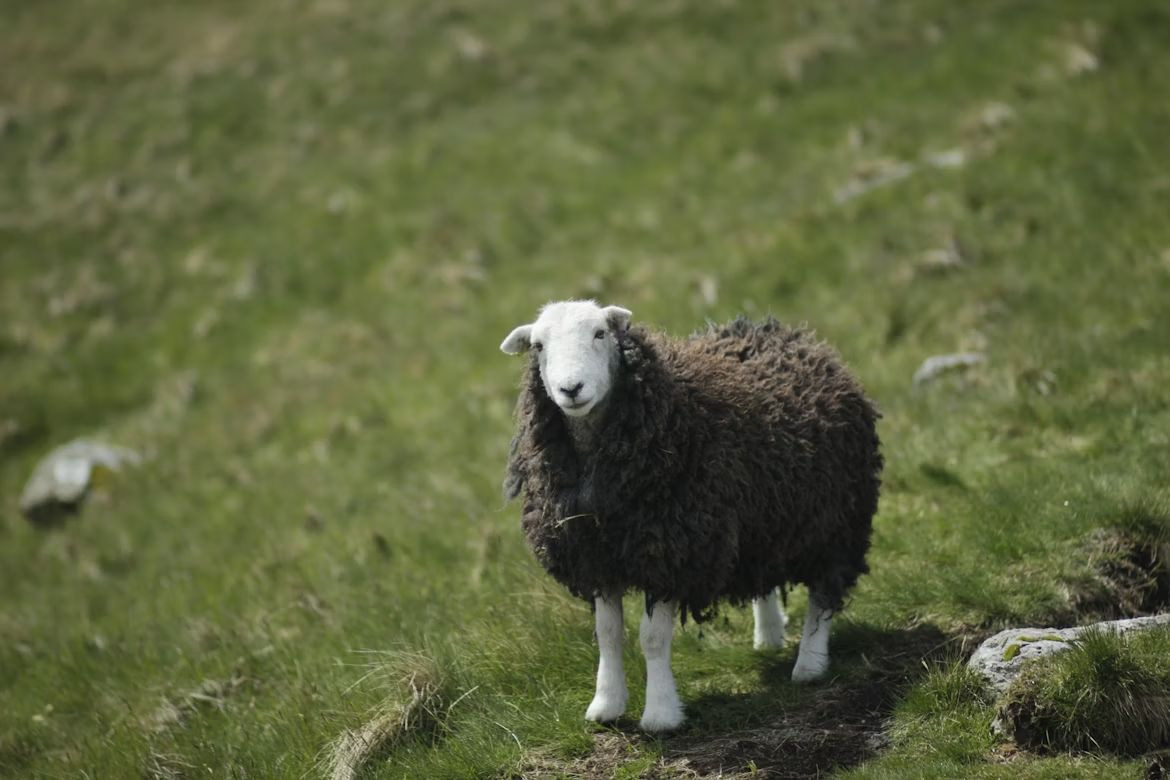
Black sheep are beautiful, but back in farming days, black wool couldn’t be dyed like white wool, making them less valuable to farmers. By the 18th century, the term had wandered into family life to describe the odd member who didn’t fit expectations. Today, being the "black sheep" often carries a mix of humor and pride.

10

In the black

Image: NORTHFOLK

Accountants in the past literally used black ink to record profits and red ink to record losses. To be "in the black" meant your books looked good. Red, on the other hand, meant you were in debt. The phrase has been around since the early 20th century and is still shorthand for financial health, especially for businesses.


WORD HISTORY

Did You Know These 10 Everyday Words Have Captivating Origins?


Published on December 17, 2025


Image: Waldemar

Etymology is often overlooked, which is definitively a shame: After all, the history of the words we use every day is at least as old as humankind’s earliest interactions with language. As humans evolved and grew, so did our words, so you might not be surprised to learn that a big part of our vocabulary has roots in ancient and downright fascinating ancient cultures.

We have selected ten common words that have surprising, beautiful, or downright strange origins. We hope that, by the end of this article, you’ll think fondly about these interesting facts whenever you use these terms in everyday conversation. Enjoy!

1

Astronaut

Image: NASA

We’ll start with one of the most common childhood dream jobs, and while only a select few might travel to outer space, we still hold the uttermost respect and fascination for these daring men and women. In that sense, the word "astronaut" has a rather beautiful meaning hiding in its etymology.

Astronaut comes from the Ancient Greek words astron, which means "stars," and nautes, which means "sailor." So, in a sense, this dream profession beautifully represents one of mankind’s oldest dreams: the ability to sail freely and discover the skies above.

2

Explode

Image: Jim Strasma

Have you ever applauded after watching a particularly colorful and energetic fireworks display? You might be surprised to learn that both the sound of your applause and the colorful explosions above your head share the same etymological root.

The verb "explode" comes from the Latin word plaudere, which describes the noise produced by loud clapping. Ancient Romans would show their approval of something pretty much as we do: with a resounding round of applause, which was described by the term explaudere.

3

Boycott

Image: Maayan Nemanov

You are probably familiar with the word "boycott," which describes the act of willingly denying support to a company or organization due to differing principles. However, were you aware that, before it became a commonly used word, boycott was first the last name of a British army officer?

What’s interesting is that Captain Charles Boycott, the man after whom this action was named, was not the one to first enact a boycott: he was actually the target of one. Captain Boycott managed a property in Northern Ireland during the 19th century and became involved in a dispute with local farmers that ended in the very first boycott in history. Enraged farmers decided to stop working the captain’s lands, forcing him to leave the town.

4

Weird

Image: Dan Parlante

Remember how we promised in the introduction of this article that we would delve into some weird etymology? Well, we’ll go a step beyond that and focus on the strange origins of the word "weird" itself. You might be surprised to learn that a term usually associated with informal or casual use is based on classical figures of mythology.

Weird comes from the Old English word wyrd, which was used as a synonym for "fate." In fact, the plural word wyrde was used to represent the Fates, the three Greek goddesses that spun the lives of mortals and gods alike. You might recall the three Weird Sisters, who told King Macbeth his fate in Shakespeare’s classic play. Surprisingly, the "weird" in their name didn’t describe their strangeness, but rather their ability to tell the future.

5

Galaxy

Image: Bryan Goff

You would think that such an iconic term as "astronaut" would be the only space-related term in this list, but the truth is that many words related to "the Final Frontier" have fascinating origins. For example, the word "planet" comes from an Ancient Greek word that means "wanderer," while "comet" can be roughly translated to "long-haired star." In that sense, the etymological origins of the word "galaxy" also tell a beautiful tale of human ingenuity.

Galaxy comes from the Late Latin word galaxias, which in turn comes from the Ancient Greek galaxías. This last word is derived from gála (Greek for "milk"), which was mostly used in conjunction with the Greek word for wheel, kýklos. So, the word devised by Ancient Greece to describe the Milky Way ended up describing every galaxy that inspires our sense of discovery.

6

Juggernaut

Image: Nopparuj Lamaikul

Nowadays, we use the word "juggernaut" to describe something massive in size, as well as powerful and almost unstoppable. While this term was made popular by a Marvel comics villain of the same name (who shares all of these qualities), its etymological origins are actually rooted in the story of an ancient Hindi god.

The word "juggernaut" is an English rendering of Jagannath, one of the central deities in Hinduism. The name of this god is in itself a Sanskrit word that roughly translates to "Lord of the Universe," which further illustrates the importance of this deity.

7

Porpoises

Image: Karl Callwood

Porpoises are sometimes regarded as less popular than dolphins, which is truly a disservice to this intelligent cetacean, which is actually a closer relative to belugas than to dolphins. So, let’s try our best, at least for this entry, to keep dolphins out of the picture, and let’s focus solely on the fascinating etymology of porpoises.

The word "porpoise" comes from the Anglo-French word porpeis, which in turn comes from two Latin roots: porcus, which means "pig," and piscis, which means "fish." While "pig fish" might not be the most glamorous etymology for our seafaring friends, we hope the world will now see this lovable animal in a more favorable light.

8

Nicotine

Image: Anastasia Vityukova

Just like with "boycott," a real person holds the dubious honor of being the origin of the name behind one of the most addictive substances on Earth. Nicotine, a chemical compound commonly found in cigarettes, was named after Jean Nicot de Villemain, a 16th-century French diplomat credited with bringing the first tobacco plants to France.

To be fair, Jean Nicot believed that smoking tobacco had medicinal properties and that it would help his country deal with ravaging illnesses like the plague. Since the plant was known as Nicotiana in France, it stands to reason that Nicot’s last name inspired the etymology of this chemical compound.

9

Silhouette

Image: Ben Sweet

The term "Silhouette" describes an image that depicts a single element (such as a person, an animal, or an object) as a single, solid color that doesn’t show any internal features. While this is definitively a loan word from the French language, you might be surprised to learn that this word pays homage to yet another French statesman.

Étienne de Silhouette, an 18th-century finance minister, was the direct inspiration for this technique. According to historians, his harsh economic wartime measures forced many wealthy French people to turn to more austere artistic representations. As a result, these cheaper outline portraits became increasingly popular in this country’s artistic communities.

10

Echo

Image: Stephan Widua

We’ll end this article with the beautifully tragic story behind the word "echo." This word describes a reflection of sound, which the listener usually experiences after a slight delay. Echo is present in nature in many forms, from the way natural accidents like canyons return sound to a process that animals like bats or dolphins use to navigate their environments.

Like many entries on this list, this word comes to us from Ancient Greece: in Greek mythology, the mountain nymph Echo was cursed by the goddess Hera to only be able to repeat the last words spoken to her. While this nymph’s fate was definitively calamitous, we can at least take solace in the fact that her namesake inspired radar technology, one of the most useful human inventions in history.

Looking for an extra scoop of literary fun?

Learn more with our Word of the day

contented

/kənˈtɛn(t)əd/