In the shadows
Do you know where “dark horse” and “black sheep” come from?
Published on December 17, 2025
 Image: Jonatan Pie
The idea of "darkness" is used to describe mystery, risk, or even a little mischief. Have you ever noticed how many idioms there are for darkness? And what about where these sayings come from, or why have they stuck around for centuries? Today, we’ll take a tour through some of the darkest idioms tied to this concept, uncovering their roots and what they still mean in everyday life.
Dark horse
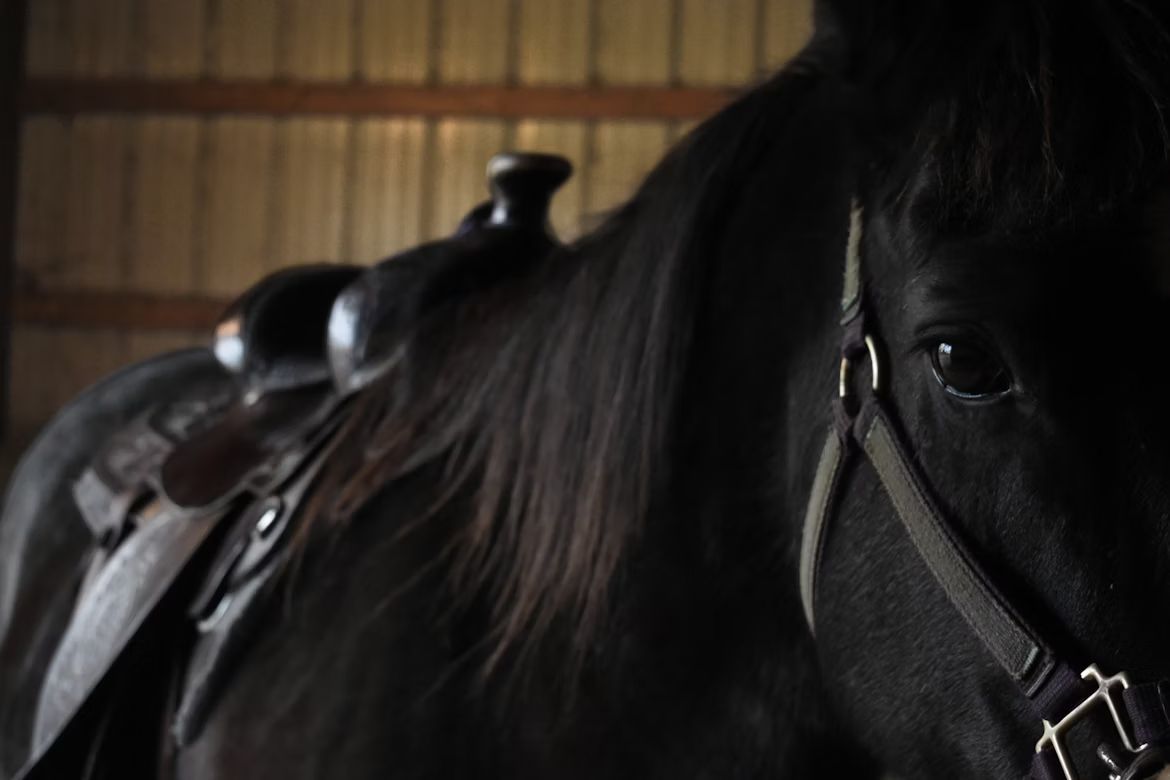 Image: Lindsey Bidwell
The phrase "dark horse" first appeared as slang in horse racing, where an unknown competitor could surprise the crowd by winning. Benjamin Disraeli, a British politician and novelist, popularized it in the 1830s. Today, we use it for people who come out of nowhere to impress, whether in politics, sports, or even at a family game night. Are you usually the dark horse?
Keep someone in the dark
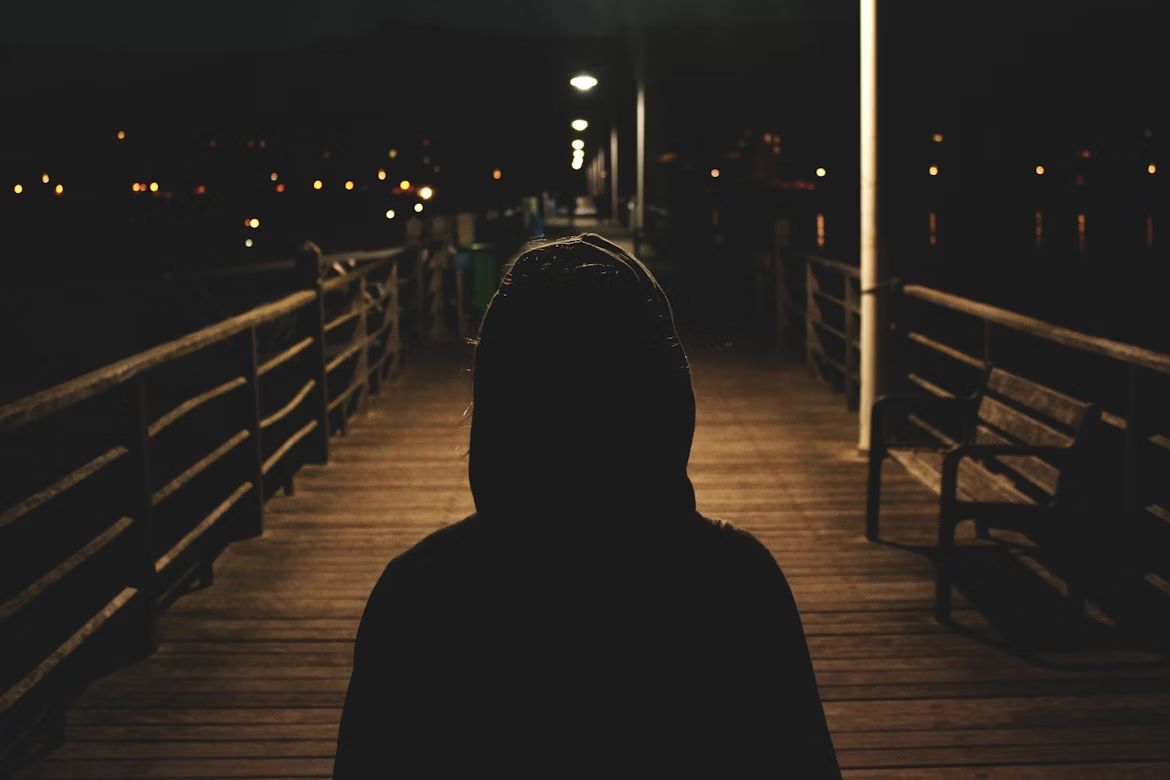 Image: Paul Garaizar
This saying goes back to the days when darkness symbolized ignorance. To "keep someone in the dark" meant to deprive them of light and knowledge. It has roots in 17th-century English writing, and it stuck because the image is so simple: if you’re kept from the light, you can’t see the whole picture.
Cast a shadow
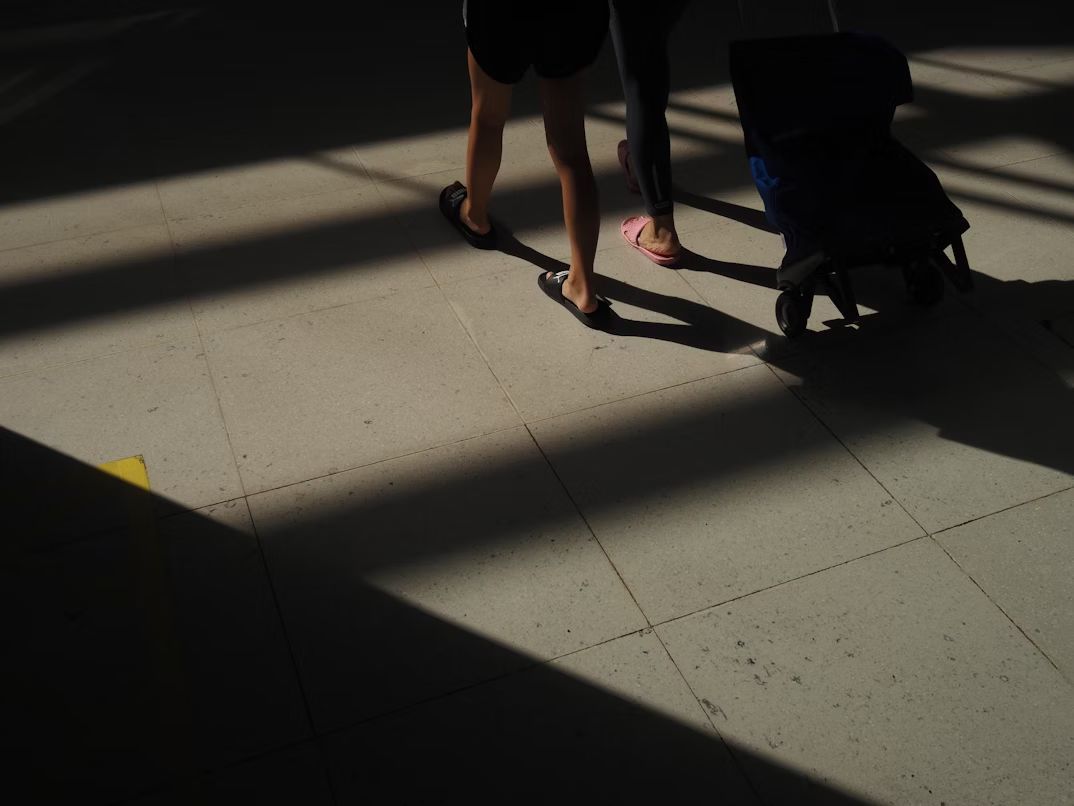 Image: Thomas Chan
The idea of something "casting a shadow" goes all the way back to ancient poetry, where shadows represented gloom, doubt, or even bad omens. Shakespeare often used shadow imagery to suggest suspicion or hidden truths. Today, we use this expression to refer to that negative impact, the shadow, that something else may have.
Leave in the lurch
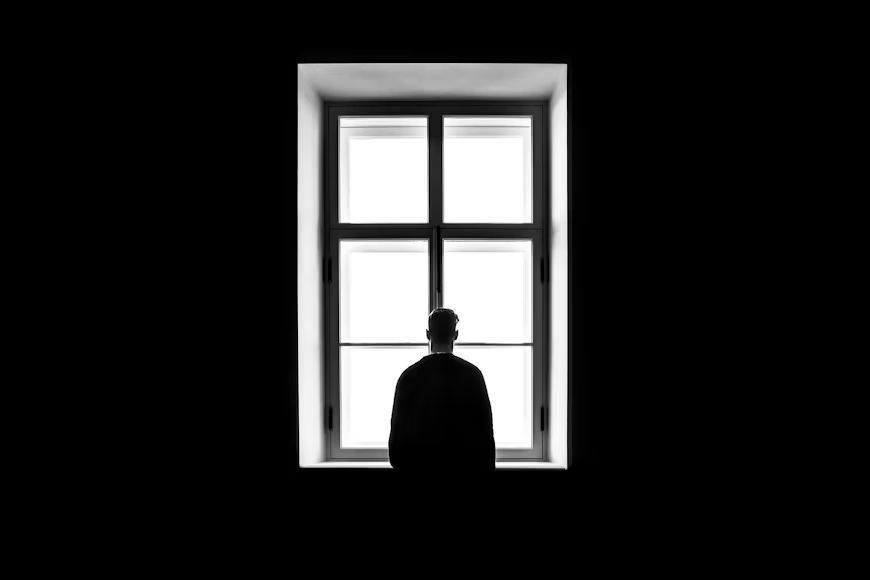 Image: Sasha Freemind
This expression comes from a French board game called "lourche," popular in the 1500s. To be "left in the lurch" meant being stuck in a hopeless position in the game. English speakers borrowed the phrase, and it evolved to describe abandoning someone when they most needed help. Quite gloomy, don’t you think?
Dark side of the moon
 Image: Andrew Hughes
For centuries, people believed one half of the moon was always hidden from view. That unseen hemisphere became a perfect metaphor for secrets or unknown territory. Even after space exploration revealed more about the moon, the phrase stuck around as a poetic way to describe the mysterious side of things.
Darken someone’s door
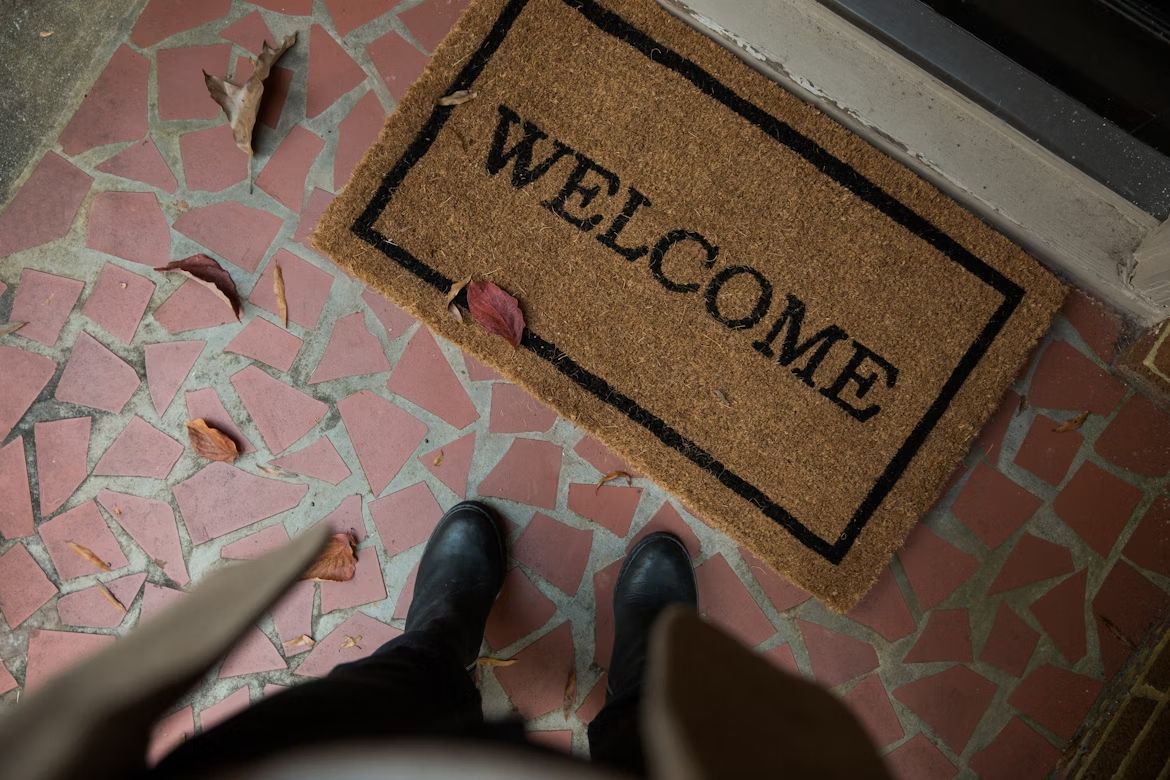 Image: Andrew Neel
This one has an old-fashioned ring to it. In earlier times, saying you didn’t want someone to "darken your door" meant you didn’t even want them standing at your doorway and blocking the light. But today, it means visiting someone, even if that’s unexpected or undesirable for the homeowner. Remember, text before you darken someone’s door!
The dark side of the street
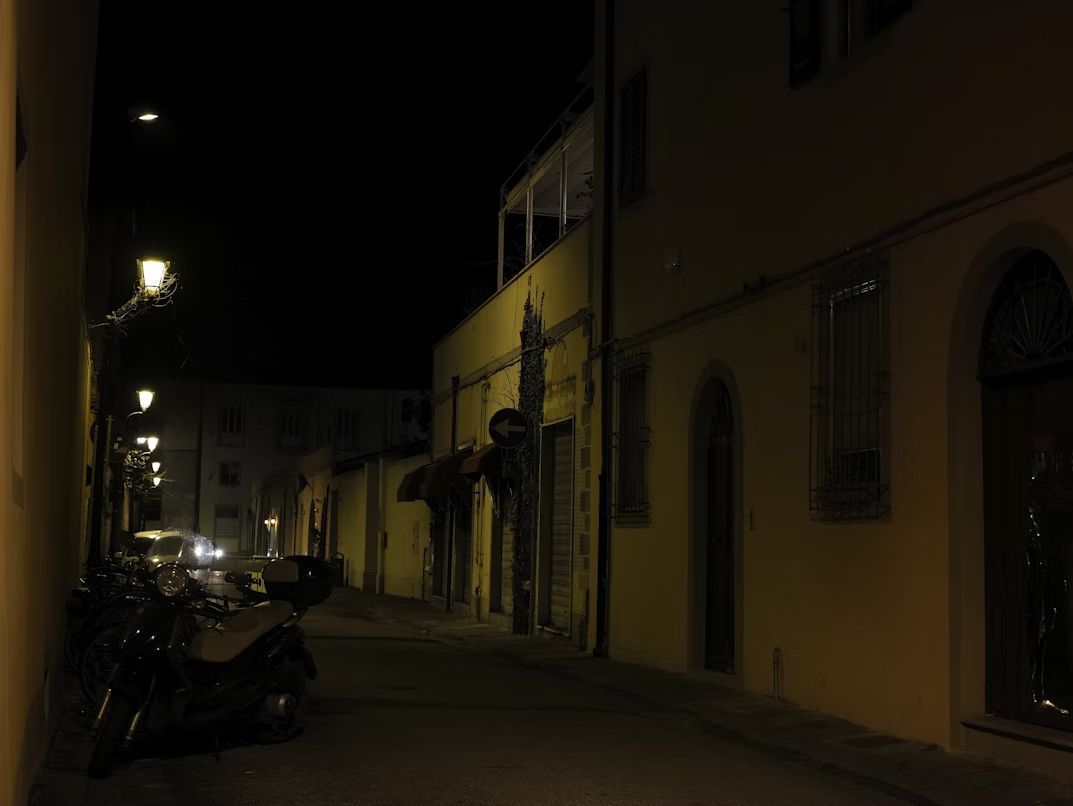 Image: Yᴏꜱʜ ʜ. Qᴜɪɴᴢᴇʟ
This phrase plays on the simple contrast between safety and danger. The sunny, well-lit side of the street feels safer, while the darker side symbolizes risk and shady dealings. It has been used both literally and metaphorically since the 1800s to refer to the less desirable path.
Black mark
 Image: Sven Mieke
The idea of a "black mark" dates back to the 1600s, when a literal black mark might be written beside someone’s name to show disgrace. Over time, it grew into a figure of speech for any stain on reputation. Even now, one mistake can be called a "black mark" against an otherwise good record. This one you might want to get away from, right?
A black sheep
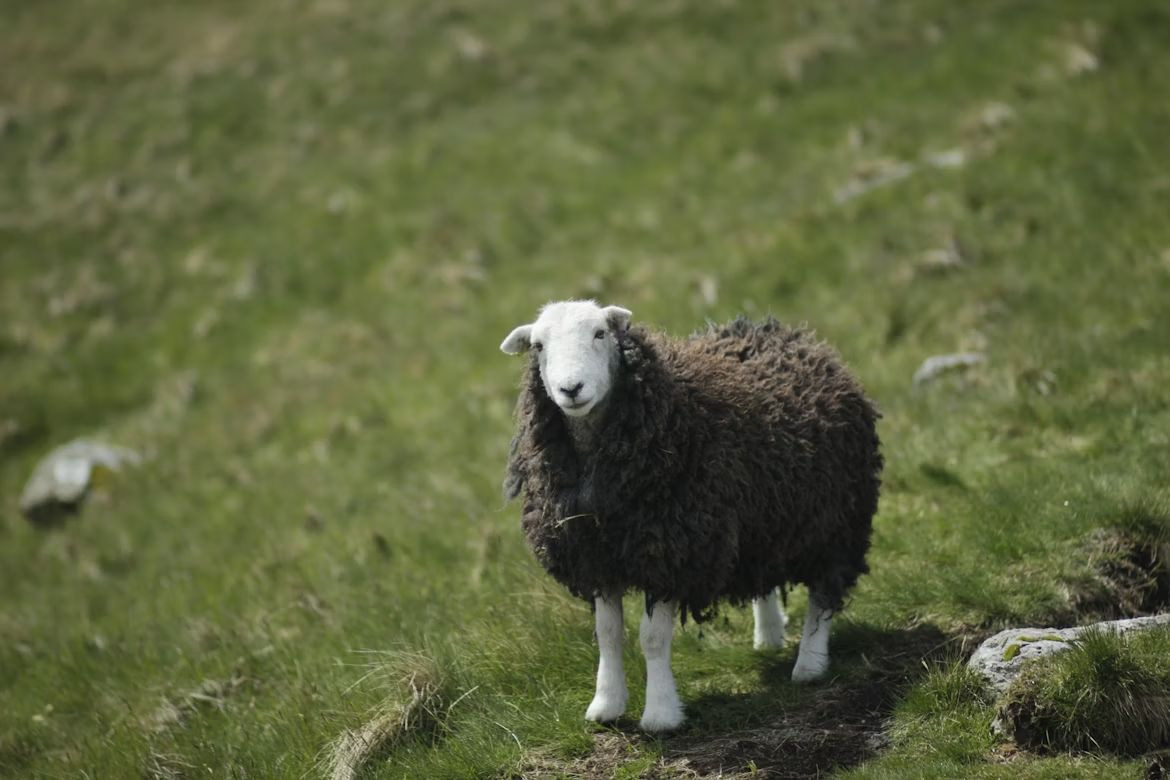 Image: Jonathan Greenaway
Black sheep are beautiful, but back in farming days, black wool couldn’t be dyed like white wool, making them less valuable to farmers. By the 18th century, the term had wandered into family life to describe the odd member who didn’t fit expectations. Today, being the "black sheep" often carries a mix of humor and pride.
In the black
 Image: NORTHFOLK
Accountants in the past literally used black ink to record profits and red ink to record losses. To be "in the black" meant your books looked good. Red, on the other hand, meant you were in debt. The phrase has been around since the early 20th century and is still shorthand for financial health, especially for businesses.


