Ye olde!
Do you know what the Old English word for love is? Not what you'd expect!
Published on March 26, 2026
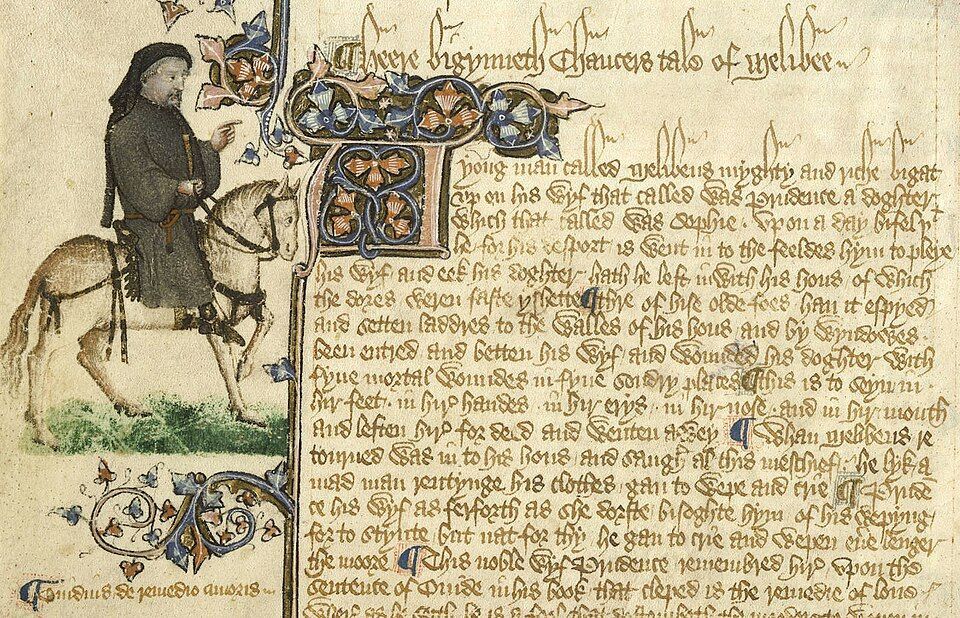
When people think about "Old English," they usually picture Shakespeare—all those thees, thous, and haths. But in reality, Shakespeare wrote in Early Modern English, which is practically current compared to the real thing. True Old English (or Anglo-Saxon) was spoken more than a millennium ago. It’s the language of Beowulf, filled with vivid, metaphorical words that describe the world in ways we’ve almost entirely forgotten. To understand the DNA of our modern vocabulary, we have to look back past the Renaissance to a time when the body could be described as a "bone-locker" and destiny was an inescapable force. Here are 10 Old English terms that reveal the epic, haunting roots of some of the words we use today.
Wyrd

In Old English, wyrd wasn't an adjective for something "strange"; it was a powerful noun representing the inescapable force of destiny. The Anglo-Saxons believed that while a person had some agency, the ultimate weaving of their life was handled by forces beyond their control. In that sense, wyrd could be translated as "the way things are meant to be." This is where Shakespeare got the "Weird Sisters" in Macbeth—they weren't just odd; they were the "Fates."
Banloca

The Anglo-Saxons were masters of the "kenning," a compound expression with metaphorical meaning. Banloca literally translates to "bone-locker." It paints the human body not as a temple, but as a sturdy enclosure designed to keep your skeleton and spirit from wandering off. Interesting, don’t you think?
Úhtcearu

If you’ve ever woken up at 4:00 a.m. and immediately started stressing about every mistake you’ve made since the third grade, you’ve experienced úhtcearu. Úht refers to the hour just before dawn, and cearu means "care" or "sorrow." In other words, it describes pre-dawn anxiety or what we might jokingly call the "3:00 a.m. scaries."
Beadurof

This is a word you might find in an epic like Beowulf and would have been the ultimate Anglo-Saxon compliment. Beadu means "battle," and rof means "strong" or "valiant." It describes a very specific type of courage, the kind that flourishes only when the swords are drawn. To make it easier for modern readers, today it would translate into "battle-brave." Back then, it was the highest form of social currency.
Lufu

This is the direct ancestor of our modern word "love." While it sounds cute and fluffy now, the Old English lufu carried a weight of duty, affection, or religious devotion (such as the love of God). It shared roots with the Old High German lubo, emphasizing a deep, enduring bond rather than just a fleeting crush. It really took centuries to evolve into the lighthearted "love" we use today, even for pizza or hobbies.
Heofon-candel

Another brilliant kenning, heofon-candel, is a very poetic compound word. Heofon means "heaven" and candel, "candle." The Anglo-Saxons saw the sun as a guiding light placed in the sky by a higher power. The phrase suggests that the sun is a gift, a light set out in the house of the world by a divine creator.
Swefn

Did you ever have a dream that felt ominous or strangely significant? While we use the word "dream" today, the Anglo-Saxons had a more accurate term for those prophetic kinds of dreams, swefn. The word is related to other Germanic terms associated with sleep, such as Old English swefan ("to sleep"). Yet, to them, a swefn wasn't just a random brain-firing; it was often seen as a vision or an omen.
Maegth

The simple way to translate this term is with the word "family." But back in the Middle Ages, a family wasn’t just your mom, dad, and siblings. In a tribal society, your maegth was everything. It refers to your clan, your bloodline, and your extended family. If you didn't have a maegth, you were essentially a ghost in the eyes of the law. The maegth was actually responsible for paying wergild (blood money) if you committed a crime.
Andsaca
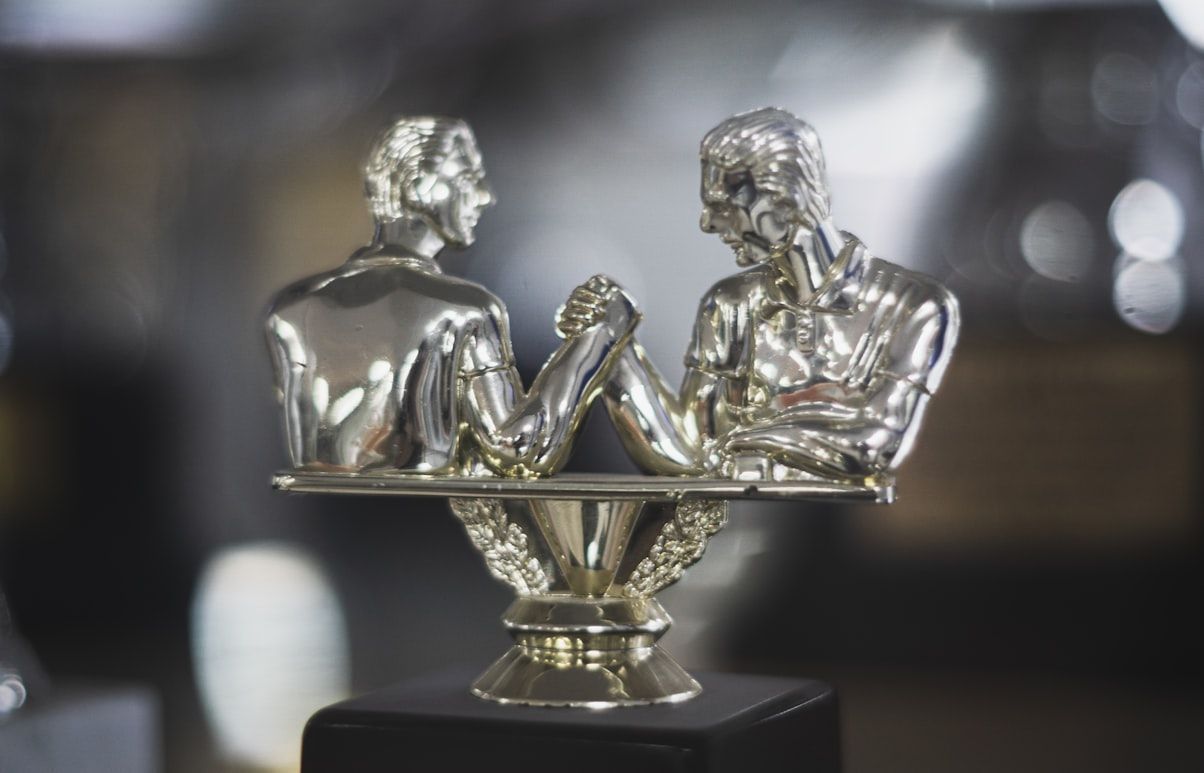
Literally, andsaca translates as "one who speaks against," meaning someone who denies, accuses, or opposes. In other words, it referred to an enemy, an adversary. But it wasn't just someone you disliked; an andsaca was someone who stood in direct opposition to your truth or your faith. In Old English literature, andsaca could describe spiritual enemies as well as literal monsters. In Christian texts, it was even used as a term for Satan, the ultimate adversary.
Wuldor

Wuldor was a word used to express glory, splendor, or honor. It often referred to the radiance of God or the celebrated fame of a great king. In Old English, wuldor was the term for "celestial splendor." The word conveys more than simple praise—it suggests a brilliance of reputation or divine glory so powerful that it seems almost to shine.


