Dyslexia, anyone?

Do you know what a “spoonerism” is? It happens more often than you think


Published on February 22, 2026

Image: Zoshua Colah

If you have never heard of spoonerisms, you are not alone. But, even if you are not familiar with the term, you have surely experienced this linguistic phenomenon that can be a sign of dyslexia. Spoonerisms are those accidental (or sometimes intentional) word swaps where the first sounds of two words trade places. Take a look at the following 11 examples of this kind of thing, and you will understand what it is.

1

Well-oiled bicycle > Well-boiled icicle

Image: Carl Nenzen Loven

A well-oiled bicycle suggests a smooth, working bike ready to ride. Swap the sounds, and suddenly you’re talking about a "well-boiled icicle," which is nonsense but funny because icicles are frozen, not boiled.

This spoonerism illustrates how absurdity enters the room when everyday objects are assigned mismatched qualities.

2

Fighting a liar > Lighting a fire

Image: Jametlene Reskp

If someone is fighting a liar, you picture an argument or a clash. But with the swapped version, you’re just sparking flames instead. Two very different scenarios: one involves conflict, the other warmth.

The humor comes from the complete shift in tone: from deception and struggle to something as simple as starting a campfire.

3

You have hissed all my mystery lectures > You have missed all my history lectures

Image: Wan San Yip

The original phrase suggests someone accidentally hissing during class, which is silly. The corrected version points out they simply weren’t there for the history lessons.

It shows how one slip can turn an ordinary comment into something unintentionally funny.

4

It is customary to kiss the bride > It is customary to cuss the bride

Image: Eugenia Pan'kiv

Weddings are a traditional event, with the new couple sealing the deal with a kiss. But if the sounds get mixed up, suddenly you’re picturing guests shouting rude words at the bride.

The joke lands because it twists a wholesome ritual into something shocking and inappropriate.

5

Better late than never > Better Nate than lever

Image: Pierre Bamin

The proverb teaches us that doing something eventually is better than not at all. Flip the sounds, and suddenly it’s about an individual named Nate being preferable to a lever.

This one’s funny because it introduces an entirely random element (or person, Nate) into a well-known saying.

6

Our dear old queen > Our queer old dean

Image: Church of the King

Praising a monarch as a "dear old queen" sounds respectful. But swap the sounds, and you’re describing a school official in a very different light.

The shift is humorous because it takes a regal image and transforms it into a funny academic one.

7

A crushing blow > A blushing crow

Image: Johann Walter Bantz

A crushing blow suggests defeat, damage, or something powerful. Turn it around, and you have a shy bird blushing.

This example works because it replaces seriousness with absurdity. What could have been about battle or hardship becomes about a bashful crow.

8

Ease my tears > Tease my ears

Image: Tom Pumford

The original phrase has an emotional meaning: asking for comfort to reduce crying. Flip it, and suddenly someone is talking about tickling their ears instead.

The humor lies in how the swap removes the sadness and inserts playful nonsense.

9

Coast Guard > Ghost card

Image: Fujiphilm

The coast guard protects the waters and rescues sailors in distress. But switch the sounds, and you’re left with a "ghost card," something that sounds like a spooky playing card.

This one is funny because it takes a respected institution and transforms it into something from a Halloween party instead.

10

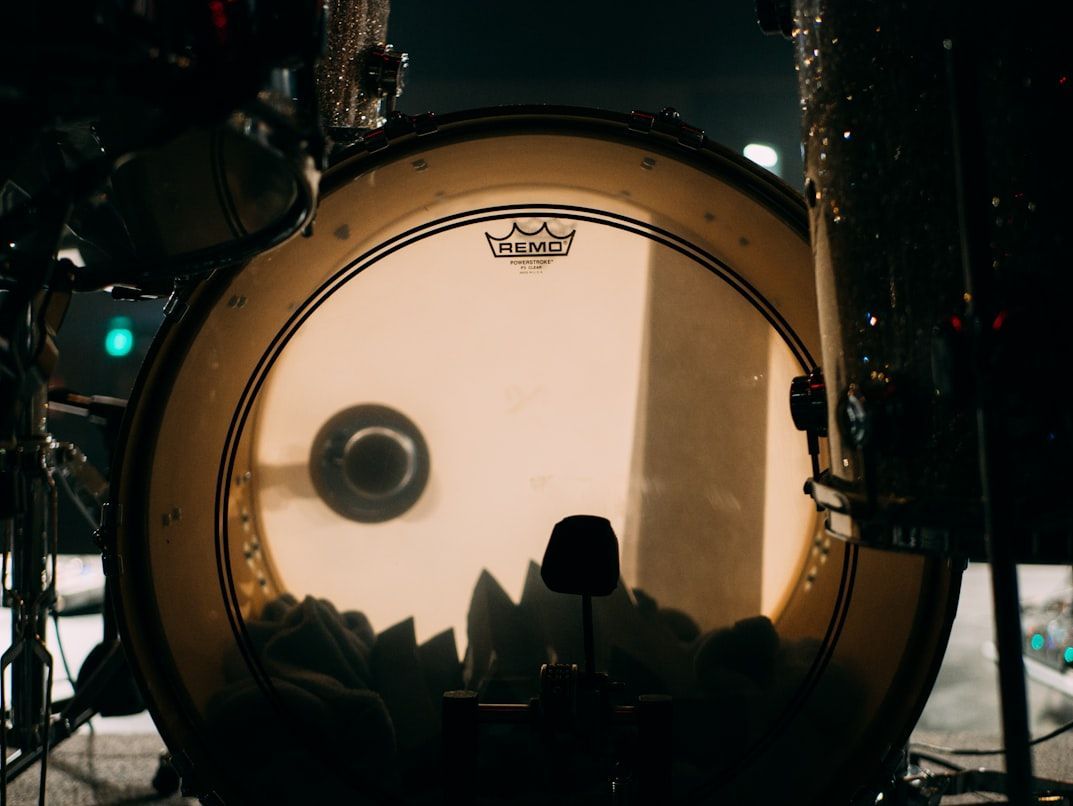
Bass drum > Drass bum

Image: Chris Bair

A bass drum is a key part of a band’s rhythm section, loud and commanding. But "drass bum" isn’t even a real phrase, it sounds like an extravagant insult.

The silliness comes from turning a musical term into gibberish that feels rude without meaning anything.

11

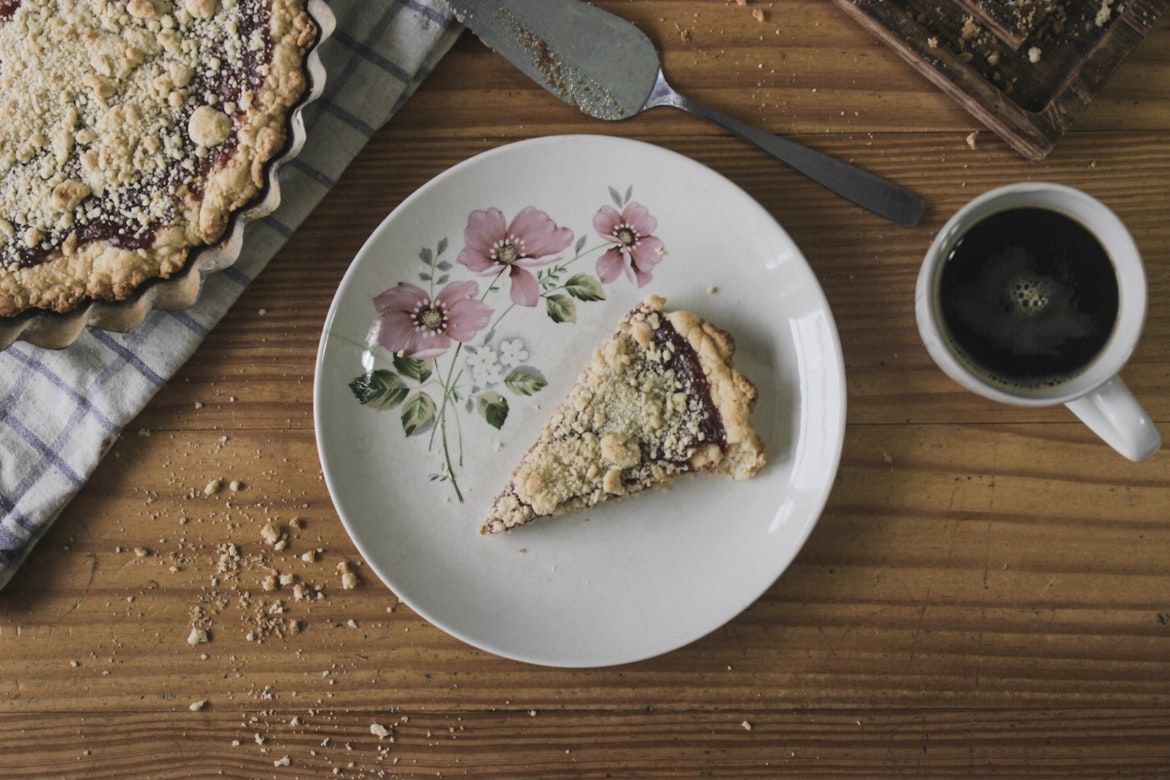
A lack of pies > A pack of lies

Image: Fran Jacquier

Being disappointed by a lack of pies can be a sad thing for dessert lovers, indeed. But swap the sounds, and suddenly you’re accusing someone of dishonesty instead.

This spoonerism is a classic example of this phenomenon because it takes something light and twists it into something serious.
Discover 10 ways fruits and vegetables evolved over time


Published on February 22, 2026


Image: Powell Rasull

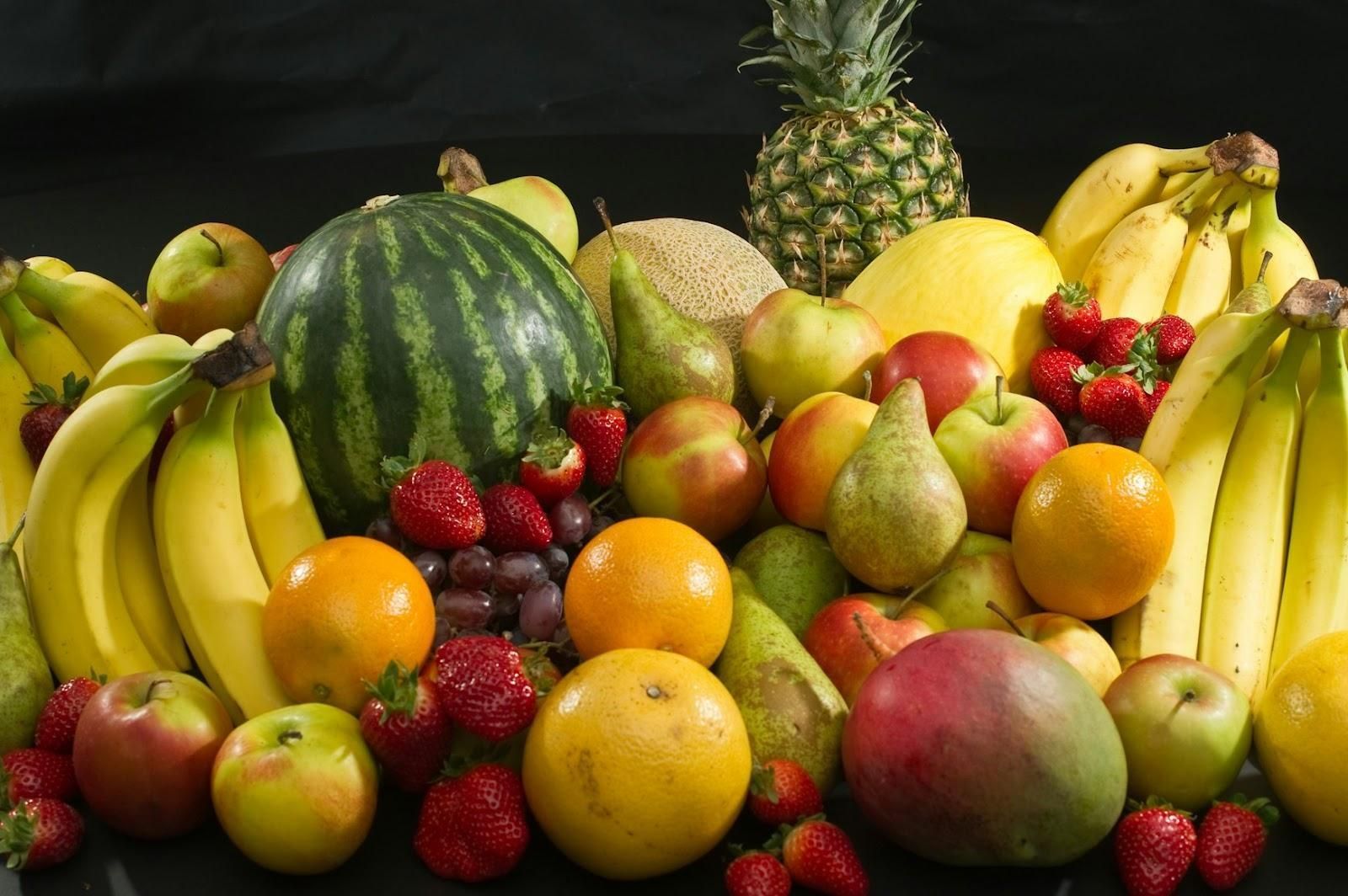
Have you ever seen a wild tomato plant? Or, for example, have you ever found a watermelon lying around while hiking in nature? Probably not, and that's because many of the fruits and vegetables we eat every day are actually the result of human intervention. Long before microscopes or modern labs, early farmers patiently cultivated and domesticated wild plants, transforming them into the tasty, colorful, and juicy produce we are fortunate to enjoy today. If you would like to learn about the ancestors of your favorite fruits and vegetables, keep reading!

1

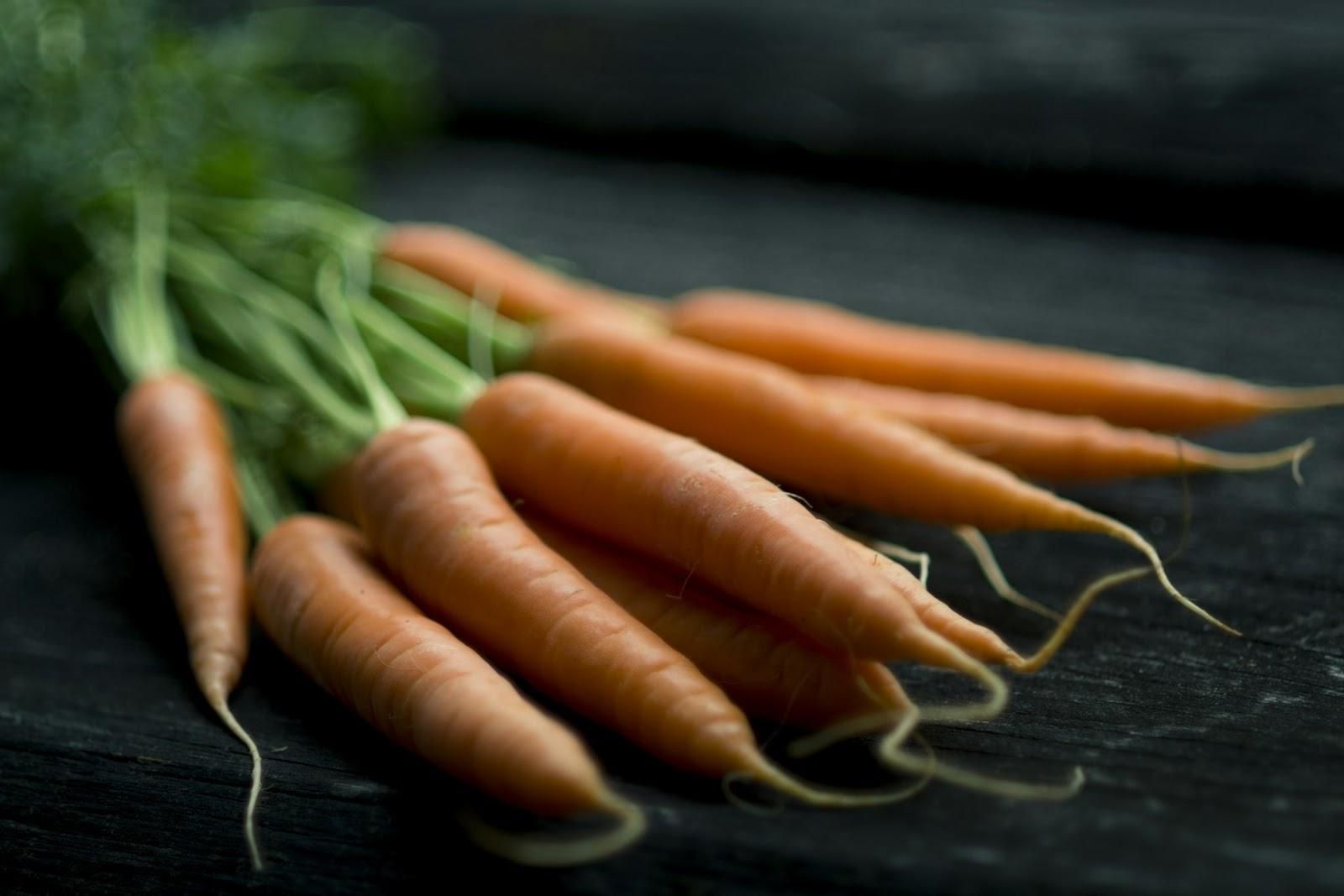
Carrot

Image: Jonathan Pielmayer

The carrot’s journey is less about sudden leaps and more about quiet persistence. Long ago, what grew underground was pale and stringy, closer to a wild weed than a vegetable. Farmers began to notice small differences—one root with a hint of sweetness, another with a faint wash of color—and held on to the seeds for the next season. After countless rounds of planting and patience, the root slowly changed shape and character. From those fragile beginnings came the crisp, orange carrots that now symbolize healthy eating around the world.

2

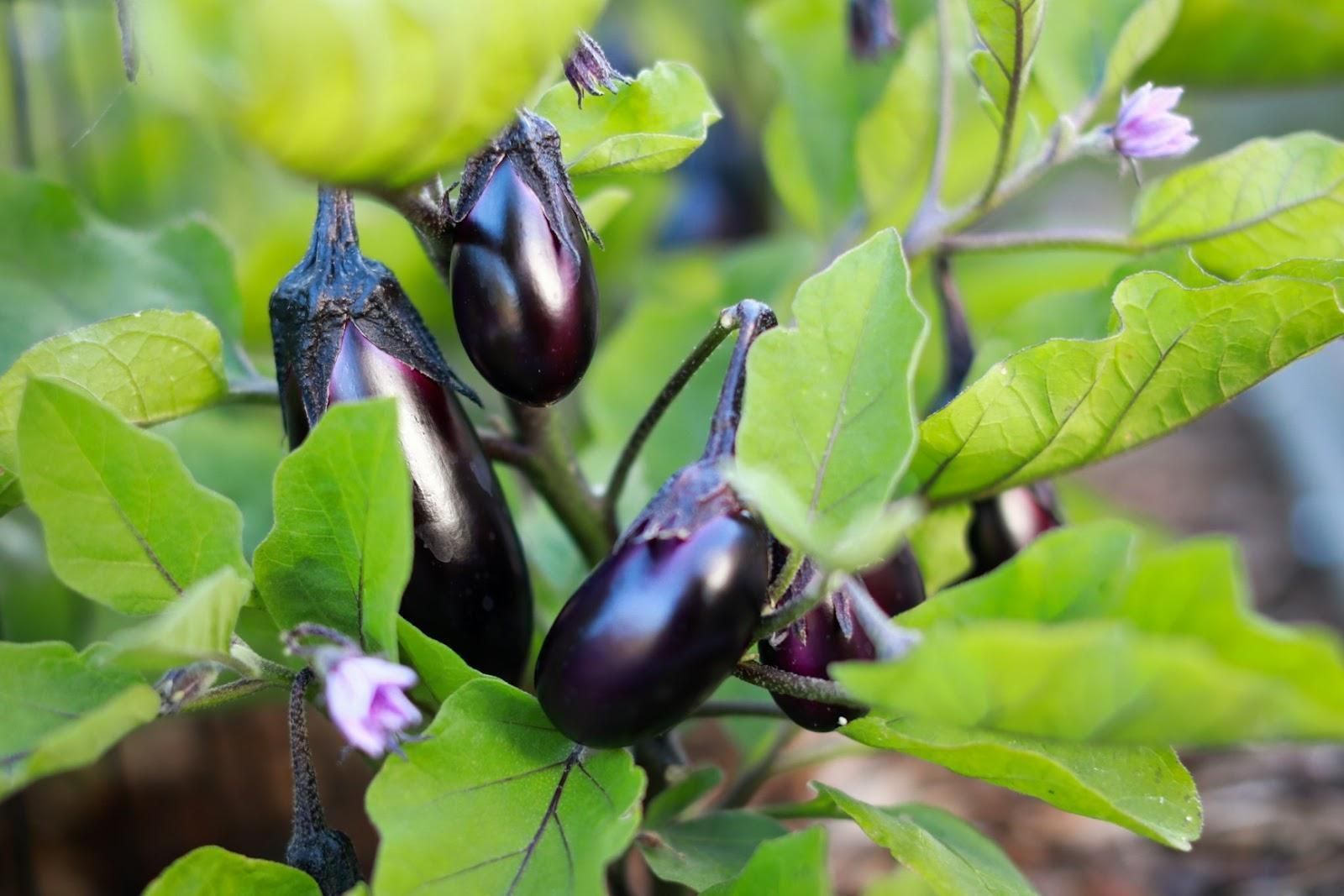
Eggplant

Image: Nina Luong

The name gives away its past. Early varieties of eggplant often looked like eggs—round, white, and sometimes speckled yellow. Others were squat and thorny, hardly inviting to harvest. As the plant traveled from India across Asia and into Europe, it evolved. Farmers in each region favored different traits, nudging its size, flavor, and color in new directions. Centuries later, the odd little fruits had been reinvented as the glossy purple globes that now fill market shelves, a far cry from their humble, egg-like beginnings.

3

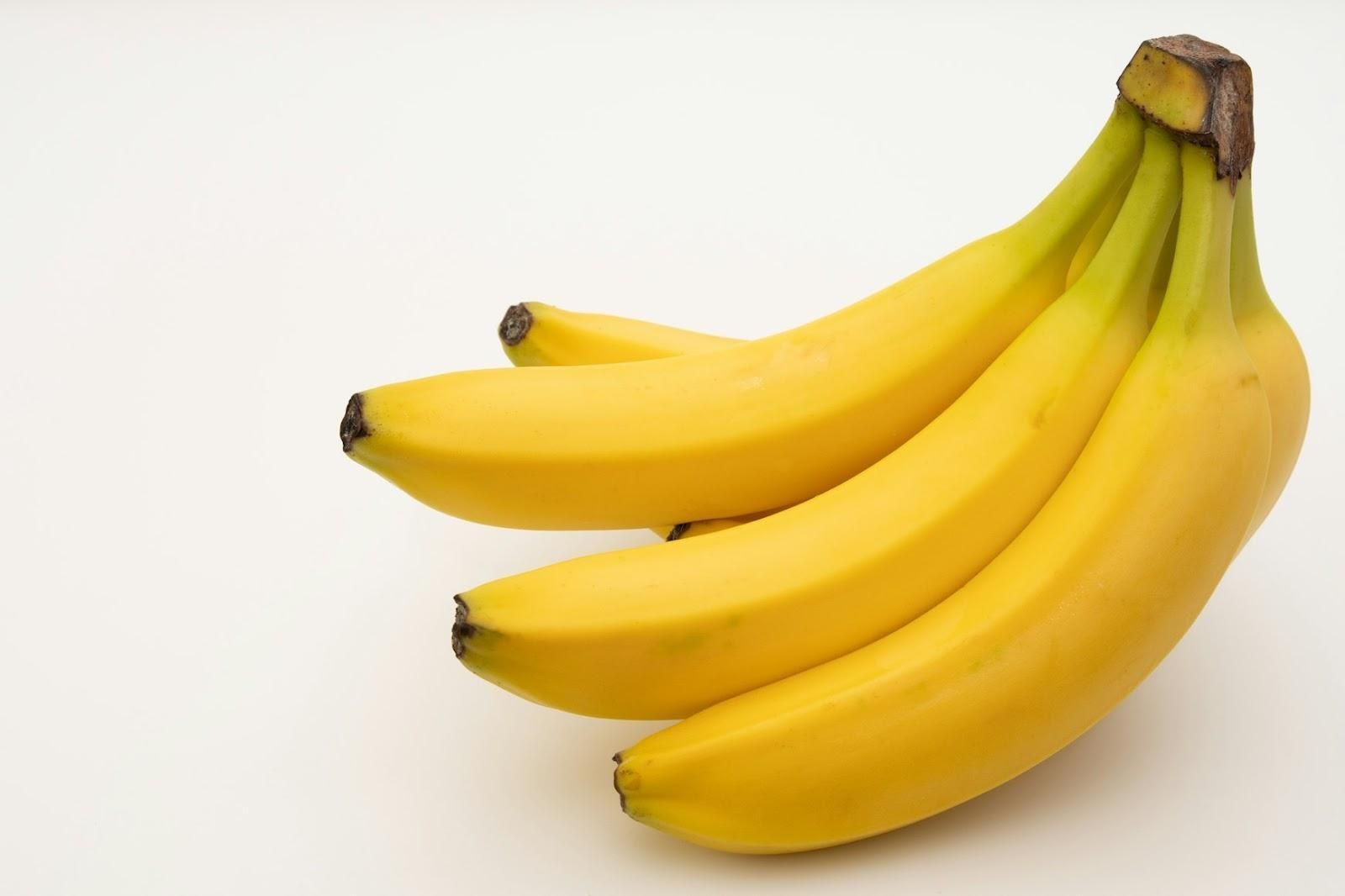
Banana

Image: Gabriel Mihalcea

Few crops show human intervention as clearly as the banana. Its wild ancestors were filled with large, stony seeds, making them far from snack-friendly. At some point, farmers stumbled upon rare hybrids that produced softer, sweeter fruit with fewer seeds. Instead of letting chance decide, they took control—propagating the plant by cuttings so its desirable traits could be preserved. That decision reshaped the banana forever. Today’s Cavendish, cloned endlessly from those early discoveries, feels less like an accident of nature and more like a fruit designed for our hands.

4

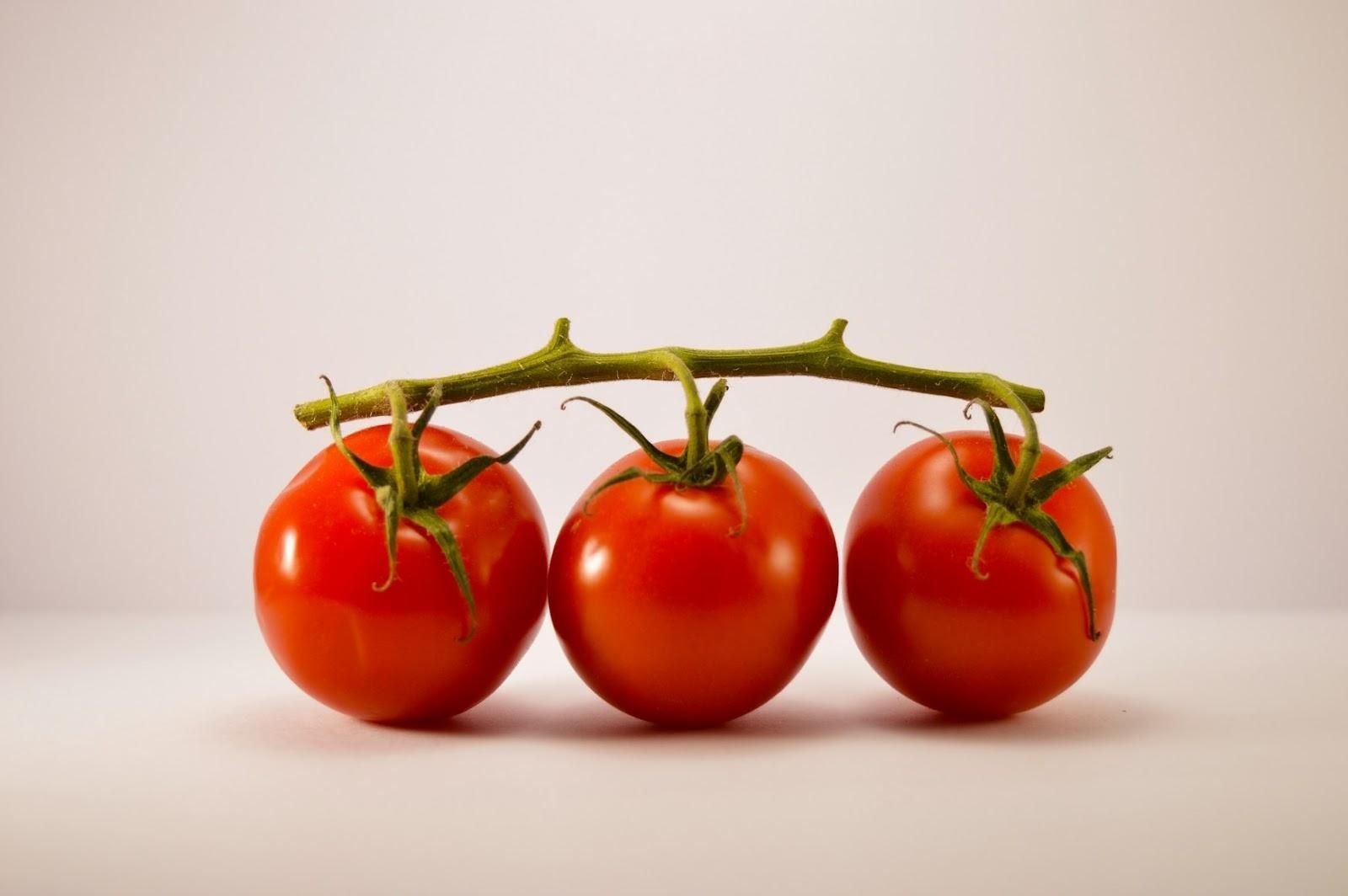
Tomato

Image: Alex Ghizila

Long before they became the stars of spaghetti sauce or the perfect partner for mozzarella, tomatoes were tiny things no larger than peas. In their wild state, they grew in South America as small, hard, sour fruits, usually yellow or green in color. Hardly resembling the juicy red fruits we pile onto burgers today. But farmers saw potential in those little berries. By saving and replanting the plumpest and tastiest ones, they gradually transformed the tomato into a whole family of varieties: from sweet little cherry tomatoes to the hefty beefsteaks that can fill an entire sandwich. Every slice we eat traces back to that humble, pea-sized ancestor.

5

Watermelon

Image: Daniel Dan

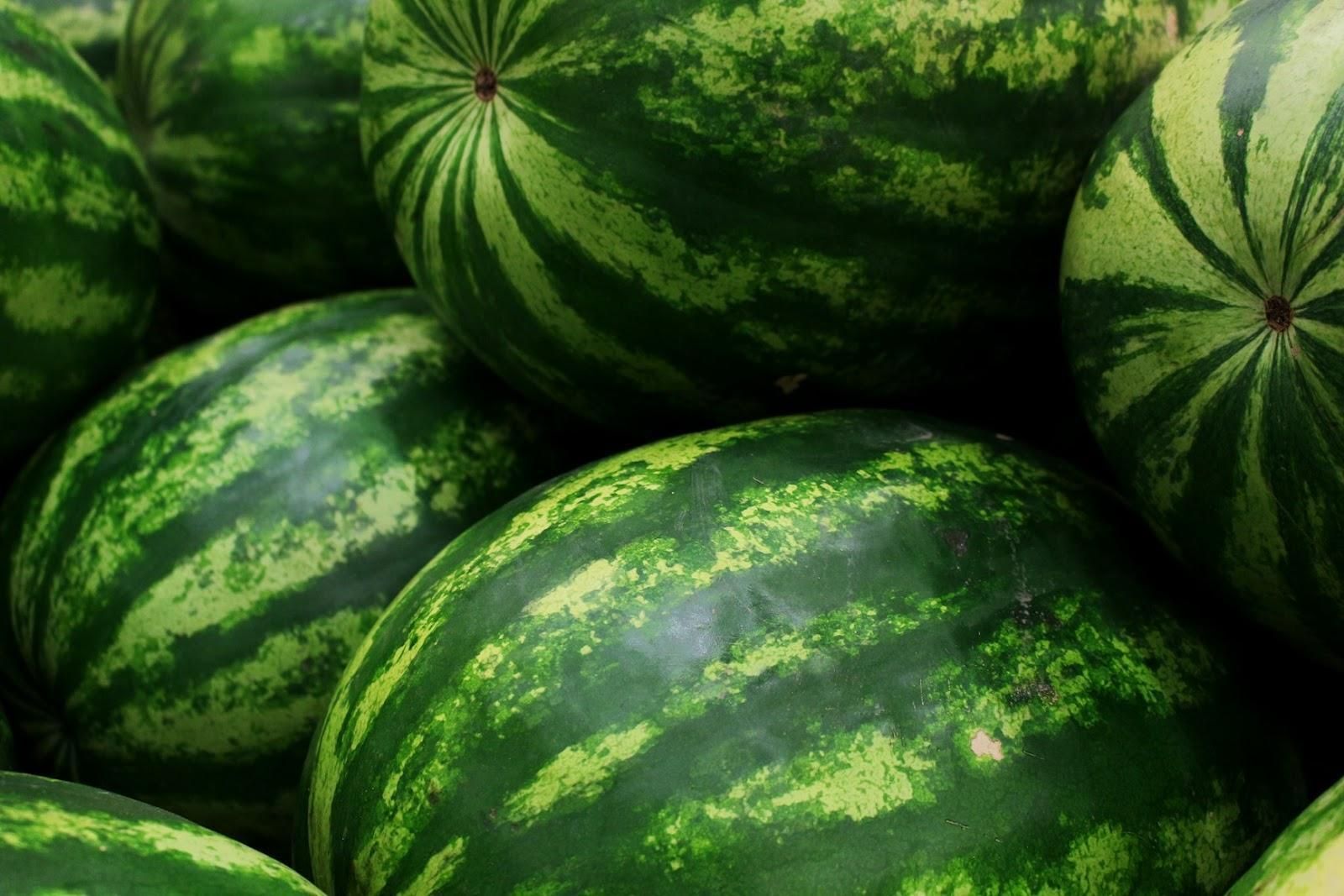
The first watermelons weren’t sweet at all. In the deserts of ancient Egypt, they were valued as natural canteens—hard, pale-green shells holding bitter but lifesaving water. For centuries, that was enough. Then farmers noticed that some fruits had a hint of sweetness. By saving those seeds, harvest after harvest, they slowly achieved a juicier, brighter flesh. Bitterness faded, red pulp emerged, and the survival fruit became a symbol of summer pleasure, shared in chilled slices at family tables and picnics.

6

Papaya

Image: Happy Surani

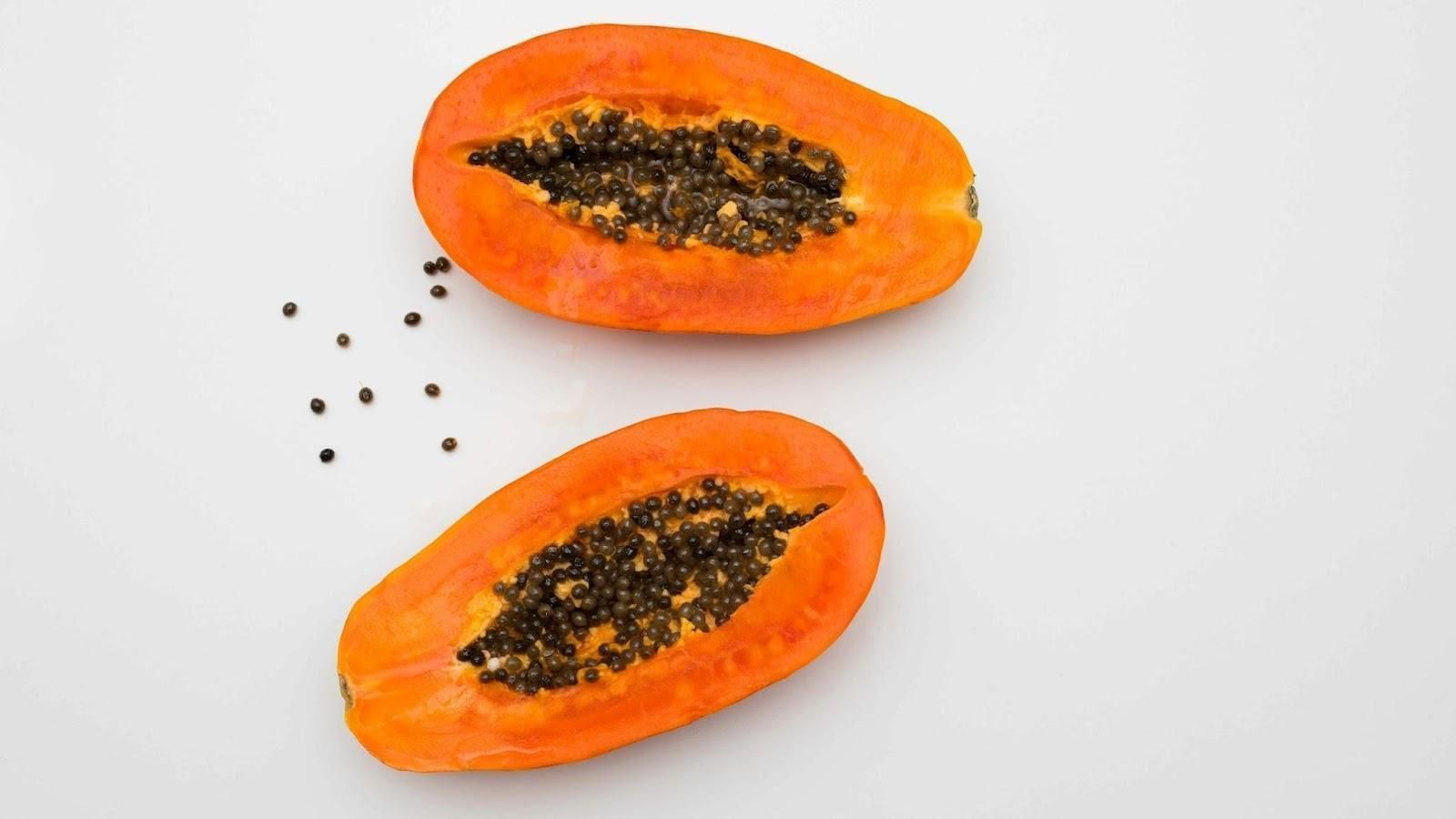
Papayas are great: big, hearty, sweet. But you might not believe what they were like centuries ago. Their story begins humbly, with berries no bigger than plums growing wild in the tropics. Around 4,000 years ago, the Maya civilization recognized their promise. Season after season, they saved seeds from plants that offered sweeter flesh and sturdier growth. Gently but surely, the fruit started to stretch beyond its original possibilities. What was once small and unremarkable became the luscious, generous, and golden-orange fruit we all love today.

7

Corn

Image: charlesdeluvio

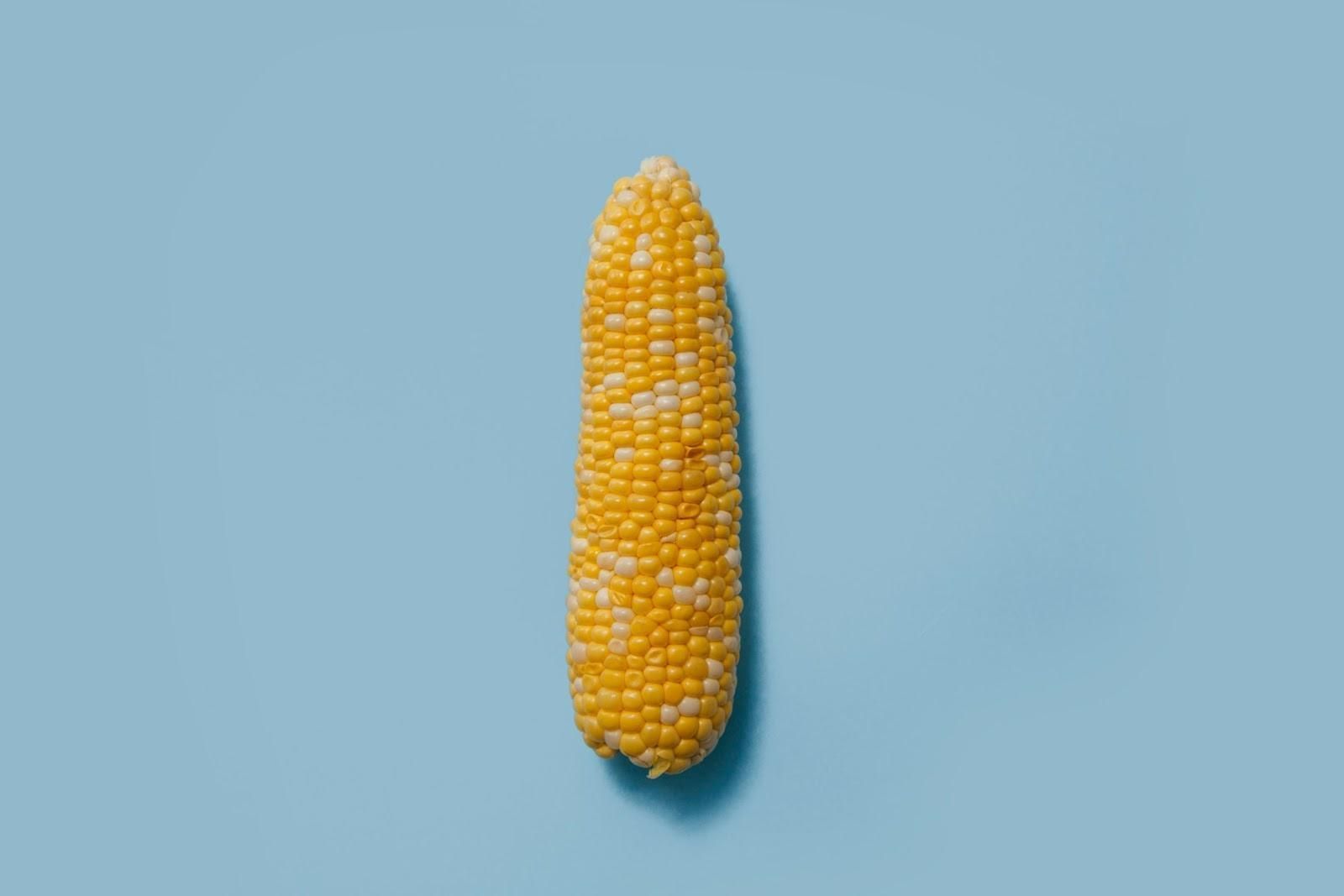
The story of corn begins not with golden fields but with teosinte, a scraggly grass with finger-sized ears and just a few rock-hard kernels. By no means a feast, more like survival food. Yet early farmers in Central America saw promise. They saved seeds from plants with plumper grains, season after season. Over time, the ears lengthened, kernels softened, and the wild grass transformed. What began as meager and tough became modern corn: sweet, versatile, and so abundant that it now sustains people, animals, and industries worldwide.

8

Peach

Image: LuAnn Hunt

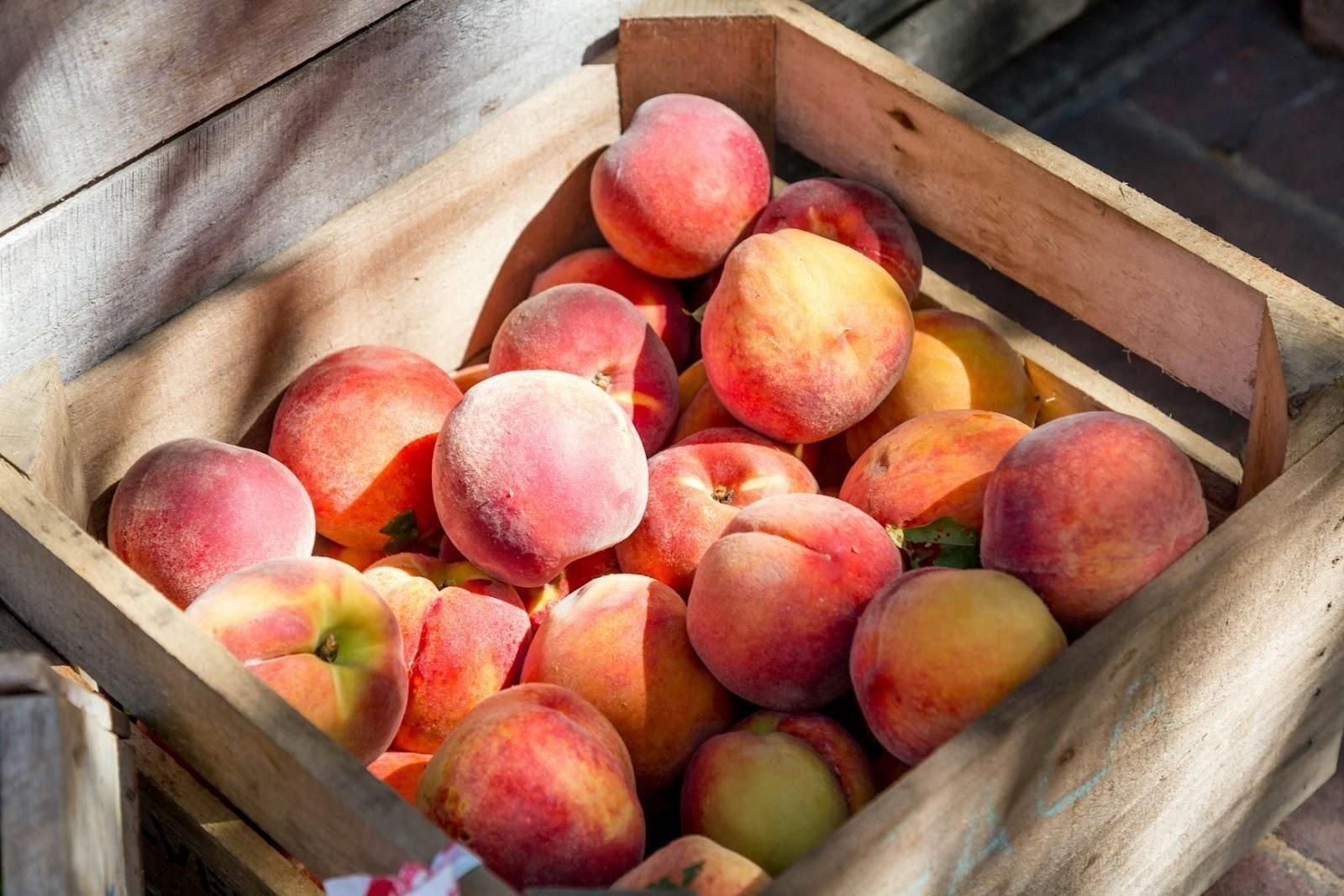
Peaches weren’t always the lush, blushing fruits we sink our teeth into today. In their earliest form, they were tiny—no bigger than cherries—with thick pits and only a whisper of edible flesh. But in ancient China, patient farmers looked past their modest size. They saved the trees that bore slightly sweeter, fuller fruit, slowly bending nature toward abundance. What emerged over centuries was a transformation so complete that peaches became almost unrecognizable: velvety skins, golden flesh, and juice that drips down your chin.

9

Avocado

Image: Thought Catalog

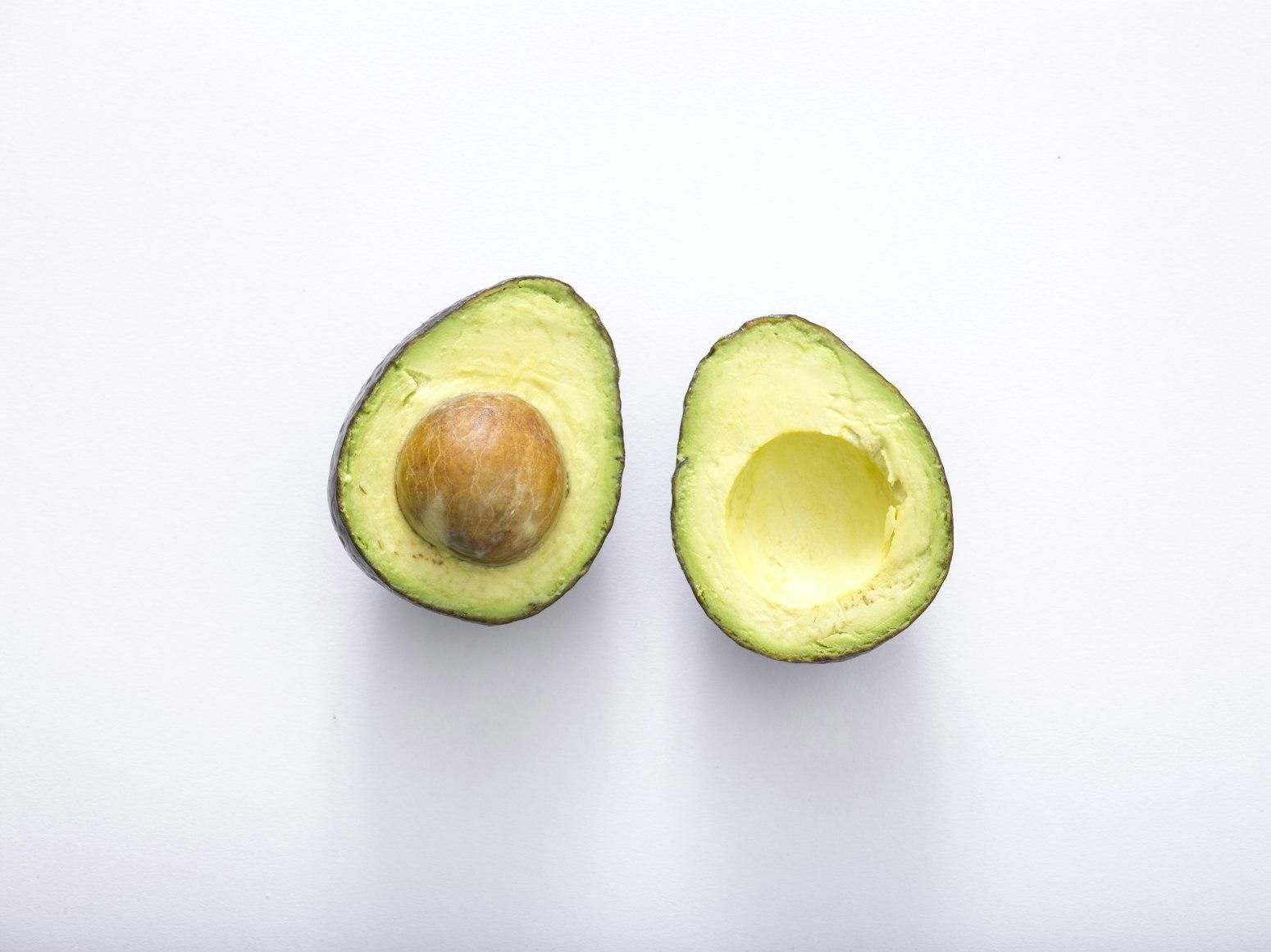
Avocados weren’t always bound to our kitchens and brunch plates. In fact, their very survival once depended on creatures that no longer walk the Earth. Millions of years ago, giant sloths and other prehistoric beasts gulped them down whole, massive seed and all, scattering future trees in their wake. When those colossal gardeners went extinct, the avocado seemed doomed. Yet humans noticed the fruit’s potential. By planting, tending, and selectively nurturing trees, they carried the species forward. Over time, those efforts smoothed out the avocado’s rough edges, turning a wild, fibrous oddity into the buttery green treasure we now mash, slice, and spread with delight.

10

Pumpkin

Image: Gabby Orcutt

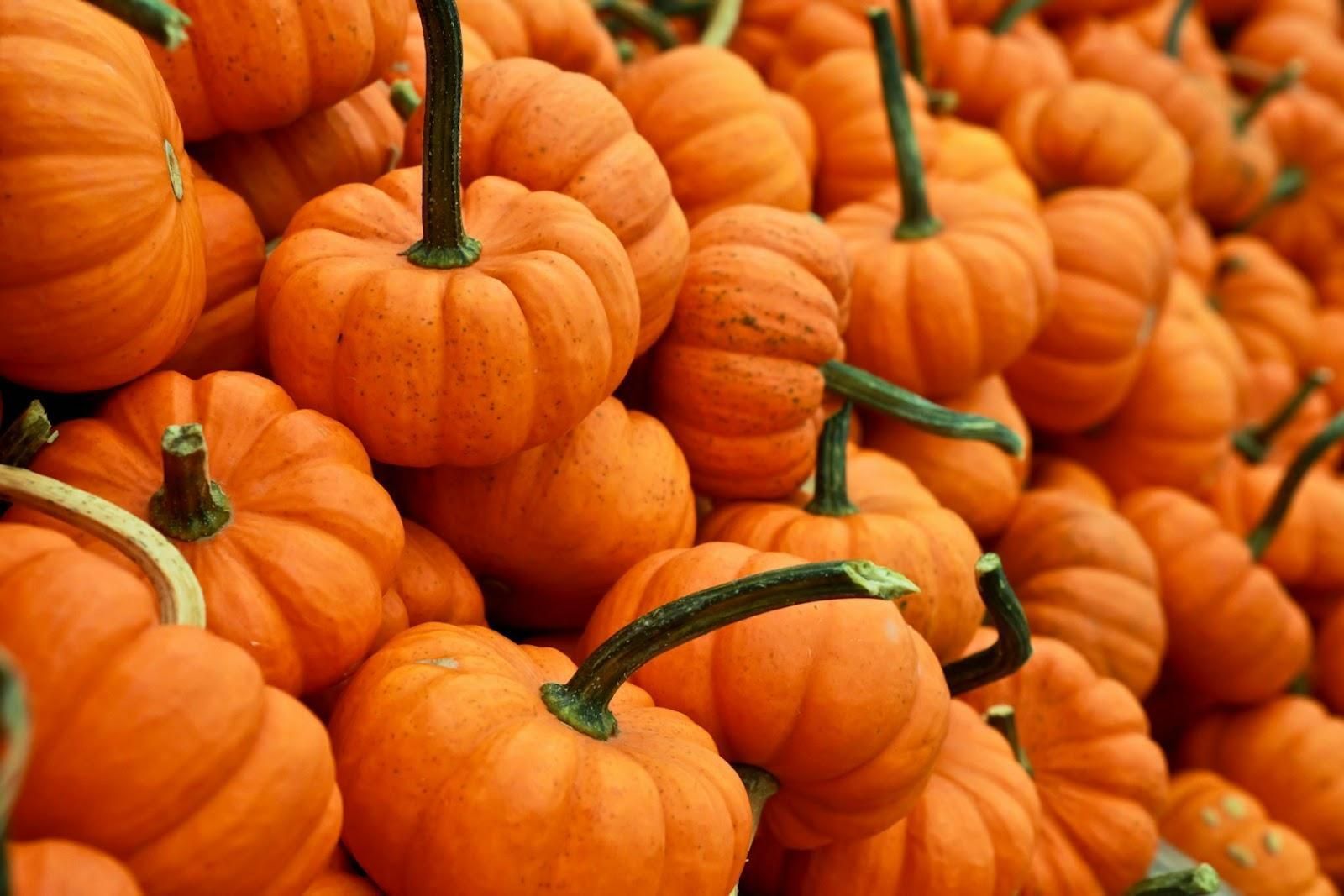
The first pumpkins were far from festive. Early farmers had to look beyond those small, bitter berries with thick skins to find something worth growing. Over generations of careful selection, they transformed green, largely inedible gourds into the versatile and tasty produce we enjoy today. And that’s not all! Pumpkins also became icons of harvest and tradition—carved, baked, and piled high as bright emblems of autumn.

Looking for an extra scoop of literary fun?

Learn more with our Word of the day

contented

/kənˈtɛn(t)əd/