Charming artifacts

Do you believe in fortune? The origins of 10 good-luck charms


Published on April 9, 2026


Image: Dayne Topkin

Ever felt the urge to hold onto a lucky charm? You’re not alone! Across the world, cultures have long relied on objects—from ancient talismans to modern tokens—to attract good fortune and ward off misfortune. Many of these items carry curious histories or age-old beliefs. Let’s explore some of the fascinating stories behind these enduring symbols of luck.

1

Horseshoe

Image: Matt Benson

Horseshoes have symbolized luck for centuries, especially when hung above doorways with the open end facing upward to "catch" good fortune.

Historically, iron was considered a protective metal against evil spirits, and the shape resembled the crescent moon, associated with prosperity. Also, in medieval Europe, blacksmiths were often seen as having magical powers, making horseshoes doubly potent as charms.

2

Four-Leaf Clover

Image: Sujay Paul

The very rare four-leaf clover is a well-known Celtic symbol of luck, with each leaf representing faith, hope, love, and luck.

Finding one was considered miraculous, giving rise to legends that only those pure of heart could stumble upon one. Druids were also believed to regard the four-leaf clover as a charm that warded off evil spirits and offered protection.

3

Rabbit’s Foot

Image: Timofei Adrian

Carrying a rabbit’s foot is a superstition that originated in both African and European traditions, but this charm became especially popular in North America during the 19th century.

The myth’s origin likely stems from rabbits being associated with fertility and abundance, while the foot—especially from the left hind leg—was believed to carry protective and lucky qualities.

4

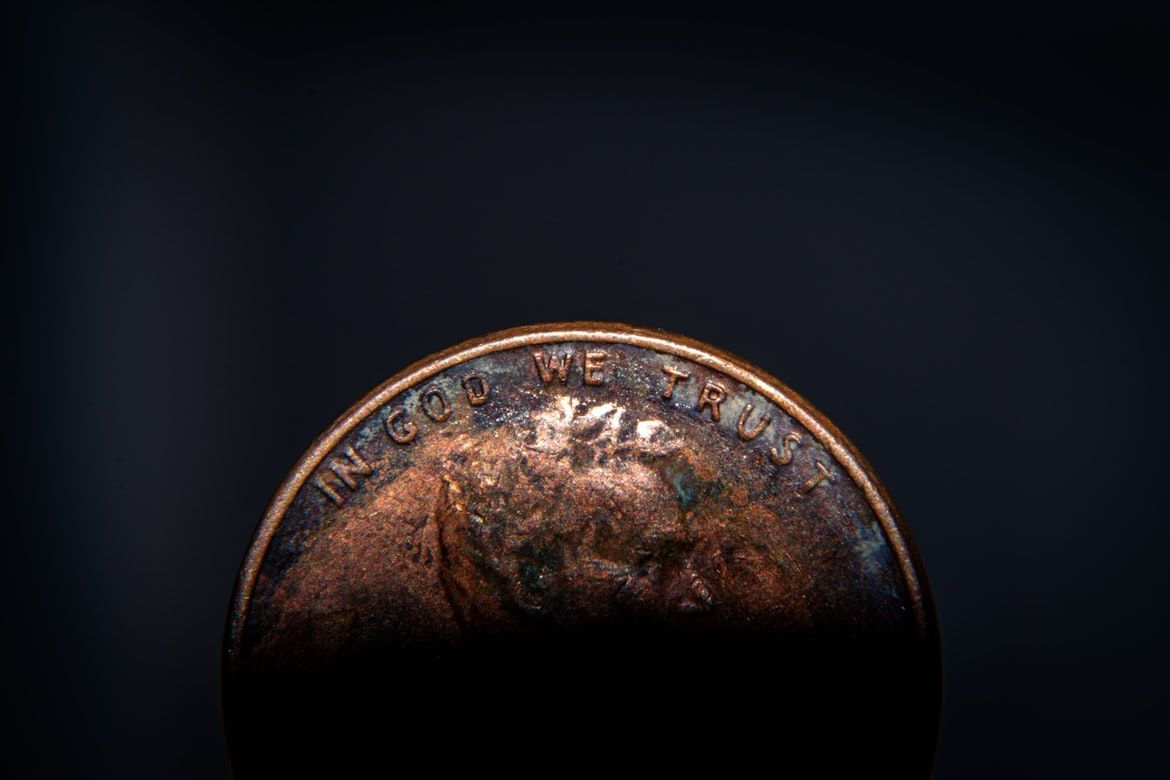
Lucky Penny

Image: Adam Nir

Finding a penny, especially with the head side facing up, has long been considered a sign of good luck.

This superstition traces back to ancient times when coins were sometimes associated with divination and fortune. The phrase "See a penny, pick it up, all day long you’ll have good luck" dates back to 18th-century England, though the original version actually referred to a pin.

5

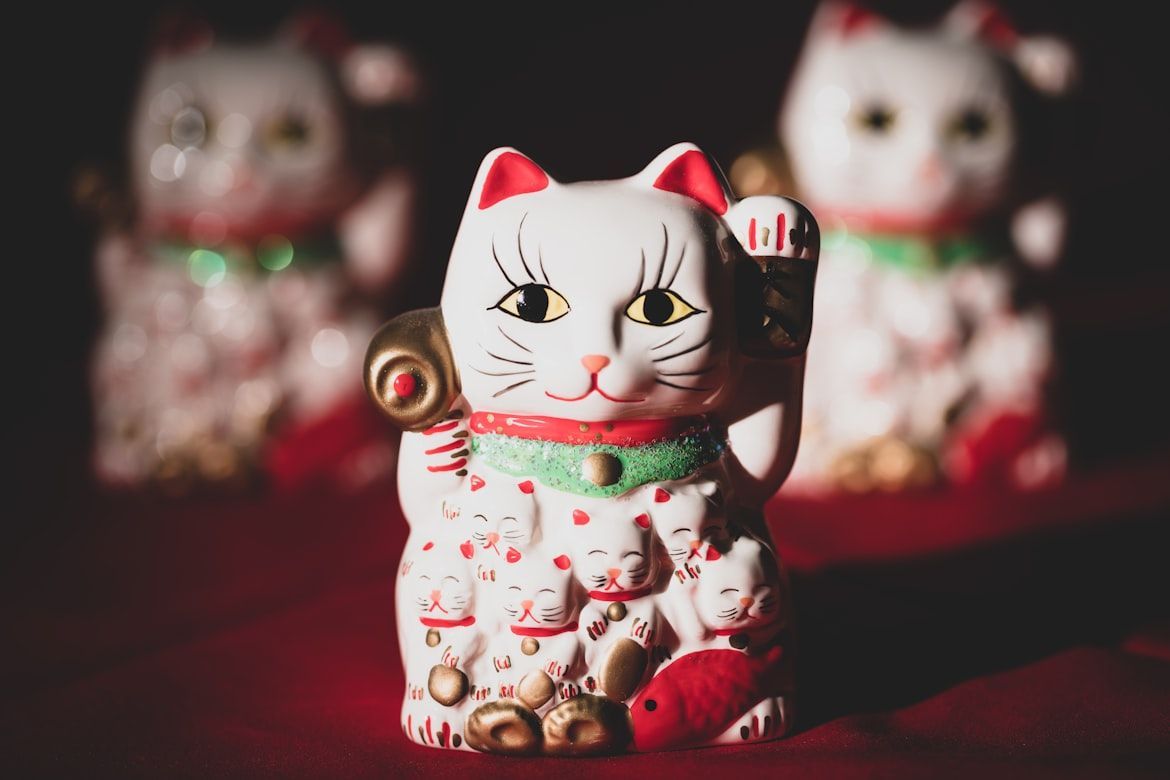
Maneki-Neko

Image: Samuel Branch

The Japanese "beckoning cat" is believed to bring prosperity and good fortune to both homes and businesses.

Originating in the Edo period, legends tell of a cat saving a temple or attracting wealth to a shop. Typically, the raised paw signifies welcoming good luck, with golden versions being more linked to financial success.

6

Acorns

Image: Caleb Lucas

Acorns have symbolized potential, growth, and prosperity since ancient Norse and Celtic times. The Vikings carried acorns for protection against both lightning and misfortune in general.

Their slow growth into mighty oaks made them enduring symbols of patience and eventual reward, giving acorns a lasting association with good fortune.

7

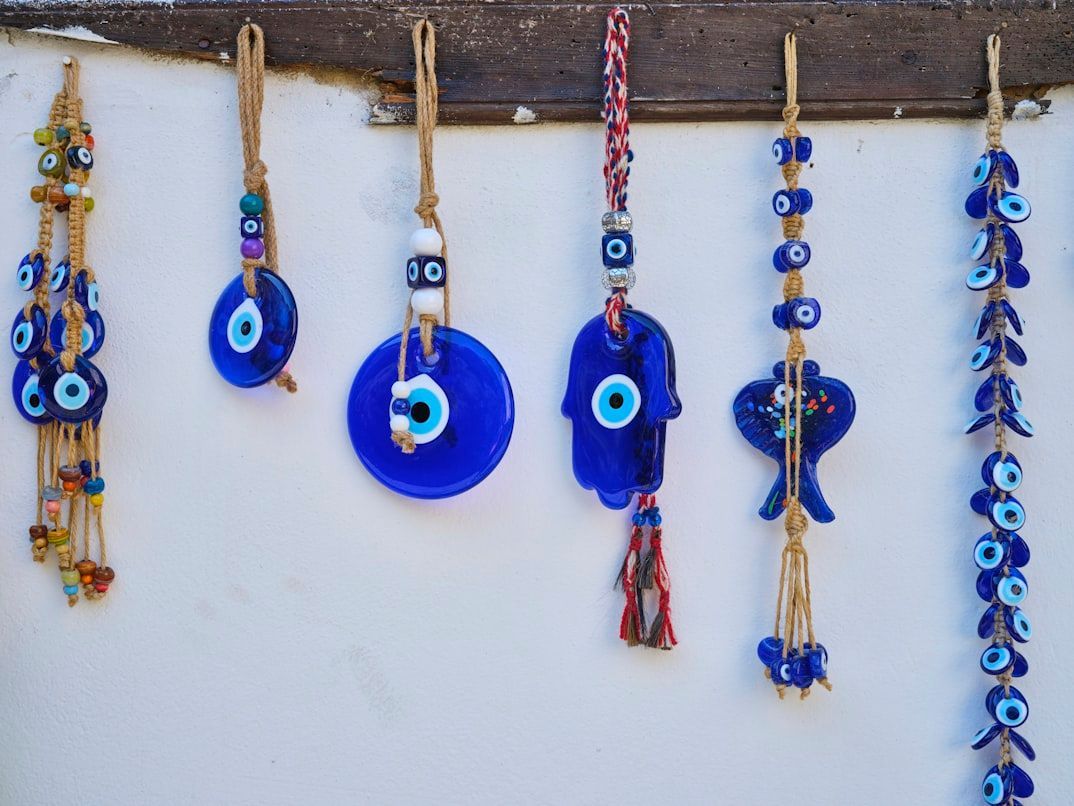
Nazar

Image: engin akyurt

The Nazar is a blue eye-shaped charm from Turkey and the Mediterranean, meant to protect against envy and negative energy.

The belief dates back thousands of years, with fear of evil eye curses appearing across numerous cultures. The charm is said to absorb harmful intent, offering protection to households, travelers, and children.

8

Dreamcatcher

Image: Nazym Jumadilova

Originating with the Ojibwe people of North America, dreamcatchers are believed to filter bad dreams, letting only good dreams pass.

Hanging a dreamcatcher over a bed or crib was thought to protect sleepers from nightmares. The woven web symbolizes the spider, a guardian figure associated with wisdom and protection in Ojibwe teachings.

9

Wishbone

Image: Museum of New Zealand Te Papa Tongarewa

Breaking a wishbone, usually from a turkey, is said to grant a wish to the person who ends up with the larger piece.

The tradition dates back to ancient Rome, where birds were symbols of divine prophecy. The custom spread across Europe and eventually to North America, becoming a holiday superstition associated with luck.

10

Red String

Image: Maria Ionova

In Kabbalah and other traditions, a red string tied around the wrist is believed to ward off evil spirits and misfortune. Its red color symbolizes life force, protection, and spiritual energy.

The practice of wearing a red string or bracelet is not limited to Jewish culture, however. Hindu, Buddhist, and Chinese traditions also use red threads or cords in similar ways, symbolizing luck, love, and protection.



Timeless trends

What’s in a name? 10 most popular names through history


Published on April 9, 2026


Image: CHUTTERSNAP

Names carry not only identity but also cultural significance and are often tied to larger societal trends or even famous figures of each historical moment. And just like any other cultural trends or ideas, popular names come and go. However, some names have stood the test of time—whether forged in royal bloodlines or immortalized as literary icons—connecting us with our ancestors and, very likely, our descendants. Join us on this name safari and discover some of the most popular names throughout history!

1

Mary

Image: Jon Tyson

Mary has been one of the most popular names, by far, across various cultures and eras. Its roots can be traced back to the Hebrew name Miriam, meaning "sea of bitterness" or "rebellious." The name's popularity surged due to its association with the Virgin Mary, the mother of Jesus, making it a staple in Christian communities for centuries.

Moreover, Mary was the most common name given to girls in the United States throughout the 20th century. Beyond its religious significance, the name Mary has also been borne by numerous queens, saints, and influential women in history, including Mary Wollstonecraft, an early advocate for women's rights, and her daughter Mary Shelley, the author of Frankenstein.

2

John

Image: History in HD

John is a name with a very long legacy, stemming from the Hebrew name Yochanan, which means "God is gracious." This name has been borne by numerous saints, kings, and scholars, as can be seen in historical documents, literature, and religious texts. In the U.S., John was the most popular name for boys in the 20th century.

Notable historical figures named John include John Locke, a philosopher whose ideas influenced modern political thought, and John F. Kennedy, the 35th president of the United States.

3

James

Image: Simona Marinkova

Derived from the Hebrew name Jacob, meaning "supplanter," James has been a favored name among royalty and notable figures. The name became widely popular in the English-speaking world due to King James I of England, who commissioned the King James Bible in 1611.

In addition to its royal legacy, James is still a popular choice in modern times. Famous figures bearing this name include James Dean, an icon of American cinema, and James Baldwin, a powerful voice in literature and civil rights.

4

Elizabeth

Image: Tim Mossholder

Elizabeth, originating from the Hebrew name Elisheba, meaning "God is my oath," has been associated with royalty for centuries. It is synonymous with queens and influential figures, including Queen Elizabeth I and II.

The name's adaptability across cultures and languages enhances its timeless nature, with variations like Elise and Lizzie remaining popular. Notable figures include Elizabeth Barrett Browning, a celebrated poet, and Elizabeth I, who reigned during a golden age of English history.

5

William

Image: Nik Shuliahin

William has Germanic roots, meaning "resolute protector." This name has also been popularized by historical figures, such as William the Conqueror and William Shakespeare, embedding itself in the cultural fabric of English-speaking countries. In the U.S., William has consistently ranked as one of the top names for boys for decades.

Notable Williams in more recent times include William Faulkner, a Nobel Prize-winning author, and actors like William Hurt and William Shatner.

6

Anna

Image: Nicholas Szewczyk

Anna, derived from the Hebrew name Hannah, meaning "grace," has consistently ranked as one of the most beloved girl names. Its universal appeal means that it is present in various cultures, and has been a favorite in literature and film.

Notably, Anna has been borne by many influential women throughout history, including Anna Pavlova, a renowned Russian ballerina, and Anna Wintour, the editor-in-chief of Vogue.

7

Michael

Image: Andika Christian

Michael stems from a Hebrew word meaning "who is like God." While it originally referred to the archangel Michael in religious texts, the name became immensely popular and is still one of the most favored masculine names in modern times. In the U.S., Michael was the most popular name for boys from the 1950s through the 1990s.

Famous Michaels include Michael Jordan, an iconic basketball player, and Michael Jackson, the "King of Pop," with the name’s strong biblical roots and association with greatness likely contributing to its lasting appeal.

8

Catherine

Image: Roberto Nickson

Catherine, derived from the Greek word "katharos," meaning "pure," has been the name of many queens and saints. The name's variants, such as Katherine and Kathryn, have further extended its popularity. Catherine the Great, Empress of Russia, is one of the most notable bearers, known for her powerful influence on Russian history.

In addition to its royal connections, the name Catherine has been popular in both literature and film, including the famous character Catherine Earnshaw in Wuthering Heights.

9

George

Image: Marie Bellando Mitjans

George comes from the Greek name Georgios, meaning "farmer." This name gained prominence through figures like King George III, but it is also celebrated as a saint in Christianity. Saint George, a martyr and soldier, is best known for the legendary tale of slaying a dragon, symbolizing the triumph of good over evil.

Its strong historical presence and connection to leadership ensure its continued usage and respect in various cultures. In fact, George has remained a top name in several English-speaking countries for centuries.

10

Sarah

Image: Birmingham Museums Trust

Sarah, rooted in Hebrew meaning "princess," has a significant biblical background, being the wife of Abraham. In the U.S., Sarah has been a consistently popular name for girls, particularly in the late 20th century.

Prominent figures named Sarah include Sarah Jessica Parker, a celebrated actress renowned for her role in Sex and the City, and Sarah Palin, a prominent politician and former governor of Alaska who gained national attention during her candidacy for vice president in 2008.

Looking for an extra scoop of literary fun?

Learn more with our Word of the day

wondrous

/ˈwəndrəs/