Time changes everything
Do secretaries still keep secrets? 12 job titles that meant other things
Published on July 23, 2026
Language preserves history in unexpected places. Many job titles that seem ordinary today began with entirely different meanings, reflecting the needs of medieval kingdoms, noble households, religious institutions, and even long-forgotten professions. Although the work behind these titles has changed dramatically over the centuries, the words themselves continue to carry traces of the past wherever they are used.
Secretary

Today, a secretary is usually associated with calendars, correspondence, and office organization. But centuries ago, a secretary was a trusted keeper of confidential information. The word comes from the Latin secretarius, referring to someone entrusted with secrets and private affairs.
In royal courts and governments, secretaries often served as influential advisers rather than clerical workers. The title still carries traces of that earlier status in positions such as Secretary of State, where the role involves high-level decision-making rather than routine paperwork.
Clerk

A modern clerk may work in an office, store, courthouse, or government agency. Originally, however, a clerk was a member of the clergy. During the Middle Ages, churches and monasteries were among the few places where people regularly learned to read and write.
Because clergy handled many written records, the word gradually became associated with literacy itself. As education spread beyond religious institutions, the meaning shifted from "churchman" to someone responsible for records, documents, and administrative work.
Marshal

Today, marshals are often law enforcement officers or senior military officials. The title has surprisingly humble roots. It comes from an old Germanic term meaning something close to "horse servant" or "keeper of horses."
In medieval times, horses were essential for transportation, communication, and warfare. The official responsible for managing them gained increasing authority, and over centuries, the role evolved into one of the most prestigious military and governmental titles in many countries.
Sheriff

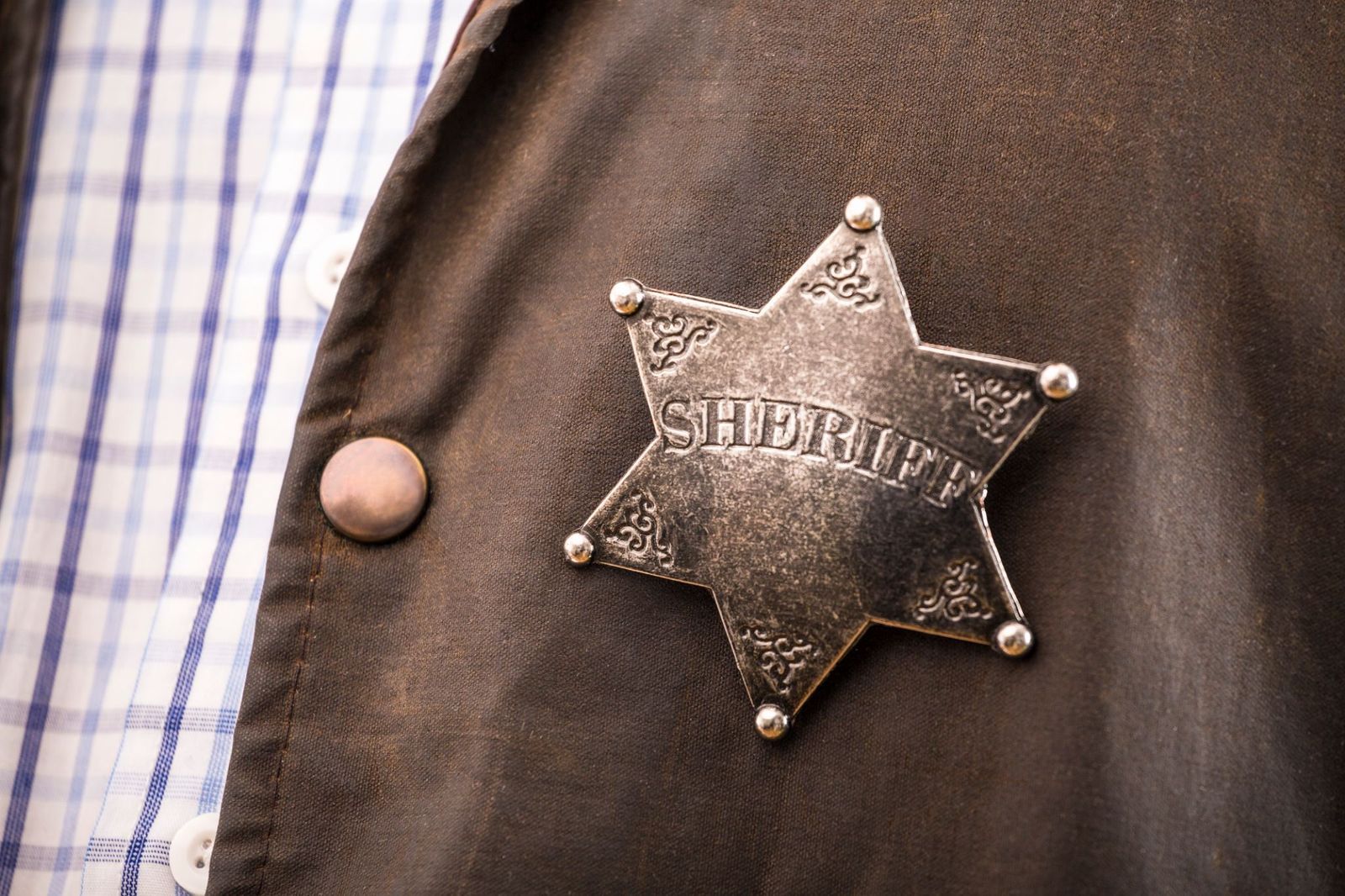
Modern Americans know sheriffs as elected county law-enforcement officials. The title dates back more than a thousand years to Anglo-Saxon England, where a sheriff was known as a shire-reeve.
A shire was a county, and a reeve was a royal administrator. Early sheriffs collected taxes, enforced the king’s orders, managed courts, and supervised local government. Fighting crime was only one part of a much broader set of responsibilities.
Butler

The butler is often portrayed as the head servant in a grand household. Yet the job originally revolved around something much more specific: wine. Early butlers were responsible for managing wine cellars and serving valuable beverages.
Because wine represented both wealth and status, the position required trust and responsibility. Over time, butlers gained authority over other servants and eventually became the chief managers of large households.
Steward

Today, the title steward may be used for airline attendants, ship personnel, or event supervisors. Historically, a steward was a powerful official responsible for managing a noble household, estate, or even an entire territory.
The word comes from Old English terms meaning "household guardian." Medieval stewards oversaw finances, property, staff, and daily operations. Some became influential political figures who effectively governed on behalf of kings and nobles.
Doctor

Most people immediately think of medicine when they hear the word doctor. Originally, however, a doctor was simply a teacher. The word comes from the Latin docere, meaning "to teach."
Medieval universities awarded the title to scholars qualified to instruct others at the highest level. Long before it became closely associated with physicians, doctors could be experts in theology, law, philosophy, and other academic disciplines.
Minister

A minister today can lead a government department or serve as a religious leader. The word’s original meaning is surprisingly modest. In Latin, minister meant "servant" or "attendant."
The title emphasized service rather than authority. Over time, ministers became trusted representatives of rulers and governments, eventually overseeing major areas of public policy while retaining a word that originally suggested humility and assistance.
Engineer

Modern engineers design everything from skyscrapers to software. The title originally referred to specialists who built or operated military "engines," a term once used for siege machines such as catapults and trebuchets.
These experts combined technical skill with practical problem-solving. As technology expanded during the Industrial Revolution, the meaning broadened dramatically, eventually encompassing the countless engineering fields that exist today.
Accountant

An accountant now manages financial records, audits, taxes, and budgets. Historically, the role was more closely tied to giving an account: that is, explaining how money or resources had been used.
Kings, merchants, and estate owners needed trusted individuals to report on financial matters. As trade and commerce became more complex, accounting evolved into a highly specialized profession recognized around the world today.
Computer

For centuries, a computer was not a machine at all. It was a person whose job involved performing calculations. Governments, observatories, universities, and scientific organizations employed teams of human computers to solve mathematical problems.
Human computers played important roles in astronomy, navigation, engineering, and even early space research. Only in the mid-20th century did electronic machines become so closely associated with the work that they inherited the title themselves.
Pilot

Today, pilots are most commonly associated with airplanes. Yet the word was guiding vessels long before powered flight existed. Originally, a pilot was an expert navigator who directed ships through difficult harbors, rivers, and coastal waters.
These specialists relied on detailed local knowledge to help vessels avoid hazards and reach their destinations safely. When aviation emerged in the early 1900s, the title naturally transferred to those guiding aircraft through the skies.


