WILD WORDS
Do You Speak Dog? 10 Words Inspired By Animals
Published on July 15, 2024
 Image: Jake Weirick
Whenever we think about vocabulary related to the animal kingdom, our mind usually goes to long, Latin scientific terms that seem extremely daunting to anyone not well-versed in biology. However, we sometimes fail to see how much our animal friends have also influenced the everyday words we regular joes use.
We have compiled ten common words that were either influenced by animals or that downright reference an animal in their meaning or etymology. These words range from the well-known to the utterly surprising. Enjoy!
Cynic
 Image: Matthew Henry
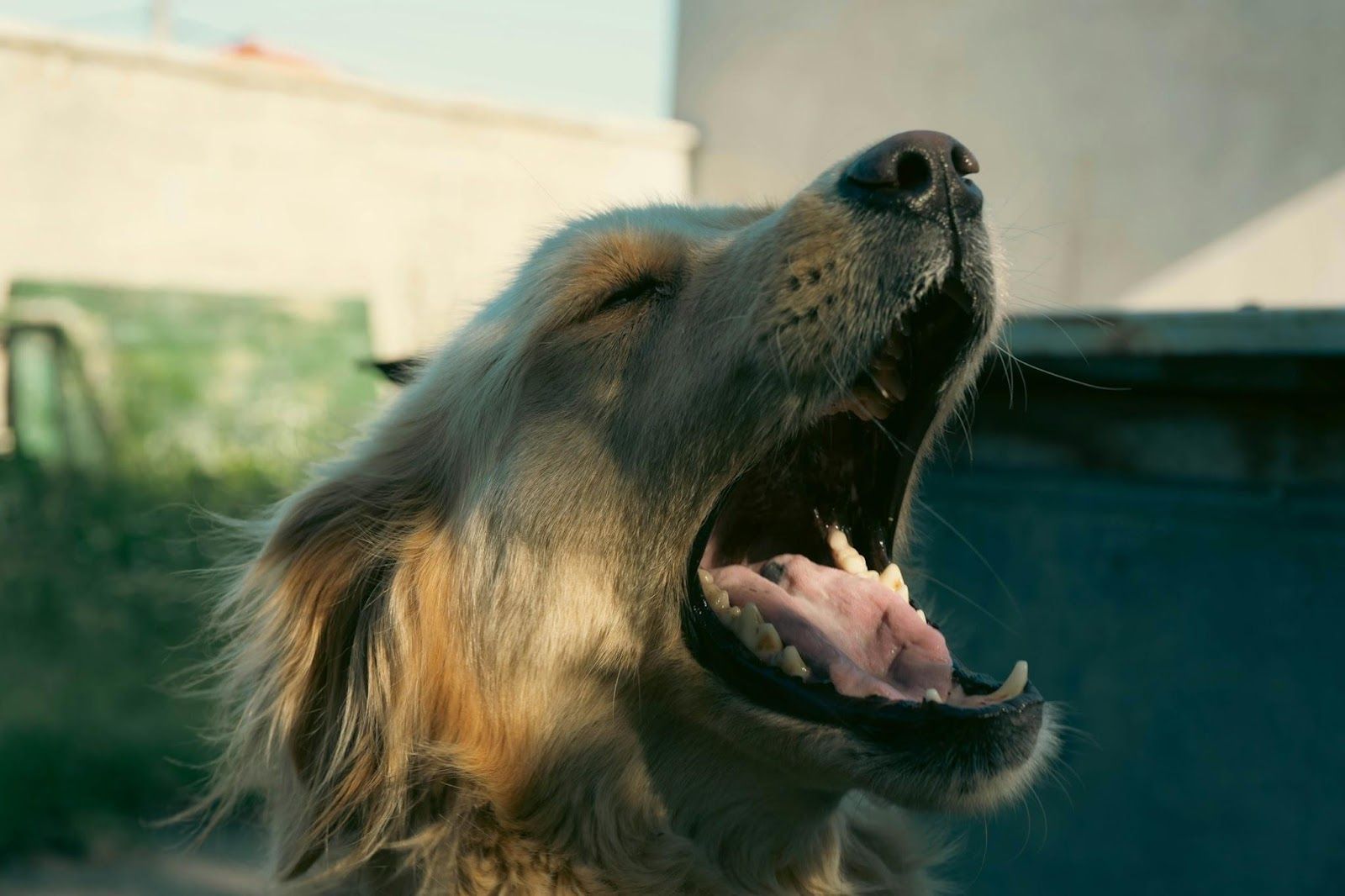
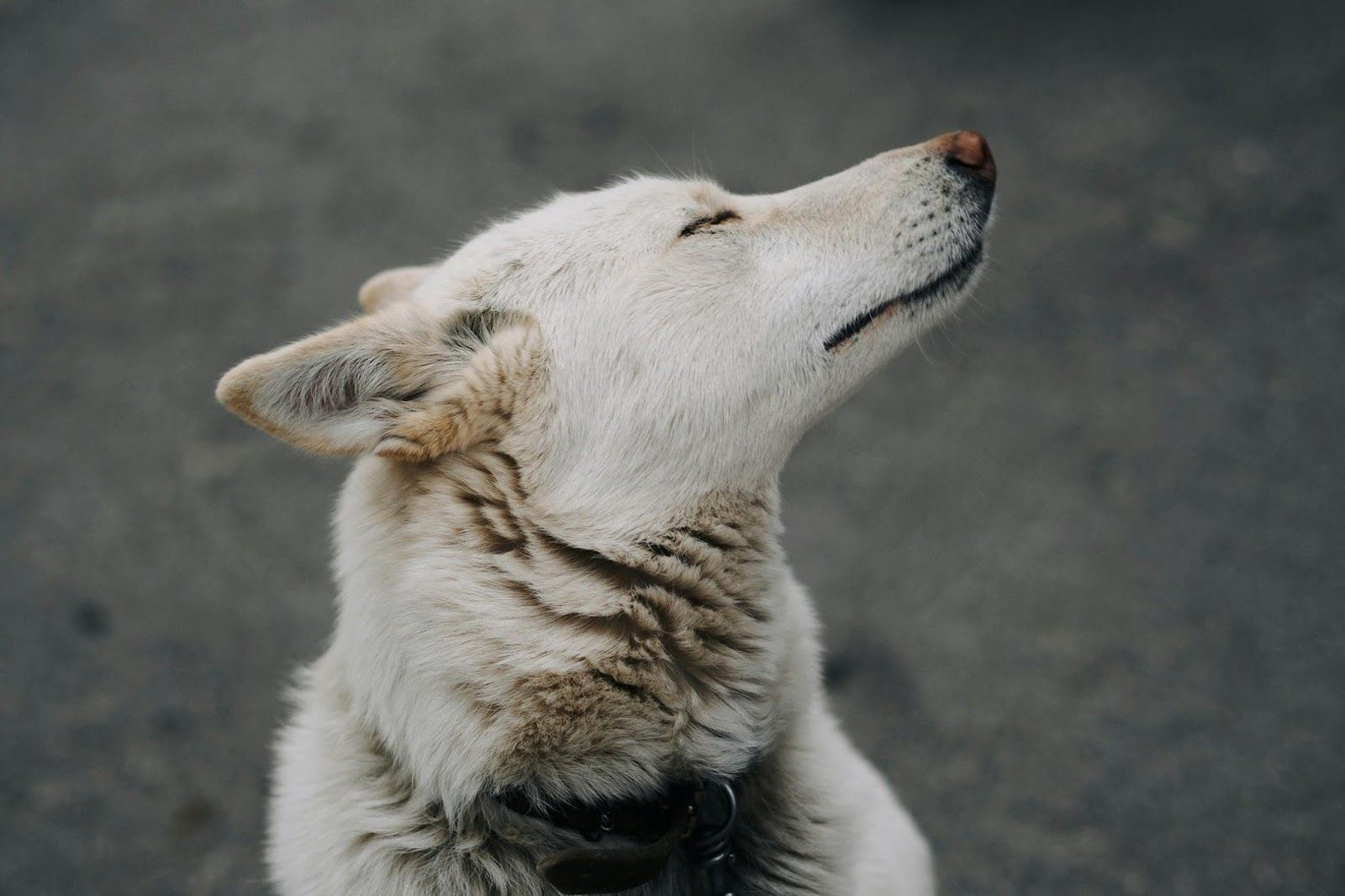
We’ll start with what’s probably the most surprising word in this list. The one question most of us ask whenever we see any dog is "Who’s a good boy?" We can’t really think of anyone who thought "Of course! This smiling, furry bundle of joy must be the root of one of the most pessimistic words in the English language".
The word "cynic", which means a doubtful, jaded person, comes from the Greek word cynikos, which can be translated both to "churlish" as well as "dog-like". Historians believe that the name comes from a philosopher movement known as the Cynical movement, who shocked their contemporaries by living in the streets and acting in a rude, indelicate manner.
Hobby
 Image: Silje Midtgård
Hobby horses are one of the most iconic, timeless toys in mankind’s history. There’s a pretty big chance that your grandparents or even your great-grandparents joyfully rode around their very own toy mount. You might be inclined to think that the "hobby" part of the name comes from it being a pastime.
However, it is actually the other way around: the word "hobby", as in an activity one does for recreation, comes from the hobby horse, which in turn comes from a very specific type of horse. It comes from hobin, an Old English word that means "small horse.
Pedigree
 Image: alan braeley
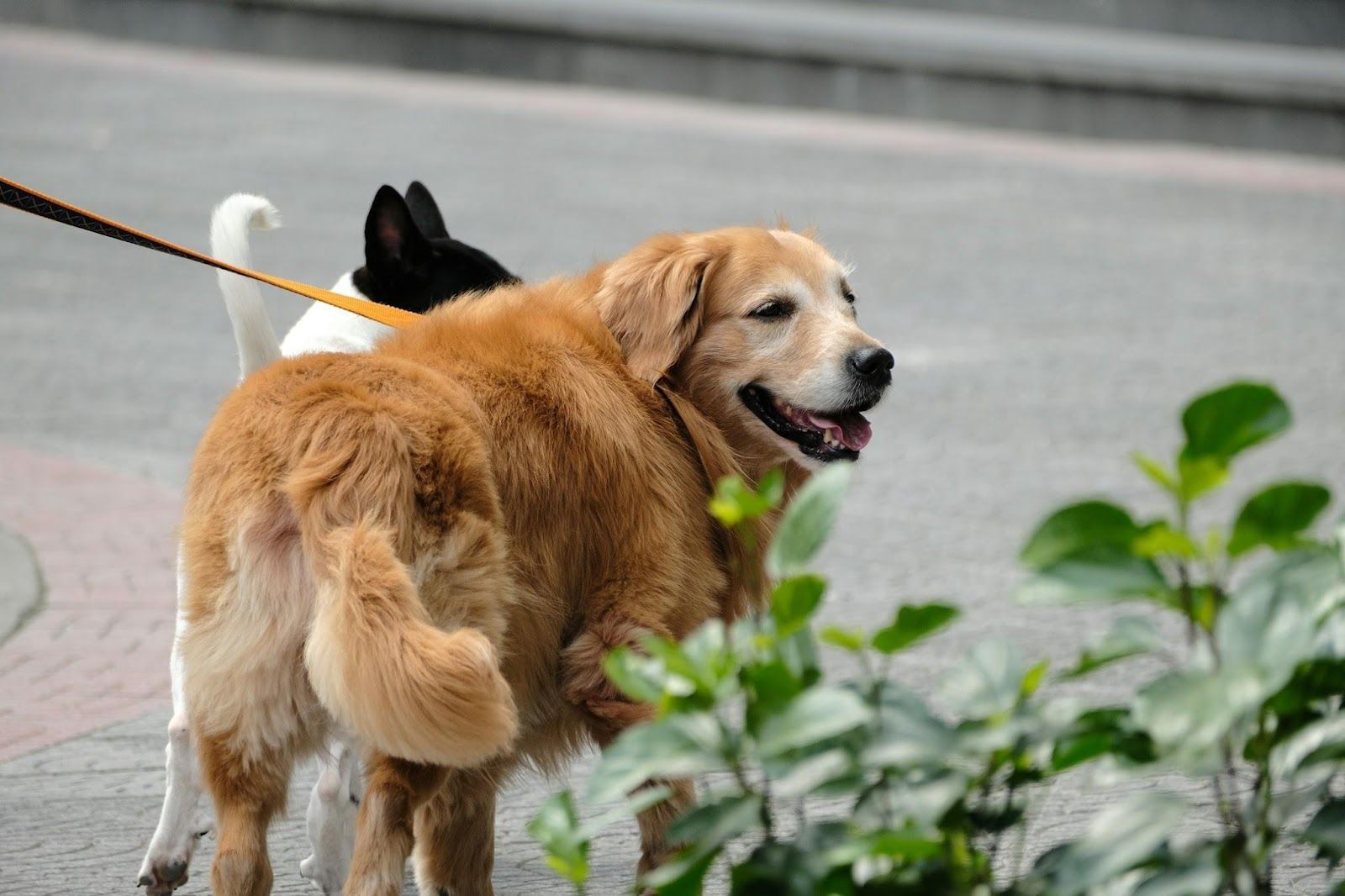
Contrary to our entry on "cynic", here comes a word that is widely associated with dogs, but comes from an entirely different animal kingdom. The word pedigree, a record used mostly by dog and horse breeders to track down genealogy, comes from a French word that doesn’t designate either of these animals, but rather a very large bird.
Pedigree comes from the Anglo-Norman French term pé de grue, which translates to "foot of the crane." This is because, in family trees and genealogy lines, the shape the lines take resembles the claws of a crane.
Butcher
 Image: Nandhu Kumar
We could have used the picture of a butcher shop in this entry, but we felt it might have been a bit insensitive for the animal friends we are celebrating in this article. We ultimately decided on this adorable goat, in order to illustrate the etymological origins of this timeless profession.
The English word butcher comes from the Old French word bochier, which in turn comes from the word boc, which means "goat." This word found its way into the Middle English language, where it eventually evolved into the "butcher" we all know.
Harpoon
 Image: Marii Siia
If you had to associate harpoons with any animals, it would probably be whales. We can thank Herman Melville for it: It’s almost impossible to picture a harpoon without it being furiously thrown by Captain Ahab onto his mortal enemy, the white whale Moby Dick. Interestingly, if we look at the etymological root of this word, there is another animal we can thank for the name of this fishing tool.
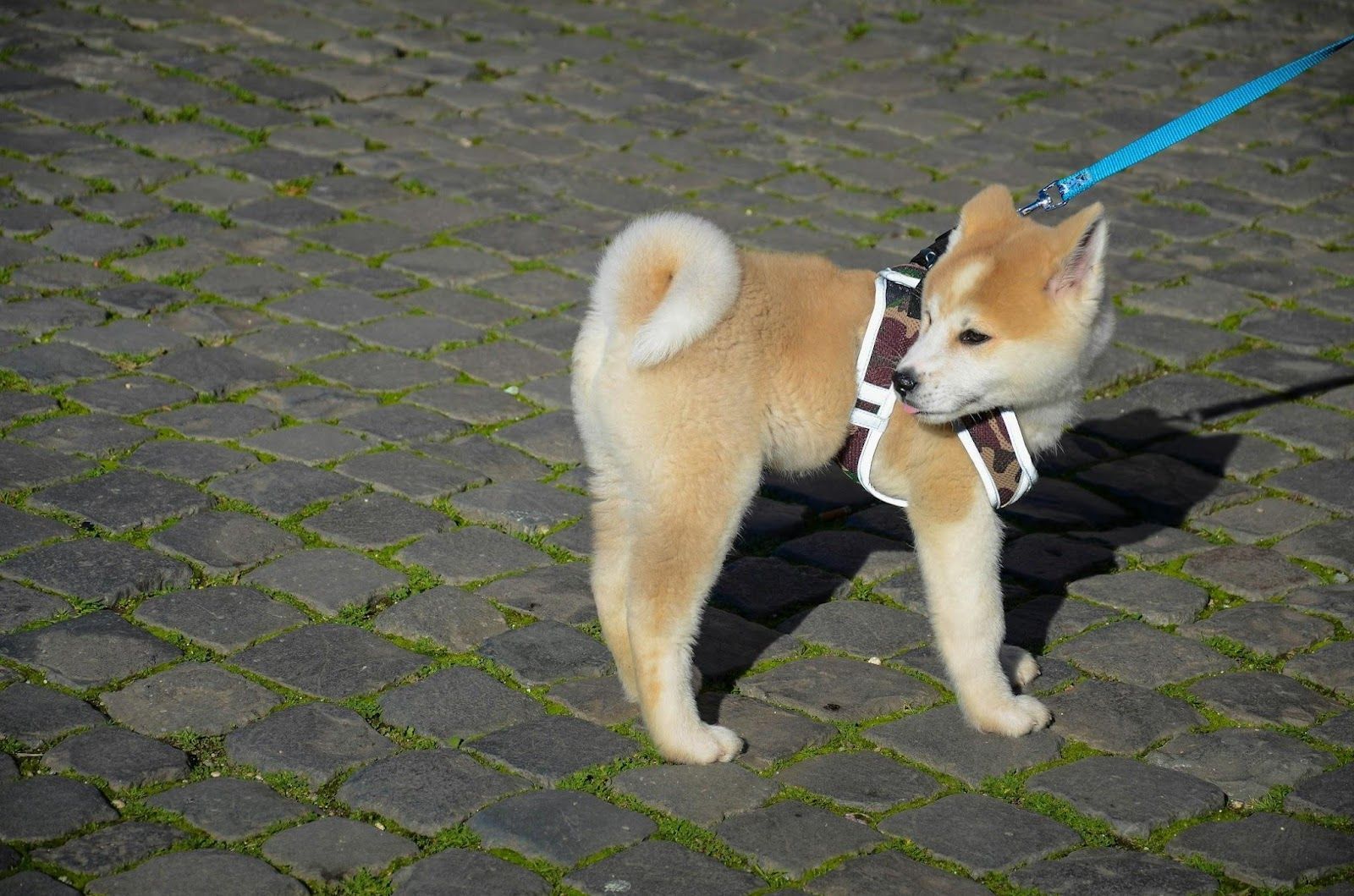
The word harpoon comes from the French word harpon, which is an iron structure used to hold stones together. In turn, this word comes from harpe, the word for a dog’s claw. It could be argued that the hooks of a harpoon loosely resemble the wave-like shape of a dog’s claw.
Cavalier
 Image: Karthik B K
Medieval knights are seen in our modern lens as defenders of honor and purity, riding in shiny armor and noble stallions. However, the word cavalier, which is derived from the Spanish word for knight, couldn’t be further from the manners we attribute to these knights of Arthurian legend: this adjective is used to describe someone unmoved and uncaring about someone else’s troubles.
As we mentioned before, cavalier comes from caballero, the Spanish word for knight which itself comes from caballo, the Spanish word for horse. Despite the rudeness associated with the word cavalier, in Spanish, the word caballero is often used as a synonym for "gentleman".
Aviation
 Image: Mathew Schwartz
It could be argued that humankind’s obsession with flying sprouted from observing birds soar through the skies. From Icarus to Pegasus, many ancient myths focus on the undying human desire to fly, a desire which was finally fulfilled by Orville and Wilbur Wright in Kitty Hawk, North Carolina.
Curiously, it seems that the word aviation predates the invention of the first airplane. Since they inspired our dreams of flying, it seems only natural that birds also inspired the name of the craft that gave us airplanes: aviation comes from avis, the Latin word for bird.
Bawl
 Image: Devon Janse van Rensburg
Again, why are so many negative words inspired by dogs? Aren’t they known as "man’s best friend"? In any case, this word is heavily associated with both babies desperately crying and people with authority yelling out orders, so we would like to take this time to apologize to every dog reading this for yet another instance of defamatory vocabulary.
Like the English noun "bark", the word "bawl" was inspired by the sound a dog makes. In Latin, the onomatopoeia for a dog’s bark is bau. This sound inspired the verb baulare, which can be translated to "bark like a dog." In the English language, "bawl" was first used to describe a dog’s bark, and its meaning was later on moved to distressing or authoritative loud noises made by humans.
By the way, on the off chance a dog actually made it to the end of this entry, we would like to commend them with a very affectionate "Who’s a good boy?"
Arctic
 Image: Hans-Jurgen Mager
We might need to go deep into history to find the origins of this word, since the word that describes this frigid yet beautiful region has evolved since the times of Ancient Greece. What’s more, the many roots that compose the word "arctic" seem to converge on one etymological origin, an ancient word that describes one of our favorite large mammals.
Tracing the origins of "arctic" takes us to the Old French word artique, which in turn takes us to the Latin word arcticus, and finally to the Ancient Greek words arktos and arktikos, which mean "bear" and "of the Bear Constellation" respectively.
Dandelion
 Image: Brianna R.
We’ll end this article with an entry we found delightfully surprising. Blowing dandelions is one of those few childhood experiences we all seem to share, one of those universal pleasant memories that all adults look back on fondly. However, you might find it surprising that the animal behind the name of this pleasant flower is none other than the ferocious "King of the Jungle" himself.
The word dandelion is a mistranslation of the French word dent-de-lion. While you might think that the comparison between lions and dandelions comes from the resemblance between the yellow flower and a lion’s mane, the name actually takes inspiration from the plant’s jagged leaves, since the French word literally translates to "lion’s tooth".