Discover the true stories of 10 famous animals that changed the world


Published on January 9, 2026

Credit: Chalo Gallardo

Not every hero wears a crown—or even shoes. Some come with wagging tails, twitching noses, or wings built for long journeys. They don’t sit on thrones or sign treaties, yet their impact can be felt across centuries. A few stumbled into greatness by accident, and others simply followed instinct. From a humble sheep that made scientists question the limits of life to a lone wolf that turned a hunter into a wildlife protector, these 10 remarkable creatures remind us that not only humans can change the course of history.

1

Smoky the dog

Credit: Fernanda Nuso

Long before anyone coined the term "therapy animal," a tiny Yorkshire Terrier named Smoky was already aiding the Allied forces in World War II. Weighing barely four pounds, she was discovered shivering in a foxhole in the Pacific and quickly became more than just a pet. Smoky learned to crawl through a 70-foot pipe so narrow that a person couldn’t fit, dragging a telegraph wire behind her and restoring a vital communication line that kept troops connected. Off duty, she became a one-dog entertainment show, performing tricks that made injured soldiers laugh when nothing else could. She didn’t bark orders, but had enough courage to earn eight battle stars.

2

Dolly the sheep

Credit: Stephan Widua

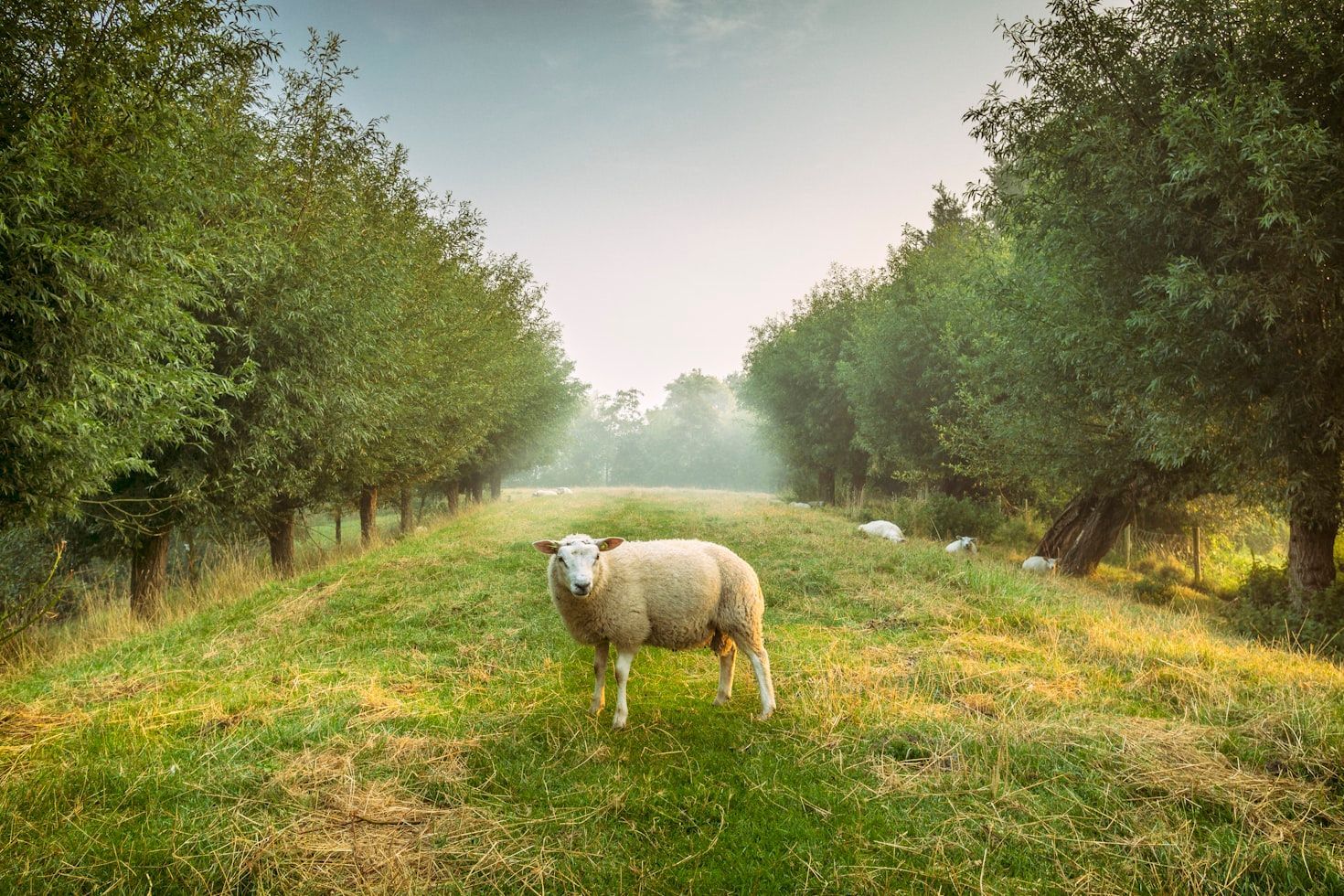
In 1996, a group of Scottish scientists achieved the unthinkable: they cloned a sheep from the cell of another adult specimen, a breakthrough that seemed straight out of a science fiction film. Dolly became the first mammal ever cloned from an adult cell—contrary to popular belief, she was not the first animal to be cloned. Overnight, her woolly face was everywhere: newspapers, TV screens, and even coffee mugs. Due to a lung disease, Dolly died just 6 years later, yet she inspired bold dreams for medicine, deep worries about ethics, and countless dinner-table debates.

3

Cher Ami the pigeon

Credit: sanjiv nayak

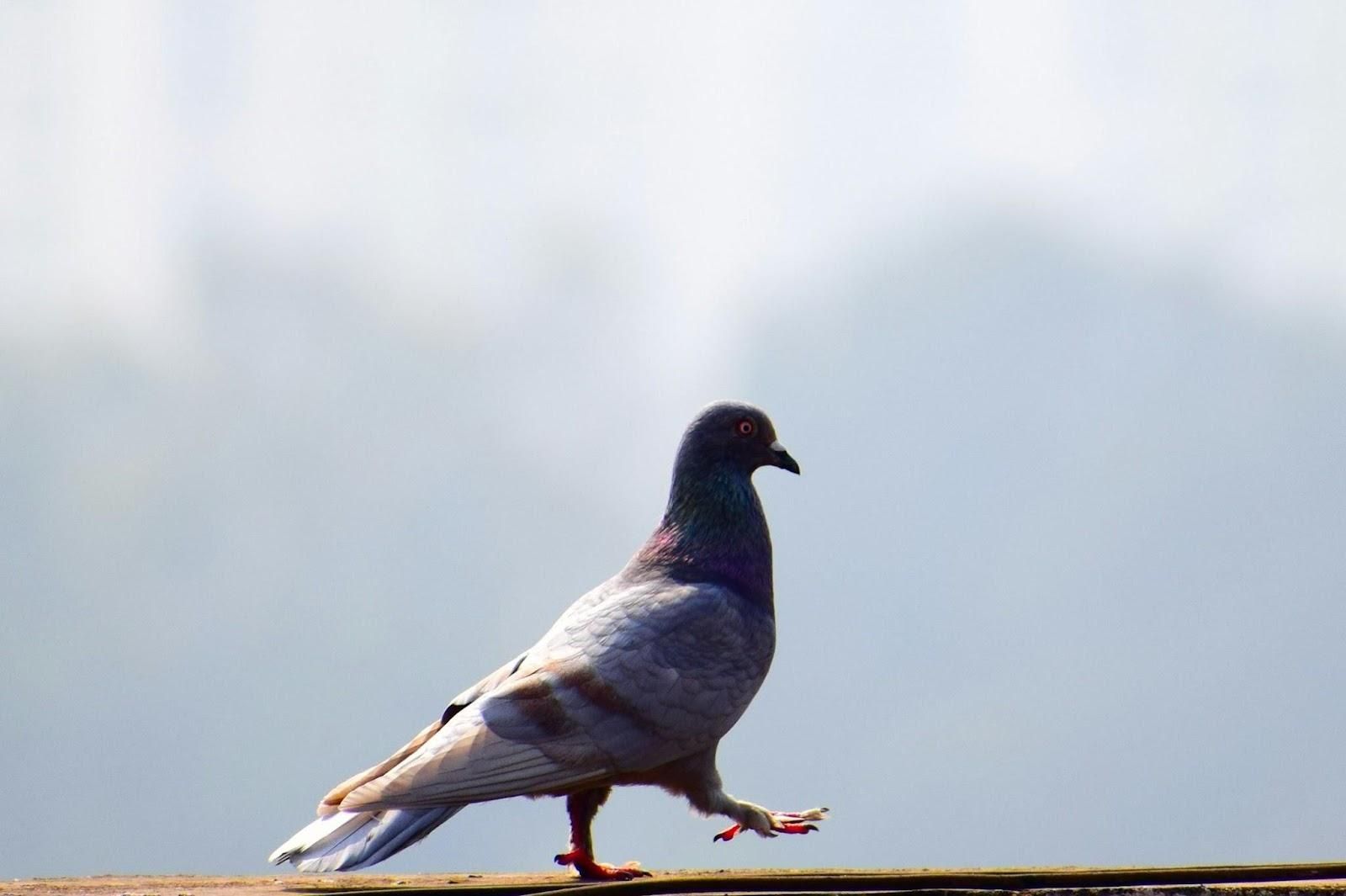
If Dolly was an example of what science could achieve, Cher Ami proved what determination looks like. In the thick of World War I combat, this small homing pigeon flew through gunfire and smoke to deliver a message that saved nearly two hundred American soldiers. Shot, blinded in one eye, and with one leg barely hanging on, Cher Ami still made it home. His tiny body carried more bravery than most armies. Today, the original pioneer of "airmail" rests proudly in the Smithsonian, honored as a true hero.

4

Pickles the collie

Credit: Kanashi

And speaking of deliveries, Pickles delivered something a little shinier. In 1966, the clever collie made headlines when he sniffed out the stolen FIFA World Cup trophy tucked under a hedge in a London suburb—just days before the big tournament! One moment, he was simply following scents on his daily walk; the next, he was Britain’s most celebrated detective on four legs. The whole country cheered, the case was closed, and Pickles wagged his way into legend. Move over, Sherlock Holmes, this sleuth preferred biscuits to pipe smoke.

5

David Greybeard the chimpanzee

Credit: 12photostory

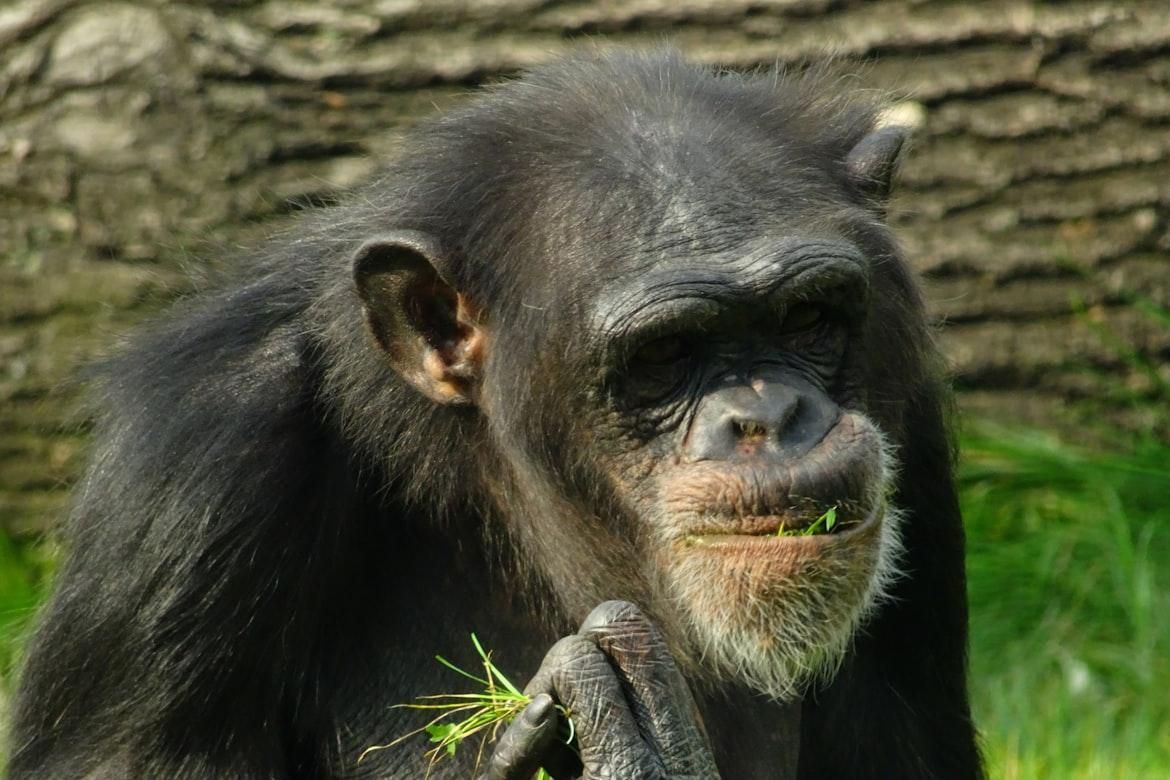
What Pickles did for trophies, David Greybeard did for science. In 1960, British primatologist Jane Goodall saw this patient chimpanzee calmly insert a twig into a termite mound. Suddenly, the world had to rethink what it meant to be "human." Until then, tool-making was supposed to be our exclusive superpower. David shattered that illusion with one flick of a branch, proving that curiosity and intelligence weren’t ours alone. The discovery didn’t just change science; it humbled it.

6

Balto the dog

Credit: photo nic

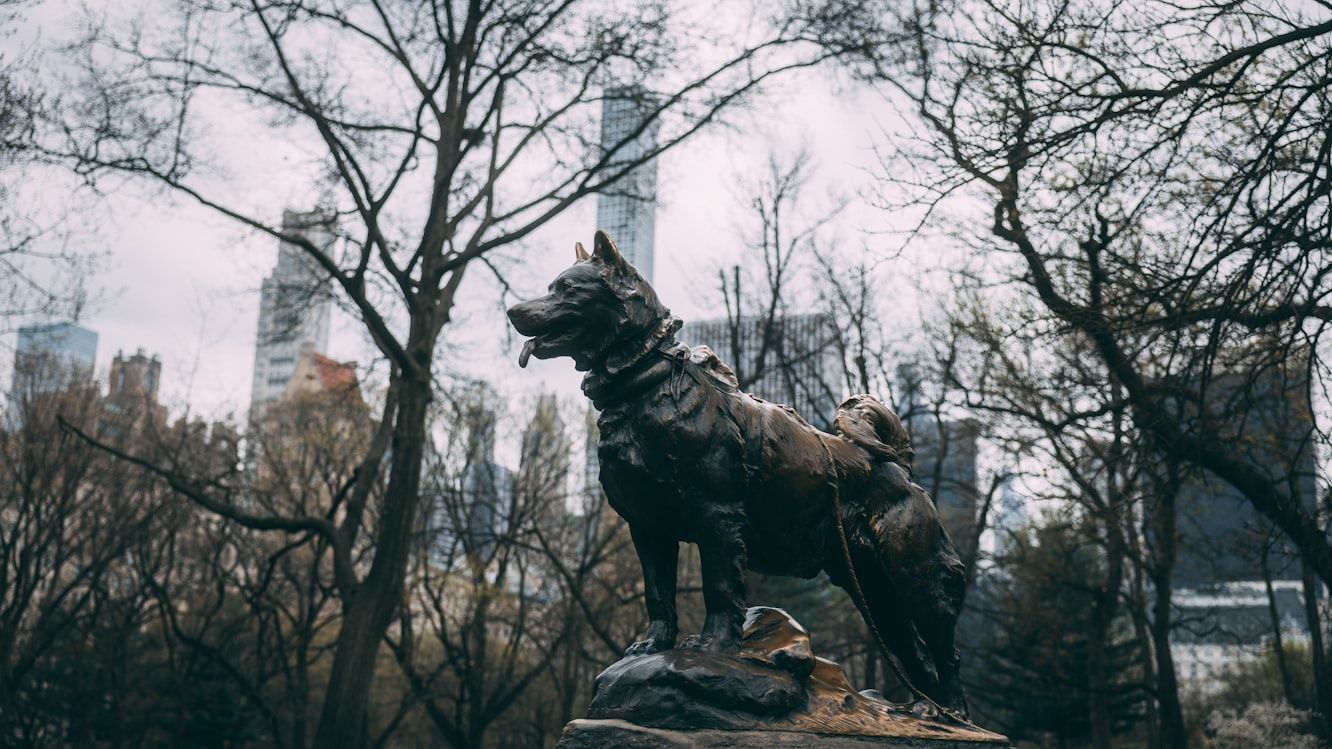
In the brutal winter of 1925, Balto, a tireless Siberian Husky, led his sled team through 50 mph winds and whiteout blizzards to deliver lifesaving medicine to the isolated town of Nome, Alaska. Frost bit at his fur, ice crusted his muzzle, but Balto kept pushing forward. He didn’t care about fame or glory; he just knew others were depending on him. Today, his statue stands proudly in New York’s Central Park, tail raised against the wind.

7

Snowball the cat

Credit: Em Hopper

From dogs in the snow to a cat who cracked a mystery. Snowball, a fluffy white cat from Prince Edward Island, became an accidental pioneer in forensic science when a few stray hairs from his coat helped police link a suspect to a crime. It was the first time animal DNA was ever used as evidence in a criminal trial, and it worked like a charm. Not exactly the "cat-and-mouse" chase detectives had in mind, but justice was served.

8

Montauciel the sheep

Credit: Science History Institute, Public domain, via Wikimedia Commons

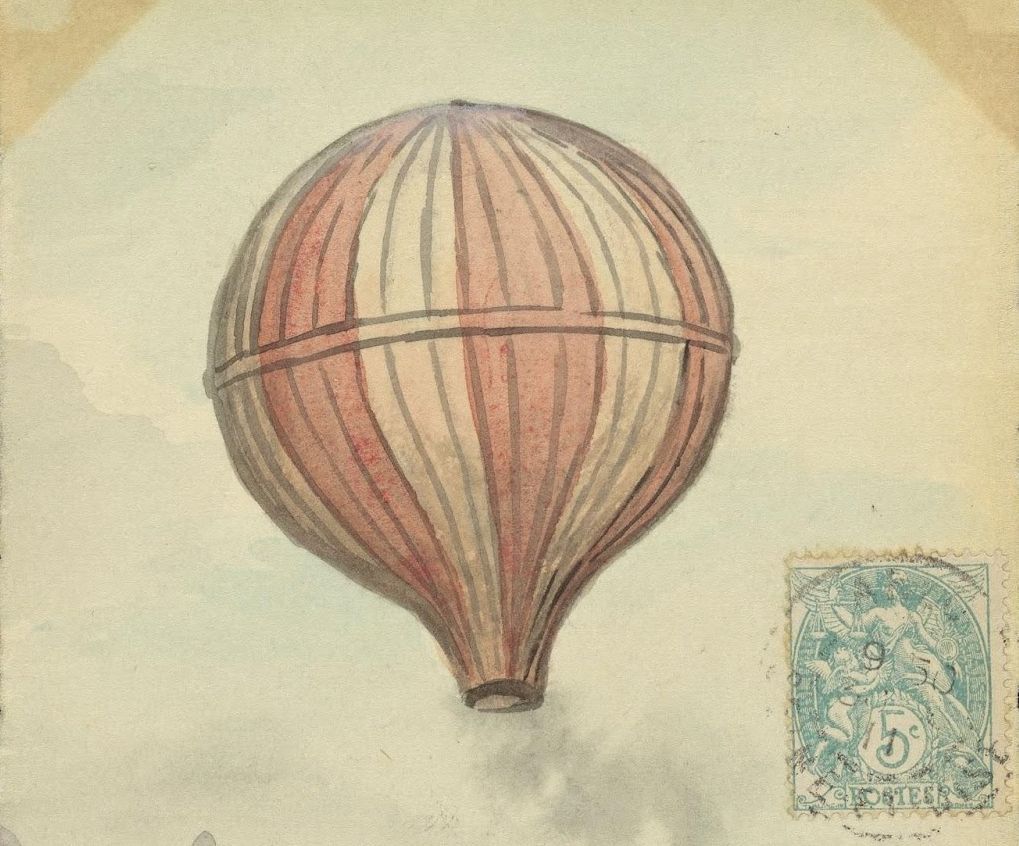
Long before humans ever dreamed of boarding planes, a sheep named Montauciel—meaning "climb to the sky" in French—was already blazing the trail. In 1783, he took off in one of the Montgolfier brothers’ very first hot-air balloons, sharing the basket with a duck and a rooster in what must have been history’s strangest flight crew. The trio floated high above the French countryside and, against all odds, landed safely. Their brief but groundbreaking journey proved that living creatures could survive in the air.

9

Lobo the wolf

Credit: Michael LaRosa

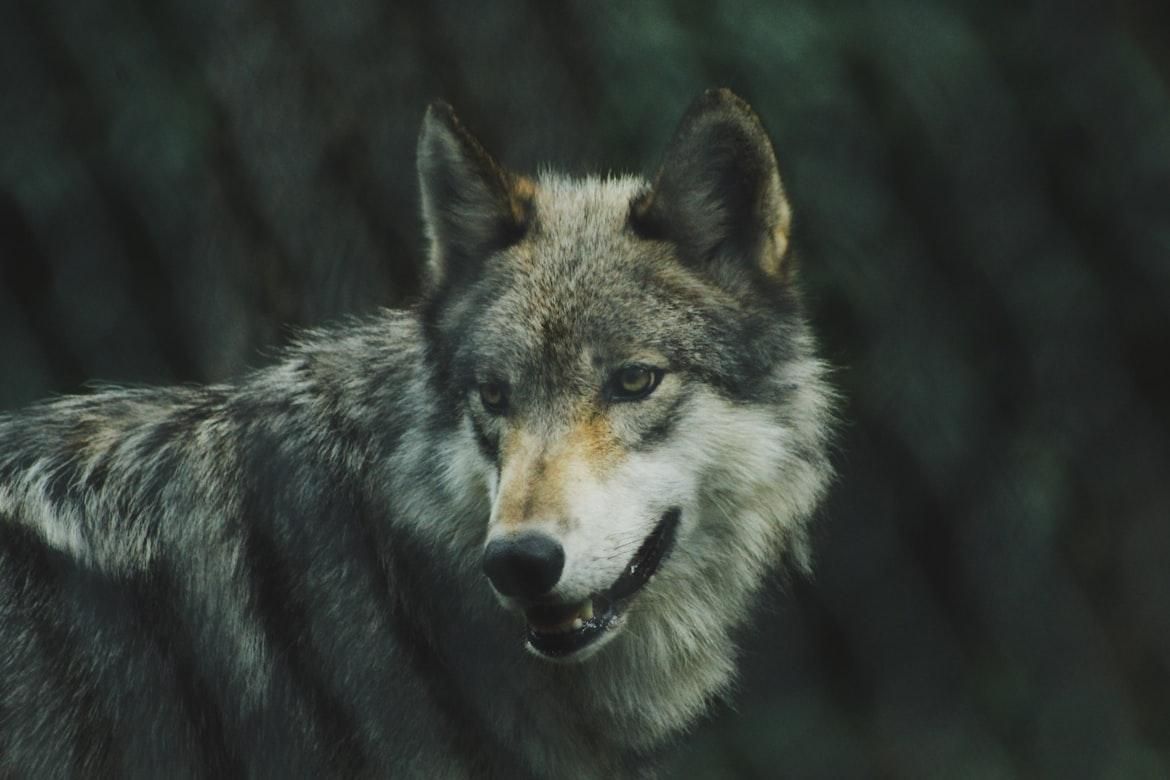
Lobo, known as "the King of Currumpaw," reigned over the open plains of New Mexico in the late 1800s. Having been deprived of their natural prey, this brave wolf and his pack had to survive on the settlers' livestock. Ranchers tried to catch him for years, but Lobo always outwitted them. His skills became frontier legend until naturalist Ernest Thompson Seton finally caught him. When Seton saw Lobo’s strength, dignity, and fierce loyalty to his mates, something shifted. The experience profoundly changed his outlook, helping transform him into one of America’s first voices for wildlife protection. Sometimes, it’s the wild creatures that teach us how to be human.

10

Jim the horse

Credit: Pexel

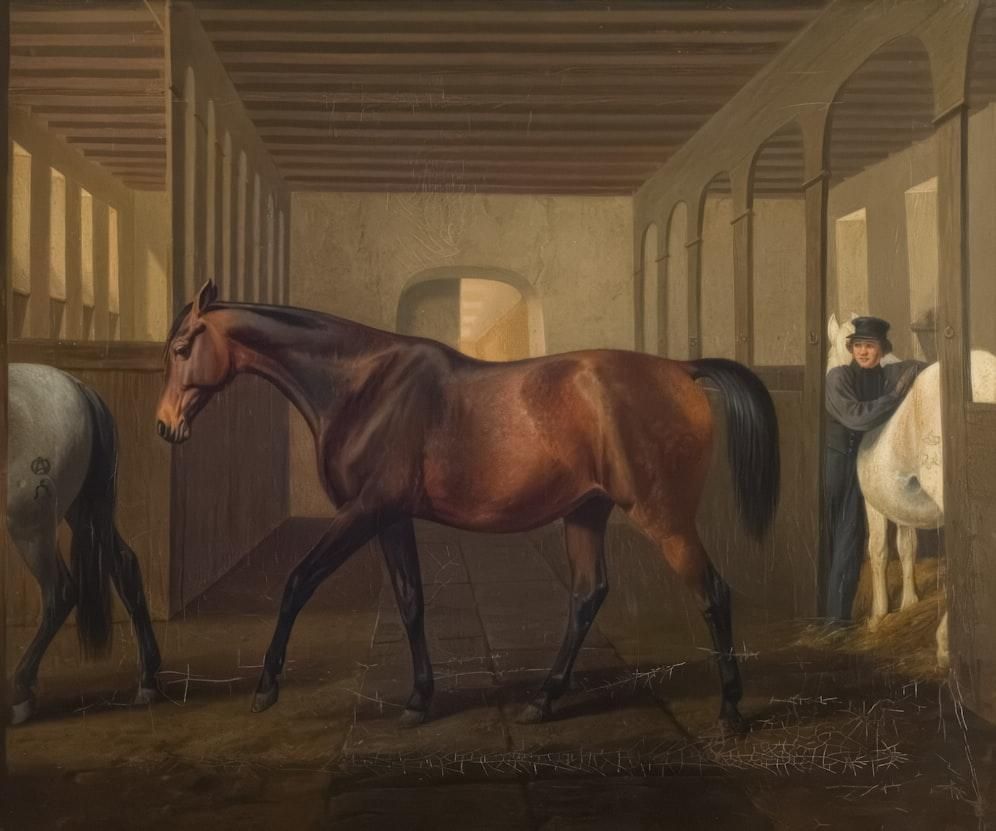
Of course, not every animal changed the world on purpose. Take Jim, a calm bay horse from St. Louis in the early 1900s, whose blood was used to produce lifesaving serum against diphtheria, a disease that was once often fatal. When a batch of his serum was accidentally contaminated, it led to sweeping public outcry, new health regulations, the creation of the first federal laws ensuring drug safety, and paved the way for the foundation of today’s FDA. Jim never knew it, but his quiet work reshaped modern medicine. Turns out, progress sometimes gallops in on four legs and a steady heart.


12 alternative wonders of the world you must see before you die


Published on January 9, 2026


Credit: jplenio

When most people hear "wonders of the world," they picture the Eiffel Tower, the Great Wall, or Rome’s Colosseum. Yet beyond these well-known icons lies a whole collection of places just as awe-inspiring. Some were shaped by human hands, others carved by nature itself, but all carry stories that stir the imagination. From towering cliffs to hidden temples, these 12 alternative wonders prove that marvels can be found in every corner of the globe.

1

Mont Saint-Michel, France

Credit: Pixabay

Standing on a rocky tidal island off the coast of Normandy, this abbey looks like it rose straight from the pages of a fairy tale. Construction began in the Early Middle Ages and continued well into the 1500s, giving it both religious grandeur and the solid defenses of a fortress. During times of conflict, the walls of Mont Saint-Michel protected pilgrims who came to pray.

Fun fact: When the tide rolls in, the causeway disappears, and the island appears to drift on the waves, wrapped in a dreamlike glow.

2

La Sagrada Familia, Spain

Credit: Chait Goli

In the heart of Barcelona stands Antoni Gaudí’s most famous work, a church unlike anything else on Earth. Construction began in 1882, and more than 140 years later, it remains a work in progress—almost a living sculpture that grows with each passing decade.

Its towers stretch toward the sky, decorated with intricate carvings and dazzling stained-glass windows that bathe the interior in color. Once La Sagrada Familia is finally complete, it will claim the title of the tallest church in the world, a fitting crown for a masterpiece that blends architecture, faith, and imagination.

3

Hallgrímskirkja Church, Iceland

Credit: LinedPhoto

One of Iceland’s most iconic landmarks rises like a sculpture shaped by fire and ice. This remarkable church in Reykjavík was designed to mimic the basalt columns formed by cooling lava, giving it a jagged, frozen appearance.

Towering 244 feet into the sky, it is one of the tallest buildings in the country. Inside, visitors can ride an elevator to the top, where breathtaking views reveal a patchwork of brightly painted rooftops, the harbor, and the surrounding volcanic landscape.

4

Milan Cathedral, Italy

Credit: mingche lee

This Gothic marvel took more than six hundred years to complete, and the result is nothing short of astonishing. Rising skyward with countless spires, statues, and gargoyles, it resembles less a single building and more like a stone forest carved by hand. Every figure tells its own story, turning the cathedral into an immense open-air sculpture museum.

Climbing to the rooftop terraces, visitors can actually stroll among the spires themselves, surrounded by breathtaking views and centuries of artistry.

5

Meteora Monasteries, Greece

Credit: Antonio Sánchez

Balanced atop towering rock pillars nearly 1,800 feet high, these monasteries seem suspended between earth and heaven. First built in the 14th century, they were so isolated that monks had to haul food and tools using ropes, pulleys, and even large nets.

The remoteness provided both safety and solitude, turning the site into a sanctuary in every sense of the word. Today, six monasteries remain active, welcoming visitors with sweeping views of the valley far below.

6

Borgund Stave Church, Norway

Credit: Bart Wellens

Built in the 1200s, this remarkable wooden church stands without a single nail holding it together. Its construction cleverly borrowed techniques from Viking shipbuilding, blended with medieval Christian artistry, to create something truly unique.

The roof is decorated with dragon-like carvings, giving the entire structure an almost mythical appearance. Standing before this church, you might feel as though you’ve stepped into the pages of a fantasy story where history and legend meet.

7

The Erechtheion, Greece

Credit: TopSphere Media

Standing proudly on the Acropolis of Athens, the temple of Erechtheion is instantly recognizable for its Caryatids—graceful female figures carved in stone that serve as columns.

Built around 400 BC, it carries layers of history and legend. According to myth, this was the sacred place where Athena’s olive tree first sprouted after her legendary contest with Poseidon. Few places in the world blend mythology and reality so seamlessly, allowing visitors to walk where gods and mortals once crossed paths.

8

Borobudur Temple, Indonesia

Credit: Mike van Schoonderwalt

The world’s largest Buddhist temple rises like a stone mountain, built from more than two million blocks carefully stacked into terraces shaped like a pyramid. Dating back to the 8th century, its walls are covered with thousands of intricate carvings and serene statues of Buddha, telling stories etched in stone.

For centuries, this masterpiece was swallowed by the jungle and forgotten, until explorers rediscovered it in the 19th century, revealing one of the greatest treasures of ancient Asia.

9

The Alhambra, Spain

Credit: Victoriano Izquierdo

This Moorish palace in Granada, Spain, is a true jewel of Islamic architecture, where every wall and arch seems alive with color and pattern. Built in the 14th century, its courtyards are lined with flowing fountains, and its halls sparkle with delicate tilework, graceful calligraphy, and stone carvings so fine they resemble lace.

Once a royal residence and fortress, it later inspired countless writers and travelers—Washington Irving among them—who wove its beauty into timeless tales.

10

Sigiriya Rock Fortress, Sri Lanka

Credit: seankommer

Towering nearly 660 feet above the surrounding jungle, this massive rock fortress has dominated the landscape for centuries. In the 5th century, a king constructed his palace atop it, complete with gardens, water fountains, and elaborate terraces—many of which still function today.

Visitors who make the steep climb are rewarded with breathtaking vistas of the forest below, as well as ancient frescoes and rock paintings that reveal the artistry and vision of a long-gone civilization. It’s a true blend of natural wonder and human ingenuity.

11

Mount Rushmore, South Dakota, USA

Credit: Lauren Lopes

Carved into the granite face of the Black Hills in South Dakota, four U.S. presidents—Washington, Jefferson, Roosevelt, and Lincoln—gaze out over the landscape. Each head soars about 60 feet high, roughly the height of a six-story building, making the monument impossible to miss.

Sculptors worked for 14 years to bring this vision to life, and even though the project was never fully completed, Mount Rushmore has become one of the most recognizable and celebrated landmarks in the United States, a true symbol of history and national pride.

12

Neuschwanstein Castle, Germany

Credit: Welmoed Wigarda

Rising dramatically from the Bavarian Alps, this 19th-century castle famously inspired Walt Disney’s Sleeping Beauty Castle. Neuschwanstein’s soaring towers and turrets overlook dense forests and sparkling lakes. Though its appearance is medieval, it was surprisingly modern for its time, boasting running water and other innovative comforts that made it a marvel of both design and engineering.

Visitors today are enchanted by its blend of fairy-tale charm and real-world ingenuity.

Looking for an extra scoop of literary fun?

Learn more with our Word of the day

ensorcell

/ɛnˈsɔrsəl/