Dust to dust…
Discover 12 of the strangest Last Will requests ever
Published on July 26, 2025
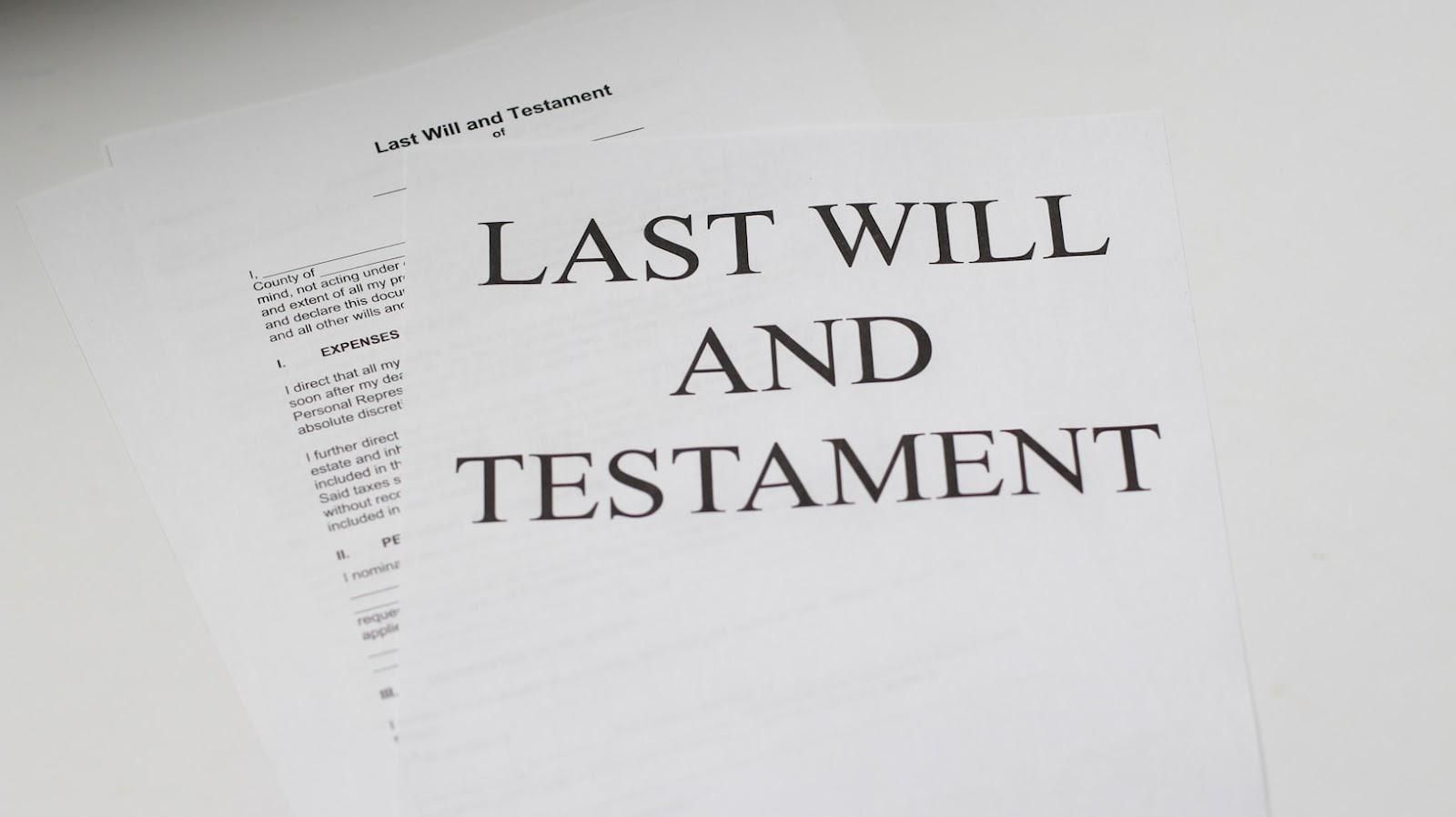 Image: Melinda Gimpel
Thinking about one’s own demise is not a pleasant task for most of us. Still, it’s wise to make preparations in case the worst happens, to ensure your material possessions are handled according to your wishes. The same goes for any plans you might have for your funeral. Last wills are fairly common, but as it happens, in some cases, people go beyond the usual, leading to the 12 extraordinary examples that follow.
Code for the afterlife
 Image: Vitaliy Shevchenko
The first name on the list belongs to one of the greatest magicians of all time—Harry Houdini, who died in 1926 from a ruptured appendix.
Houdini’s library of books on magic and the occult was offered to the American Society for Psychical Research on the condition that J. Malcolm Bird, the society’s research officer and editor of its journal, resign. Bird refused, and the collection instead went to the Library of Congress.
Houdini also left his wife a secret code—ten random words they had agreed upon—that he would use to contact her from the afterlife.
One dollar
 Image: Kenny Eliason
When news billionaire William Randolph Hearst died in 1951, he included a clause in his will addressing rumors that he had children out of wedlock. Anyone claiming to be his illegitimate child, the will stated, would receive "the sum of one dollar." He added, "I hereby declare that any such asserted claim... would be utterly false."
No one ever came forward.
Drumskin
 Image: Paweł Bulwan
When hatmaker S. Sanborn died in 1871, he stipulated in his will that two drums be made from his skin and given to a friend, on the condition that every June 17 at dawn, the friend would play "Yankee Doodle" at Bunker Hill to commemorate the anniversary of the famous Revolutionary War battle.
The rest of his body was to be composted into fertilizer to nourish an American elm tree, to be planted along a rural roadside.
Ghost dinner
 Image: Libby Penner
John Bowman, a wealthy tanner from Vermont, believed he would be reincarnated along with his deceased wife and two daughters. To prepare for their return, his will established a $50,000 trust fund to maintain his mansion and mausoleum.
The will required that dinner be served every night, just in case the Bowmans were hungry upon returning from the dead. This ritual continued from his death in 1891 until 1950, when the trust fund was finally depleted.
150 rich dogs
 Image: Chewy
Eleanor E. Ritchey, heiress to the Quaker State Refining Corporation, left her $4.5 million fortune to her 150 dogs when she died in Florida in 1968. The will was contested, and by 1973, the dogs were awarded $9 million.
By the time the estate was finally settled, its value had grown to $14 million—but only 73 of the original 150 dogs were still alive. When the last dog died in 1984, the remaining estate passed to the Auburn University Research Foundation to fund research into animal diseases.
A final round of drinks
 Image: Sérgio Alves Santos
Janis Joplin, the legendary singer known for her soulful voice and hard-living lifestyle, died of a drug overdose in 1970. Her will included a $2,500 provision to fund an all-night, posthumous party for 200 guests at her favorite pub in San Anselmo, California—"so my friends can get blasted after I'm gone."
Phone directory will
 Image: Quino Al
Portuguese aristocrat Luis Carlos de Noronha Cabral da Camara made headlines when he randomly selected 70 names from the Lisbon phone directory and named them as beneficiaries in his will.
Understandably, many of the recipients initially thought it was a scam—most had never even heard of him before learning they had inherited part of his estate.
One more lucky dog
 Image: Sophie Shankey
Billionaire hotelier Leona Helmsley left the majority of her estimated $8 billion estate in charitable trusts for "purposes related to the care of dogs." She specifically set aside a $12 million trust fund for her Maltese dog, Trouble, and disinherited two of her grandchildren "for reasons known to them."
The disinherited grandchildren contested the will, claiming that Helmsley lacked mental capacity when she made it. The dispute was settled with half of Trouble’s trust—$6 million—being awarded to the grandchildren.
The spite clause
 Image: Jay Kettle-Williams
Billionaire Wellington Burt ensured that his fortune would remain inaccessible to his heirs for nearly a century. He died in 1919 and included a "spite clause" in his will, which stipulated that his wealth would be distributed only 21 years after the death of his last surviving grandchild. That grandchild died in 1989, meaning the 21-year countdown ended in 2010.
A rose every day
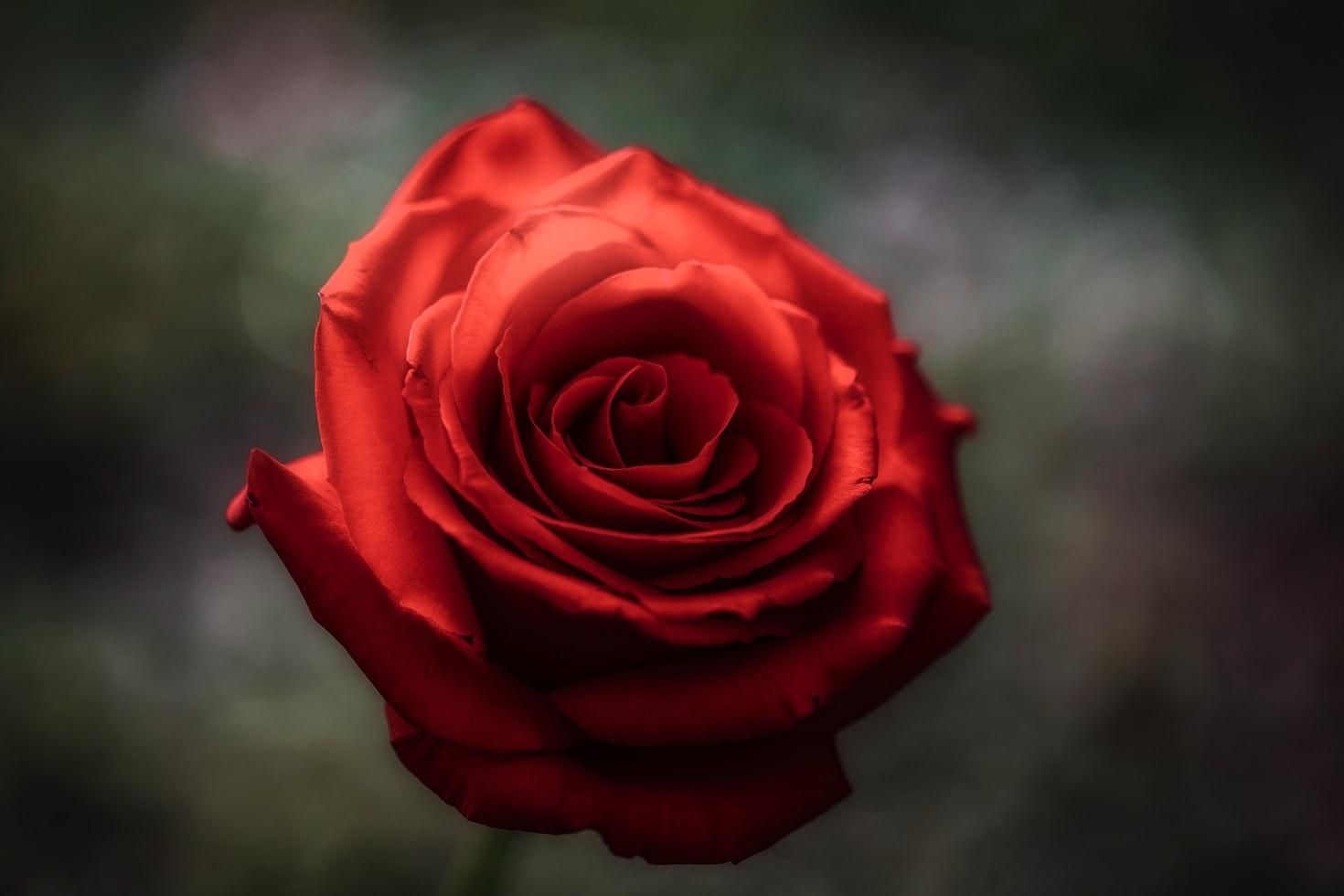 Image: Carlos Quintero
Comedian Jack Benny’s widow, Mary Livingstone, wrote in a magazine shortly after his death in 1974: "Every day since Jack died, the florist has delivered one long-stemmed red rose to my home. I learned Jack had actually included a provision in his will for the flowers—one red rose to be delivered to me every day for the rest of my life."
A birthday
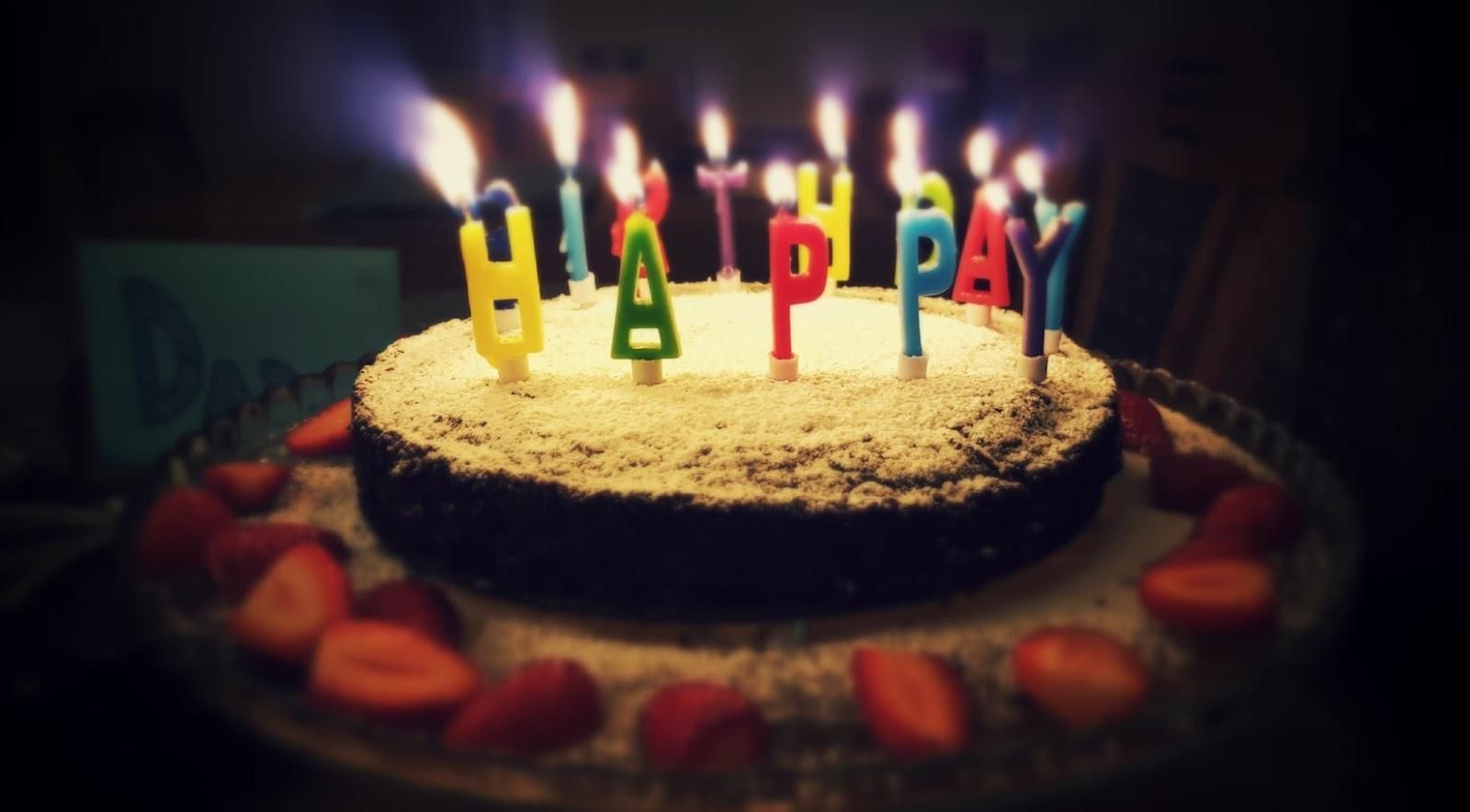 Image: Nick Stephenson
People leave all kinds of things in their wills, and dates are no exception. In 1891, about three years before his death, novelist Robert Louis Stevenson learned that the 12-year-old daughter of the U.S. Commissioner to Samoa, where he was living at the time, was unhappy because her birthday fell on Christmas Day.
Stevenson left his birthday, November 13th, to little Annie to adopt as her own, provided she took care of it with "moderation and humanity… the said birthday not being so young as it once was."
Ashes to ink
 Image: Totte Annerbrink
Mark Gruenwald, a comic book writer best known for his work on Captain America, requested that when he died in 1996, his ashes be mixed into the ink used to print the first trade paperback anthology of Squadron Supreme, another of his landmark creations.