Unique ceremonies

Discover 10 of the weirdest traditions from around the world!


Published on April 30, 2025


Image: Dan Parlante

When you think about it, traditions are a truly unique breed, aren’t they? After all, they come in all shapes and sizes, from a small family tradition involving a special breakfast treat to an annual activity shared by an entire community. In that sense, some traditions around the world may seem downright strange to a keen observer. That’s why we’ve decided to highlight 10 of the weirdest traditions from all over the world for your enjoyment. Keep reading and have fun!

1

Frozen Hair Festival in Yukon, Canada

Image: Vantha Thang

It’s no secret that Canada is a cold country, and Yukon is definitely one of the coldest regions, with temperatures reaching -81°F in winter. While these harsh temperatures can certainly be challenging, that doesn’t mean residents can’t find fun things to do in the cold. Locals have a unique tradition that involves dipping their heads into the waters of hot springs and waiting for the cold air to freeze them in place, leaving behind some fun icicles in the process.

2

Cheese-rolling race in Gloucester, England

Image: Katrin Leinfellner

You might have some fond childhood memories of rolling down a hill, surely in a safe and controlled environment. However, "Cooper's Hill Cheese-Rolling and Wake," an event held in Gloucester, England, is nothing like those childhood tumbles. For starters, there’s a concrete reward for whoever reaches the bottom of the 200-yard-long hill first: a wheel of Double Gloucester cheese, which is rolled downhill in front of all participants who chase after it. This beloved tradition has been held in Gloucester since at least the 19th century.

3

Monkey Buffet Festival in Lopburi, Thailand

Image: Jonathan Gensicke

Every year, the city of Lopburi, Thailand, organizes a thank-you banquet for some of its most unique residents: the thousands of monkeys that dwell there. Lopburi is famous for its monkey population, which has adapted to city life and is regularly fed by the locals. However, once a year, during an event known as the Monkey Buffet Festival, people offer fruits and vegetables to the city’s monkeys.

4

Polterabend in Germany

Image: CHUTTERSNAP

When you think about it, weddings involve a fair share of weird traditions: from wearing something blue to tossing a bouquet to an excited crowd, newlyweds have to go through an extremely unique checklist. In that sense, the German tradition of Polterabend, while definitely unique, doesn’t seem all that out of place. In this tradition, wedding guests break porcelain to bring the new couple good luck in their marriage. Polterabend is based on an old German adage, "Scherben bringen Glück," which translates to "Shards bring luck."

5

"The Night of the Turnips" in Oaxaca, Mexico

Image: philippe collard

All Americans have fond memories of carving a Jack-O-Lantern for Halloween: after all, this holiday is characterized by the scary, creepy, or even goofy faces we carve on our pumpkins. In that sense, the city of Oaxaca, Mexico, holds an annual event every December 23rd known as Noche de Rábanos, which is Spanish for "Night of the Turnips." On this holiday, thousands of people carve intricate and detailed scenes into overgrown turnips, with the most creative carvings competing for several prizes.

6

"Festival of Scrambled Eggs" in Zenica, Bosnia

Image: Imad 786

Scrambled eggs are a fun, nutritious, and delicious way to start your day, and in the lovely Bosnian town of Zenica, they have a special significance. On the celebration known as Cimburijada, which loosely translates to "Festival of Scrambled Eggs," residents of Zenica gather to enjoy a communal meal of, of course, scrambled eggs. This celebration is held on the first day of spring, making it a wonderful way to welcome the warm season.

7

Spice pelting in Denmark

Image: Pixabay

As we mentioned before, weddings often involve some rather quirky traditions, but Denmark takes it a step further. If you’re Danish and happen to be unmarried by the time you turn 25, be prepared for your friends and family to throw cinnamon at you. Not only that, if you turn 30 and are still unmarried, you might find yourself covered in another type of spice: black pepper.

8

Food fight!

Image: Immo Wegmann

Let’s take a quick break to pay homage to a staple of '80s TV shows and movies: the food fight. We could mention countless examples of iconic scenes in which unidentified scoops of food go flying into the faces of joyous teenagers, while someone excitedly yells, "Food fight!" to the crowd. With that in mind, we’d like to highlight some massive, real-life food fights that happen all around the world. For starters, we have La Tomatina, a festival held in Buñol, Spain, where attendees hurl tomatoes at each other. Another example takes place in Ivrea, Italy, during Carnival, where thousands of people enjoy hurling oranges at anyone in sight.

9

Presidential turkey pardons

Image: Tyler Donaghy

Up until now, we’ve been focusing on weird customs from abroad, but the truth is that we Americans have our fair share of quirky traditions. One of them is even broadcast from the steps of the White House. The Presidential Turkey Pardon has been a staple of every administration since George H. W. Bush issued the first ceremonial "pardon" in 1989. The pardoned turkeys are then sent to live out their remaining years on a farm or at a petting zoo.

10

Groundhog Day

Image: Steve Wrzeszczynski

We’ll end this article with what is probably the weirdest tradition we could find. Groundhog Day is a truly unique celebration that takes place in the United States and Canada on February 2nd, a tradition that dates back to the first European settlers in both countries. The basis of this tradition is an old superstition that states if a groundhog emerges from its burrow on this day and sees its shadow, winter will last for six more weeks. The most famous Groundhog Day celebration in America is held in Punxsutawney, a borough in western Pennsylvania, and revolves around a famous groundhog known as "Punxsutawney Phil."

The universal language

From "mama" to "banana": Words that are understood in every language


Published on April 30, 2025


Image: Anna Shvets

Learning languages is hard. But, fortunately, some terms rooted in daily universal experiences don't change much when crossing borders. If you say "mama, "papa," "taxi," or "banana," anywhere in the world, they’ll recognize those nouns immediately —even if the context provided is entirely blurry. The question is: Why did these words barely change over time and across different languages? Let’s explore the stories behind the most spoken words on the planet.

1

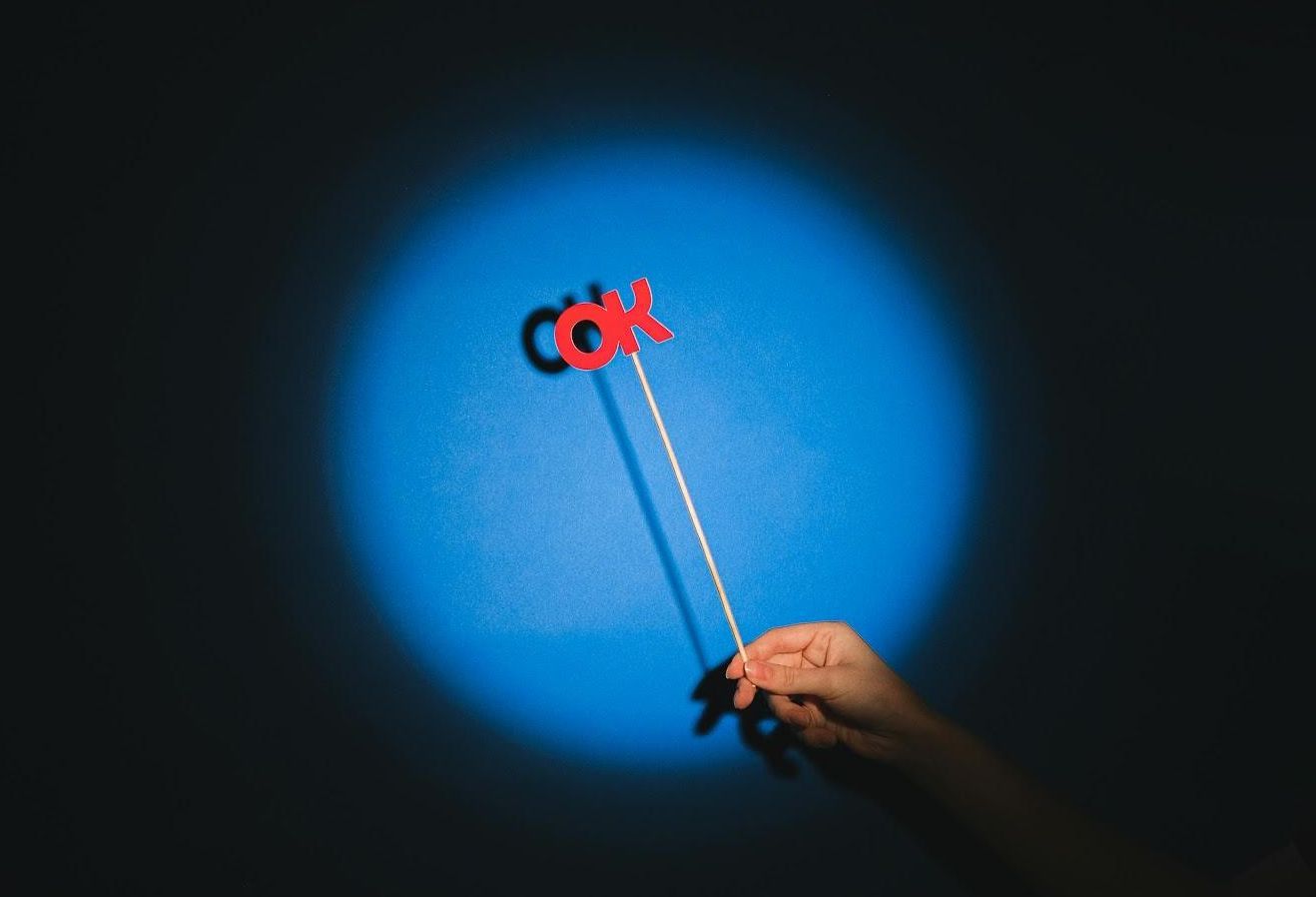
OK

Image: boris misevic

"OK" is the most spoken word on the planet. And it started as a typo joke. In 1839, the initials "O.K." were first published in the Boston Morning Post, meant as an abbreviation for "oll korrect" — a popular slang misspelling of "all correct."

Following that gag, politics intervened. In 1840, President Martin Van Buren's reelection supporters formed "O.K. Clubs" across the country, since Van Buren was nicknamed "Old Kinderhook" after his hometown in upstate New York. From there, telegraphs carried it coast to coast, and eventually it spread from North America all the way to the Moon, where Buzz Aldrin spoke it after the Apollo 11 landing.

2

Huh?

Image: Fabio Sasso

Is it a real word? According to science, it is. In 2013, researchers at the Max Planck Institute for Psycholinguistics investigated "huh?" in naturally occurring conversations across ten languages and presented evidence for two claims. One, the term is universal. Two, it is genuinely a word.

They later expanded the study to 31 spoken languages from around the world and found that all of them have a word with a nearly identical sound and function as the English "huh?" With all its nuances and differences, most human languages on Earth independently arrived at similar rising syllables for not understanding something in conversation.

3

Mama and Papa

Image: Volodymyr Hryshchenko

Why do unrelated languages, spoken by people who never met, use almost identical words for "mother" and "father"? In Swahili: mama. In Polish: mama. In Mandarin Chinese: māma. In Quechua, spoken in the Andes of South America: mama. This mystery puzzled linguists for generations.

This isn’t a case of cognates (words borrowed from one language to another). The answer here lies in babies: "mama" and "papa" are among the easiest sounds to produce, because they combine bilabial consonants and open vowels. "Mmm" is often the first consonant babies experiment with.

4

Hello

Image: Nikolai Chernichenko

The term "hello" had floated around English since the 1820s, mainly as a shout to get someone’s attention, like "hey" or "oi." But it was barely more than that before telephones existed.

Then, in 1876, Alexander Graham Bell invented the telephone, and it was time to decide what callers should say when they picked up. Bell himself suggested the traditional nautical hail, "Ahoy." It was Thomas Edison who suggested "Hello!" in a letter dated 1877. By 1889, telephone operators had become widely known as "hello-girls." By then, the greeting had jumped to everyday conversation, and eventually every language on Earth picked up a version of it.

5

Coca-Cola

Image: Ayesha Ch

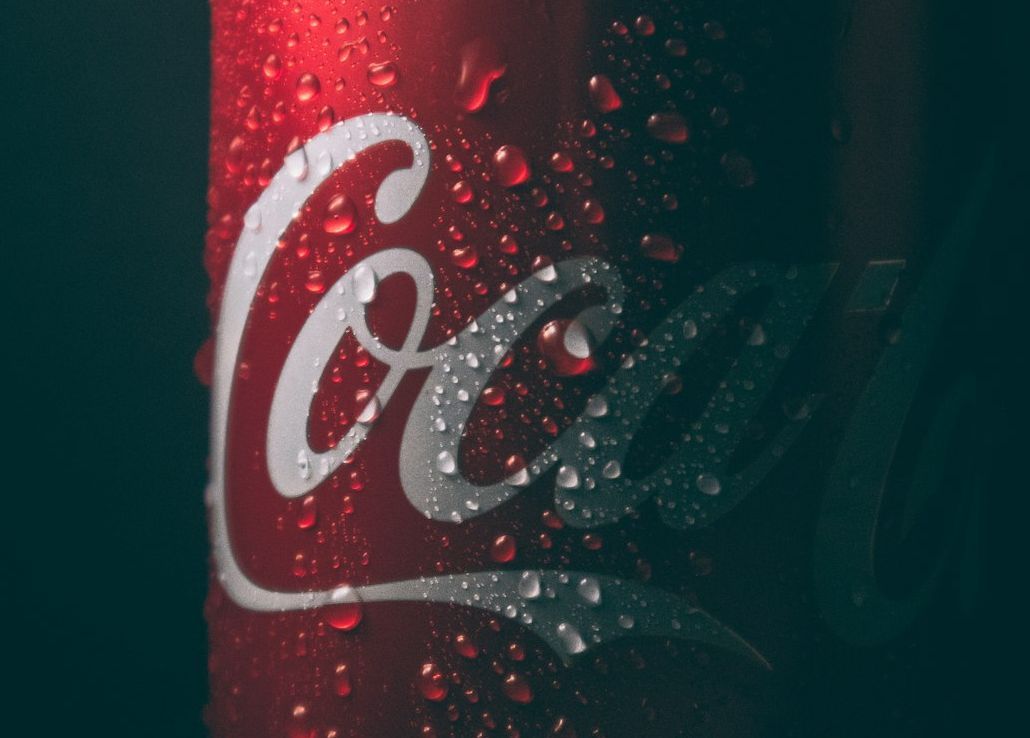
It is said that "Coca-Cola" is one of the most recognizable terms on the entire planet, much like the word "OK." This makes sense: the soft drink is sold in more than 200 countries. The name wasn’t the result of a marketing team or a focus group. It was coined in 1886 by the company’s bookkeeper, Frank M. Robinson, who derived it from the drink's two original ingredients: coca leaf and kola nut.

The drink was invented in Atlanta, Georgia, in 1886 by Dr. John S. Pemberton, who originally marketed it as a medicinal tonic. Today, approximately 1.9 billion servings of Coca-Cola beverages are consumed each day, so wherever in the world you are, the brand needs absolutely no introduction.

6

Coffee

Image: Karl Joshua Bernal

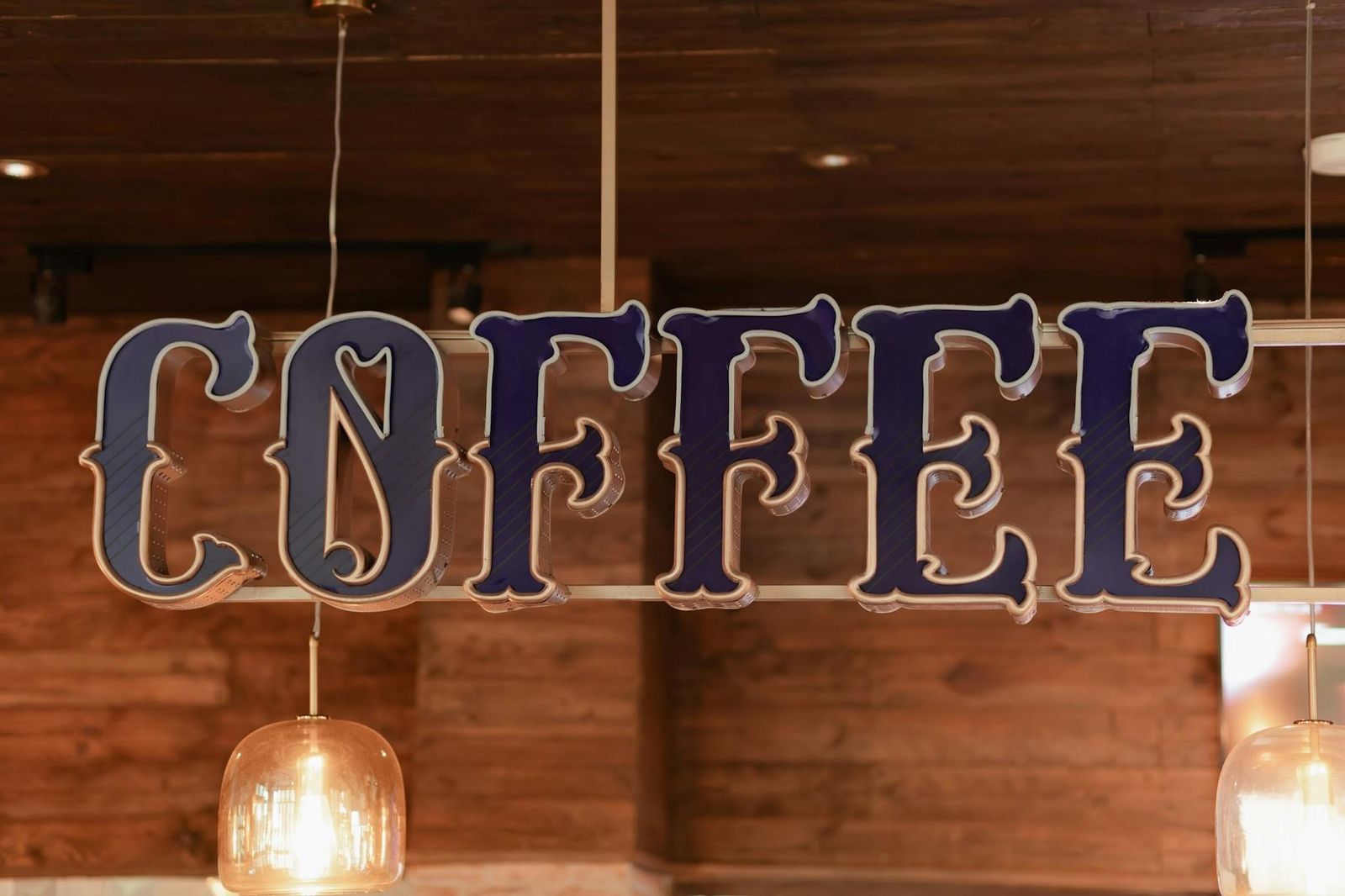
The word "coffee" has traveled far. Its story starts in the Ethiopian highlands with a by-now popular legend that depicts a 9th-century goat herder who noticed his goats wouldn’t sleep after eating berries from a certain bush. Thus, the idea of the drink made from those berries spread in Ethiopia.

From there, it moved to Yemen, where it was documented in a 15th-century text as a drink made from roasted coffee beans. It was assigned the Arabic word qahwa, which traveled with the drink. The product was traded by the Ottomans, who influenced several other languages, and from it derived the Italian caffè, the Dutch koffie, and the French café. So, the term has mutated slightly in each language, but it remains similar enough to identify it easily all over the world.

7

Pajamas

Image: Karsten Winegeart

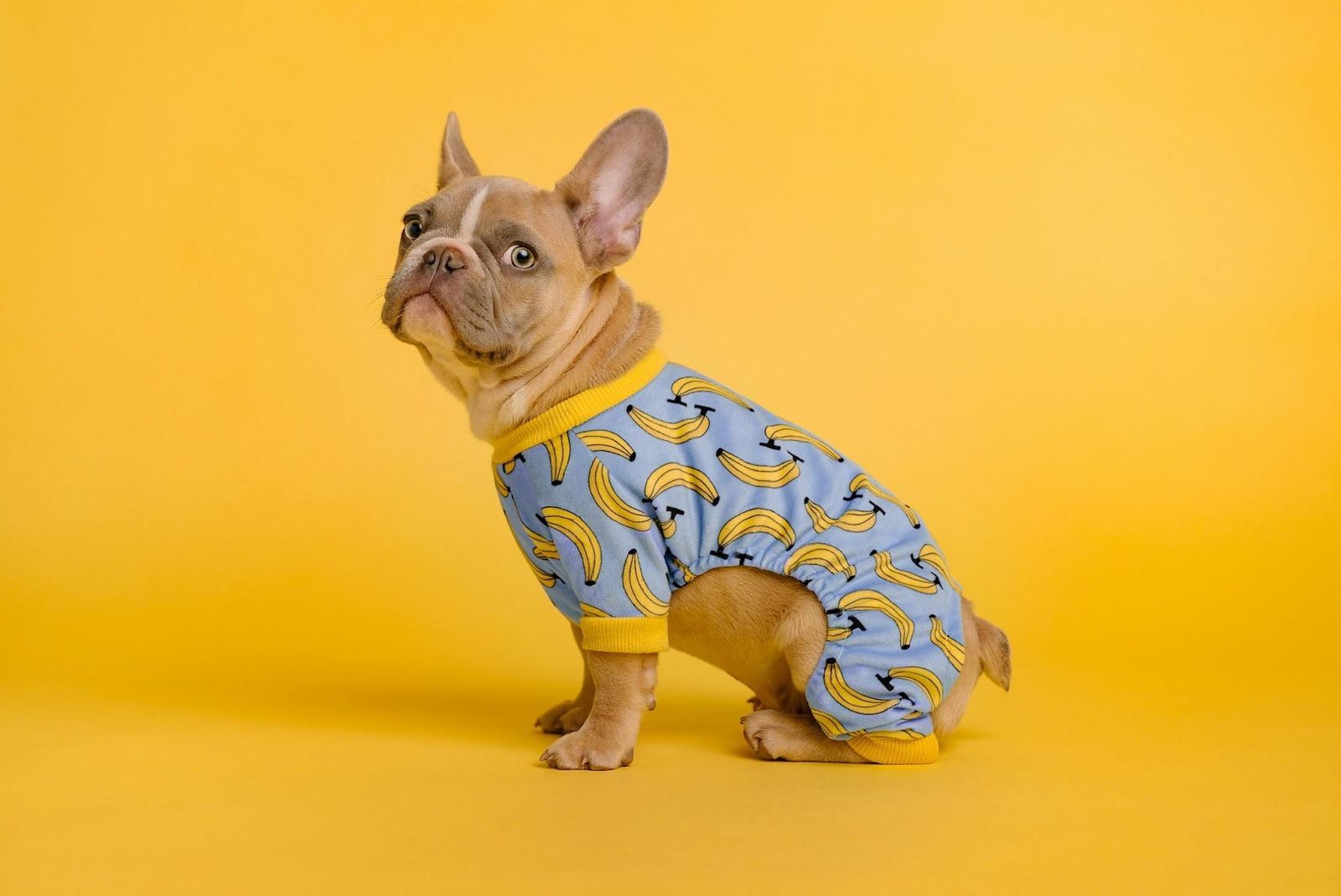
Every night, hundreds of millions of people all over the world put on a Persian garment with a Persian name. The word "pajamas" comes from the Persian pay-jāma, a compound of pay (foot or leg) and jāma (garment). In 15th-century Persia, it referred to loose trousers worn by men and women for comfort, and the term entered English in the 18th century when British colonists encountered the garment in India.

But the original pajamas were not sleepwear for a long time. Victorian high society adopted them as fashionable, exotic loungewear, and it was by the early 20th century that the two-piece sleeping suit had spread across the Western world. Today, most countries in the world have very similar names for this garment.

8

Safari

Image: Dmitry Limonov

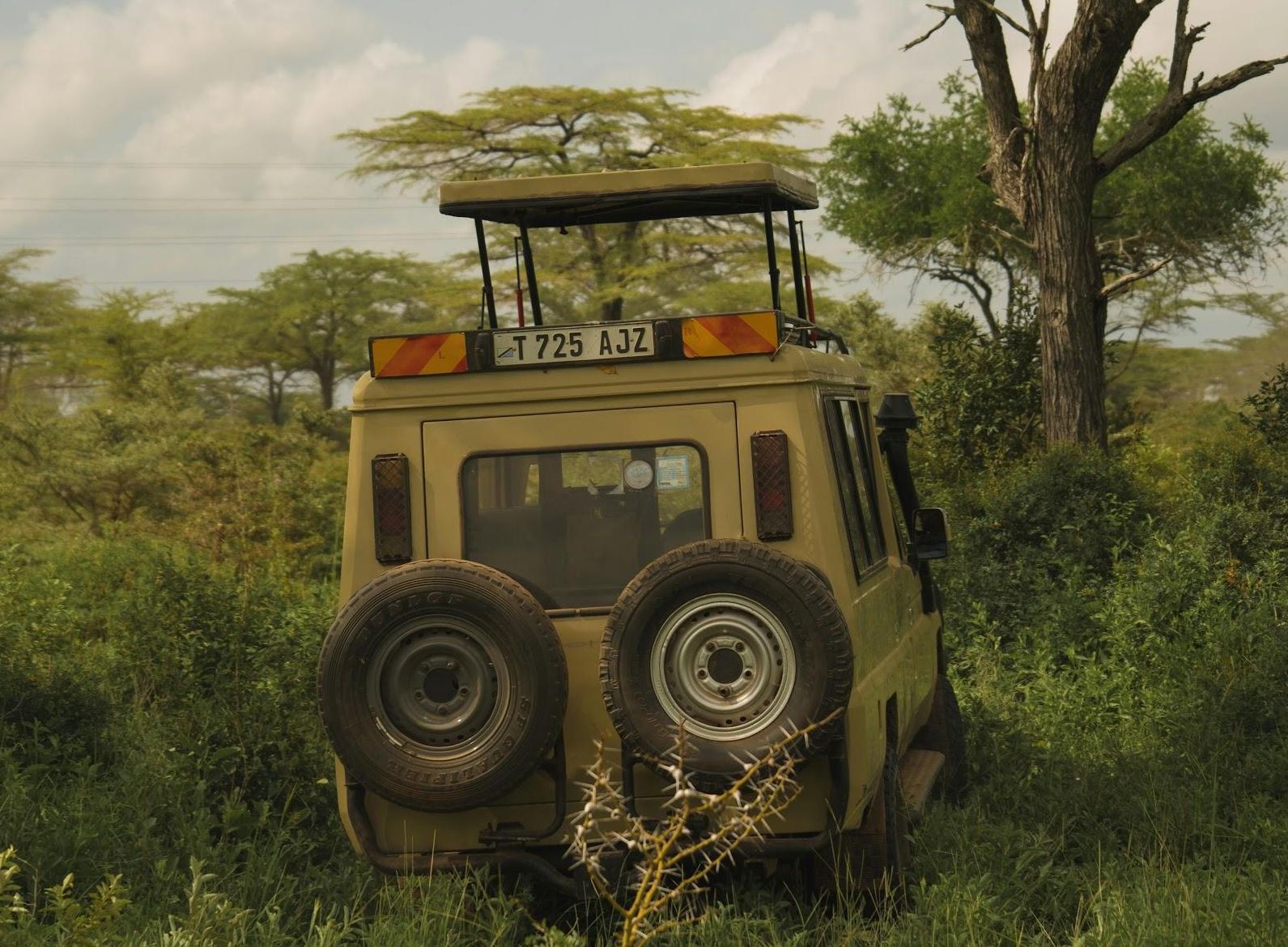
"Safari" is the name for a very specific activity. For many tongues in the world, the word itself conjures jeeps, binoculars, lions, and zebras.

But its original meaning was distant from the current one. It comes from the Arabic safara, which means "to travel." In Swahili, safari simply means any kind of journey, not just a wildlife expedition. For the English language, it was first recorded by explorer Sir Richard Francis Burton in the Journal of the Royal Geographical Society in 1859. British colonists in East Africa understood the word to apply to hunting expeditions, and, by the middle of the 20th century, Hollywood had cemented its modern image with films romanticizing the African bush.

Today, Apple’s decision to name its search engine "Safari" brings the term closer to its original meaning than to the one related to wildlife exploration.

9

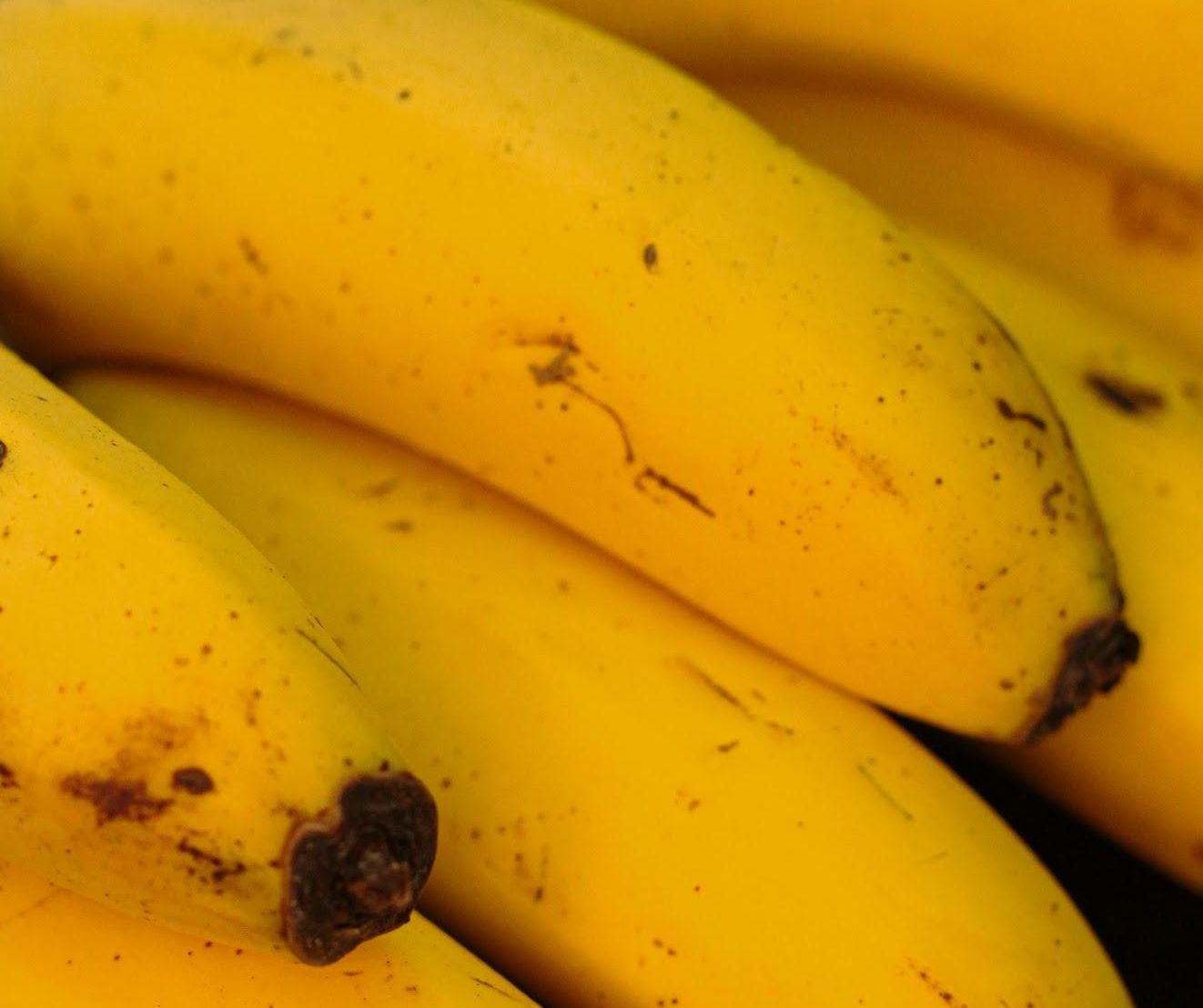
Banana

Image: Nanda Mends

Banana is one of the most consumed fruits on Earth, and its name has traveled with it. The word "banana" first appeared in English in the 1590s, borrowed by Spanish or Portuguese explorers from a West African word, possibly from the Wolof language, spoken in what is today Senegal and Gambia.

Most historians sustain that Africans began harvesting the fruit at least 4,500 years ago. When Portuguese and Spanish ships began trading across the world in the 15th and 16th centuries, they encountered the fruit, borrowed its African name, and carried both across the Atlantic. Today, the word sounds remarkably similar in many languages: banana in English, Spanish, Italian, and German; banane in French; 바나나 (banana) in Korean.

10

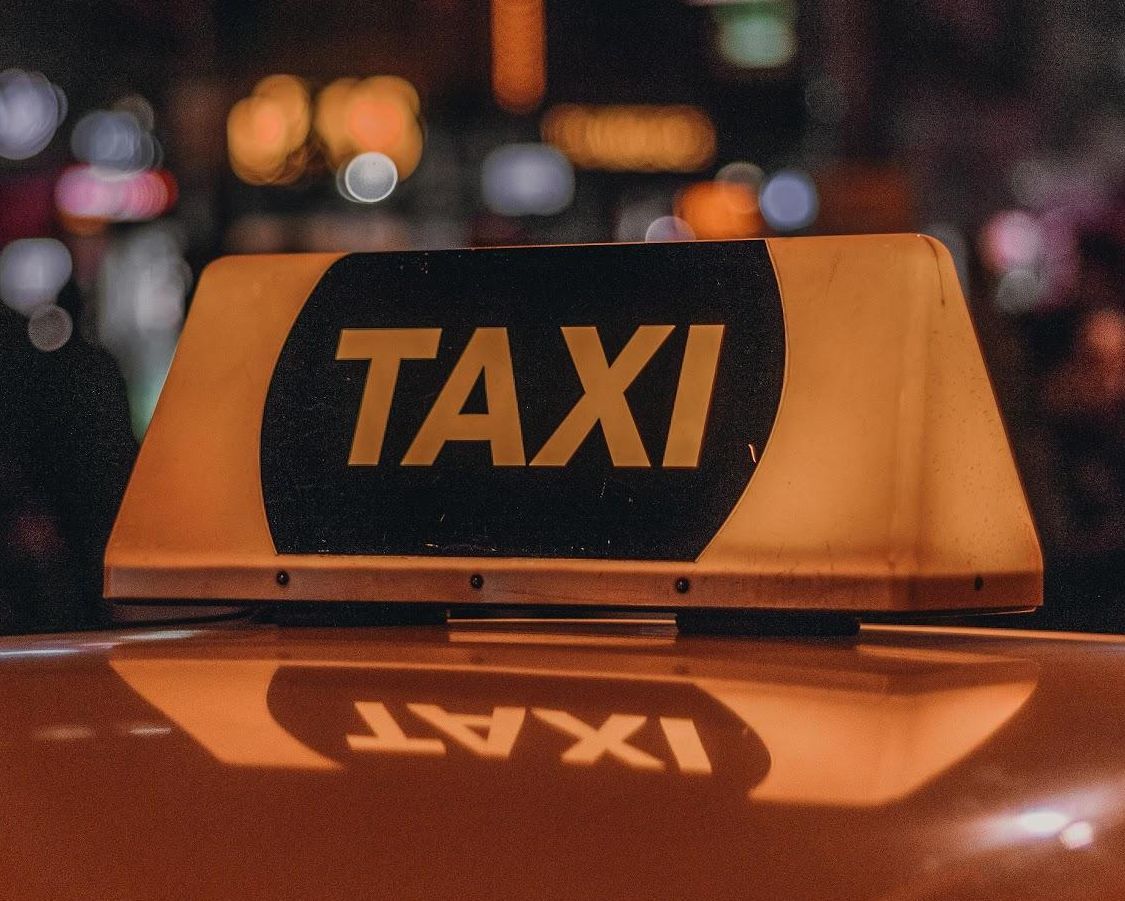
Taxi

Image: Kristóf Sass-Kovan

From Buenos Aires to Bangkok, you can step off a plane having never spoken a word of the local language, hold out your hand, and say one word: "Taxi." You will get the exact same thing. But the story of this two-syllable word is a tangle of countries and languages.

The original word was "taximeter," coined by German inventor Friedrich W. G. Bruhn in 1891. This was a device that measured the fare by distance. It was the French who shortened taximètre to taxi. A company imported them to New York under the market name "Taxicab" and decided to paint them yellow, since it was the most visible color. From there, both the short name and the iconic color stuck. Today, it is a symbol universally shared that you’ll find in every major city.

Looking for an extra scoop of literary fun?

Learn more with our Word of the day

influential

/ˌɪnˌfluˈɛn(t)ʃ(ə)l/