Food for thought

Did you know these popular dishes used to be very different?


Published on May 19, 2026
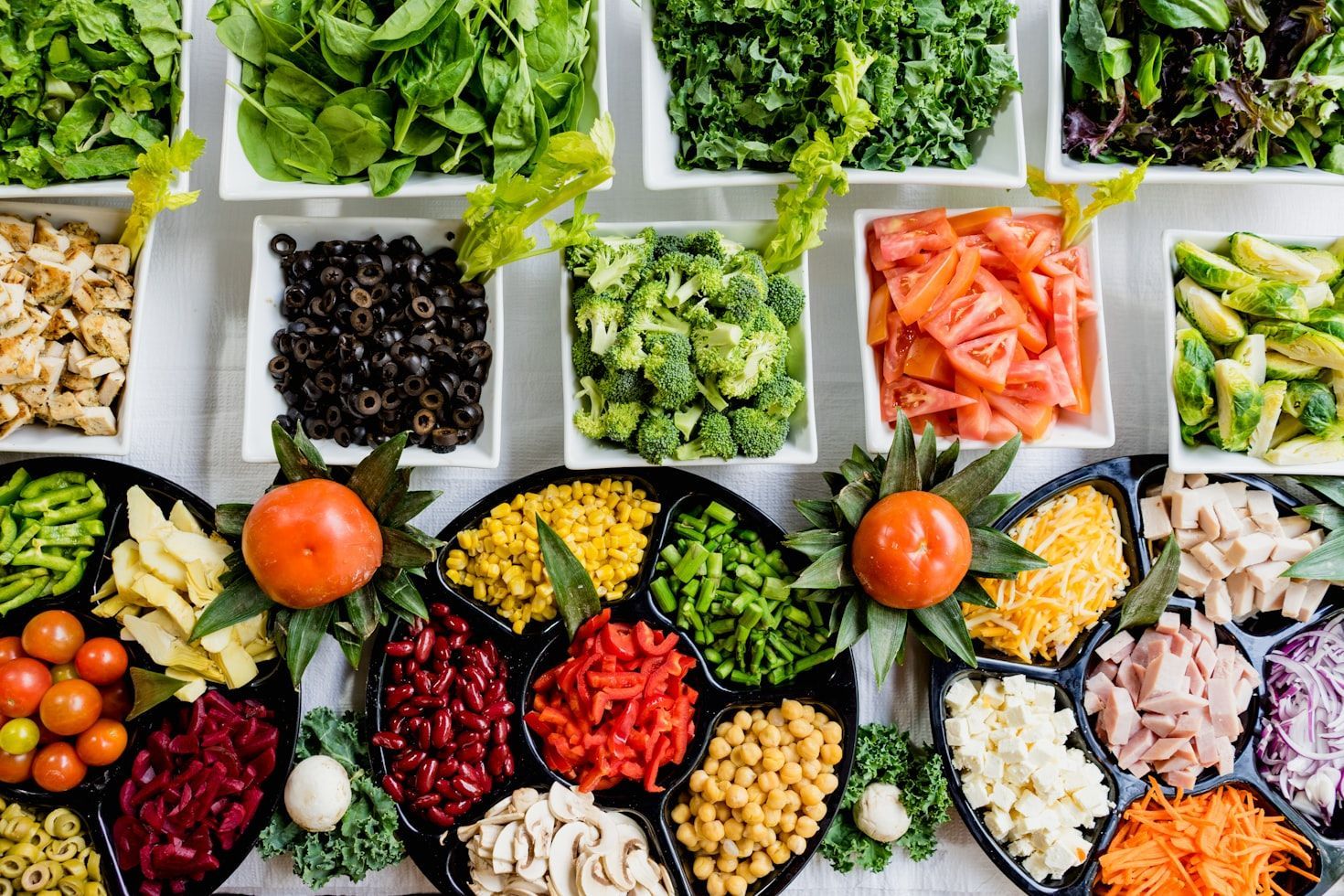

Image: Dan Gold

The food scene in the U.S. is extremely varied, taking inspiration from different cuisines around the world. Several staple dishes that Americans know and love, such as pizza or orange chicken, were not created here; they were brought from many corners of the world by immigrants, but tastes, ingredients, and techniques have changed, and many of these dishes have also changed to adapt to the new country. Other dishes were developed in America, but they were intended to emulate or replace something left behind. Let’s look into 10 dishes that can be found everywhere in the U.S., but only because of immigration.

1

Pizza

Image: Jon Tyson

There’s nothing more quintessentially American than a good pizza, but everybody knows pizza is Italian, right? But not all pizza. Back home in Italy, pizza follows a ‘less-is-more’ approach: a light crust, few fresh ingredients, and minimal toppings, all aiming to achieve simple, well-balanced flavors.

On the other hand, American pizza is bolder: stronger flavors, abundant cheese and toppings, several dough styles, and an array of influences from different cultures make it a staple for all tastes and occasions. In this case, more is more.

2

Orange chicken

Image: Kaylar Photo

If you know Panda Express, you know Orange chicken. After all, it is one of their signature dishes; they even have a food truck that tours the U.S., giving away samples of the dish. But did you know that it’s an Americanized version of a Chinese classic that has no orange at all?

The guys at Panda Express claim that orange chicken is their version of General Tso’s chicken, but this dish is not common in China. Instead, there are several versions of a similar dish that uses tangerine, a flavor common in Chinese cuisine but not as suited for American taste as orange.

3

Chicken Alfredo

Image: engin akyurt

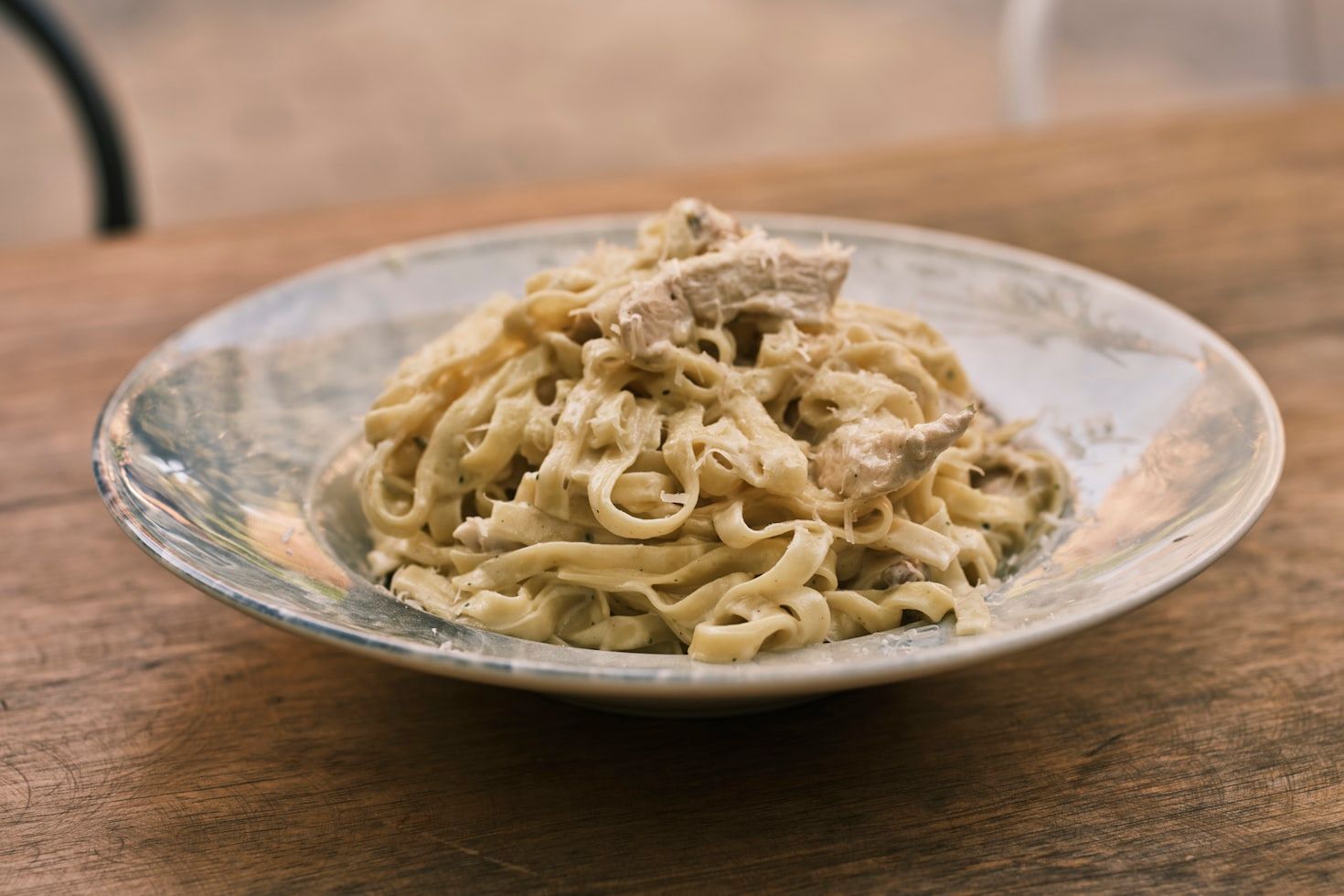
Chicken Alfredo seems to be a point of contention between Italian servers and American tourists, the latter insisting it’s an Italian dish while the former claim they do not know about it. They are both technically right, but only because they are thinking about different things.

Fettuccine Alfredo is a Roman dish consisting of fettuccine with parmesan cheese and butter, emulsified to form a creamy sauce. This ingredient combination is not uncommon in Italy, and the dish is mainly known as fettuccine al burro (literally, ‘with butter’). American Alfredo, however, has evolved to include cream, and it is typically served with chicken, which makes it a totally different dish. It is not surprising, then, that Italians are confused.

4

Hard-shell tacos

Image: Chantel

We could spend the whole day talking about the wonders and intricacies of Tex-Mex cuisine and its importance for Americans, but let’s focus on one of its star dishes: the hard-shell taco. While the shared culinary history and cultural exchange between the U.S. and its southern neighbor is extensive, this crispy dish was invented on this side of the border in Mexican-American communities.

There’s no consensus on who invented or sold the first hard-shell taco, but there are records of its existence from the very early 20th Century. The dish gained national popularity in the 1960s when Taco Bell added it to its menu, and it’s now a go-to classic all around the country.

5

Fortune cookies

Image: Tuccera LLC

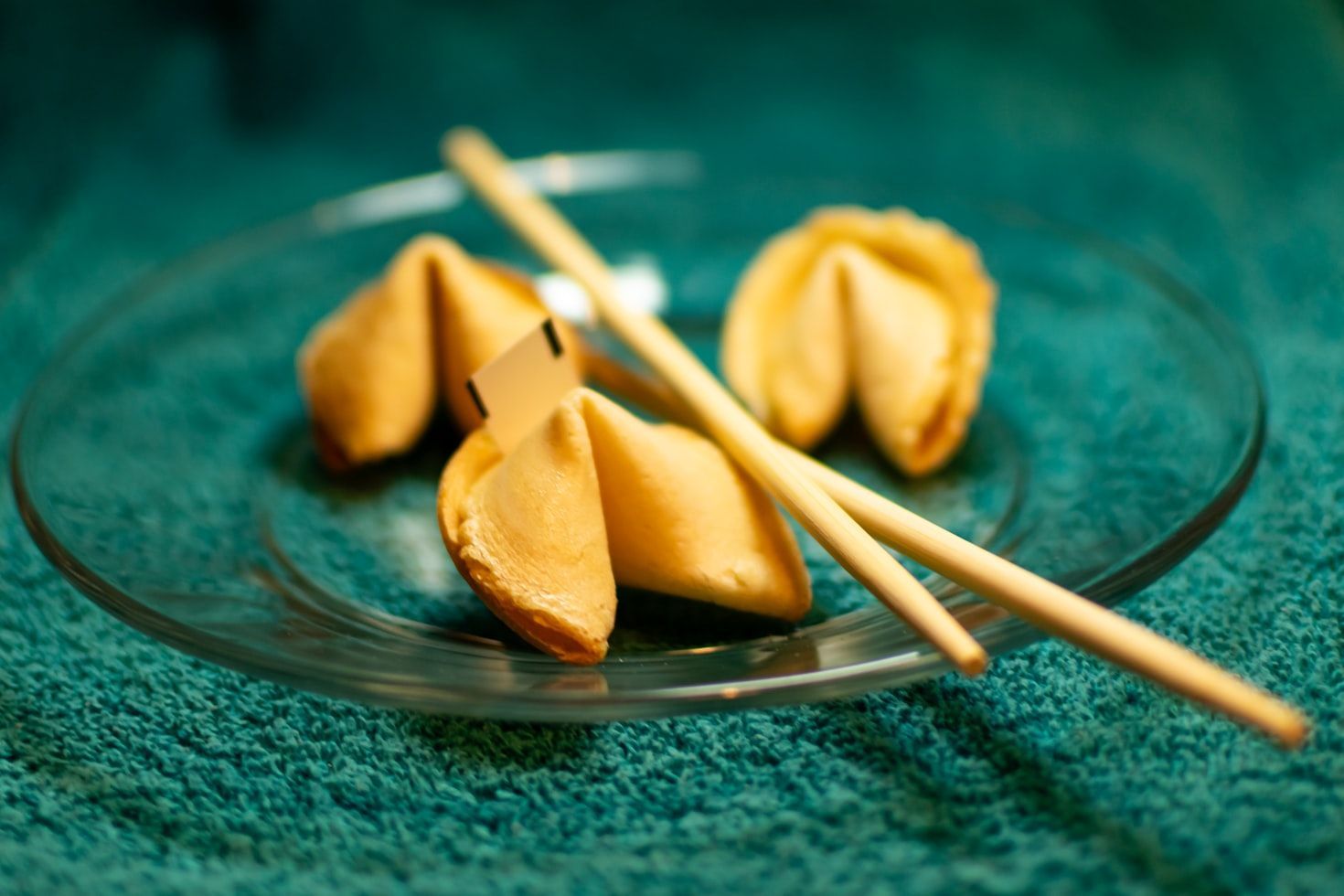
Some could argue that no one really eats fortune cookies, but we can agree that they are an integral part of Chinese takeout, so we’ll count them as ‘food’. However, they are not Chinese, nor were they associated with Chinese food in the beginning.

Fortune cookies were invented in San Francisco in the early 20th Century by Suyeichi Okamura, a Japanese restaurant owner, who allegedly got the idea from a Japanese snack. Years later, a Chinese cook claimed the idea to be his, and the courts had to intervene, ruling in favor of Okamura. No matter their origin, fortune cookies are non-negotiable if you are in the mood for Chinese takeout.

6

Cuban sandwich

Image: Matt Alaniz

A staple in Floridian cuisine, one can only assume that the Cuban sandwich came from Cuba. But not the Cuban sandwich you are thinking of. What did come from there was the sandwich mixto (mixed sandwich), which, in many Hispanic countries, is just a ham and cheese sandwich, toasted, with possible add-ons such as lettuce, tomato, pickles, and some sauce.

The American Cuban sandwich, as we know it, is believed to have been invented by Cuban immigrants, and it follows a set recipe: Cuban bread, mustard, pork, ham, cheese, and pickles. Tampa and Miami fight for the honor of being the birthplace of the Cuban sandwich, with one main disagreement about its construction: in Tampa, salami is a non-negotiable, most likely influenced by the Italian community.

7

Apple pie

Image: Patrick Fore

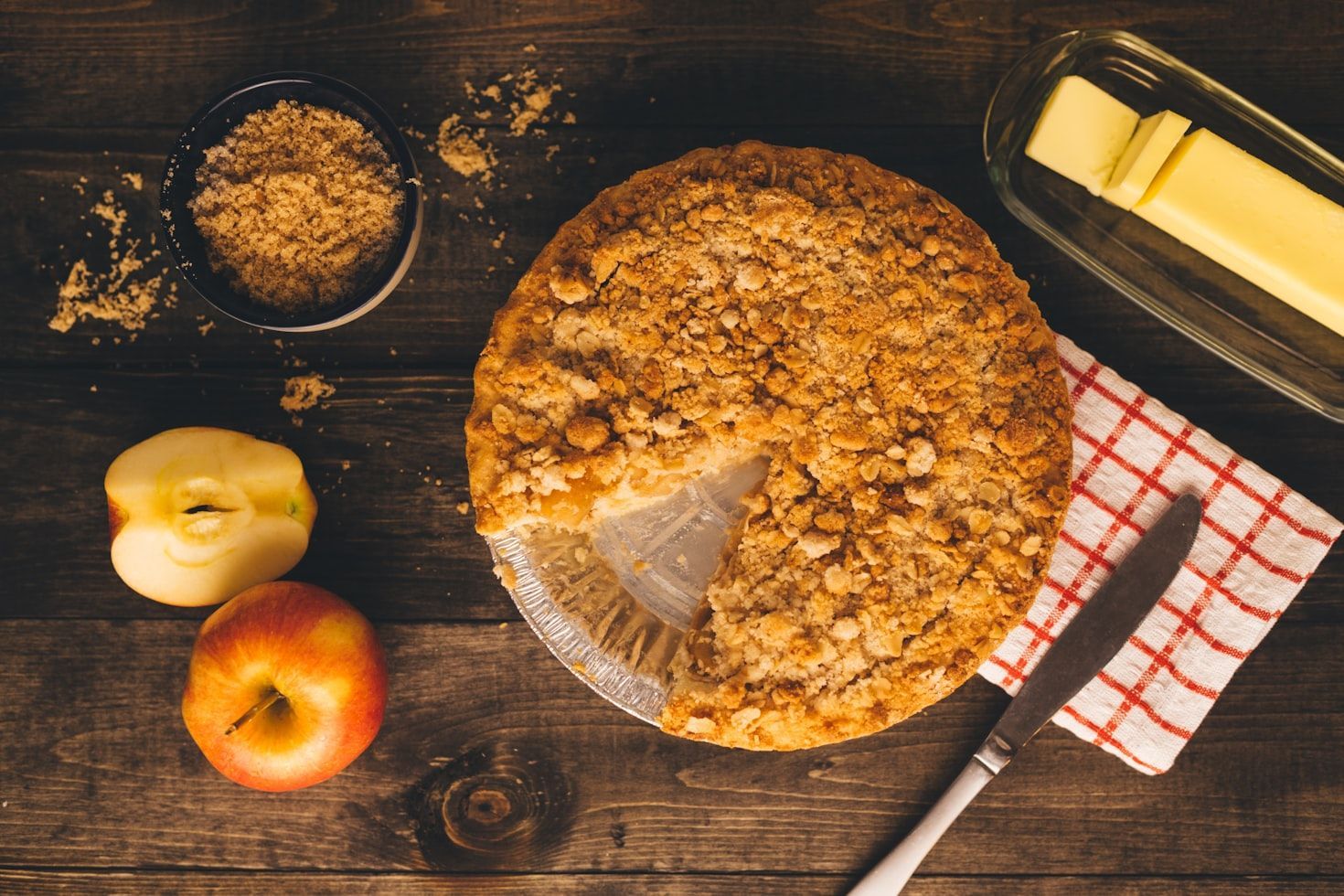
Apple pie is considered to be the U.S.’s unofficial pie, but it’s actually from England, which puts a new spin on the phrase "as American as apple pie". But some could think the English and American versions to be quite similar. Is there a real difference? Pie, apples, and everything in between were brought to America by the English, but the modern versions of this pie are different enough to justify a distinction.

English apple pie usually has a crumblier pastry, can include several spices and fruits such as raisins, pears, or figs, and has less sugar, relying upon the natural sweetness of apples. The American version, highly influenced by the Dutch appeltaart, has a flakier pastry, tart apples (and more sugar to balance the flavor), usually includes cinnamon, and might have a crumble. The verdict? Not quite twins, more like cousins.

8

Sushi

Image: Riccardo Bergamini

If there’s a common trait for sushi in the Western world, it is that it’s nothing like Japanese sushi, and America is not the exception. The first sushi restaurant in the U.S. opened in the 1960s and initially served authentic Japanese sushi, but quickly evolved to adapt to local tastes.

While Japanese sushi is all about simplicity, American-style sushi tends to mix varied ingredients and flavors, to use different varieties of rice, and to include fusion influences. So, avocado and cream cheese? 0% traditional, 100% delicious.

9

English muffin

Image: Wright Brand Bacon

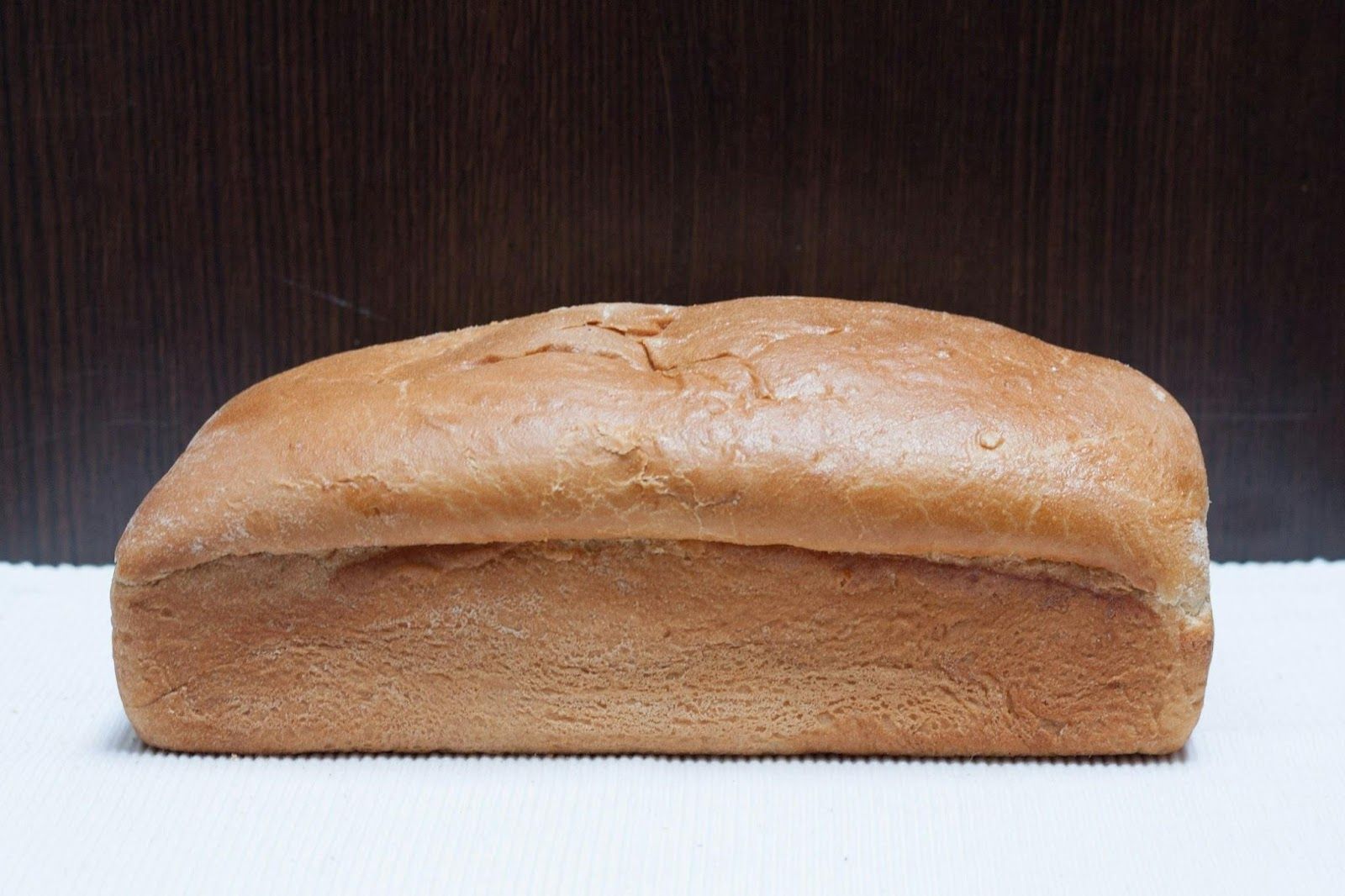
The English first came across the English muffin in the 1990s, that’s because English muffins are American, even if they were created by an Englishman. Samuel Bath Thomas developed this breakfast staple in New York in the late 19th Century, and he was most likely influenced by an English classic, the crumpet.

Crumpets and English muffins serve similar culinary purposes (they are round vessels for yummy toppings), but the similarities don’t go much beyond that. Crumpets are made with baking soda, which results in a chewy, tangy dough, with bubble-like holes that make them perfect for butter, jam, or cream, and, unlike English muffins, are not intended to be split in half. On the other hand, English muffins use yeast and are more bread-like and crumblier. They can be paired with either sweet or savory toppings, and are a go-to for breakfast sandwiches. English only in name, American in spirit.

10

Chicken parmesan

Image: Clark Douglas

This staple dish follows an idea common to a lot of Italian American dishes: the addition of meat to a dish that was originally meatless. When Italian immigrants arrived in America, they found out that many of the ingredients they were used to were not available here. On the other hand, meat was much more accessible in comparison to the Italy they had left.

The original recipe for this dish is called melanzane alla Parmigiana (or just parmigiana), and uses breaded eggplant slices instead of chicken cutlets. No one knows who was the first to substitute the eggplant with a chicken cutlet, but we do know why it became popular.


Worldplay wonderland

Pronunciation can be deceiving! 10 confusing similarities!


Published on May 19, 2026


Image: Edho Pratama

Naturally, words that are pronounced or spelled the same but have different meanings are fun. They are called homophones and homonyms, respectively. But if you’re paying much attention to a certain conversation, they have the power to create quite a confusion, and who knows where that talk might end? To avoid these kinds of misunderstandings, check these 10 words that share a pronunciation, but come from different places.

1

Lose your waist, watch your waste

Image: Possessed Photography

Waist and waste are pronounced the same, which makes them homophones. However, the meaning is quite different and so are their origins. Let’s see how they go.

The word "waist" refers to the part of your body just below your ribs, where your pants sit comfortably, or not so comfortably after a big meal! On the other hand, "waste" is a synonym for squander, like when you leave food on your plate. But it can also refer to an ineffective use of your time, like watching TV all afternoon.

Interestingly, "waist" comes from the Old English word wæst, meaning "growth", while "waste" has Latin roots in vastare, meaning "unoccupied" or "uncultivated". So, next time you’re adjusting your waistband, don't waste the opportunity to show off your vocabulary!

2

Stare at the stairs going down

Image: Nicolas Hoizey

Have you ever tripped up the stairs because you were too busy catching someone’s stare?

While "stair" refers to a step, typically one in a series, helping you get to the next floor of your house, "stare" is a way of looking at someone, an intense way of looking at someone, to be precise! For example, the kind of look you give your friend when they share too much information!

Although they sound the same, "stair" comes from the Old English stǣger, while "stare" has roots in Old Norse stara, meaning to "gaze steadily." Never mind this, just be careful where you’re looking, or you might miss a step!

3

Planes are never plain

Image: Alicia Steels

Whether you’re flying on a plane or enjoying the view of a plain, these words sound the same but mean completely different things.

You know, a plane can either be the flat surface of something (like geometry class) or a flying machine. Meanwhile, a plain refers to a large area of flat land, or something that’s simple or unadorned, like your favorite plain T-shirt.

Now, similar pronunciation is also a trait of their root words: On the one hand, "plain" comes from the Latin planus, which means "flat" or "even". On the other hand, "plane" comes from planum, referring to a "level surface."

4

Loan me a lone word

Image: Noah Silliman

No matter how much of a lone you are, there’ll always be someone to loan you something, right?

"Lone," however obsolete, means solitary, like when you’re the only person at the park bench on a peaceful afternoon. "Loan," instead, means to lend something, like a book, money, or even a spare jacket on a cold day; you could never go wrong with that move!

Now, as for the etymology behind these homophones, "lone" derives from the Old English word all ane which ultimately derived into "lone," a short for "alone." Meanwhile, "loan" is rooted in an Old English root that didn’t survive: læn, which meant "gift." Mind you, a loan is not a gif, so be careful with that!

5

Do horses make hoarse noises?

Image: Soledad Lorieto

We don’t know about that, but let’s get into these homophones. If you’re hoarse, your voice is scratchy and raspy, probably from shouting too much at the latest NFL game, right? Did we get you there? Anyway, as for its homophone, a horse is an animal you can ride to enjoy a nice trot.

Now, if they sound similar, are their origins so? No, they aren’t. "Hoarse" comes from Old English hās, which means "rough," while "horse" has roots in the Proto-Germanic harss, which also meant "swift running animal." Next time you’re cheering yourself hoarse while watching a horse race, you can appreciate this fun coincidence of language.

6

Heal your heel way to happy feet

Image: 🇸🇮 Janko Ferlič

The worst kinds of homophones and homonyms are the ones you can actually use in a logical sentence a confuse your audience for the same price! This is one of those cases.

Your heel is the back part of your foot, the part that takes the brunt of every step. Meanwhile, healing refers to the process of recovery, whether it’s a wound, a sprain, or just an emotional crisis.

Both words sound the same but have distinct origins: heel comes from Old English hēla, while heal comes from hǣlan, meaning "to make whole." So if you’ve got a sore heel, take it easy and let it heal!

7

Grease the wheels and make it to Greece

Image: JUNHYUNG PARK

It’s easy to confuse grease and Greece, especially when you’re frying some bacon while thinking of a Mediterranean getaway.

While "grease" refers to animal fat or any oily substance used to make things run smoothly, Greece is the country famous for its ancient history, delicious cuisine, and stunning islands we all wish we could visit right now.

These two words have different origins anyway. Grease comes from the Latin crassus, meaning "fat," and the Old French gresse, which means the same. At the same time, Greece derives from the Latin Graecia, a reference to the ancient Greek people. What do they have in common? A trip to Greece or greasy wheels will keep you moving!

8

Go Forth and Be the Fourth!

Image: Adrian Curiel

It doesn’t matter if you’re in the first, second, third, or fourth position; you have to take a step forth and keep moving!

"Forth" means to move forward, often with purpose, while "fourth" refers to the number four in a sequence. But what about their origin? Are they as close as their spelling?

"Forth" has roots in Old English forð, meaning "forward," while "fourth" simply comes from the Old English feorða, the word for the number four. So whether you’re stepping forth into a new adventure or celebrating a fourth-place win, you’re always on the right track.

9

Flee the fleas!

Image: Mitchell Orr

Just a one-letter difference, and different meanings too, but we can say that one is a consequence of the other!

A flea is a tiny, jumping insect known for its itchy bites, while "flee" is what you’ll want to do if you come across one of those insects, run away! "Flea" means, usually, to avoid something unpleasant (like a flea infestation!)

Contrary to the others, some etymologists suggest they may come from the same word. "Flea" comes from Old English flēa, but it may also come from the same root as "flee,"which is flēon, "to escape." Curious, right? If you ever find yourself dealing with fleas, just remember: it’s perfectly reasonable to flee from those little pests! They are doing that themselves!

10

Won’t get much dough from a doe

Image: Carl Flor

To end this article, let’s tackle "doe" and "dough," two words that have a common pronunciation but are spelled in different ways.

A "doe" is a female deer, soft and graceful, while "dough" is what you work with before it turns into bread.

Pronunciation is the only thing they share, since their origins are also different. The word "doe" comes from the Old English , which means exactly what it is, "female deer,". On the other hand, "dough" comes from dāg, which means "kneaded mass." Funny how two very similar words can mean different things, and come from completely different places. That’s the fun behind our language!

Looking for an extra scoop of literary fun?

Learn more with our Word of the day

remit

/rəˈmɪt/