Oh la la!
Did you know the meaning of these common expressions in French?
Published on December 3, 2025
 Image: Michael McKay
At this point, it is not a secret that a part of the English vocabulary is actually French wearing a trenchcoat. Many of the words and phrases that we use on a daily basis are very similar in use and meaning to their French counterparts; take, for example, words like energy, silhouette, poetic, or machine. However, not all words and phrases of French origin have maintained their meaning or spelling. Let’s have a look at some of them!
In lieu of
 Image: Joshua Hoehne
Let’s start with an example where only the form of the phrase has changed: English speakers use ‘in lieu of’ to talk about something done or said in the place of something else. This phrase is partially translated from the original French, au lieu de, which is used in the same way and with the same meaning.
Souvenir
 Image: Shyam
If we visit somewhere new, chances are we will bring back a souvenir to remind us of our trip. And that is exactly the meaning of souvenir in French, ‘to remember’, although the word can also be used for a "memento" or "keepsake."
Double entendre
 Image: Romain Vignes
This phrase could be translated as ‘with a double hearing,’ giving the idea of a thing that can be interpreted in two (usually very different) ways. Modern French uses ‘_à double sens_’ to convey this meaning, instead of the verb entendre (‘to hear’).
À la mode
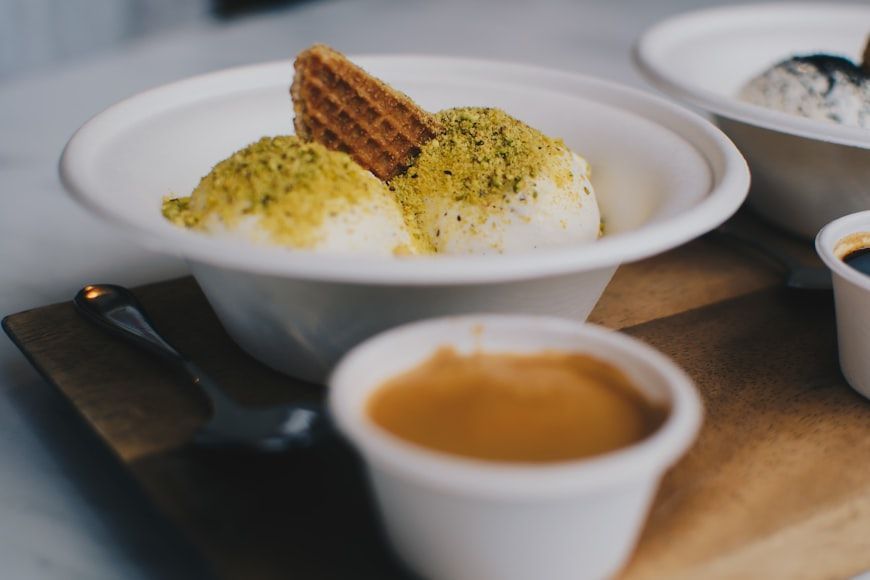 Image: Gaurang Alat
English shares with French the use of this phrase to mean ‘fashionable’. However, it is also used as a culinary term, but with two very different meanings: in English, desserts à la mode are accompanied by ice cream, while in French, the same term might indicate that it was cooked with carrots and onions.
Chef
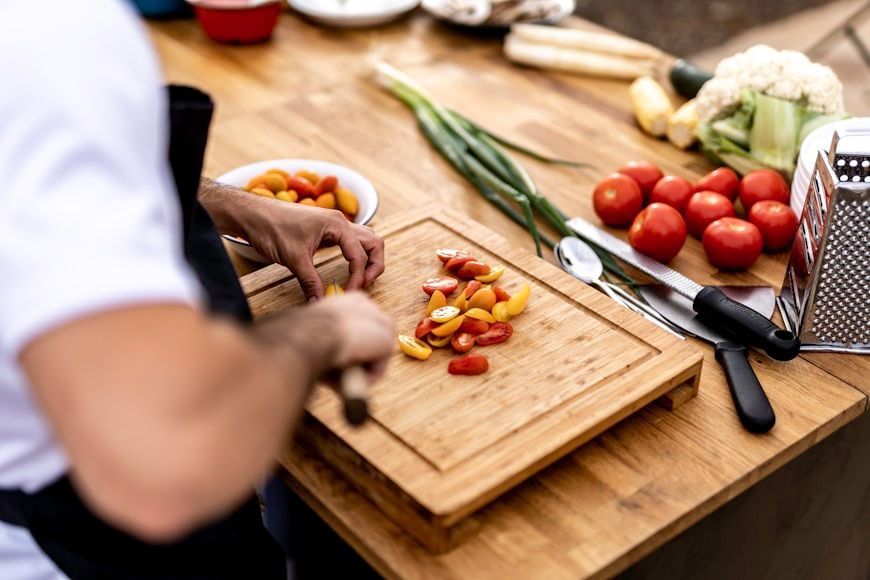 Image: Or Hakim
For English speakers, this word unequivocally means a professional cook. For French speakers, however, a chef would be a cuisinier, and chef would be used to mean ‘chief’, ‘boss’, or ‘head of.’
Premiere
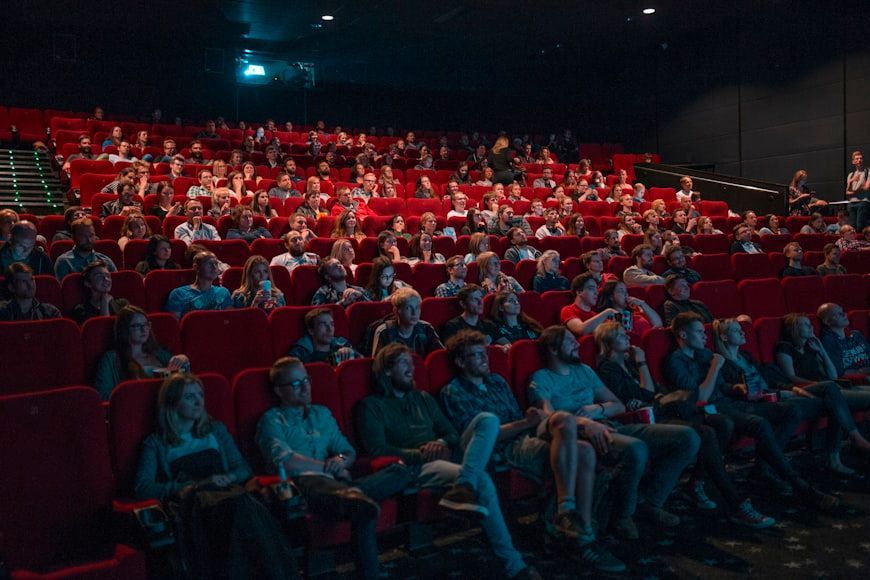 Image: Krists Luhaers
The word "premiere" is associated in English with the first performance or screening of a play or film. In French, première simply means ‘first,’ though la première can be used for a first performance.
Encore
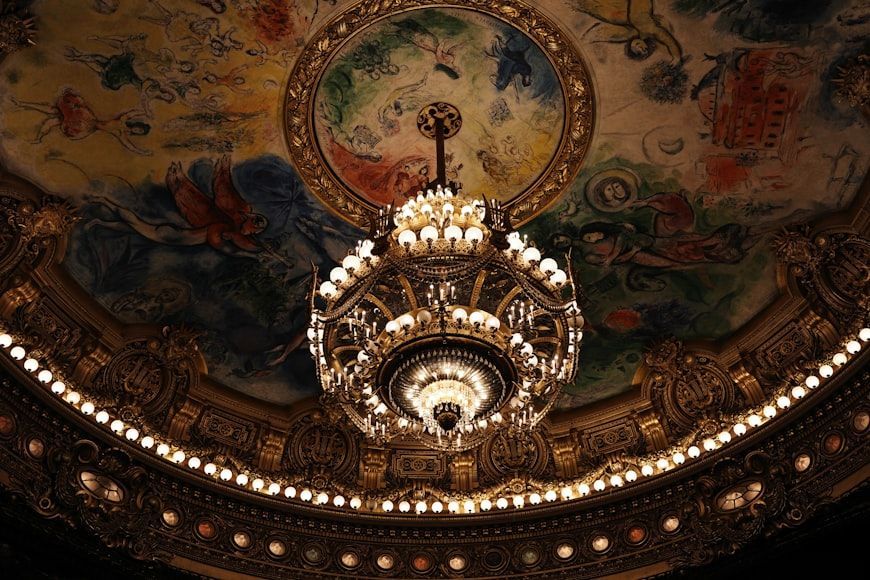 Image: Hugo Xie
Encore means again, so it makes sense that people use this word to request a repeat performance. However, French speakers prefer saying une autre or bis for the same situation.
Potpourri
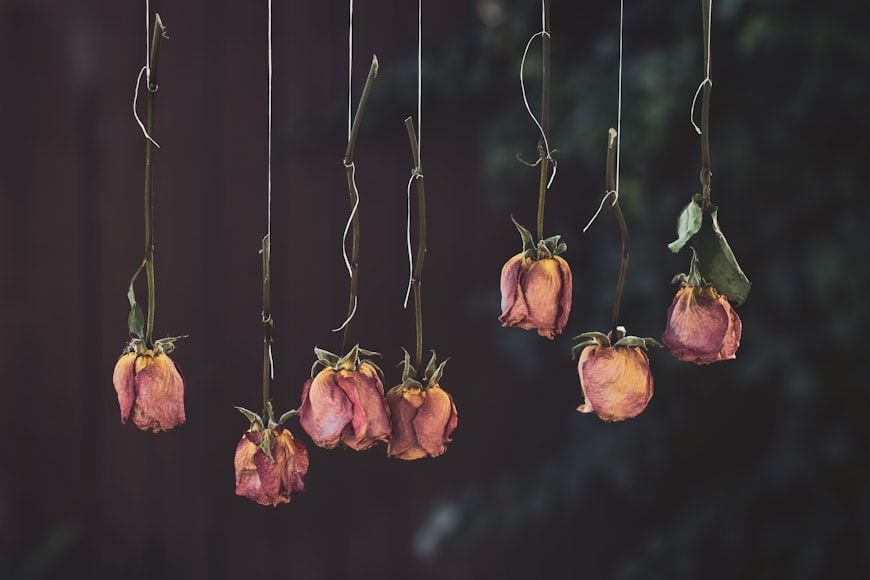 Image: Tim Mossholder
Used to refer to a mix or medley of things, this word comes from the French pot-pourri, meaning ‘rotten pot,’ as it was originally used for a pot where flowers were dried for their scent.
Negligee
 Image: Rhamely
In English, this word is used for a fancy and delicate nightgown, robe, or dressing gown. In French, négligée would be used for a woman who neglects her appearance, and the clothing item would be called négligé (the masculine form of the word) or nuisette.
Seance
 Image: David Tomaseti
Meaning ‘seating,’ this word is used by English speakers for an attempt to communicate with the dead, usually with the help of a medium. French speakers use this word to refer to a meeting or a season of any kind.