Cheddar is a place
Did you know that these 12 everyday foods are named after places?
Published on December 2, 2025
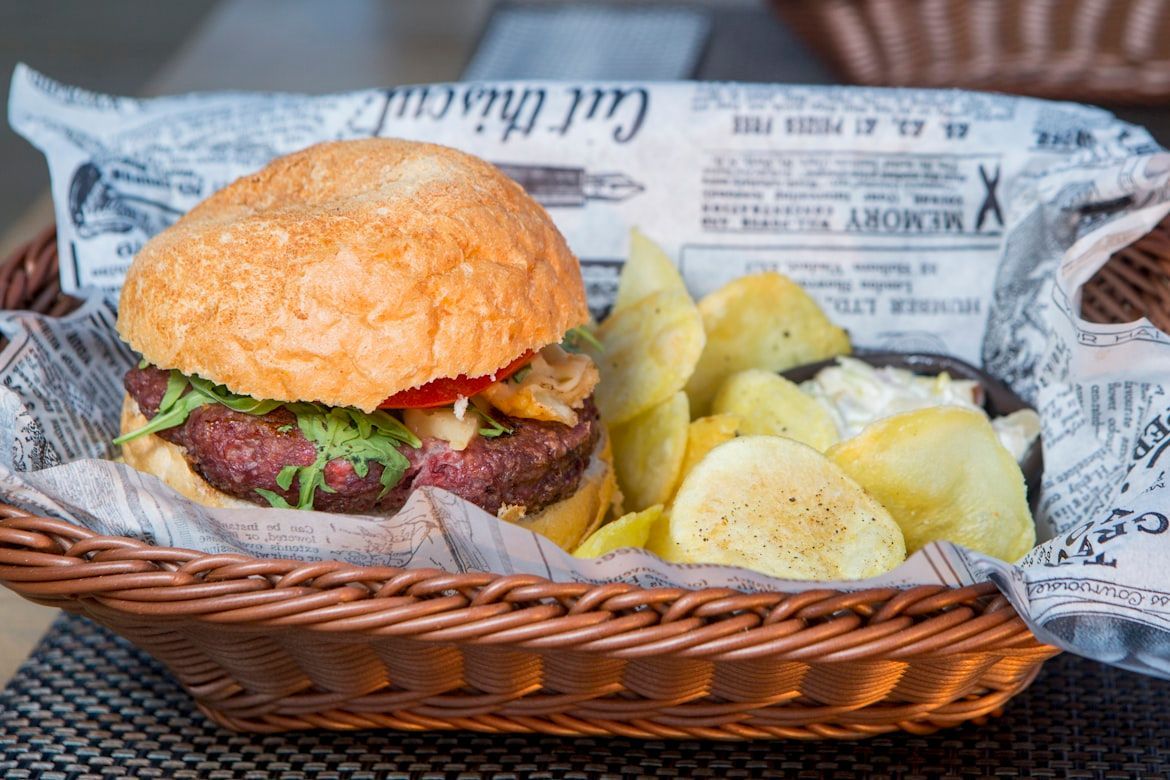 Image: Fabrice Thys
From crispy French fries to juicy hamburgers, plenty of everyday eats carry the name of a city, country, or region. Sometimes the connection is real, and other times it’s nothing but a twist of history. Here are 12 tasty examples of foods whose names are rooted in places.
French Fries
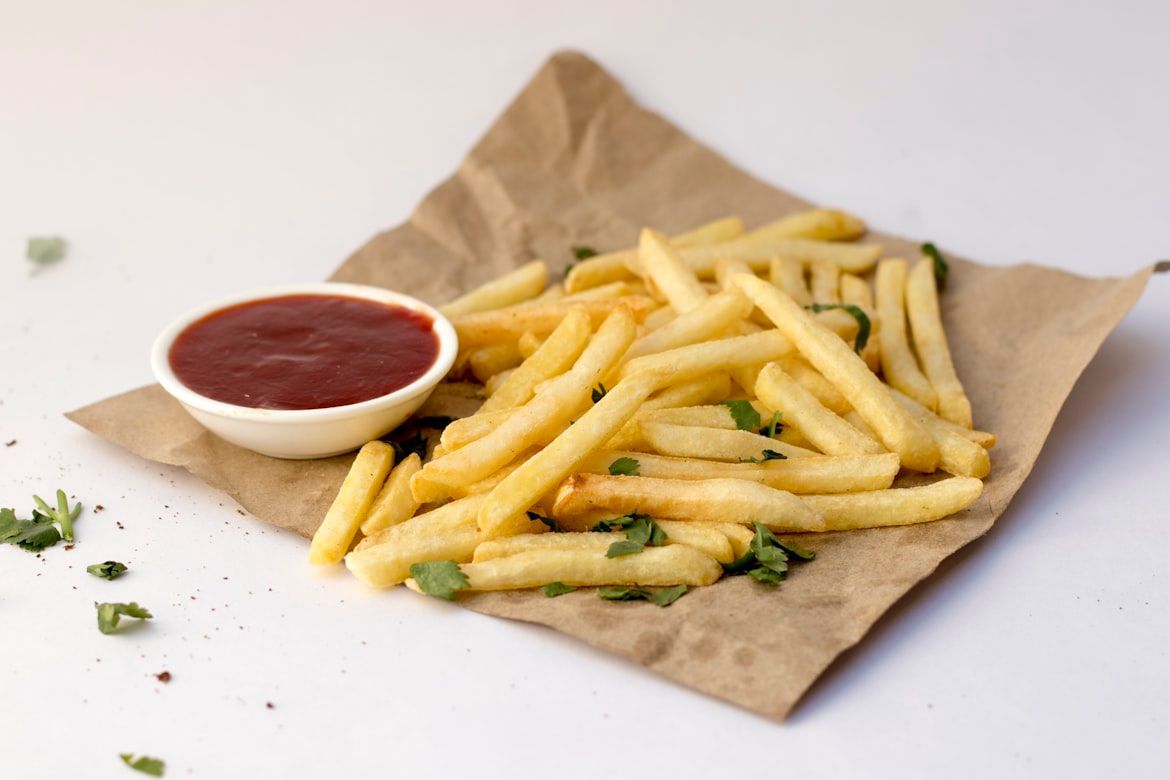 Image: Pixzolo Photography
This is a well-known fact by most, but it is worth repeating: despite the name, French fries likely originated in Belgium, where fried potatoes have been popular since the 1600s.
American soldiers in World War I tasted them there and called them "French" because French was the local language.
Hamburger
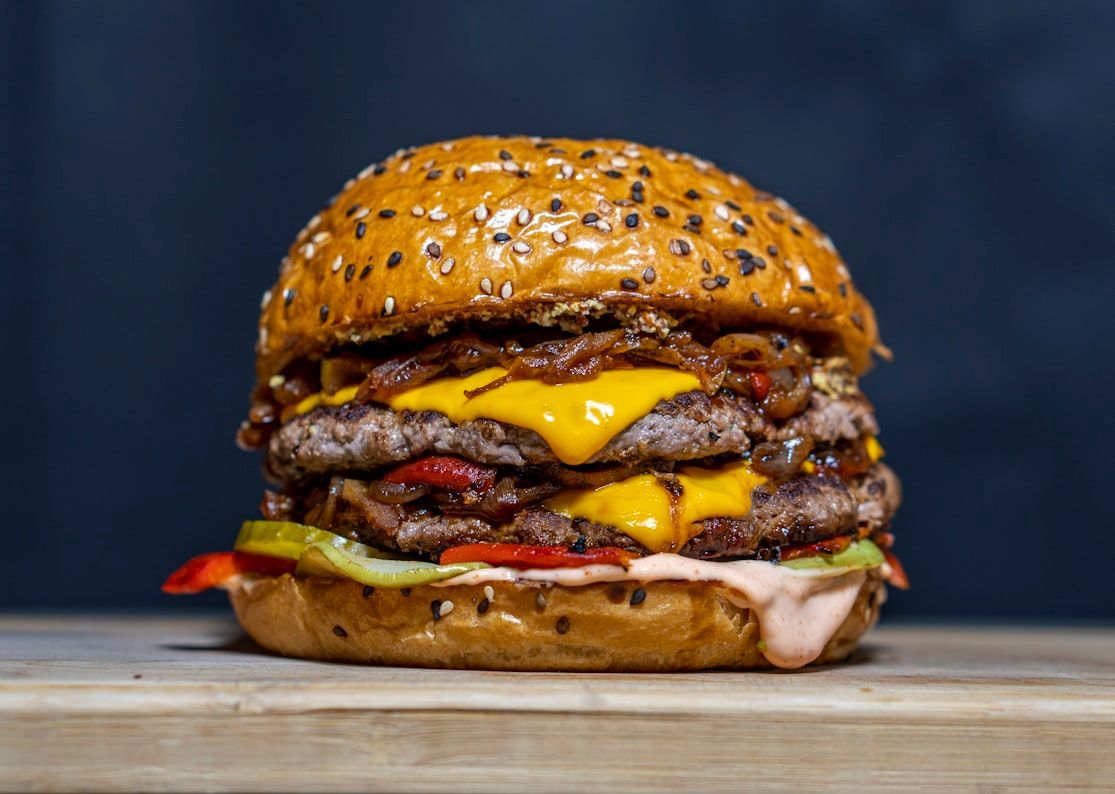 Image: amirali mirhashemian
The hamburger’s name comes from Hamburg, Germany, where minced beef patties were popular in the 19th century. German immigrants brought the idea to America, where it was served on bread.
Adding a bun turned it into the burger we know today. Now it’s a global icon, endlessly customizable with toppings, sauces, and even plant-based patties.
Bologna
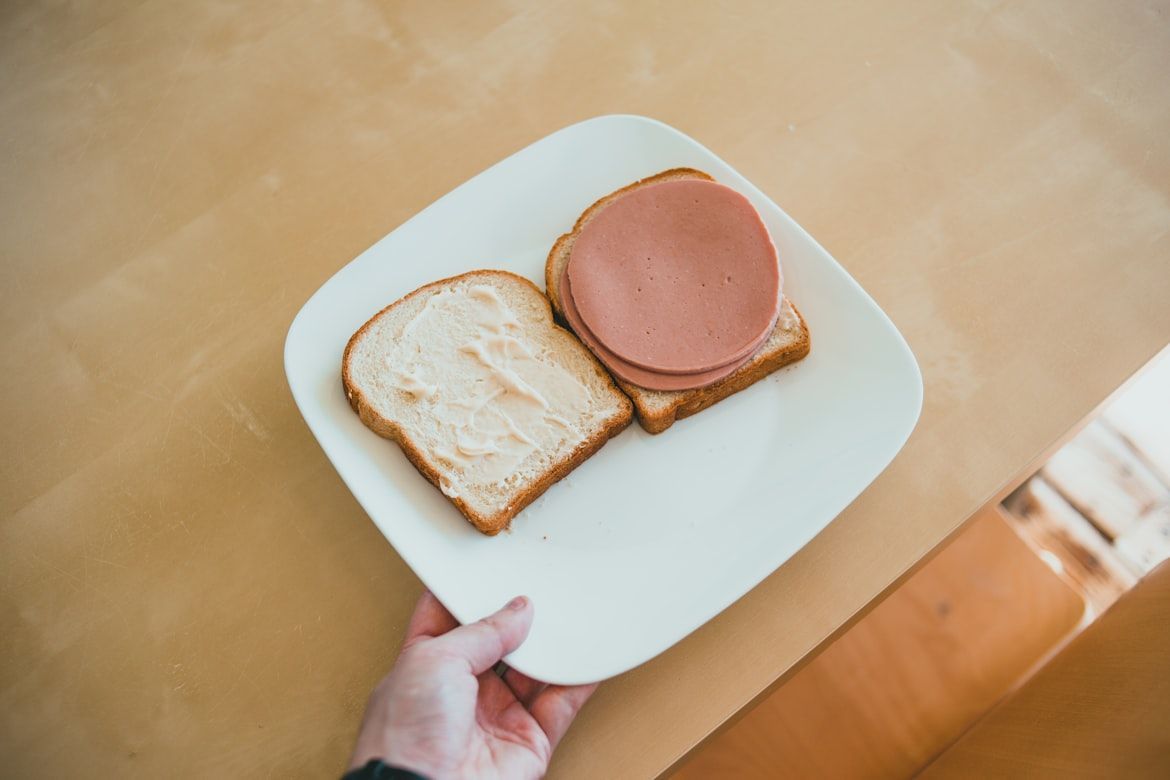 Image: Erik Mclean
Bologna, the Italian city, gave its name to this popular deli meat. Early versions were seasoned with peppercorns and fat cubes.
In the U.S., "baloney" became a smoother, milder version. It’s a lunchbox classic, often served in sandwiches, and a nostalgic taste for many Americans.
Swiss Cheese
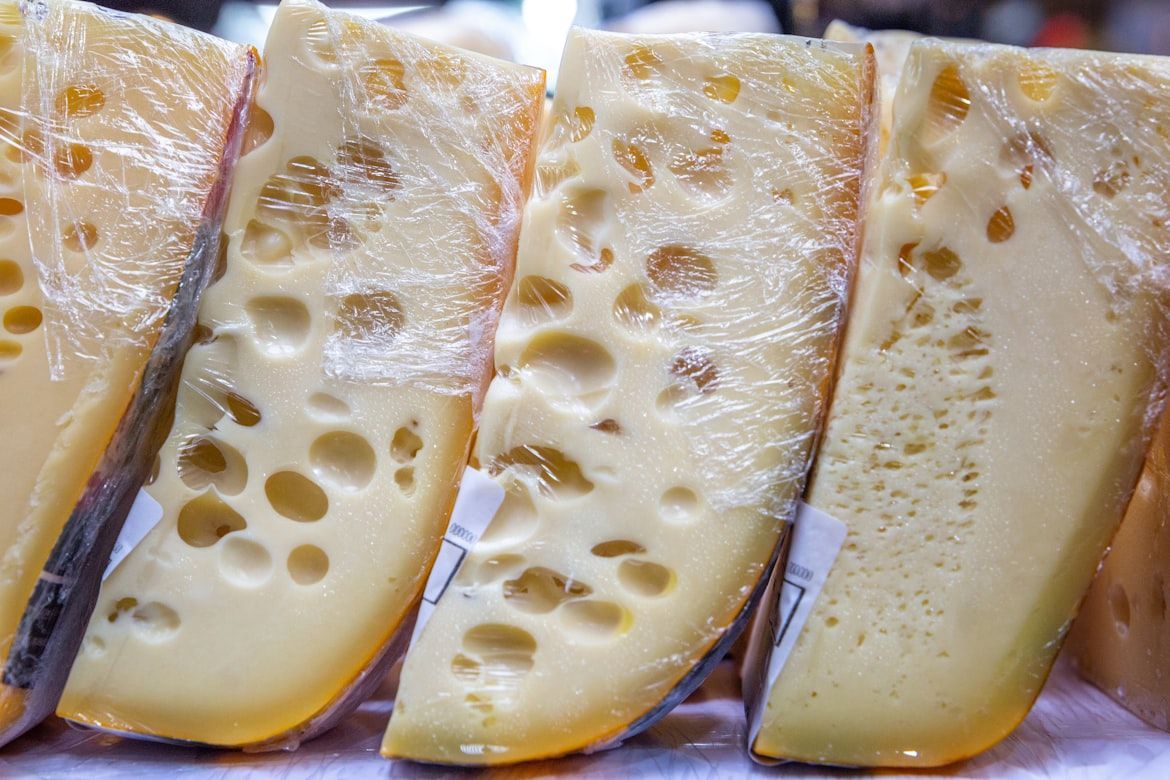 Image: Wagner Vilas
The first of three cheeses on the list, Swiss cheese refers to a style inspired by Emmental, from Switzerland, known for its distinctive holes. The holes form during fermentation as bacteria release gases.
In America, Swiss cheese is milder than the original, but it still keeps its nutty flavor. It’s a favorite in sandwiches, melts, and even on Reubens.
Frankfurter
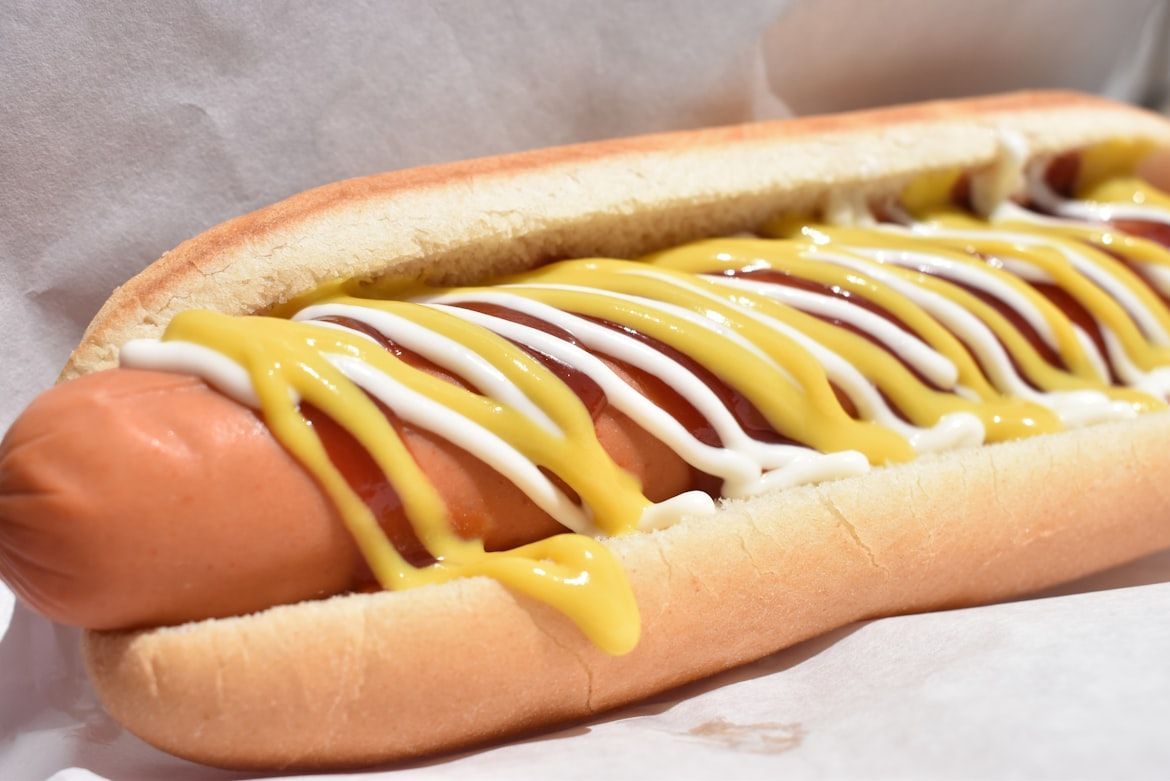 Image: Desi Min
This sausage takes its name from Frankfurt, Germany, where pork sausages have been enjoyed since the Middle Ages. German immigrants brought them to the U.S. in the 1800s.
Yes, today, frankfurters are better known as hot dogs, but the original name lives on. Whether grilled, boiled, or topped with chili, they’re a summer barbecue and ballpark essential.
Cheddar Cheese
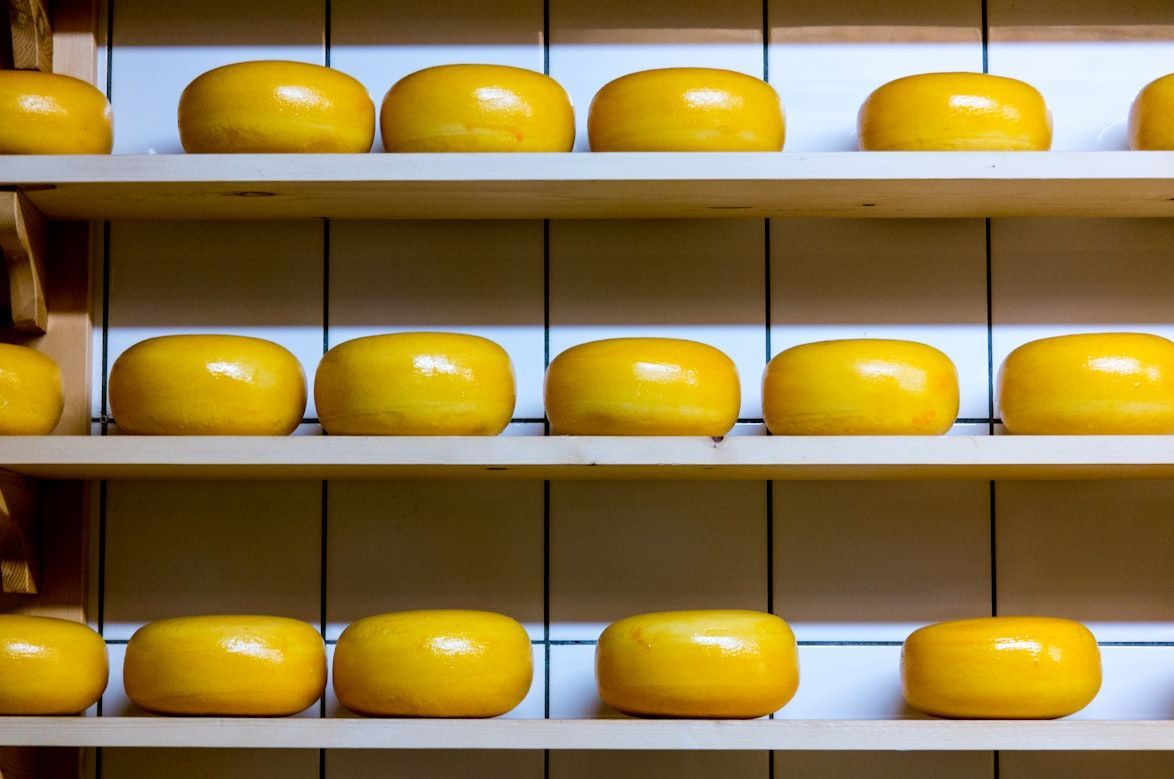 Image: Katrin Leinfellner
Cheddar originated in the English village of Cheddar, where it was first made in caves that provided perfect aging conditions.
Over time, cheddar spread worldwide, with varieties ranging from mild to extra sharp. It’s one of the most versatile cheeses, perfect for melting, grating, or snacking.
Dijon Mustard
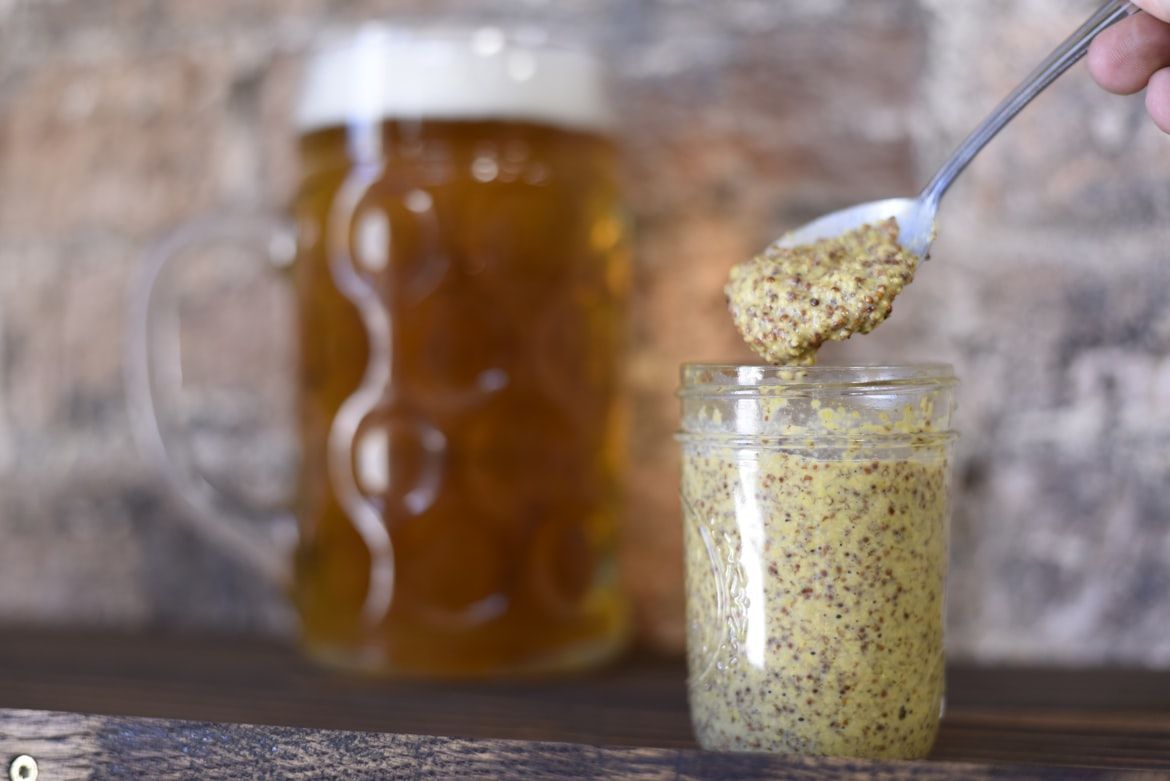 Image: Elevate
Dijon mustard is named after the city of Dijon in France, famous for mustard-making since the 13th century. The recipe uses brown or black mustard seeds and white wine or verjuice.
Its tangy, sharp flavor elevates sandwiches, dressings, and sauces, making it a pantry staple.
Parmesan Cheese
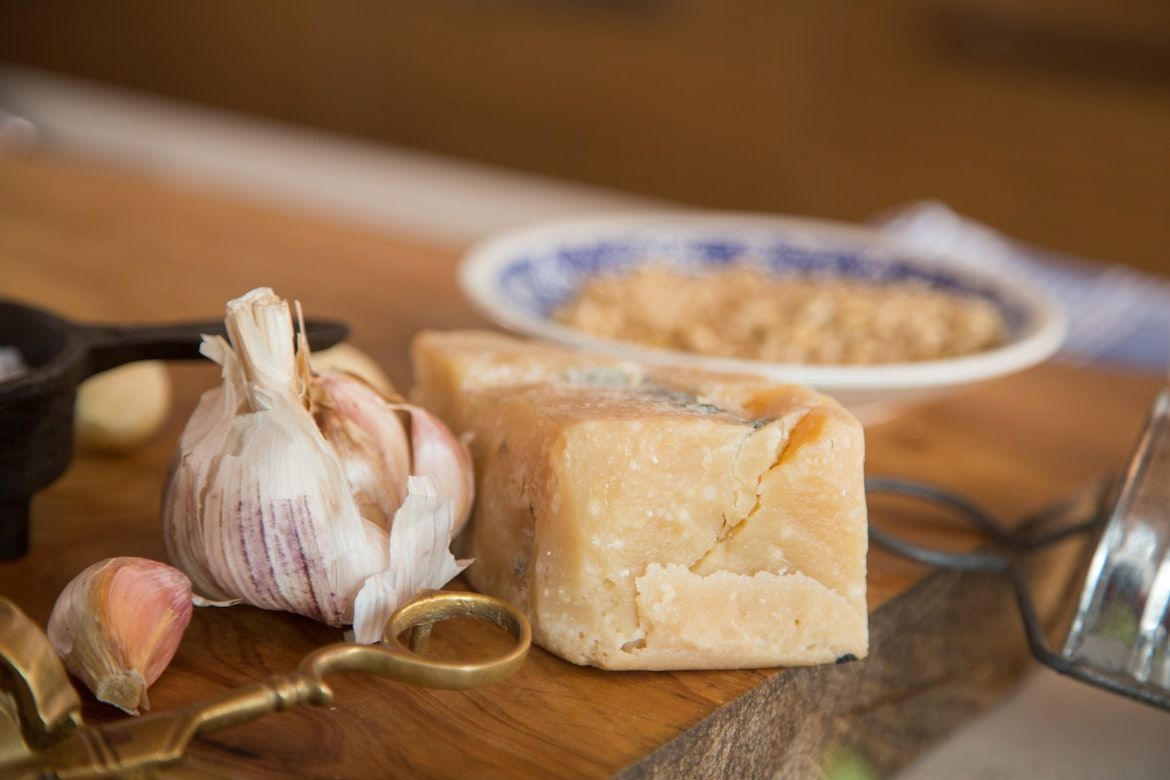 Image: Brands&People
Parmesan comes from Parma, Italy, where Parmigiano-Reggiano has been made for centuries under strict rules. It’s aged for years to develop its rich, savory flavor.
In the U.S., "Parmesan" often refers to a similar style, but true Parmigiano-Reggiano is a protected name.
Buffalo Wings
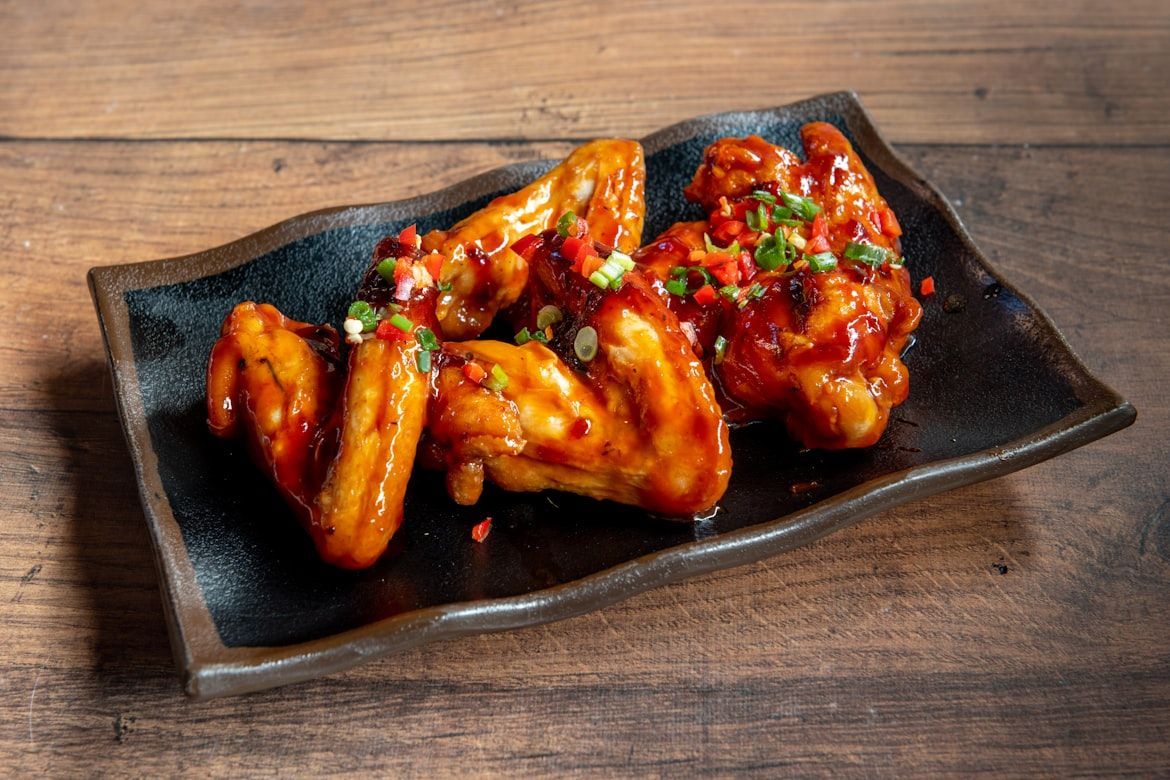 Image: Snappr
Buffalo wings were invented in Buffalo, New York, in 1964 at the Anchor Bar. They were first served as a late-night snack with hot sauce and butter.
Now, they’re a game-day must-have, coated in sauces from mild to blazing. They’re served with celery and blue cheese or ranch for dipping.
Brussels Sprouts
 Image: Keenan Loo
Belgium might have lost the fries, but it retains the sprouts. Brussels sprouts get their name from Belgium’s capital, where they’ve been cultivated since the 16th century. They grow in clusters on a tall stalk.
Once unpopular, they’ve had a comeback thanks to roasting and creative seasoning. Now they’re a trendy side dish in many restaurants.
Philly Cheesesteak
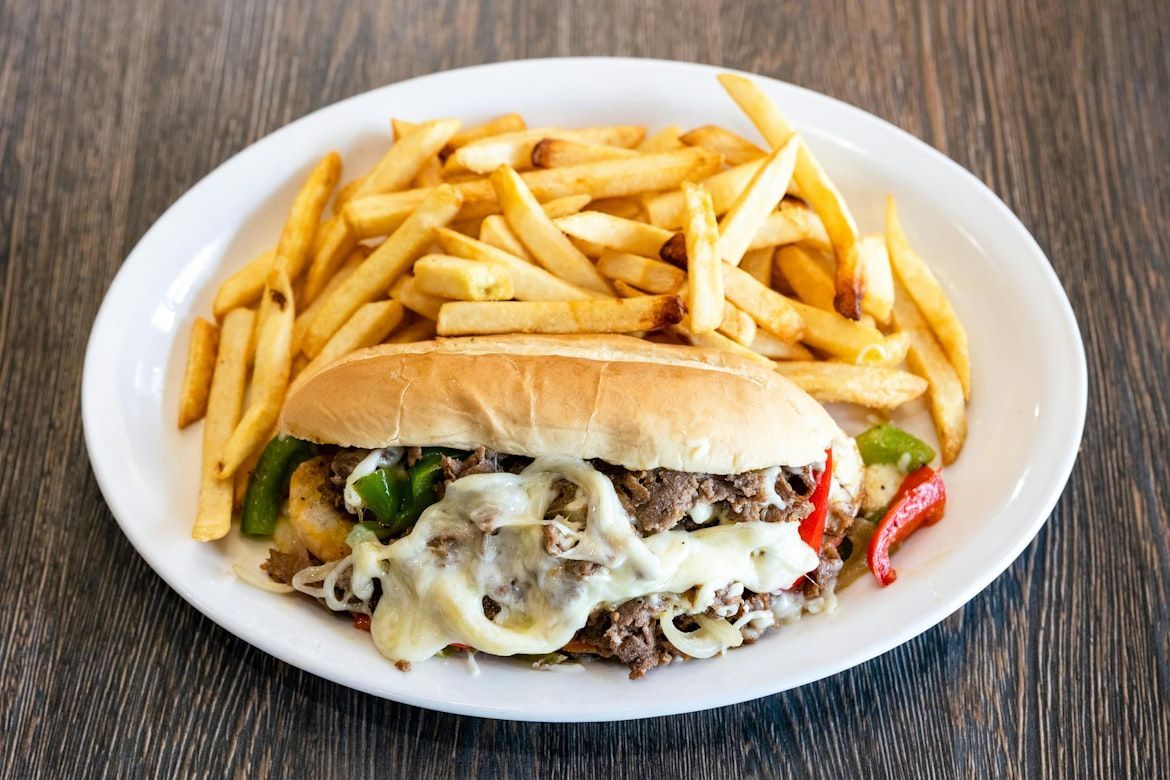 Image: Snappr
The Philly cheesesteak was born in Philadelphia in the 1930s, combining thinly sliced beef with melted cheese on a hoagie roll.
Cheez Whiz, provolone, or American cheese are the classics. It’s a hearty, flavorful sandwich that’s become a symbol of the city itself.
London Broil
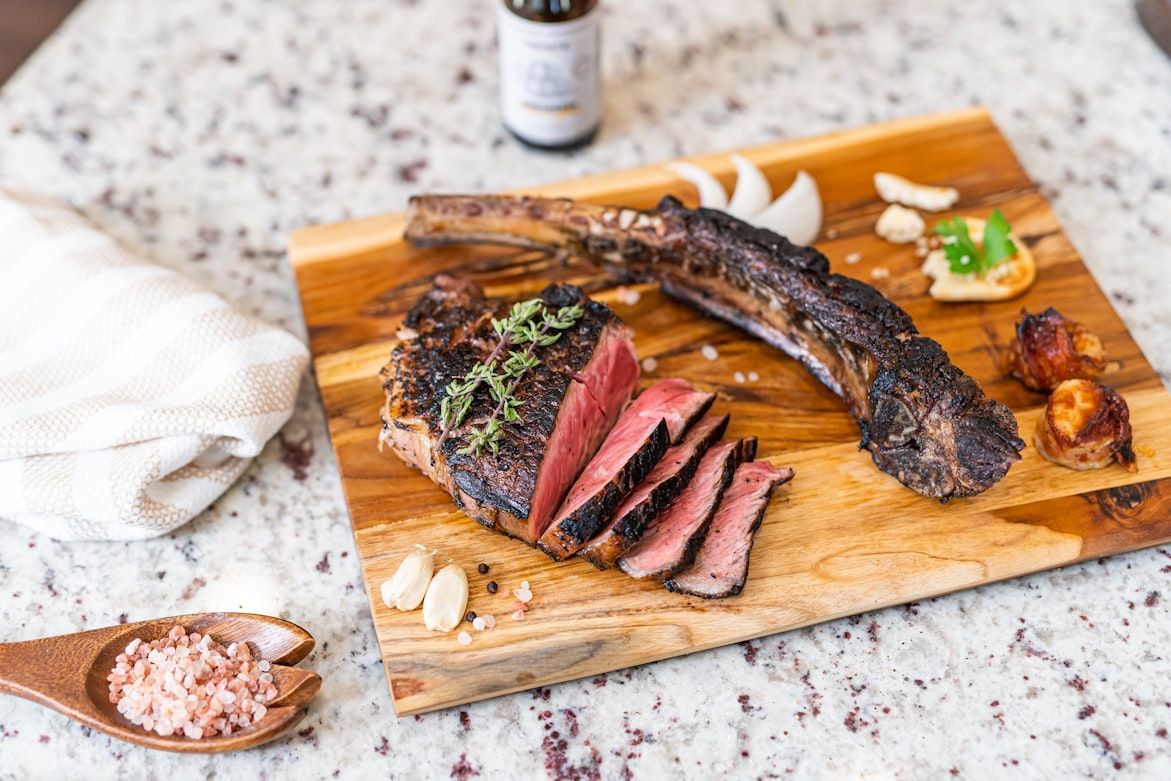 Image: Hybrid Storytellers
Despite the name, London broil is an American creation, not a British import. The name likely came from marketing in the early 20th century to make the dish sound sophisticated.
It refers to marinating and broiling a cut of beef, often flank steak, before slicing it thin. Today, it’s a staple in steakhouses and home kitchens alike.