Where exactly are you from?

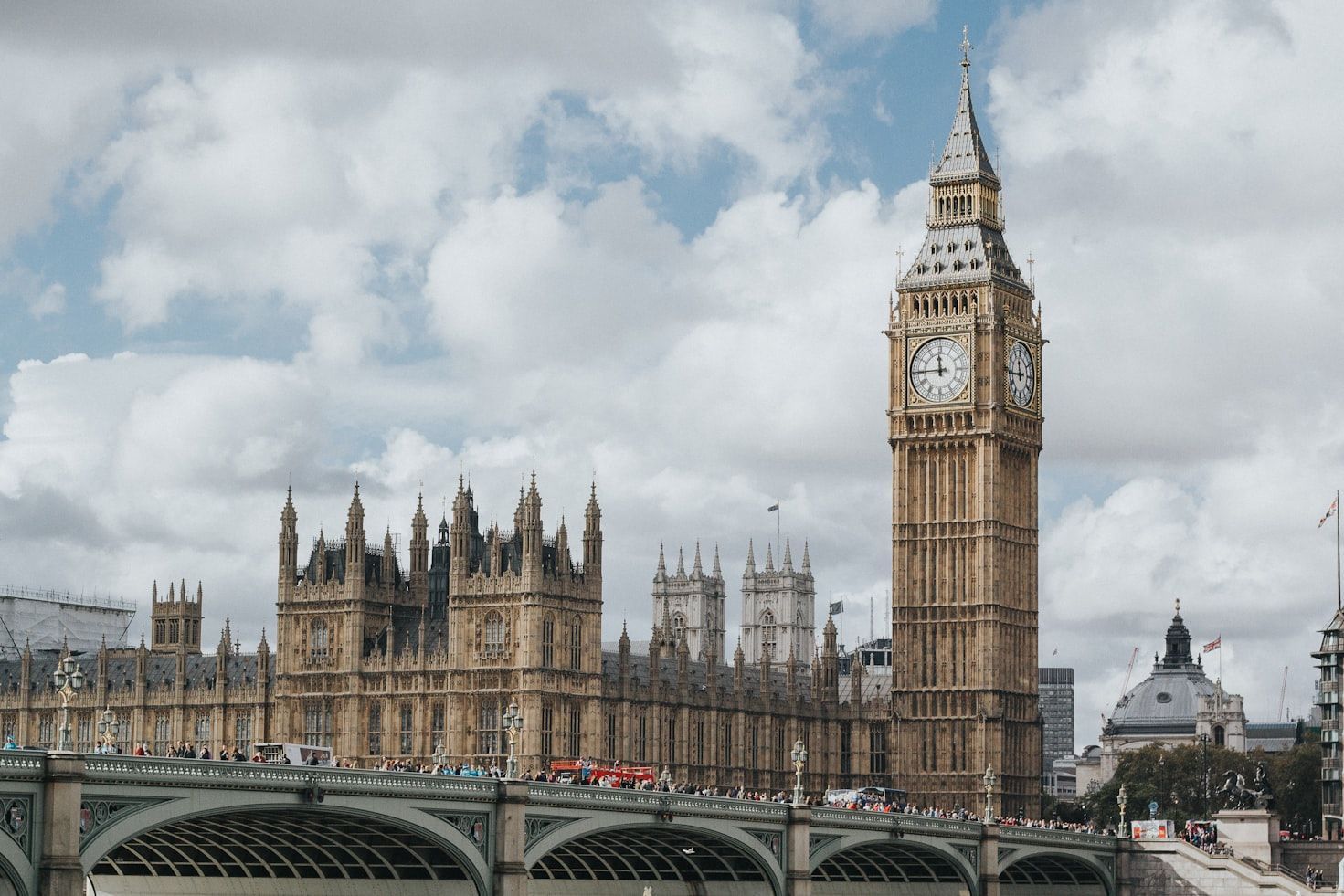
Did you know that there are 16 Boston cities? Cities with a namesake


Published on May 2, 2026

Image: Michael Discenza

Some would say that naming a city is as important as naming a child, or even more, considering that cities tend to have a longer lifespan. Like with a child, the name is a declaration of intentions, of what is expected or wished for them.

But sometimes children are named after someone else, like a loved one, a relative, or a favorite celebrity. Does this happen to cities as well? In this article, we will explore some cities around the world that have a namesake.

1

Londres, Argentina

Image: Marcin Nowak

In Spanish, Londres is the name given to the city of London, England, and also to a town in the Argentinian province of Catamarca. This town, the second oldest in the country, owes its name to the marriage of Mary Tudor with Philip of Spain in 1553. The founders of the city, at that time part of the Spanish empire, decided to honor the royal marriage by naming it Londres de la Nueva Inglaterra (London of the New England), though nowadays the name has been shortened to just Londres.

2

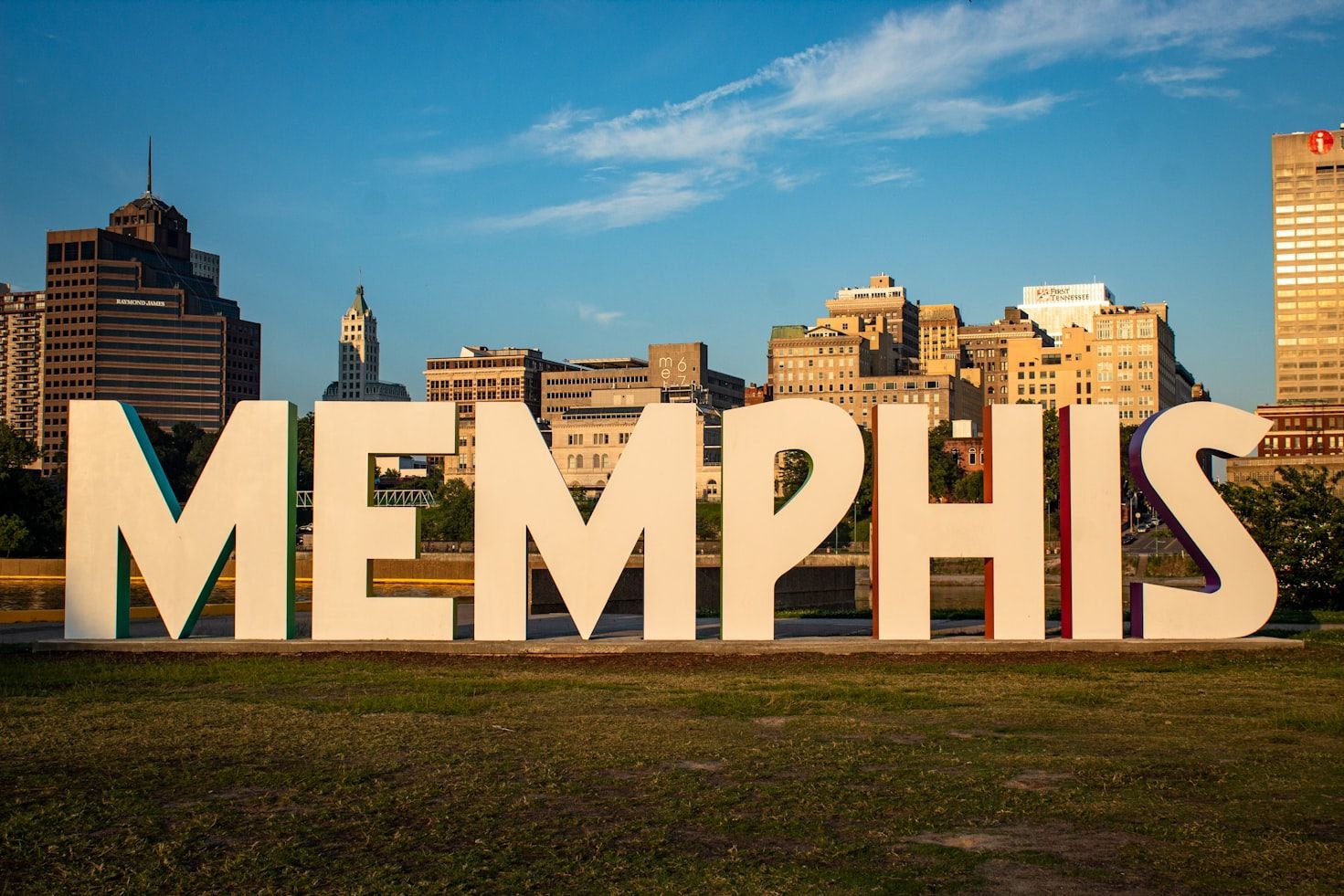
Memphis, Tennessee

Image: Joshua J. Cotten

Located over the Mississippi River, the city of Memphis has been the setting of important historical and political events. But, where did it get its name from? In 1818, the U.S. gained the territory of Western Tennessee after signing the Treaty of Tuscaloosa. The founders of the city, among them future president John Adams, recognized the importance of the river and decided to name the place after another famous city on a river, the Egyptian Memphis.

3

Pekin, Illinois

Image: Rafik Wahba

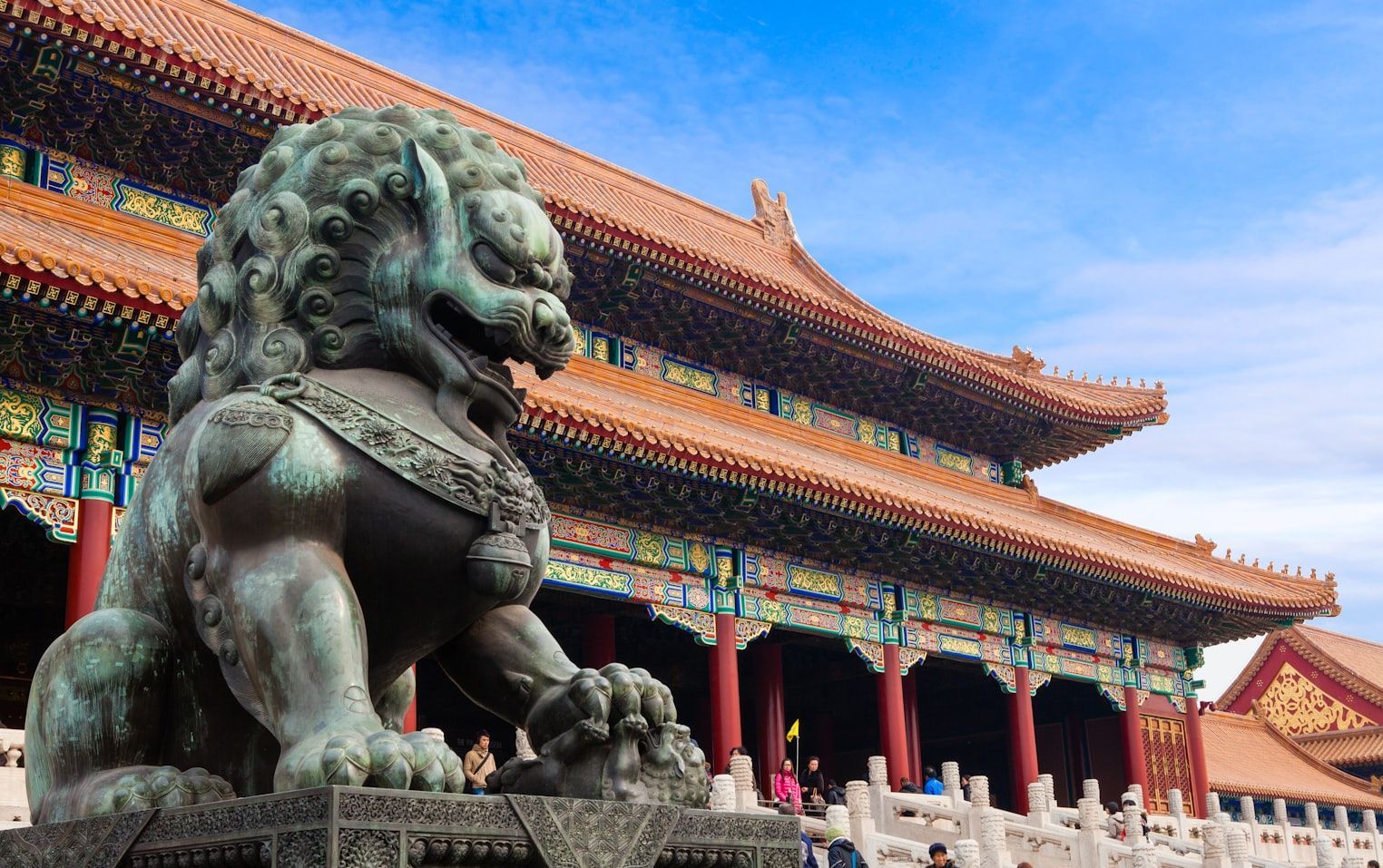
Back in the day, many people believed that China and the U.S. were on opposite sides of the world. One of these people, Mrs. Ann Eliza Cromwell, was tasked with naming the new town her husband had helped to found near the Illinois River. Convinced they were on the antipodes of Peking (what we now call Beijing), she chose the name Pekin.

4

Damascus, Maryland

Image: abd sarakbi

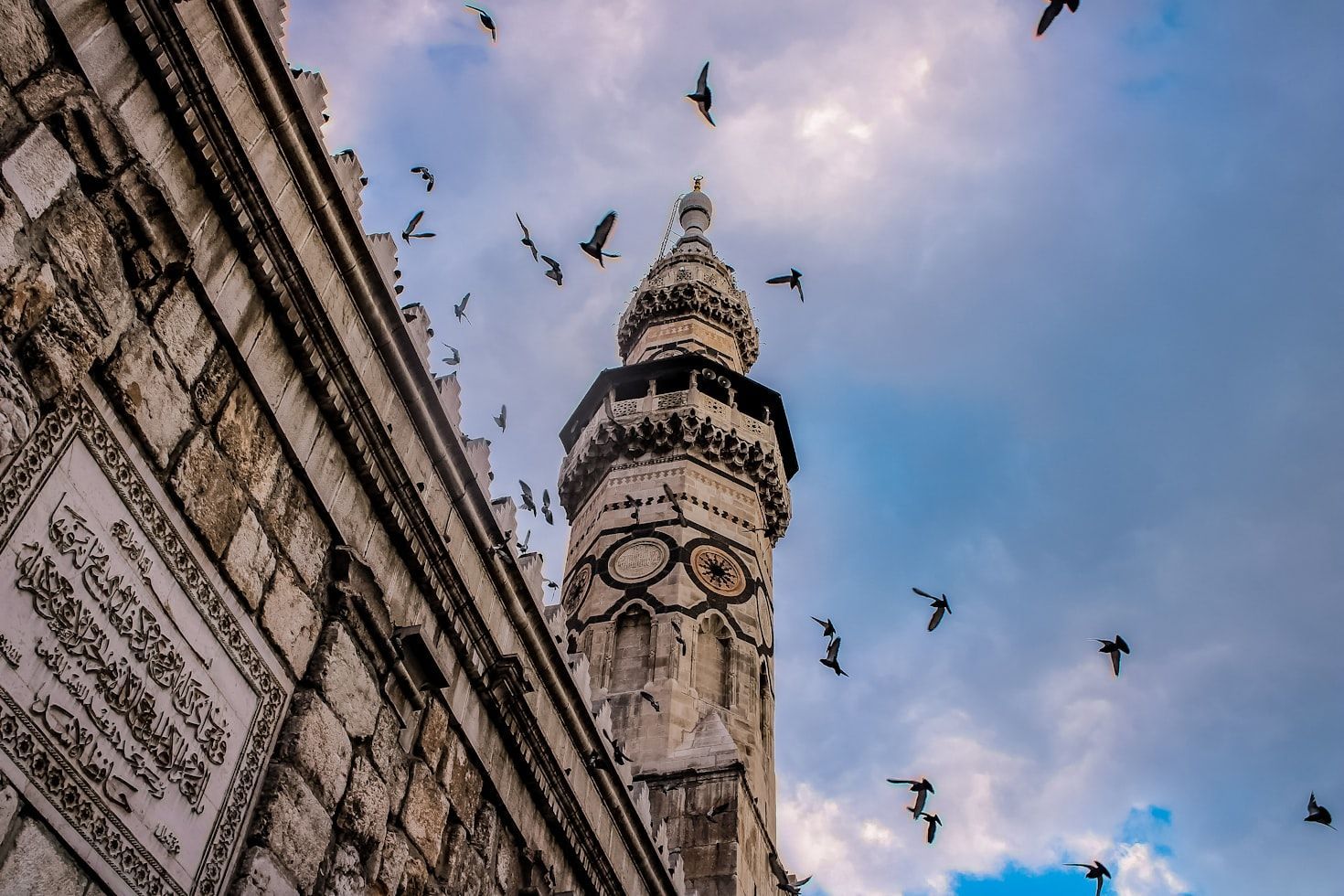
The origin of this name is interesting because we don’t really know the reason behind it. During the 1820s, a man called Edward Hughes bought land in the state of Maryland and divided it for sale. He received Congressional approval for a postal route in a document where the flourishing town was named as The Pleasant Plains of Damascus. While he named it after the Syrian city of Damascus, we don’t know if he had any connections to it or if it was just a biblical reference.

5

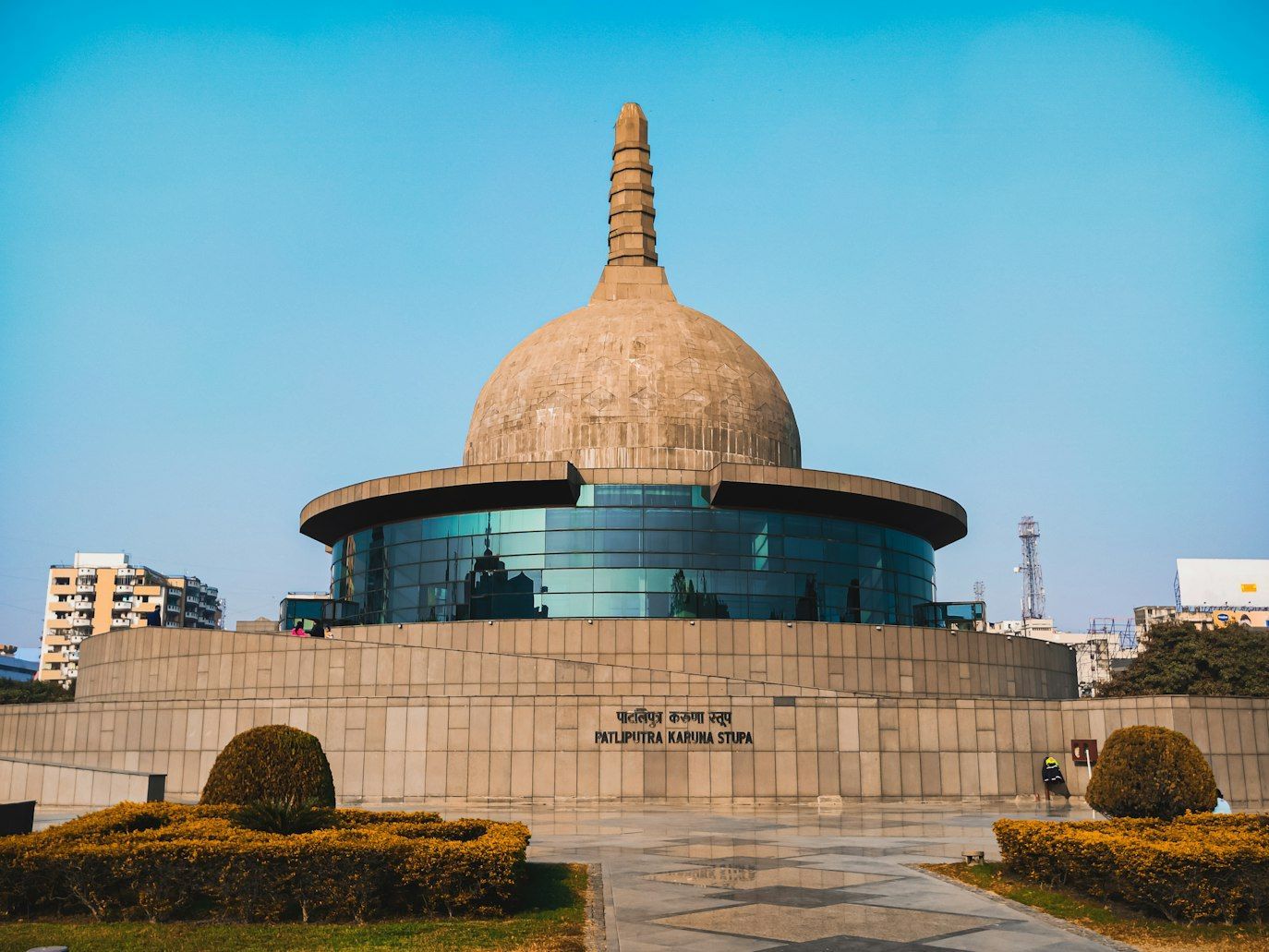
Patna, Scotland

Image: Ravi Prakash

In the early 19th century, Scottish landowner William Fullarton wanted to give coal workers on his estate somewhere to live, and he founded a village for this purpose. The son of an East India Company officer, Fullarton was born in India, in the city of Patna, Bihar, and decided to name the new mining town after his birthplace.

6

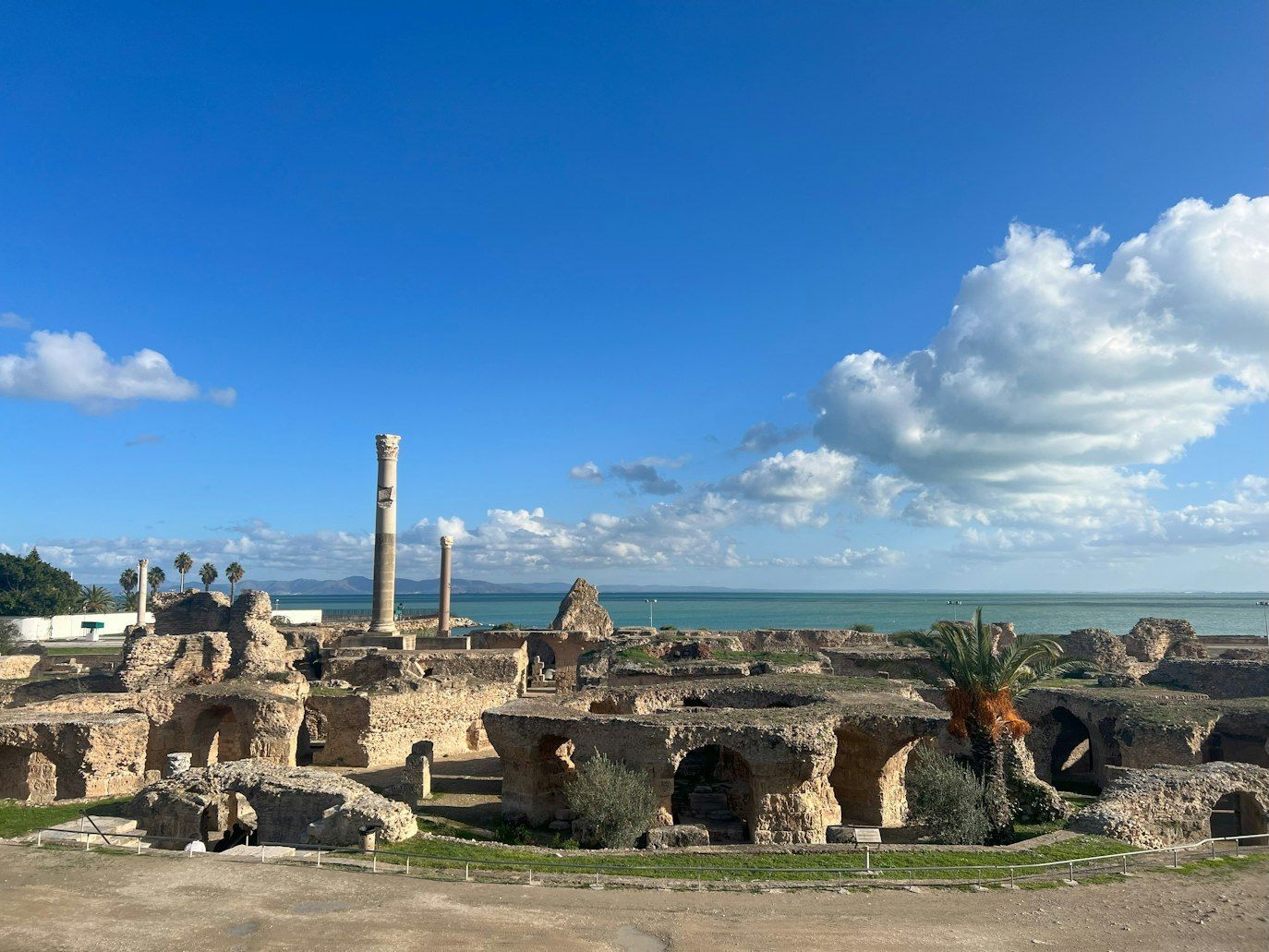
Cartagena, Spain

Image: Martin Casagrand

Many people hear ‘Cartagena’ and think about the Colombian city, named after its Spanish namesake. But Spanish Cartagena is also named after a city. This Mediterranean town was founded by Carthaginian general Hasdrubal with the name of Carthago (after the North African city of the same name). Conquered by the Roman Empire, it was renamed Carthago Nova, or ‘New Carthage’, and, after the Visigoth and Arab rule, its name evolved to Cartagena.

7

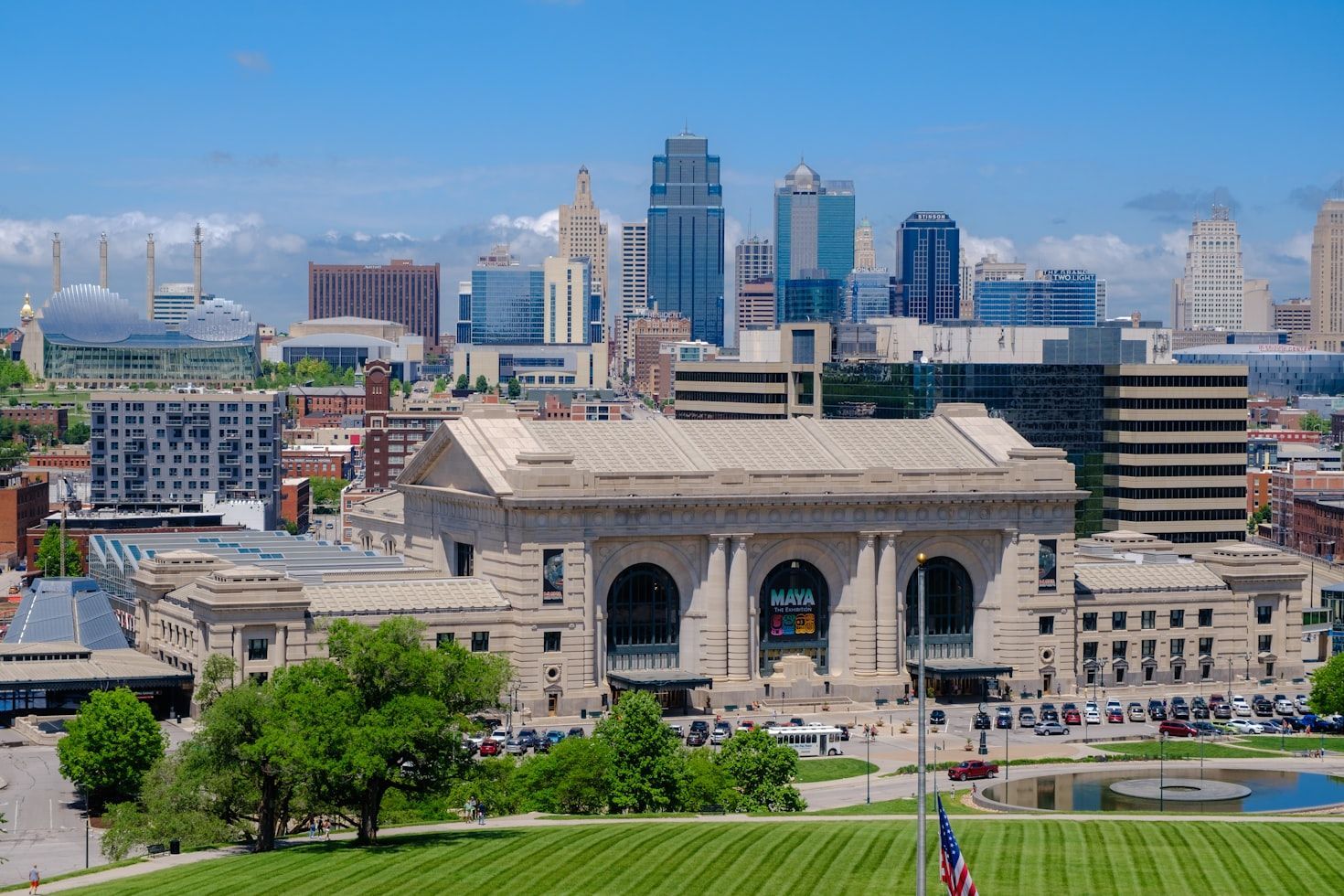
Kansas City, Kansas

Image: Farhodjon Chinberdiev

One would think that a city named Kansas in a state named Kansas would be the first of its name. But the Kansas of Kansas is named after Kansas City, Missouri. Founded in the 1830s, the Missourian Kansas quickly grew thanks to commerce and industry. Over the state line, the people of Kansas state decided to also have a Kansas City, to benefit from the economic growth associated with the name. Now you know: if you have a feeling that you are not in Kansas anymore, you might just be in Missouri.

8

Guadalajara, Mexico

Image: Miguel Alonso

Capital of the state of Jalisco, Guadalajara is one of the most important cities in Mexico. Its name is of Arab origin, and it means ‘valley of the stones’. Established by Spanish conquistadors in the 16th century, it was named by Cristobal de Oñate after his birthplace, Guadalajara City in Spain, a place once under Arab rule.

9

Boston, Massachusetts

Image: Mark Olsen

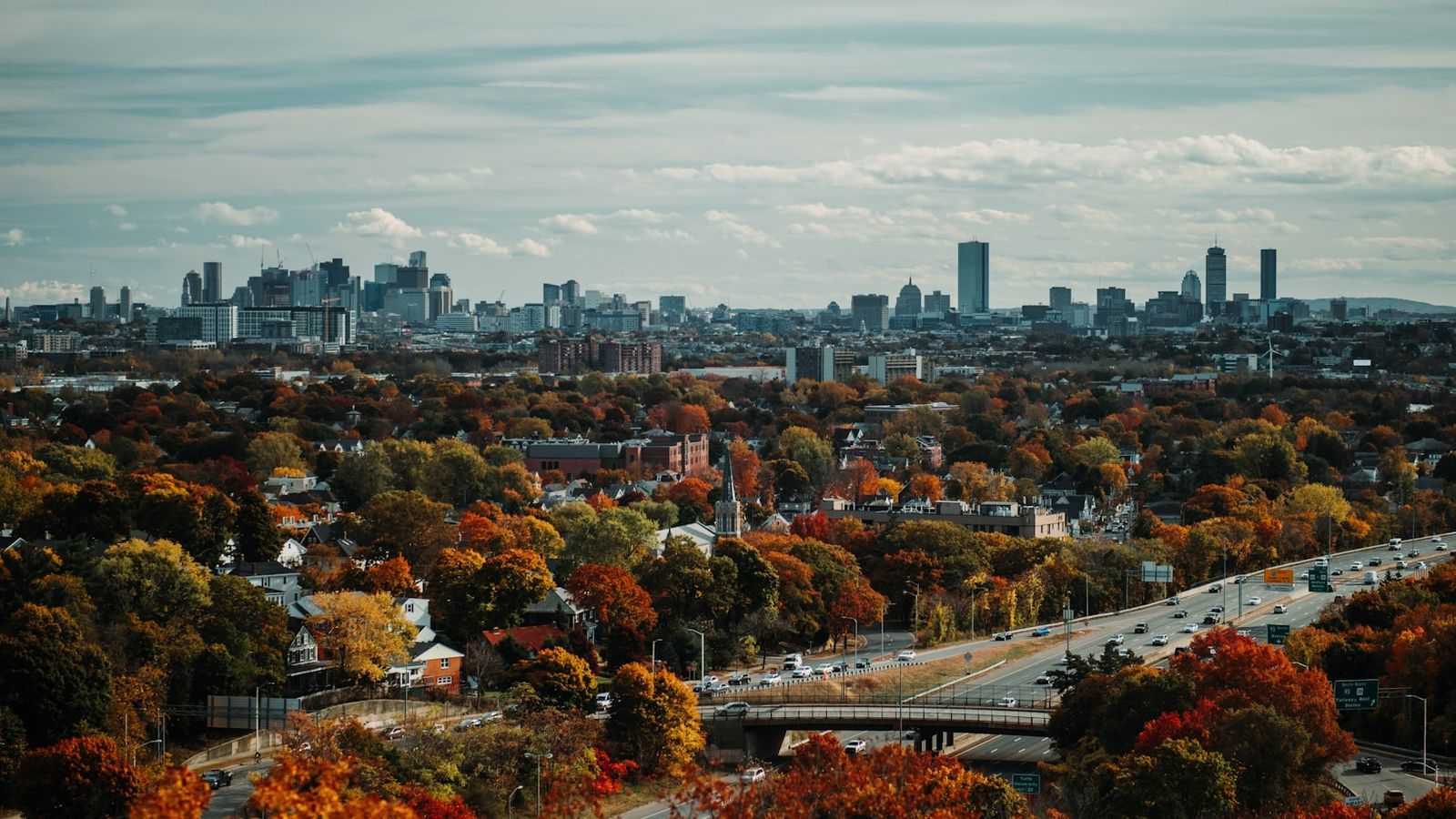
There are at least 16 places in the U.S. named Boston, but only one of them is named after a foreign city. The capital of the state of Massachusetts was established in the 17th Century by Puritan settlers, who took the name from an English port in Lincolnshire. The new Boston was the scene of several key episodes in the American Revolutionary War, and all other Bostons in the U.S. are named after it.

10

Ithaca, New York

Image: Christopher Chan

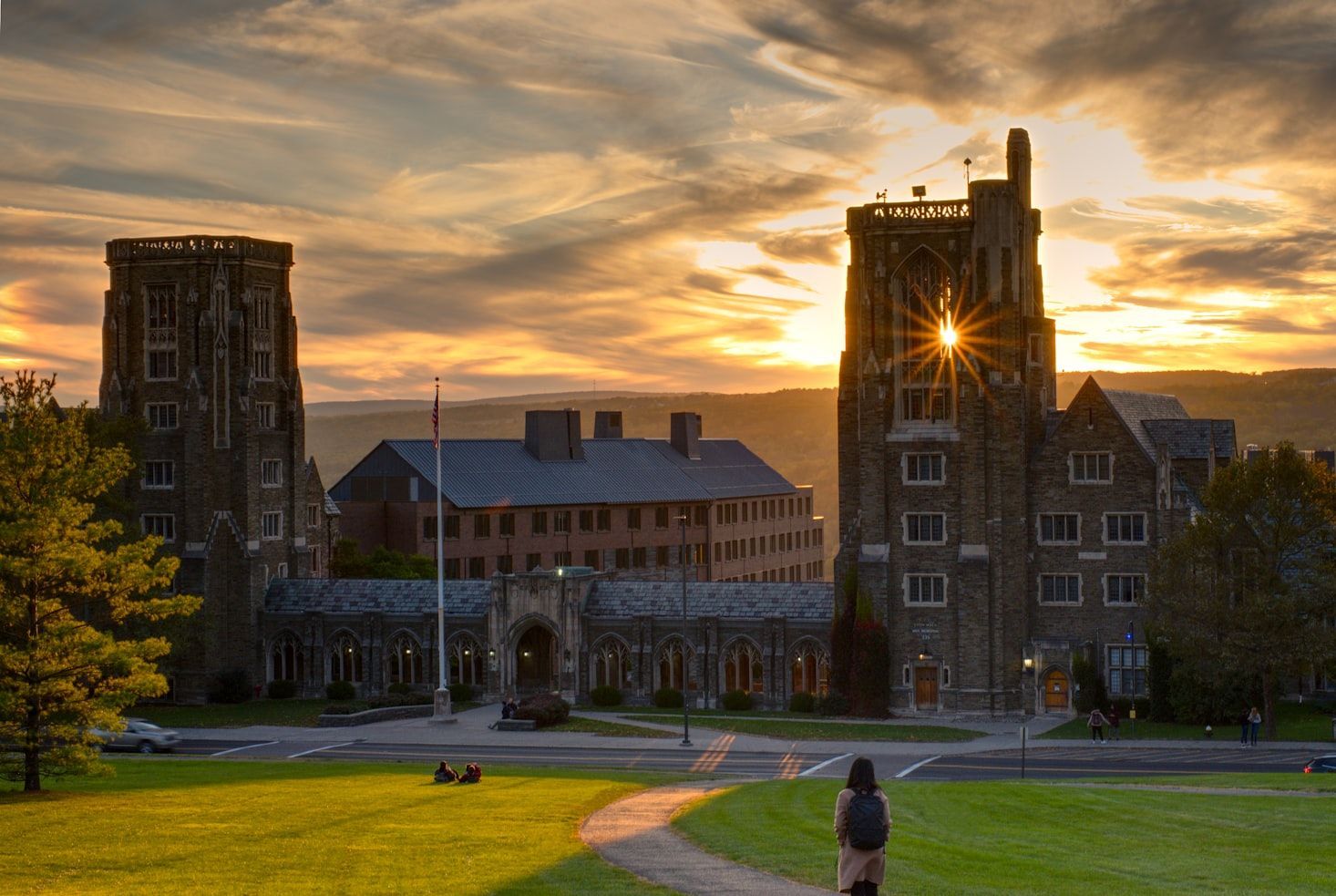
Ithaca is a college town, home to Cornell University. It was founded after the Revolutionary War, on territory gained from the Iroquois, who had helped the British Army during the conflict. The American government granted plots of land as payment to soldiers in the Continental Army, one of them being Moses De Whitt. First settled in the Town of Ulysses, he later relocated to what is now Ithaca and named it after the Greek island that was Ulysses’ home.

We all know who Henry Ford was, but what about Volvo?

What is a Mitsubishi? Discover the origin behind 10 iconic cars’ names


Published on May 2, 2026


Image: Victor Furtuna

Car companies are named after a myriad of things. Starting a new company usually requires individuals with a healthy dose of optimism and self-confidence, which is why it should come as no surprise that many car brands are named after their founders, who were confident people themselves. Other companies are named after ideas, concepts, places, and more. Take a look at the following 10 famous brands and their stories!

1

Mercedes-Benz

Image: Dan Dennis

"Oh Lord, won’t you buy me a Mercedes-Benz," sang Janis Joplin, a testament to the iconic nature of this brand. Most people know that the name is connected to the founder, Karl Benz, and they’re not entirely wrong.

The company we know today started as Benz & Cie., founded by Karl Benz, and Daimler-Motoren-Gesellschaft (DMG). The name Mercedes comes from Mercedes Jellinek, the daughter of Emil Jellinek, who worked with DMG and was an avid racing enthusiast.

2

Cadillac

Image: Sidney Pearce

Not many people know that one of the most iconic American car brands was named after a French explorer. Antoine de la Mothe Cadillac founded the city of Detroit, Michigan.

The brand began in 1902 when Henry Ford’s financial backers renamed the Henry Ford Company to the Cadillac Automobile Company. Cadillac soon became synonymous with luxury and reliability, establishing itself as one of America’s premier luxury car brands.

3

Volkswagen

Image: Erik Mclean

The German brand Volkswagen was founded in 1937. Its name translates to "the people’s car," with Volks meaning "people" and wagen meaning "car," reflecting the idea of an affordable vehicle for the masses.

Today, Volkswagen owns several other brands, including Bentley, Bugatti, and Lamborghini, making it one of the largest car manufacturers in the world.

4

Toyota

Image: Jessica Furtney

Another brand named, at least partially, after a person is Toyota. It comes from the family name of its founder, Sakichi Toyoda. When the company first produced vehicles, it even used a Toyoda emblem. However, in 1936, the name was changed from Toyoda to Toyota.

The name "Toyota" was chosen partly because the "ta" sound is a voiceless consonant in Japanese, which is considered clearer and crisper than the voiced consonant in "Toyoda." Additionally, the name "Toyota" requires eight strokes to write in Japanese katakana, a number considered lucky in Japanese culture.

5

Tesla

Image: Michael Förtsch

What better name for an electric car company than that of a genius inventor closely associated with electricity? Yes, the name Tesla comes from Serbian inventor Nikola Tesla, who was famous for his contributions to the fields of electricity and magnetism.

Tesla Motors was founded by Martin Eberhard and Marc Tarpenning in 2003. Both were avid fans of Nikola Tesla and decided to name their company after the scientist. In February 2004, Elon Musk made a $6.5 million investment in the company, and the rest is history.

6

Audi

Image: Andraz Lazic

What do you do if your name’s already taken? Audi’s founder, August Horch, didn’t want to name the company after his surname because it was already being used in A. Horch & Cie. Motorwagen Werke.

In German, Horch means "listen," so August Horch decided to use the Latin translation of his surname instead: Audi. In the end, it worked out for the better, as the name sounds good.

7

BMW

Image: Tom Muller

Another very famous German brand is BMW, which stands for the more complex name Bayerische Motoren Werke, which translates to "Bavarian Motor Works." The company’s roots lie in aircraft engine manufacturing, originally operating under the name Bayerische Flugzeug-Werke, or "Bavarian Aircraft Works."

In 1917, the company changed its name to Bayerische Motoren Werke, which was later shortened to the famous BMW initialism we know today.

8

FIAT

Image: Pietro De Grandi

FIAT is an acronym for Fabbrica Italiana Automobili Torino, which translates to "Factory Italy Automotive Turin." A slightly more interpretive but meaningful translation is "Italian Automobiles Factory of Turin."

In 1900, the first FIAT factory was indeed opened in Turin, a city in northern Italy known as a center of business and culture, and historically, a political capital. Even today, Turin remains a hub for the production of the latest FIAT models.

9

Mitsubishi

Image: Hudson ziroAU

This is a curious case. Mitsubishi is not the name of a founder, a city, an acronym, or any of those things. Instead, the brand name refers to the company’s three-diamond logo, which has ties to the family crest. "Mitsu" (三) means "three," and "hishi" (菱) means "water chestnut," a term the Japanese use to describe a diamond shape—like the ones that make up the logo. Combined, the two words are pronounced Mitsubishi.

10

Volvo

Image: Mario Amé

The Swedish brand known for the quality and safety of its vehicles is named after the Latin first-person conjugation of the verb volvere, which directly translates to "I roll."

Before manufacturing cars, Volvo produced iron ball bearings (yes, those roll too). These early iron products also influenced the logo we know today for their automotive company, featuring the ancient chemical symbol for iron (a circle with an arrow), which reflects strength and durability.

Looking for an extra scoop of literary fun?

Learn more with our Word of the day

wiseacre

/ˈwaɪzˌeɪkər/