Where exactly are you from?

Did you know that there are 16 Boston cities? Cities with a namesake


Published on May 2, 2026


Image: Michael Discenza

Some would say that naming a city is as important as naming a child, or even more, considering that cities tend to have a longer lifespan. Like with a child, the name is a declaration of intentions, of what is expected or wished for them.

But sometimes children are named after someone else, like a loved one, a relative, or a favorite celebrity. Does this happen to cities as well? In this article, we will explore some cities around the world that have a namesake.

1

Londres, Argentina

Image: Marcin Nowak

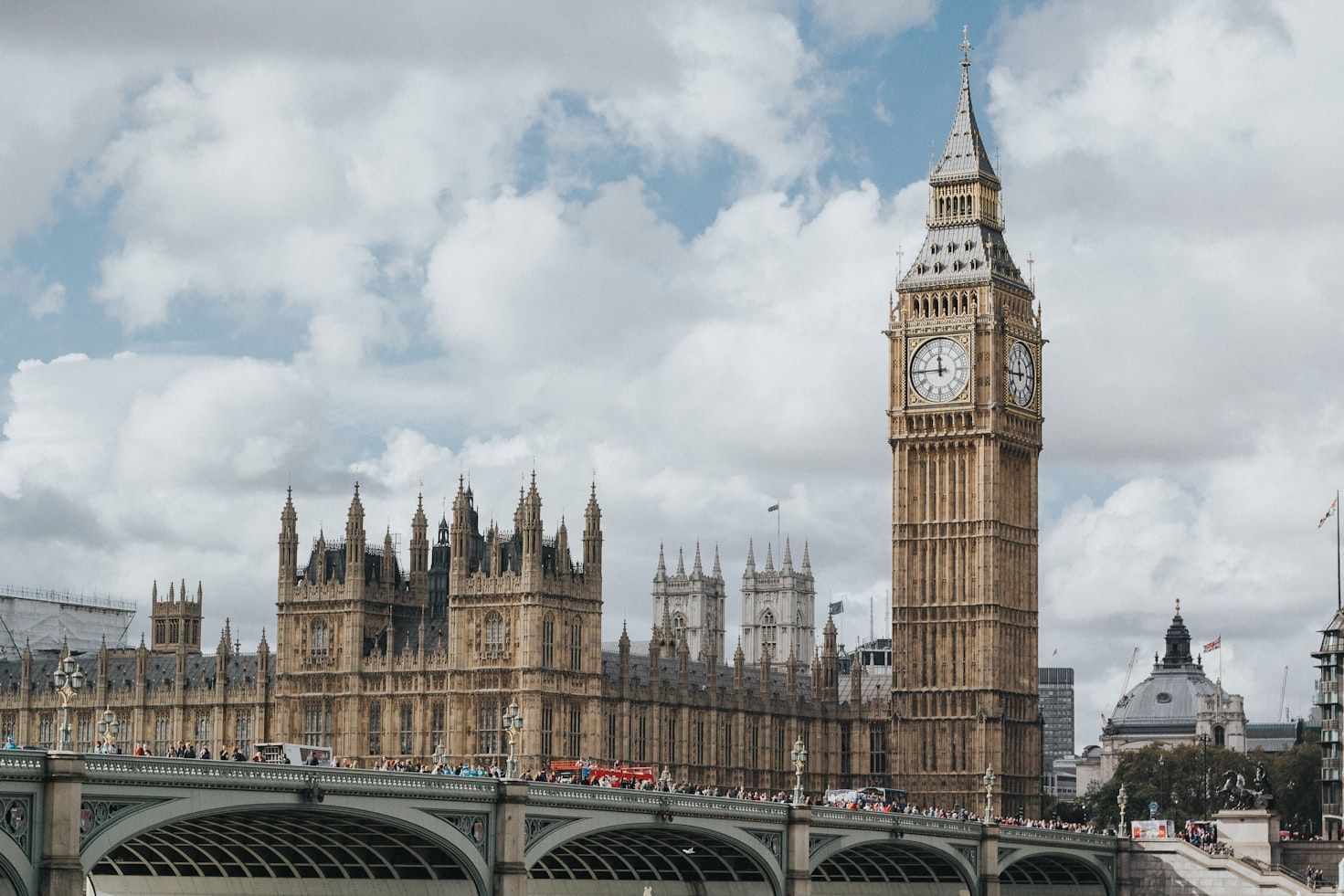
In Spanish, Londres is the name given to the city of London, England, and also to a town in the Argentinian province of Catamarca. This town, the second oldest in the country, owes its name to the marriage of Mary Tudor with Philip of Spain in 1553. The founders of the city, at that time part of the Spanish empire, decided to honor the royal marriage by naming it Londres de la Nueva Inglaterra (London of the New England), though nowadays the name has been shortened to just Londres.

2

Memphis, Tennessee

Image: Joshua J. Cotten

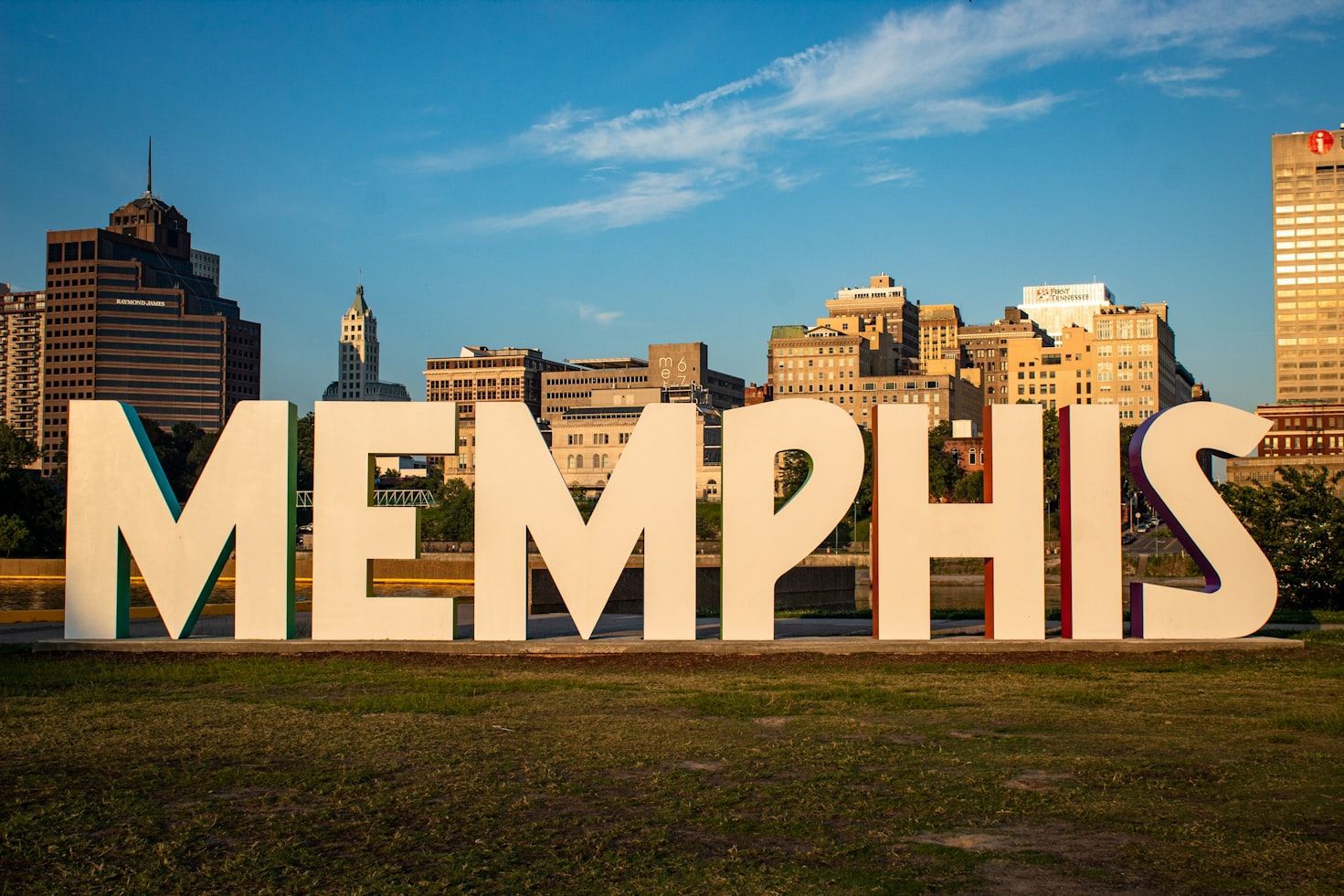
Located over the Mississippi River, the city of Memphis has been the setting of important historical and political events. But, where did it get its name from? In 1818, the U.S. gained the territory of Western Tennessee after signing the Treaty of Tuscaloosa. The founders of the city, among them future president John Adams, recognized the importance of the river and decided to name the place after another famous city on a river, the Egyptian Memphis.

3

Pekin, Illinois

Image: Rafik Wahba

Back in the day, many people believed that China and the U.S. were on opposite sides of the world. One of these people, Mrs. Ann Eliza Cromwell, was tasked with naming the new town her husband had helped to found near the Illinois River. Convinced they were on the antipodes of Peking (what we now call Beijing), she chose the name Pekin.

4

Damascus, Maryland

Image: abd sarakbi

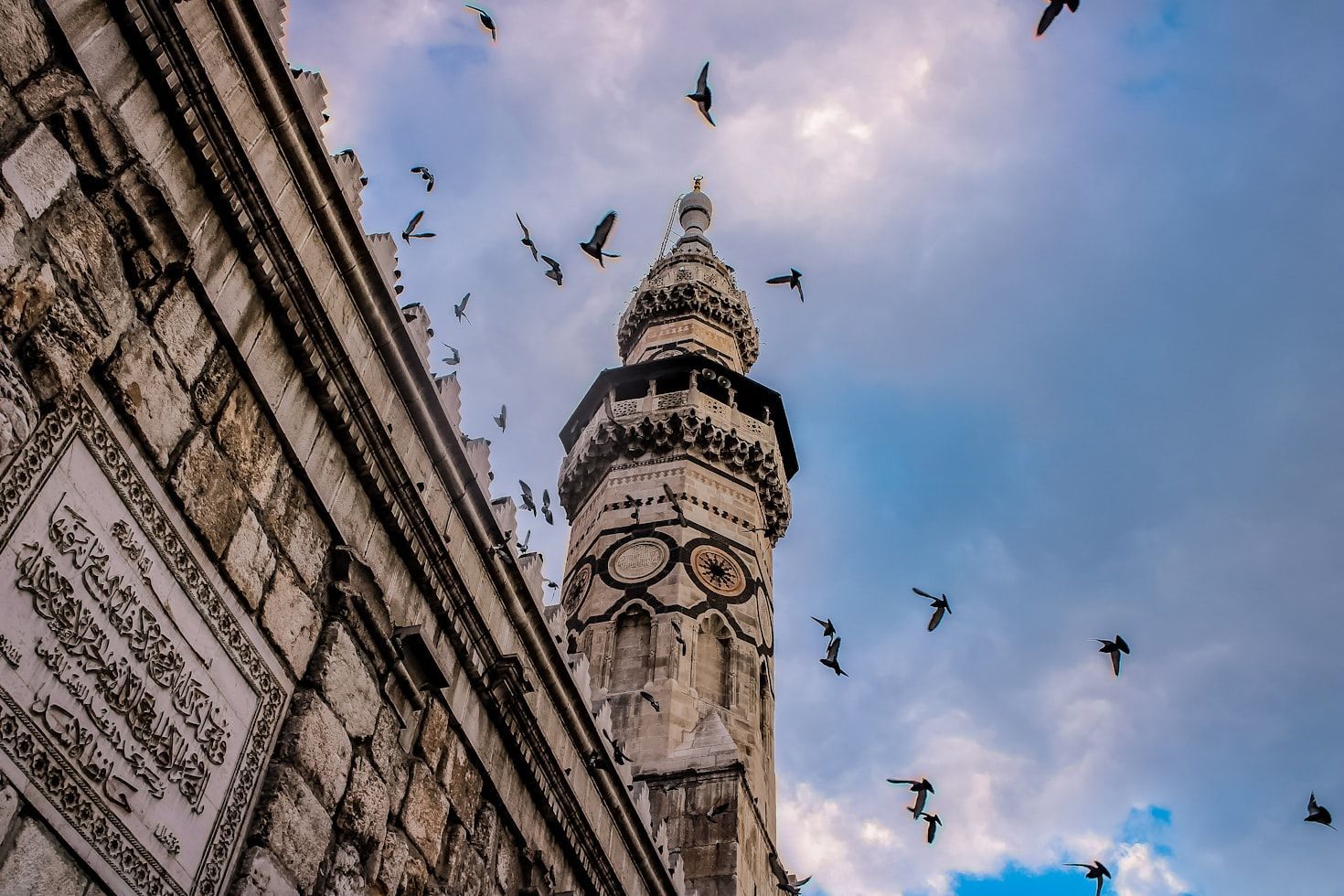
The origin of this name is interesting because we don’t really know the reason behind it. During the 1820s, a man called Edward Hughes bought land in the state of Maryland and divided it for sale. He received Congressional approval for a postal route in a document where the flourishing town was named as The Pleasant Plains of Damascus. While he named it after the Syrian city of Damascus, we don’t know if he had any connections to it or if it was just a biblical reference.

5

Patna, Scotland

Image: Ravi Prakash

In the early 19th century, Scottish landowner William Fullarton wanted to give coal workers on his estate somewhere to live, and he founded a village for this purpose. The son of an East India Company officer, Fullarton was born in India, in the city of Patna, Bihar, and decided to name the new mining town after his birthplace.

6

Cartagena, Spain

Image: Martin Casagrand

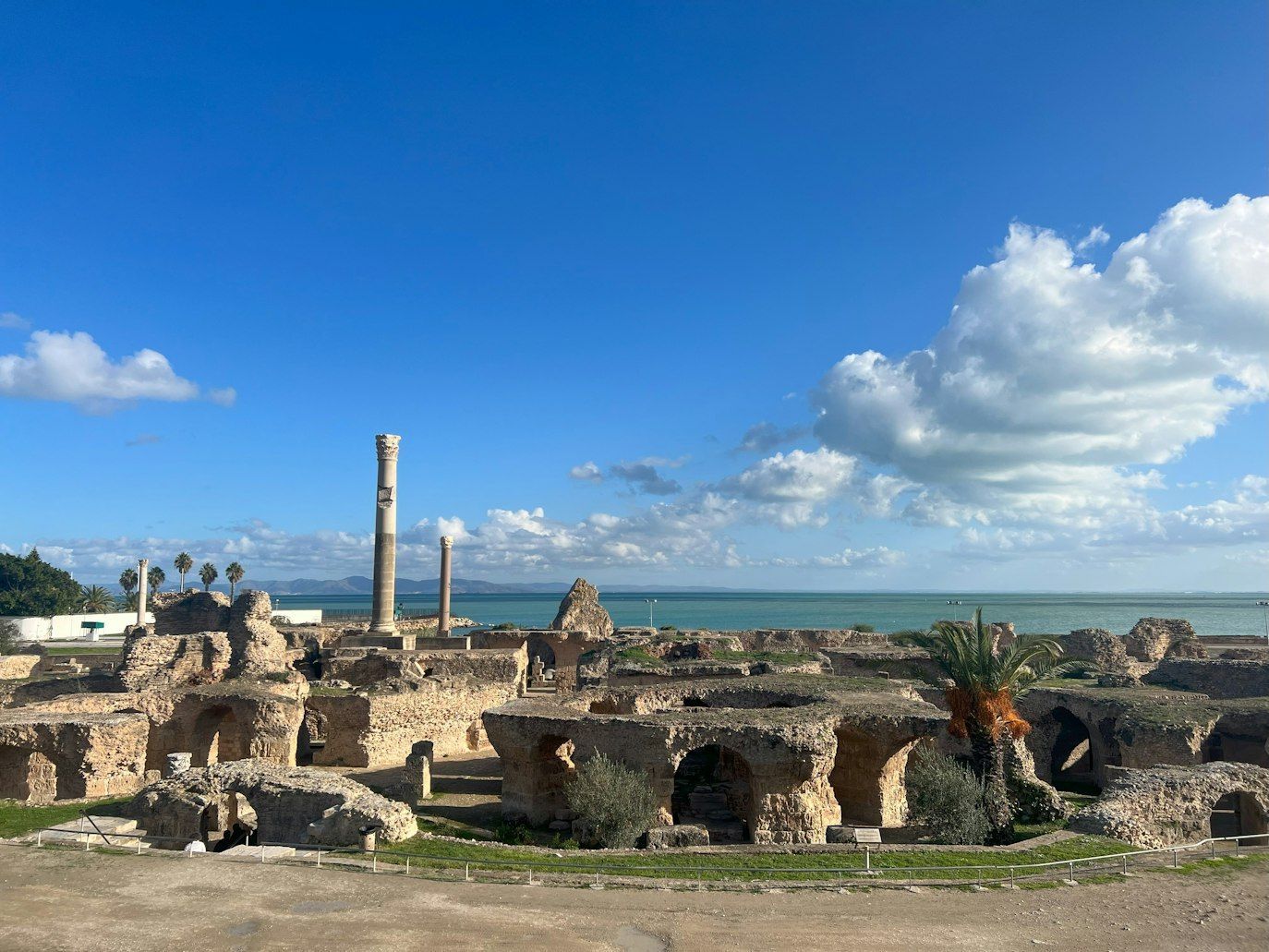
Many people hear ‘Cartagena’ and think about the Colombian city, named after its Spanish namesake. But Spanish Cartagena is also named after a city. This Mediterranean town was founded by Carthaginian general Hasdrubal with the name of Carthago (after the North African city of the same name). Conquered by the Roman Empire, it was renamed Carthago Nova, or ‘New Carthage’, and, after the Visigoth and Arab rule, its name evolved to Cartagena.

7

Kansas City, Kansas

Image: Farhodjon Chinberdiev

One would think that a city named Kansas in a state named Kansas would be the first of its name. But the Kansas of Kansas is named after Kansas City, Missouri. Founded in the 1830s, the Missourian Kansas quickly grew thanks to commerce and industry. Over the state line, the people of Kansas state decided to also have a Kansas City, to benefit from the economic growth associated with the name. Now you know: if you have a feeling that you are not in Kansas anymore, you might just be in Missouri.

8

Guadalajara, Mexico

Image: Miguel Alonso

Capital of the state of Jalisco, Guadalajara is one of the most important cities in Mexico. Its name is of Arab origin, and it means ‘valley of the stones’. Established by Spanish conquistadors in the 16th century, it was named by Cristobal de Oñate after his birthplace, Guadalajara City in Spain, a place once under Arab rule.

9

Boston, Massachusetts

Image: Mark Olsen

There are at least 16 places in the U.S. named Boston, but only one of them is named after a foreign city. The capital of the state of Massachusetts was established in the 17th Century by Puritan settlers, who took the name from an English port in Lincolnshire. The new Boston was the scene of several key episodes in the American Revolutionary War, and all other Bostons in the U.S. are named after it.

10

Ithaca, New York

Image: Christopher Chan

Ithaca is a college town, home to Cornell University. It was founded after the Revolutionary War, on territory gained from the Iroquois, who had helped the British Army during the conflict. The American government granted plots of land as payment to soldiers in the Continental Army, one of them being Moses De Whitt. First settled in the Town of Ulysses, he later relocated to what is now Ithaca and named it after the Greek island that was Ulysses’ home.



Lost in time

Ever felt "crapulous"? Check out 10 beautiful words we no longer use


Published on May 2, 2026


Image: Blaz Photo

Life is always evolving, and because language is a reflection of life, it changes too, sometimes in ways we hardly notice. English is full of beautiful terms that we use every day, but it also holds many other gorgeous words that, unfortunately, we have stopped using over time. Cultural, social, and technological changes shape our vocabulary, causing many words -despite their charm- to fall into disuse. If you want to remember 10 beautiful English words that we don't use much anymore -but definitely should- this article is for you!

1

Murmuration

Image: Rob Curran

Let's start with a word that might test some people's patience. Well, not the word itself, but what it means.

"Murmuration" is a beautiful word in our language that refers to a soft, continuous sound, like the muttering of a crowd: ever-present but with no distinct voice standing out. A bit unsettling, isn't it? But despite its meaning, this word has a lovely, almost poetic sound. Just give it a try and say it out loud!

This noun comes from the Latin verb murmurare ("to murmur"). In English, the term has been used since the 14th century, and while it has fallen into disuse in recent decades, it can still be found in literary or formal contexts.

2

Obambulate

Image: Mitchel Lensink

If you want to sound elegant and sophisticated, this is the perfect word for your next conversation. However, be aware that most people might not be familiar with it, as it hasn't been a part of everyday language for a long time.

"Obambulate" means to walk around or wander without a specific direction or destination. For instance, you might say, "My grandfather enjoyed obambulating through the city streets during the evening hours." Quite fancy, right?

This verb in English comes from the Latin obambulare, which has the same meaning. The Latin word combines the prefix ob- ("around") with ambulare ("to walk").

3

Crapulous

Image: Gary Meulemans

"Crapulous" comes from the Latin crapula, which means "intoxication," and crapulentus, which means "drunk." The word in English has a similar meaning. A very clear example would be: "After the big party last night, the man woke up on the couch feeling crapulous and vowed never to drink again."

The word entered the English language in the 17th and 18th centuries to describe someone suffering from the effects of excessive drinking or eating. Although its use began to decline in the 19th century, this word remains a refined alternative for describing a hangover day. After a fabulous night, a crapulous day probably awaits.

4

Recogitate

Image: Helena Lopes

If a friend is asking you for advice about a situation or decision, it's wise to suggest they take some time to "recogitate" their conclusions before making a move. But what does this verb actually mean?

"Recogitate" means to think again or reconsider something very carefully. It comes from the Latin recogitare, formed from the prefix re- (again) and cogitare (to think). Its most frequent use in English was seen in formal written contexts beginning in the 18th century, but as early as the 19th century, its use began to decline, and the word was replaced by others, such as "reconsider."

5

Solivagant

Image: Luca Baggio

This word is related to one of the other terms we have already mentioned in this list. If "obambulate" is the verb that describes the action of wandering without an apparent destination, "solivagant" is the adjective that represents the person who does it.

"Solivagant" thus describes a solitary wanderer. This beautiful word that carries an air of mystery and introspection comes from the Latin solus ("alone") and vagari ("to wander").

A passage in a book might read, for example, "The author rejoiced in his days as a solivagant, wandering the quiet streets of that remote neighborhood." While this word has largely fallen out of everyday use, it's a good reminder of our language's beauty.

6

Ostentatious

Image: Rutger Lanser

While this word continues to appear in formal and informal contexts, its usage has been declining in recent years.

We are talking about the term "ostentatious," an adjective used to describe someone or something that exhibits extravagance with the intention of impressing. Though often used with a touch of criticism, we can't deny the elegance of this word's form.

The term comes from the Latin ostentare, which means "to show off" or "to display." It entered English around the 17th century and was long used in our language, although recently, it has been replaced by other terms such as "showy."

7

Cacography

Image: Mukund Shyam

This is one of our favorites! The word "cacography" has an interesting meaning and also a great sound.

This beautiful word entered the English language in the 16th century and was used to describe bad handwriting or misspellings. It doesn't come from Latin but from the combination of the Greek words kakos, meaning "bad," and graphein, meaning "to write." As you probably suspected, it can be thought of as the opposite of "calligraphy," which is beautiful or artistic writing.

If you want to use it in a sentence, you might say, "When I was a kid, the teachers often criticized my cacography in school."

8

Contumelious

Image: Afif Ramdhasuma

This is one of those words that sounds beautiful but has a not-so-beautiful meaning.

Here, we have another adjective, "contumelious," used to describe someone who is insolent, rude, disdainful, or arrogant. "Contumelious" (we just can't stop pronouncing it) comes from the Latin word contumelia, meaning "insult" or "abuse." The term entered Middle English around the 14th century, and its usage began to decline in the 19th century.

If you want to sound refined, you can say something like, "I won't tolerate their contumelious attitude, as it is a clear sign of disrespect."

9

Peccable

Image: Jametlene Reskp

Those who struggle to meet their responsibilities, don't respond as well, or have difficulty accepting and following rules might be described with this word.

According to the Merriam-Webster dictionary, "peccable" is an adjective used to describe "someone liable or prone to sin: susceptible to temptation or error." This word in English is derived from the Latin word peccare ("to sin" or "to commit a fault") and the Latin adjective peccabilis ("liable to sin").

Due to the general beliefs of the time, this word was more commonly used during the 17th and 18th centuries, but its usage began to decline in the 19th century.

10

Buss

Image: Jonah Pettrich

No, this word doesn't refer to the big vehicle that carries passengers. It's something a bit different.

Although it's a bit simpler and less melodious than the other words on this list, "buss" still has its own charm. Want to know what it means? "Buss" can be both a noun meaning "a kiss" and a verb meaning "to kiss." Have you ever heard this word or used it in your conversations or letters?

It comes from the Old French word baiser, which also means "to kiss." The Old French term itself comes from the Latin basiāre, which had the same meaning, too.

Looking for an extra scoop of literary fun?

Learn more with our Word of the day

gladiatorial

/ˌɡlædiəˈtɔriəl/