A lesson in good marketing

Did you know that Zipper is a brand and not the name of the product?


Published on December 19, 2025

Image: Jeanson Wong

When thinking about a certain product, we can all point to a brand that is the most known. But sometimes, a brand will be so popular that it will become the generic name of the product. Let’s have a look at 10 brands that have become a synonym for the product’s name.

1

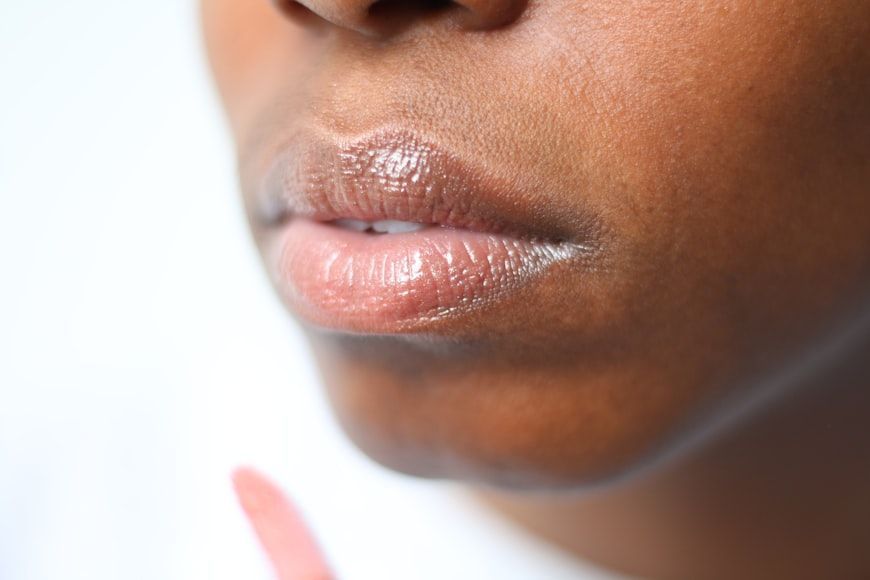
Chapstick

Image: Melissa Di Rocco

A staple in the wintertime, Chapstick is actually a well-known brand of lip balm that has been around since the late 19th Century. With a trajectory that long, it’s no surprise that the name has become synonymous with the product.

2

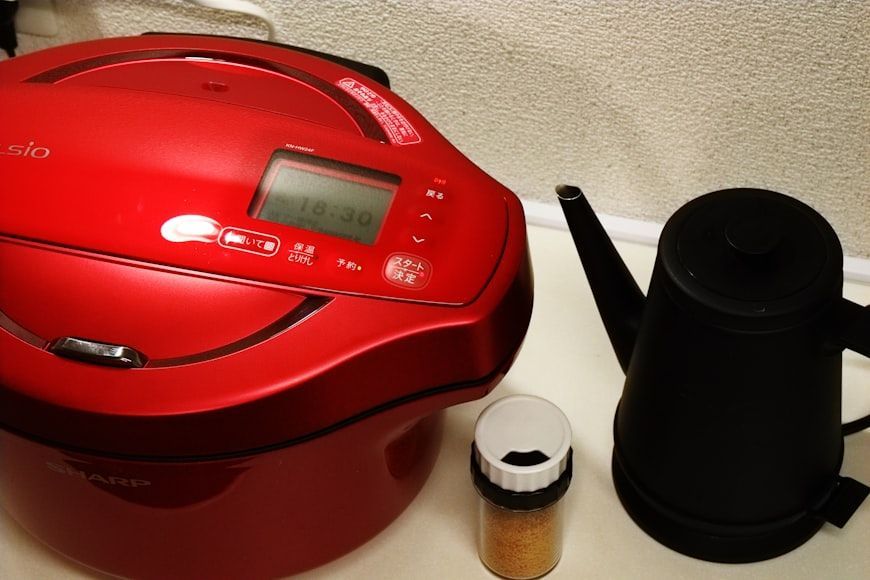
Crock-Pot

Image: Zhisheng Deng

What family has not been saved by a Crock-Pot on a busy day? This appliance lets you cook food at a steady temperature and a slow pace, and its actual name (slow cooker) reflects that. However, the Crock-Pot brand of slow cookers is so popular that it is used as a generic name.

3

Jacuzzi

Image: Zoe Stefanatou

Jacuzzis are a great way to destress after a hectic week and to relieve body pains. However, what we colloquially call ‘a jacuzzi’ is in fact a hot tub (sometimes called a whirlpool tub). The Jacuzzi company not only sells hot tubs, but also products such as mattresses and towels.

4

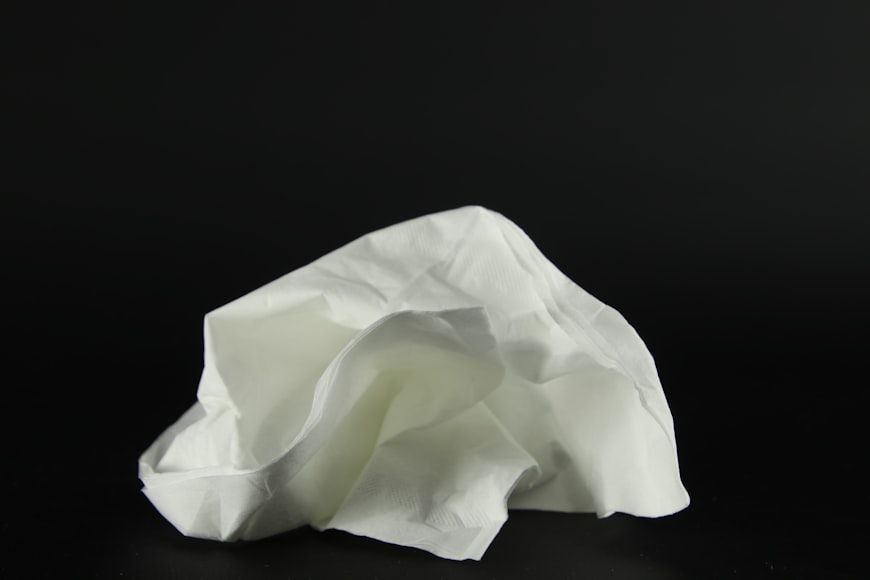
Kleenex

Image: Christopher Bill

You might know this one: kleenex are not really called kleenex, but facial tissues. The Kleenex brand offers a wide range of products, most of them paper-based, with tissues being one of the best-known.

5

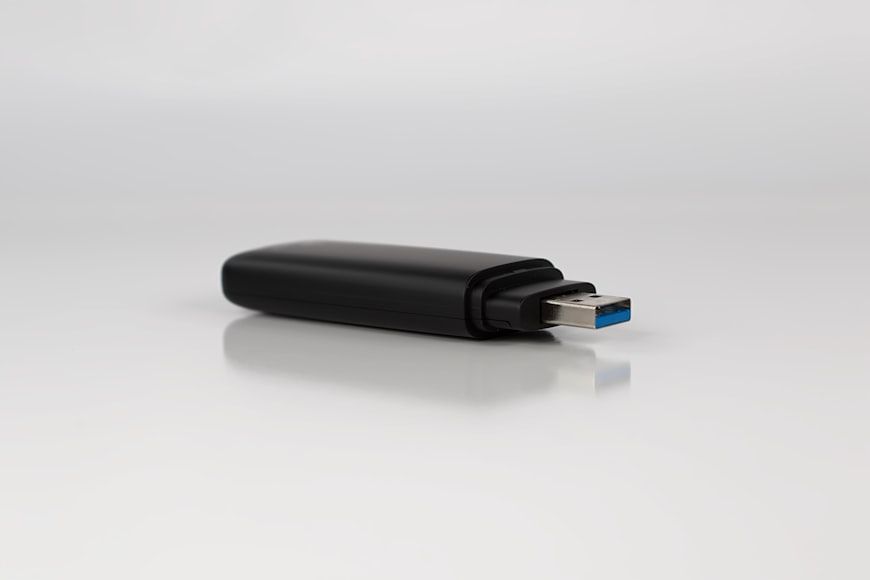
Memory Stick

Image: Barry A

What do you use for transferring archives and data between computers? If you said ‘Memory stick’, you are wrong (unless it's from the brand Sony). The proper generic name for this device is flash memory storage device.

6

Ping Pong

Image: Lisa Keffer

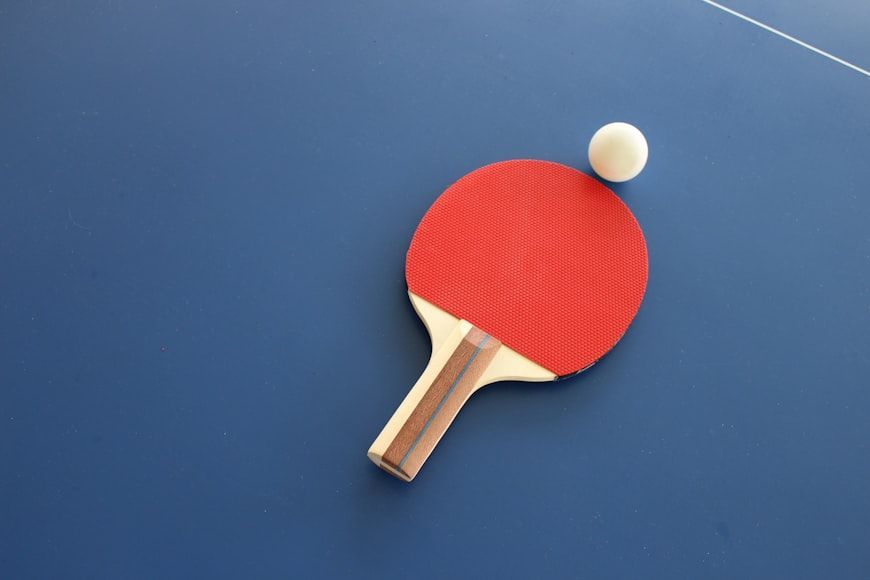
The name ‘ping pong’ is so common that we sometimes forget that the sport’s actual name is table tennis. Ping Pong is a trademarked name, nearly a hundred years old.

7

Scotch Tape

Image: Jo Szczepanska

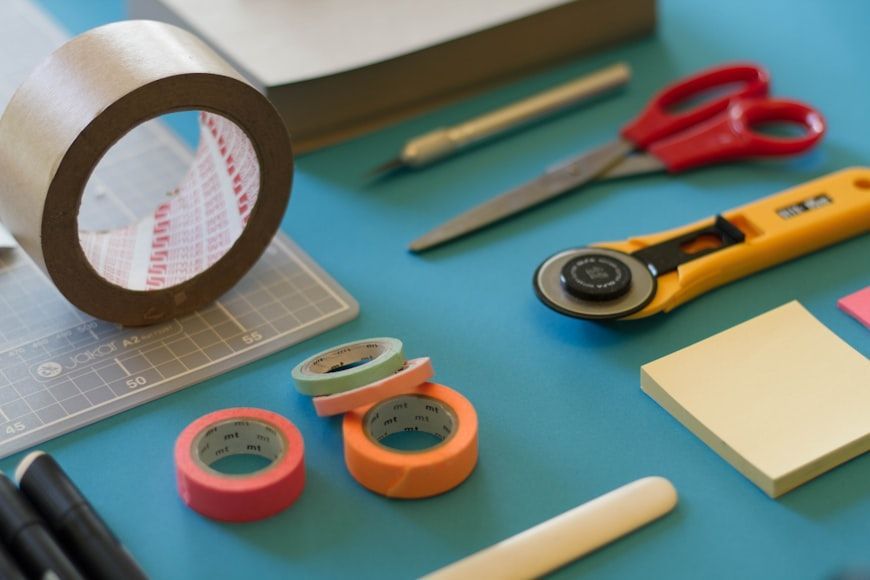
The use of ‘scotch tape’ as a generic name is so widespread that it even appears in some dictionaries. However, its correct name is clear adhesive tape, which sometimes is from the Scotch Tape brand.

8

Tupperware

Image: S'well

The prized possession of many mothers around the world, the Tupperware brand is one of the best-known when it comes to kitchen products. Its containers are particularly famous, and the brand name is often used for any plastic container.

9

Zipper

Image: Marcus Urbenz

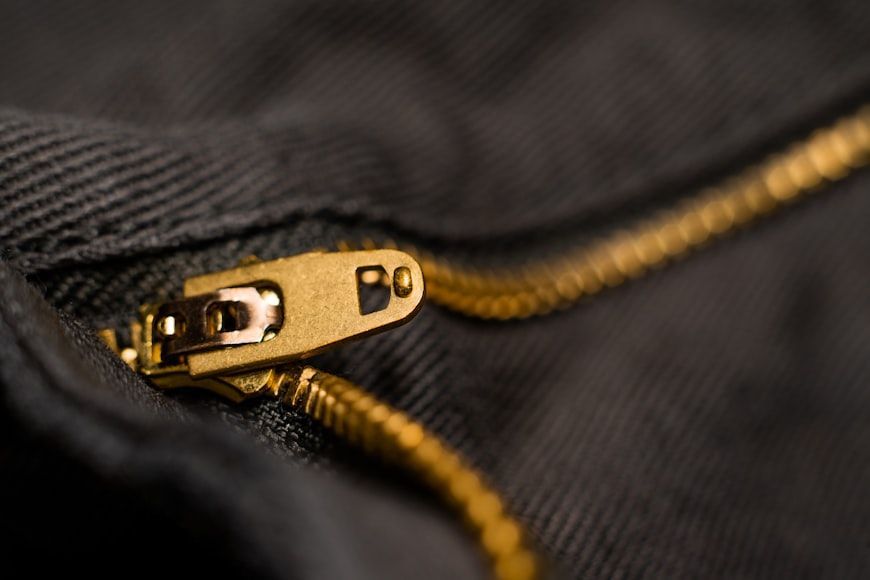
No one can argue that the word zipper is part of the common lexicon and it’s used in a generic sense. But the word has been trademarked by the Universal Fastener Company since 1917. Similar products from different brands should be called ‘separable fasteners’.

10

Frisbee

Image: C MA

The use of this word as generic involves a legal battle between Wham-O (the original trademark owner) and another toy company that argued that the word ‘frisbee’ had been incorporated into the common language as generic. The court ruled in favor of the original company, so off-brand frisbees are still legally called flying disks.
Identity crisis

How Siam became Thailand and 9 other countries that chose to rebrand


Published on December 19, 2025


Image: pure julia

Countries rename themselves for many reasons—shedding colonial pasts, embracing local languages, or settling political disputes. Some changes are subtle, others dramatic, but each reflects deep historical, cultural, or geopolitical shifts. Here are 10 times a nation decided to swap out its old name for a new identity.

1

Burma to Myanmar

Image: Yves Alarie

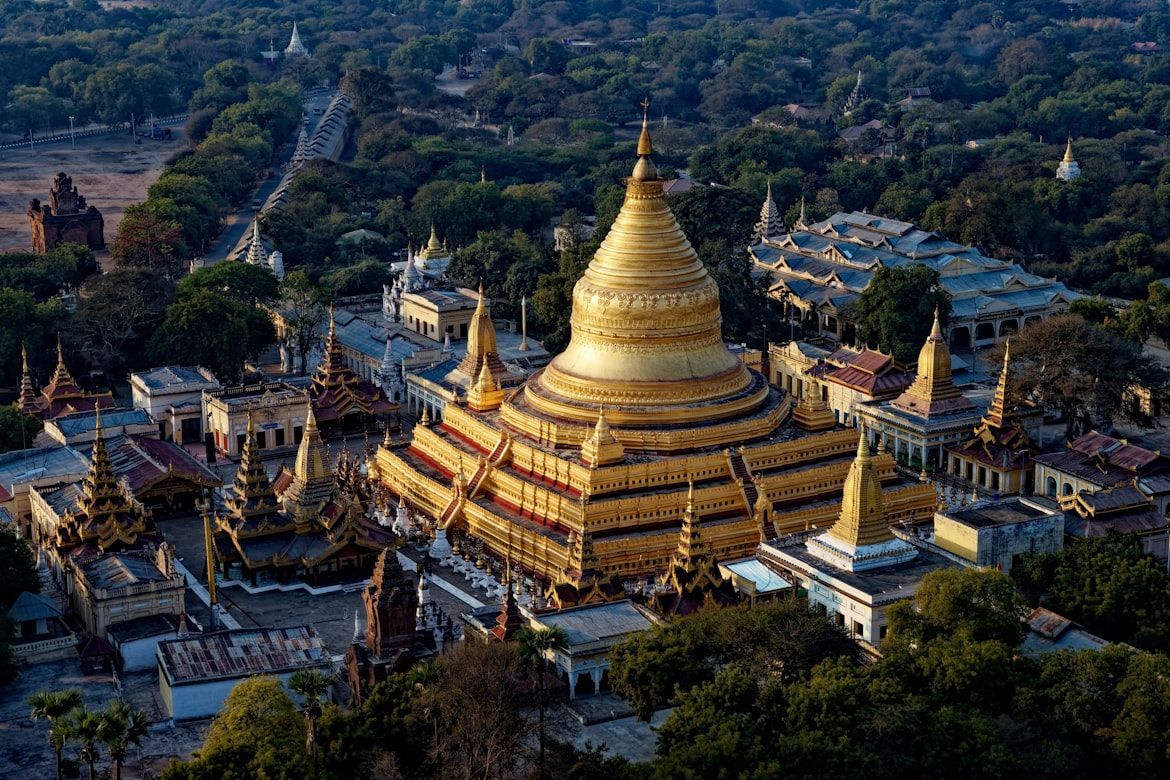
In 1989, the ruling military junta of the country changed "Burma" to "Myanmar" to reflect what it said was a more inclusive, indigenous identity. The name "Burma" was strongly associated with British colonialism and the dominant Bamar ethnic group.

The UN and many countries recognized the change, but some, like the U.S. and UK, resisted for years as a political stance against the unelected military regime behind the change.

2

Swaziland to Eswatini

Image: S'mile Vilakati

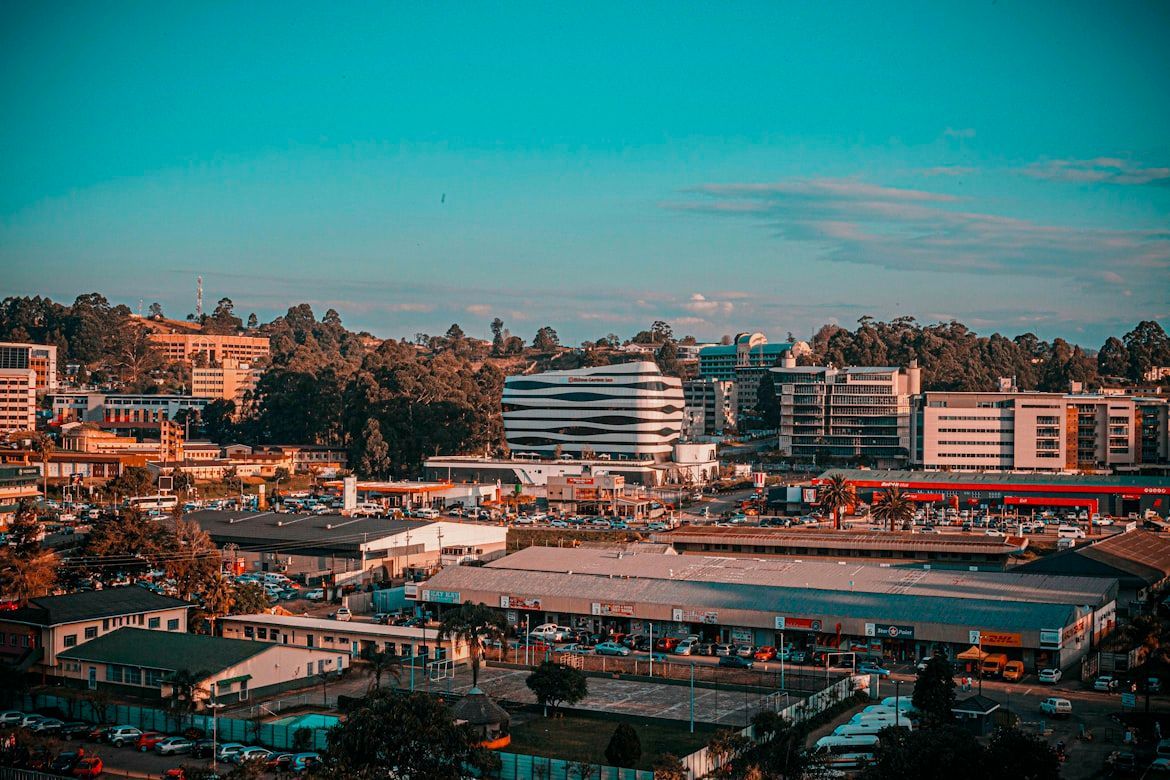
In 2018, King Mswati III declared that Swaziland would become Eswatini, meaning "land of the Swazis" in the local language. He announced the change during the country’s 50th independence anniversary.

The king cited confusion with Switzerland and a desire to break with colonial-era names as reasons. Also, the new name had already been in unofficial use for years during local events.

3

Ceylon to Sri Lanka

Image: Hendrik Cornelissen

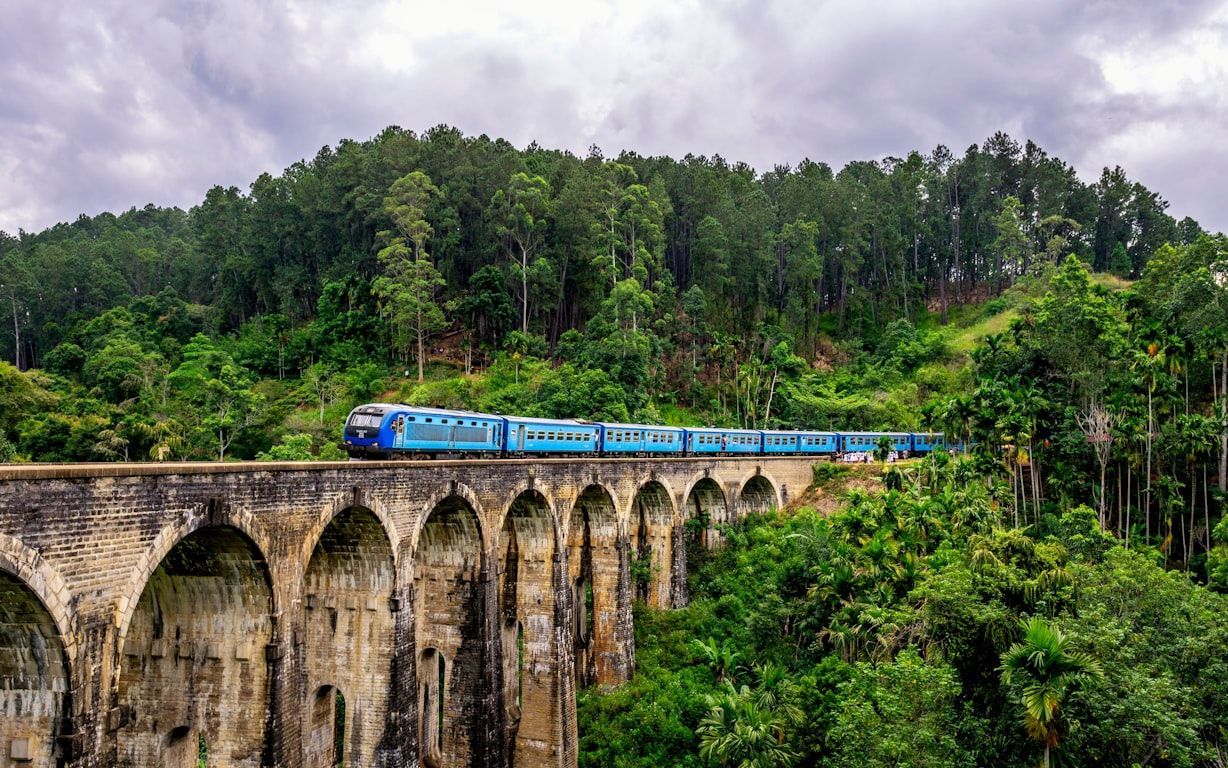
In 1972, the island nation officially changed its name from Ceylon to Sri Lanka after becoming a republic. "Sri Lanka" derives from Sanskrit, meaning "resplendent island."

The name "Ceylon" was tied to Portuguese, Dutch, and British colonial rule. However, some companies (like Ceylon Tea) still use the old name as a global brand.

4

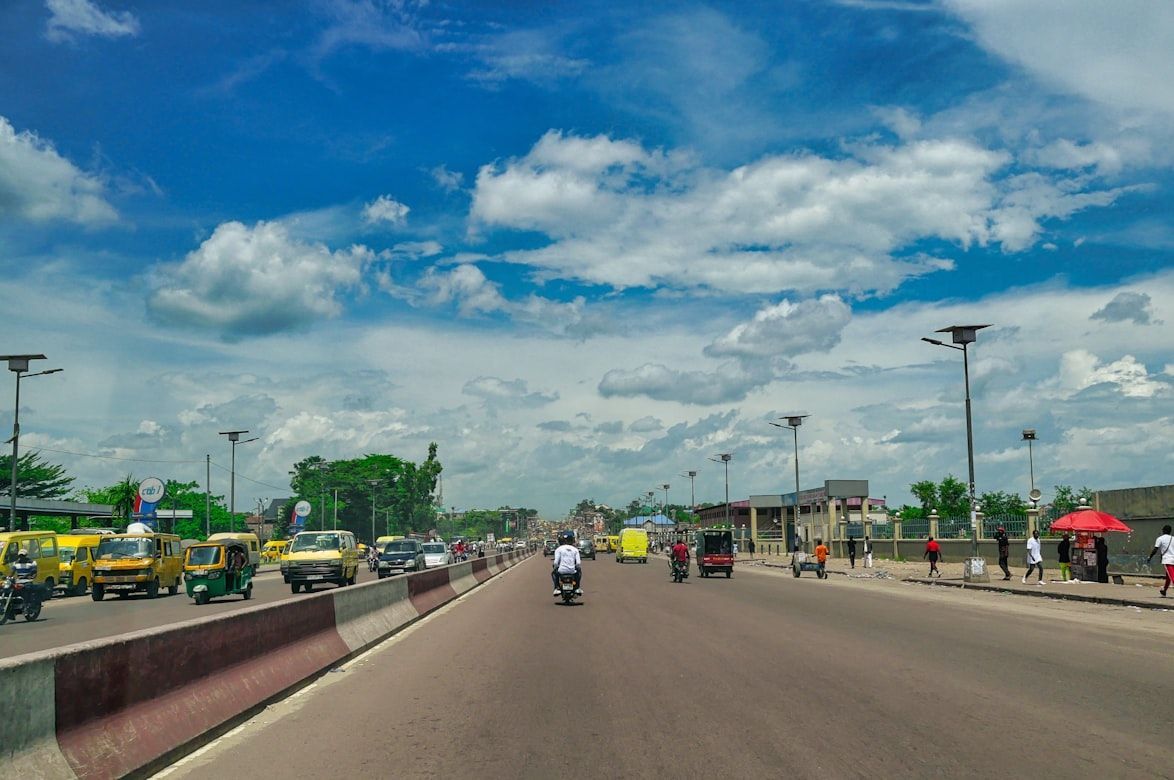
Zaire to Democratic Republic of the Congo

Image: Kaysha

In 1997, after the dictatorial regime of Mobutu Sese Seko was overthrown, Zaire reverted to its pre-1971 name: the Democratic Republic of the Congo.

"Zaire" had been Mobutu’s attempt to Africanize the nation, but reverting to the original name also caused its own problems, since its neighbor is also named the Republic of the Congo, leading to some confusion for both locals and tourists.

5

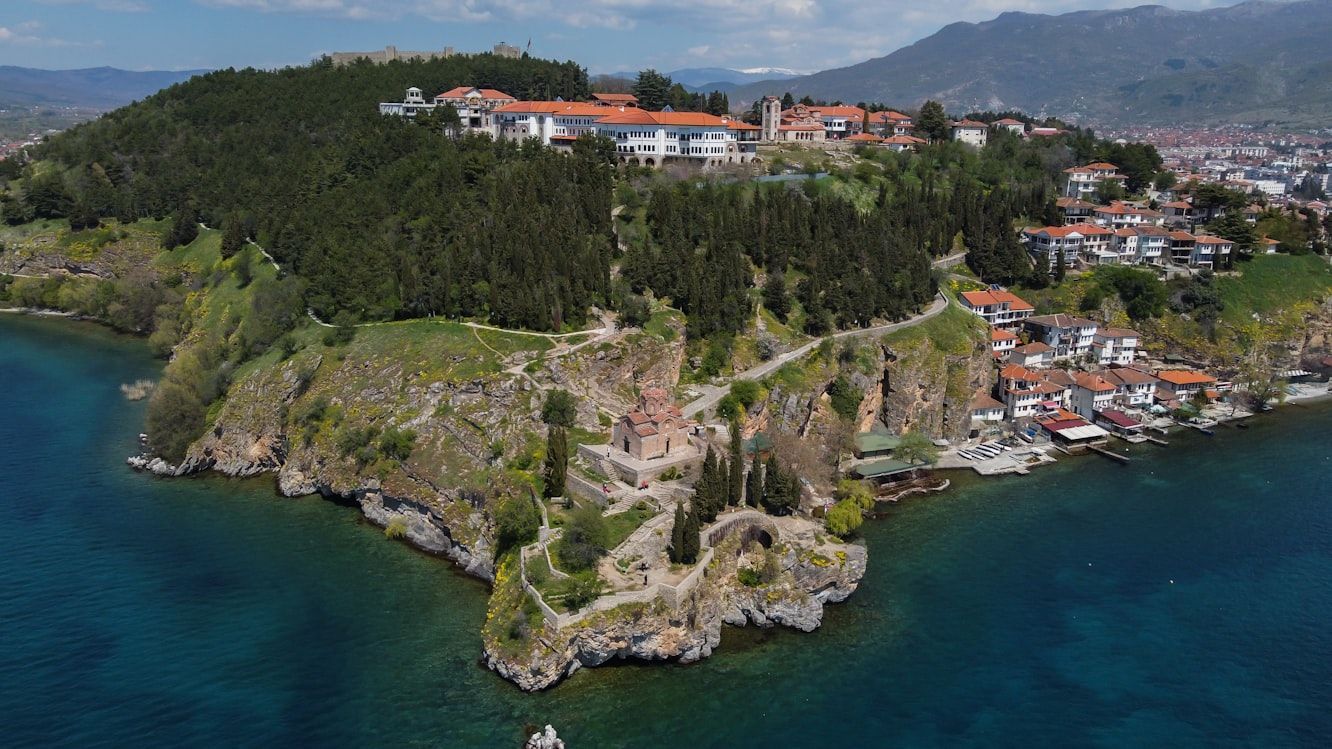
Macedonia to North Macedonia

Image: Ljupco Dzambazovski

After years of dispute with Greece over the name "Macedonia," the country officially became North Macedonia in 2019. Greece claimed "Macedonia" implied a territorial claim over its northern region of the same name.

The compromise unblocked North Macedonia’s path to NATO and EU talks. Though controversial domestically, the change ended a decades-long diplomatic standoff.

6

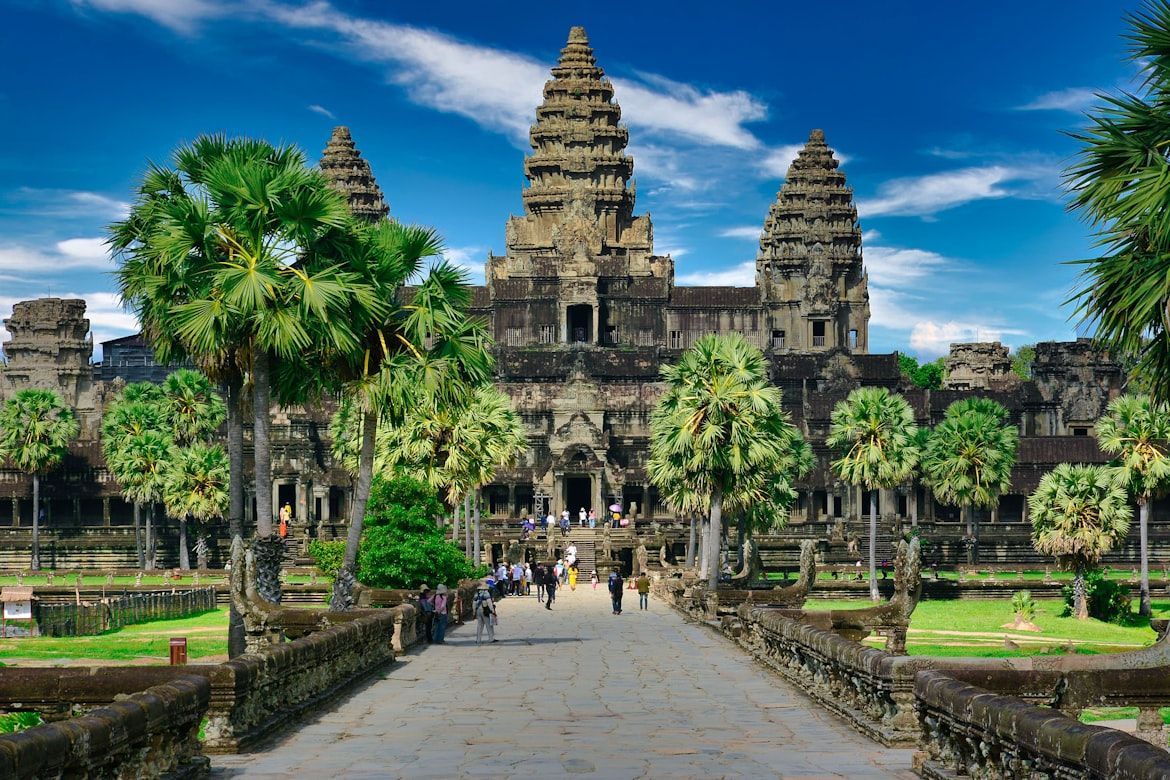
Kampuchea to Cambodia

Image: allPhoto Bangkok

Under the Khmer Rouge regime, the country was known as Democratic Kampuchea. After the regime’s fall in 1979, the name gradually returned to "Cambodia," the anglicized form of the original name.

By 1993, with the monarchy restored and a new constitution, "Kingdom of Cambodia" became official. "Kampuchea" is still used in the Khmer language, but not internationally.

7

Upper Volta to Burkina Faso

Image: Road Ahead

In 1984, revolutionary leader Thomas Sankara renamed Upper Volta to Burkina Faso, meaning "Land of Incorruptible People" in local languages. The old name referred to river tributaries of the region.

Sankara saw the change as a break from colonial legacy and a tribute to national dignity. The people became known as Burkinabé, a new term coined to reflect unity.

8

Holland to the Netherlands

Image: Azhar J

This was more a rebranding than a true name change. "The Netherlands" has always been the country’s official name, whereas "Holland" refers only to two provinces. In 2020, the Dutch government stopped using "Holland" in international marketing to avoid confusion.

The change was part of a tourism and trade branding overhaul, with major events like Eurovision and the Olympics adopting "Netherlands" exclusively in their materials.

9

Siam to Thailand

Image: Mathew Schwartz

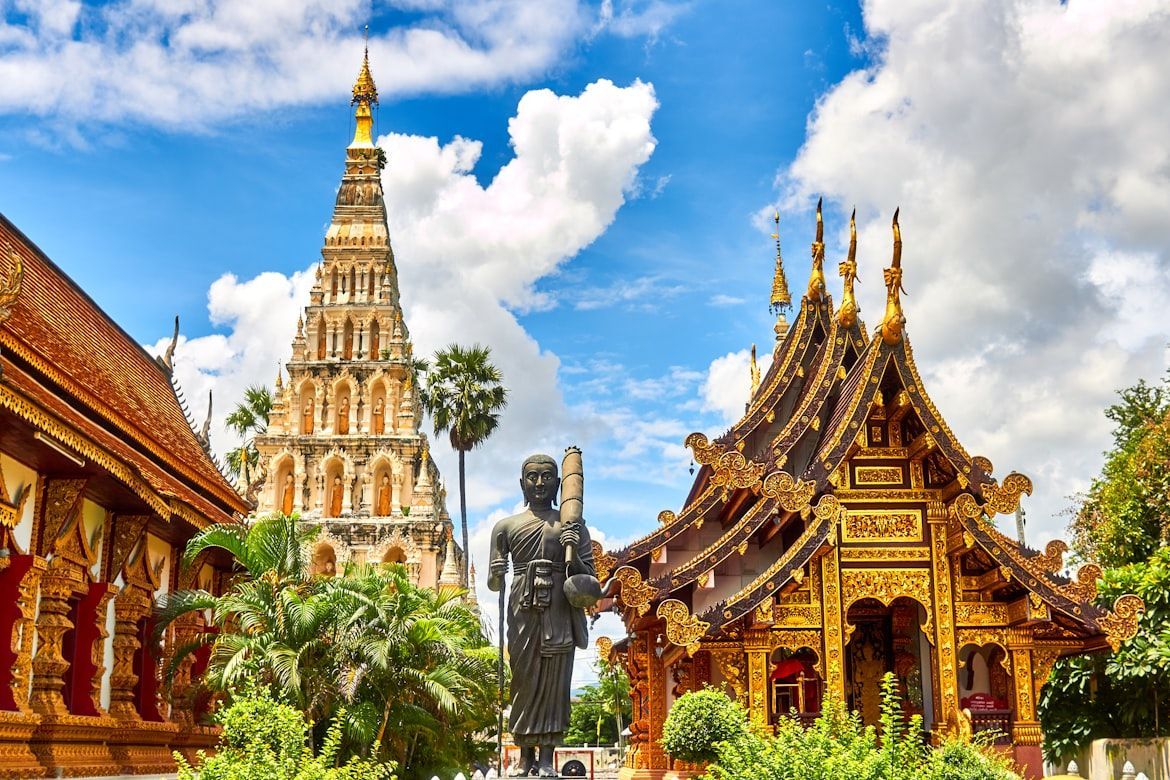
In 1939, and again officially after WWII in 1949, the country dropped the name Siam to become Thailand, meaning "land of the free."

The change was mainly driven by a nationalist movement that sought to unify the country under a more inclusive Thai identity. While the name "Siam" carried some specific cultural connotations, the name "Thailand" emphasized sovereignty and the ethnic majority’s rule.

10

Rhodesia to Zimbabwe

Image: Chloe Evans

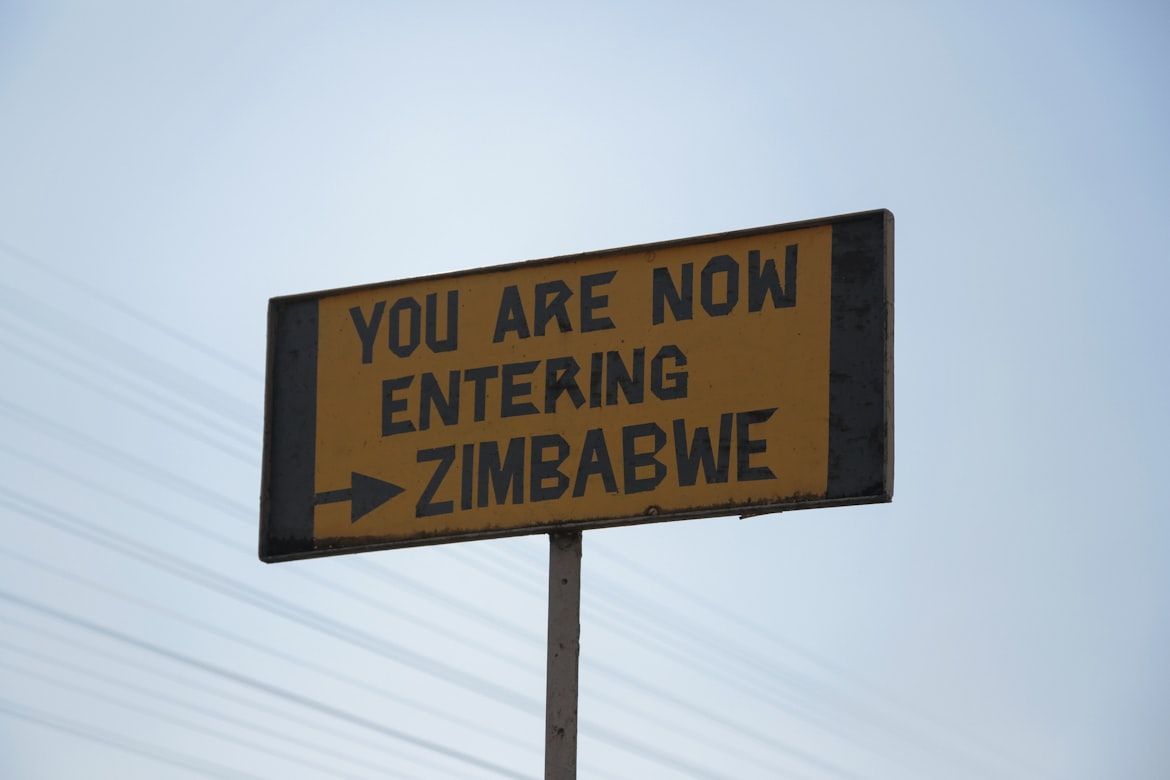
In 1980, the unrecognized white minority government of Rhodesia was replaced, and the country became Zimbabwe, derived from "Great Zimbabwe," an ancient city of the region.

The old name honored British imperialist Cecil Rhodes. The new one reclaimed African history and identity after years of brutal conflict.

Looking for an extra scoop of literary fun?

Learn more with our Word of the day

flaw

/flɔ/