A lesson in good marketing

Did you know that Zipper is a brand and not the name of the product?


Published on December 19, 2025

Credit: Jeanson Wong

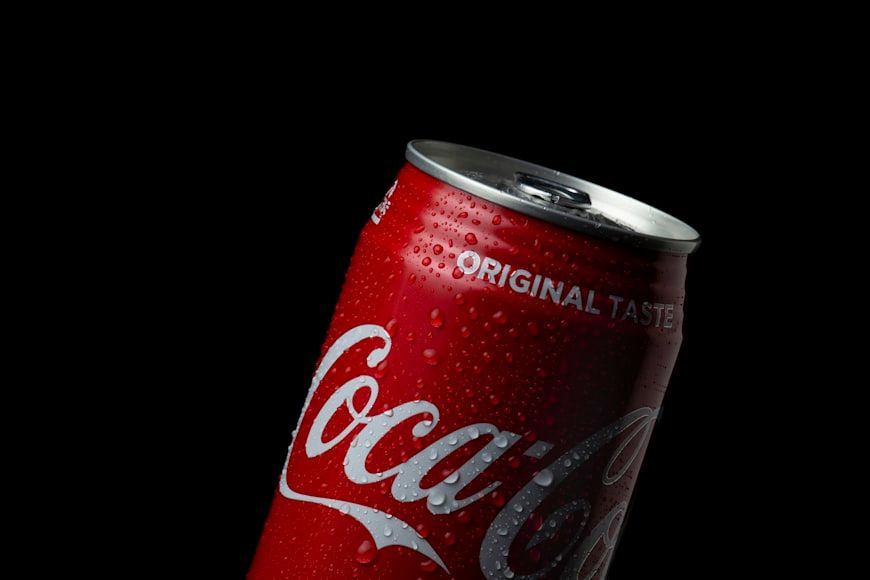
When thinking about a certain product, we can all point to a brand that is the most known. But sometimes, a brand will be so popular that it will become the generic name of the product. Let’s have a look at 10 brands that have become a synonym for the product’s name.

Chapstick
Credit: Melissa Di Rocco

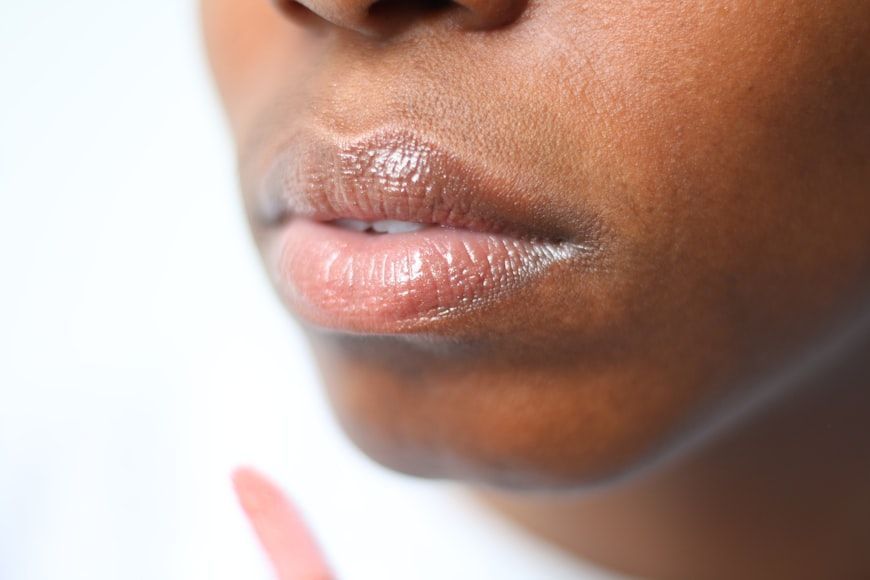
A staple in the wintertime, Chapstick is actually a well-known brand of lip balm that has been around since the late 19th Century. With a trajectory that long, it’s no surprise that the name has become synonymous with the product.

Crock-Pot
Credit: Zhisheng Deng

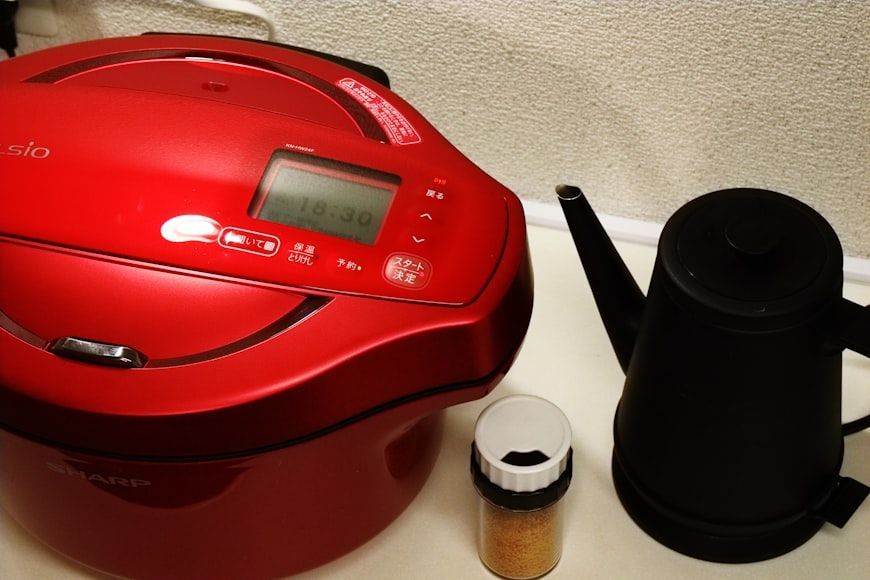
What family has not been saved by a Crock-Pot on a busy day? This appliance lets you cook food at a steady temperature and a slow pace, and its actual name (slow cooker) reflects that. However, the Crock-Pot brand of slow cookers is so popular that it is used as a generic name.

Jacuzzi
Credit: Zoe Stefanatou

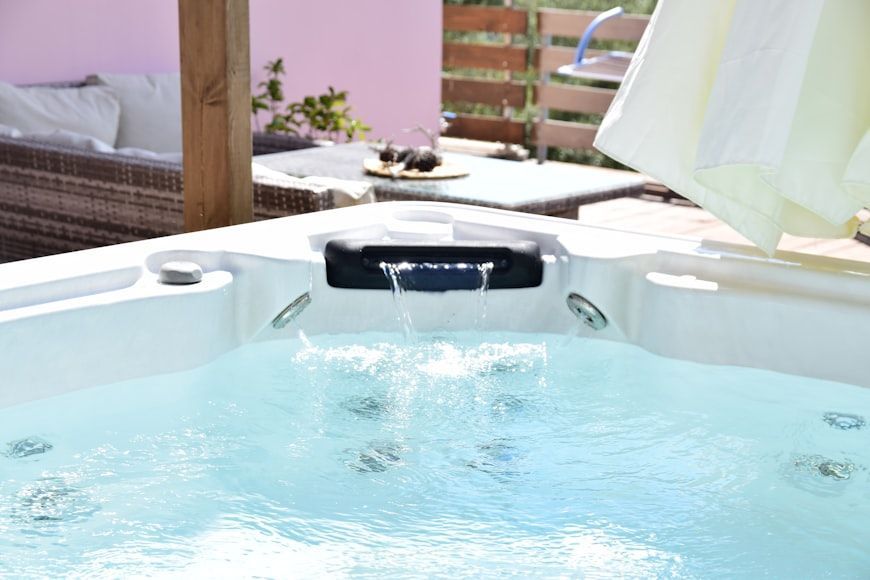
Jacuzzis are a great way to destress after a hectic week and to relieve body pains. However, what we colloquially call ‘a jacuzzi’ is in fact a hot tub (sometimes called a whirlpool tub). The Jacuzzi company not only sells hot tubs, but also products such as mattresses and towels.

Kleenex
Credit: Christopher Bill

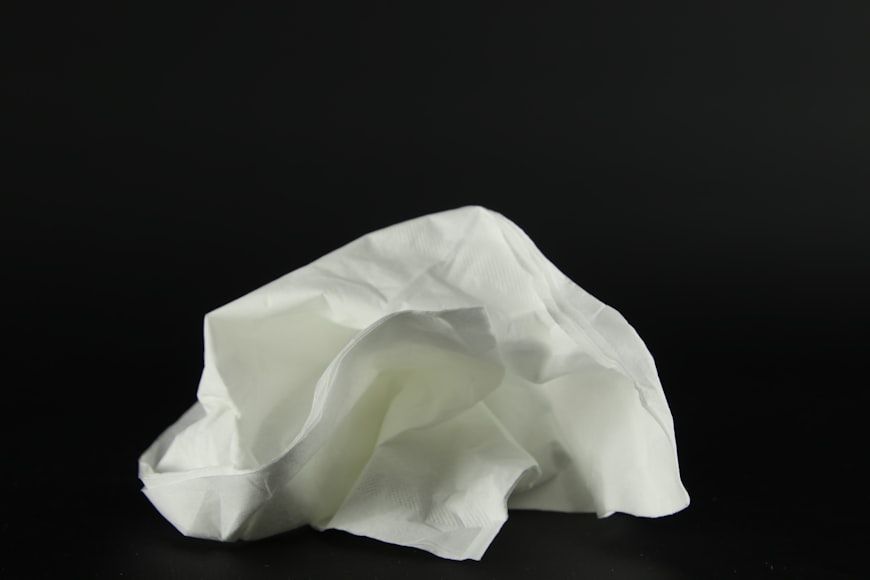
You might know this one: kleenex are not really called kleenex, but facial tissues. The Kleenex brand offers a wide range of products, most of them paper-based, with tissues being one of the best-known.

Memory Stick
Credit: Barry A

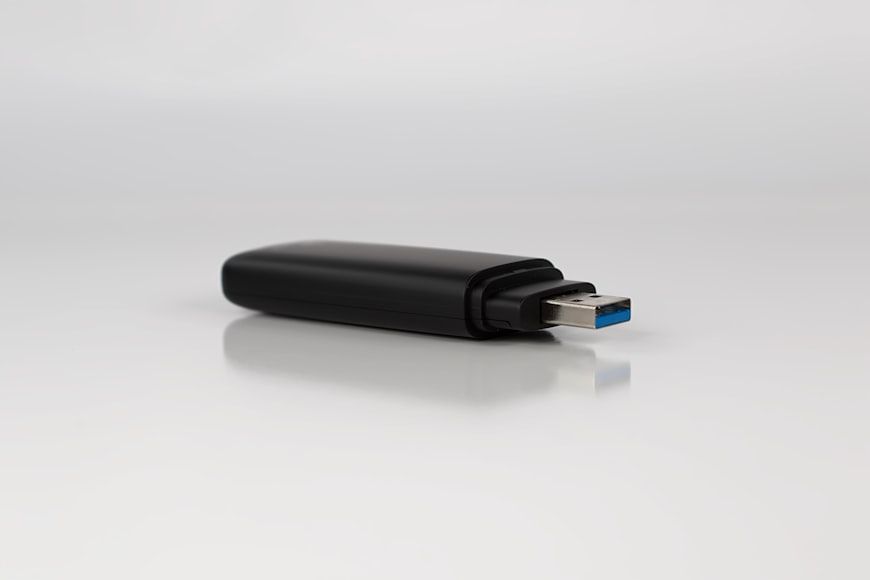
What do you use for transferring archives and data between computers? If you said ‘Memory stick’, you are wrong (unless it's from the brand Sony). The proper generic name for this device is flash memory storage device.

Ping Pong
Credit: Lisa Keffer

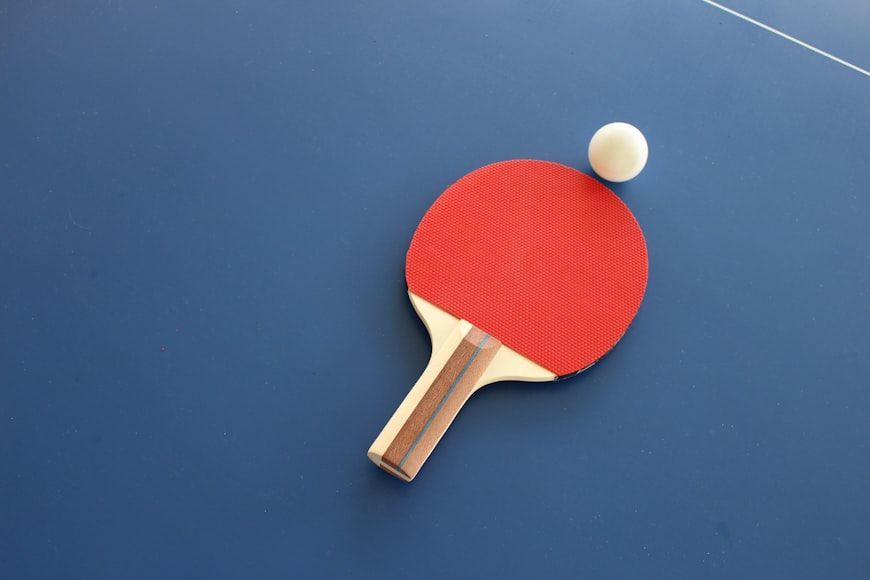
The name ‘ping pong’ is so common that we sometimes forget that the sport’s actual name is table tennis. Ping Pong is a trademarked name, nearly a hundred years old.

Scotch Tape
Credit: Jo Szczepanska

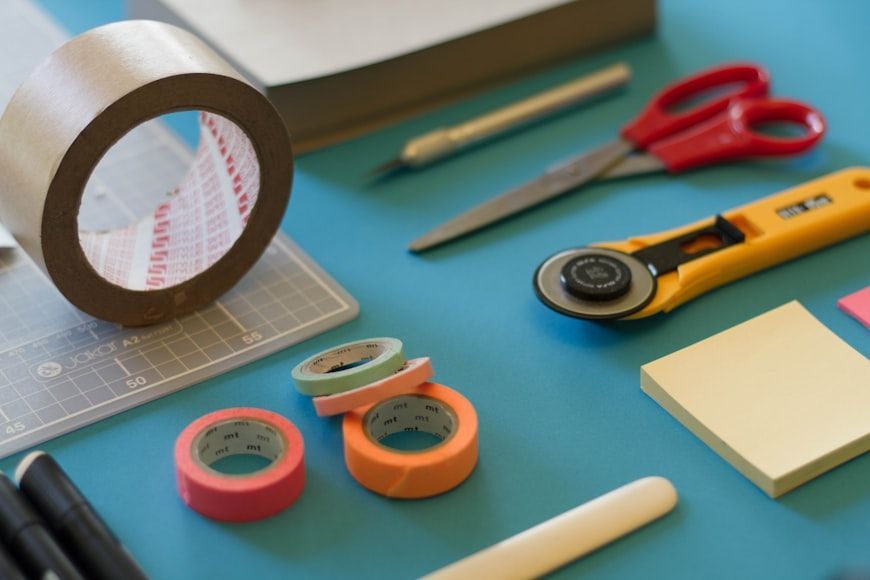
The use of ‘scotch tape’ as a generic name is so widespread that it even appears in some dictionaries. However, its correct name is clear adhesive tape, which sometimes is from the Scotch Tape brand.

Tupperware
Credit: S'well

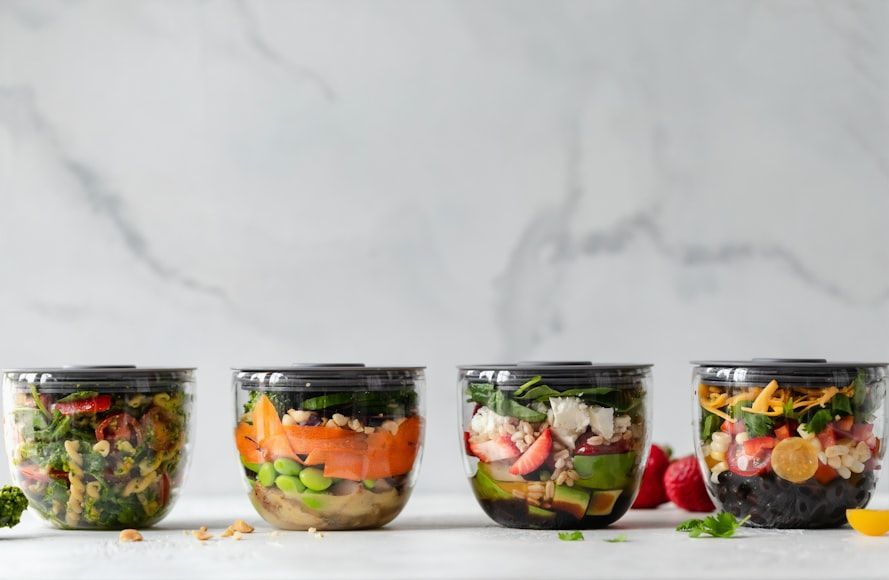
The prized possession of many mothers around the world, the Tupperware brand is one of the best-known when it comes to kitchen products. Its containers are particularly famous, and the brand name is often used for any plastic container.

Zipper
Credit: Marcus Urbenz

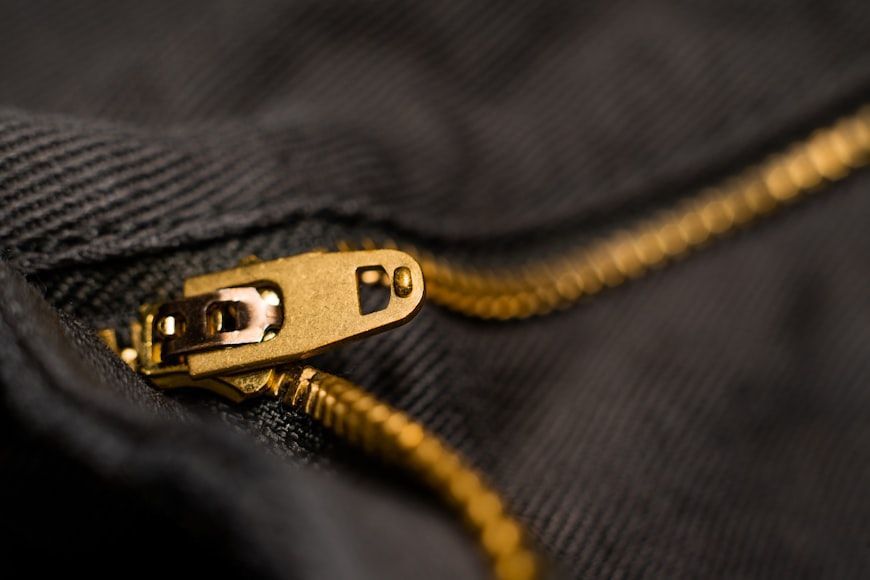
No one can argue that the word zipper is part of the common lexicon and it’s used in a generic sense. But the word has been trademarked by the Universal Fastener Company since 1917. Similar products from different brands should be called ‘separable fasteners’.

Frisbee

Credit: C MA

The use of this word as generic involves a legal battle between Wham-O (the original trademark owner) and another toy company that argued that the word ‘frisbee’ had been incorporated into the common language as generic. The court ruled in favor of the original company, so off-brand frisbees are still legally called flying disks.

Naming names

Your name can be a word: Meet the curious world of eponyms


Published on December 19, 2025


Credit: Alexandra Lawrence

Not all words are created equal. Some are meant to name something, and some others are meant to name someone, or someplace. We call the latter ones names. But, sometimes, the people behind those names end up being associated with particular things that, in turn, inherit the names of those individuals. Did you know that Sandwich was a man who invented the meal? Or that Braille was an individual who created the reading method used by blind people? Take a look at these 12 cases of eponyms. Which ones did you already know about?

1

Sandwich

Credit: Eaters Collective

Let’s get this one right out of the bat, in case you are getting hungry. John Montagu was the 4th Earl of Sandwich, and he, supposedly, asked for meat between two slices of bread so he could keep playing cards without getting greasy fingers.

His invention proved successful, and since then, his name has been associated with the delicious and practical treat.

2

Diesel

Credit: Arief Fachtomi

The diesel engine is named after German engineer Rudolf Diesel, who invented it in the 1890s. It works by using heat from compressed air to ignite fuel, which is why it's also called a compression-ignition engine.

Diesel's invention was a major leap in efficiency over steam engines. He even imagined it running on vegetable oil: an idea that helped inspire modern biodiesel.

3

Salisbury steak

Credit: Paras Kapoor

The second food entry in our list, though not the last, belongs to the beef patty. James H. Salisbury was an American doctor who promoted a meat-heavy diet to treat digestive issues. He called his recommended dish "muscle pulp of beef."

The name Salisbury steak has been used since 1897 for a ground beef patty, though today’s version differs from his original recipe.

4

Jacuzzi

Credit: Lukas Kubica

The name Jacuzzi comes from a family of Italian immigrant brothers who founded the company in 1915. Originally focused on aviation and agriculture, they later shifted to water systems, inventing the first submersible pump in 1925.

In 1968, Roy Jacuzzi created the first self-contained whirlpool bath, called the Roman. Though Jacuzzi is a trademark, the name is often used generically for jetted tubs and hot tubs.

5

Graham cracker

Credit: Joshua Hoehne

Perhaps not the most luxurious cracker, but a trusty one, indeed, the graham cracker is named after Sylvester Graham, a 19th-century preacher and health reformer who promoted a diet of whole grains, fruits, and vegetables.

Graham created a coarse, bland cracker made from graham flour as part of his health-focused diet. The snack was meant to support clean living and became a symbol of his nutritional ideals.

6

Braille

Credit: Jonas Schöne

Braille is a reading and writing system for the blind, created by Louis Braille in the early 1800s. It uses raised dots in a 6-dot cell to represent letters, numbers, and punctuation.

Braille lost his sight as a child and later improved on a complex night writing code. He simplified it and published his system in 1829, which became the global standard for blind literacy we know today.

7

Cardigan

Credit: Nadin Mario

The cardigan sweater is named after James Brudenell, 7th Earl of Cardigan, a British officer known for leading the Charge of the Light Brigade.

He was said to wear a knitted, front-opening sweater under his uniform during the Crimean War, inspiring the name of the now-classic garment.

8

Fahrenheit

Credit: Jarosław Kwoczała

The Fahrenheit scale is named after German physicist Daniel Gabriel Fahrenheit, who introduced it in 1724. It gained popularity in the British Empire and is still used in the U.S. today.

Fahrenheit set 0°F as the freezing point of brine and 96°F as body temperature. The scale was later adjusted to place water's freezing point at 32°F and boiling point at 212°F, creating 180 degrees between them.

9

Boycott

Credit: Austin Crick

The word boycott comes from Captain Charles Boycott, an English land agent in Ireland. In 1880, locals refused to work with or speak to him to protest unfair rents and evictions.

This method of social and economic isolation was so effective and unique that his name became the term for it. Today, a boycott is used worldwide to describe similar protests.

10

Mausoleum

Credit: Randy Kay

Mausoleum comes from the grand tomb of Mausolus, a Persian ruler in ancient Greece. His burial site, the Mausoleum at Halicarnassus, was one of the Seven Wonders of the Ancient World.

Its fame led to the use of a mausoleum for any large, impressive tomb built to honor important people.

11

Zeppelin

Credit: The National Library of Norway

The name of the Zeppelin aircraft comes from Count Ferdinand von Zeppelin, a German general who led the development of rigid airships.

His airships were called Luftschiff Zeppelin, and his name itself traces back to the town of Zepelin in Germany.

12

Leotard

Credit: studionone

Leotard comes from Jules Léotard, a 19th-century French acrobat known for his trapeze acts. He originally called the garment a maillot.

Over time, the tight, one-piece outfit he wore became linked to his name, and the leotard became the standard term for this kind of clothing.

Looking for an extra scoop of literary fun?

Learn more with our Word of the day

atrocity

/əˈtrɑsədi/