When the real drama happened off-screen
Did you know someone spiked the Titanic crew's food with PCP?
Published on April 16, 2026
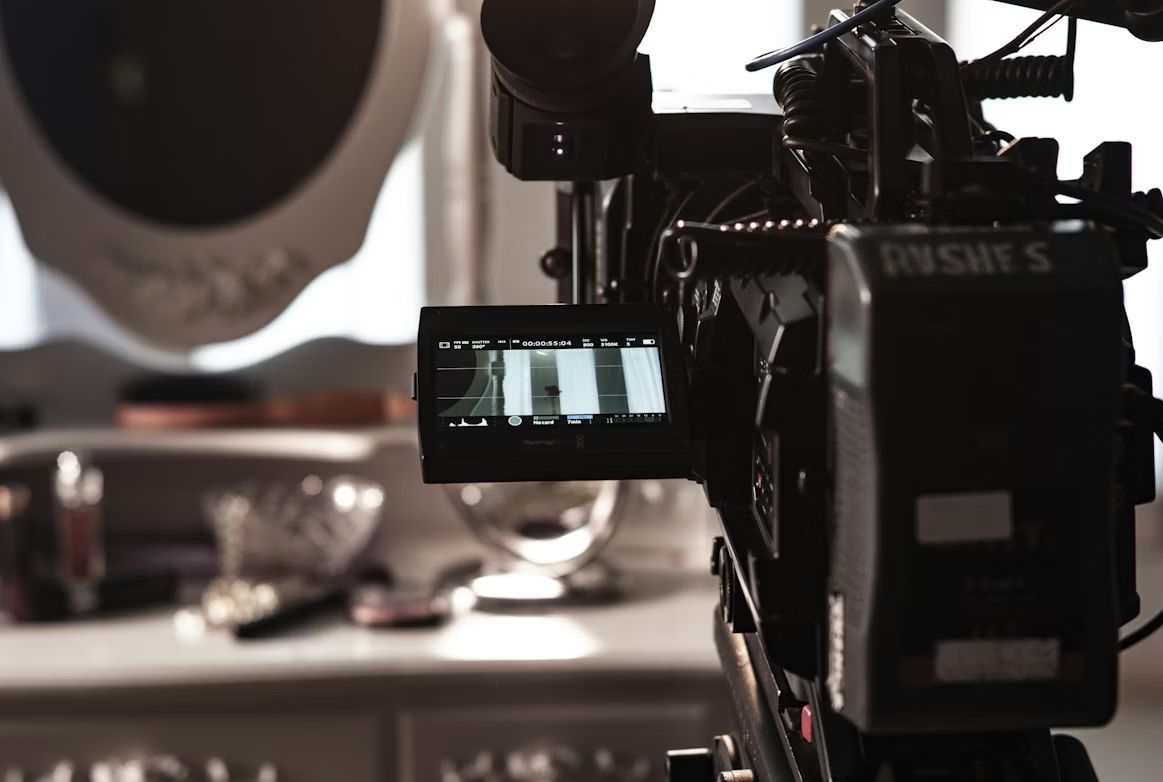
Some movies are memorable for what happens on screen. Others? Well, let's just say the real show was happening behind the camera. From explosive feuds to total meltdowns, these ten productions were a mess—and honestly, that makes them even more fascinating. Grab some popcorn and enjoy the chaos.
Cleopatra (1963)

This epic was supposed to be Hollywood's crown jewel. Instead, it nearly bankrupted 20th Century Fox. The budget spiraled from $2 million to over $44 million—the equivalent of hundreds of millions today. Elizabeth Taylor fell seriously ill, sets were scrapped and rebuilt, and the production moved from London to Rome.
And then there was the love affair. Taylor and her co-star Richard Burton fell head over heels for each other—while both were married to other people. The scandal made headlines worldwide. The movie became the highest-grossing film of the year, but its massive budget meant it struggled to turn a profit and was a box office disappointment. The gossip? Priceless.
The Wizard of Oz (1939)
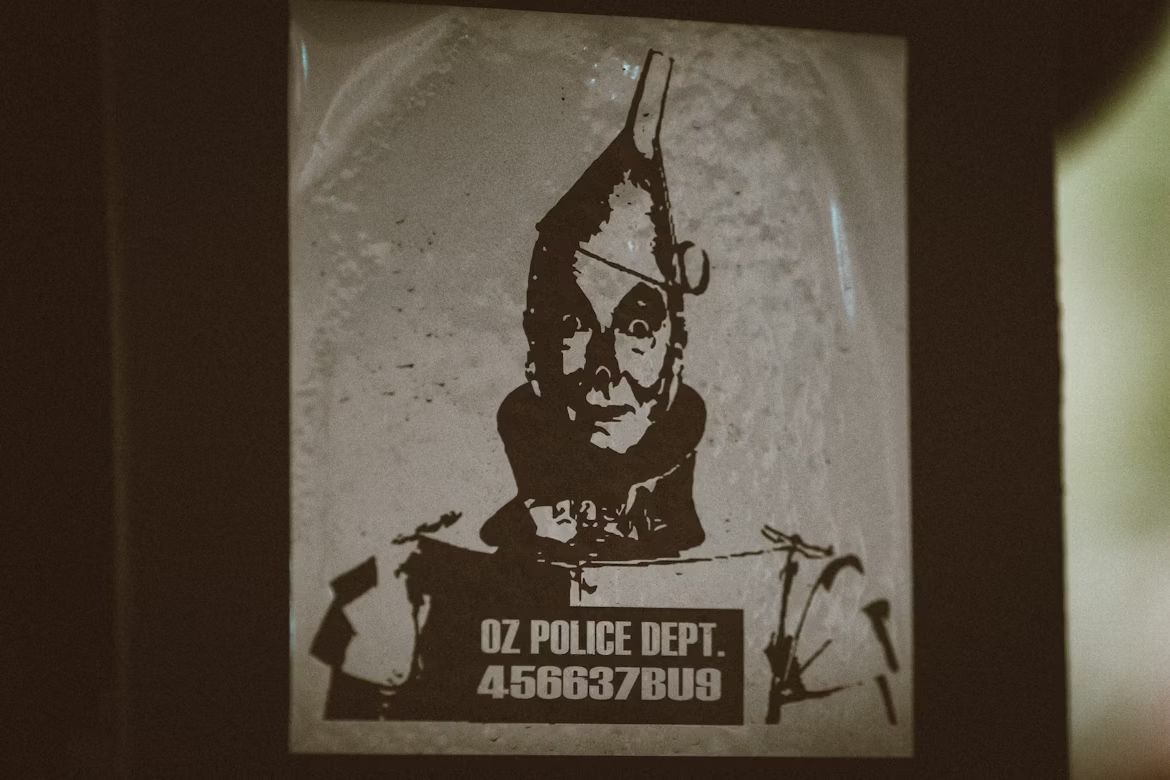
This beloved classic looks like pure magic on screen, but behind the curtain, it was anything but. The original Tin Man actor had to be replaced after the aluminum dust in his makeup nearly killed him. Judy Garland, just 16 at the time, was put on a strict diet by the studio and given pills to keep her energy up—a troubling practice that haunted her for years.
Multiple directors came and went during filming. There were costume accidents, on-set injuries, and the actors playing the flying monkeys reportedly terrorized cast members. It's a wonder the yellow brick road led anywhere at all.
Apocalypse Now (1979)

Director Francis Ford Coppola went to the Philippines to make a war film—and essentially ended up living one. The shoot stretched from a planned six weeks to over a year. Marlon Brando arrived overweight and completely unprepared. Martin Sheen suffered a heart attack mid-production. A typhoon destroyed the sets.
Coppola himself had a nervous breakdown and threatened to quit. The documentary about the making of the film, Hearts of Darkness, is arguably more gripping than the movie itself. That's saying something, because the movie is considered one of the greatest ever made.
Jaws (1975)
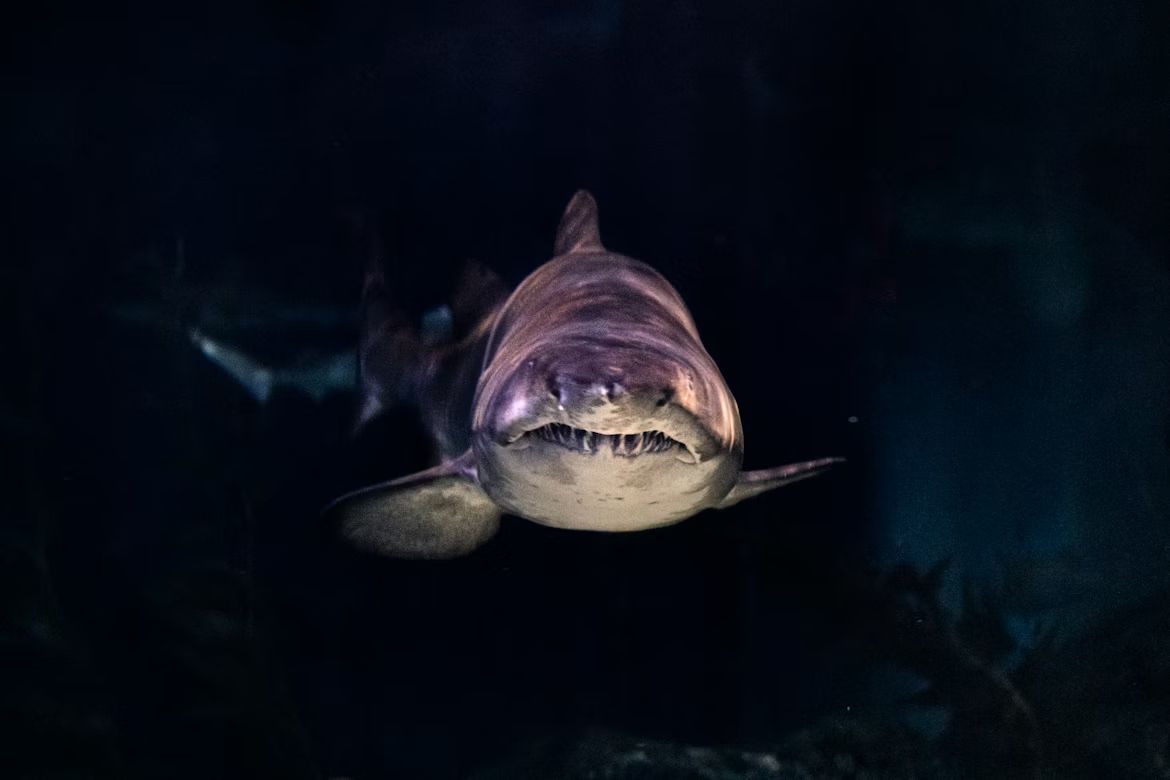
Steven Spielberg's thriller almost sank before it ever hit the water. The mechanical shark—nicknamed "Bruce" by the crew—malfunctioned constantly in the saltwater. It looked ridiculous, broke down every other day, and production on the water was a nightmare from the start.
But Spielberg turned the disaster into a stroke of genius. Unable to show the shark, he built suspense through music (John Williams’ score became iconic) and reaction shots instead. The result was one of the most terrifying movies ever made. Sometimes your problems solve themselves—or at least make for a better film.
Gone With the Wind (1939)
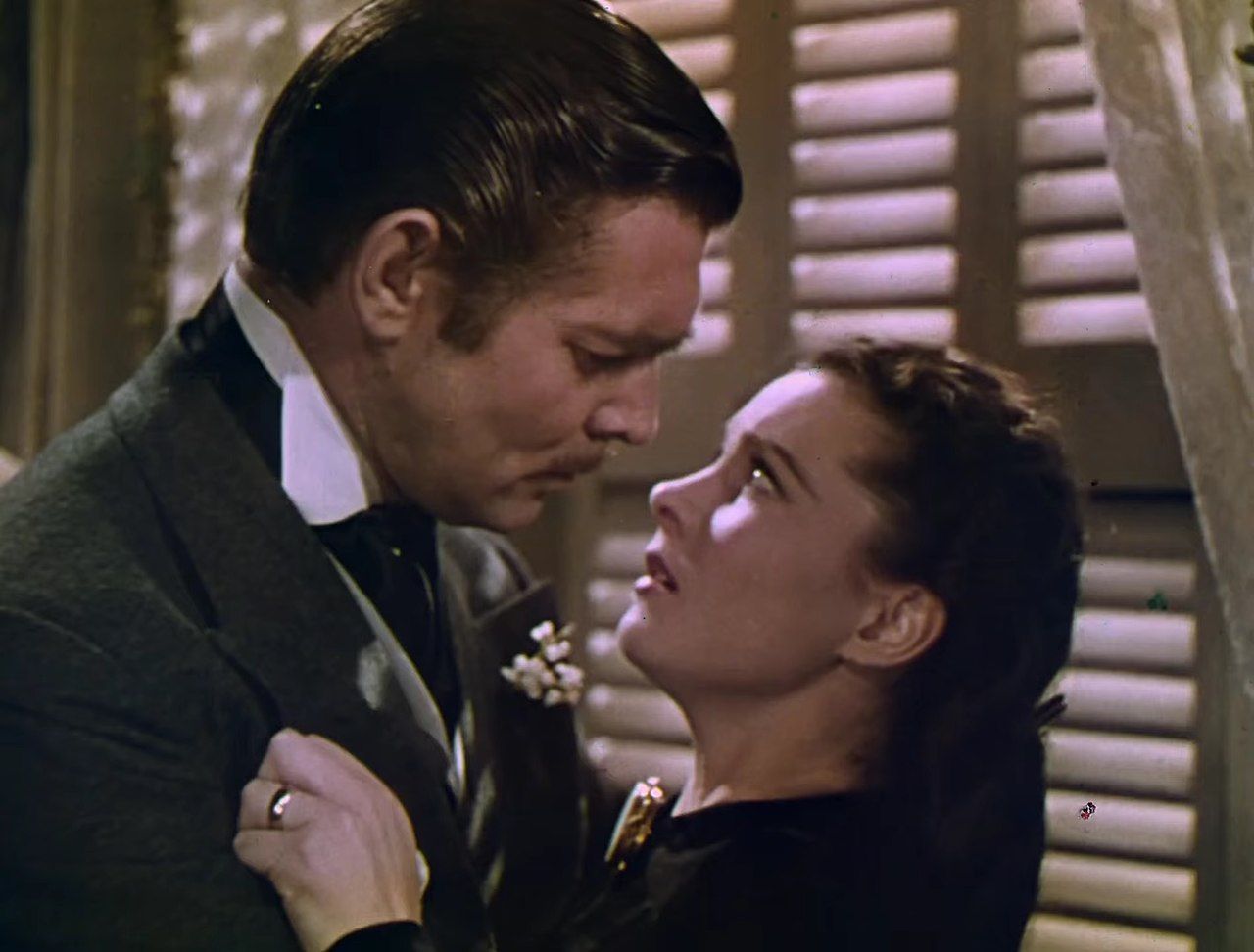
Finding Scarlett O'Hara was a two-year circus. Over 1,400 women were tested for the role before Vivien Leigh was cast—famously just days before filming began. Director George Cukor was fired early on, reportedly because Clark Gable didn't like him, and Victor Fleming took over (while also directing The Wizard of Oz that same year—the man was busy).
On set, tensions ran high between the stars, the producers, and pretty much everyone else. Leigh and Olivia de Havilland both clashed with the production at various points. Still, the film won eight Academy Awards. Hollywood was always good at keeping its scandals off the official record.
Chinatown (1974)
This noir classic had real-life darkness lurking behind it. Director Roman Polanski and writer Robert Towne argued bitterly over the ending—Towne wanted something hopeful, while Polanski insisted on tragedy. Polanski won, and the bleak final scene became one of the most memorable in cinema history.
Then there was the tension between Jack Nicholson and Faye Dunaway. By most accounts, they did not get along. Dunaway allegedly threw a cup of urine at Polanski during a dispute about her hair. Nicholson was reportedly frustrated for reasons too numerous to list. And yet somehow, they made magic.
Titanic (1997)
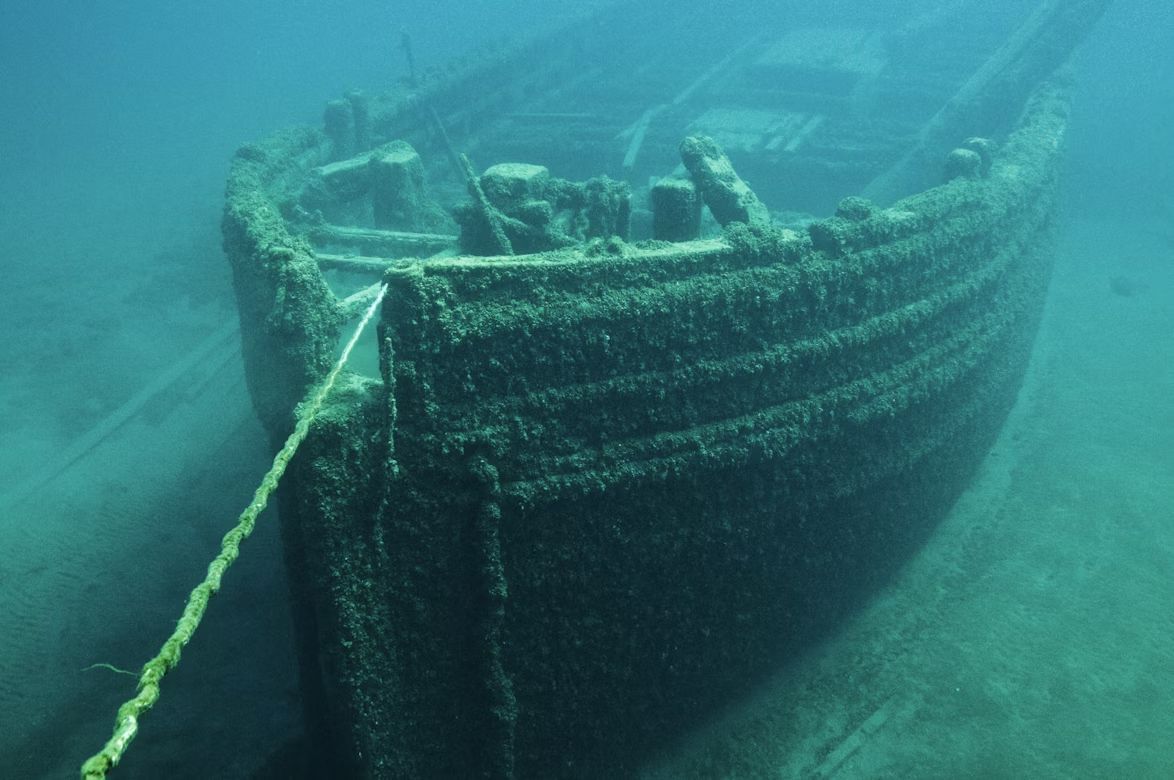
James Cameron has a well-earned reputation for being, let's say, intense on set. During the making of Titanic, crew members were reportedly pushed to exhaustion, shooting in freezing water tanks for hours on end. At one point, someone spiked the crew's clam chowder with PCP—yes, really—sending dozens of people to the hospital.
Cameron himself was so difficult to work with that a crew member reportedly wore a T-shirt reading, "You Can't Scare Me, I Work for James Cameron." The budget ballooned to $200 million, making it the most expensive film ever made at the time. It also became the highest-grossing film in history. So he gets to keep being intense, apparently.
The Exorcist (1973)
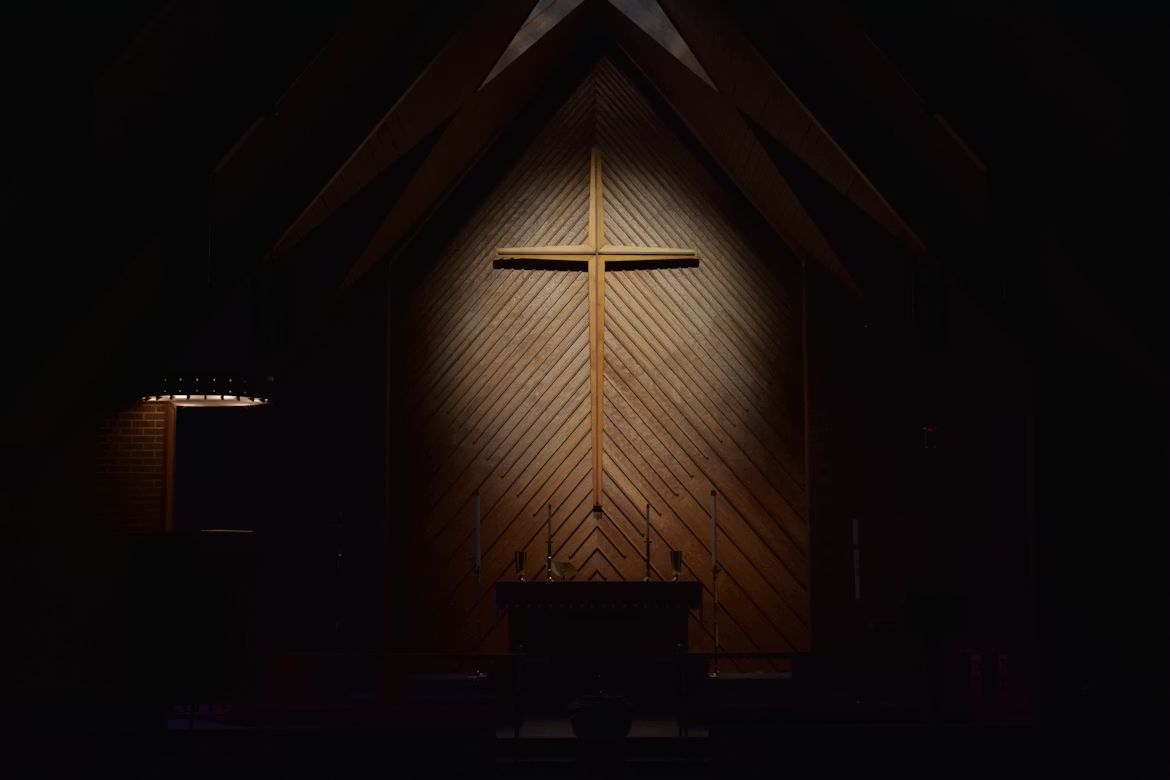
From day one, this film felt cursed, and the cast and crew weren't shy about saying so. There were mysterious fires, set accidents, and a string of deaths connected to people involved in the production. Jack MacGowran and Vasiliki Maliaros, who both played characters that died in the film, passed away before it was even released.
Linda Blair, just 14 when she played the possessed Regan, suffered a back injury during a violent scene that caused problems for years. Director William Friedkin reportedly fired a gun on set to provoke a shocked reaction from actors. Audiences fainted in theaters. The making of this one was as unsettling as the film itself.
The African Queen (1951)
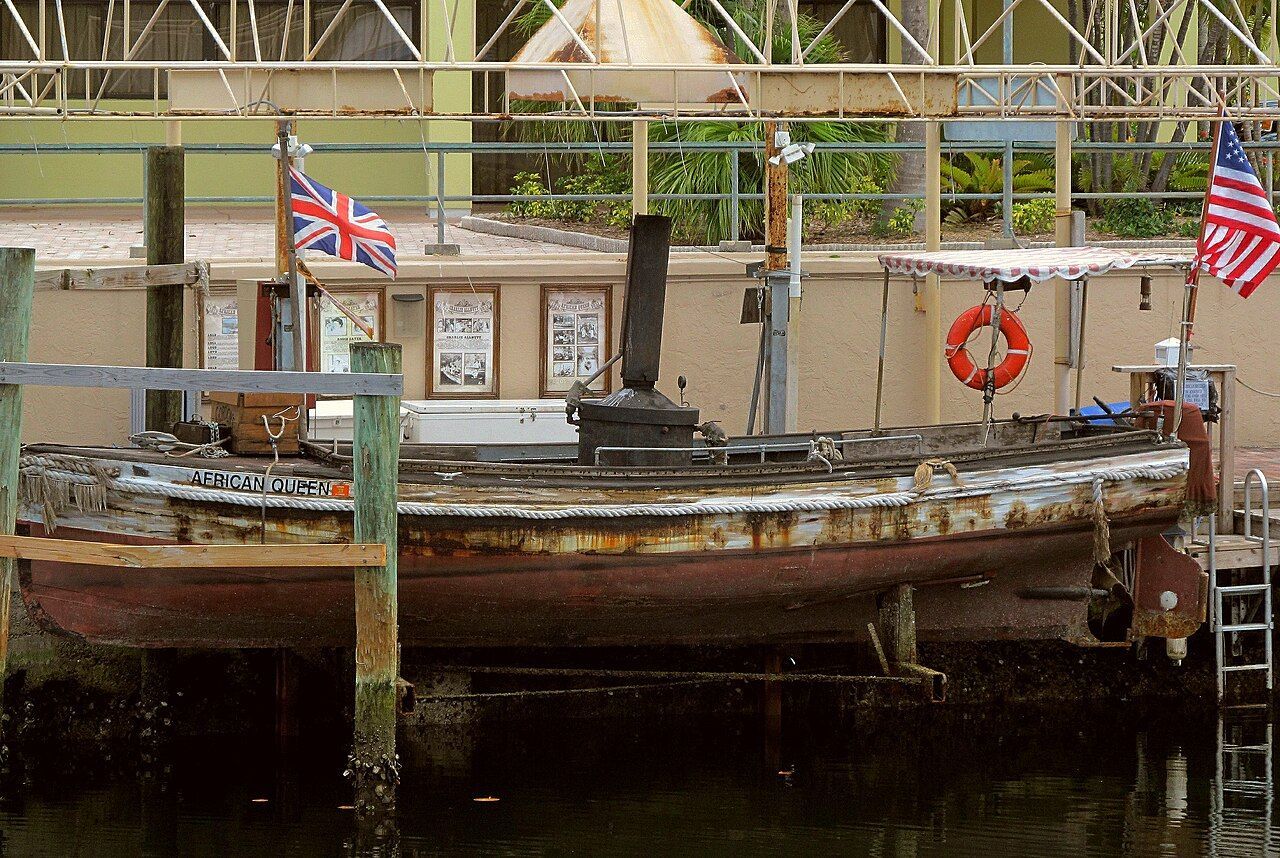
Humphrey Bogart and Katharine Hepburn were not exactly natural companions, and filming deep in Africa didn't help. The cast and crew battled dysentery, insects, heat, and flooding rivers throughout the shoot. Director John Huston insisted on eating and drinking whatever the locals offered—and stayed perfectly healthy.
Bogart and Hepburn, however, were miserable. She reportedly hated every minute in Africa, while he found the whole experience rather amusing. The creative tension between them, though, translated beautifully on screen. Their performances earned both actors Academy Award nominations, which goes to show that suffering is sometimes good for art.
Waterworld (1995)
Before it became a punchline, Waterworld was already a catastrophe in progress. Filming entirely on the ocean turned out to be as chaotic as it sounds. The sets broke apart and sank. The weather was brutal. Costs ran so far over budget that it became the most expensive film ever made at the time, a title it held until Titanic came along.
Kevin Costner and director Kevin Reynolds had a very public falling out, with Reynolds quitting before the film was finished. The press had a field day calling it "Kevin's Gate" and "Fishtar." The movie was actually decent, but the behind-the-scenes disaster overshadowed everything. Some films just can't escape their own reputation.