Did you know daisies mean "day's eye"? The stories behind 10 flower names


Published on August 31, 2026

Image: M.Ibnu C Nugraha

The names of the flowers blooming in gardens, parks, and shops carry centuries of linguistic history. Modern botanical taxonomies standardized plant classification, but everyday names were forged through visual observation, ancient mythology, and cultural trade. Exploring flower etymologies reveals how past generations perceived the natural world. Keep reading to discover the origin of the names of 10 common flowers.

1

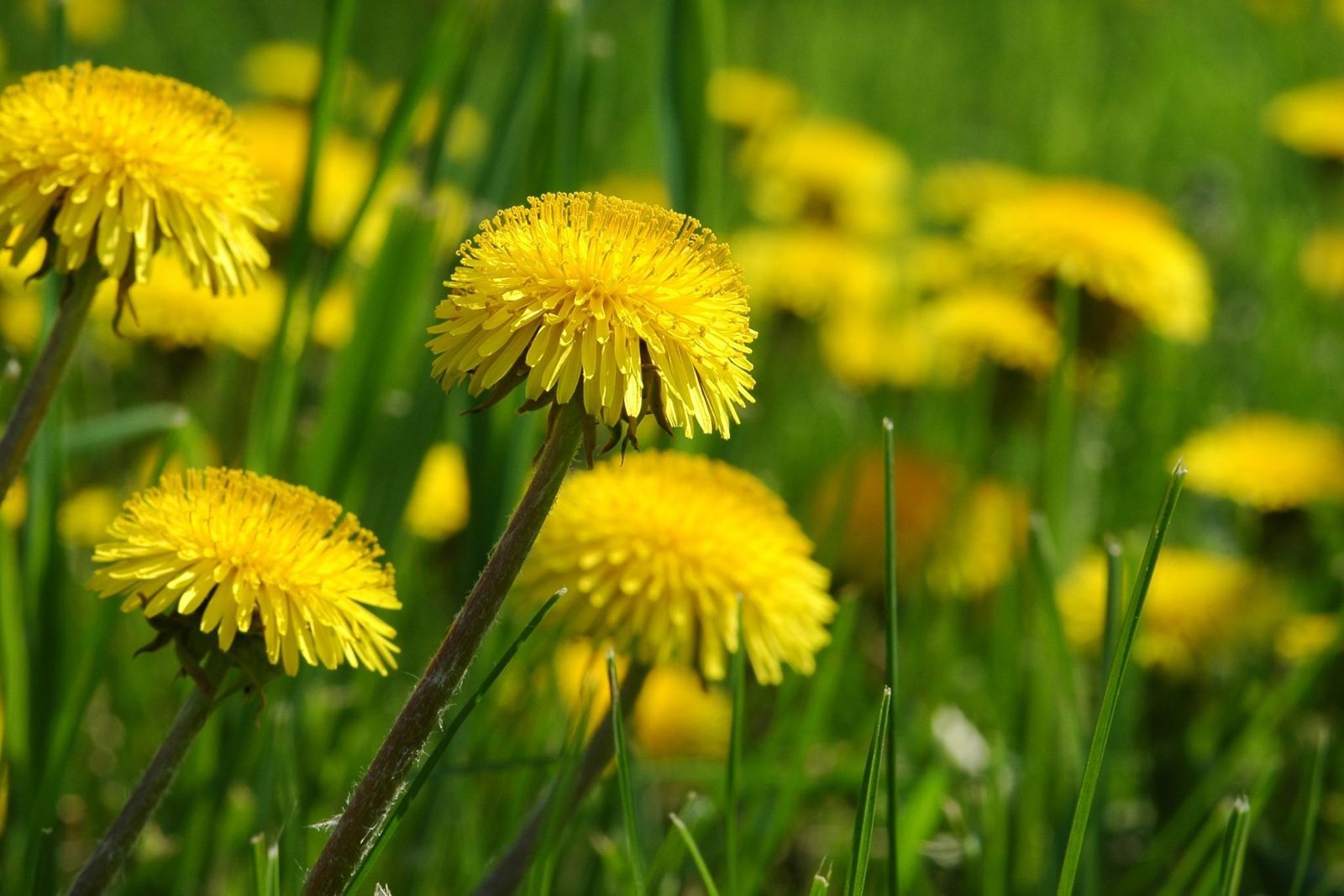
Dandelion

Image: AustralianCamera

The common bright yellow flower often dismissed as a lawn weed derives its name from an anatomical comparison. "Dandelion" enters English from the Anglo-French phrase dent-de-lion, which translates literally to "lion’s tooth".

Rather than referring to the yellow blossom, the name describes the plant’s sharp green leaves. Medieval botanists noted that these jagged edges of foliage closely resembled the sharp incisors of a lion. Similar literal translations exist in other languages, including the German Löwenzahn and the Spanish diente de león.

2

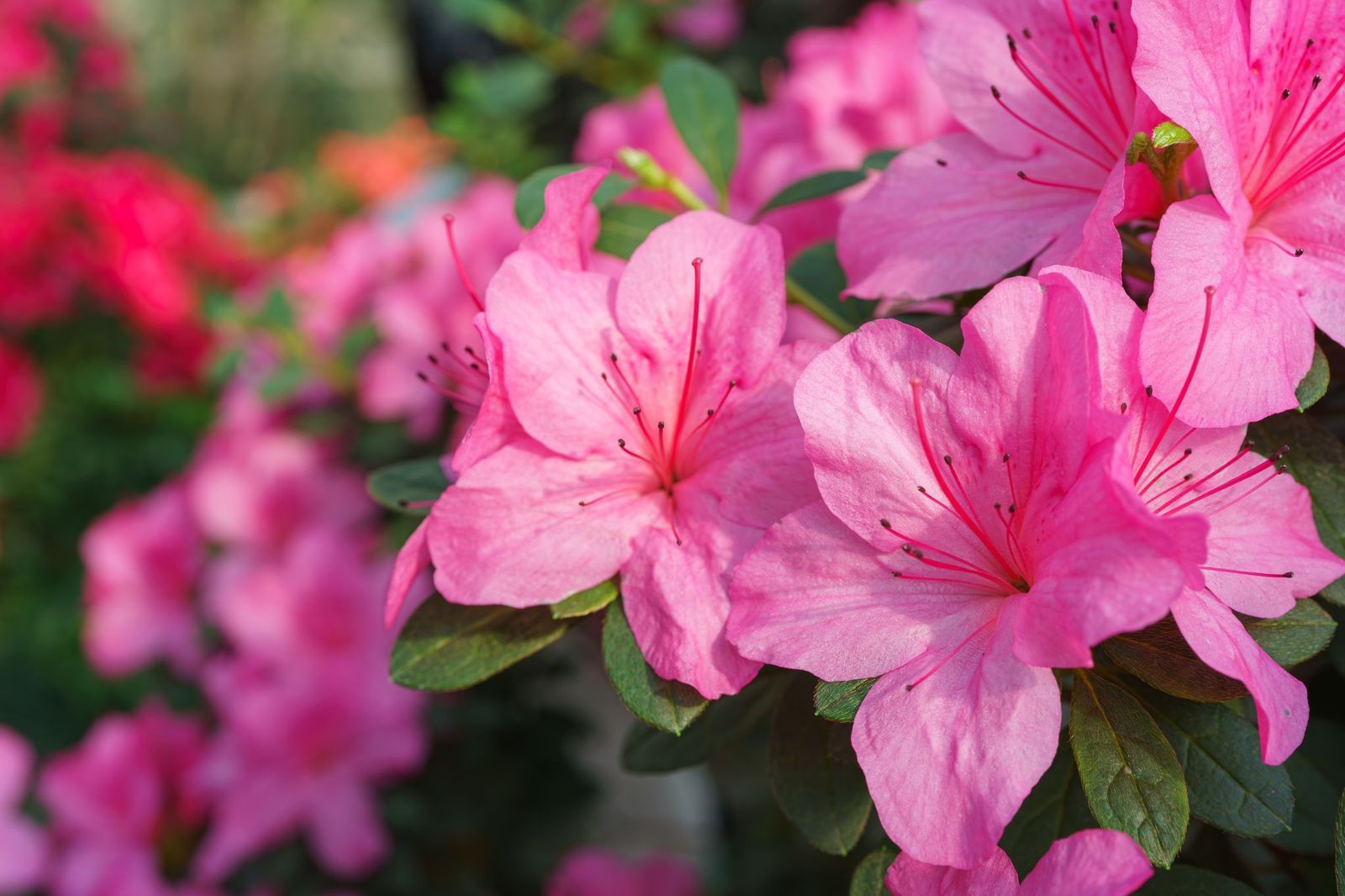
Azalea

Image: Katerina Maksymenko

Derived from the Ancient Greek adjective azaleos, meaning "dry" or "parched", the azalea received its name from the pioneering Swedish botanist Carl Linnaeus in the 18th century.

Linnaeus picked the name because this flower typically thrives in dry sandy soils and suffers when rooted in waterlogged ground. Though modern gardeners associate azaleas with damp spring rains and temperate woodlands, the name is a tribute to the plant’s preference for dry soil conditions.

3

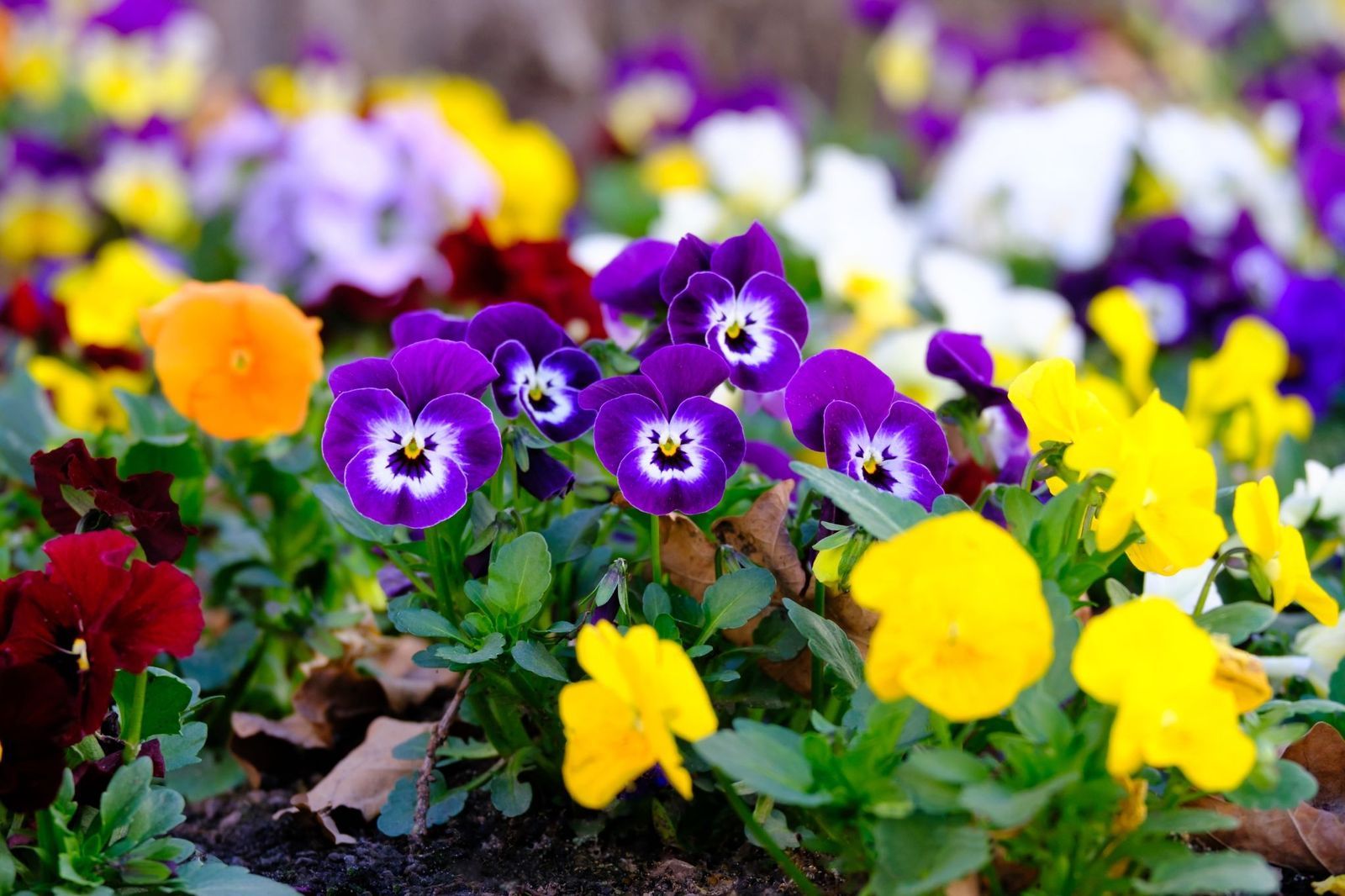
Pansy

Image: Elena Krivorotova

The name of the garden pansy originates from the Middle French word pensée, meaning "thought" or "remembrance" (derived from the Latin verb pensare, meaning "to consider" or "to ponder").

During the Renaissance, herbalists felt the flower’s dark center and forward-facing petals resembled a human face bowed slightly forward in deep contemplation. Because of this association, pansies became traditional gifts to signal that the giver was thinking of the recipient, a symbolism later immortalized in Shakespeare’s Hamlet when Ophelia remarks, "there is pansies, that’s for thoughts".

4

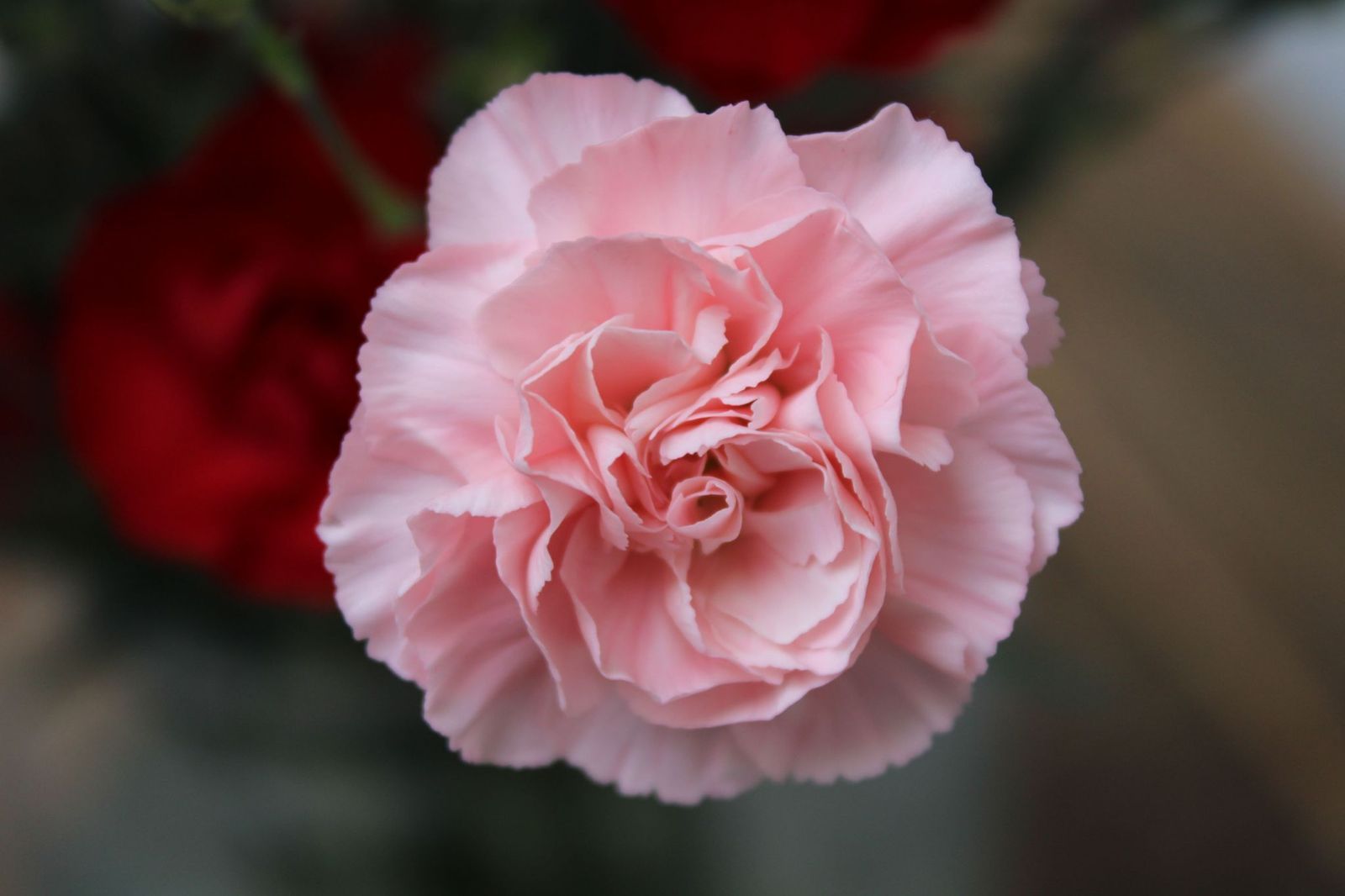
Carnation

Image: Wirestock Creators

The etymology of "carnation" follows two intertwined historical paths. The most widely accepted origin traces back to the Middle French carnation and the Latin carnatio (derived from caro, meaning "flesh"), referencing the soft pinkish flesh tone characteristic of the original wild blooms.

Another linguistic influence stems from "coronation". In ancient Greece and Rome, carnation blooms were woven into floral crowns (coronae) worn during ceremonial festivities and royal coronation rites. Over centuries of English usage, the terms for flesh color and ceremonial crowns merged into the modern word.

5

Tulip

Image: ShuttrDrift

The story of the tulip’s name reflects the historical trade routes between Western Europe and the Ottoman Empire during the 16th century. The word comes into English via Middle French (tulipe) and Italian (tulipano), which adapted the Ottoman Turkish word tülbend (derived from the Persian dulband), meaning "turban".

European travelers visiting Constantinople were impressed by the resemblance between the folded layers of fabric in a traditional Ottoman turban and the cup-shaped, overlapping petals of the flower.

6

Daisy

Image: Smile Donor

"Daisy" stands as an example of Old English botanical descriptive naming. Originating from the compound word dægesēage (literally translating to "day’s eye"), the name describes the flower’s natural sleep movement.

At nightfall, a daisy’s white outer petals fold inward over its central yellow disk. As dawn arrives, the petals unfold, exposing the golden center to the morning sun, mimicking an eye opening at the break of day.

7

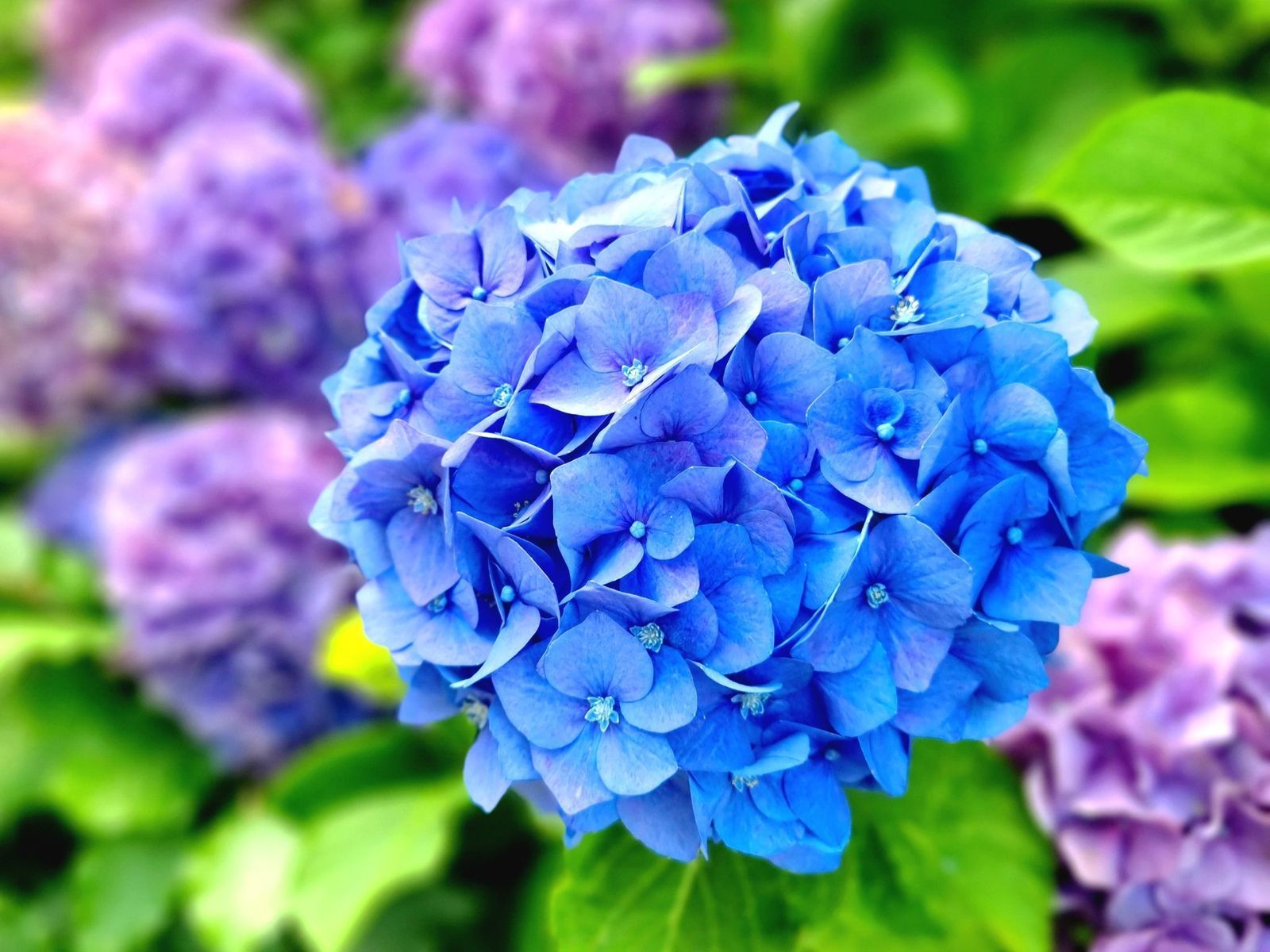
Hydrangea

Image: Aliaksandra M

Coined by French botanist Philibert Commerson in the 18th century, "hydrangea" combines two ancient Greek roots: hydr- (meaning "water") and angeion (meaning "vessel", "picher", or "capsule").

Many gardeners assume the name refers to the plant’s high water requirements; however, it actually describes the distinct shape of the plant’s mature seed pods. Once the colorful petals drop, the small seed capsules resemble traditional Greek water jars or pitchers.

8

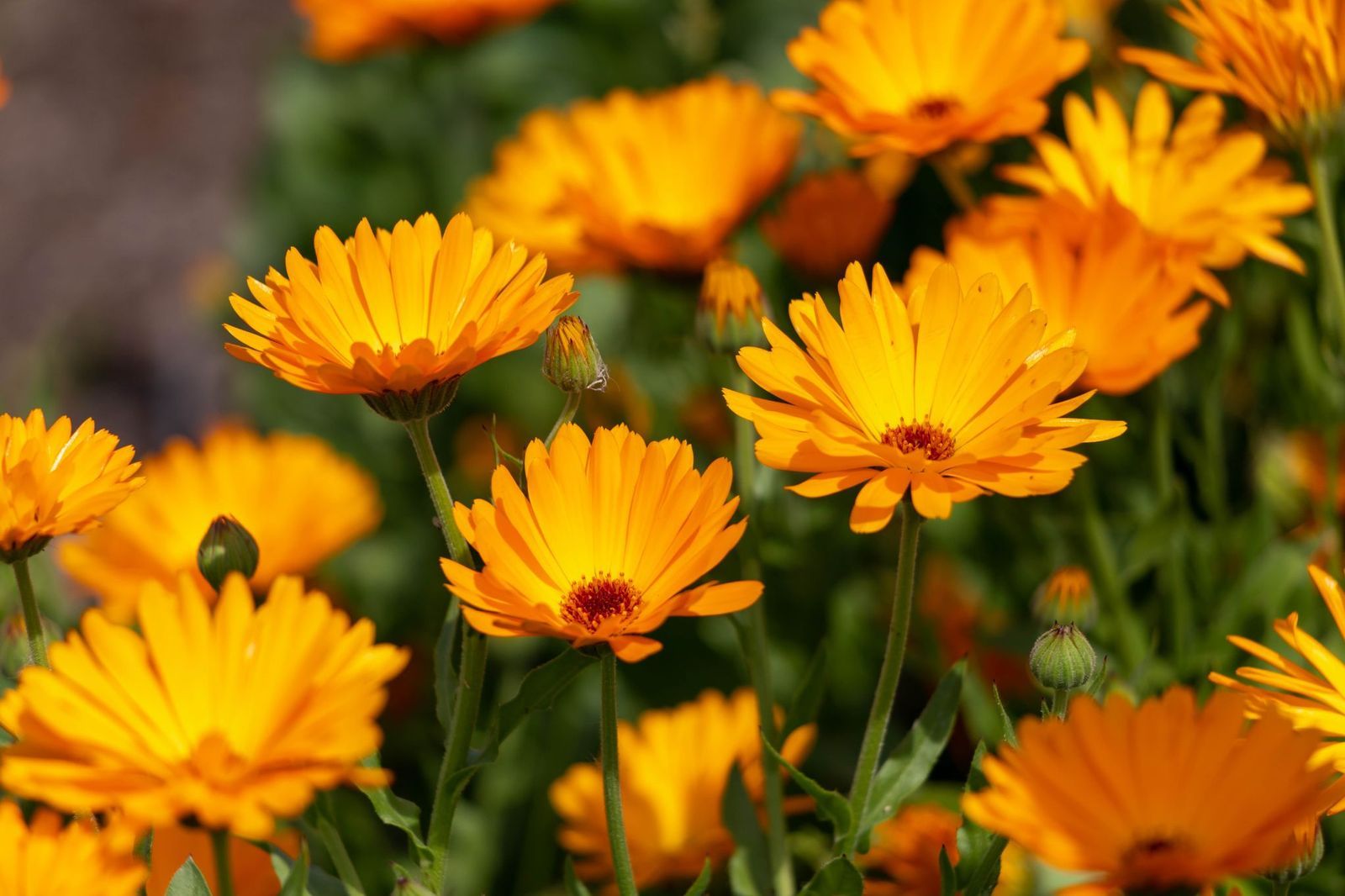
Calendula

Image: Wut_Moppie

Popularly known as pot marigold, "calendula" derives its name from the Medieval Latin calendula, a diminutive form of calendar (the "calends", or the first day of each month in the Roman calendar).

The Romans observed that in mild Mediterranean climates, calendula plants bloomed on or near the first day of almost every month of the year. This way, the name acts as a botanical calendar.

9

Petunia

Image: AW777_Photo

The word "petunia" arrived in European languages during the 18th century through French botanical reports from South America. French herbalists adapted the word pétun, an early French term for tobacco borrowed from petyn, a word used by the indigenous Tupi-Guarani peoples of Brazil.

When early European explorers encountered petunias growing wild in South America, they recognized their close physical resemblance to tobacco plants. Modern taxonomy confirmed this intuition: both petunias and tobacco belong to the nightshade family (Solanaceae).

10

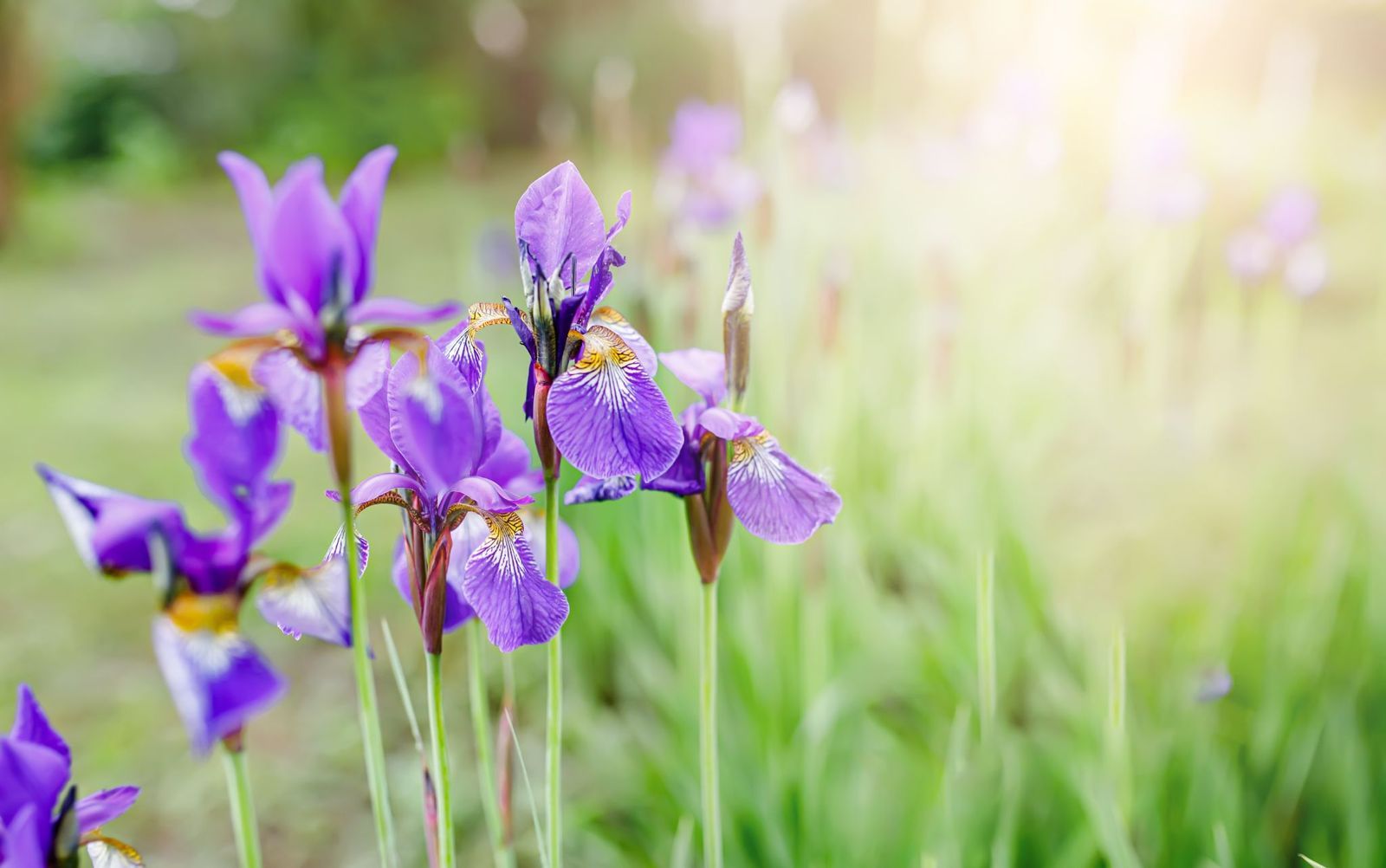
Iris

Image: Lipatova Maryna

Named after Iris, the Greek goddess of the rainbow and divine messenger between heaven and earth, this classic garden perennial boasts an ancient name.

In Greek mythology, the goddess Iris traveled along rainbows, connecting the realms of gods and mortals. Ancient botanists bestowed her name upon the flower because of its remarkable spectrum of natural colors, ranging from deep purple and cobalt blue to yellow, pink, and white.


SING IT WRONG

Leave Your Pizza Burning: 10 Famously Misheard Song Lyrics


Published on August 31, 2026


Image: Expect Best

Have you ever realized that you’ve been belting out the wrong lyrics to a song for years? Don’t worry, you’re not alone. There’s even a term for phrases we mishear and apply new meanings to: mondegreens. Some misheard lyrics become so widespread that they leave multiple listeners convinced the words they hear are correct. Let’s dive into ten of the most famously misheard lyrics that have made us all hit pause and rewind.

1

"A year has passed since I broke my nose"

Image: Jayne Harris

Singer and songwriter Sting of The Police composed "Message In a Bottle" to illustrate a state of loneliness and disconnection. The first verse talks about a castaway lost at sea, who was presumably involved in some accident or shipwreck. Sting’s distinctive British accent caused confusion in the first line after the song’s chorus. Some listeners wondered if he could have broken his nose in the shipwreck. However, the correct words are "A year has passed since I wrote my note," which makes more sense in a song called "Message In a Bottle."

2

"Hold me closer, Tony Danza"

Image: Call Me Fred

The 1971 song "Tiny Dancer" reminds many of a certain actor with a similar-sounding name. Elton John’s pronunciation perplexed some listeners years after the song’s release, especially when Tony Danza’s name became widely recognized for his TV roles. This mondegreen became so widespread in the U.S. that it even made it into an episode of Friends. In that scene, the character Phoebe says that she thinks the most romantic song ever written is the one where Elton John sings "Hold me close, young Tony Danza." For many years since then, people have been deliberately singing the wrong lyrics as a joke.

3

"I’ll never leave your pizza burning"

Image: James Hardman

"Beast of Burden," by The Rolling Stones, doesn’t mention any pizzas. Mick Jagger’s iconic singing style, however, can make every repetition of "beast of" sound like "pizza" and "burden" like "burning." These misheard lyrics have had listeners giggling since the song’s release in 1978. Some lines of the song were, in fact, improvised by Mick Jagger while Keith Richards and Ronnie Wood played their riffs. However, the line that gives the song its name was not improvised. "I’ll never be your beast of burden" were words written by Keith Richards to thank his band members for their support through hardships.

4

"We’re herding for peanuts"

Image: Pixabay

Europe’s glam metal 80s anthem "The Final Countdown" was inspired by David Bowie’s song "Space Oddity" and the idea of leaving Earth for another planet. This is why it makes it unlikely for the singer to declare that the team is "herding for peanuts." However, that is what some people heard when Swedish vocalist and songwriter Joey Tempest sang "We’re heading for Venus" after the first chorus. In this case, the grandiose and epic reverb effect used in this space-themed song might be to blame.

5

"We’re caught in a trout"

Image: Saya Omar

This mondegreen comes from Elvis Presley’s voice. In "Suspicious Minds," the hit song released in 1969, he is singing that he and his lover are caught in a "trap," not a "trout." This song about a couple who mutually fear betrayal was written and recorded by Mark James, but his version failed commercially. It was then offered to Elvis, who gladly included a version of it in his album From Elvis in Memphis. Apparently, however, his pronunciation conjured a funny image in the minds of some listeners.

Elvis’ version of "Suspicious Minds" was so successful that he went on to record another song by Mark James, which became just as memorable: "Always on My Mind."

6

"Then I saw her face, now I’m gonna leave her"

Image: Gelatin

This particular mondegreen completely reverses the meaning of the song. "I’m A Believer," originally written and performed by Neil Diamond, caused a few laughs in the version by The Monkees. It was the biggest-selling single of 1967, recorded in just two takes. In this version, the band sang the exact same lyrics as Neil: "Then I saw her face, now I’m a believer." However, some listeners misheard the quote. People found the misinterpretation so funny that T-shirts are now sold with the incorrect phrase.

7

"On a dark desert highway, Cool Whip in my hair"

Image: Bob Osias

Not even a timeless song like "Hotel California" is free from misunderstandings. It is the exact first phrase of the Eagles’ 1976 song. Famously, it describes an eerie hotel that seems idyllic but keeps its guests for life. The lyrics use many vivid and enigmatic images to narrate the story. However, someone driving with Heinz Cool Whip in their hair is not one of them. Instead, vocalist Don Henley begins the song with: "On a dark desert highway, cool wind in my hair." Despite the silly alternative lyrics, the song won the Grammy Award for Record of the Year in 1978 and solidified the Eagles as one of the top bands of the era.

8

"Kicking your cat all over the place"

Image: Sander Dewerte

This is what some people swear they can hear in Queen’s anthem "We Will Rock You." Instead, Brian May’s composition describes some aloof young man "kicking (his) can all over the place." You’ll notice the word "can" coincides with the clap in the iconic stomp-stomp-clap of the song. Freddie Mercury’s ardent performance, combined with the song's powerful beat, can easily make that final "n" sound like "t" to some listeners. The wrong lyrics have triggered jokes since then, and even today, memes and cartoons about offended cats are associated with the song.

9

"Here we are now, in containers"

Image: Kaique Rocha

This one might be attributed to Kurt Cobain, both as the vocalist and lyricist of Nirvana’s "Smells Like Teen Spirit." First, at the point of this line in the grunge anthem, he is screaming. Second, the lyrics of "Smells Like Teen Spirit" are famously cryptic and abstract, and speak of societal containment, so this mondegreen isn’t very far-fetched. The original line "Here we are, now! Entertain us!" of the 1991 song is powerful enough, referring to the expectations placed on Cobain and his generation. However, one characteristic of grunge is slurring and mumbling in the vocal delivery, so misinterpretations are likely.

10

"Jackie Chan, Jackie Chan, Jackie Chan"

Image: Charlein Gracia

ABBA’s pop hit, "Take a Chance on Me," was inspired by morning runs. During his jogs, band member Björn Ulvaeus used to repeat a tck-a-ch-sounding rhythm to himself. He proposed taking that idea to the studio, and thus the rhythmic chorus of this anthem was born. It became a worldwide hit in 1978.

Unbeknownst to them, that very same year, a young man in Hong Kong was having his breakthrough in a kung fu action comedy, Snake in the Eagle’s Shadow. His name was Jackie Chan, and some years later, when hearing ABBA’s song, some people would swear they could hear the superstar’s name being chanted dozens of times.

Looking for an extra scoop of literary fun?

Learn more with our Word of the day

scoop

/skup/