Treasures with a history

Did Romans invent army knives? These things are way older than you think


Published on March 22, 2026


Image: cottonbro studio

Jell-O, Swiss Army Knives, roller skates, lighters… It’s hard to picture these items existing hundreds of years ago, isn’t it? And yet, some of the treasures that make modern life easier have indeed been around, in some cases, for millennia. Read on to learn when these 11 items were actually first invented!

1

Gelatin

Image: Lena Ti

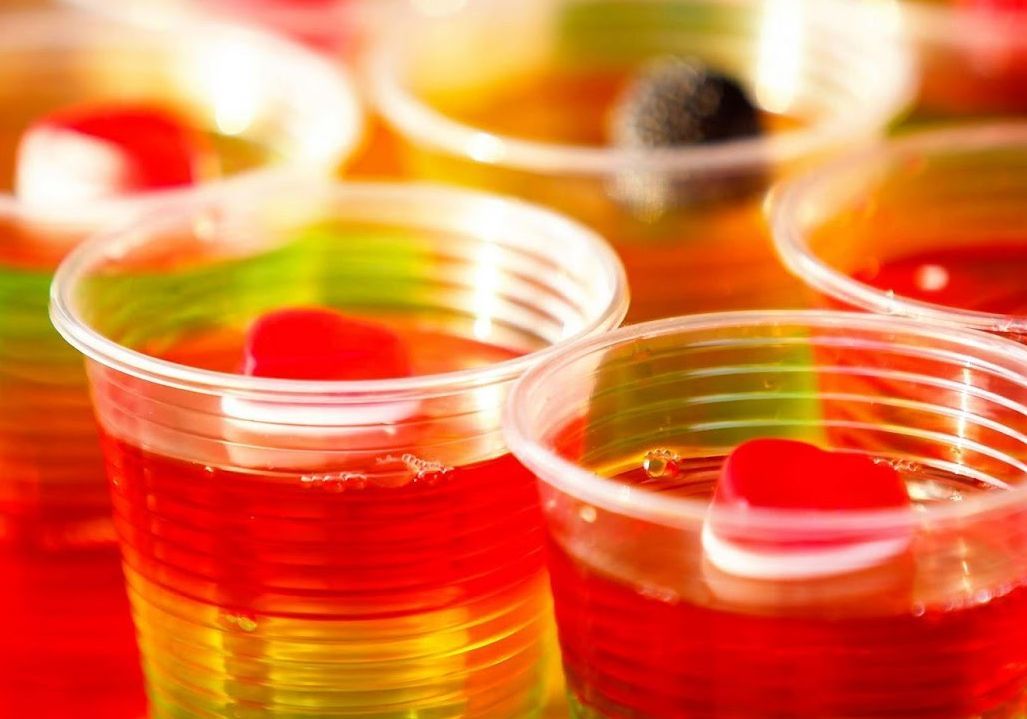
Gelatin desserts existed centuries before Jell-O! Medieval cooks used boiled animal collagen to make shimmering molds for banquets. The brand Jell-O came in 1897, when Pearl B. Wait in New York flavored powdered gelatin with fruit syrups.

2

Nintendo

Image: Sigmund

It’s hard to imagine the video game giant existing before electricity. But Nintendo was founded in 1889 in Kyoto as a playing card company. For decades, it produced hanafuda cards, then toys, and only entered electronics in the 1970s.

3

Roller skates

Image: Brittani Burns

Long before disco rinks or inline blades, a Belgian inventor named John Joseph Merlin assembled the first roller skates in 1760, skating into a London ballroom (and famously crashing). Early versions had fixed metal wheels and very poor steerability.

4

Lighters

Image: Thomas Despeyroux

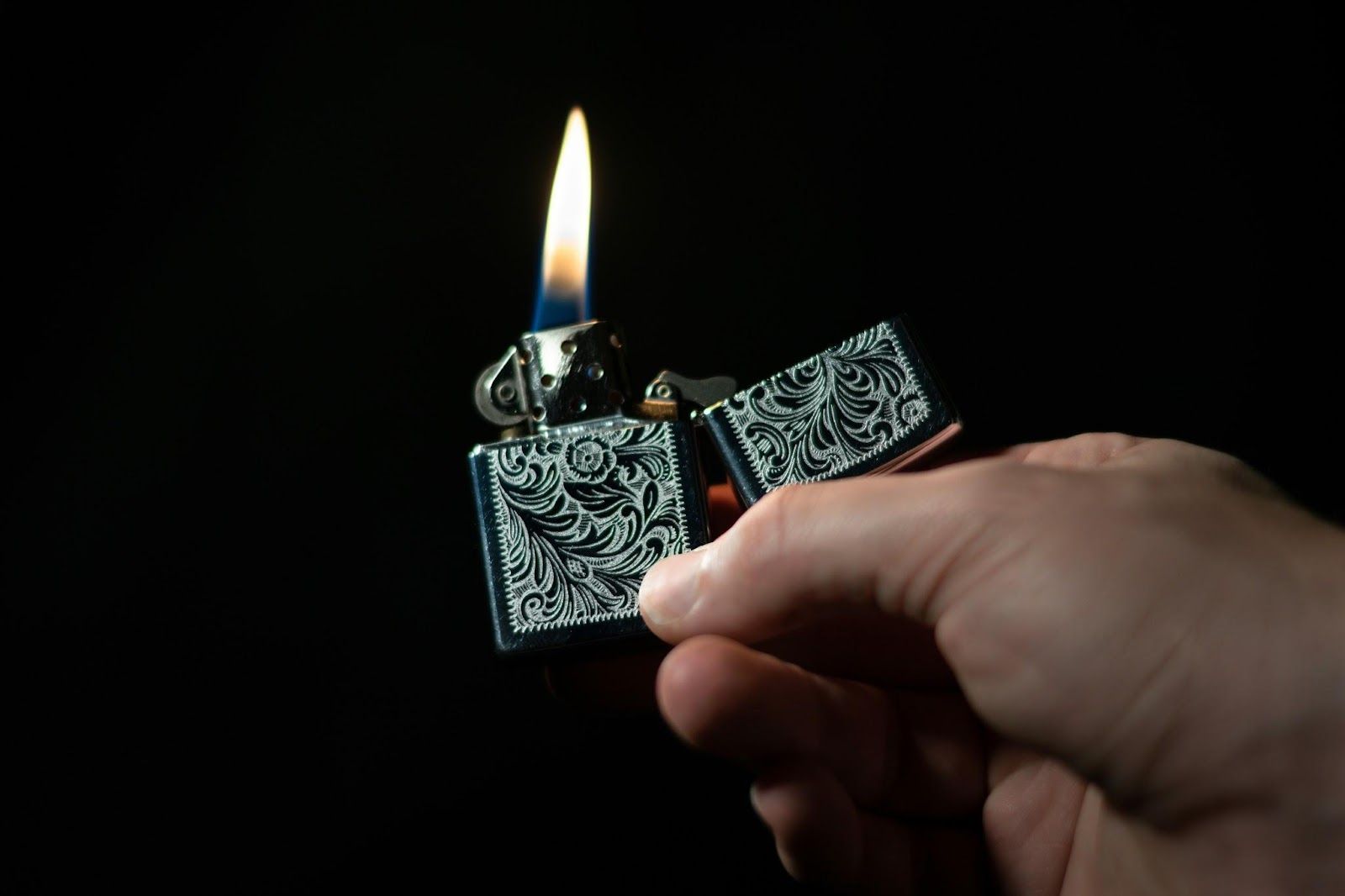
Famously, lighters predate matches. But do you know exactly how long lighters have existed? The first usable one appeared in 1823, invented by a German chemist. The first friction match only appeared 3 years later.

5

"Swiss Army Knife"

Image: Denise Jans

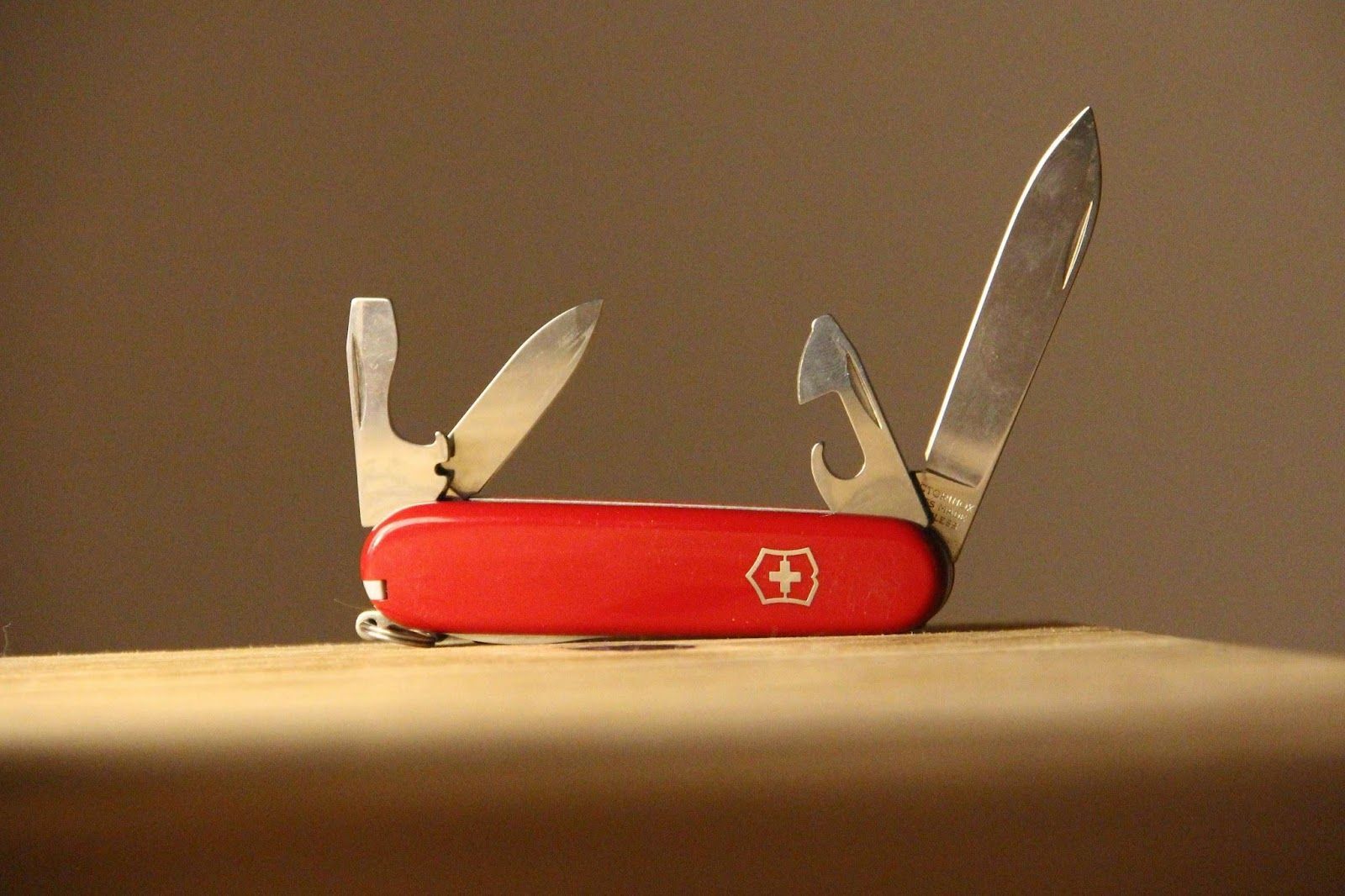
That’s what we call the famous red multi-tool standardized by Victorinox in 1891. But archaeologists discovered a Roman folding tool from around 200 AD made of silver and iron, with knife, spoon, fork, spike, and spatula. It might not have been mass-produced or standardized, but it certainly was there first.

6

Dishwasher

Image: Mohammad Esmaili

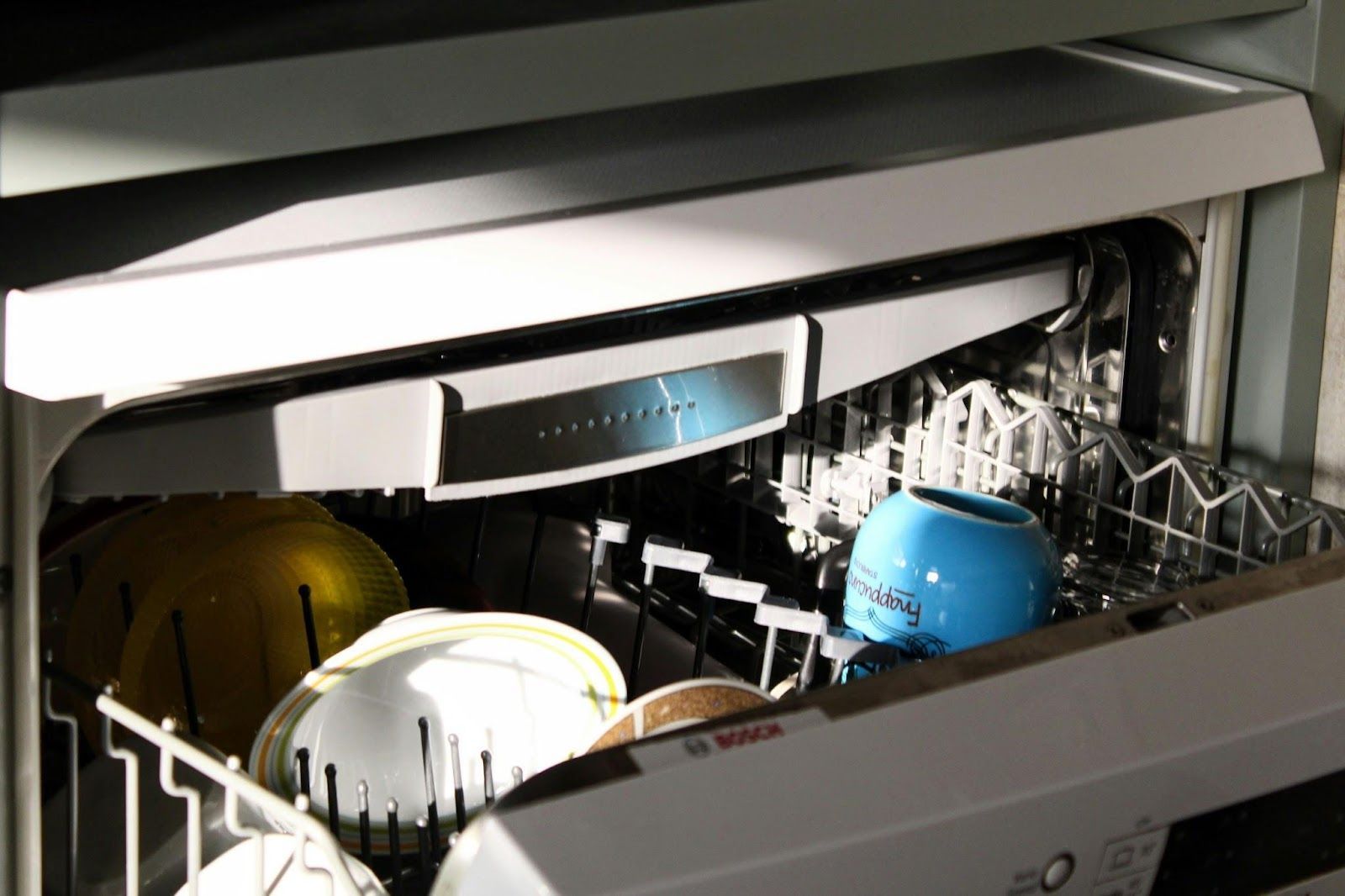
We may associate dishwashers with mid-20th-century suburban kitchens, but the first one dates to 1886, when Josephine Cochrane built a hand-cranked model to save her fine china from clumsy servants.

7

Escalators

Image: Teemu Laukkarinen

The 20th century was still far away when the first working escalator was patented. The year was 1859, yet it was introduced at Coney Island only 30 years later—as an amusement ride!

8

The Internet

Image: Leon Seibert

It’s not a thing of the 90s! Its roots go back to 1969, when ARPANET connected four U.S. universities for military-funded research. The web’s 1991 debut by Tim Berners-Lee made it public and visual, hence the illusion that the "Internet" appeared overnight.

9

Concrete

Image: Robert Keane

Do you associate concrete blocks with modernity in your mind? Think again! The Romans used advanced volcanic-ash mixes to build huge, durable structures (like the Pantheon dome or aqueducts). The Ancient Roman techniques even give clues on how to make longer-lasting concrete today.

10

Printing technology

Image: Bruno Martins

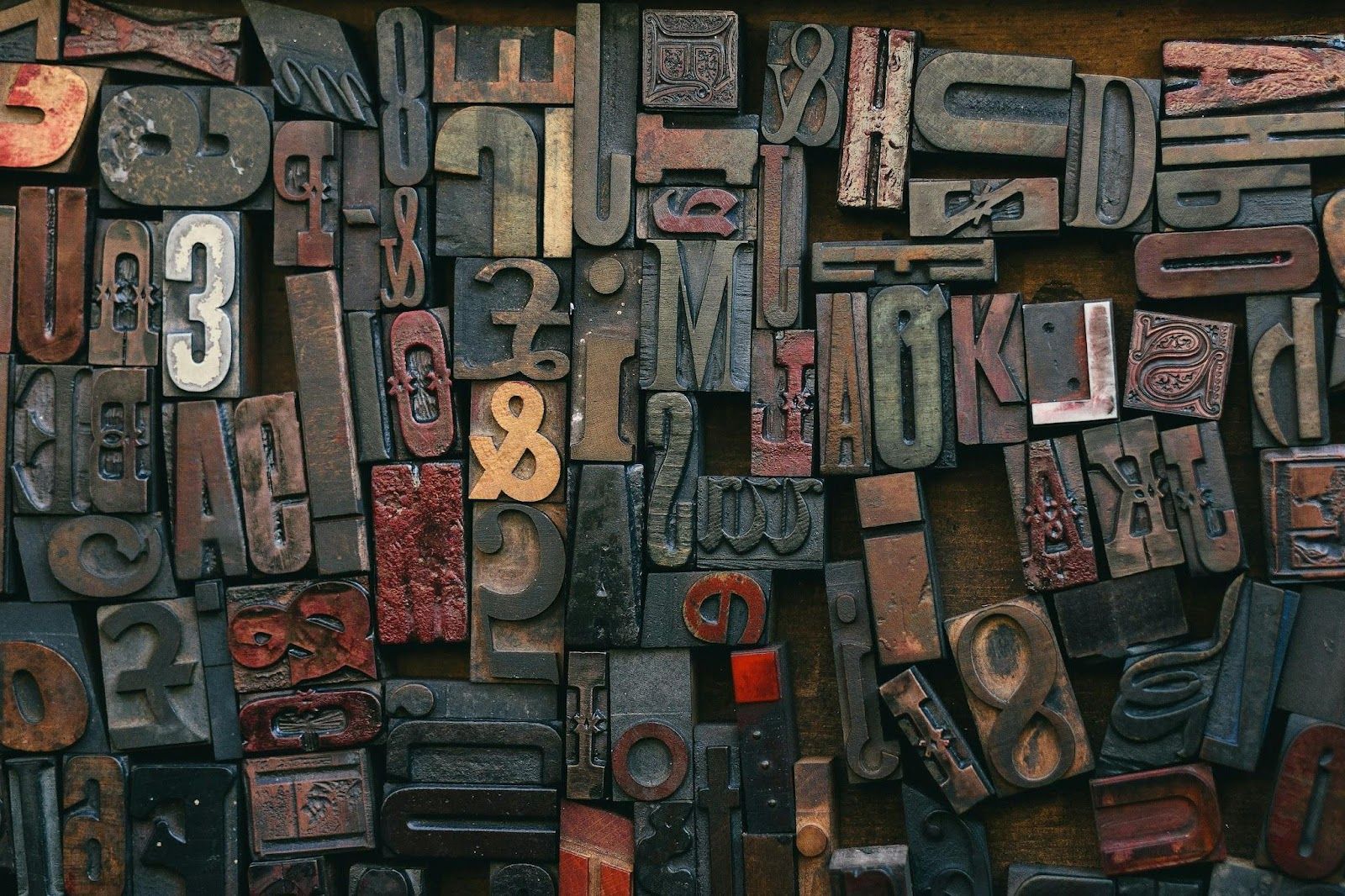
We are not talking about electronic printers. Think about the movable type technology: It goes back in history way, way farther than Gutenberg’s system.

Printing with woodblocks and even early movable type existed in China long before the 15th-century European printing that Gutenberg perfected and popularized.

11

Magnetic compass

Image: Mick Haupt

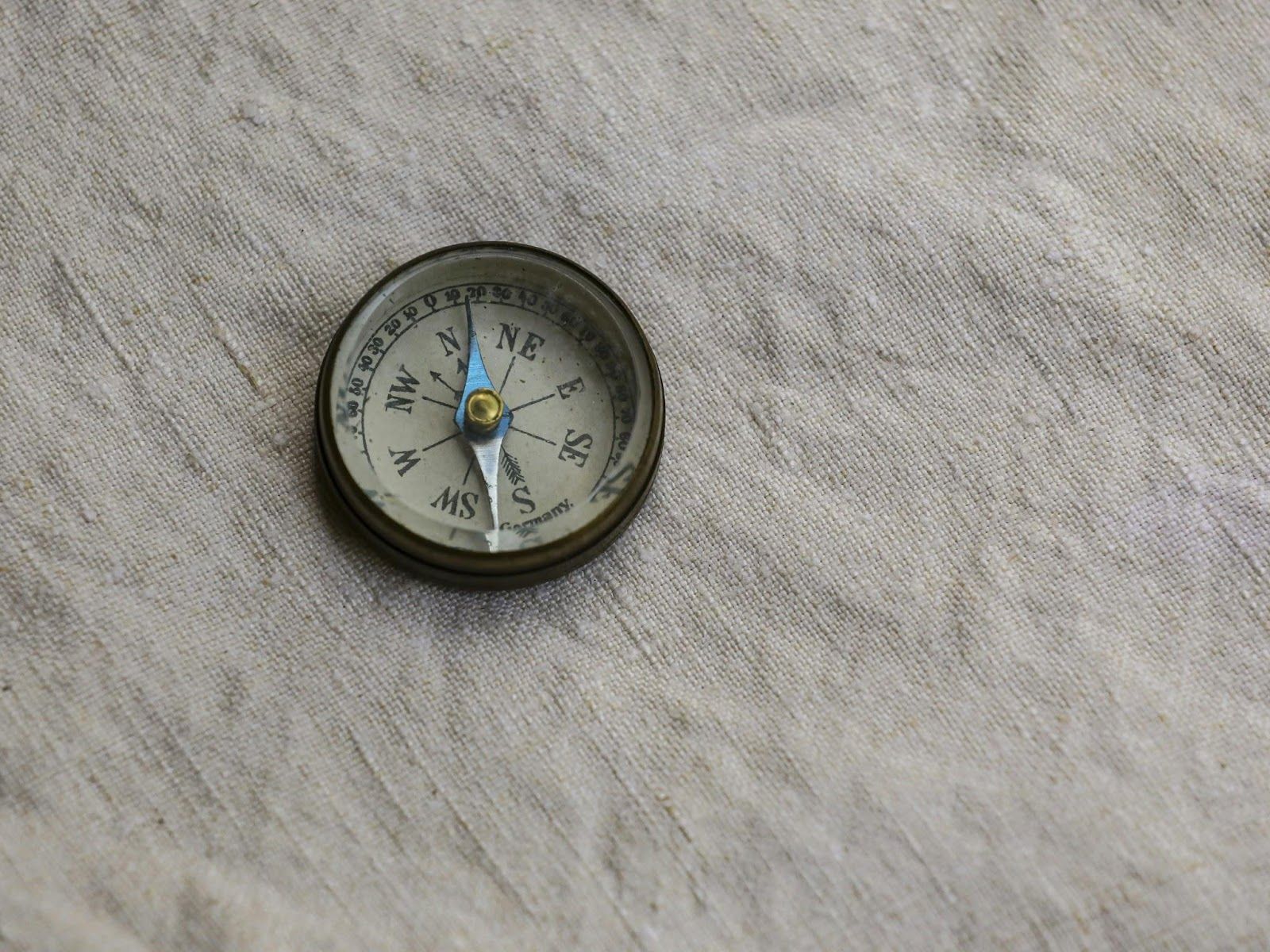
The great ancestor of GPS was probably the magnetic compass used for navigation. The discovery that magnetic force could be used to calculate the position of the poles occurred over 2000 years ago during the Han dynasty, in China.


Stories of lucky accidents

Sometimes it pays to be sloppy: Products that were born from mishaps


Published on March 22, 2026


Image: Jarritos Mexican Soda

Inventions are often conceived through order and precision. But sometimes they’re not. As history shows, on occasion it’s the chaotic, messy moments that lead to the greatest discoveries. From accidentally boiling tea leaves in their containing silk bag to forgetting a soda outside on a freezing night, these everyday objects owe their existence to observant and creative minds who found silver linings in mishaps. Let’s look into the creation of 10 well-known products that were born on days when things went wrong.

1

Teabags

Image: Skitterphoto

People weren’t supposed to dip the small bundles of tea leaves in hot water. At least, that was not what American trader Thomas Sullivan intended in 1904 when he shipped samples of his tea to Europe in small silk bags to keep the leaves neatly separated. He hoped buyers would open the bags and pour hot water over the leaves using strainers, as was customary back then. However, many customers found that the silk bags were very practical for making tea easily.

This observation led to the development of small bags for marketing tea. Gradually, the industry evolved from silk bags to more sustainable and cheaper options. It was 30 years later that parchment paper dual-chamber bags were invented, leading to the teabags we know today.

2

Champagne

Image: Tristan Gassert

Though wine had been produced in the northern French region of Champagne since Roman times, the Champenois had a long-lasting problem: refermentation. In winter, cold temperatures would halt the fermentation process. Dormant yeast cells would reactivate with the warmth of spring, releasing carbon dioxide gas. This pressure sometimes incorporated bubbles into the drink, and at worst, caused the bottles to explode in the cellars.

Dom Pierre Perignon, a monk in the 17th century, was tasked with finding a solution to refermentation. He experimented with grape varieties and processes for making wine, which led to the erroneous myth that he invented Champagne. While he was indeed the creator of winemaking practices that are relevant today, Champagne, as we know it today, was simply the evolution of that fizzy wine, which Champenois decided, in the end, wasn’t such a bad idea.

3

Brandy

Image: Eva Bronzini

16th-century Dutch traders are credited with the invention of Brandy. Its name derives from the Dutch term for "burnt wine": brandewijn. That alone hints at an interesting story.

When wine needed to be stored to travel on long sea journeys, Dutch traders developed a heating distilling system to preserve it. The idea was to make a very concentrated version that could be rehydrated with water upon arrival. However, eventually, they noticed that this "burnt" version, when stored in wooden casks, developed a unique flavor and aroma that people enjoyed. This discovery led to different regions developing their own variations, giving rise to alternatives such as cognac and Armagnac.

4

Popsicles

Image: Taylor Heery

The creator of Popsicles was an 11-year-old, according to the company. One day in 1905, he forgot a cup of soda with a stirring stick outside on a cold night. By the next morning, he realized that the drink had frozen, but the stick made it easy to handle. Curious, he gave the frozen soda a try and liked it.

His name was Frank Epperson, and he initially called his invention as "Epsicles" and sold them locally. It wasn’t until he was an adult that he decided to patent the invention and commercialize it on a larger scale. Eventually, Epsicles were sold worldwide. The story goes that, because Frank’s children referred to them as "Pop’s sicles," the product was eventually rebranded as "Popsicles."

5

Saccharin

Image: Mathilde Langevin

According to the story, Constantin Fahlberg was enjoying his dinner after a long day working in the lab when he noticed that his bread tasted unusually sweet. He traced this quality back to a compound he had been studying earlier. He was a chemist analyzing coal tar at Johns Hopkins University, and that day in 1879 he had been handling a derivative called benzoic sulfimide.

After this discovery, aided by his mentor Ira Remsen, Fahlberg developed a synthesis of the substance he named "saccharin" (inspired by the Latin word for sugar, saccharon). The artificial sweetener soon became commercially available and was widely used during sugar shortages that occurred in World War I.

6

Smoke Detector

Image: u_rpnz0oibah

Nowadays, smoke detectors come in very compact plastic enclosures, making them easy to install in many homes. But they weren’t always the ceiling disks that we know today.

In the late 1930s, Swiss physicist Walter Jaeger was working on a device that would alert

people of poisonous gas leaks. Legend has it that, while taking a frustration break near one of his failed inventions, he lit a cigarette, and the machine detected it. The device was triggered and Jaeger realized that it could alert people of the presence of smoke. The first versions of the device were only available for industrial use until ​​American businessman Duane Pearsall developed a battery-powered detector in 1965, practical for home use.

7

Friction Matches

Image: Ian Talmacs

In 1826, John Walker, an English chemist, accidentally invented matches while trying to create a new lighting method. He was mixing chemicals with a stick, and when he scraped the stick on the floor to clean it, the chemicals ignited, sparking the idea of lighting chemicals by friction.


He presented this concept in London and inventor Samuel Jones adopted it into the first version of friction matches. These early matches were unpredictable, often igniting with sparks and producing strong fumes. For this reason, as well as for marketing purposes, these early prototypes were known as "Lucifers" for many years.

8

Super Glue

Image: Ksenia Chernaya

In 1942, Harry Coover was an inventor at Eastman Kodak Company, where the team was trying to develop clear plastic guns to supply to Allied soldiers during World War II. They were testing the material cyanoacrylate, a compound that turned out to be incredibly durable but extremely sticky, so it was discarded.

A decade later, while reviewing his notes, Coover remembered cyanoacrylate and returned to its investigation. He quickly realized that it was a powerful substance for holding things together, without the need for pressure or heat. In the 1950s, the Eastman team marketed this product as "Eastman 910," which was later renamed "Super Glue."

9

Implantable Pacemaker

Image: falco

This is another example of life-changing technology born thanks to a machine not doing what it was supposed to. In 1958, engineer Dr. Wilson Greatbatch was trying to design equipment that would record the rhythm of the heart. He installed an incorrect resistor in the circuit and observed that the system produced intermittent pulses.

This discovery led to the design of a small device that could aid the beating of a human heart, though it took time to develop one that could be implanted. By 1958, Greatbatch and his collaborators had created a prototype that was tested on patients. The doctor spent the following decades iterating and perfecting his invention.

10

X-rays

Image: Owen Beard

We conclude with one of the most famous examples: German physics professor Wilhelm Röntgen stumbled on what he called "X-rays" by accident. Imagine experimenting with cathode rays in 1895 and suddenly noticing that a strange glow can pass through several opaque objects in your office.

In preliminary articles, Röntgen referred to this radiation as "X" to signify that its type was unknown. The label stuck even as these rays were further experimented with. Its medical relevance soon became obvious, and the first photographic plate made with X-rays was of his wife’s hand. Records say that upon seeing the image of her bones, she remarked, "I have seen my death."

Looking for an extra scoop of literary fun?

Learn more with our Word of the day

succor

/ˈsəkər/