Treasures with a history

Did Romans invent army knives? These things are way older than you think


Published on March 22, 2026
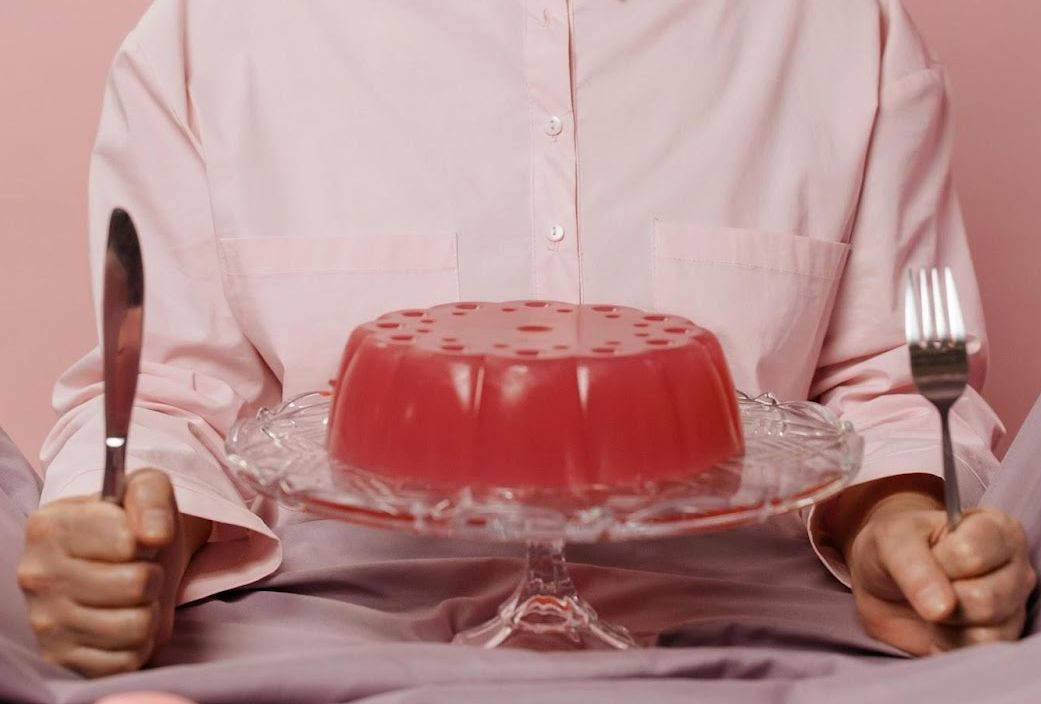

Image: cottonbro studio

Jell-O, Swiss Army Knives, roller skates, lighters… It’s hard to picture these items existing hundreds of years ago, isn’t it? And yet, some of the treasures that make modern life easier have indeed been around, in some cases, for millennia. Read on to learn when these 11 items were actually first invented!

1

Gelatin

Image: Lena Ti

Gelatin desserts existed centuries before Jell-O! Medieval cooks used boiled animal collagen to make shimmering molds for banquets. The brand Jell-O came in 1897, when Pearl B. Wait in New York flavored powdered gelatin with fruit syrups.

2

Nintendo

Image: Sigmund

It’s hard to imagine the video game giant existing before electricity. But Nintendo was founded in 1889 in Kyoto as a playing card company. For decades, it produced hanafuda cards, then toys, and only entered electronics in the 1970s.

3

Roller skates

Image: Brittani Burns

Long before disco rinks or inline blades, a Belgian inventor named John Joseph Merlin assembled the first roller skates in 1760, skating into a London ballroom (and famously crashing). Early versions had fixed metal wheels and very poor steerability.

4

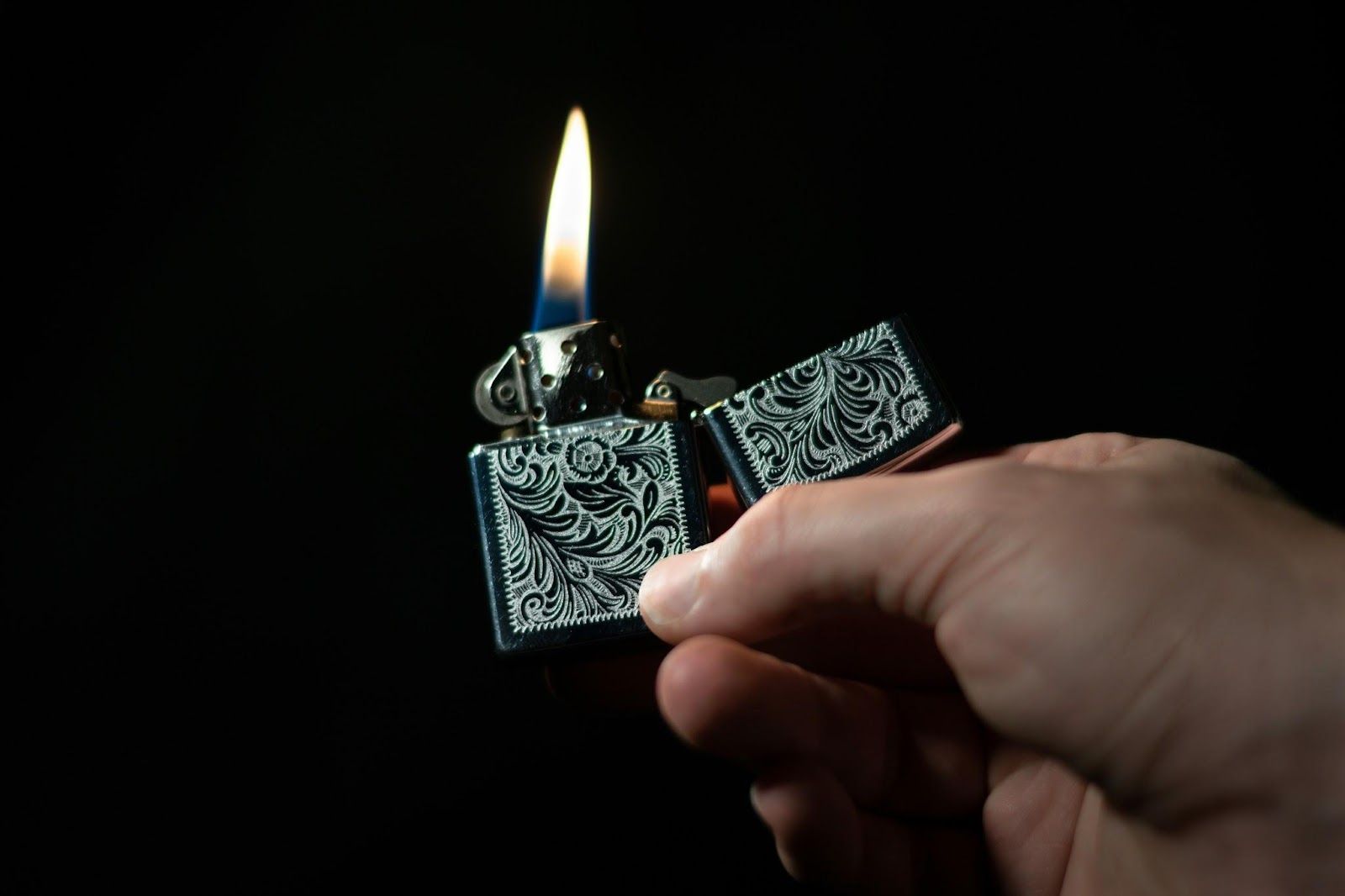
Lighters

Image: Thomas Despeyroux

Famously, lighters predate matches. But do you know exactly how long lighters have existed? The first usable one appeared in 1823, invented by a German chemist. The first friction match only appeared 3 years later.

5

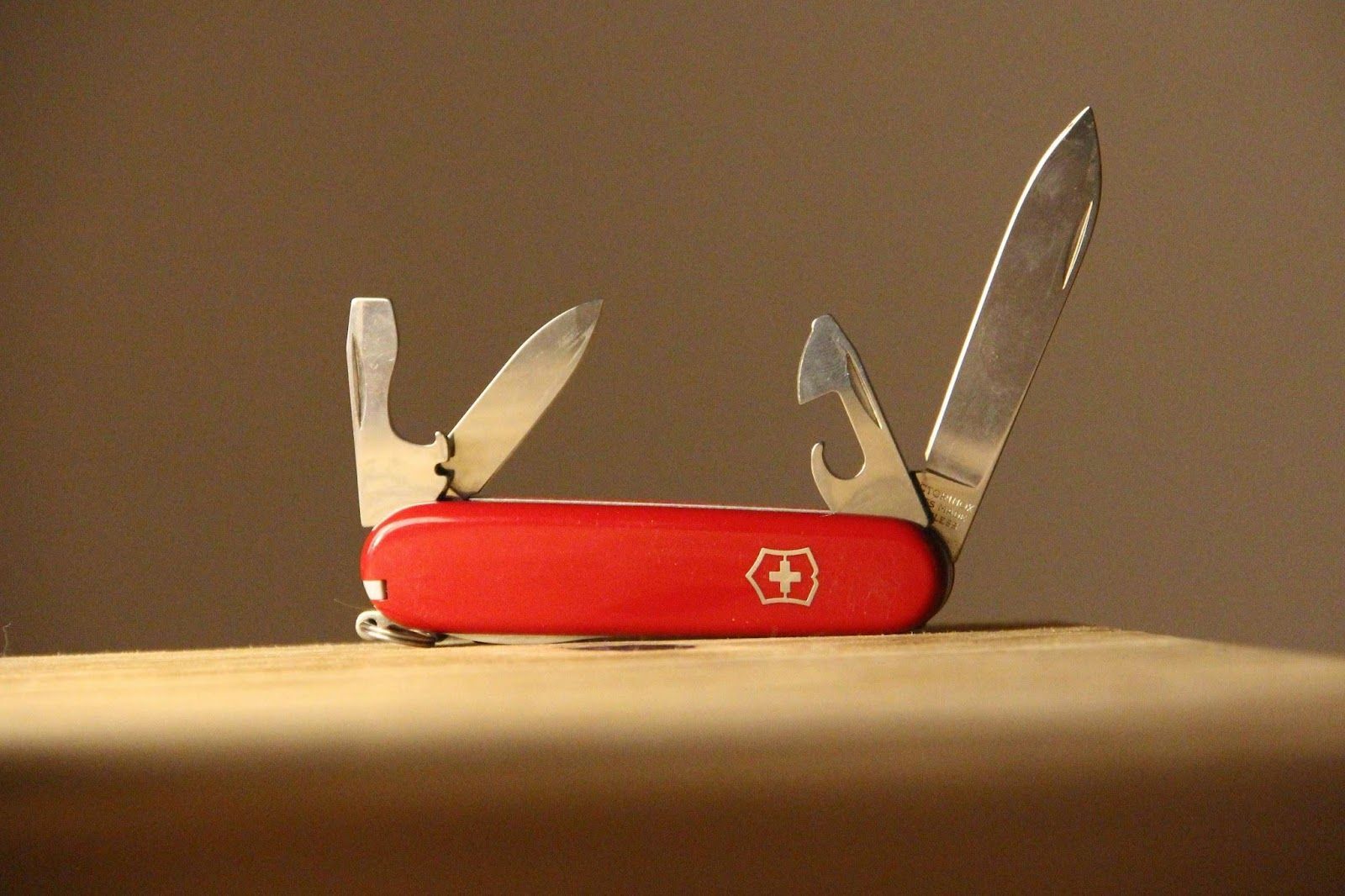
"Swiss Army Knife"

Image: Denise Jans

That’s what we call the famous red multi-tool standardized by Victorinox in 1891. But archaeologists discovered a Roman folding tool from around 200 AD made of silver and iron, with knife, spoon, fork, spike, and spatula. It might not have been mass-produced or standardized, but it certainly was there first.

6

Dishwasher

Image: Mohammad Esmaili

We may associate dishwashers with mid-20th-century suburban kitchens, but the first one dates to 1886, when Josephine Cochrane built a hand-cranked model to save her fine china from clumsy servants.

7

Escalators

Image: Teemu Laukkarinen

The 20th century was still far away when the first working escalator was patented. The year was 1859, yet it was introduced at Coney Island only 30 years later—as an amusement ride!

8

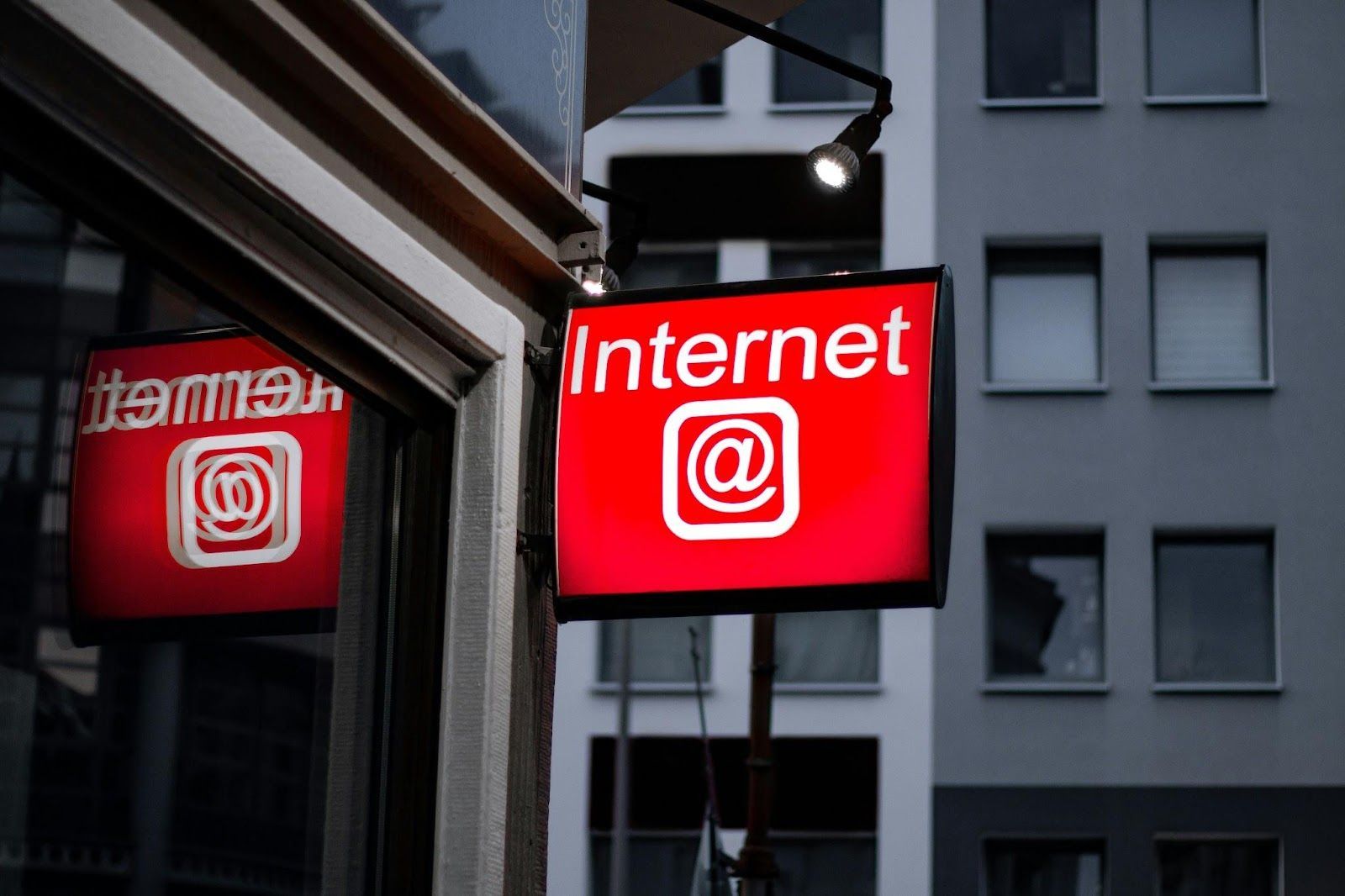
The Internet

Image: Leon Seibert

It’s not a thing of the 90s! Its roots go back to 1969, when ARPANET connected four U.S. universities for military-funded research. The web’s 1991 debut by Tim Berners-Lee made it public and visual, hence the illusion that the "Internet" appeared overnight.

9

Concrete

Image: Robert Keane

Do you associate concrete blocks with modernity in your mind? Think again! The Romans used advanced volcanic-ash mixes to build huge, durable structures (like the Pantheon dome or aqueducts). The Ancient Roman techniques even give clues on how to make longer-lasting concrete today.

10

Printing technology

Image: Bruno Martins

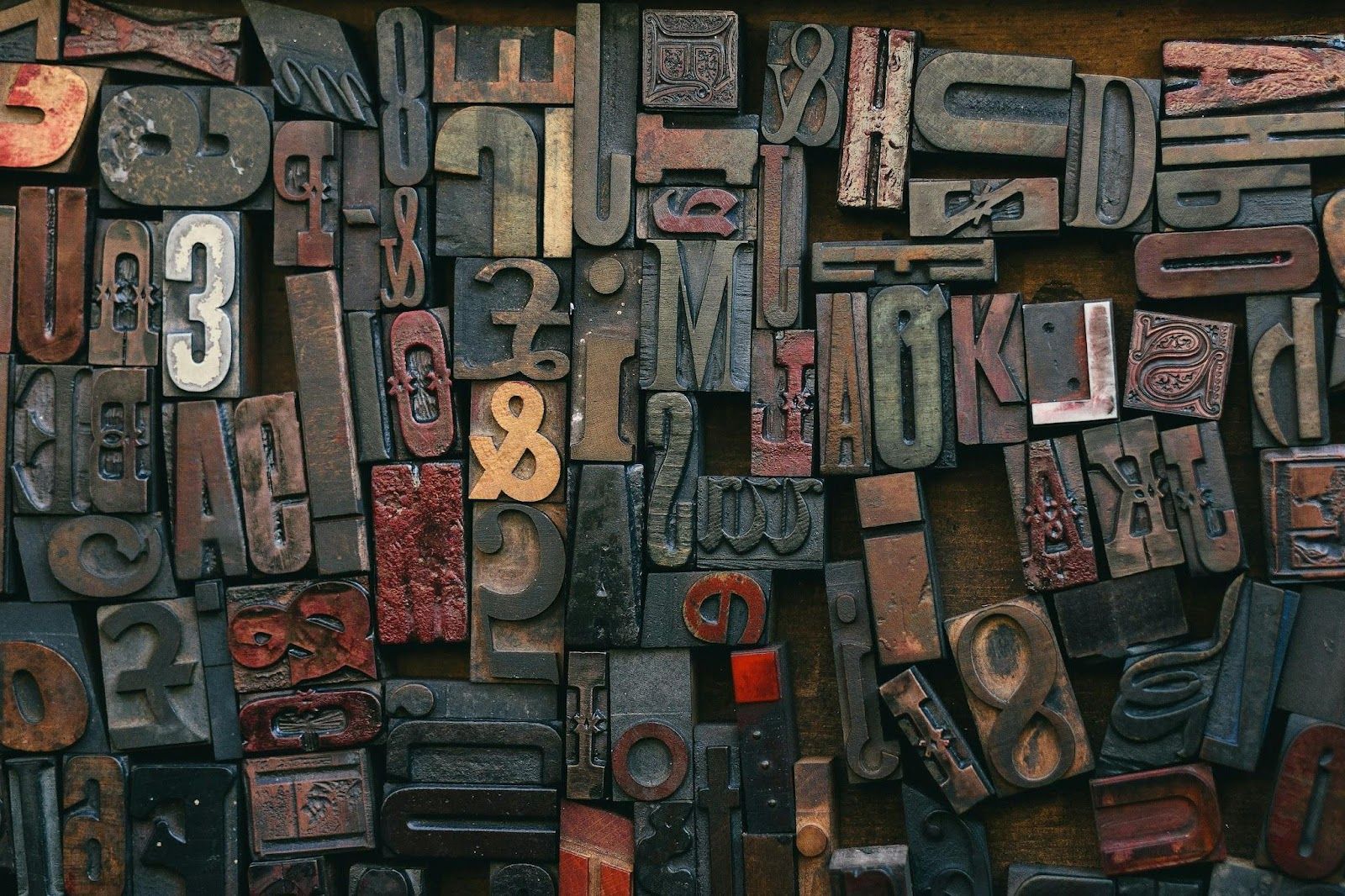
We are not talking about electronic printers. Think about the movable type technology: It goes back in history way, way farther than Gutenberg’s system.

Printing with woodblocks and even early movable type existed in China long before the 15th-century European printing that Gutenberg perfected and popularized.

11

Magnetic compass

Image: Mick Haupt

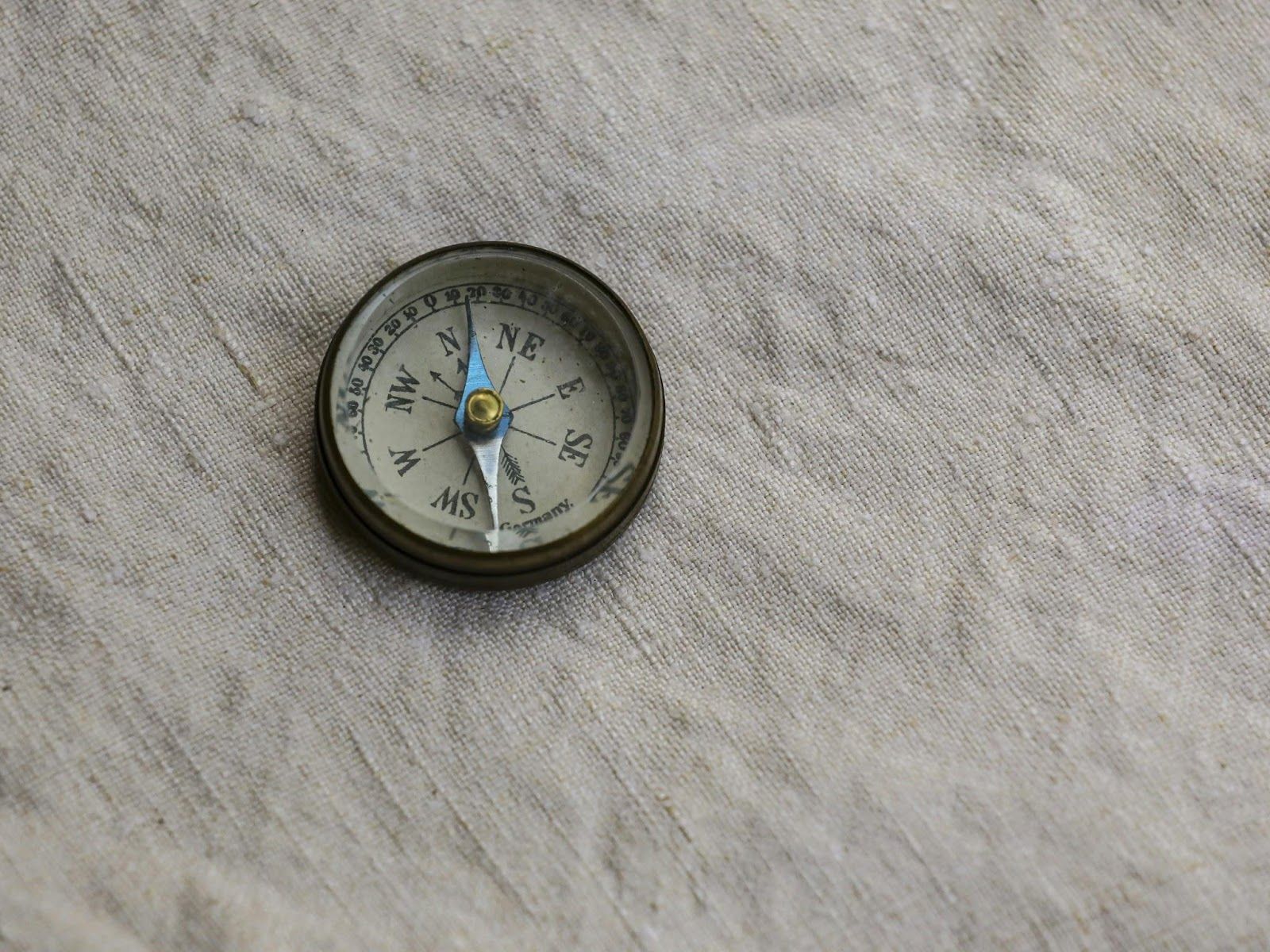
The great ancestor of GPS was probably the magnetic compass used for navigation. The discovery that magnetic force could be used to calculate the position of the poles occurred over 2000 years ago during the Han dynasty, in China.


NOT EVERY ARTIST WAS BORN WITH A COOL NAME

What’s in a name? 10 famous artists who changed their monikers


Published on March 22, 2026


Image: Tim Mossholder

Not every artist is born with a name that is destined for greatness. Not every artist has parents as cool as Prince did, who actually named their son Prince Rogers Nelson. Most of the famous musicians, actors, and actresses we know were born with normal, middle-of-the-road names, like the rest of us. And, while many have decided to keep their given names, some have changed their monikers to something better suited to their chosen identities. The following ten are examples of successful artists who made this bold move. Did you know already any one of these?

1

David Bowie

Image: David Preston

Perhaps the greatest rock and roll star of all time, the Thin White Duke, reinvented himself and his whole style every few years. David Bowie’s name has become an icon in itself, but that wasn’t always the case.

Back in 1966, when the young David Jones was 18 and taking his first steps under the spotlight, he changed his name to avoid confusion with another British musician of the same name, Davy Jones, who later became the frontman for The Monkees. Bowie chose his moniker as a homage to the Bowie knife and James Bowie, a famous American pioneer.

2

Bob Dylan

Image: Jon Tyson

Another name that has long turned into an icon is Bob Dylan. Until 1962, his name was Robert Zimmerman and the most popular theory about why he chose Dylan was that it was done as an homage to poet Dylan Thomas. But the Nobel Prize winner has denied this a few times.

Apparently, the name came to him as a mixture of his own nickname, Bob, and the last name of jazz artist David Allyn. That same name, Allyn, sounded similar to Dylan, which the singer-songwriter preferred.

3

Lady Gaga

Image: Alexander Wark Feeney

While it may come as a surprise that some famous people’s names are not their real ones, others are quite obviously fabricated. Lady Gaga’s parents gave their daughter the more standardized name of Stefani Joanne Angelina Germanotta.

The young Stefani’s friends gave her the name Gaga after a lyric from the Queen song "Radio Ga Ga," which sounded similar to Lady Gaga.

4

Elvis Costello

Image: Austin Loveing

Elvis Costello may not have been born with that name but his parents gave him an even more flamboyant title: Declan Patrick Aloysius Macmanus. Granted, that name might have probably worked wonders for him in other endeavors, but in the realm of showbiz, shorter and easier-to-remember names are preferred.

And probably that is why ol’ Declan eventually chose a stage name after signing his first recording contract, combining ‘Elvis’ from Elvis Presley and his own father’s stage name, Costello.

5

Elton John

Image: Andrik Langfield

Is Elton John an elegant name? You bet. Especially with the added "Sir." Is it real? Not a chance. Sir Elton was born Reginald Kenneth Dwight, a very British name indeed, but apparently not the one he wanted for his career.

The Rocket Man creator started going by the name "Elton John" in honor of saxophonist Elton Dean and singer Long John Baldry.

6

Cher

Image: Edward Cisneros

A name so iconic that it doesn’t even need a last name, Cher is, in fact, short for the Pop Goddess's real name, Cherilyn, whose full birth certificate name is Cherilyn Sarkisian.

But before deciding to go with Cher, she recorded songs under the names Bonnie Jo Mason and Cherilyn. Even when she formed a duo with Sonny Bono, they went by "Caesar & Cleo," before landing on "Sonny & Cher."

7

Freddie Mercury

Image: Noah Näf

When you sing as incredibly well as Freddie Mercury did, you can name yourself anything you want and people will come. But the man who gave us "Bohemian Rhapsody" thought that his birthname, Farrokh Bulsara, was not the best suited for his career.

The Queen frontman legally changed his name to Freddie Mercury around 1970, when the band was formed.

8

Stevie Wonder

Image: Tim Gouw

Stevland Hardaway Judkins was a wonder from a very early age. In 1961, 11-year-old Stevie was discovered by Ronnie White of the Motown group the Miracles. After a meeting at Motown Records, Berry Gordy renamed the young prodigy "Little Stevie Wonder," later dropping the "Little" as he matured.

9

Sting

Image: Marc Schulte

It probably won’t be a shock to know that Sting, the British musician, wasn’t born with that name. Instead, his parents gave him the most normal name of Gordon Matthew Thomas Sumner.

While in school, Sumner played in local clubs as part of bands called Pheonix Jazzmen and Last Exit. It was one of his Pheonix Jazzmen bandmates who first dubbed Sumner, "Sting." The nickname stemmed from a black-and-yellow striped sweater he often wore while performing. And it stuck.

10

Bono

Image: Yvette de Wit

Another rock star who decided that surnames were not a good look for him is U2’s frontman, Bono. Paul Hewson was born and raised in Ireland. While still in his teens, he was a member of a group called "Lypton Village."

One evening, hanging out on the street across from a local hearing aid shop called Bono Vox, his friends decided that such a name would be a good nickname for Paul because, in addition to being an Irish hearing aid company, "Bono Vox" means ‘good voice’ in Latin. At one point, Mr. Hewson dropped the "Vox," and from then on, became known simply as Bono.

Looking for an extra scoop of literary fun?

Learn more with our Word of the day

destitute

/ˈdɛstəˌtut/