Everybody makes mistakes

“Decimate” doesn’t mean what you think: Words often used incorrectly


Published on February 9, 2025

Image: cottonbro studio

Surely, we’ve all made grammatical mistakes that still haunt us. But that doesn’t mean our eyes are safe from twitching when we hear words like "irregardless." A dozen popular mistakes have spread and infiltrated the vocabulary of many, much to the dismay of word lovers. Let’s explore some of these and hope we aren’t among the ones committing them!

1

Using "nauseous" for "nauseated"

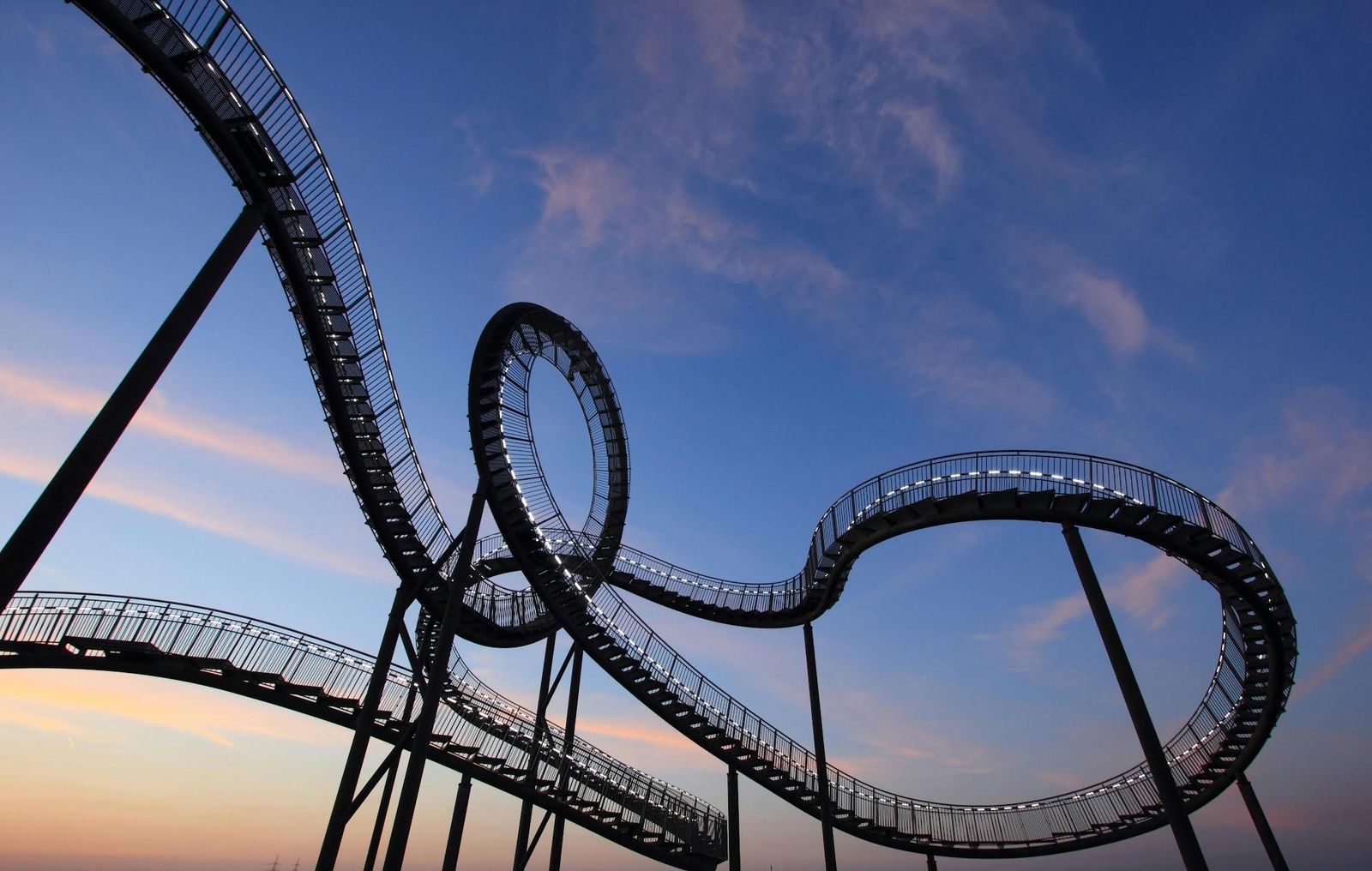
Image: Pixabay

Careful: If you say you are nauseous, that means you are causing someone else nausea. You probably don’t mean that you stink, but that you are feeling sick yourself.

When stepping off a rollercoaster, you don’t feel nauseous: You might feel nauseated, which is the correct term.

2

Infamous: Not the fame you want

Image: freestocks

When did people start using "infamous" interchangeably with "famous"? It’s hard to know, but this mistake is heard often. Remember, "infamous" and "notorious" are adjectives that imply the subject has a bad reputation.

Maybe the confusion comes from "famous" being right there in the word, but keep in mind: infamous isn’t the kind of fame you want.

3

Bemused: Confused, not amused

Image: Wilfredo Wesly

If you’re bemused, you’re scratching your head, not laughing. "Bemused" gets thrown around as a fancier way to say "amused," but it actually means "confused" or "bewildered." One often isn’t bemused by a funny meme, but a complex set of instructions could leave you bemused.

4

Decimate: Not total destruction

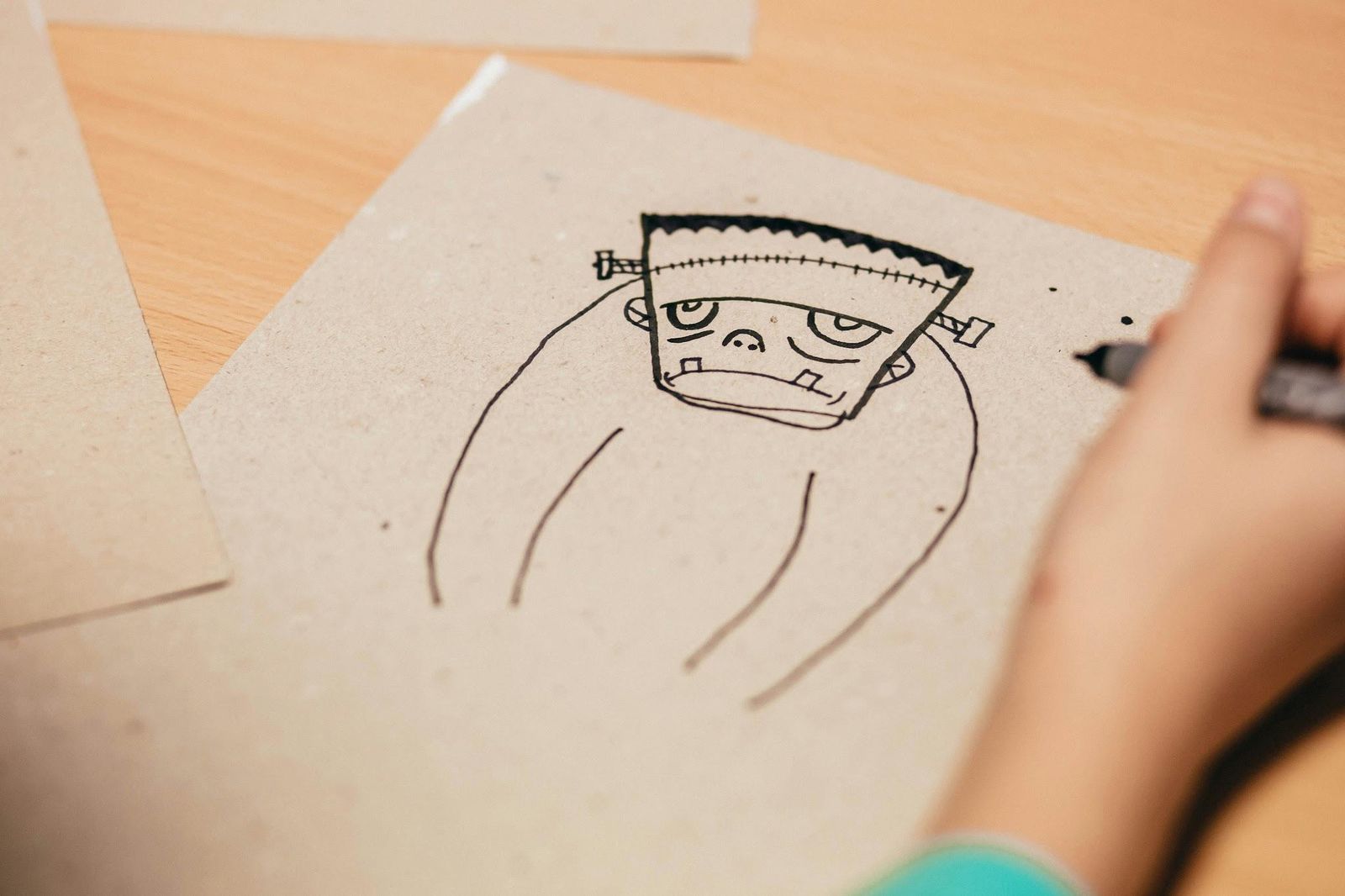
Image: Miguel Á. Padriñán

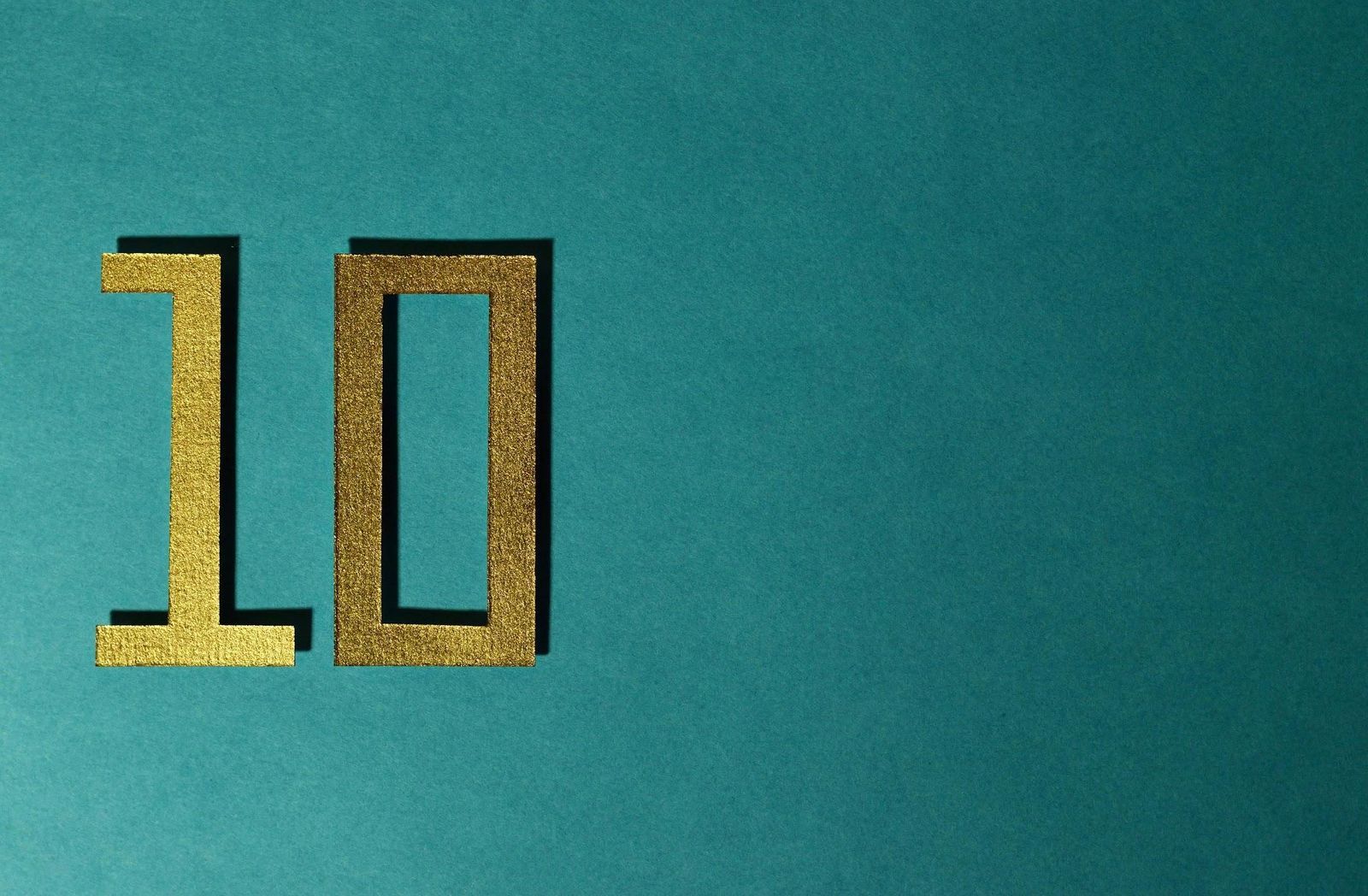
People often use "decimate" to mean "destroy entirely," but its original meaning is "reduce by one-tenth." It derives from a Roman practice of punishing armies.

For example, you could announce that a crop was decimated by pests but that some survived. The confusion is likely because "one-tenth" doesn’t sound dramatic enough. Ironically, modern misuse has decimated the word’s original meaning.

5

Peruse: Read deeply, not skim

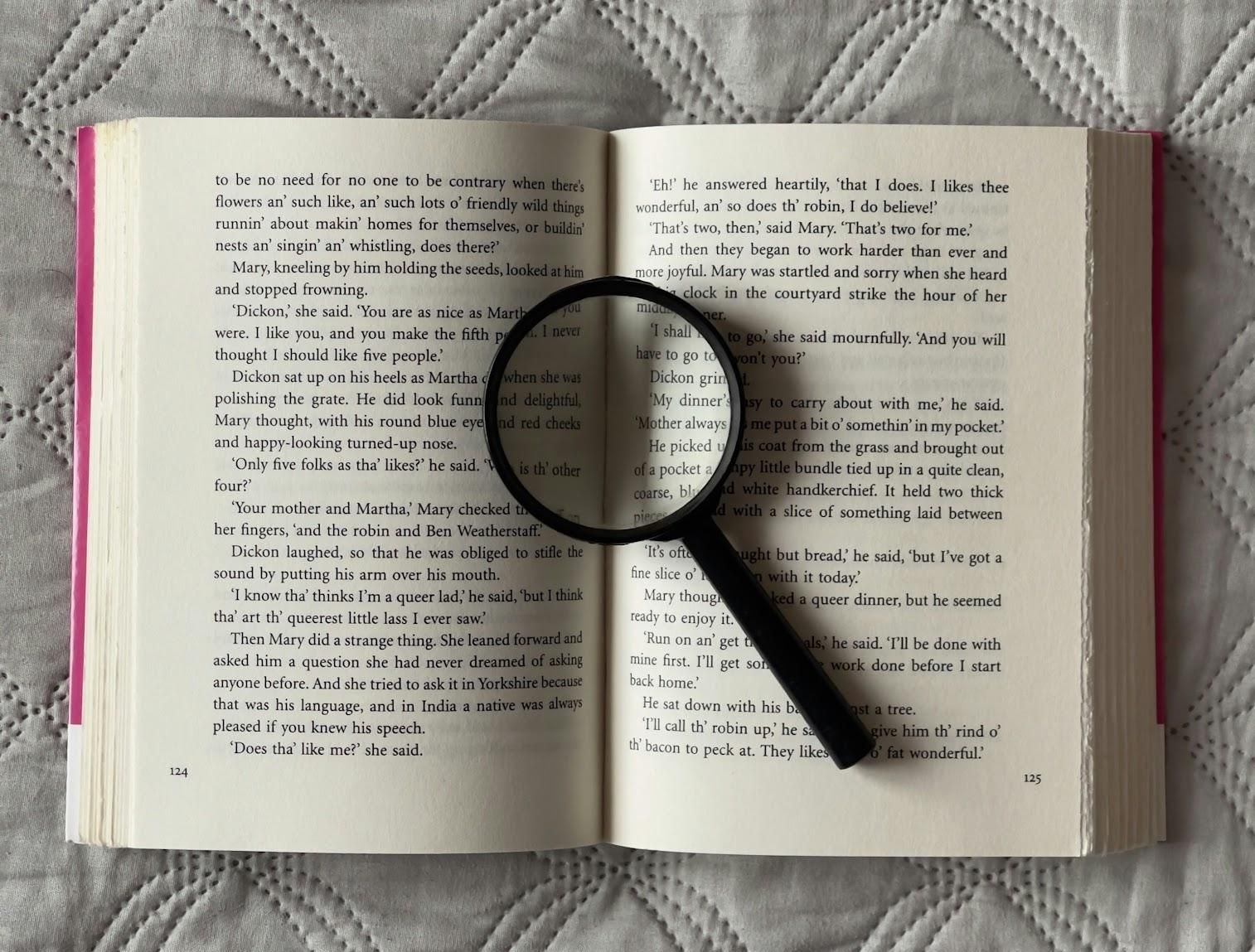
Image: ethan

Some people wrongly state that they have perused a magazine when what they did was flip through it lightly. To "peruse" means to read thoroughly and carefully.

You could peruse a contract document before signing it, for example. Remember, the verb shouldn’t be used as a fancy synonym for "skim."

6

Irregardless: Is it a real word?

Image: Kristian Strand

"Irregardless" gets thrown around, but mostly as the less-preferred form of the word "regardless." Adding "ir-" to it makes it a nonstandard double negative. The word "regard-less" already means "without regard."

Why do people use the wrong form, then? Maybe inventing a prefix feels extra emphatic, but really, it’s like putting a hat on a hat.

7

Use "supposably" with care

Image: Laura Ohlman

"Supposably" is often (and incorrectly) used instead of "supposedly." While the former does exist, it means "as could be imagined or believed". "Supposedly" means "according to what is assumed or believed".

So, which adverb should be used? It depends on whether the reality described is supposed to be true (supposedly) or possible to be true (supposably).

8

Irony: More than a coincidence

Image: Birk Enwald

Irony isn’t just a coincidence or bad luck; it’s when there’s a contradiction between expectation and reality. It would be ironic, for example, that a fire station should burn down.

If you simply ran into someone you know, however, that would not be ironic. It would simply be a funny coincidence.

9

Literally: Not for exaggeration

Image: Randy Tarampi

"Literally" means something is true exactly as is stated. It is often misused for exaggerations to add emphasis.

People have grown used to inserting that word into any hyperbolic sentence, such as "I’m literally dying of laughter". The word does have its correct place in some phrases, though. For example, you could literally trip over your own shoelaces.

10

Jealousy: Not to be confused with envy

Image: Florian Schmetz

You cannot feel jealous of someone who enjoys something that you’ve never had. That’s because, strictly speaking, "jealousy" involves the fear of losing something.

"Envy" would be the correct term for referring to the desire to have what someone else does. For example, envying a gold medal when you only achieved the silver one.

11

Disinterested vs. Uninterested: Impartial vs. Bored

Image: Tony Tran

Sometimes students claim to be failing a class because they are "disinterested" in the subject, which is an incorrect statement. "Disinterested" means "impartial", or "unbiased". What they mean is that they are not interested, or "uninterested".

12

Affect vs. Effect: Action vs. Outcome

Image: Tom Wilson

"Affect" is a verb, meaning "to influence," while "effect" is a noun, meaning "a result." These two are spotted in the wrong sentence way too often. A speech can have an effect on an audience, but it cannot "effect" the audience. It can only "affect" it.

13

Everyday vs. Every Day: Adjective vs. Frequency
Image: Eric Rothermel

The space between the words (or lack thereof) does affect the meaning! "Everyday" is an adjective meaning ordinary, while "every day" means "each day." Ask yourself carefully which of the two you are using.

Remember, every day we can find everyday words used incorrectly!


ARTISTIC ALLIANCES

Relive 10 Great Literary Classics Turned Into Outstanding Movies


Published on February 9, 2025


Image: Suzy Hazelwood

Despite using very different languages, cinema has sought inspiration in literature practically since its beginnings. Some of the greatest stories of the seventh art are adaptations from classic books.

Although we hear the expression "The book is better than the movie" quite a lot, there are vast examples in which film adaptations live up to the stories that inspired them. Many times, when watching movies based on our favorite novels, we can discover new dimensions, delightful supporting characters, and surprising subplots we didn’t even know were there. Here are 10 great movies where the synergy between film and literature worked to perfection.

1

To Kill a Mockingbird

Image: Kabiur Rahman Riyad

Considered one of the most important novels in American literature, To Kill a Mockingbird revolves around a widowed lawyer who feels a great responsibility to uphold the law and set a good example for his children. The novel was first published in 1960 and just two years later Atticus Finch became a cinematic legend thanks to Gregory Peck and Robert Mulligan's adaptation of Harper Lee's literary original. One of the best and most remembered trial films, it raised the issue of the institutional racism that prevailed in American society.

Peck's portrayal of this complex character was so good that it earned him an Academy Award for Best Actor. In addition, years later the American Film Institute recognized his brilliant version of Atticus Finch as the greatest hero in the history of cinema, surpassing the likes of Indiana Jones, James Bond, Han Solo, and Rocky Balboa.

2

Pride and Prejudice

Image: rawkkim

British author Jane Austen is one of the most adapted writers of all time —from Sense and Sensibility to Emma, there are a large number of great films based on her books. But Joe Wright’s adaptation of Pride and Prejudice (2005) is probably one of the most iconic and also the one that best captured the novelist's sense of humor.

As a result of the director's attention to detail, the film was a great success with audiences and critics alike. In fact, this great work of adaptation was granted an Oscar nomination for Best Costume Design and Best Art Direction. In addition, Keira Knightley was nominated for Best Actress for her accurate and memorable portrayal of Elizabeth Bennet. Donald Sutherland’s scene-stealing role as the weary but gentle Mr. Bennet deserves a special mention. If you don’t trust us, just go back and watch the memorable scene where he gives Elizabeth his consent to marry Mr Darcy. Prepare to shed a few tears!

3

Dracula

Image: Tim Alex

Undoubtedly the most famous vampire of all time, the story of Dracula has been adapted to film countless times. We all have the pale face of the Count played by Béla Lugosi in 1931 imprinted in our memory, but perhaps the best adaptation of Bram Stoker's novel is the one released sixty years later. In his 1992 version, Francis Ford Coppola was able to take this classic story to levels never seen before, thanks to an excellent cast led by Gary Oldman, Winona Ryder, and Anthony Hopkins.

As if this were not enough, this adaptation sought to explain the origins of the vampire, making very clear the causes of his curse and his eternal conflict with God. In this way, Coppola was able to turn one of the most classic monsters of gothic literature into one of the most chilling creatures of cinema, whose aged appearance and twisted shadow are capable of terrifying anyone.

4

Gone With The Wind

Image: micheile henderson

Margaret Mitchell's brilliant novel was surely one of the most important adaptation challenges in the history of cinema. Fortunately, the result could not have been better. Victor Fleming's film brought to the big screen —as early as 1939 and in dazzling Technicolor—, one of the best love stories of all time. The director’s meticulous care of every detail of the production can be seen in the breathtaking images showing the aftermath of the American Civil War.

The impressive acting work of Vivien Leigh and Clark Gable as Scarlett O'Hara and Rhett Butler are out of this world. Still considered one of the most important and tragic couples in celluloid history, their performance earned them an Oscar nomination for Best Actor and an Academy Award for Best Actress in a Leading Role. If you haven't seen it yet, you should know that this is a must-see classic for anyone who claims to be a movie buff!

5

Carrie

Image: Kelly Brito

With over 65 published novels it is no wonder that Stephen King is one of the most adapted American authors in the history of cinema. Quintessential films like The Shining (Stanley Kubrick, 1980) and Misery (Rob Reiner, 1990) have given us some of the most legendary scares of our lives. But perhaps Brian De Palma's version of Carrie (1976) is the most faithful approach to a King text, as well as being one of the best films about adolescence and the real terrors it entails.

Sissy Spacek's memorable performance as Carrie and the iconic prom scene will remain in the memory of viewers for generations. Thanks to De Palma's cinematic approach, this movie version of the novel has left a lasting mark on horror cinema and solidified Stephen King's indisputable storytelling talent for the big screen.

6

Doctor Zhivago

Image: Ioann-Mark Kuznietsov

Although it is one of the most successful films of the 20th century —adjusted for inflation, it is the ninth highest-grossing film in the history of the United States—, some claim that this 1965 three-hour-long screen version of Doctor Zhivago gives excessive attention to the romance between Yuri and Lara, omitting the political message of the original book.

Arguments aside, the technical perfection of the film —it won 5 Academy Awards at the time— and the excellent performance of Omar Sharif have been enough for many to consider this adaptation of Boris Pasternak's novel as one of the greatest classics of all time. In addition, the work of director David Lean is considered a great achievement, even above one of his previous masterpieces, Lawrence of Arabia.

7

Little Women

Image: micheile henderson

Another literary classic adapted to the big screen many times, Little Women got a revival in 2019 thanks to Greta Gerwig's modern take. Although the book portrays a historical moment totally different from our current reality, Gerwig manages to give the film that touch of freshness that makes a classic feel current and new. The truth is that her focus on female empowerment and the existential crises of growing up are things we can still identify with today.

In this way, the director —who was nominated for Best Adapted Screenplay— manages to tell the same story we all know and love through a new lens, while remaining true to the spirit of Louisa May Alcott's 1868 novel. In addition, Saoirse Ronan, Florence Pugh, and Timothée Chalamet make the most of every moment on screen as they play these memorable characters with mastery and emotion.

8

The Talented Mr. Ripley

Image: Daria Kraplak

Patricia Highsmith is another of the great American authors who has given the world amazing books that were later adapted into films. Carol, The American Friend, and Strangers on a Train are just a few examples. But the 1999 version of The Talented Mr. Ripley by Anthony Mighella is the most famous adaptation of a Highsmith novel and perhaps the best of the whole Ripley saga.

With a stellar cast that included Jude Law and Gwyneth Paltrow as the happy couple and Matt Damon in the role of the charming yet terrible Tom Ripley, the film was a total success. Nominated for five Academy Awards, The Talented Mr. Ripley left us some of the greatest scenes in film history.

9

Great Expectations

Image: Suzy Hazelwood

In 1998, Mexican director Alfonso Cuarón decided to take the story of Charles Dickens's literary classic Great Expectations and make it into a film. However, he did not limit himself to the original premise and structure but gave it a twist. He chose to set the story in the present day, turning Pip —here called Finn— into a young dreamer whose mysterious benefactor helps him travel to New York to become a great artist capable of fighting for his dreams.

The film stood out for its excellent soundtrack, the use of a green tone color palette, and above all, for an excellent cast that included big Hollywood names such as Ethan Hawke, Gwyneth Paltrow, Chris Cooper, Robert DeNiro, and Anne Bancroft.

10

Blade Runner

Image: Armando Arauz

Many of the best science fiction films of all time are based on classic books. For example, Total Recall, War of the Worlds, and Solaris have been adapted from the works of renowned authors. But perhaps the best one in this genre is Blade Runner, directed by Ridley Scott in 1982.

Starring Harrison Ford, this futuristic classic with neo-noir touches is based on the novel Do Androids Dream of Electric Sheep?, written by Phillip K. Dick in 1968. In a dystopian future where humans are manufactured and transferred to colonies located outside of Earth, bounty hunter Rick Deckard will have to confront them. Although at the time of its release, it did not receive much recognition, this film loaded with philosophical connotations has managed to transcend both frontiers and generations to become a cult movie adored by fans all over the world.

Looking for an extra scoop of literary fun?

Learn more with our Word of the day

alter

/ˈɔltər/