Stock up on short words

"Cwm" is not a typo: Three-letter words you didn't know existed


Published on February 18, 2026
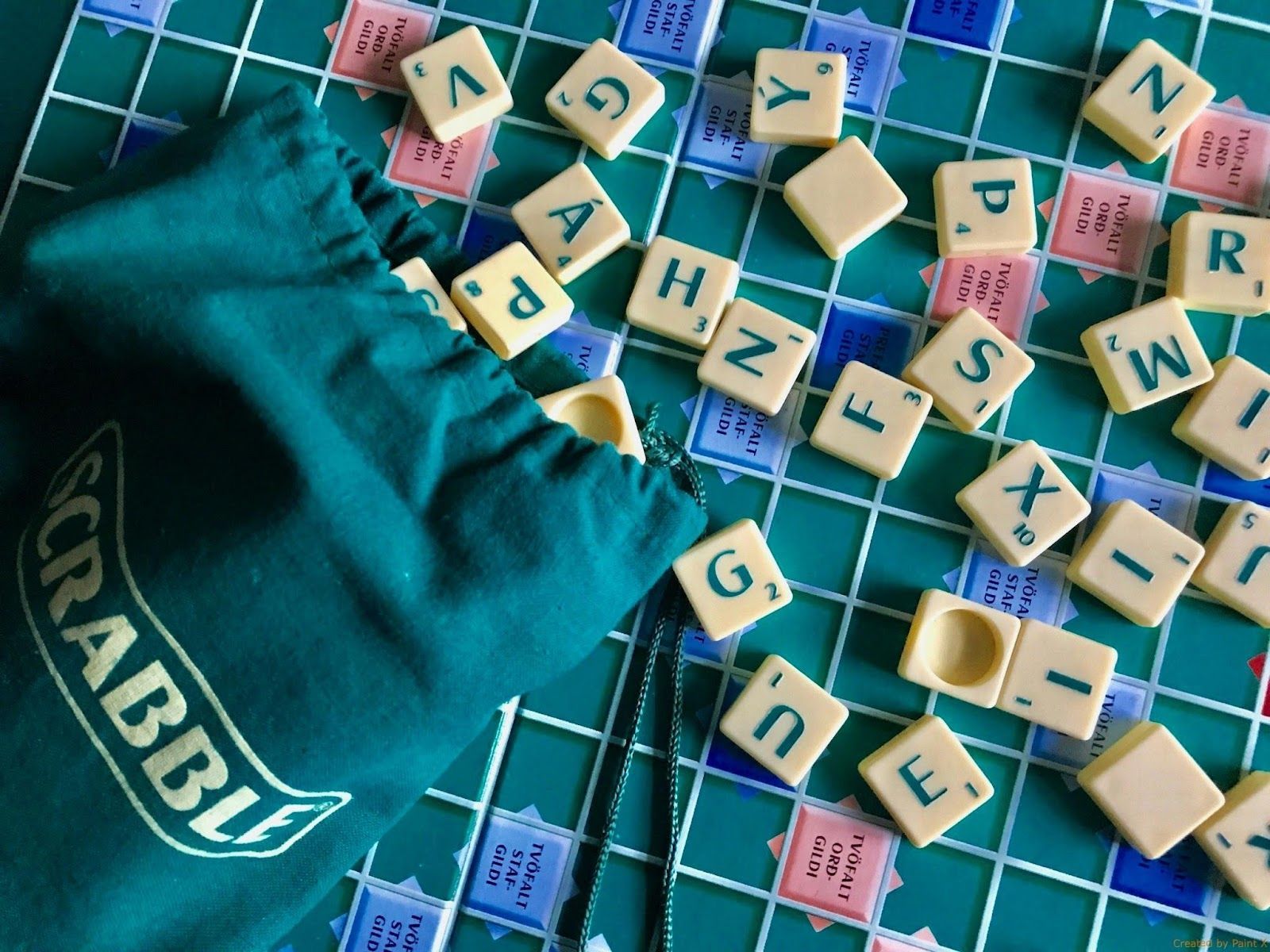

Image: Freysteinn G. Jonsson

Need a few tricks up your sleeve for playing Scrabble? It’s not always the long words that will impress the other players: Sometimes it’s the surprisingly short combination of letters that none of them knew. Have you ever heard of unassuming three-letter words like "cwm" or "zax"? Those aren’t typos! Let’s explore some of the most obscure –yet perfectly valid– three-letter words.

1

Cwm

Image: shezan sharif

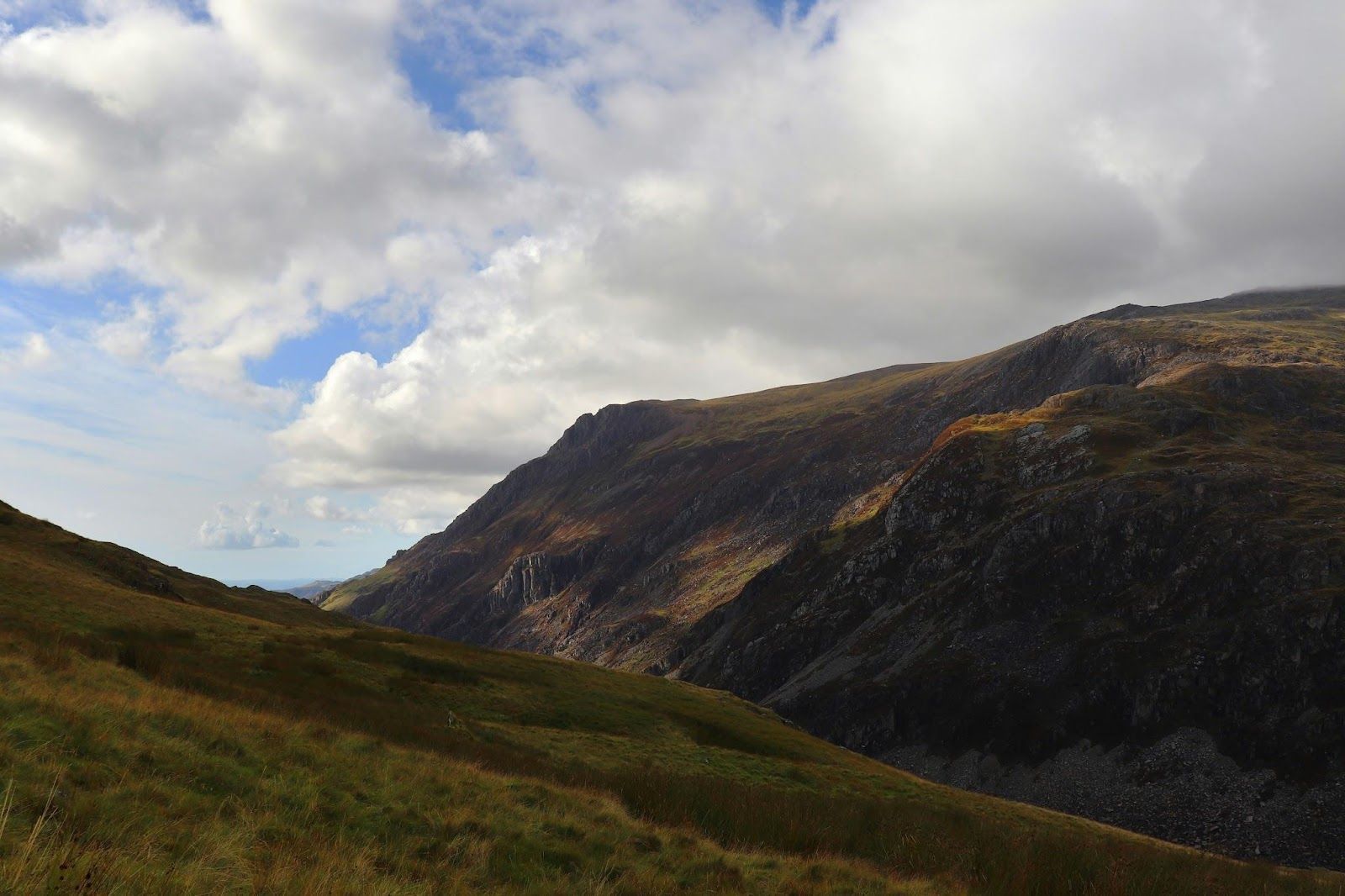
Before you ask: it’s pronounced "koom". If you run out of vowels in your Scrabble set, this might save you. It refers to a deep, steep-walled valley, often carved by glaciers.

The term comes from Welsh, where it simply means "valley." Many places in Wales proudly bear the name, such as Cwmbran, a town in South Wales, or Cwmtwrch, a village with a name that translates to "Valley of the Wild Boar."

2

Zax

Image: Vlada Karpovich

A "zax" is a tool used for cutting or trimming roof slates with precision. The word shares linguistic roots with seax, an Old English word for a short sword or knife.

Plus, in Scrabble, the mighty "Z" (10 points!) paired with "A" (1 point) and "X" (8 points) makes this one of the highest-scoring three-letter words you can play!

3

Voe

Image: Remedy

No, it’s not a mythical sea creature. "Voe" refers to a small bay or narrow creek that extends inland from the sea. These sheltered inlets are particularly found in Scotland, where they provided safe harbor for fishermen and sailors for centuries.

Some of these sailors were Vikings who once ruled the territory, and who called these bays with the Old Norse word vágr (bay or inlet.)

4

Yob

Image: engin akyurt

If you ever see a rowdy, loudmouthed troublemaker being kicked out of a bar in Britain, you might hear someone call them a "yob."

Here’s the funny part: There’s no Old English etymology involved. It’s just "boy" spelled backwards (a bit of Cockney slang trickery).

5

Pyx

Image: Jay Kettle-Williams

A very specific noun, but a valid one. A "pyx" is the container used in churches to hold consecrated bread.

The term comes from Latin pyxis, meaning "small box," which in turn derives from the Greek pyxos, a type of boxwood tree. Those three letters combined would earn you at least 15 points!

6

Vug

Image: Content Pixie

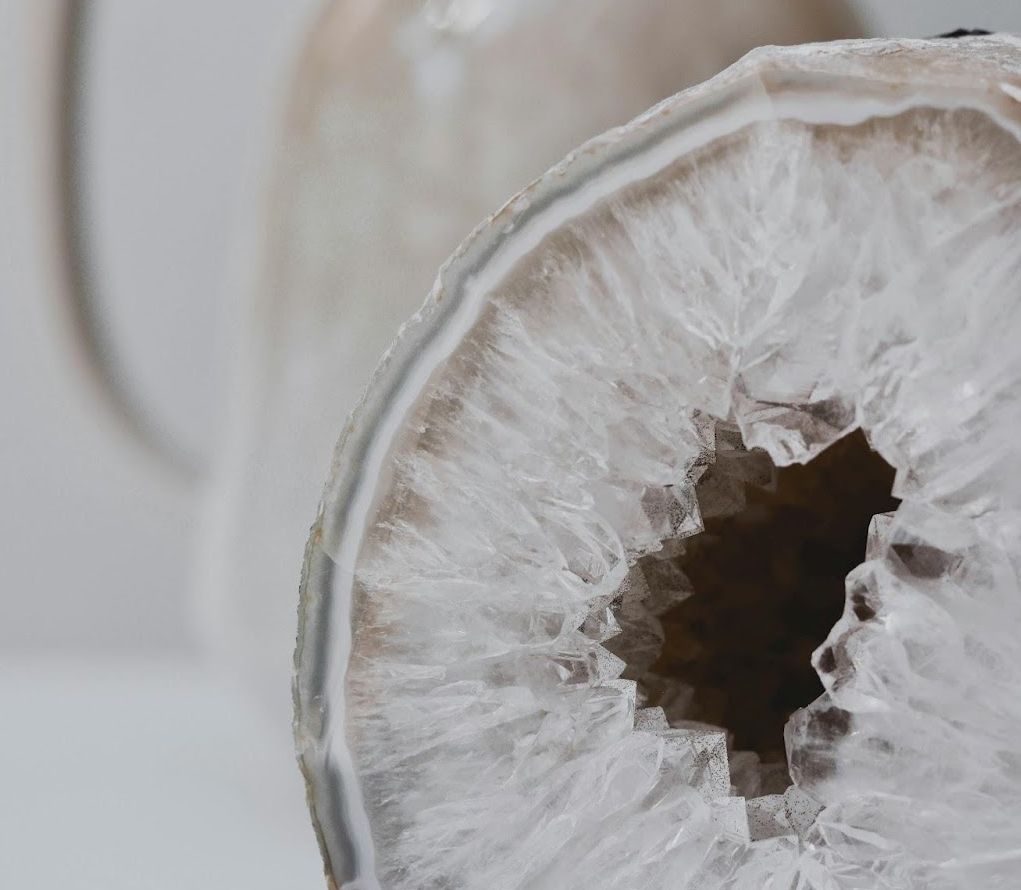
Have you ever seen the interior of a rock lined with dazzling, beautiful crystals? You might have been looking at a vug.

It’s a small cavity inside a rock that often exposes these pockets of hidden treasures, like quartz, amethyst, or more exotic gems. The word vug comes from the Cornish language, where vooga meant "cave" or "hollow."

7

Oka

Image: Alexander Maasch

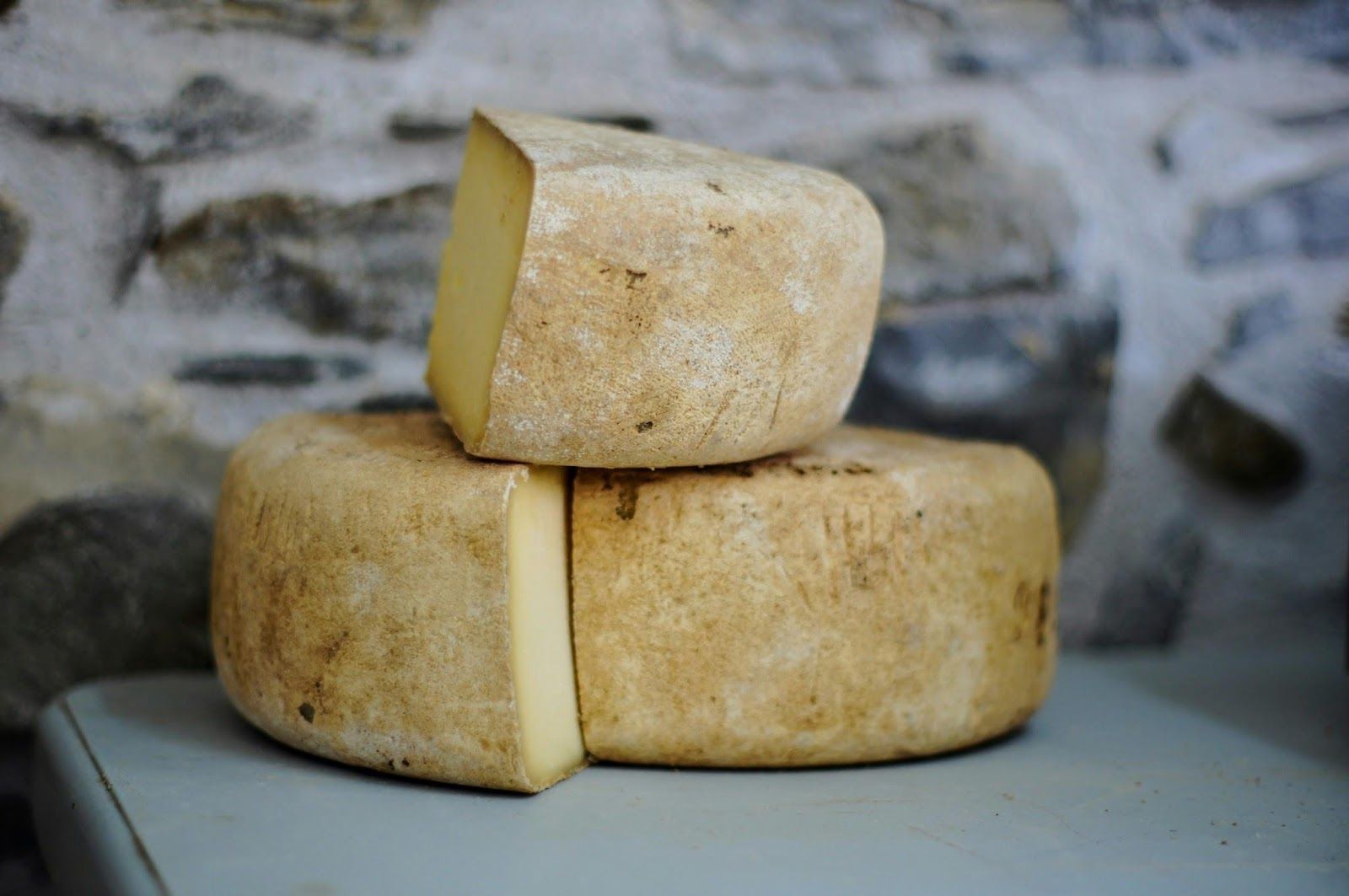
Sure, playing "OK" is useful, but have you tried "Oka"? It’s a type of cheese from Canada, and also a historical unit of weight used in Turkey.

The cheese is named after the village of Oka in Quebec, where Trappist monks started making it in the late 19th century.

8

Gox

Image: Denes Kozma

Gox might sound like the name of some sci-fi character. But it’s just a short abbreviation to refer to "gaseous oxygen."

"O₂" is the more common way to represent it, but "gox" is sometimes used by those in scientific and industrial contexts.

9

Xis

Image: Felipe Pérez Lamana

To be fair, you could pluralize any two-letter word by adding an S. "Xis" (the plural of the 14th Greek letter Ξ ξ) is no exception.

Just so you know, "xi" is not the translation of our "X," as you might think. What we call an "X," the Greek would call a "chi."

10

Ait

Image: Lawrence Hookham

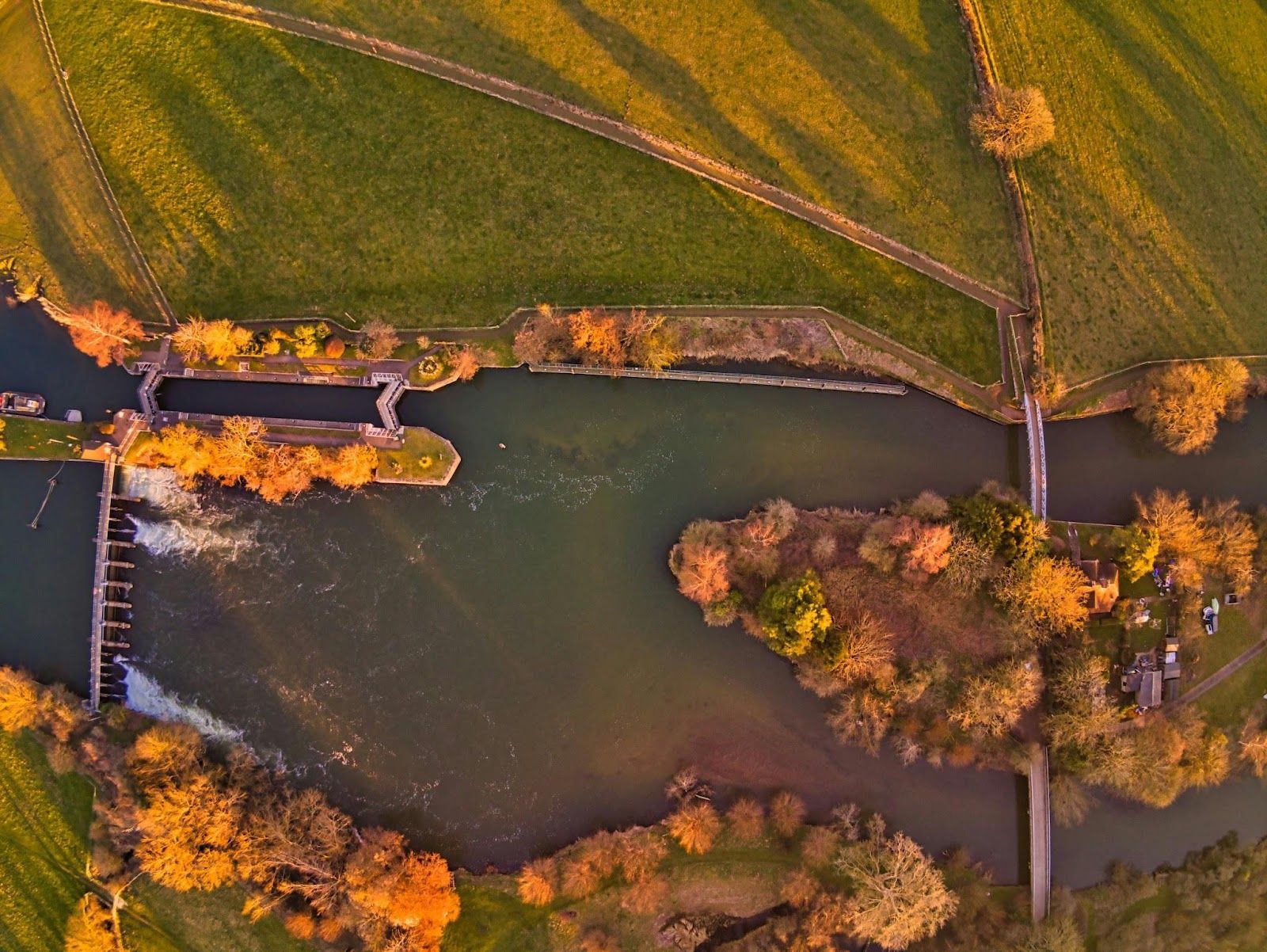
"Ait" is mostly used in Britain to describe little landmasses that pop up in waterways, like those dotting the Thames.

The word (sometimes spelled eyot) comes from Old English iegoth, meaning "small island." Though it’s not common in everyday speech, you’ll still find it in place names and historical writings.

11

Eft

Image: Patti Black

Before they fully mature, newts crawl on land: this is when we call them efts. These tiny, bright-colored amphibians can be found around damp forests, looking like pocket-sized dragons.

The word eft has been around for centuries, coming from Old English efeta, which evolved to ewt, and ultimately to newt.

12

Gnu

Image: Maurits Bausenhart

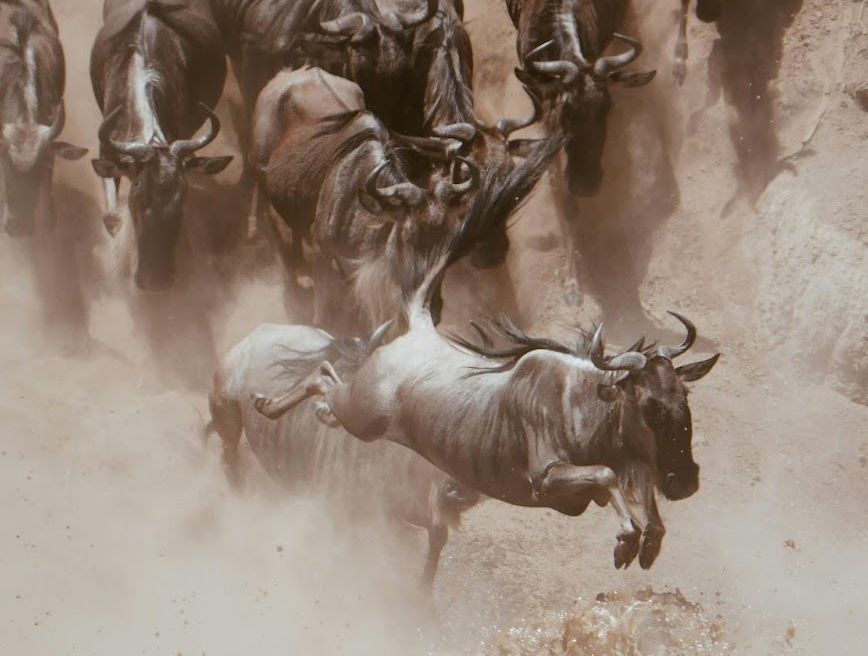
The gnu (pronounced "new" or "guh-noo") is better known as the wildebeest, that sturdy African antelope famous for its dramatic migrations across the Serengeti.

The word gnu comes from the Khoisan languages of southern Africa and was first recorded by European explorers in the 18th century. The alternative name wildebeest is the Dutch word for "wild beast," of course.

13

Nix

Image: Michael Dziedzic

"Nix" means to reject, cancel, or put an end to something. The word comes from the German nichts, meaning "nothing."

It entered American English in the 19th century, likely through German immigrants. Over time, it became a snappy, no-nonsense way to say "no."

14

Ulu

Image: Visit Greenland

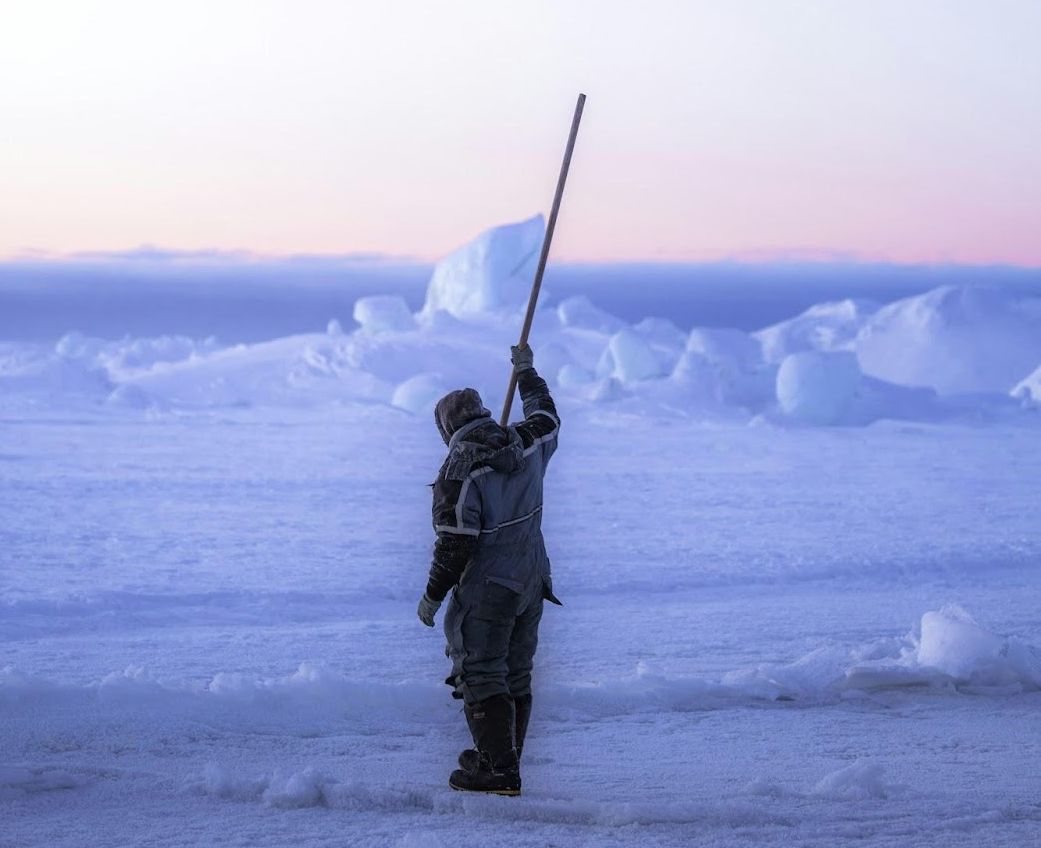
An "ulu" is a traditional Inuit knife with a characteristic curved blade, perfect for chopping, skinning, or even cutting a child's hair (yes, really).

The name comes from the Inuktitut word ᐅᓗ (ulu), which roughly translates to "woman’s knife"

because it was traditionally used by Inuit women for household and hunting tasks.

Happy accidents

How a melted candy bar led to microwaves—and 9 more crazy stories


Published on February 18, 2026


Image: Chiara Guercio

They say every crisis hides an opportunity—and sometimes, a small mistake or a twist of fate can become the turning point in an otherwise ordinary life. From career shifts sparked by injury to small moments of curiosity that led to breakthroughs in science and culture, these 10 stories prove that even the most unexpected setbacks can lead to extraordinary outcomes.

1

A walk in the woods

Image: Keenan Barber

In 1941, Swiss engineer Georges de Mestral noticed burrs clinging to his clothes during a walk with his dog—an observation that sparked a revolutionary invention. Curious, he examined the seeds under a microscope and saw their tiny hooks, which eventually inspired the hook-and-loop fastener now known as Velcro.

He patented the invention in 1955, and it was later adopted by NASA and the military, ultimately earning de Mestral a fortune and a lasting legacy in textile innovation.

2

A new color

Image: Art Institute of Chicago

In the early 1700s, a German chemist accidentally created a deep blue pigment while trying to make red—but the mixture oxidized into a striking new hue. Impressed by its richness, he preserved the formula and named it Prussian Blue.

Artists quickly embraced the color, which became widely used in paintings and later in blueprints. Prussian Blue appears in famous works like Hokusai’s The Great Wave and Van Gogh’s The Night Café.

3

A lab mistake

Image: Adrian Lange

In 1928, Alexander Fleming accidentally left a petri dish uncovered before leaving on vacation.

When he returned, he noticed mold had killed the bacteria around it—a chance observation that led to the groundbreaking discovery of penicillin.

4

A blind genius

Image: Ramona

Louis Braille was blinded at age 3 after an accident in his father's workshop. Sharp-minded and eager to learn, he impressed his teachers and was granted access to higher education.

By age 15, he had developed a tactile alphabet that became the Braille system. His method revolutionized accessibility for the blind and is still used worldwide today.

5

The gentle surgeon

Image: Jonathan Borba

Ambroise Paré, a 16th-century battlefield surgeon, once ran out of boiling oil used to cauterize wounds. In its place, he tried an old Roman remedy made of egg yolk, oil, and turpentine—and found it healed wounds far better than the traditional method.

He also introduced the use of ligatures (silk threads) to tie off blood vessels during amputations, helping shift surgery toward gentler, more effective treatments.

6

A dangerous experiment

Image: Sergey Omelchenko

While studying pitchblende, a uranium-rich ore, Marie Curie accidentally discovered the strange, invisible energy we now know as radioactivity. Her groundbreaking research revealed that certain elements could emit powerful, previously unknown forms of energy.

Unaware of the risks, Curie handled radioactive materials without protection for years. Her prolonged exposure eventually led to leukemia, which caused her death in 1934.

7

Sounds through wires

Image: Wesley Hilario

While experimenting with the telegraph, Alexander Graham Bell accidentally heard sound vibrations transmitted through wires. This unexpected moment sparked his interest in sending the human voice electrically.

Building on this idea, Bell developed the first practical telephone, changing global communication forever.

8

A fateful accident

Image: Gabriella Clare Marino

At 18, Frida Kahlo was severely injured in a bus accident, suffering multiple broken bones and internal injuries. The trauma left her in chronic pain and required long periods of bed rest.

During her recovery, she began painting from her hospital bed, using a special easel and mirror. What started as a form of therapy soon evolved into a powerful artistic voice, launching her legendary career.

9

A plane crash in the desert

Image: Jon Vio

In 1935, Antoine de Saint-Exupéry crashed in the Libyan desert while flying a mail route. He and his mechanic nearly died of dehydration before being rescued by Bedouins after several days.

The harrowing experience left a lasting impact on Saint-Exupéry, who later wrote The Little Prince. The book became one of the most translated and cherished works in literary history.

10

A melted candy bar

Image: Brett Jordan

While working near an active radar set, Raytheon engineer Percy Spencer noticed a candy bar had melted in his pocket. Intrigued, he directed the microwaves at some popcorn—and watched it pop.

That curious accident led to the invention of the microwave oven, a now-essential household appliance born entirely by chance.

Looking for an extra scoop of literary fun?

Learn more with our Word of the day

bilk

/bɪlk/