Words of the trade

Craftsman’s slang: 12 everyday expressions with curious origins


Published on April 15, 2026
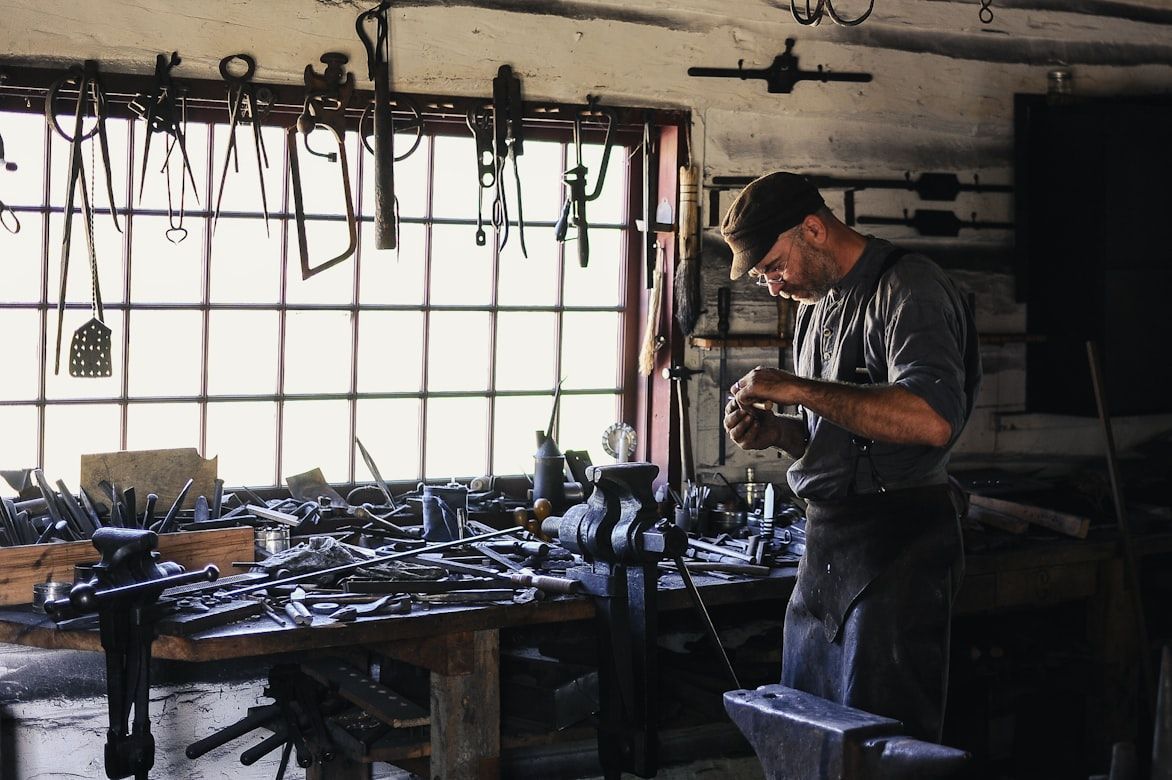

Image: Clark Young

The repetitive actions of each craft have spawned terms, idioms, and phrases that make up their particular tech lingo. Many of these expressions have transcended their natural realm to become a part of the universal language. These once-practical expressions now live on as reminders of how deeply language is tied to human work, skill, and invention. Take a look at these 12 everyday expressions and wonder at their unassuming origins.

1

Cut to the chase

Image: Jon Tyson
2

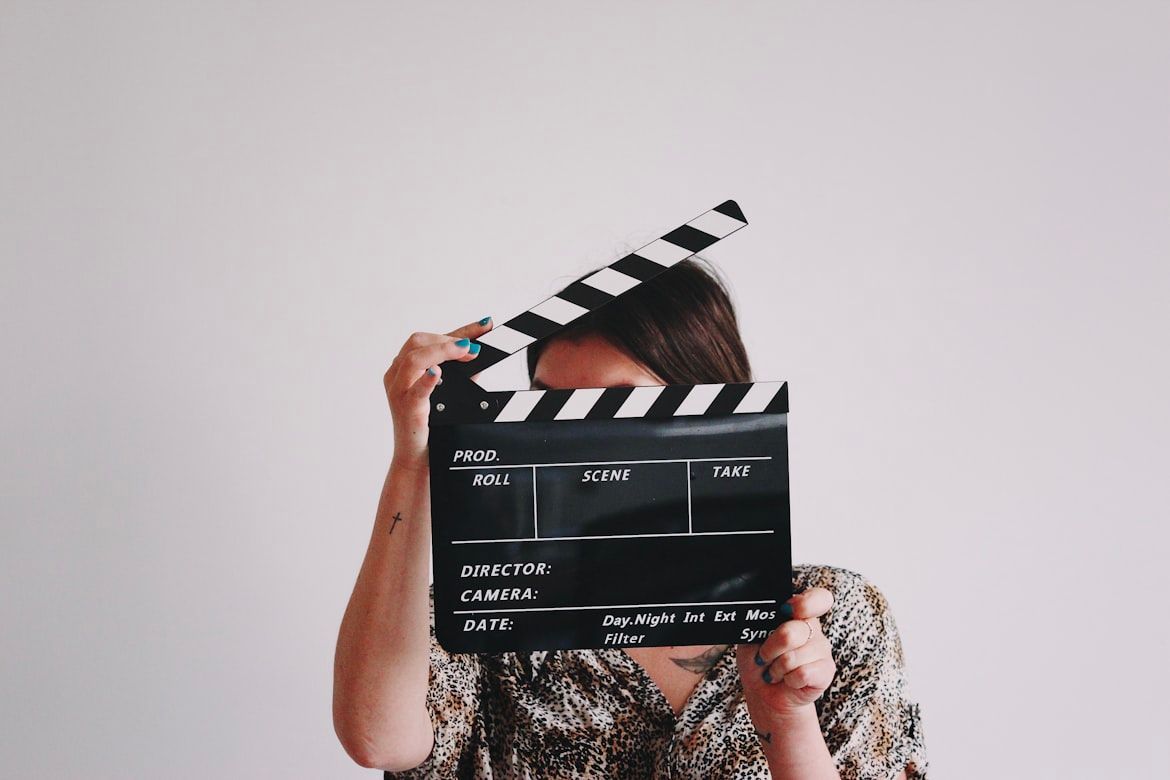
In early silent films, long, dull scenes often tested audiences’ patience. Editors and directors learned to "cut to the chase," meaning skip the filler and jump straight to the excitement, often a chase scene.

Over time, the phrase escaped the editing room. Today, when someone uses it in conversation, they’re simply asking you to get to the point and drop the buildup.

3

Rule of thumb

Image: Dominik Scythe

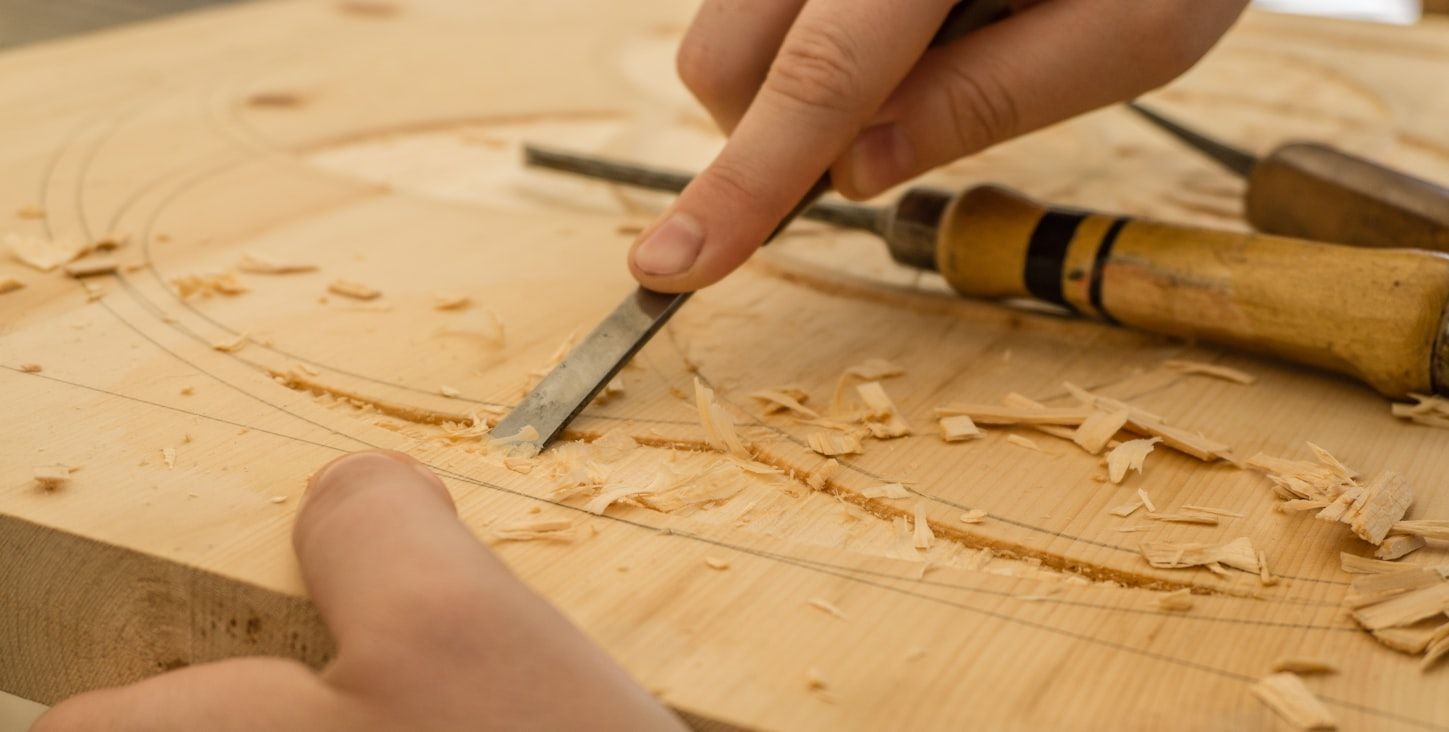
Before precise measuring tools were widespread, carpenters, brewers, and other craftspeople were often said to have used their thumbs for rough estimates. The width or length of a thumb served as an informal "rule."

Although modern workers rely on rulers and scales, the old phrase remains alive, meaning a general principle or handy guideline rather than a strict rule.

4

By the book

Image: Walls.io


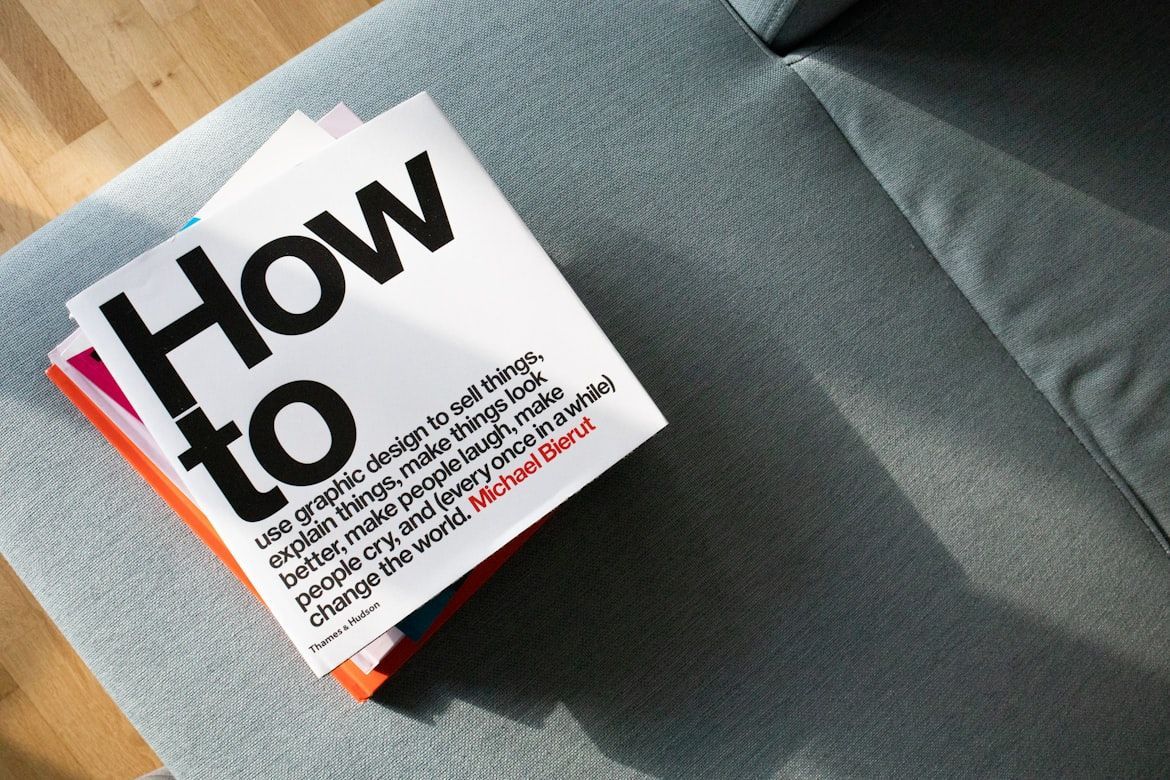
Guild members and early tradespeople often followed written manuals that dictated how to perform their craft. Working "by the book" meant adhering to these official rules exactly.

Today, the phrase describes anyone who sticks strictly to regulations, whether it’s a police officer enforcing the law or a student obeying classroom rules.

5

Loose cannon

Image: Berry Hafkin


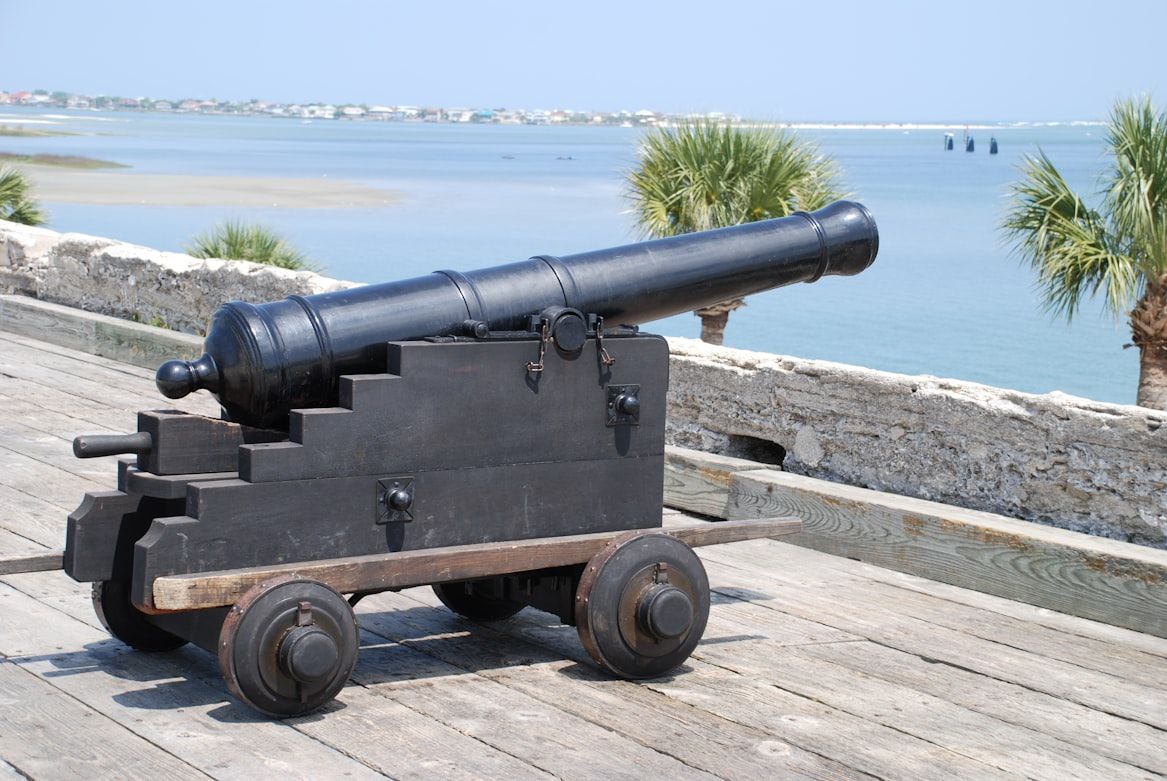
On old warships, heavy cannons were secured with chains. If a storm or battle broke those chains, a "loose cannon" could roll violently across the deck, crushing sailors and damaging the ship.

In modern speech, it labels an unpredictable person: someone whose uncontrolled actions can endanger a team, project, or reputation.

6

Cut from the same cloth

Image: SIL Group
7

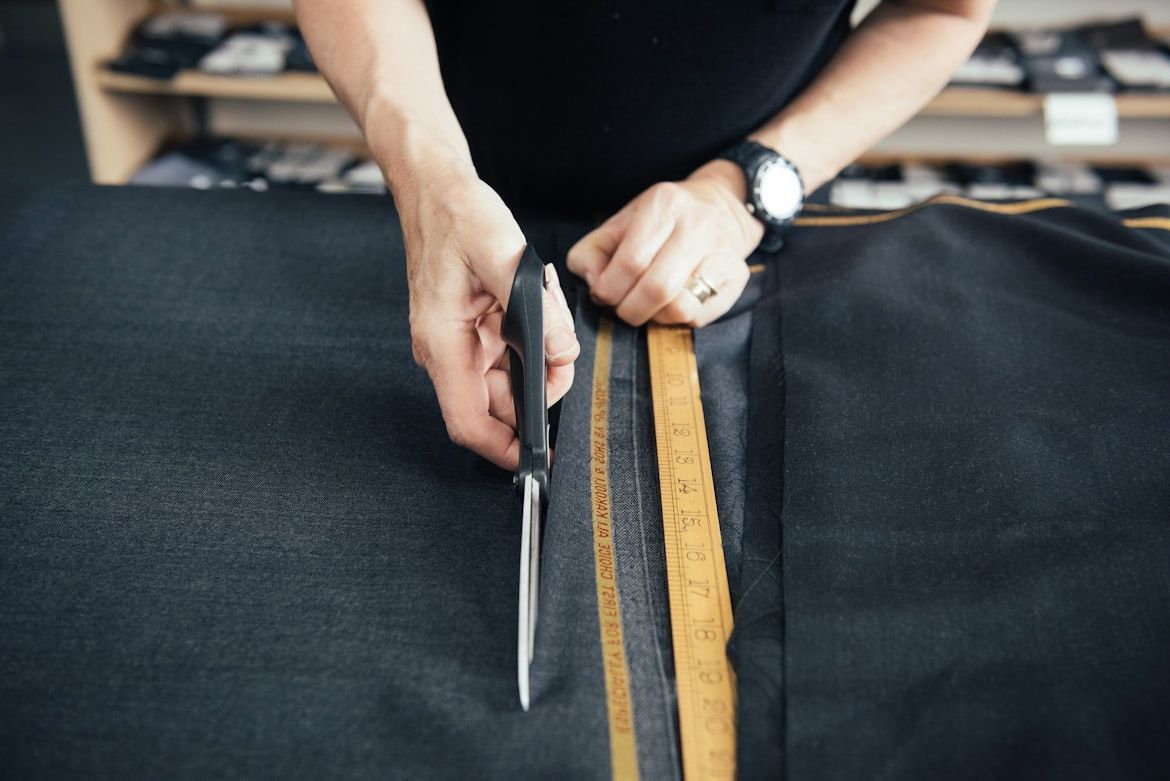
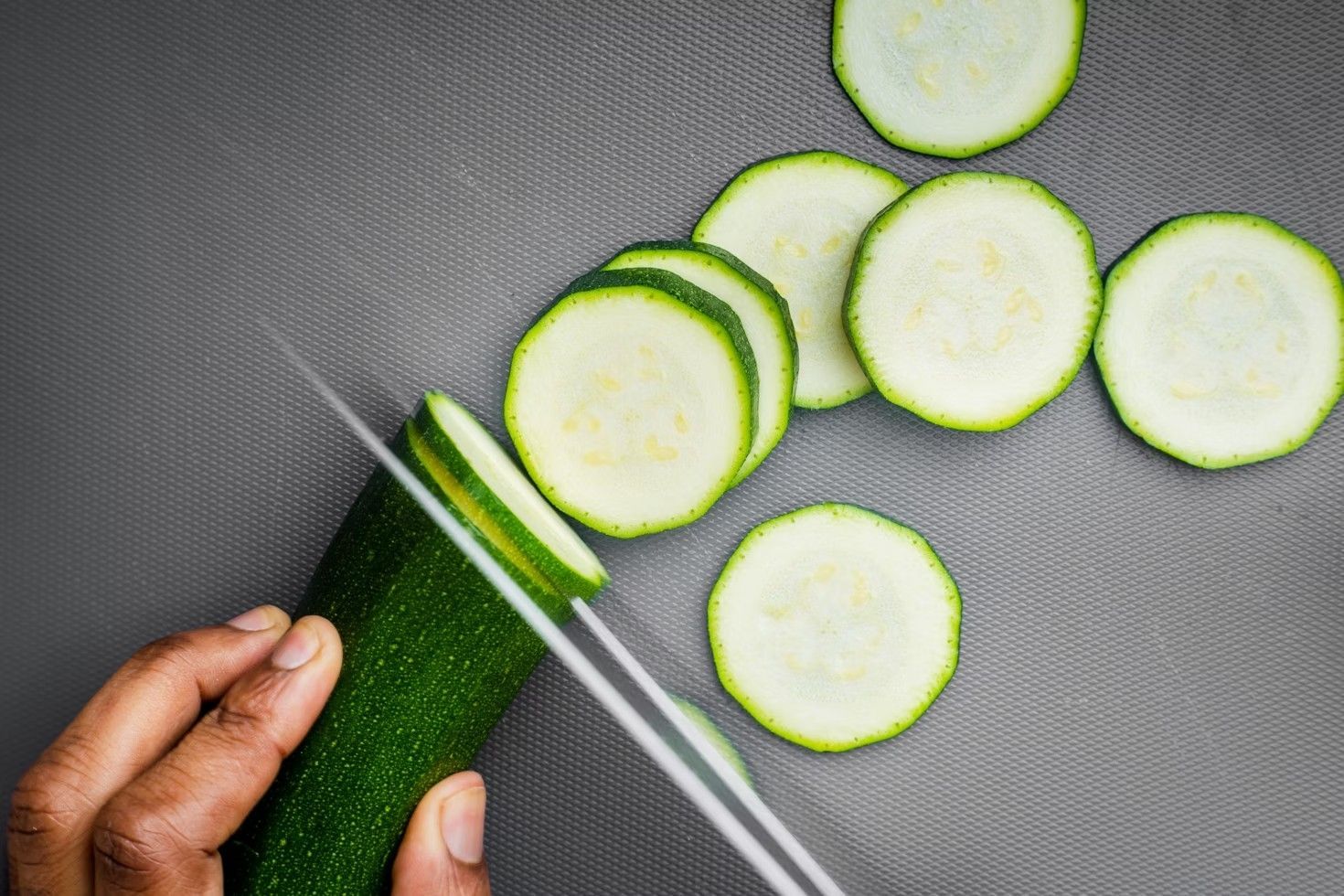
Tailors once worked from large pieces of fabric, cutting pieces for multiple garments. If two suits were cut from the same cloth, they shared identical material and quality.

Today, we use the expression to describe people with similar traits or values, like friends, relatives, or colleagues who clearly come from the same "fabric."

8

Spin a yarn

Image: Matt Benson


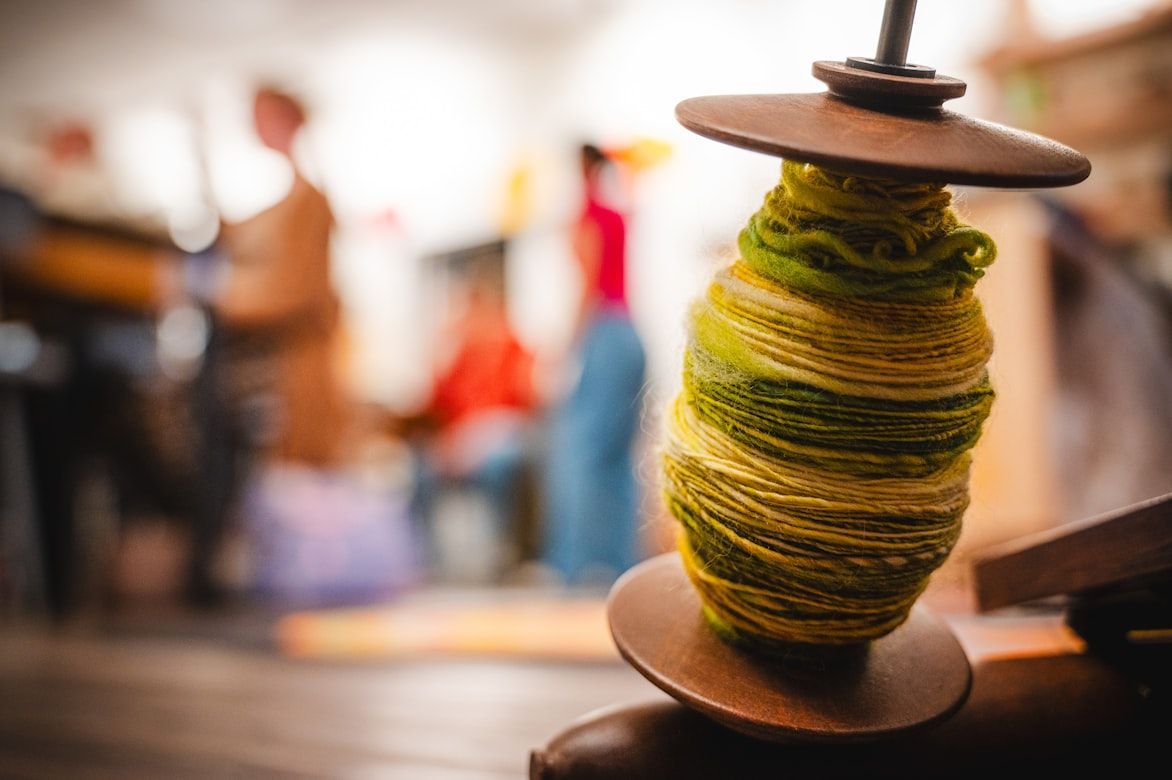
Sailors and rope-makers often spent long hours twisting fibers into rope, a process known as spinning yarn. To keep themselves entertained, they told tall stories while working.

Thus, to "spin a yarn" came to mean weaving an elaborate tale. It’s still used for anyone who tells a long, colorful story, whether it’s true or not.

9

Strike while the iron is hot

Image: Jonathan Bean


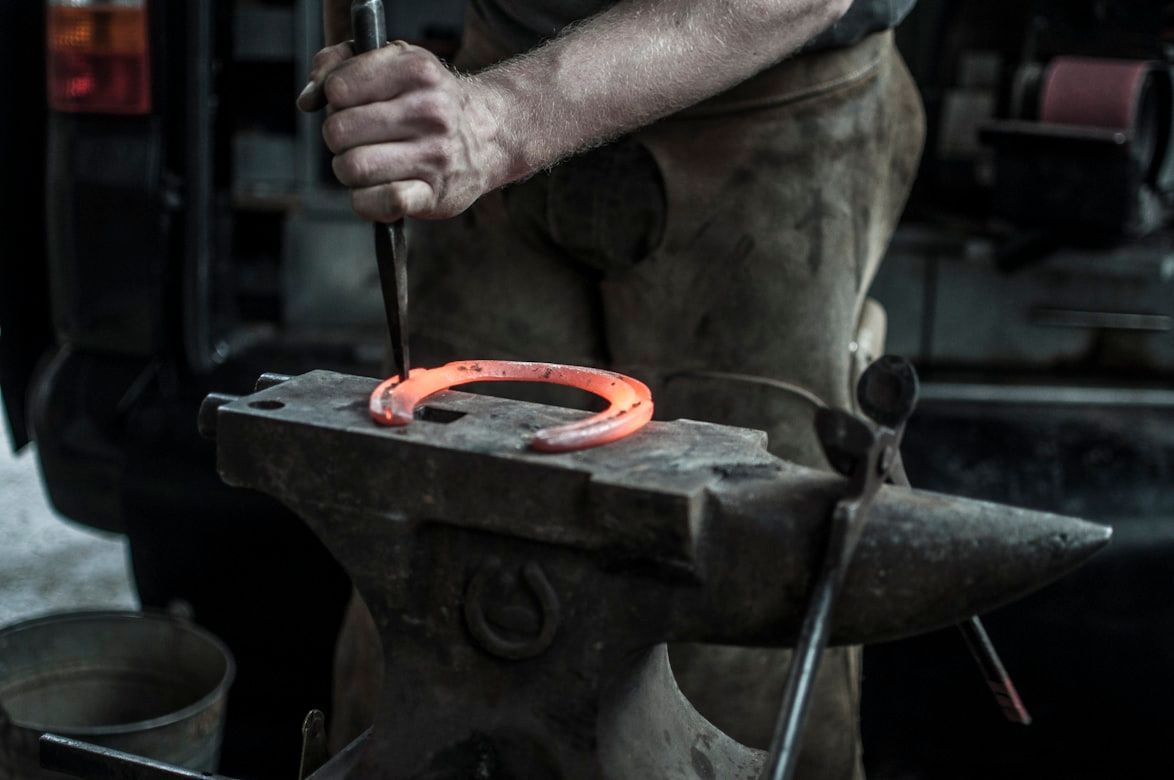
A blacksmith must hammer metal quickly once it’s heated to the right glow; wait too long, and it hardens. The saying advised workers to act fast for the best results.

It evolved into a general reminder to seize opportunities as quickly as they arise, while conditions are favorable and momentum is on your side.

10

Show your true colors

Image: David Dibert
11

Naval ships sometimes flew false flags to mislead enemies, then hoisted their actual national colors before engaging in battle. Revealing one’s "true colors" meant honesty after disguise.

Now the phrase praises sincerity or exposes deceit, depending on context. It still evokes that dramatic moment when masks fall away.

12

In the limelight

Image: Megs Harrison
13

Before electric bulbs, theaters used lime burned with gas to produce a brilliant white light that spotlighted leading actors on stage.

Those performers quite literally stood "in the limelight." Today, the phrase simply means being the center of attention, whether on stage or in everyday life.

14

Bite the bullet

Image: National Library of Medicine

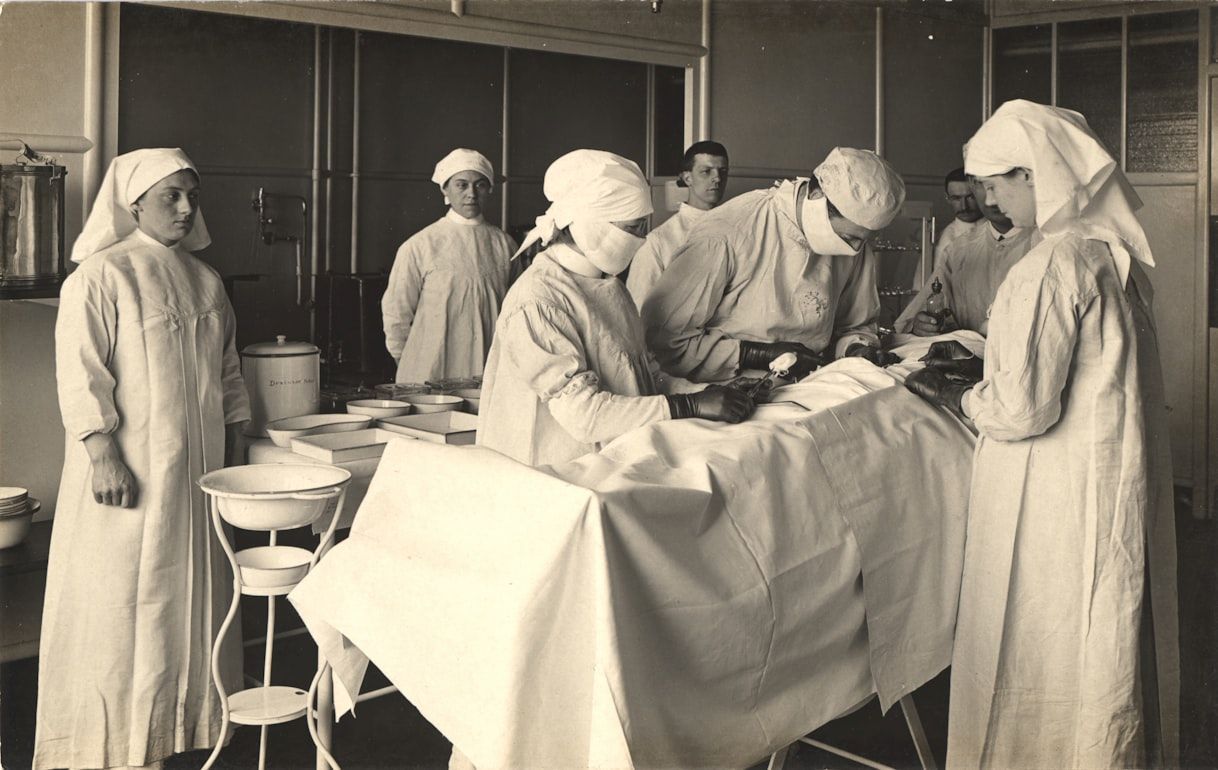
Before modern anesthesia, wartime surgeons had soldiers bite a bullet to cope with agony during operations. The metal gave them something firm to clamp down on.

Today, "bite the bullet" means facing a tough task bravely, accepting pain or difficulty with stoic resolve rather than avoiding it.

15

Toeing the line

Image: The Deseronto Archives
16

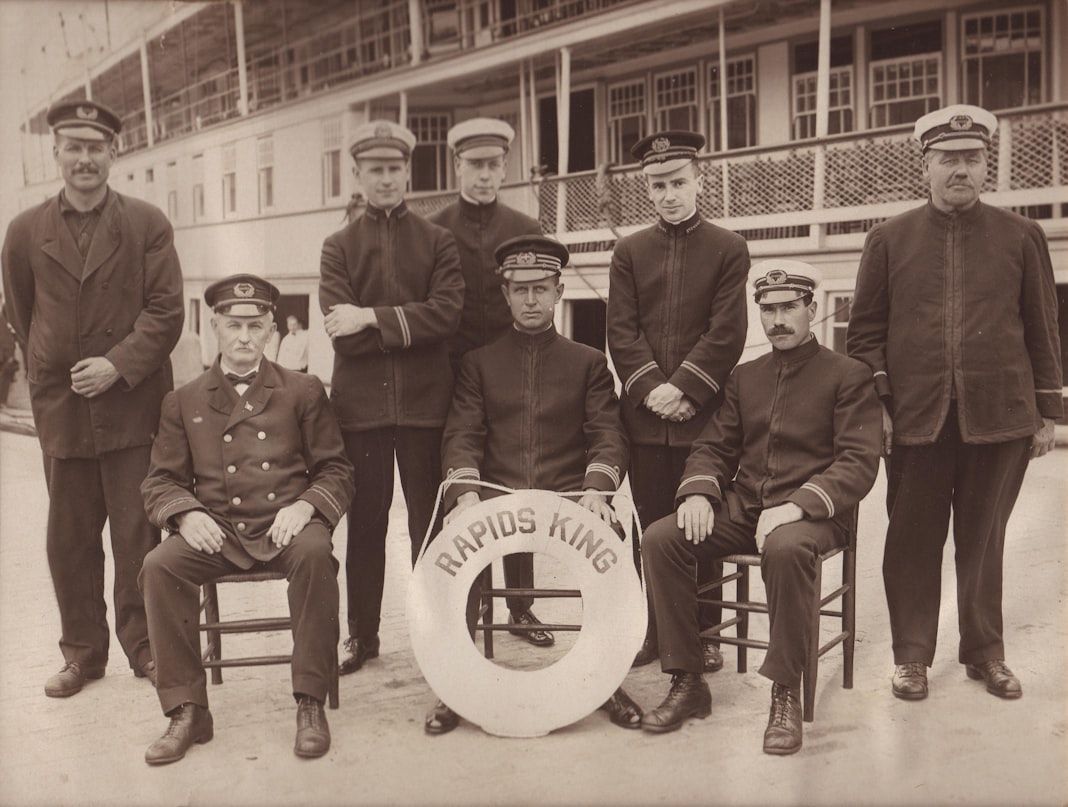
Sailors and soldiers in drills stood with their toes exactly on a marked line to show discipline and precision.

The phrase came to represent strict obedience to orders or standards. When someone "toes the line," they conform carefully to expected behavior.

17

Upper hand

Image: Chris de Lima

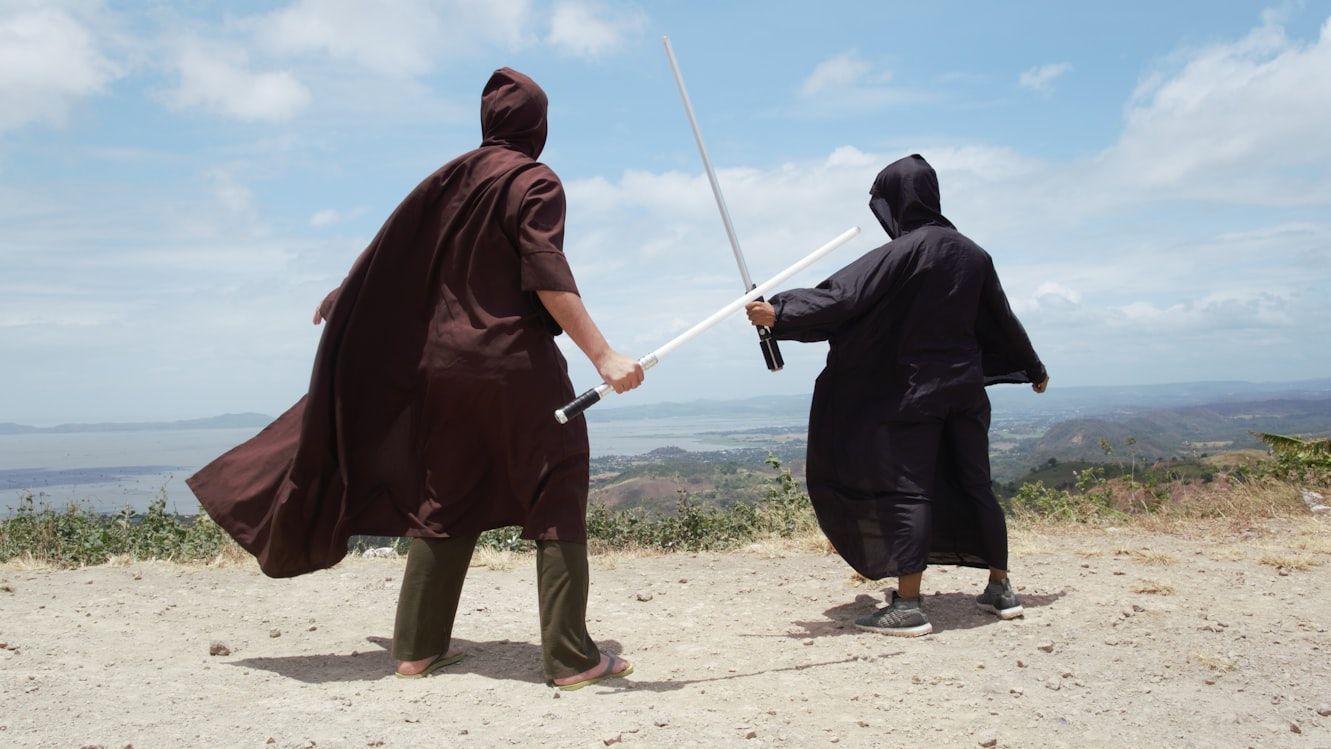
In sword fighting, the combatant whose hand was positioned higher typically had greater reach and control. Gaining "the upper hand" meant securing an advantage over an opponent.

Today, the duel may be metaphorical: winning an argument, negotiation, or competition, but the sense of dominance remains the same.


The backbone of our language

Are your ears burning? This might be why!


Published on April 15, 2026


Image: Lidia Nemiroff

Your body does a lot more than move you around; it even slips into the way you talk. From head to toe, clever idioms using body parts are a staple of everyday conversation. If you want to learn more about what these 10 idioms really mean and how they started, keep reading!

1

To keep at arm’s length

Image: Sebastian Dumitru

After the argument, she kept her coworker at arm’s length to avoid more drama.

Remember that friend-of-a-friend you’re not so sure about? The one you’d rather not let get too close? That’s someone you keep "at arm’s length." This common phrase comes from the old practice of measuring distances with body parts (not so old, really; we still measure in feet), and an early version even shows up in Shakespeare’s 1599 play As You Like It, where the line goes: "Hold death awhile at arm’s end."

2

To give/lend someone a hand

Image: Lina Trochez

When my car broke down, a kind stranger stopped to lend me a hand.

Many expressions we use figuratively today started out in very literal situations. That’s the case with "to lend a hand," which originally referred to physically using your hands to help someone with a task. Over time, the meaning expanded, and the phrase can now be used for any kind of help.

3

On the tip of my tongue

Image: Lala Azizli

His birthday is on the tip of my tongue… wait, is it next Thursday?

You’re chatting with your best friend, remembering old times, when a familiar song pops into your head. You remember the lyrics perfectly, but who was the singer? Ahh… It’s on the "tip of your tongue"! Used in English since the 16th century, this idiom describes those moments when something feels just within reach but doesn’t fully come to mind.

4

Head over heels

Image: Siora Photography

Ever since they met, he’s been head over heels for her.

When was the last time you were completely captivated by someone or something? In those moments, you could say you were "head over heels." The phrase dates back to 14th- and 15th-century English as "heels over head," originally describing literal upside-down movements. Over time, it evolved into its modern form, describing the feeling of being madly in love.

5

To give one’s eye teeth

Image: Enis Yavuz

I’d give my eye teeth to get tickets to that concert!

In the past, canines (often called eye teeth because they sit just below the eyes) were among the most important teeth. Losing one was a big deal, which likely explains the origin of this idiom. It’s still used today to describe a major sacrifice or something someone desperately wants.

6

Ears burning

Image: kyle smith

I bet your ears are burning after that email went around the office.

It turns out your ears can "burn" even when there’s no infection. This kind of burning has a different interpretation: it means someone is talking about you behind your back. It’s not always negative, but it does involve gossip. The idiom comes from ancient beliefs that physical sensations in the body could indicate external events.

7

To cost an arm and a leg

Image: Lucrezia Carnelos

Renovating the old house is going to cost us an arm and a leg.

When something costs an arm and a leg, it means it’s extremely expensive or requires a big sacrifice. There are two main theories about its origin: one, now widely regarded as a myth, suggests that in the 15th century, artists charged more if a portrait included the subject’s arms or legs. The other theory links the phrase to the serious physical sacrifices soldiers can make in war.

8

Break a leg

Image: Atakan Narman

Break a leg at the competition; everyone’s rooting for you.

When you tell your singer friend to "break a leg," you’re not wishing them anything bad; in fact, it’s the opposite. This idiom comes from old theater superstitions, where saying "good luck" was thought to bring exactly the contrary. To avoid tempting fate, people would say something negative to actually wish someone something positive.

9

To cry your heart out

Image: Kelly Sikkema

He cried his heart out after saying goodbye to his childhood home.

Since ancient times, people have believed that the heart is where emotions live. So when you "cry your heart out," you’re letting out all your feelings, often very intensely. The phrase usually reflects pain, sadness, ordeep emotional suffering.

10

To be someone’s flesh and blood

Image: Zach Lucero

Even though we argued, he’s still my flesh and blood, and I’ll always protect him.

This idiom is much less creepy than it might sound at first. To be someone’s "flesh and blood" means you are part of their family, or are treated as if you were. Some sources trace one of the earliest uses of this phrase to an Old English translation of the Bible, specifically in Matthew 16:17.

Looking for an extra scoop of literary fun?

Learn more with our Word of the day

soothing

/ˈsuðɪŋ/