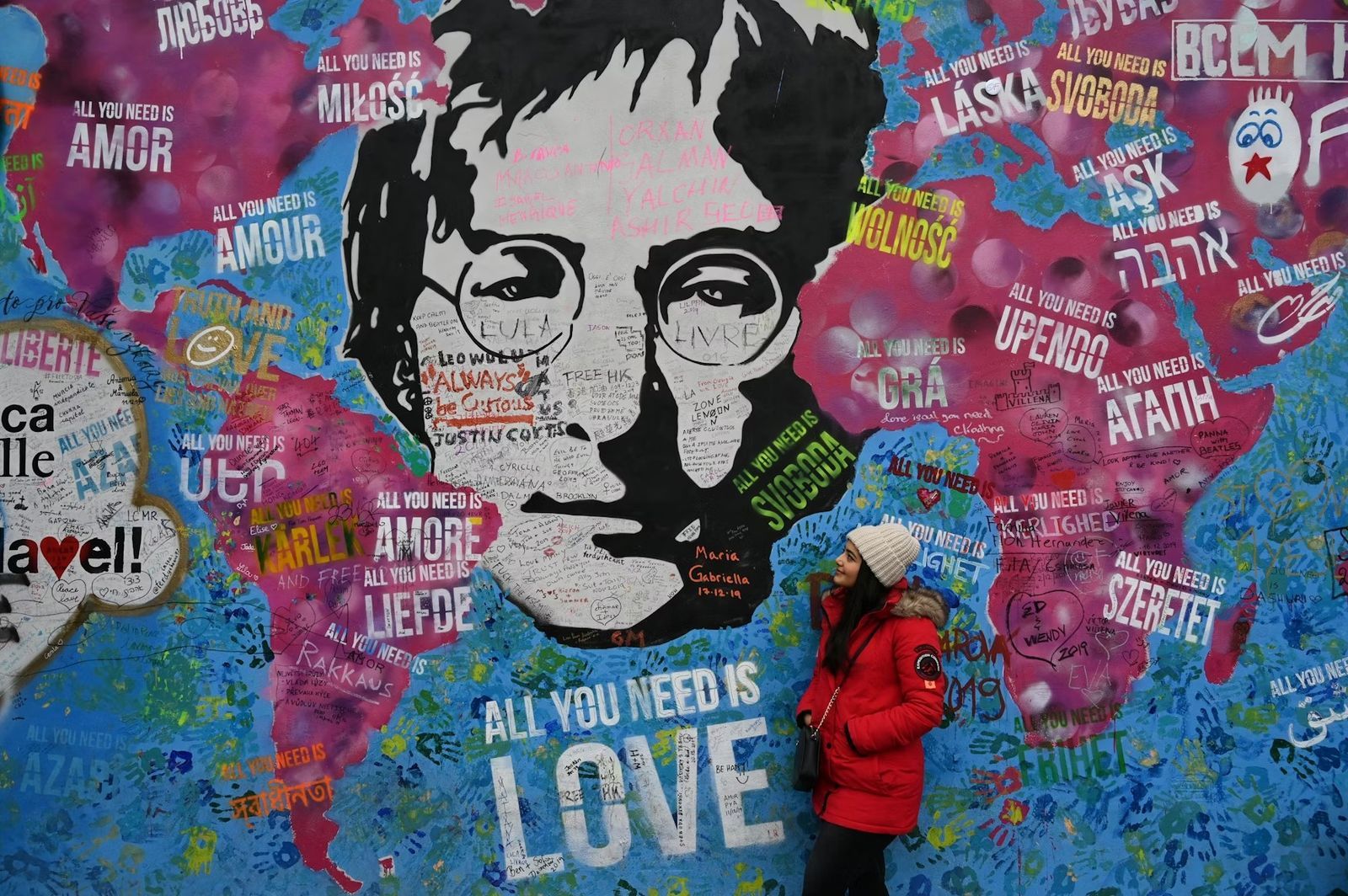
Million-dollar objects

Could you guess which Marilyn Monroe's object sold for $4.6 million?


Published on June 17, 2026


Image: Kat von Wood

Could you have a gold mine right in your own home and not know it? Everyone keeps a vintage concert ticket, a family heirloom, or some collectible tucked away in a drawer somewhere. But imagine finding out that what you think is clutter is actually worth thousands of dollars. A lock of Elvis Presley’s hair was auctioned for over $100,000, a violin from the Titanic brought in $1.7 million, and even a banana taped to a wall reached an astonishing $6.2 million. These unbelievable sales prove that when nostalgia, fame, and history come together, people will pay jaw-dropping money for the strangest objects imaginable.

1

​​A lock of Elvis Presley’s hair: $115,000
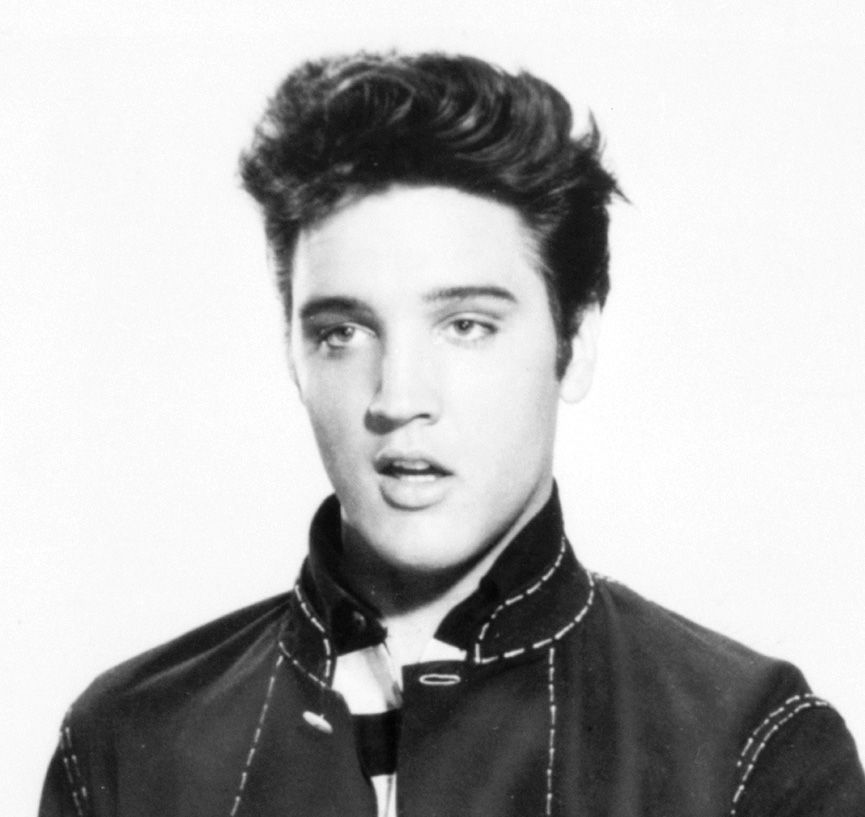
You grew up listening to Elvis’ songs and watching his movies. You know from the highlights in his life to trivia details only true fans have. The man was larger than life, and so was his hair.

In November of 2002, a lock of Elvis’ hair sold at auction for a staggering $115,000. The hair had been carefully saved by his longtime barber, Homer Gilleland, who worked with Elvis for over 20 years and kept the trimmings in a plastic bag after giving him haircuts before television appearances and movie shoots. In order to prove its authenticity, Elvis’ associate Tom Morgan Jr. and memorabilia expert John Reznikoff both signed an authenticity certificate that backed the auction for which the anonymous avid fan paid thousands of dollars.

2

​Marilyn Monroe’s white dress: $4.6 million
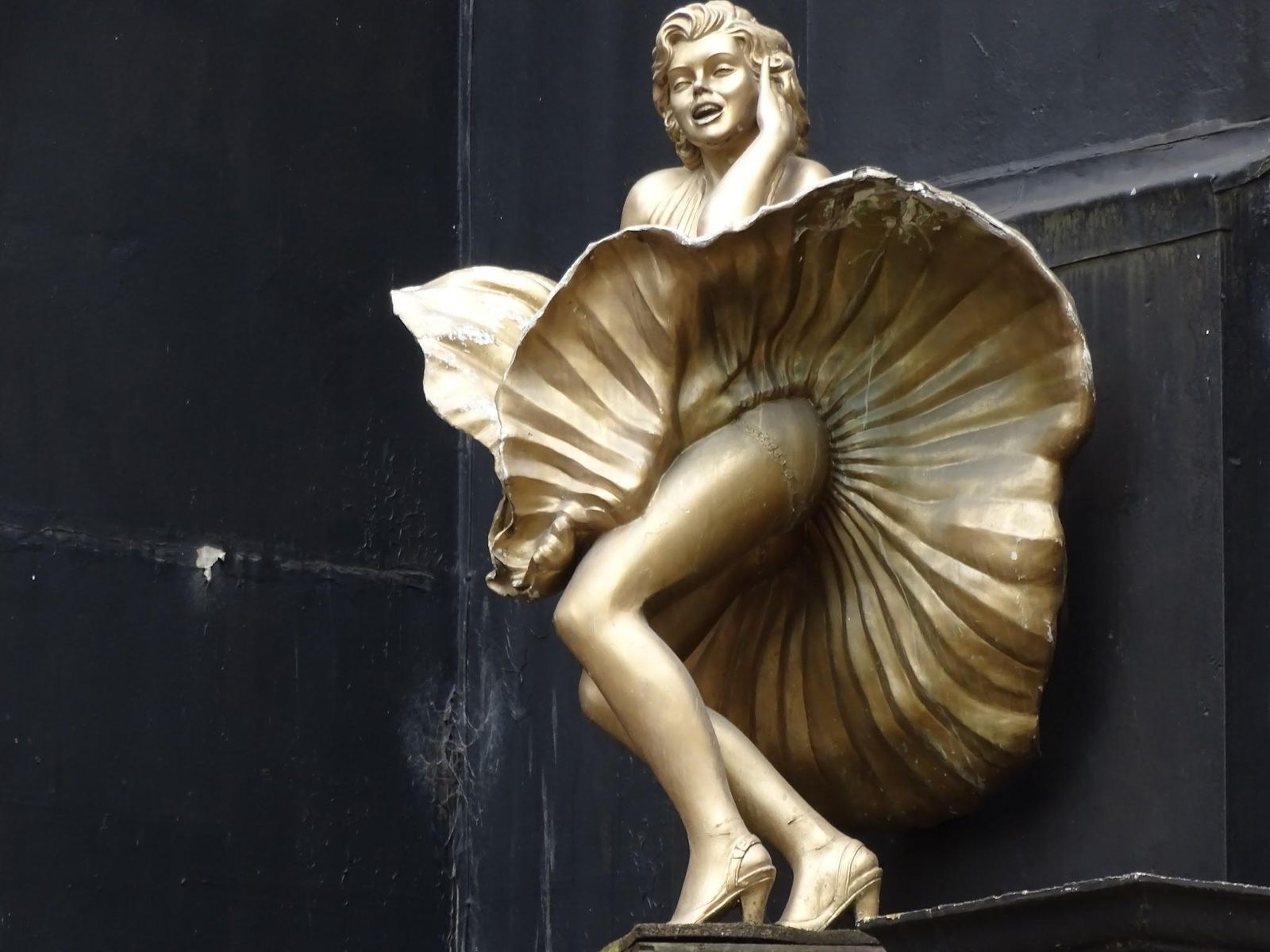
Image: Adam Jones from Kelowna, BC, Canada, CC BY-SA 2.0, via Wikimedia Commons

Few movie moments are more recognizable than Marilyn Monroe standing over a subway grate with her iconic white dress blowing up in The Seven Year Itch, the 1955 film_._ Marilyn was a representation of the golden age of movies, which is why items of hers were valued at such a high cost. And the white dress was, probably, the most expensive of them all.

The iconic ivory piece belonged to fellow actress, Singin’ in the Rain star, Debbie Reynolds. Funny enough, she had bought it directly from 20th Century Fox for only $200. Reynolds had spent decades gathering costumes and props from classic movies and hoped to open a dedicated museum. Her project was rejected five times by the Academy of Motion Picture Arts and Sciences, and, due to personal debt, she had no other choice but to auction some pieces of her collection. Marilyn’s dress was one of those pieces and was auctioned in 1999 in Los Angeles for no less than $4.6 million dollars.

3

​Titanic rescuer’s pocket watches: $1.9 and $2.3 million
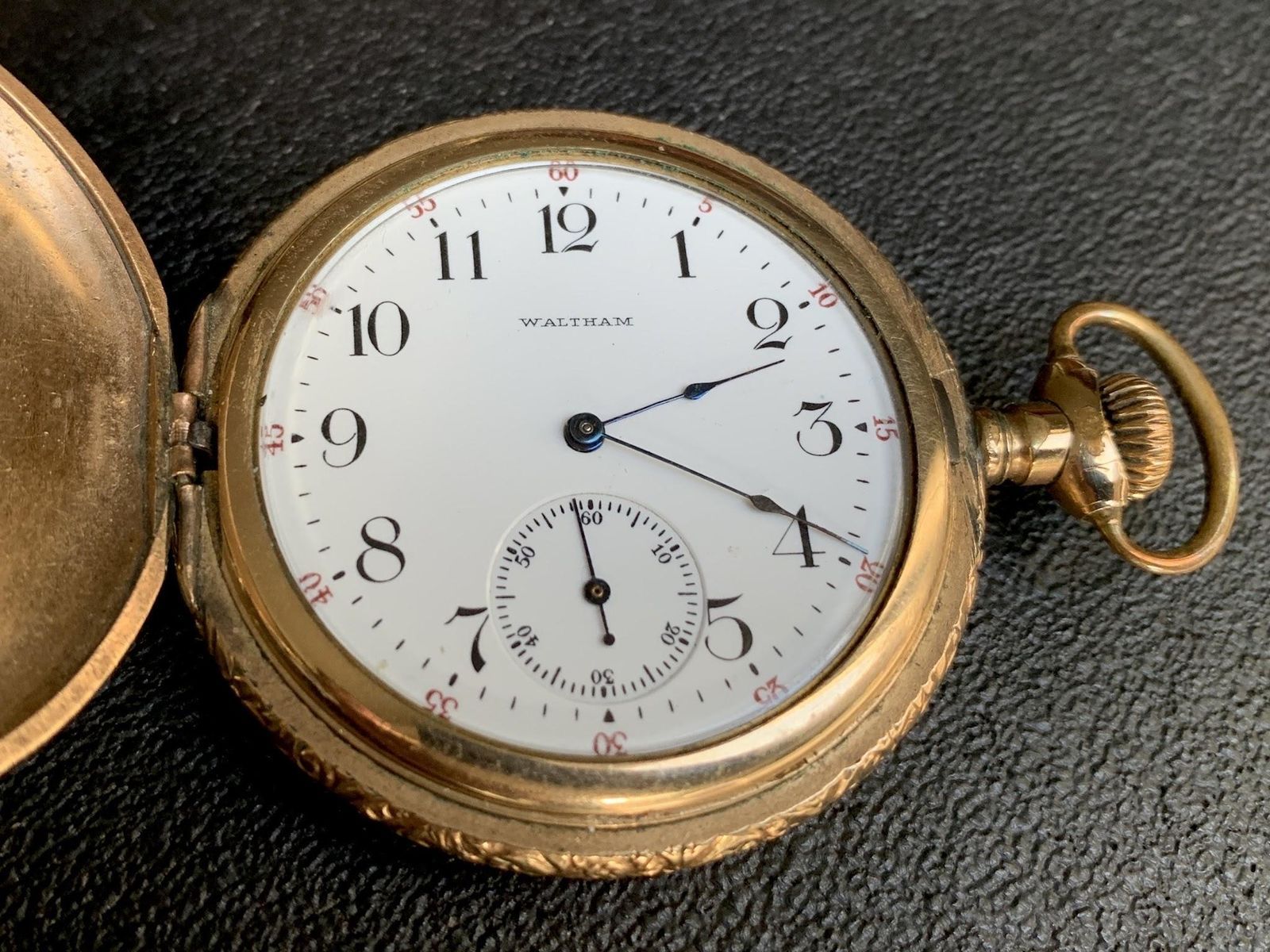
Image: Majvdl, CC BY-SA 4.0, via Wikimedia Commons

You’ve learned about the RMS Titanic tragedy growing up, and watched the tragic romance of Jack and Rose in the 1997 movie. More than a century after the sinking, people are still fascinated by this event, and for good reason, considering that we still hear fascinating stories about it.

In 2025, the gold pocket watch belonging to businessman Isidor Straus, co-owner of the Macy’s department stores, sold at auction for an astonishing $2.3 million, setting a new world record for Titanic memorabilia. The previous record had been set just a year earlier in 2024 by a Tiffany & Co. watch gifted to Captain Arthur Rostron of the RMS Carpathia, the ship that rescued more than 700 survivors from the icy Atlantic. Three wealthy widows who survived the sinking presented him with the watch as a thank-you for his bravery.

4

A banana taped to a wall: $6.2 million

Image: Brando Makes Branding

The paintings hanging on your walls have been selected among thousands of pieces, only responding to your personal taste, and that’s because art is subjective. But when you hear that a banana taped to a wall was auctioned and brought in $6.2 million, the conversation takes a fun turn.

Comedian is a duct-taped banana piece of art created by Italian artist Maurizio Cattelan in 2019, which immediately became the most talked-about artwork in the world. In 2024, the artwork sold at Sotheby’s, New York, for an astonishing $6.2 million to cryptocurrency entrepreneur Justin Sun, who later joked he planned to eat the banana himself. The buyer was really paying for a certificate of authenticity and instructions on how to replace the 35-cent-worth banana whenever it rotted. Modern art is not for everyone.

5

​John Lennon’s toilet: nearly $13,000

Image: BERTRAND MORITZ

You probably still know the words to plenty of Beatles songs by heart. The Fab Four changed music, fashion, and pop culture forever, and fans have spent decades collecting anything connected to them. Old records, concert posters, sure. But few people expected one of John Lennon’s toilets to become part of history, too.

John Lennon lived in Berkshire, England, from 1969 to 1972, where he recorded part of the Imagine album. But that’s not the only highlight of the apartment. In there, there was also a porcelain toilet, which was handed to his contractor, John Hancock, after the house was remodeled. Instead of getting rid of it, he stored it in a shed for nearly 40 years, and, in 2010, after his death, the unusual piece went up for auction in Liverpool, during the annual Beatles Convention. Organizers were expecting it to sell for $1,300, but instead collected almost $13,000 from an unidentified private overseas investor.

6

​Leonardo da Vinci’s Codex Leicester: $30.8 million
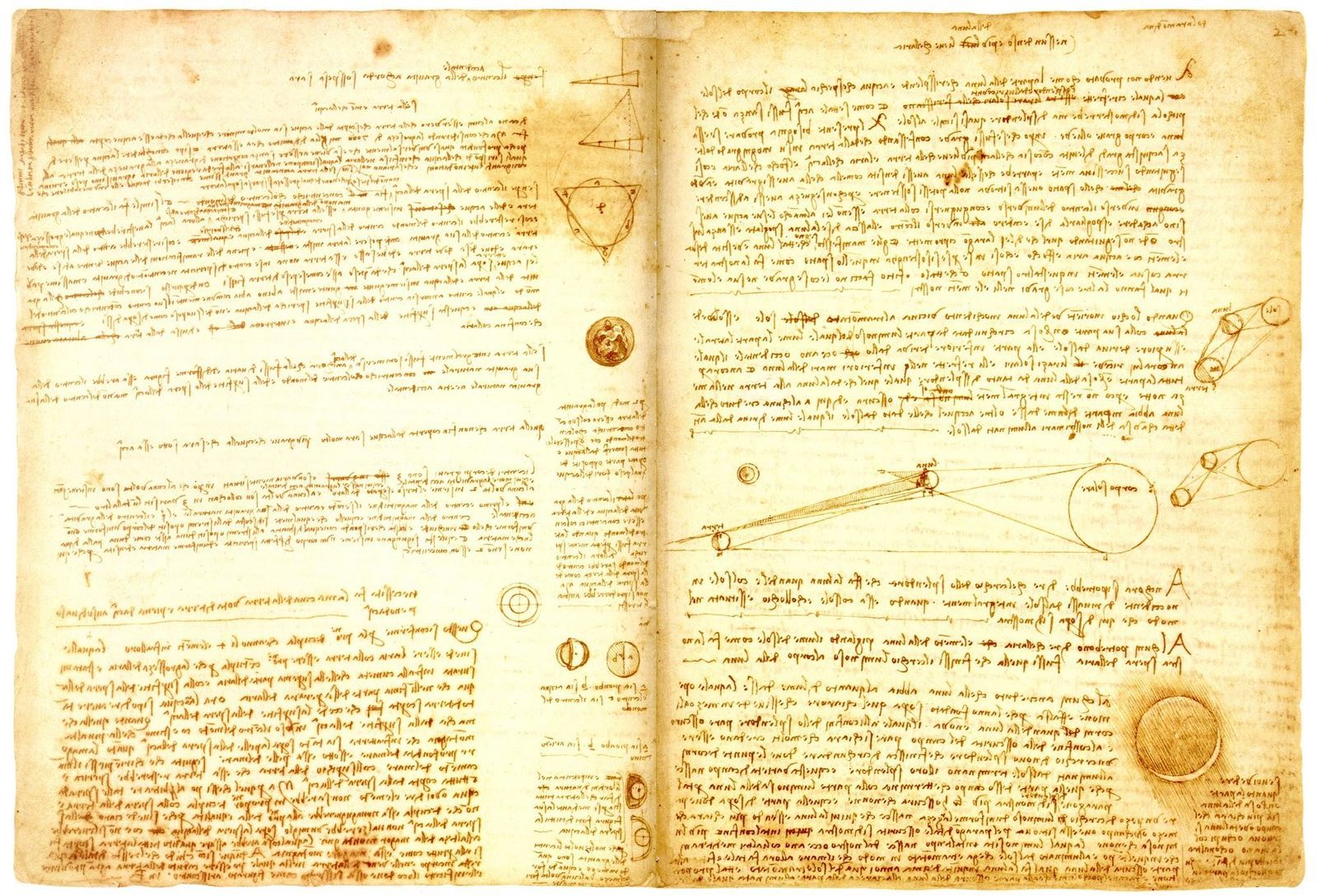
Image: Leonardo da Vinci (1452-1519), Public domain, via Wikimedia Commons

Most people have old notebooks filled with recipes, reminders, or random thoughts. Leonardo da Vinci’s notebooks, instead, changed the way people understood science and nature. One of his most famous journals, the Codex Leicester, dates back to the early 1500s and contains da Vinci’s sketches and scientific observations. The pages explore everything from astronomy to the movement of water.

In 1994, Microsoft co-founder Bill Gates purchased the manuscript at auction for a staggering $30.8 million, making it the most expensive book ever sold at the time. But it wasn’t for his private library. Gates loans the Codex to museums around the world so visitors can see da Vinci’s work up close.

7

​Justin Timberlake’s leftover French toast: $1,025

Image: Masha Rayt

The new millennium was defined by technology, pop style, and boy bands. Justin Timberlake was part of NSYNC, one of the most popular bands at the time, and fans followed him everywhere. In 2000, during an interview at New York radio station Z-100, Timberlake left behind a partially eaten French toast. Most people would have cleared the table, but one clever DJ saw an opportunity.

The leftover toast was auctioned on eBay, where a 19-year-old superfan from Wisconsin paid $1,025 to own it. Over the years, rumors claimed the toast sold for even more on a second auction, but the original auction price remains one of the strangest celebrity purchases ever recorded.

8

Albert Einstein’s theory on happiness: $1.56 million
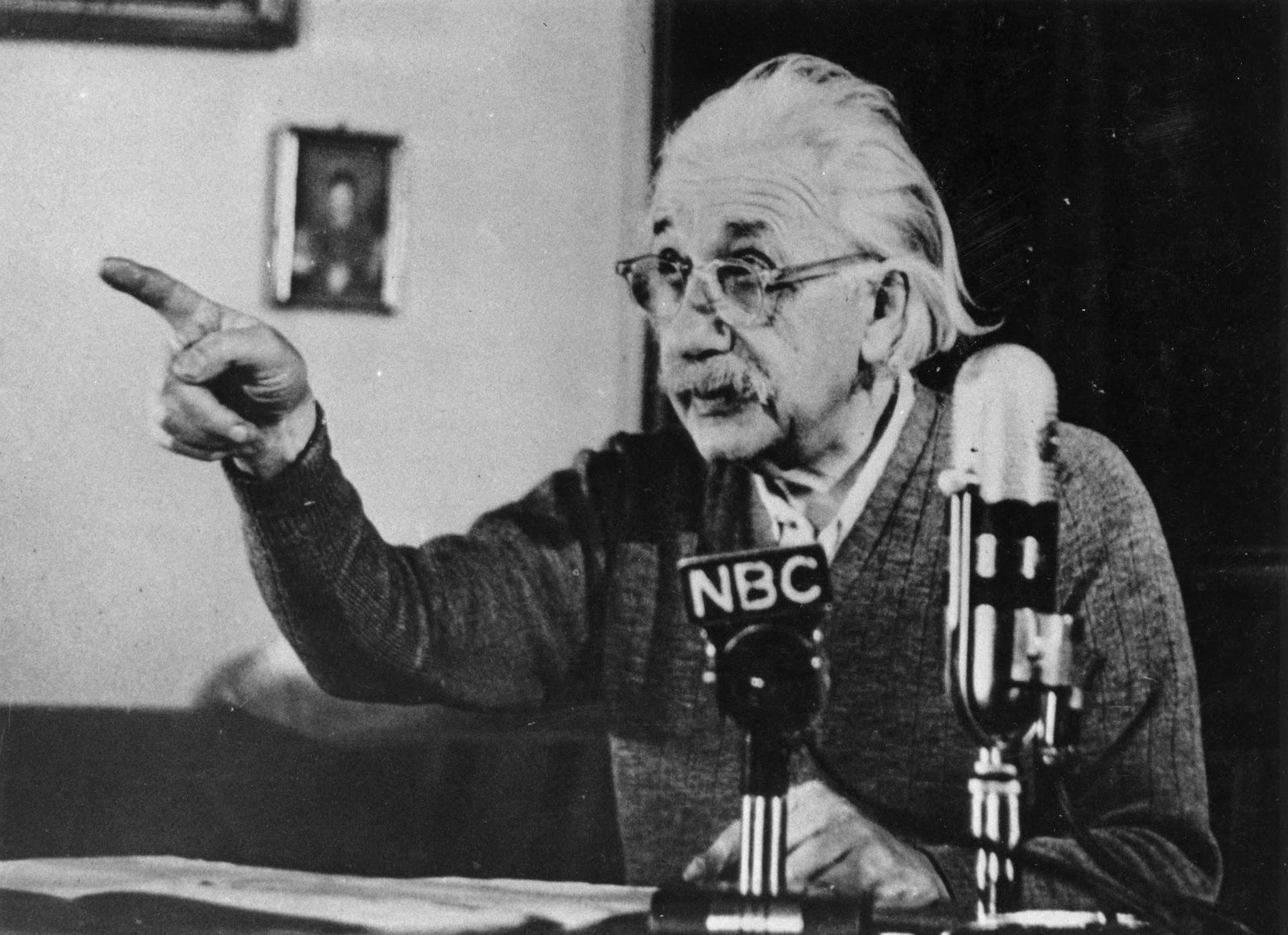
Image: Associated Press, Public domain, via Wikimedia Commons

Most people remember Einstein as the wild-haired genius behind the theory of relativity, but one of his most valuable possessions was not a scientific formula at all. It was a simple handwritten note about happiness.

In 1922, while staying at the Imperial Hotel in Tokyo during a lecture tour, Einstein received news that he had won the Nobel Prize in Physics. When a courier arrived at his room with a delivery, Einstein realized he had no cash for a tip. Instead, he handed the messenger two signed notes. One of them read: "A calm and humble life will bring more happiness than the pursuit of success and the constant restlessness that comes with it." Decades later, the message was sold at auction in Jerusalem for an astonishing $1.56 million. The note remained in the courier’s family before being sold by his nephew, proving Einstein’s prediction was right after all.

9

J.K. Rowling’s chair: $394,000

Image: Z Graphica

Chances are, your kids or grandkids have read the worldwide phenomenon, Harry Potter. From the very beginning, the wizard created by English writer J.K. Rowling became an obsession for millions of people around the world. But for Rowling, things weren’t so easy. She was a struggling writer, working on her stories in a small apartment with mismatched secondhand furniture.

One of those chairs, a worn wooden dining chair from the 1930s, became the place where she typed the first two books of the saga. She later painted messages directly onto the piece, including the line: "I wrote Harry Potter while sitting on this chair." Rowling first auctioned the chair in 2002 to raise money for charity; years later, it resurfaced again and was sold at auction in New York for $394,000. The sale included a personal letter from Rowling explaining that the chair was the comfiest she had at the time.


INSPIRATIONAL JOURNEYS

Travel Through Time: 10 Amazing Expeditions That Changed The World


Published on June 17, 2026


Image: Hector John Periquin

Today, our world is so globalized and hyper-connected that it is virtually impossible to find completely unknown places. But long before the internet and low-cost airlines, there was a time when the planet was a mysterious and unexplored territory. Back then, traveling was a real adventure in which even the most intrepid would risk their lives to discover new worlds. As a tribute to all those explorers who followed their instinct and went against the tide, in this article we’ll revisit some of the greatest expeditions in history.

1

Christopher Columbus discovers America

Image: dp1616

Perhaps the most controversial exploration voyage, and the one that changed the world's socio-political landscape forever, is the one that led Christopher Columbus to discover the American continent. The Genoese explorer and navigator reached America for the first time in 1492, following his "crazy" theory that the world was round. Columbus, who sought to reach the East Indies, found another vast continent instead, one that nobody had ever heard of before.

Then other Spanish conquistadors arrived in these faraway lands and new routes were opened for the rest of the European powers, which would ultimately cause numerous losses for the native peoples. Regardless of the historical and ethnic consequences, what is certain is that Christopher Columbus proved to be a visionary and courageous adventurer who continued to explore until the end of his days —in total, he made four voyages to America!

2

Vasco da Gama Reaches India

Image: DanielWanke

If Columbus was the first to arrive in America, the Portuguese navigator and explorer Vasco da Gama was the first European to reach India through the South Seas. During his first expedition (1497-99) he sailed down the Atlantic to round the Cape of Good Hope, at the southern tip of Africa.

Three years later, he sailed the Indian Ocean and landed in Calicut. This voyage —the longest by sea until that time— allowed the expansion of Portuguese possessions in Asia and Africa. The great explorer made a second expedition to India, of which he would be named governor in 1524, shortly before contracting malaria and dying.

3

Marco Polo’s Silk Road

Image: Jack Anstey

If we are speaking of the most famous explorers in history, it is imperative to mention the name of Marco Polo. This Venetian merchant of the late 13th and early 14th centuries epitomized the adventurous spirit of the time and was responsible for introducing the wonders of Asia to the European continent. During his 23-year-long voyage, he traveled through what is now China, Japan, Thailand, Sri Lanka, Vietnam, Tibet, India, and Myanmar.

Marco Polo had incredible experiences: he found remote cities and exotic palaces, discovered totally unknown religions, and met strange animals. Luckily for us, all these adventures were reflected, upon his return to the West, in the Book of the Wonders of the World, written by Rustichello of Pisa, with whom he shared a cell after falling prisoner during the Venetian–Genoese wars. But that is another story…

4

Jeanne Baret, Female Explorer

Image: Phillip Sauerbeck

French explorer and botanist Jeanne Baret is considered to be the first woman to circumnavigate the globe. But to do so, she had to disguise herself as a man! Dressed as a sailor, she joined Admiral Antoine de Bougainville's expedition in 1766.

The French Navy prohibited women from boarding its ships, so Jeanne tied a bandage over her breasts and enlisted as valet to the French naturist Philibert Commerçon. During her expedition, she collected samples of more than 6,000 plants from all over the world, some of which were later kept in the French National Herbarium at the Jardin des Plantes. We certainly must thank this courageous woman explorer for unearthing new and invaluable ground in the botany field.

5

James Cook Unravels the Mysteries of the Pacific

Image: Victor

Another titan of maritime exploration was Captain James Cook. Adventurer, navigator, cartographer, and military man, Cook was a very complete human being. No other marine explorer traveled and discovered as many miles and lands as he did.

His biographers describe him as cultured, tough, indomitable, with a genuine interest in the foreign cultures of the places he discovered and, let’s be honest, a rather irascible temper. In 11 years, Cook completed three journeys across the Pacific, mapping coasts and islands that remained unknown. New Zealand, the east coast of Australia, the Hawaiian Islands —where he died after an altercation with the natives— and Easter Island are some of the places he discovered.

6

Charles Darwin's Encounters in The Galapagos Islands

Image: Fernando Venzano

In 1859, the foundations of science and accepted beliefs were completely overturned by the publication of Charles Darwin's seminal work, The Origin of Species. The seeds of his revolutionary theory can be found 24 years earlier, when Darwin arrived in the Galapagos Islands —located in the Pacific Ocean, 560 miles off the coast of Ecuador.

The British naturalist had been sailing for three years aboard the HMS Beagle, captained by Robert FitzRoy, before reaching the archipelago. Once there, he observed species of wildlife that had never been seen before. This unexpected encounter would inspire his studies for the next two decades. Thanks to his adventurous spirit Darwin became one of the most influential scientists in history and his work continues to be a cornerstone of biological science today.

7

Sir Richard Francis Burton's Arabian Nights

Image: Halima Bouchouicha

Intelligent, sword-wielding, bully, capable of speaking 30 languages, drunkard, diplomat, disloyal, and explorer. That's how scholars describe Sir Richard Burton, a British adventurer who was never afraid as he explored Arabia, Syria, India, East Africa, Brazil, and the western United States.

A shot in the jaw, syphilis, malaria, bandit attacks, and opium highs were among his travel ordeals. Not to mention the time he circumcised himself to pass as a Muslim. Despite being a controversial character, it is said that Burton was the first anthropologist of the modern era, so let’s just say, we owe him a lot.

8

Ernest Shackleton Conquers Antarctica

Image: Una Miller

The frozen lands of Antarctica, one of the most inhospitable places on the planet, were one of Ernest Shackleton's most profound obsessions. The first time the Anglo-Irish adventurer attempted to reach the Antarctic continent was in 1901 when he joined Capt. Robert Falcon Scott's British National Antarctic Expedition. Unfortunately, a health condition forced him to abandon the crusade.

A few years later, he led the Nimrod Expedition which succeeded in arriving at the southernmost point ever reached by man. Then, in 1914, he set sail again intending to cross Antarctica from end to end. But the ship became trapped in the ice and the explorers had to manage to survive, totally isolated, for more than two years. It was his leadership and endurance that made him one of the most legendary adventurers who ever lived.

9

The Crowning of Everest by Edmund Hillary

Image: Parth Savani

It took three decades, many failed expeditions, and several lives taken before New Zealander climber Edmund Hillary and Nepalese Sherpa Tenzing Norgay managed to finally crown the merciless summit of Everest. On May 29, 1953, they became the first climbers to reach the highest mountain on earth, which rises majestically over 29,000 feet above sea level.

Yet, Hillary's adventurous spirit did not stop there. Years later, in 1958, he reached the South Pole as a member of the Commonwealth Trans-Antarctic Expedition, and in 1985 he made it to the North Pole, achieving another record: that of being the first person to get to know both poles.

10

Neil Armstrong Lands on the Moon

Image: NASA

In the early morning of July 21, 1969, no one was able to take their eyes off the television set. What was about to happen was to become the greatest milestone in the history of humanity. The moment when Neil Armstrong would descend from Apollo XI to take that "small step for man", which in reality was a huge stride "for mankind".

That crew —completed by Buzz Aldrin and Michael Collins— had gone farther than the vast majority of mortals ever dreamed of. From that moment on, the astronauts became true rock stars and an atmosphere of optimism pervaded everything. If they had managed to reach the moon, what else could human beings achieve from now on?

Looking for an extra scoop of literary fun?

Learn more with our Word of the day

crabbed

/ˈkræbəd/