Are these in your diet?

Could doctors prescribe popcorn? These foods are healthier than expected


Published on January 23, 2026
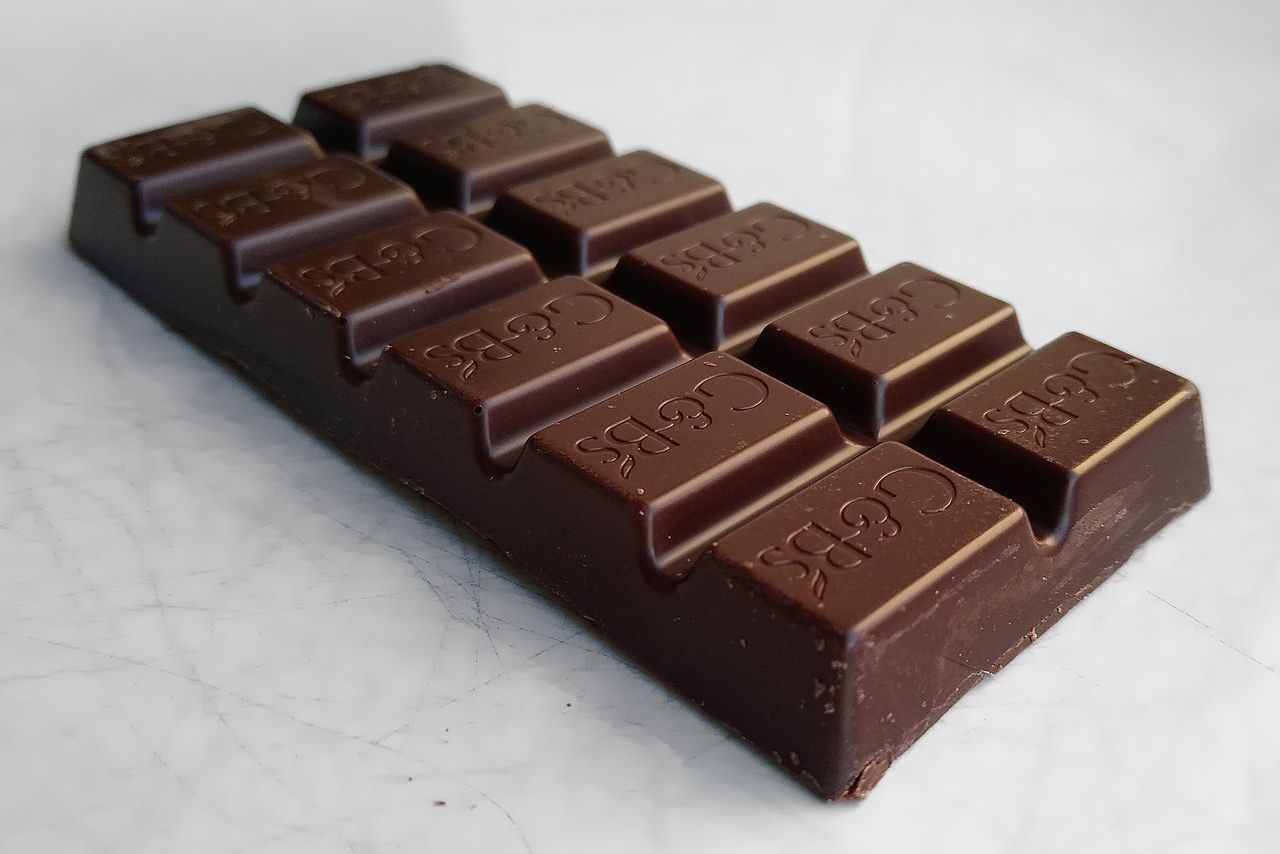

Image: Mx. Granger, CC0, via Wikimedia Commons

No doubt, most of us have the food pyramid etched in our minds. For a long time, we have accepted the fact that tempting treats (like chocolate, pizza, or beer) must be mostly or entirely avoided. But… is that entirely true? As it turns out, there are caveats about some of these so-called guilty pleasures. Wouldn’t you like to learn which snacks are actually pretty healthy for you? Read on!

1

Popcorn

Image: Dejan Krsmanovic, CC BY 2.0, via Wikimedia Commons

Popcorn is a whole grain, high in fiber, and packed with polyphenols (antioxidants). Air-popped popcorn with minimal salt or oil is healthier than many so-called "diet" snacks.

2

Dark Chocolate

Image: Pixabay

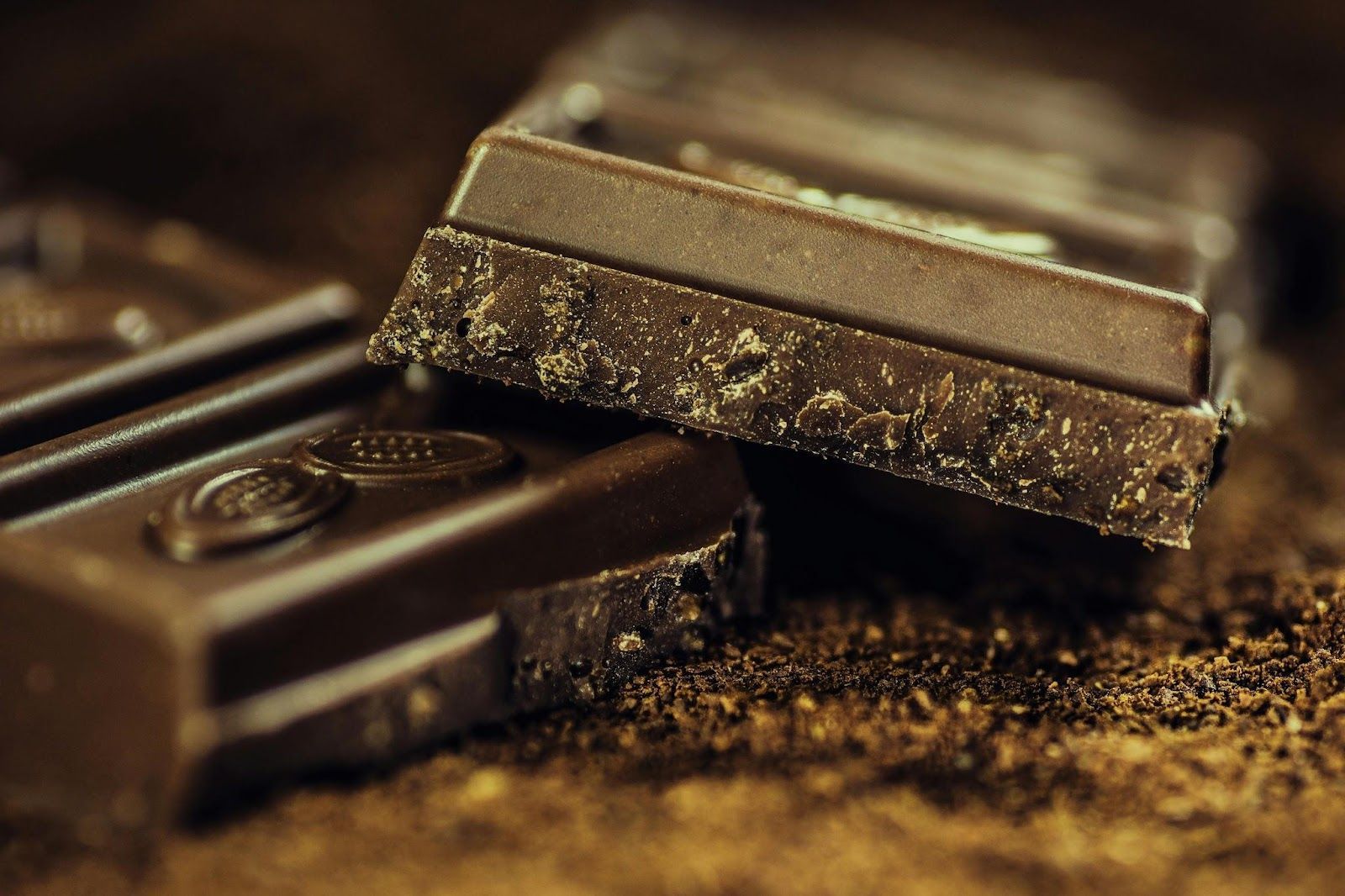
This is very good news for those with a sweet tooth! Dark chocolate (that means, products that have more than 70% cocoa) contains flavonoids that may improve blood flow and help reduce blood pressure. No need to cut it out entirely!

3

Coffee

Image: Igor Haritanovich

Coffee has long been maligned for "raising blood pressure," but it is now linked to lower risks of heart disease, Parkinson’s disease, and type 2 diabetes, again, thanks largely to its antioxidants. The danger, of course, lies in adding sugar, cream, syrups, and whatnot. Stick to a healthy brew!

4

Salt

Image: Castorly Stock

Yes, excess sodium is harmful, but cutting it out completely can also be risky. Sodium helps maintain fluid balance and supports proper nerve and muscle function. Make sure you don’t entirely skip it!

5

Pizza

Image: Andy Kuzma

Pizza with a caveat, that is. The healthiest pizza you can eat is homemade or thin-crust.

When made with whole-grain dough, real cheese, and veggie toppings, pizza can be a balanced meal, combining carbs, protein, and calcium. It’s the fast-food, oil-dripping, heavily-topped version that’s the real culprit.

6

Beer

Image: Alice Donovan Rouse

"What’s beer doing on this list?" you might wonder. Surprise! Moderate beer consumption (especially darker varieties) can provide antioxidant benefits and contribute B vitamins. Again, moderate is the magic word, not "happy hour every day."

7

Eggs

Image: Pixabay

Remember when eggs were demonized for cholesterol? Modern studies show dietary cholesterol doesn’t raise blood cholesterol as much as once believed. Eggs are nutrient-dense, packed with choline and protein.

8

Potatoes

Image: Polina Tankilevitch

Sure, potatoes often rank low on lists of healthy foods when we’re thinking of chips or French fries.

But the tubers themselves are rich in potassium, vitamin C, and resistant starch, which support gut health. When prepared simply, such as by boiling, they can be a nutritious addition to a balanced diet.

9

Butter

Image: Sorin Gheorghita

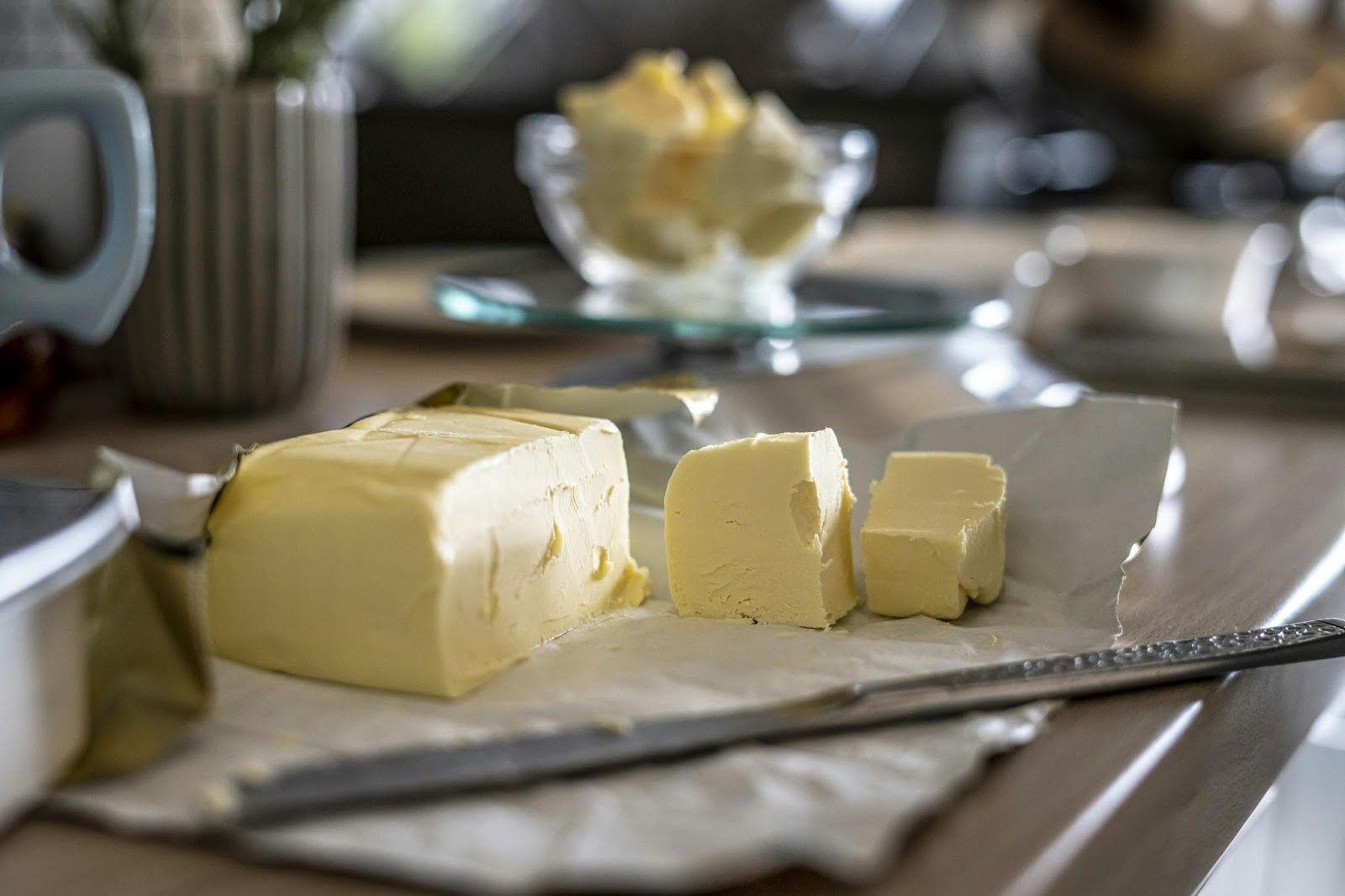
Demonized during the low-fat craze, natural butter, when consumed in small amounts, is often considered less harmful than margarine once was, particularly when margarines were filled with trans fats. Butter contains fat-soluble vitamins and conjugated linoleic acid (CLA), which may have anti-inflammatory effects.

10

Bananas

Image: Vanessa Loring

They’re often accused of being "too sugary." They might be, compared to other fruits, but they are also loaded with potassium, fiber, and tryptophan. This last one supports serotonin production and plays a role in mood balance.

11

Cheese

Image: Zoe Richardson

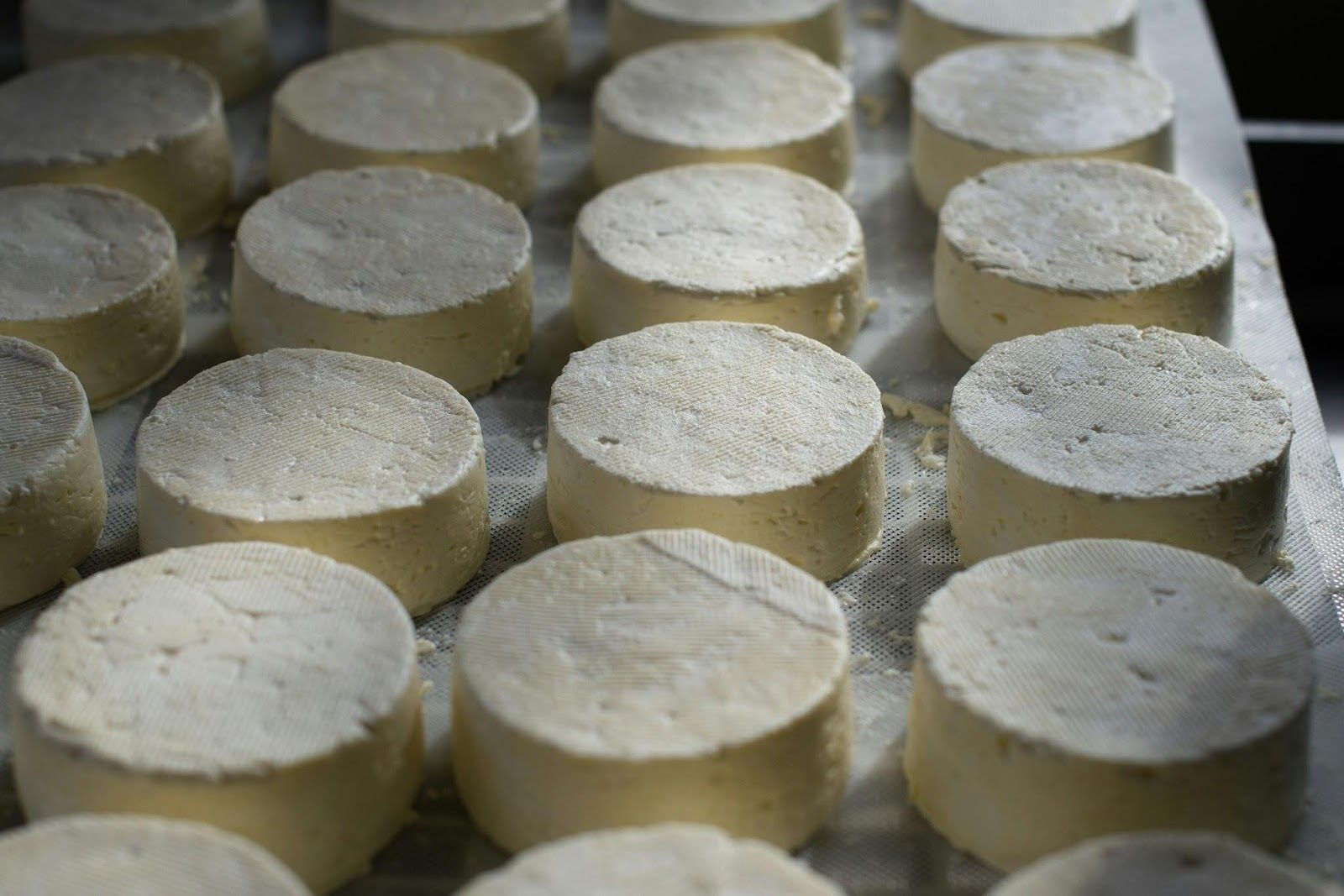
It’s calorie-dense, but also rich in calcium, along with beneficial fats and protein. Some fermented varieties (like aged cheddar or gouda) even contain probiotics that may support gut health.

What’s the healthiest type of cheese? Well, cottage cheese is often cited in that role, thanks to its high protein content and relatively low calorie count.

12

Sourdough Bread

Image: Debbie Widjaja

Not all bread is created equal; sourdough’s fermentation process can lower its glycemic index and make some nutrients more bioavailable. Plus, it’s often easier to digest than regular white bread.

13

Peanut Butter

Image: Tetiana Bykovets

Often considered a "diet killer," but pure peanut butter (just peanuts and salt) is full of protein, healthy fats, and vitamin E. Its bad rap comes from sugary, hydrogenated versions. Avoid those, and you are good to go!


LANGUAGE CHALLENGES

Can You Speak One Of The 10 Most Difficult Languages to Learn?


Published on January 23, 2026


Image: Siora Photography

Remember those Spanish classes back in school? Or maybe you tried with French? Whether you've studied aforeign language or not, one thing's for sure: learning how to speak, read, and write in new languages is no easy task. But some of them are simply a true challenge! Do you know which language is written from right to left? Have you heard that in Europe, there's a language whose origins are still a mystery?

If you want to discover the 10 most challenging languages for native English speakers and understand why they are so tough, this article is for you!

1

Finnish

Image: Ethan Hu

You can find Finnish-speaking communities in Sweden, Estonia, Norway, Canada, and even the United States. However, most Finnish speakers live in the beautiful country of Finland. If you love cold winters, you'll probably find life in this small country quite enjoyable. But what might give you a real headache is trying to learn the language!

Finnish, spoken by approximately 5 million people, has several characteristics that make it a challenge for many of us. Among them are its complex grammatical structure, which uses suffixes instead of prepositions, and its vowel harmony, where pronunciation can completely change the meaning of words. Additionally, Finnish lacks a separate future tense, having to add auxiliaries to past and present verb forms or relying on contextual clues to express future actions!

2

Mandarin

Image: Hanson Lu

At some point in your life, someone probably has said, "Don't talk to me in that tone!" While this is a common scene for many of us, it takes on a different meaning for Mandarin Chinese speakers.

This is because Mandarin is a tonal language, which means that the definition and intention of words can change depending on the tone used when pronouncing them. Each sound in its phonetic system can have multiple different meanings! For example, the word gong can mean "palace," "work," "together," or "achievement." Fascinating, right?

Being one of the most widely spoken languages in the world, it is also among the most complex to learn. But don't let this discourage you! Mandarin is a beautiful language that is worth trying.

3

Arabic

Image: Nick Fewings

Around 300 million people speak Arabic as their first language. That's a lot of people! With so many different regions and people using it, the language has developed many dialects and regional peculiarities, making it pretty complex. But it's not just the diversity of dialects that makes Arabic hard to learn.

In addition to its distinct characters, Arabic also has a special feature that sets it apart from many other languages: it is written and read from right to left, unlike the left-to-right direction of Western writing systems.

And there's more! There is an interesting exception to its right-to-left rule. When it comes to currency signs accompanying numbers, the order is reversed, with the symbol on the left and the number on the right, just as we do.

4

Navajo

Image: Nik Shuliahin

While Navajo is a familiar name to many, mastering this complex language is no small feat. It can be a unique challenge for English speakers, thanks to a couple of distinctive characteristics.

Besides being a tonal language, Navajo has a complex grammar that structures sentences quite differently from English. It's also agglutinative, which means it forms new words by adding prefixes and suffixes, much like Turkish or Finnish.

Navajo also features a unique verb conjugation system. And as if all that wasn't enough, it also includes sounds not found in English, making pronunciation particularly tough.

Yet, despite its fascinating complexity, Navajo stands out as the most widely spoken Native American language in the United States today, especially in the southern regions of the country.

5

Japanese

Image: Sorasak

Japanese, like Mandarin and other languages of the East, is acclaimed for its beauty and complexity.

Firstly, Japanese presents a unique challenge with its three scripts: Hiragana, Katakana, and Kanji,each one with its characters and specific uses. In addition, Japanese is an agglutinative language, meaning it forms complex words by adding suffixes and combining terms.

Like Navajo, Japanese includes sounds that are not native to English speakers. But it doesn't end there! Japanese also stands out for having only two verb tenses: past and non-past, with the latter serving for present and future expressions.

However, despite its challenges, many brave people make the rewarding decision to learn this ancient and rich oriental language. You can do it, too!

6

Basque

Image: Eric Prouzet

Basque, also known as Euskera, is a European language spoken primarily in the Basque Country, in northern Spain.

This language has a particularity that sets it apart - literally - from the rest: its origins are debated to this day. Why? Well, because it shares no significant characteristics with any other European language, not even with Spanish or Portuguese! For this reason, it's known as an isolated language. It is precisely that quality that makes it so complex to learn, as you can't rely on comparisons with languages you already know.

But despite its rarity and complex grammar, learning this language also means becoming familiar with Basque culture, a fun and interesting experience if you enjoy a good challenge!

7

Korean

Image: ibmoon Kim

Korean isn't just known for its unique writing system; it's also recognized as one of the most challenging languages to learn, and for good reasons.

The grammatical structure of Korean follows a subject-object-verb order, which is different from English's subject-verb-object structure. This means that constructing sentences in Korean, even if you get the writing system or the meanings of words, can be a considerable challenge.

In addition, the Korean language has different levels of formality for cultural reasons. This includes the use of honorifics, which can change verb endings based on the level of respect you wish to show.

8

Greek

Image: Hans Reniers

Many English words are derived from Greek. For that and other cultural reasons, Greek may not be the hardest language for English speakers. But one thing is for sure: it is not the easiest either.

To start, Greek has its own alphabet, different from the Latin alphabet we use in English and other Western languages. Its grammar isn't very friendly either, with noun declensions, grammatical genders, and various verb endings. For example, Greek often places the verb toward the end of the sentence. While it has a flexible word order, it can still be challenging when chatting, as you have to understand the context or wait until the end of the sentence to get the verb.

However, learning the language of philosophy and poetry is definitely worth it!

9

Hungarian

Image: Elijah G

Hungarian is spoken in Hungary and other parts of the world by over 13 million people. Considering its tough structure, that's a lot of people employing this unique language!

Hungarian has very complex grammar, and you must understand it well to communicate effectively. It has a noun case system, where a little change in a word can completely alter its meaning. Additionally, Hungarian lacks grammatical genders, and itdiffers from English in that it possesses a huge amount of 14 vowels! That's a lot of sounds!

10

Icelandic

Image: Hunter Reilly

As a North Germanic language, Icelandic is full of peculiarities that make it hard for English speakers to pick up.

Like many of the languages we have already mentioned, Icelandic has a rather complex grammatical structure, replete with rules and a fair dose of exceptions. Similar to Greek, Icelandic tends to position the verb at the sentence's end.

But one of Icelandic's most unique features is its three genders: masculine, feminine, and neuter. Nouns and articles must all align with these genders. Are you up for a few lessons?

Looking for an extra scoop of literary fun?

Learn more with our Word of the day

famous

/ˈfeɪməs/