Wild science
Could dinosaurs have built computers? 12 crazy theories say maybe
Published on September 5, 2025
 Image: Raghav Modi
All great scientific breakthroughs begin as wild—albeit informed—guesses. While not all theories hold up against the evidence, many still offer fascinating insights into the strange nature of our world and the workings of science itself. From multiverses to simulations, there’s no shortage of weirdness in the scientific community. Before you shrug them off, consider this: these strange theories may sound outlandish, but many are supported by real data and serious research. For now, the jury’s still out—so why not explore them for yourself?
The Universe might be a hologram
 Image: Daniele Levis Pelusi
Yes, that—but not the kind of hologram you're probably thinking of. It's actually much weirder. Some physicists, like Juan Maldacena and Leonard Susskind, propose that everything we experience—space, time, matter, even gravity—might just be a 3D projection of information stored on a distant 2D surface.
The idea comes from black hole physics. Scientists discovered that all the information about what falls into a black hole might be encoded on its outer surface, not within. This strange result led to a profound question: What if our entire universe works the same way? While we’re far from proving it, the holographic principle has become a powerful tool in theoretical physics.
Time does not exist
 Image: Elijah Hiett
Some physicists argue that time might not be real—at least not in the way we typically experience it. In physics, especially in general relativity and quantum mechanics, time doesn’t behave like a universal ticking clock. Instead, it's often considered a human-constructed framework for organizing events. In fact, many fundamental equations that describe the universe don’t even include time as a necessary component.
Are we living in a multiverse?
 Image: Kind and Curious
The multiverse theory suggests that our universe might be just one of many. In fact, there could be an infinite number of universes—each with different laws of physics, unique histories, or even alternate versions of you. This idea isn’t just science fiction; it’s taken seriously by many physicists, especially in fields like quantum mechanics and cosmology. While we can’t observe other universes (yet), the mathematics behind some of these theories remains consistent and compelling.
We might be living in a cosmic zoo
 Image: Danie Franco
The Zoo Hypothesis is one of the many possible answers to the Fermi Paradox—if aliens exist, why haven’t we seen them? This theory suggests that intelligent extraterrestrial civilizations are out there, but they’re deliberately avoiding contact with us. Think of it as a cosmic version of a wildlife preserve or zoo: they might be observing us from a distance but choose not to interfere, allowing us to evolve naturally.
Reality is math
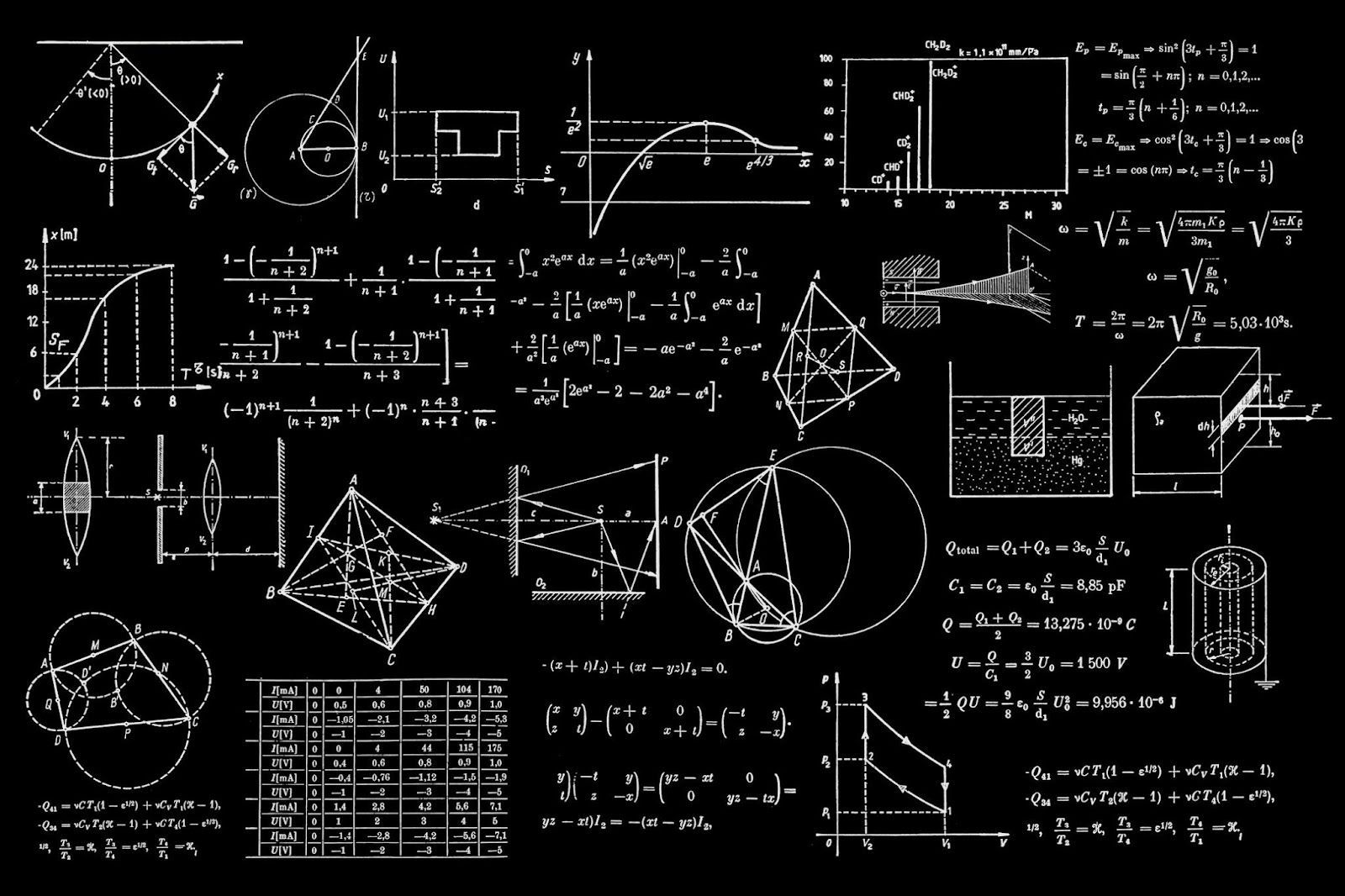 Image: Dan Cristian Pădureț
Some scientists argue the universe isn’t just described by math—it is math. Physicist Max Tegmark believes that everything we experience—matter, energy, space, even consciousness—is ultimately a mathematical structure. If he’s right, reality itself is made entirely of numbers and equations. Suddenly, paying attention in math class sounds like a survival skill.
What if the Big Bang was a Big Bounce?
 Image: NASA Hubble Space Telescope
The Big Bounce theory challenges the idea that the universe began with a single Big Bang. Instead, it suggests that the universe goes through endless cycles of expansion and contraction—like a cosmic heartbeat. In this view, the Big Bang wasn’t the beginning of everything, but just the latest in a series of "bounces." If true, our cosmos might be much older than we think—and part of an eternal rhythm.
Can consciousness alter reality?
 Image: Dasha Yukhymyuk
While we barely understand what consciousness is—or how it came to be—modern physics hints that it might be able to influence the material world, at least on the tiniest scales (quantum scales). A key notion at the heart of quantum physics is that some particles behave differently when observed. Although the exact relationship between consciousness and these phenomena is hotly debated, many experiments strongly suggest that consciousness may not be the passive observer we’ve long assumed.
Black holes might be gateways
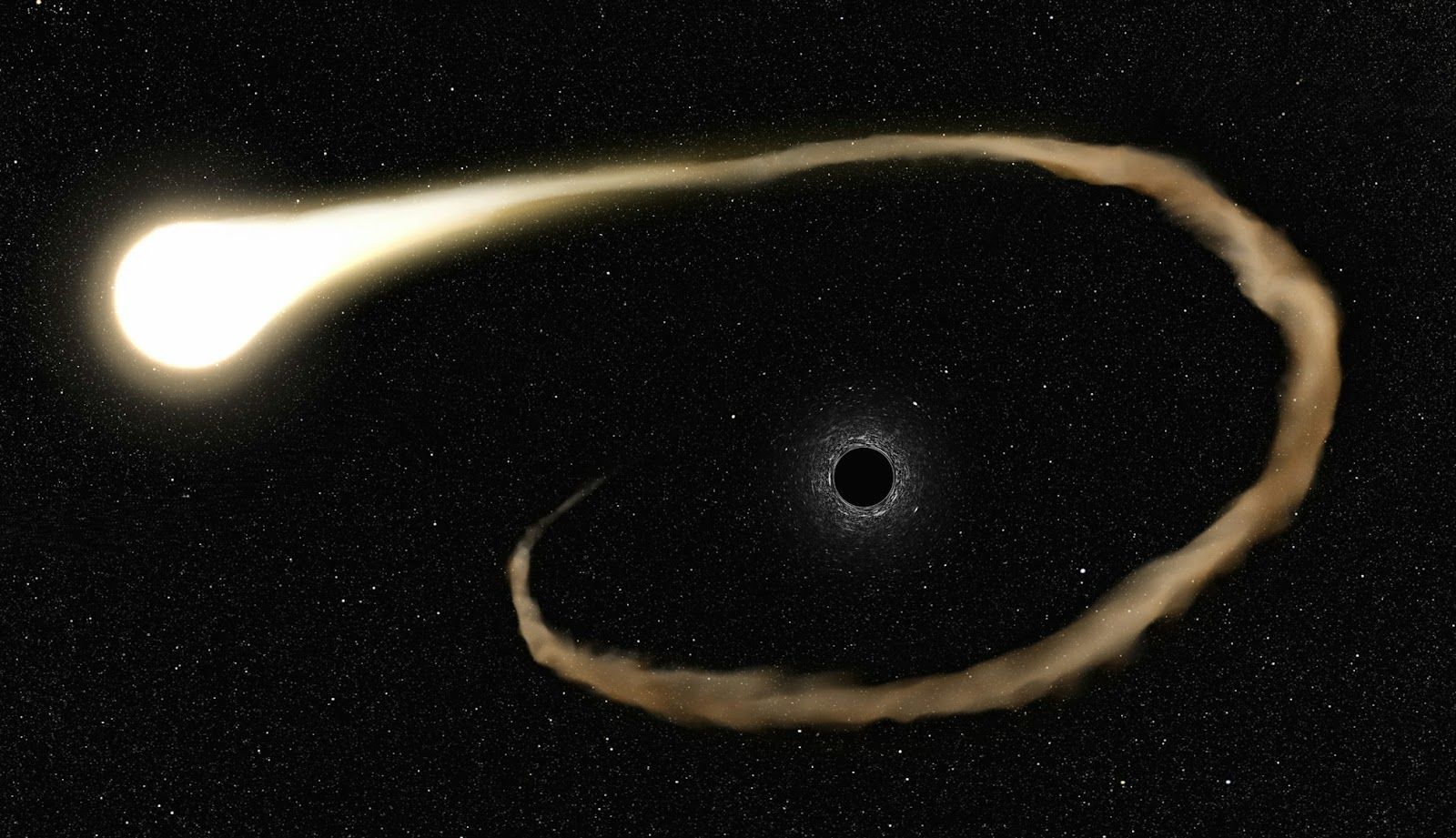 Image: NASA Hubble Space Telescope
Some scientists believe black holes might not just destroy—they could also lead somewhere else. According to general relativity, the intense gravity of a black hole warps space and time to an extreme degree. Some have proposed that this could create a tunnel—called a wormhole—linking distant parts of the universe, or even other universes entirely. No empirical evidence exists yet, but new telescopic imaging of black holes may one day reveal clues.
The Simulation Hypothesis
 Image: N C
What if everything you experience is just...code? The Simulation Hypothesis suggests that our entire universe might be an artificial simulation, like a super-advanced video game, created by a higher intelligence. Supporters argue that if future civilizations can simulate consciousness, it's statistically more likely that we're living in one of those simulations than in the original "real" world. Some even point to oddities in physics, like pixel-like limits in space and energy, or quantum unpredictability, as possible clues.
Life could have started on Mars
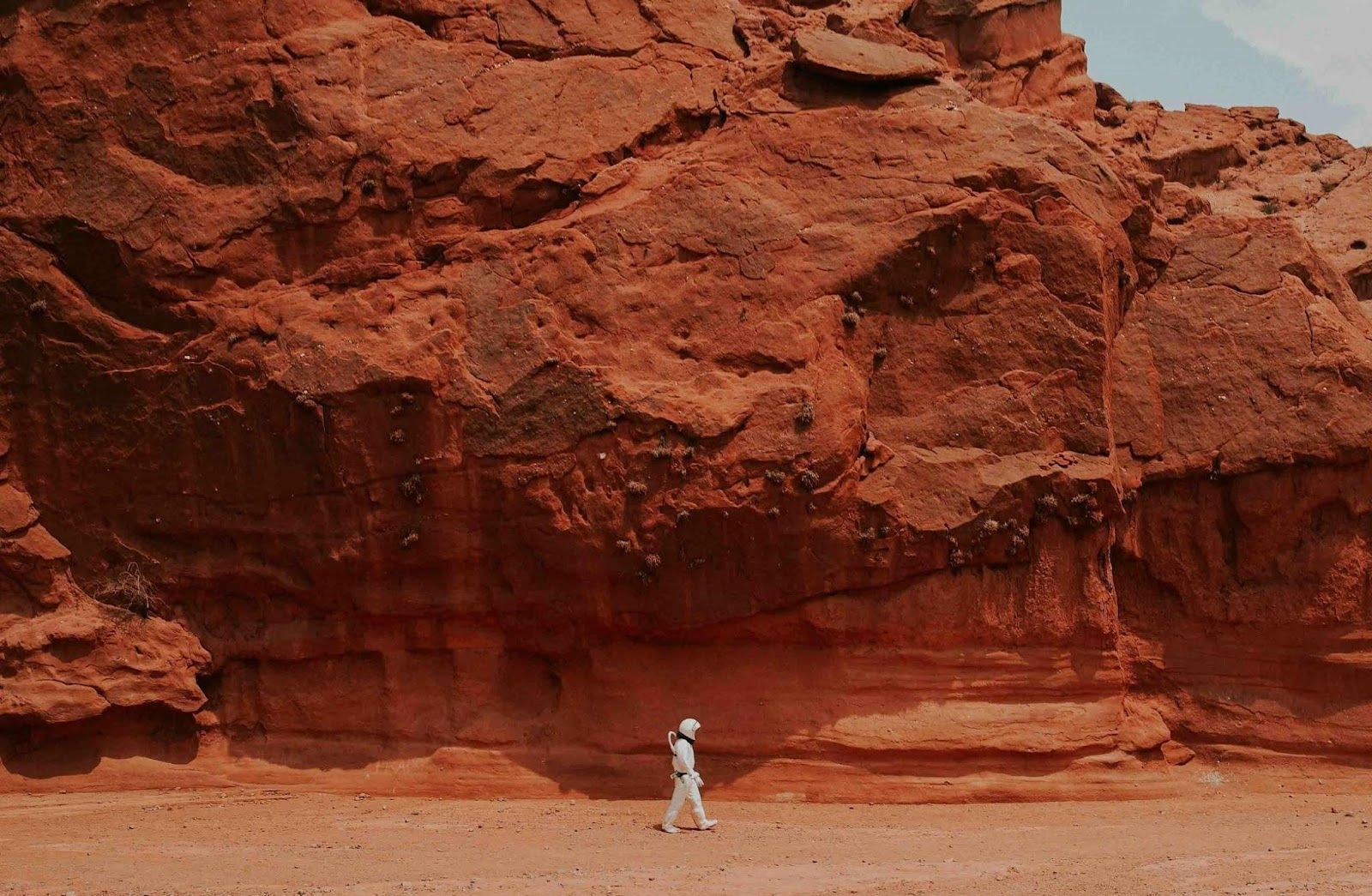 Image: Nicolas Lobos
Some scientists believe Earth might not be the birthplace of life—it could be Mars. This idea, related to panspermia, suggests that life may have first emerged on Mars when the planet was warmer and wetter, then hitched a ride to Earth via meteorites blasted off the Martian surface. Mars has the necessary ingredients for life, including water, organic molecules, and certain minerals that may have been more abundant there than on early Earth. While the theory remains unproven, it is taken seriously in the emerging field of astrobiology.
The future could influence the past
 Image: Mizanur Rahman
It sounds impossible, but some physicists think future events might somehow influence past ones. Like many of the strangest ideas in science, this comes from certain interpretations of quantum mechanics. In some experiments, particles seem to "decide" how to behave based on measurements made after they’ve already taken action. While this doesn’t mean we can change the past at will, it challenges the idea that time only moves forward.
Smart dinosaurs
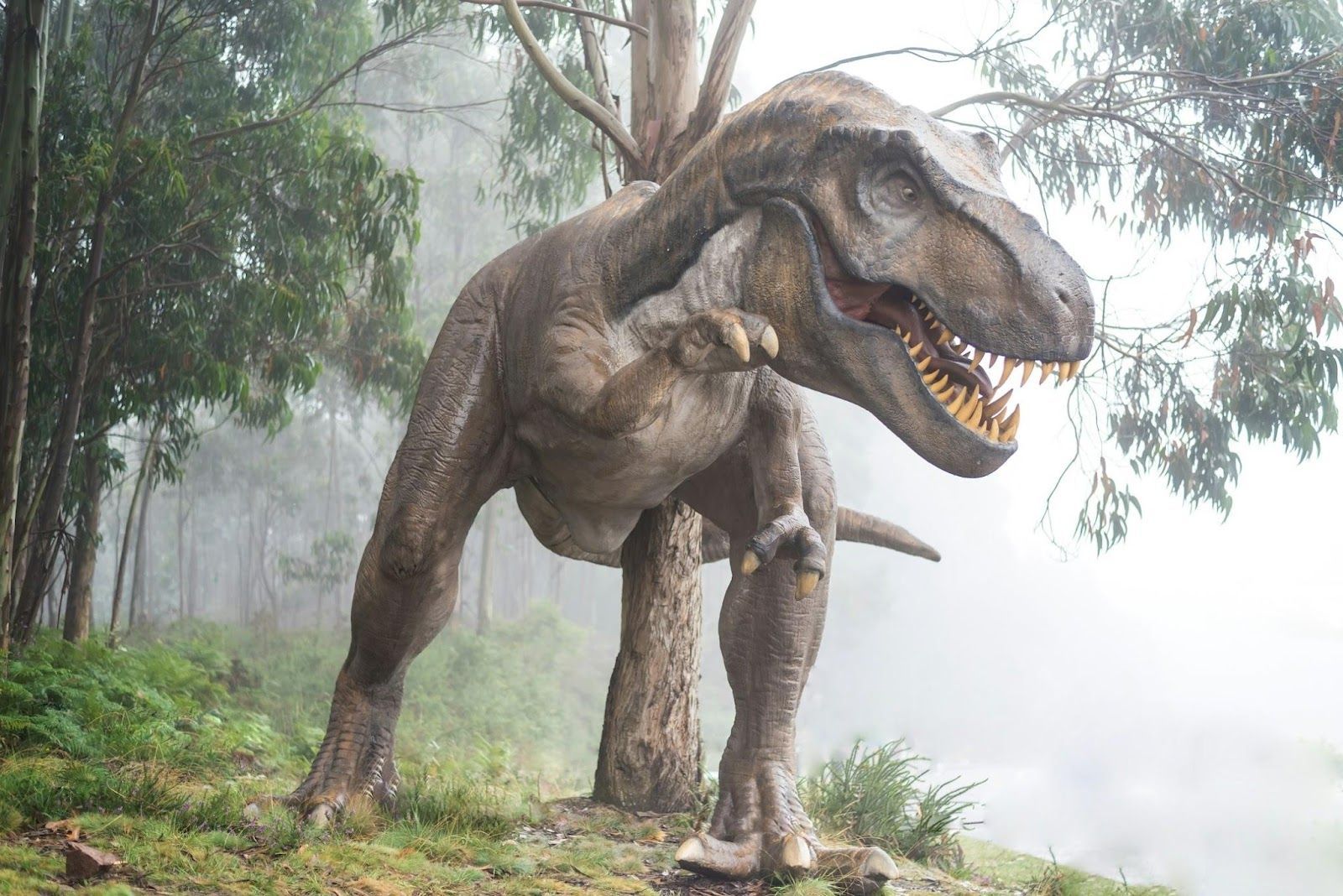 Image: Fausto García-Menéndez
What if some dinosaurs were on track to become intelligent beings? Paleontologist Dale Russell proposed that if the small, brainy Troodon hadn’t been wiped out by the asteroid, it could have evolved into a highly intelligent, human-like creature—something he called a "dinosauroid." This idea stems from the fact that the bird-like Troodon had one of the highest brain-to-body ratios among dinosaurs, suggesting it may have already possessed complex behaviors and problem-solving abilities.


