Hidden marketing

Common words that started as brand names, can you guess them all?


Published on December 9, 2025


Image: Diggity Marketing

Ever asked for a Band-Aid when you really meant any bandage? Or told someone to Google something even if they used another search site? We all do it, and we don’t even notice, and that’s because some everyday words we use are actually trademarks that belong to specific companies. Here, we’ve just gathered just a few, but you may end up realizing you sound like a walking commercial more often than you thought.

1

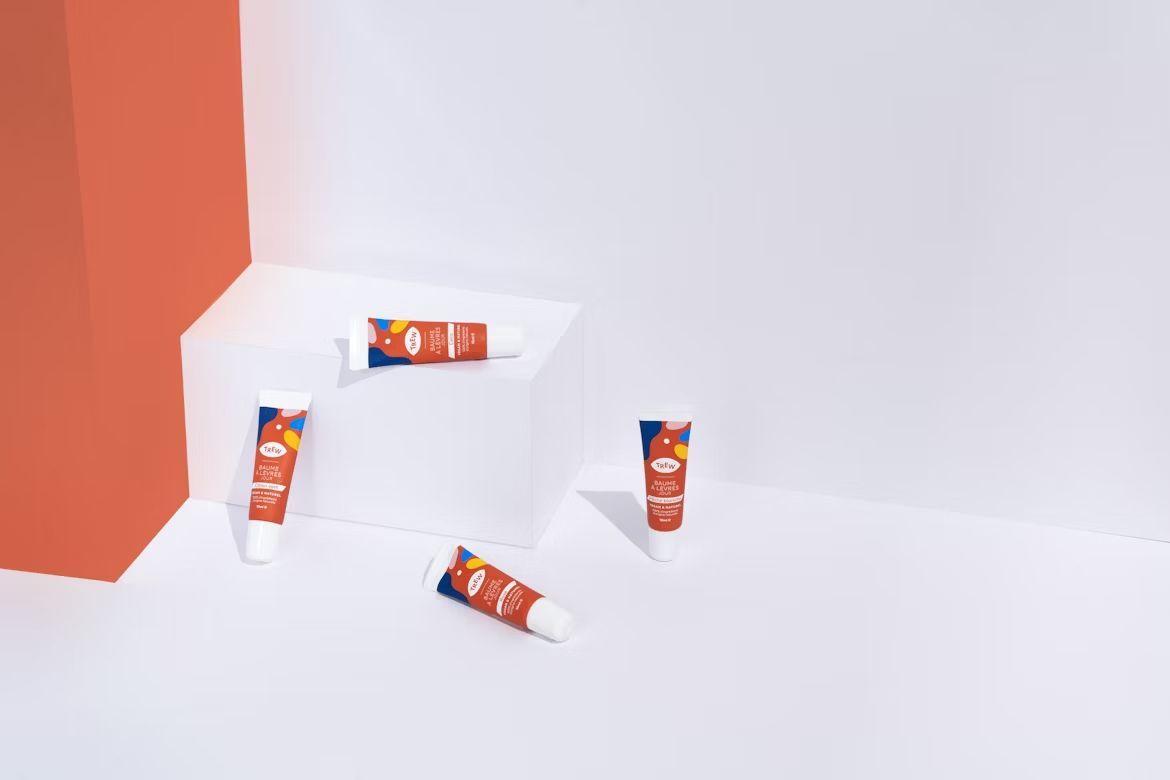
ChapStick or just lip balm?

Image: Trew

Cold weather hits, your lips get dry, and you ask for a ChapStick. But unless it says ChapStick on the tube, you are probably just using a regular lip balm. Wyeth LLC owns the trademark, and they made it official in 2009. By then, the name was already rolling off everyone’s tongue, so it stuck for good.

2

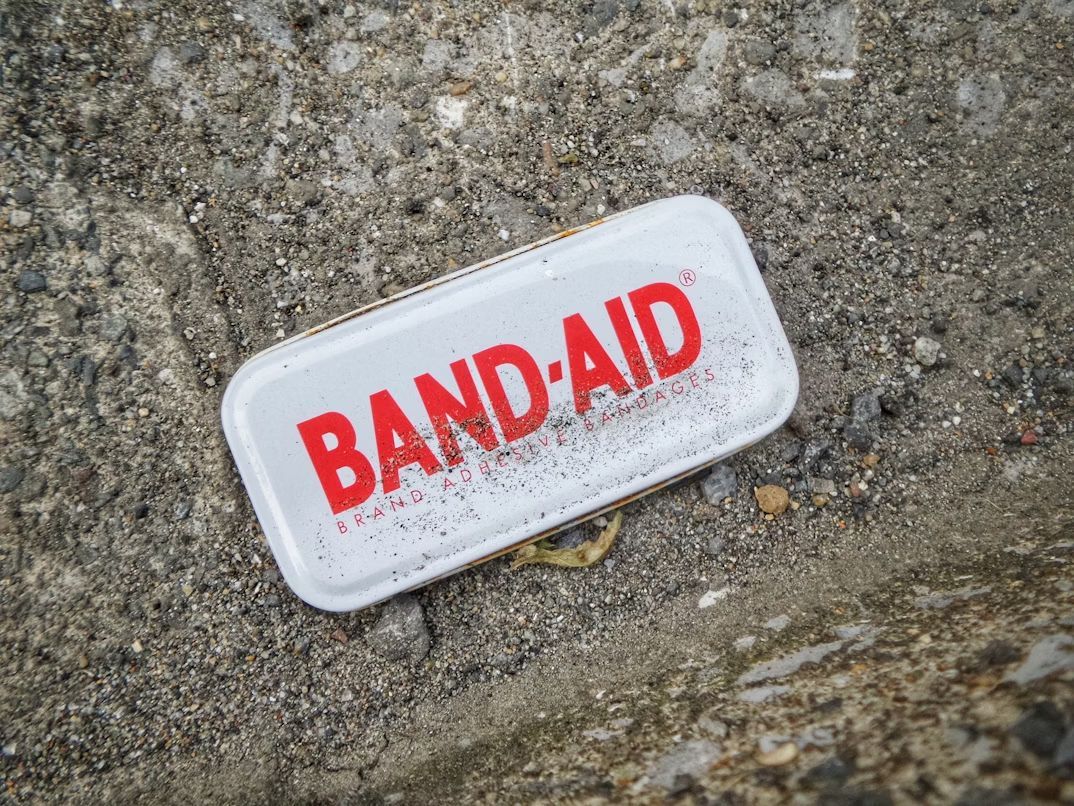
The famous Band-Aid

Image: Possessed Photography

Every cut, scrape, and blister seems to call for a Band-Aid, even when the box actually says something else. Johnson & Johnson trademarked the name in 1925, and it became the word we all use without thinking. Kids, especially, never say "adhesive bandage." It is always a Band-Aid.

3

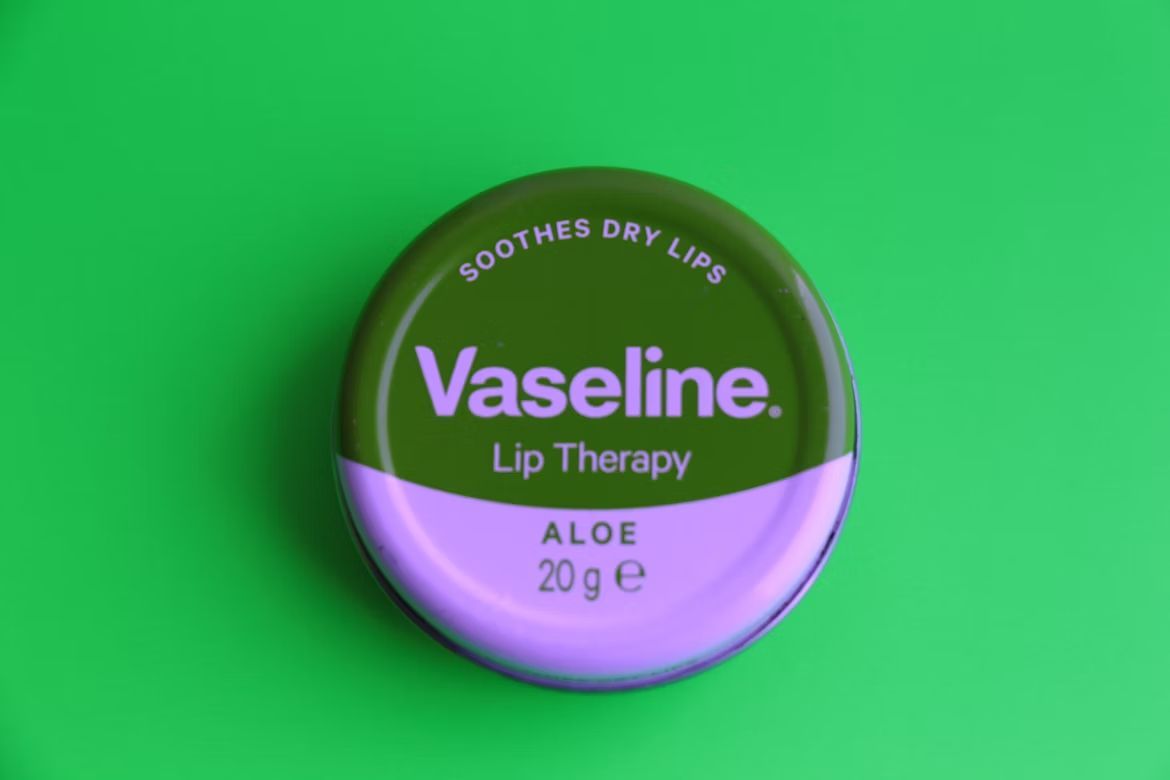
Vaseline in the medicine cabinet

Image: The Drink Break

That little blue-and-white jar might not really be Vaseline, but who is checking the fine print? Unilever owns the name, and technically, it just refers to one brand of petroleum jelly. Yes, that’s the generic term. Still, most of us reach for the name Vaseline whether we are soothing dry skin or covering a scrape.

4

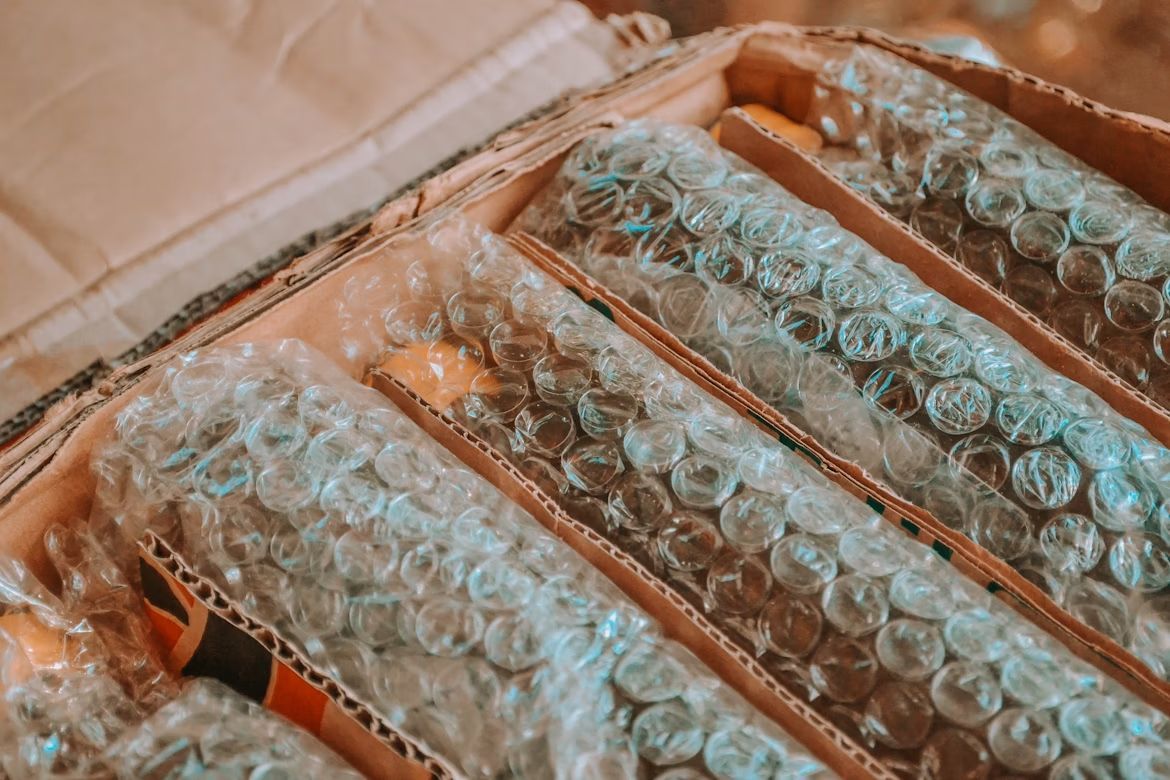
Bubble Wrap and the joy of popping

Image: Wander Fleur

Moving boxes are stressful, but Bubble Wrap makes up for it. Sealed Air Corporation owns the name, trademarked in 1983, but we call just about any sheet of cushioning bubbles Bubble Wrap. And let’s be honest, we care less about the trademark and more about the fun of popping it.

5

Crock-Pot and Sunday dinners

Image: Jacob McGowin

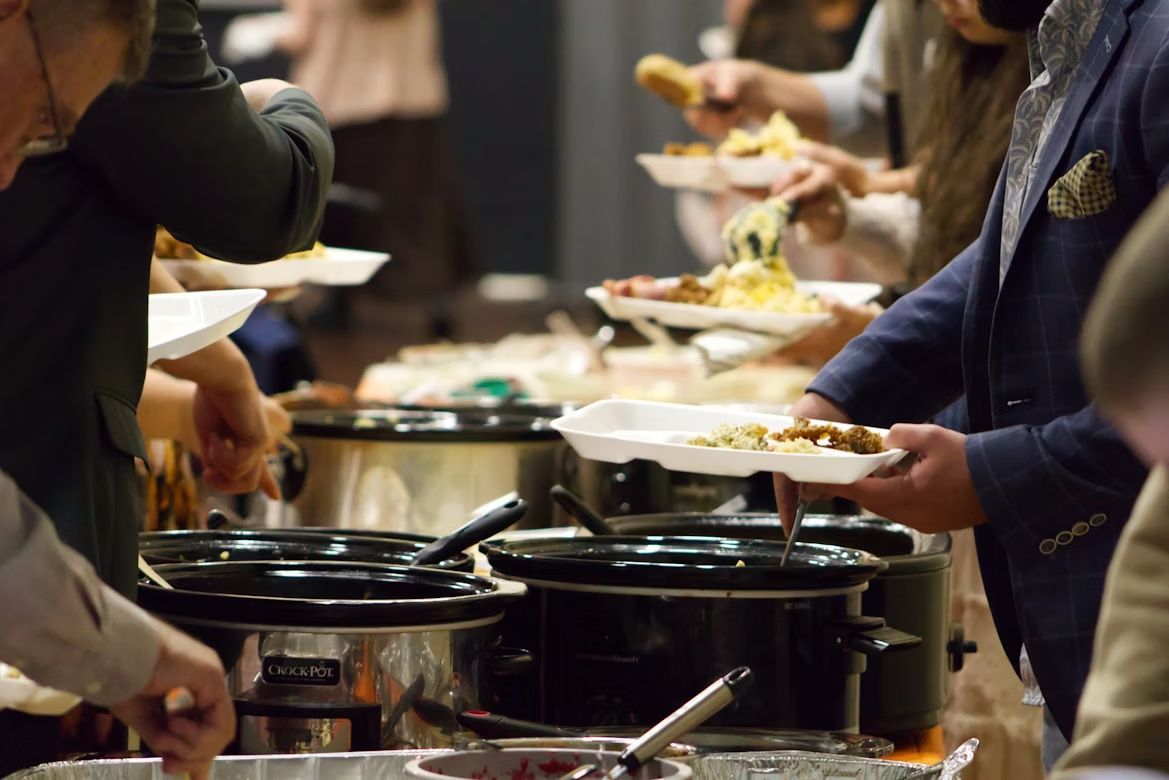
"Throw it in the Crock-Pot" has become kitchen shorthand for slow cooking. Sunbeam registered the name in 1972, and it quickly became part of family dinner traditions. The generic term is slow cooker, but to most of us, Crock-Pot is the only name that matters.

6

Ping-Pong versus table tennis

Image: Jure Zakotnik

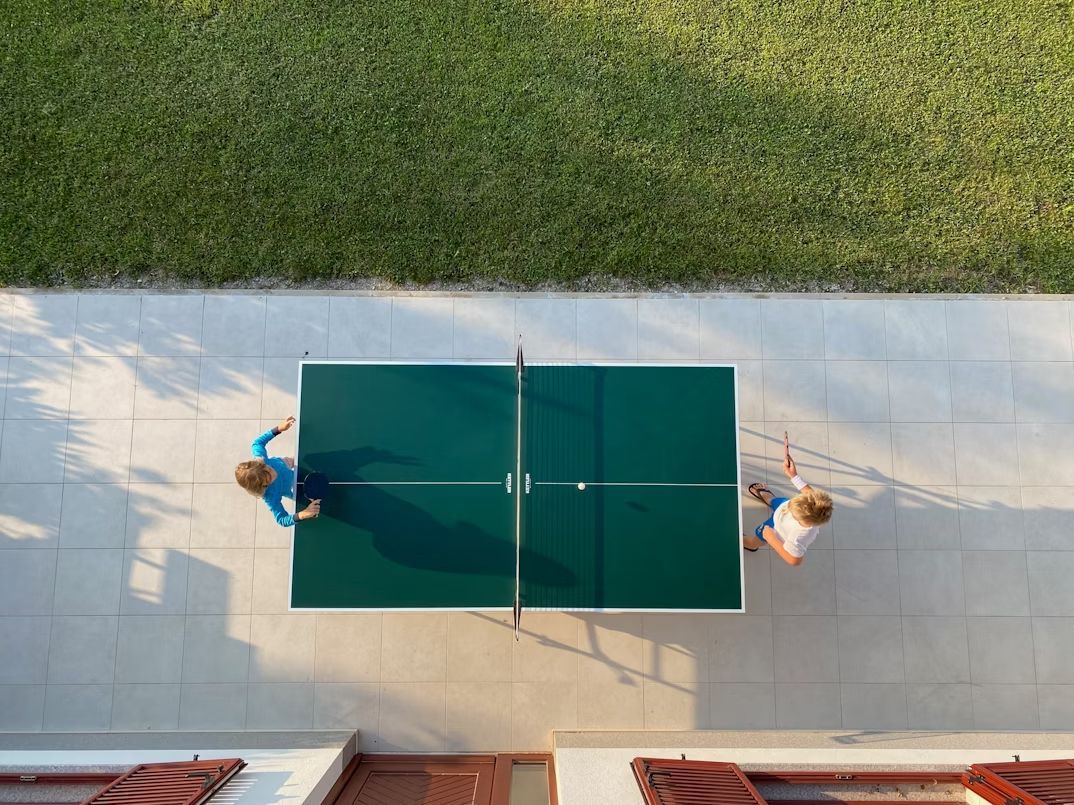
Table tennis might be the proper term, but Ping-Pong is the one most of us grew up saying. The trademark dates back to 1931 and belongs to Escalade Sports in America. Still, when friends set up a folding table in the basement, nobody calls it table tennis. Ping-Pong just feels right.

7

Popsicle on a hot day

Image: Jarritos Mexican Soda

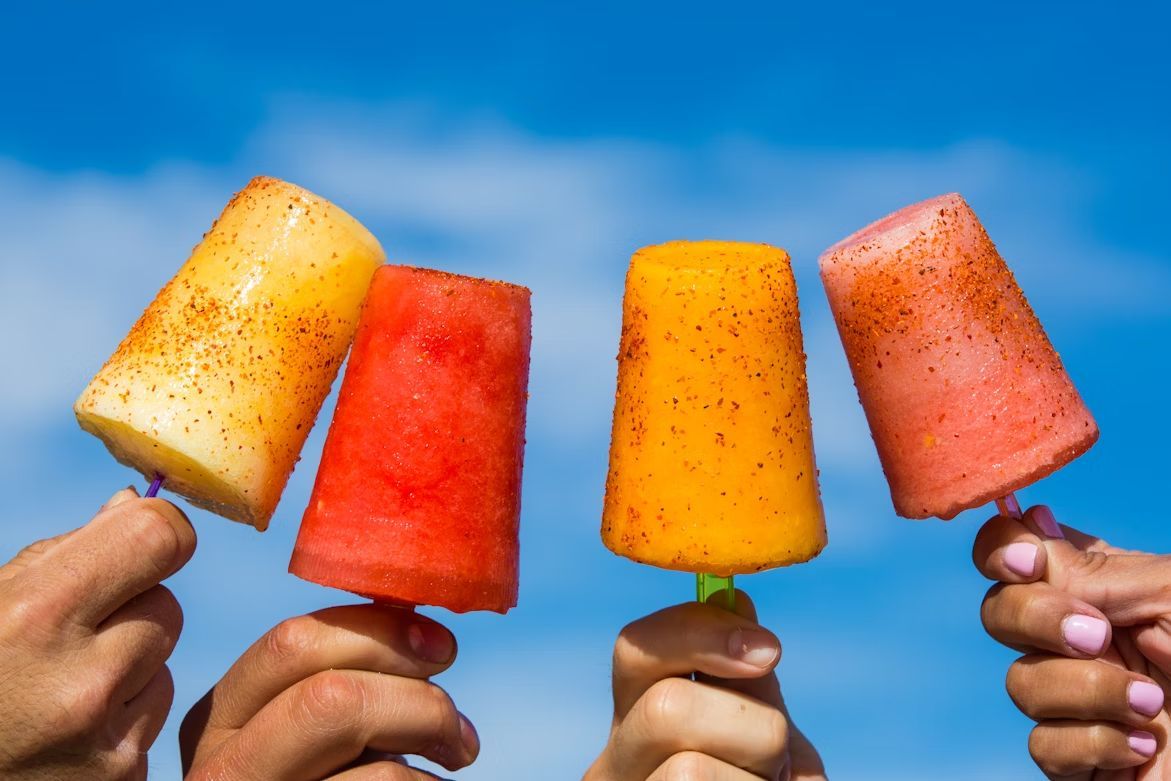
Hot summer afternoon, kids run to the freezer, and what do they want? A Popsicle. Unilever owns the trademark, registered in 2001, but really, they are ice pops. Try calling them that and see how many eye rolls you get. Popsicle is the word that stuck.

8

Velcro and the rip sound

Image: SJ 📸

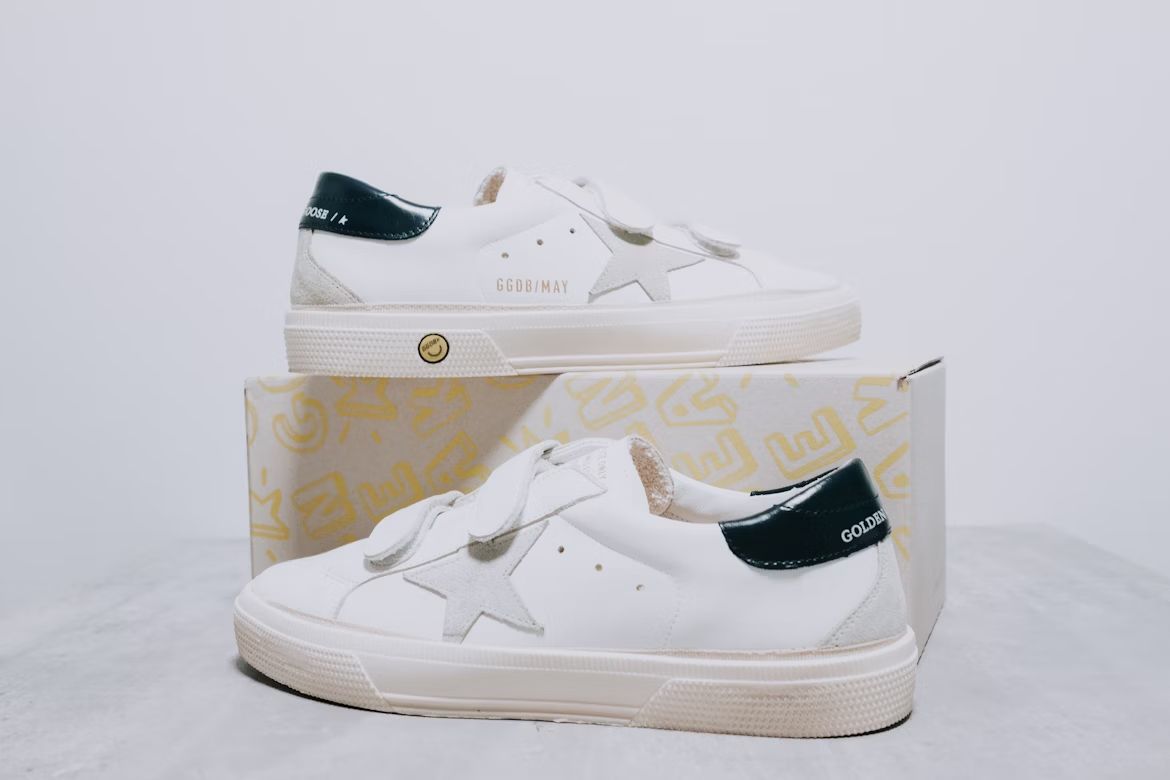
That rip of Velcro is instantly recognizable. The company Velcro Industries trademarked the name in 1975, but technically, it is called a hook-and-loop fastener. Try saying that three times fast. That’s why Velcro won the word war, simply because it is fun to say and easy to remember.

9

Google it

Image: Go to Firmbee.com's profile Firmbee.com

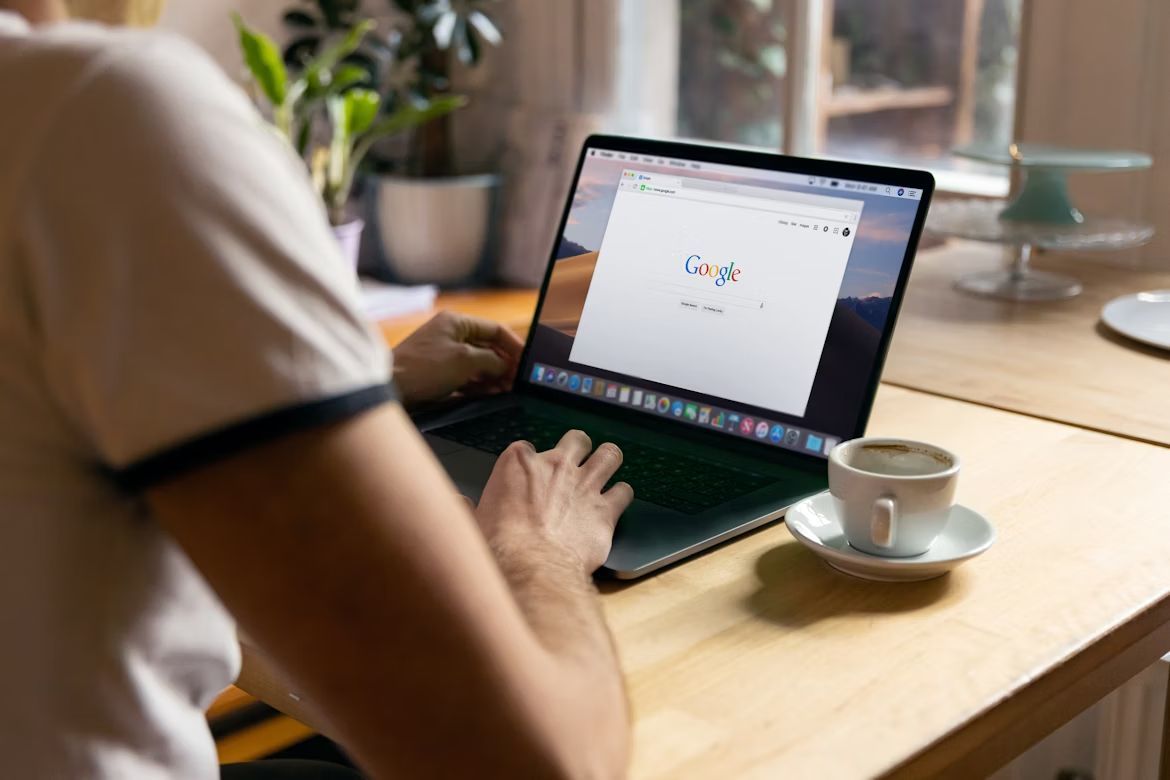
When was the last time you told someone to "Bing it"? Exactly. Google became such a dominant name that it turned into a verb almost overnight. They registered the trademark in 2004, but by now "Google it" means "look it up," no matter which search engine you use.

10

Realtor with a capital R

Image: Tierra Mallorca

Not every real estate agent is a Realtor. That word was trademarked in 1950 by the National Association of Realtors, and it refers only to members of the group. Still, most people toss it around for any agent who shows them a house. It is another case where the trademarked name became the everyday word.


TINY KINGDOMS

10 Intriguing Micronations and Their Quirky Backstories


Published on December 9, 2025


Image: Suhash Villuri

Micronations, pint-sized realms existing within established borders or in remote corners of the globe, are intriguing political entities that highlight the nuances of the concept of sovereignty on which modern nations are founded.

And behind each micronation, there are fascinating tales of independence, eccentric leaders, and all sorts of political pursuits. In this article, we will uncover the stories of 10 micronations that - in one way or another - tried to have an effect on the real world.

1

Principality of Sealand

Image: Ashley Dace, CC BY-SA 2.0

Location: North Sea, near Suffolk, England

One of the best-known and most successful micronations, the Principality of Sealand is located in a decommissioned WWII sea fort in the North Sea waters, a few miles off the coast of England. It was established by Paddy Roy Bates in 1967, a British citizen who originally intended to use it to broadcast a pirate radio.

Instead, he declared the independence of his tiny platform and proceeded to aggressively fend off anyone who tried to approach it without his permission. The controversial journey of the self-declared Principality is almost beyond belief, as it includes mercenary attacks, hostage crises, and a de facto recognition by the United Kingdom.

2

Republic of Molossia

Image: Kenan Sulayman

Location: Near Dayton, Nevada

In the heart of Nevada, President Kevin Baugh presides over Molossia, a micronation complete with its own constitution, currency, and an ongoing war with the former state of East Germany. According to Baugh, a technicality allows the war to keep going despite the dissolution of the GDR - you can even buy war bonds on the official website!

A teenage dream fulfilled, Baugh and his country have been featured in various media, and his eccentric enclave is a popular attraction in the area.

3

The Conch Republic

Image: Jametlene Reskp

Location: Key West, Florida

This seaside micronation was born in 1982 as a humorous means of protest over various inconveniences that the Key West inhabitants faced from the federal government, particularly regarding a number of U.S. Border Patrol roadblocks that were hurting their vital tourism industry.

Amazingly, the hilarious stunt worked, as the roadblock was removed afterward. However, the Conch Republic still proudly boasts its own passports and navy, while waging a cold war against the United States - all in good humor and as a way of incentivizing tourism in the area.

4

Free Republic of Liberland

Image: Joachim Pressl

Location: Between Croatia and Serbia

Founded on an allegedly unclaimed stretch of the Danube River in 2015, Liberland champions the libertarian ideals of its founder, Vít Jedlička - a member of the Czech Party of Free Citizens. Jedlička dreams of creating a state that rejects traditional bureaucracy and emphasizes personal freedoms.

However, the government of Croatia is not very happy with the attempts of the purported Liberland citizens to visit their claimed territory and has frequently arrested and charged Jedlička and his collaborators for illegal border crossing.

5

Hutt River Principality

Image: Chris Fithall from Ballarat, CC BY 2.0

Location: Near Northampton, Western Australia

In 1970, Australian farmer Leonard Casley declared his farm's independence due to a wheat quota dispute with the government. Originally called the Hutt River Province, Casley began styling himself as "Prince Leonard," also granting royal titles to his family members.

This micronation issued its own currency, stamps, and passports, and with an area of 29 sq mi, the claimed territory was indeed larger than many recognized countries. The site was a popular tourist attraction, but in 2020 the Principality was dissolved due to unresolved tax disputes with the Australian government.

6

Aerican Empire

Image: Ahmed Zayan

Location: The Internet and Montreal, Canada

Existing primarily in the digital realm, the Aerican Empire boasts territory on Earth, Mars, and various imaginary planets. Its creative and lighthearted approach to micronationalism—its national motto is "The world is ridiculous; let’s keep it that way" and its flag is adorned by a smiley face—has attracted attention from journalists and aspiring citizens from all over the world.

Its emperor and founder, a Canadian man called Eris Lis, has a day job as a psychiatrist, but this, does not stop him from organizing all sorts of activities related to the micronation. The group even developed a joke religion called Silinism that "encourages people to be more silly."

7

Empire of Atlantium

Image: Frances Gunn

Location: Sidney, Australia

Described as a "secular humanist utopia," Atlantium was founded in Sydney in 1981 by a group of teenage friends. It has its own constitution and currency, and unlike other micronations actively involves itself in the political issues of its resident country, even awarding "Imperial Honors" to non-members in recognition of their service to local communities.

With a territory divided among the various properties of the micronation’s founders, almost 3,000 "citizens" as of 2015, and many "unaccredited diplomatic representatives" in several countries, Atlantium presents itself as a serious venture in the world of micronations.

8

Grand Duchy of Westarctica

Image: Cassie Matias

Location: Antarctica

In 2001, actor and former seaman of the U.S. Navy Travis McHenry declared himself Grand Duke over a portion of West Antarctica, a large stretch of territory that remains unclaimed by any recognized country.

A few years later, McHenry founded another micronation called Calsahara in Southern California, but he eventually linked both projects when Calsahara was "annexed" by Westartica. From 2014 onwards, Westartica exists as a non-profit organization that advocates for Antarctic wildlife protection and conservation, as well as for research into climate change.

9

Wirtland

Image: John Schnobrich

Location: The Internet

Founded in 2008, Wirtland operates as a completely virtual nation with thousands of citizens across the globe. Its founders sought to create a state unbound by geography, where its citizens would be able to connect through cyberspace.

In 2019, Wirtland's ruler tried selling the micronation on eBay and was contacted by Travis McHenry from Westarctica, who was interested in annexing the virtual nation as a colony of sorts. However, the sale was never realized, as Wirtland’s citizens revolted immediately against the idea of a third party getting hold of their personal data.

10

Akhzivland

Image: דוד שי, CC BY-SA 4.0

Location: Between Israel and Lebanon

After the Israeli government threatened to demolish Eli Avivi’s home in the ancient port city of Achziv, he protested by founding the micronation of Akhzivland inside the ruins of the city, setting up a museum and a hostel. The micronation became a hip tourist spot, attracting various artists and countercultural figures including Sophia Loren and Paul Newman.

After founding Akhzivland, Avivi was initially arrested but released 10 days later as the charge of "Creating a Country Without Permission" was deemed nonexistent. Following a lawsuit against the Israeli government, the court granted Avivi a 99-year lease on the area.

Looking for an extra scoop of literary fun?

Learn more with our Word of the day

creative

/kriˈeɪdɪv/