Hidden marketing

Common words that started as brand names, can you guess them all?


Published on December 9, 2025


Image: Diggity Marketing

Ever asked for a Band-Aid when you really meant any bandage? Or told someone to Google something even if they used another search site? We all do it, and we don’t even notice, and that’s because some everyday words we use are actually trademarks that belong to specific companies. Here, we’ve just gathered just a few, but you may end up realizing you sound like a walking commercial more often than you thought.

1

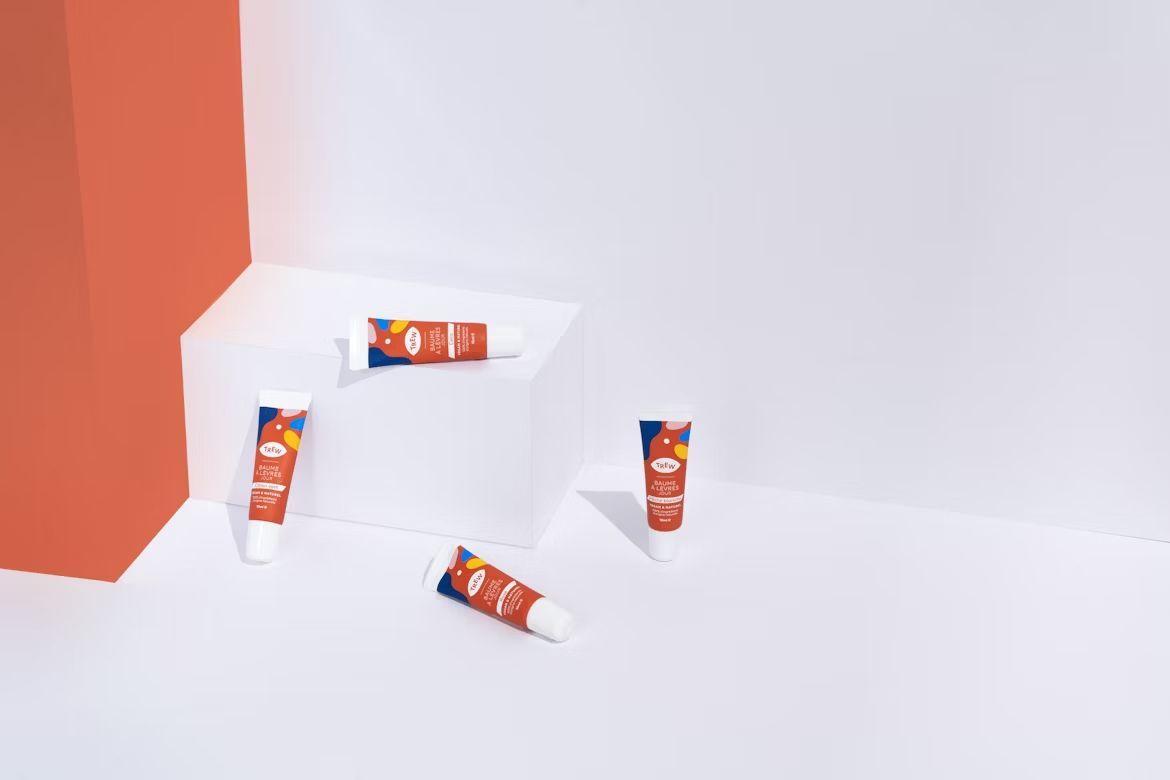
ChapStick or just lip balm?

Image: Trew

Cold weather hits, your lips get dry, and you ask for a ChapStick. But unless it says ChapStick on the tube, you are probably just using a regular lip balm. Wyeth LLC owns the trademark, and they made it official in 2009. By then, the name was already rolling off everyone’s tongue, so it stuck for good.

2

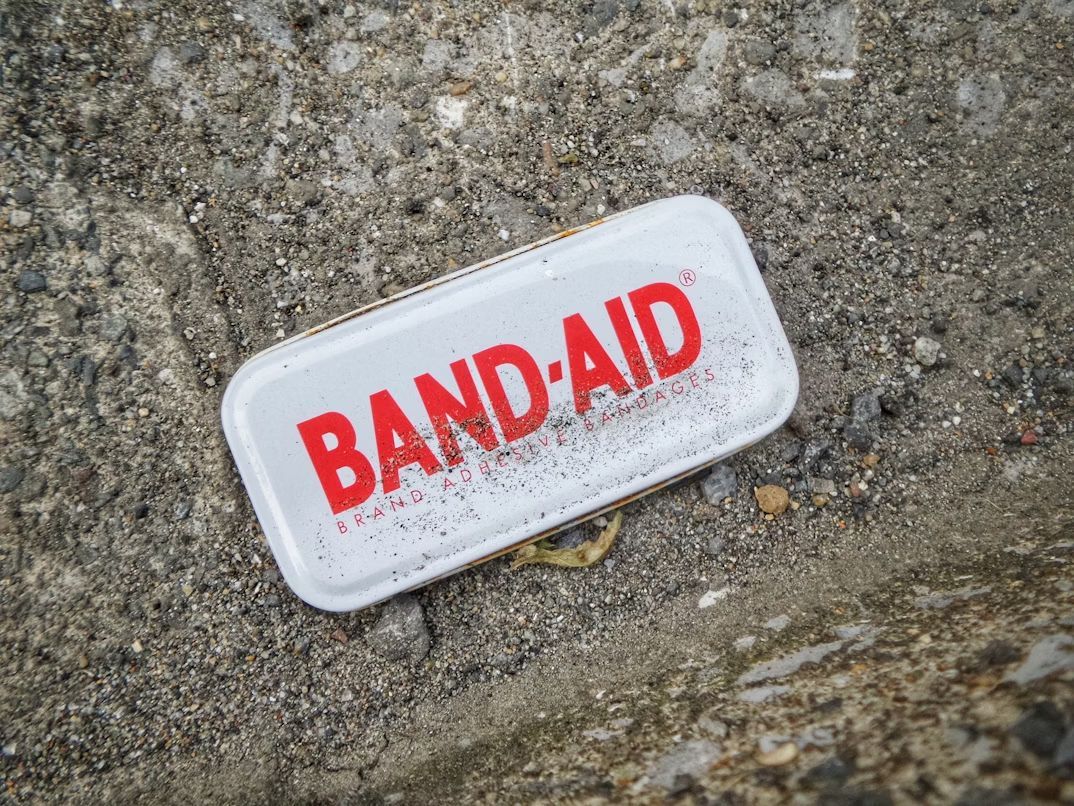
The famous Band-Aid

Image: Possessed Photography

Every cut, scrape, and blister seems to call for a Band-Aid, even when the box actually says something else. Johnson & Johnson trademarked the name in 1925, and it became the word we all use without thinking. Kids, especially, never say "adhesive bandage." It is always a Band-Aid.

3

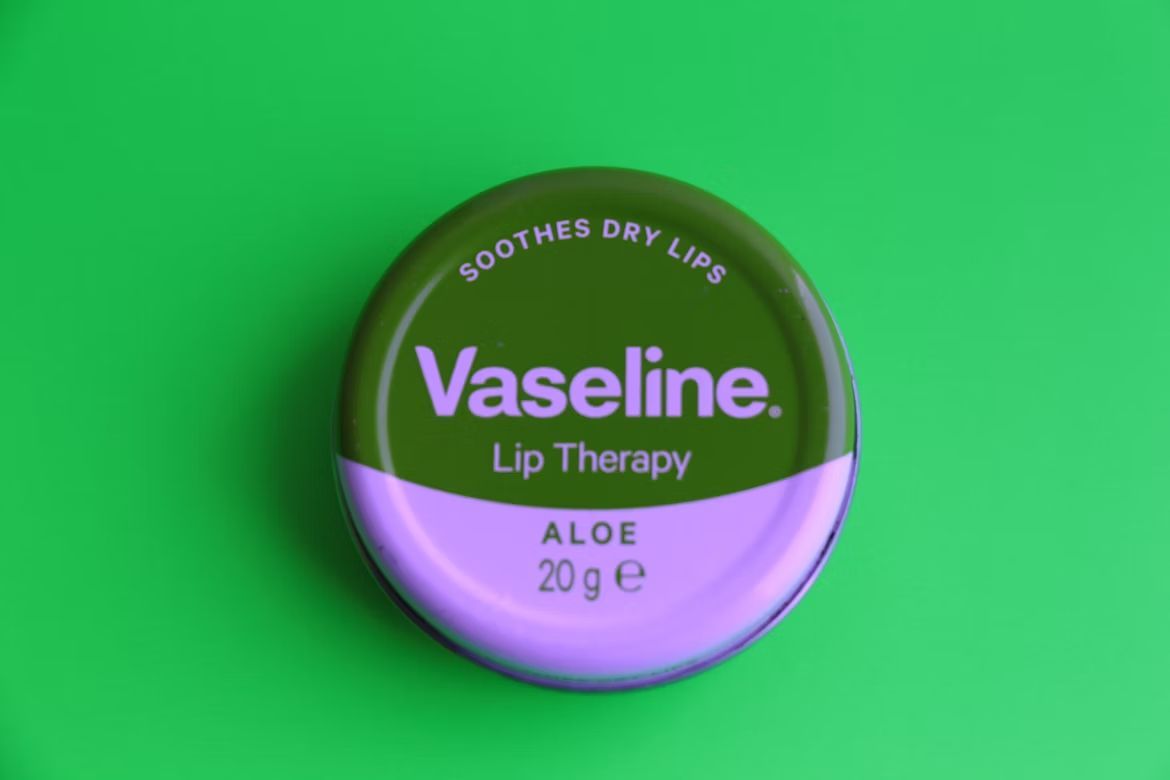
Vaseline in the medicine cabinet

Image: The Drink Break

That little blue-and-white jar might not really be Vaseline, but who is checking the fine print? Unilever owns the name, and technically, it just refers to one brand of petroleum jelly. Yes, that’s the generic term. Still, most of us reach for the name Vaseline whether we are soothing dry skin or covering a scrape.

4

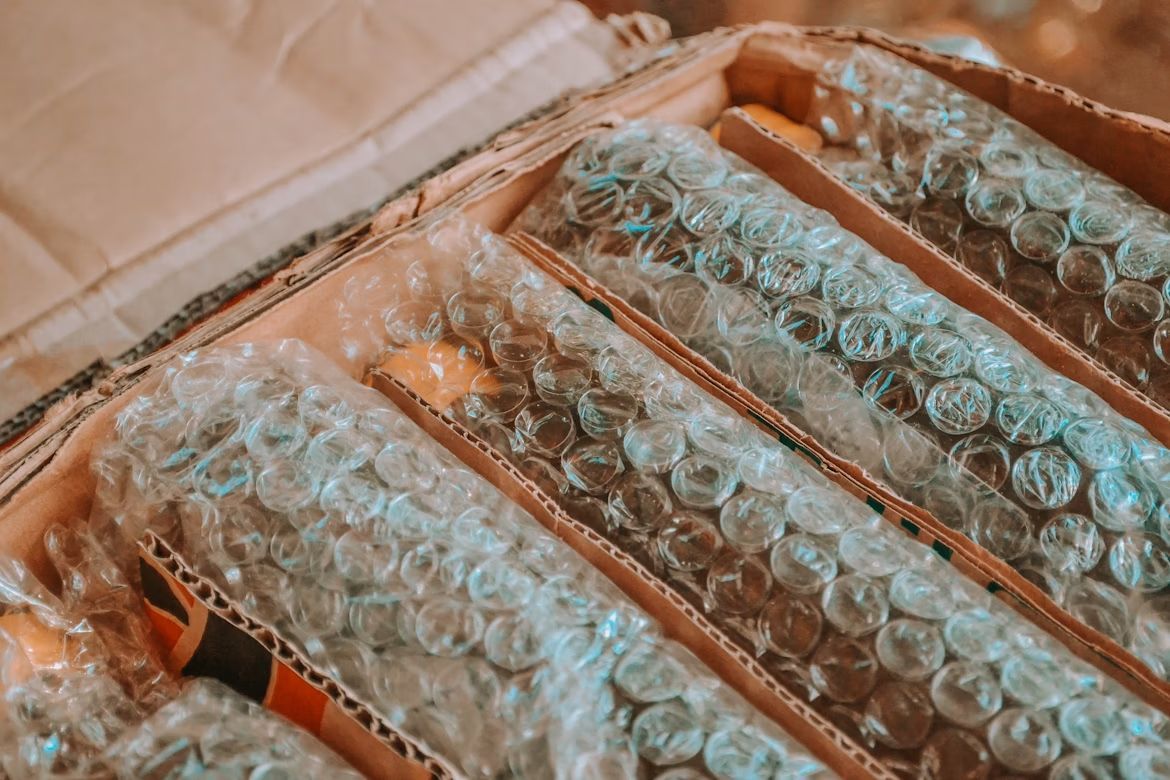
Bubble Wrap and the joy of popping

Image: Wander Fleur

Moving boxes are stressful, but Bubble Wrap makes up for it. Sealed Air Corporation owns the name, trademarked in 1983, but we call just about any sheet of cushioning bubbles Bubble Wrap. And let’s be honest, we care less about the trademark and more about the fun of popping it.

5

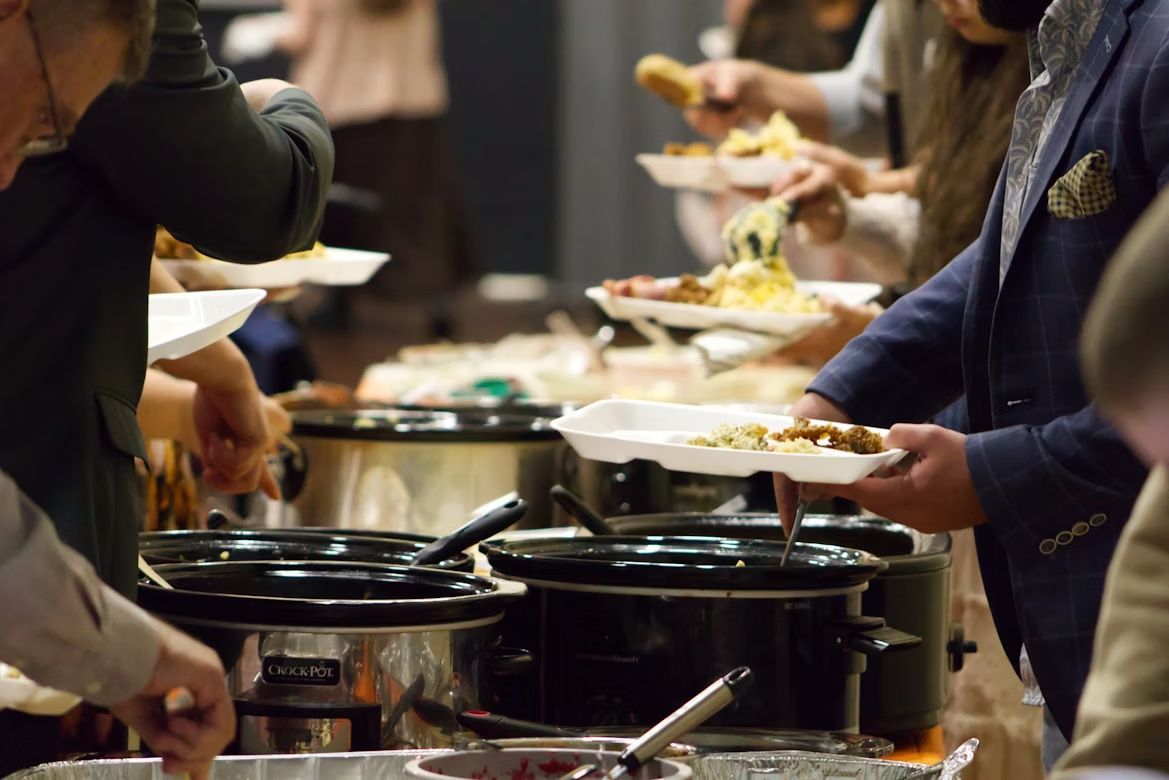
Crock-Pot and Sunday dinners

Image: Jacob McGowin

"Throw it in the Crock-Pot" has become kitchen shorthand for slow cooking. Sunbeam registered the name in 1972, and it quickly became part of family dinner traditions. The generic term is slow cooker, but to most of us, Crock-Pot is the only name that matters.

6

Ping-Pong versus table tennis

Image: Jure Zakotnik

Table tennis might be the proper term, but Ping-Pong is the one most of us grew up saying. The trademark dates back to 1931 and belongs to Escalade Sports in America. Still, when friends set up a folding table in the basement, nobody calls it table tennis. Ping-Pong just feels right.

7

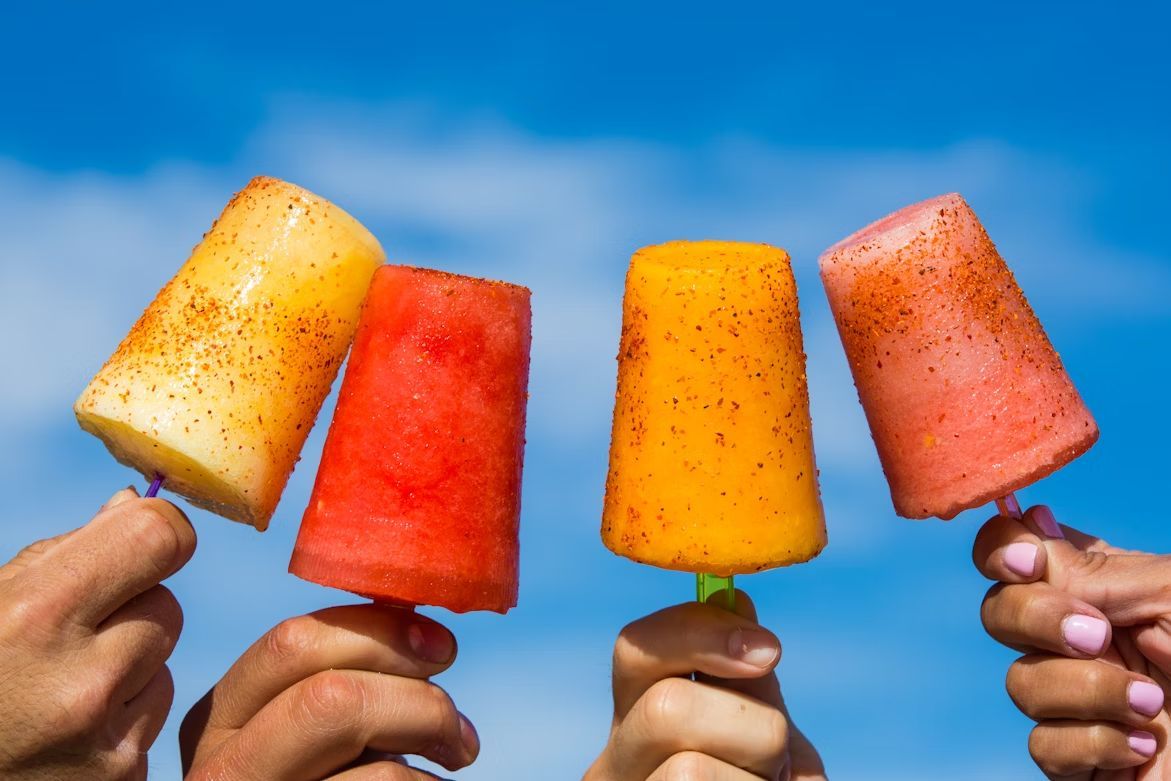
Popsicle on a hot day

Image: Jarritos Mexican Soda

Hot summer afternoon, kids run to the freezer, and what do they want? A Popsicle. Unilever owns the trademark, registered in 2001, but really, they are ice pops. Try calling them that and see how many eye rolls you get. Popsicle is the word that stuck.

8

Velcro and the rip sound

Image: SJ 📸

That rip of Velcro is instantly recognizable. The company Velcro Industries trademarked the name in 1975, but technically, it is called a hook-and-loop fastener. Try saying that three times fast. That’s why Velcro won the word war, simply because it is fun to say and easy to remember.

9

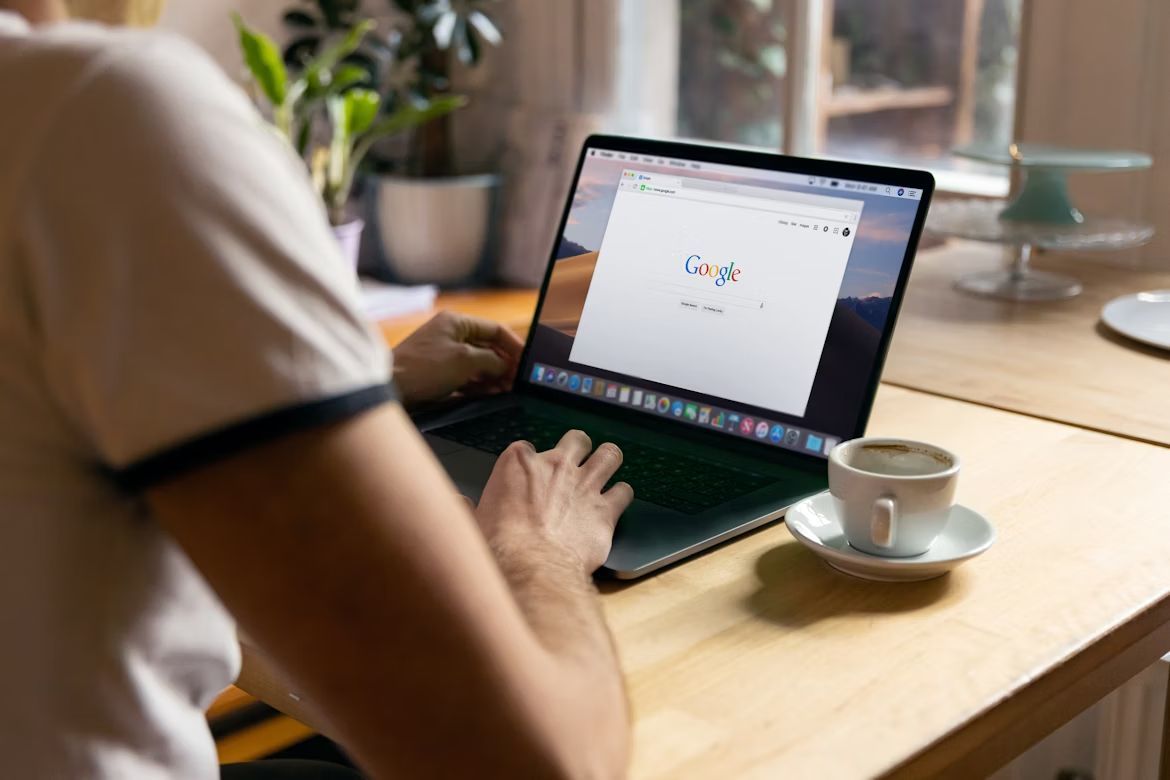
Google it

Image: Go to Firmbee.com's profile Firmbee.com

When was the last time you told someone to "Bing it"? Exactly. Google became such a dominant name that it turned into a verb almost overnight. They registered the trademark in 2004, but by now "Google it" means "look it up," no matter which search engine you use.

10

Realtor with a capital R

Image: Tierra Mallorca

Not every real estate agent is a Realtor. That word was trademarked in 1950 by the National Association of Realtors, and it refers only to members of the group. Still, most people toss it around for any agent who shows them a house. It is another case where the trademarked name became the everyday word.


PRESIDENTIAL TALES

The Surprising Backstories Behind 10 U.S. Presidents


Published on December 9, 2025


Image: National Archives and Records Administration

Presidents of the United States are often expected to be larger-than-life—sort of superhuman—personalities, leading the nation with gravity and responsibility. However, just like anyone, they have normal lives, peculiar interests, and sometimes even intriguing personal backstories.

From unconventional hobbies to surprising personal struggles, here are 10 U.S. Presidents with untold tales that might just reshape the way you perceive these historical figures.

1

Wrestling Prowess

Image: Provincial Archives of Alberta

Abraham Lincoln, the 16th U.S. President, wasn't just known for his eloquent speeches and great leadership during the Civil War. Surprisingly, "Honest Abe" was also a very skilled wrestler in his younger days. With over 300 matches under his belt, Lincoln only ever lost one, earning him a reputation as a formidable opponent in the ring.

2

The White House Zookeeper

Image: Nikolay Tchaouchev

While Calvin Coolidge may be mostly remembered for his quiet demeanor, his private life revealed a different side. Coolidge had a penchant for unusual pets, and during his stay at the White House, he turned it into a mini zoo. Besides many other more conventional pets, he owned two raccoons, a donkey, a bobcat, several lion cubs, a Pygmy hippopotamus, a wallaby, a duiker, an antelope, a black bear, and 13 Pekin ducks. Quite the exotic collection!

3

An Extraterrestrial Encounter

Image: Albert Antony

In 1969, years before becoming the 39th President, Jimmy Carter reported a UFO sighting in Georgia. He described seeing a bright light in the night sky that changed colors before disappearing. A few years later, Carter even filed an official report with the International UFO Bureau, making him the only U.S. President to document a personal encounter with unidentified flying objects.

4

Distillery Side Hustle

Image: Dylan de Jonge

Known as the "Father of His Country", George Washington had a side hustle that might surprise many. In 1799, he became one of the largest whiskey producers in the United States, operating a distillery on his Mount Vernon estate. Washington's distillery produced nearly 11,000 gallons of whiskey in 1799 alone. Despite this, Washington was a strong proponent of moderation, knowing well the dangers of drinking alcohol in excess.

5

The Boxing Champion

Image: Austrian National Library

Beyond his many political achievements, Teddy Roosevelt was an avid boxer throughout his life. He kept a boxing gym in the White House and sparred with various aides and diplomats.

While he embraced vigorous physical activities as a means of fighting various health issues, he was occasionally injured. He reportedly lost sight in one eye due to a detached retina from a particularly intense boxing match with a military aide, proving that he truly embodied his maxim: Speak softly and carry a big stick.

6

A Skinny-Dipping Habit

Image: Tyler Palmer

John Quincy Adams, the 6th President, had an unconventional daily routine. He was known for skinny-dipping in the cold waters of the Potomac River every morning, believing it invigorated both his body and mind. At the time, it wasn’t odd to bathe naked in a river, but his doctor wasn’t fully convinced of the health benefits of his peculiar practice. However, Adams staunchly defended his right to do so, and sometimes even invited family members or political acquaintances to join him in the Potomac.

7

A Short Modeling Stint

Image: Gerald R. Ford Presidential Library

Before entering politics, Gerald Ford left his mark in the fashion industry. In his late twenties, he worked as a model, even appearing on the cover of Cosmopolitan in 1942. Ford's modeling career was short-lived, as a few years later he would start campaigning in local Republican politics, but it adds an unexpected layer to the image of the 38th President.

8

The Gifted Musician

Image: Dolo Iglesias

Often remembered for his shortcomings—like the Watergate scandal—Richard Nixon had a hidden musical talent: playing the piano. Reportedly, he was an accomplished pianist, even performing with the likes of Pearl Bailey and Jack Benny. Behind his political mask, he was an intelligent and sensitive man, and while his musical abilities were overshadowed by his political career, it shows that there’s always more to a person than meets the eye.

9

Presidential Polyglot

Image: Alicia Razuri

Thomas Jefferson, 3rd U.S. President and one of the most influential political figures in the history of our country, was known for being proficient in several languages, including French, Italian, Spanish, and German. He was interested in linguistics and studied ancient languages like Latin, Greek, and even Old English. Documents found posthumously in his library suggest that he was also interested in Arabic, Irish, and Welsh, but it is unknown how proficient he was in those languages.

10

A Committed Life-saver

Image: Camille Brodard

Before Ronald Reagan entered politics, he worked as a lifeguard, saving 77 lives during his seven summers on duty. He even saved a little girl from drowning while serving as Governor of California! Reagan's transition from lifeguard to Hollywood actor eventually paved the way for his political career, proving that even the most unexpected career paths can lead to the highest office.

Looking for an extra scoop of literary fun?

Learn more with our Word of the day

contented

/kənˈtɛn(t)əd/